Table of Contents
The Great Wildebeest Migration is the story to tell in Africa.
If you’re planning a trip to Tanzania or Kenya, don’t forget to add the Great Migration to your safari bucket list.
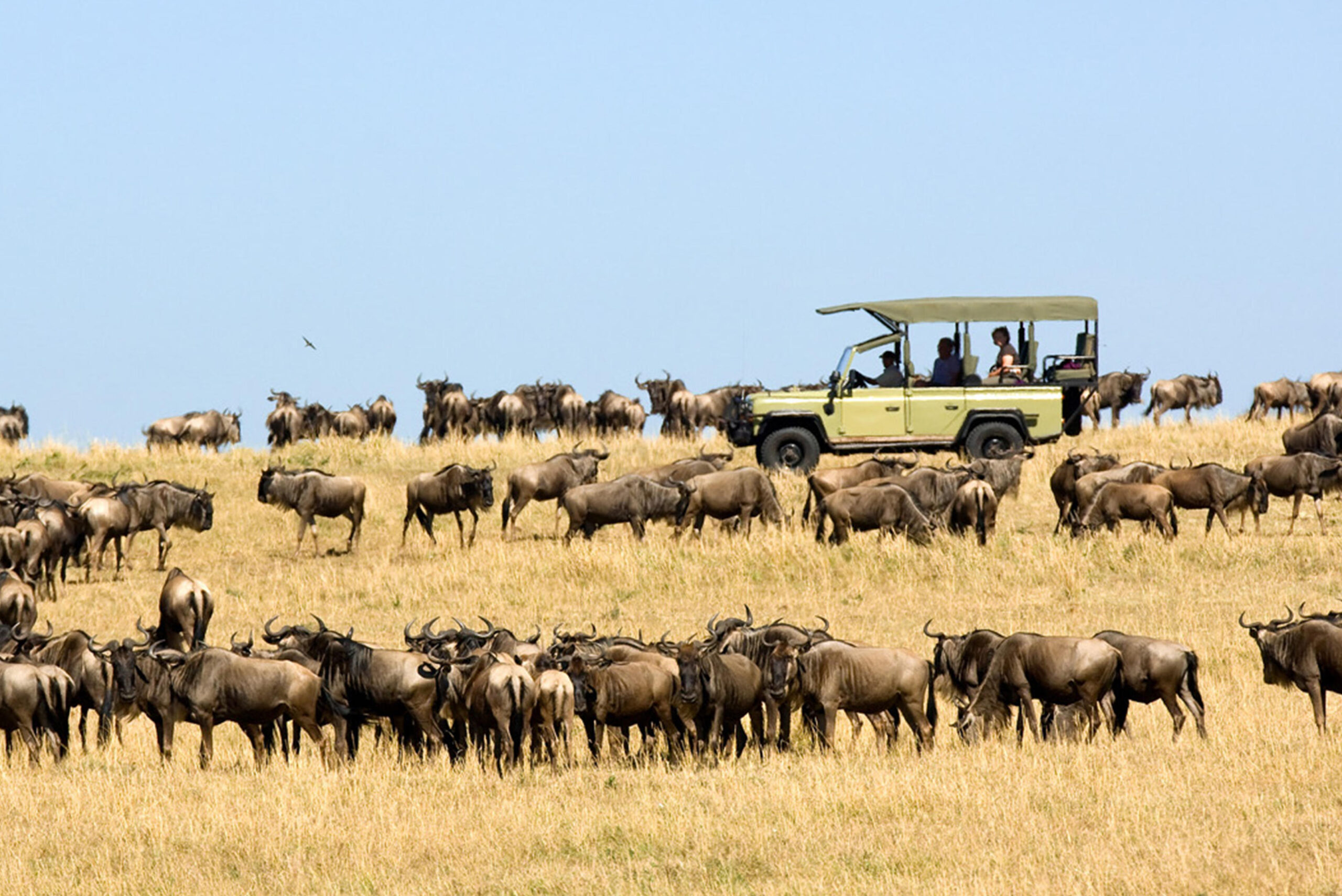
Witnessing wildebeest migration either in the Masai Mara or the Serengeti is an incredible experience you won’t miss while in Africa for a safari.
The rhythmic sound of millions of wildebeest and zebra matching on the ground, and the sound of water flowing between their legs as they make their way across the Mara River, is a magical experience.
The great wildebeest migration offers the two best seasons to experience in East Africa.
The river crossing and the calving season. The river-crossing occurs in Kenya and Tanzania, while the calving season is only experienced in the Serengeti, Tanzania.
You don’t need to miss this spectacle of wildlife experience on Earth.
In this article, we will discuss in depth the Calving Season in Serengeti, Tanzania.
What is the Calving Season?
This is the great wildebeest migration’s best-kept secret in Tanzania.
The annual mass birth is observed in the southern region of Serengeti National Park, Tanzania, from January to early March.
When is the best time to observe the calving season in the Serengeti?
The best time to visit Serengeti for the calving season is between January and early March each year.
The routes of the wildebeest migration have remained essentially unchanged for many years between Kenya and Tanzania.
This offers the best opportunities for timing the migration based on seasonal rainfall.
During these months, the herds are usually in the southern Serengeti, seeking fresh grazing.
The southern plains of Serengeti extend as far as the Ngorongoro Conservation Area.
This area provides ample food for herbivores, with fresh grasses growing quickly after rainfall.
The southern part of the Serengeti is the perfect place for female wildebeest to give birth.
Groups of zebras and gazelles also accompany the great migration.
These animals are in a symbiotic relationship: the gazelle and zebra eat the longer grasses that are ideal for juvenile wildebeest.
Zebra and gazelle help expose the soft, nutritious shoots, which are ideal for young animals to nibble on.
What makes the southern Serengeti so special?
It’s not a coincidence that the herds head south to give birth and feast.
Do you know why? Maybe yes or no. The truth is, the southern Serengeti grasses are not just tasty but perfect for nourishing young wildebeest.
These short grasses provide calcium, which is an essential nutrient for the growth of bones.
What makes these grasses so nutritious in the southern Serengeti?
It’s not a mystery; it’s due to volcanic activity that dates back thousands of years.
The ash spread across this plain from Ngorongoro to Ndutu. This ash fertilizes and nourishes the soil, making the grasses that grow here irresistible to Wildebeest and their calves.
How many newborn calves are born in the Serengeti each day?
For the duration of two to three weeks, over half a million wildebeest are born.
Approximately 8,000 calves can be born in a single day in Ndutu.
Are newborn calves safe from predators in the Serengeti?
The tricky question, though, is how Mother Nature operates.
The strong will survive; this is evident when Darwin’s theory is applied.
The wildebeest calves are known as the champions at getting up and running with the herds within minutes of being born,
This doesn’t ensure that opportunistic predators aren’t looking for a way to make a meal for the vulnerable and the weak.
The hunter is on the move as usual, but the high birth rate ensures the future survival of these species.
Pro Tip: Swarm Intelligence”
This is the innate behavior of wildebeest, in which they systematically explore and overcome obstacles as a group.
These young creatures are nurtured and cared for by everyone in the herd. Take a good look during your Tanzania safari to notice this behavior depicted by the wildebeest.
Why choose a calving-season safari?
There are thousands of reasons to choose the calving-season safari in the Serengeti.
The calving season is one of nature’s greatest representations of the circle of life. It would be one of the highlights of your trip.
Why is calving season an ideal safari in Africa’s Serengeti?
Offer incredible sightings of wildlife and wild animals
A calving-season migration trip offers excellent sightings of wildebeest and their newborns, along with abundant big cats hunting in the Serengeti.
But also,o the plant is very green and beautiful.
Witnessing the circle of life.
There’s plenty of dramatic action to see, but also the majestic sight of the seemingly endless Serengeti plains dotted, as far as the eye can see, with grunting, grazing wildebeest.
Not to mention adorable newborn animals aplenty.
Best time to witness predators.
It should come as no surprise that, with all of these baby wildebeest stumbling around on their wobbly legs, the number of predators in the area reaches an all-time high during this time of the year.
However, an easy meal is no guarantee!
Experience the science behind calving season.
Visiting the Serengeti during the calving season will provide practical insights into how these species survive.
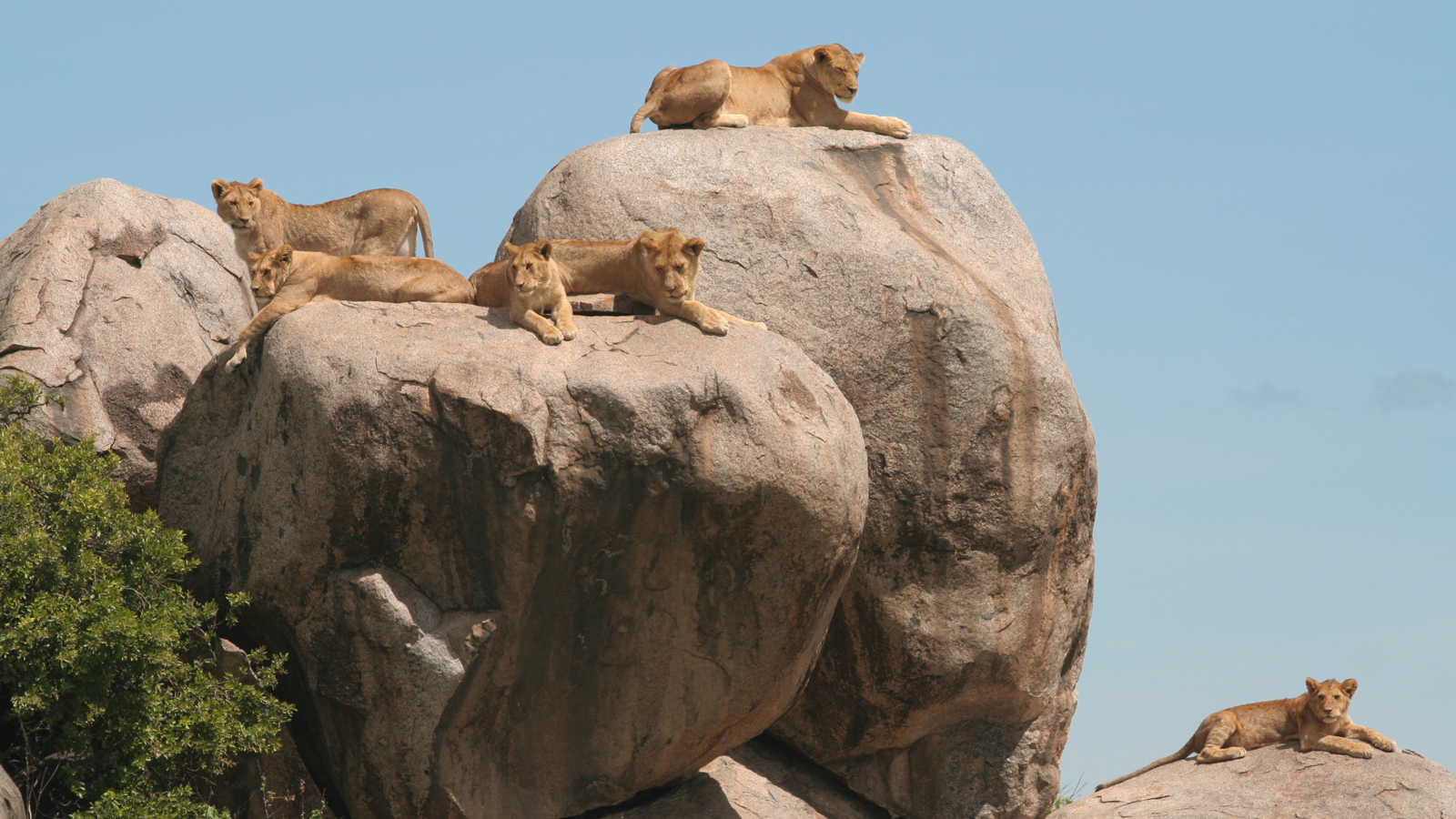
All the questions you have about how wildebeest survive and thrive in this chaotic environment with countless predators, including Lions, hyenas, Leopards, and cheetahs.
Witness how the predators groom their young to become great hunters.
During calving season, predators teach their young how to hunt small prey, especially calves.
By practicing on young calves before they have to fend for themselves, young cubs learn valuable lessons that are crucial to their future success.
Pro tips: The calving season guarantees the survival of predators.
Predators have coordinated their birthing times to coincide with the birth of their prey so that their young have the highest chance of survival.
With thousands of baby wildebeest running around, it is much easier for a mother lion, cheetah, or leopard to find a meal for their hungry cubs, as well as allow them to learn how to hunt for themselves.
What are the best tips for calving season in Serengeti?
Knowing when and where to see the great migration during calving season is not enough to make your trip truly memorable in Tanzania.
There are some other factors you should consider before visiting Serengeti for the great wildebeest migration.
Below is our list of the best tips to help you get the best experience out of your Serengeti’s calving season safari.
1. Book with reputable tour operators
These are natural events and unpredictable in timing.
Booking with reputable, knowledgeable tour operators provides you with the most up-to-date information to time the migration.
This trip needs to be professionally planned to ensure you get the best viewing of the calving season during your safari in Tanzania.
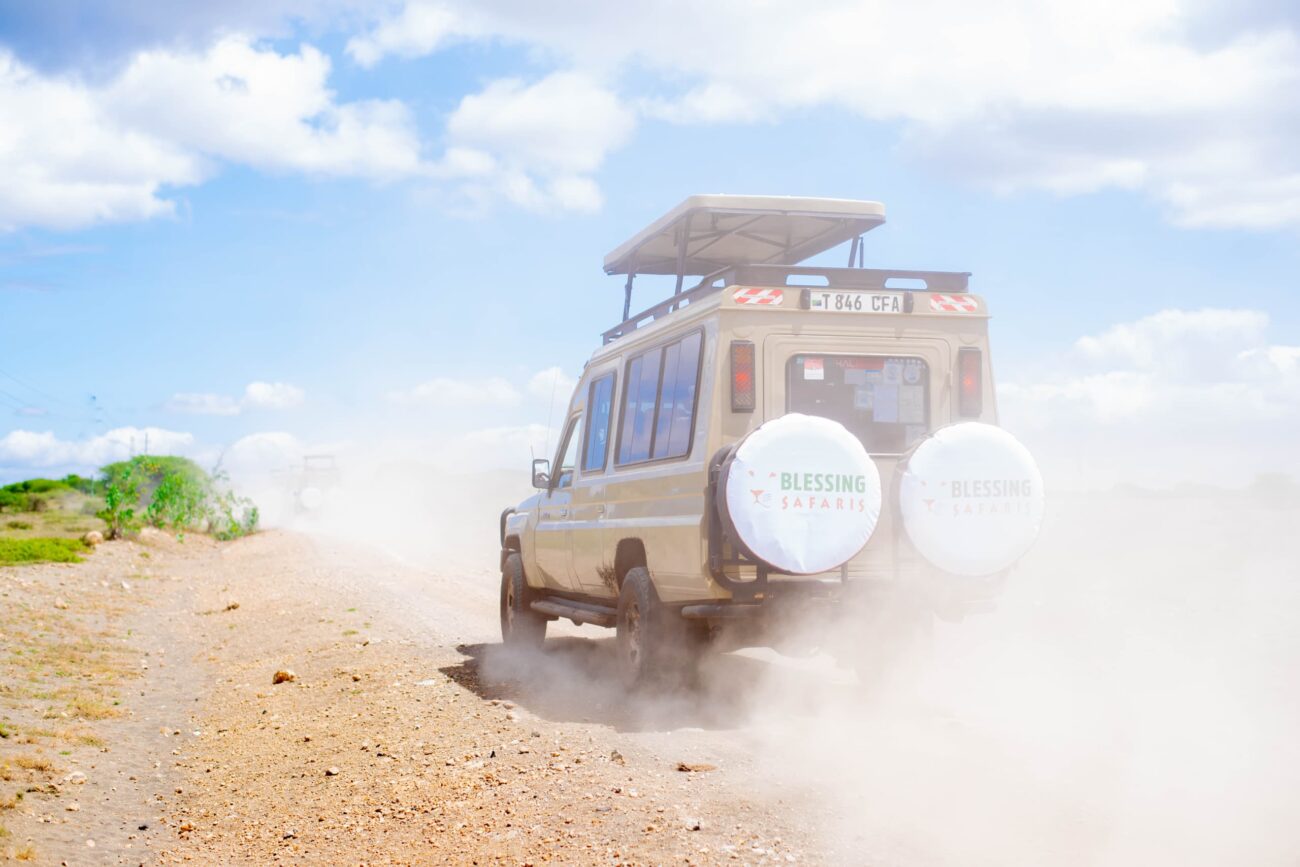
The best tour operator provides knowledgeable, experienced guides to track the Great Wildebeest Migration.
These tour operators know the best places to stay and for how long to ensure maximum relaxation and enjoyment during your calving season safari in Tanzania.
Best tour operators not only focus on the wildebeest migration itself, but also offer additional experiences that enhance your trip.
The palatable foods, cultural encounters, bush meals, and optional trips such as balloon safaris.
Learn more about how to choose a reliable tour operator in Tanzania
2. Time on safari – Don’t rush on your trip
To enjoy the calving season of the great migration in Serengeti to the fullest, it is better to have enough time.
Don’t be in a rush; enjoy and explore every moment nature offers you.
Your duration for your safari should match that of the creatures you will see.
Take your time and be patient while your guide finds the best viewing spots.
Some actions may take time, such as hunting and killing, or even witnessing a birth.
Others prefer to combine with other parks, such as Tarangire, Manyara, or the Ngorongoro Crater.
The best approach is to combine your trips and focus on one additional park.
This will help you relax, with no rush to move to other parks.
In case you need advice on this, feel free to knock on our inbox.
Spending six (6) days on a calving safari is recommended.
3. Have a Realistic Budget for your safari
The Great Wildebeest Migration is a highly popular safari destination in East Africa.
As a result, expect this trip to be somewhat expensive; this is also a peak season in Tanzania and Kenya.
You should have a realistic budget and even extra cash to cover other expenses.
You should be able to identify exactly which services you need for your trip.
If you’re interested in luxury or mid-range options.
To be true, Serengeti’s accomodation is not cheap, especially for tented camps and luxury lodges within the park.
You should discuss this with your tour specialist before your journey to Africa.
We have covered many of the safari costs in other articles.
We recommend reading for more insights into Tanzania and Serengeti safari costs.
4. Advanced booking is required
It’s ideal to book your calving season safari in advance. This is the best practice if you need to acquire the best deal for your trip to Tanzania.
One to six months is the ideal time to book your trip.
Some advantages of early bookings include the ability to customize and secure the best accommodations before other visitors fully book them.
And in case you miss the calving season in Tanzania, you should focus on the Mara River crossing from July to September, either in Kenya or Tanzania, for the great wildebeest migration.
5. Best accommodation and location
During your calving season safari in Serengeti, the type of accommodation and location has something to do with your whole safari experience.
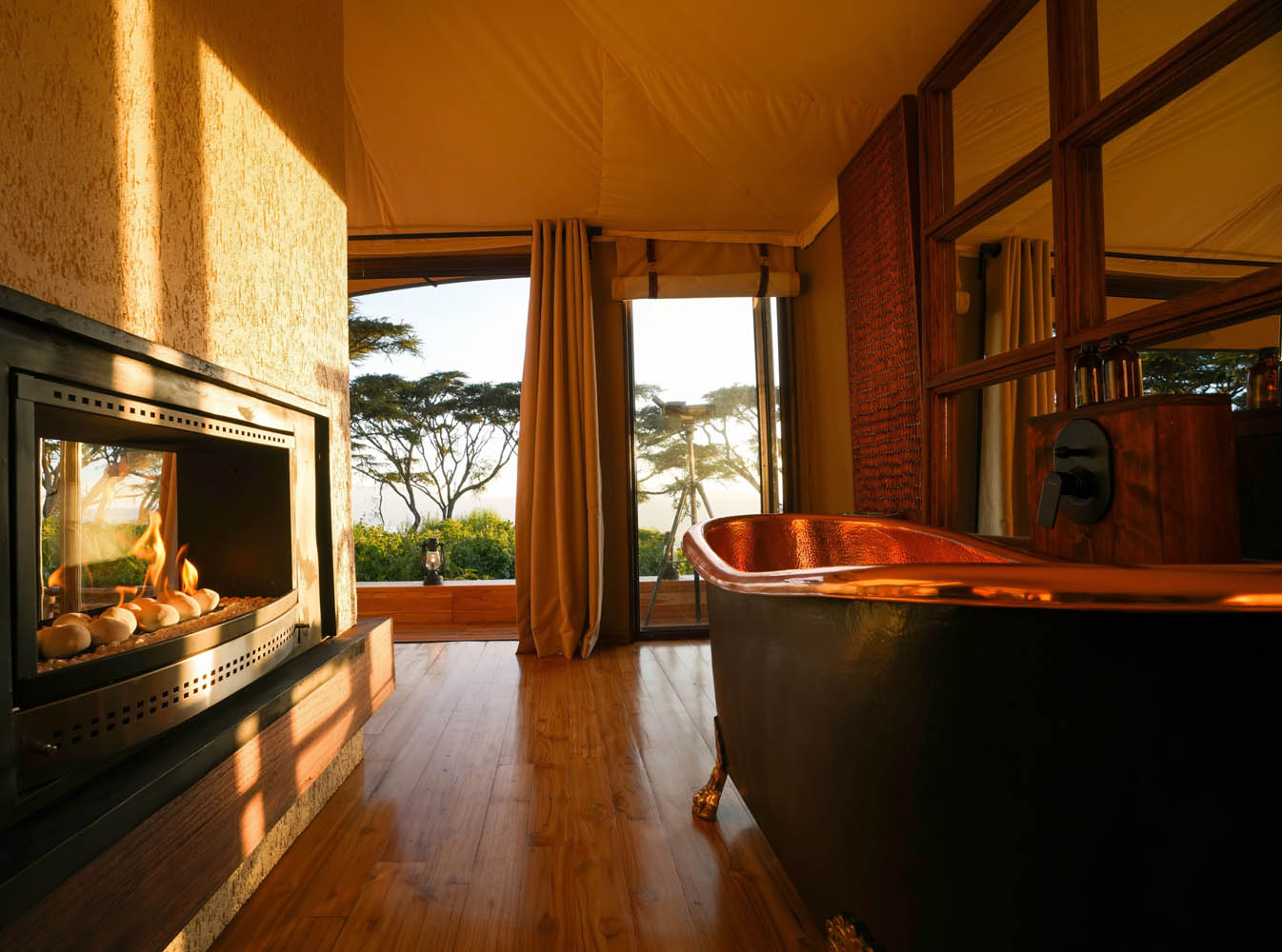
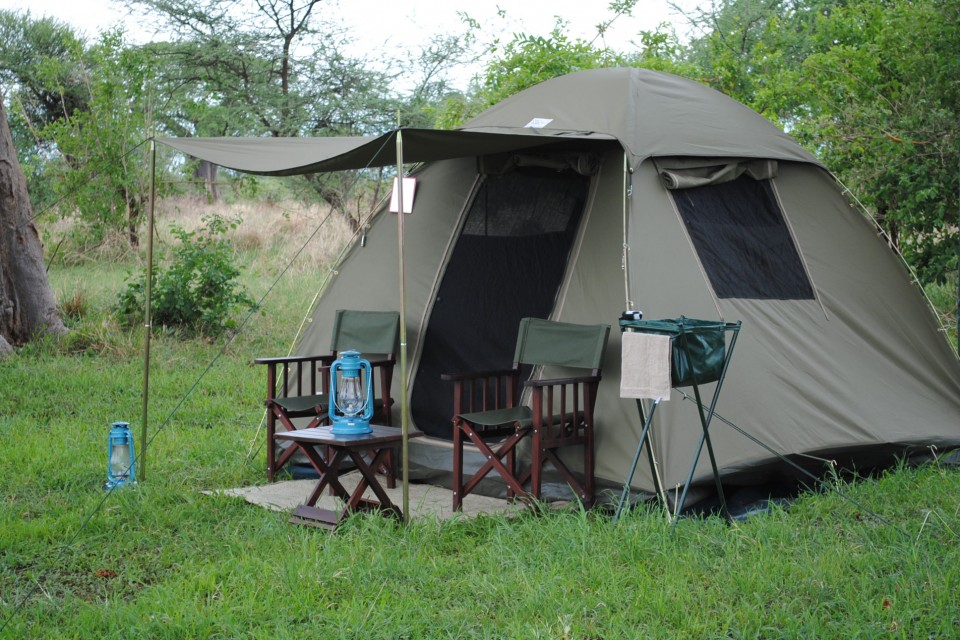
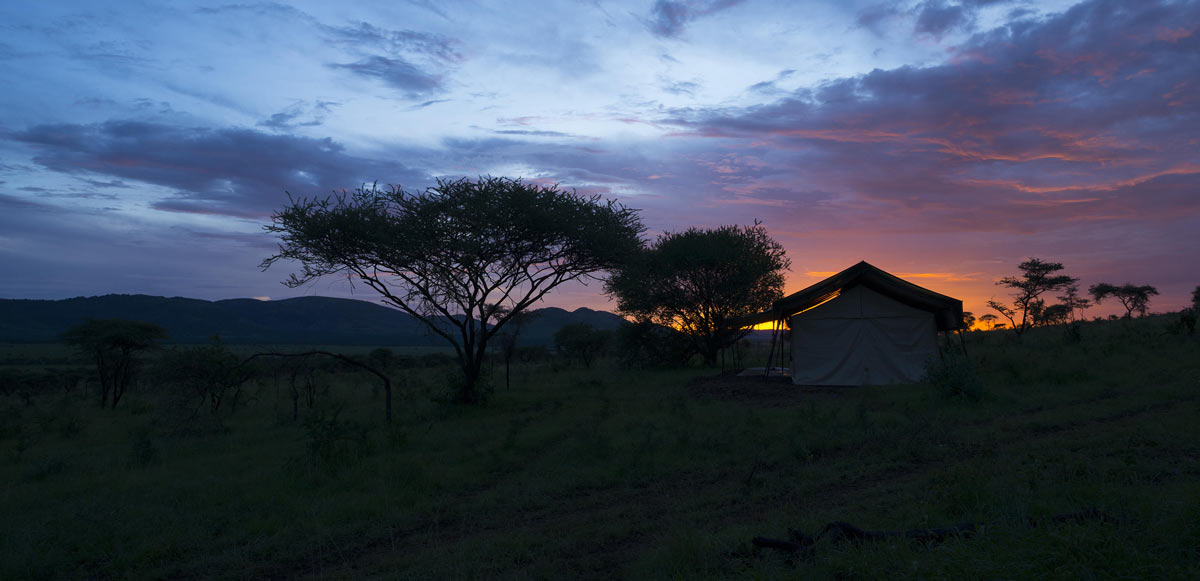
The best choice for wildebeest tracking is the mobile tented camps and luxury accomodation located in the southern part of Serengeti.
If you plan to stay in tented camps during your stay in Southern Serengeti,
You should be aware that these accommodations are generally more expensive than mobile tented camps.
6. Proper safari gear & outfit
Knowing what to pack and wear on your safari in Africa is essential; you should wear appropriate gear and attire.
Wear comfortable, weather-appropriate clothes.
This is wild Africa, and the weather is unpredictable; rain is common in January or February. Preparation is the key.
7. Document your journey in Africa
The best way to make your trip unforgettable is to capture the moments that matter.
Hold your camera steady to capture the fantastic views and activities you will see in the wild.
Every visitor to Africa comes with their luck; who knows, your best picture will feature as the best photograph of the year? …
Guess what? No one knows. Enjoy the Great Migration here in the Serengeti.
8. Eat. Enjoy. Sleep
Visiting Africa for a safari is not just about watching animals and nature.
Your safari offers the best food, adventure, and a comfortable place to sleep away from home.
Enjoy every encounter, eat well, taste African cuisines, and remember to get enough sleep to re-energize for the next game drive or flight back home.
This is a reminder that African Safari offers you the best opportunity to customize your trip. Guess what?
You can request bush meals to be served at specific picnic sites, away from the crowd, for the person you care about.
What are the best places to stay during the calving season of the Serengeti?
Serengeti is one of the best-developed parks in Tanzania if you’re hoping to catch the wildebeest migration in real time.
These are the great accommodation choices in Serengeti:
Mobile camps
These mobile camps are the best for following the migration to the Serengeti.
Well-known camps include the Serengeti safari camp, Ubuntu and Olakira, Chaka, and Ang’ata camps.
These camps operate from January to March, as they offer the best opportunity to view the herds.
Ndutu Lodge
This is the perfect lodge to catch the migration, with easy access to Goll Kopjes.
This kopje is one of the best places to see cheetahs in Africa. Read more
Serian South ( Alex Walker’s Serian )
It is another excellent place to stay if you want to enjoy the stunning view of the herds.
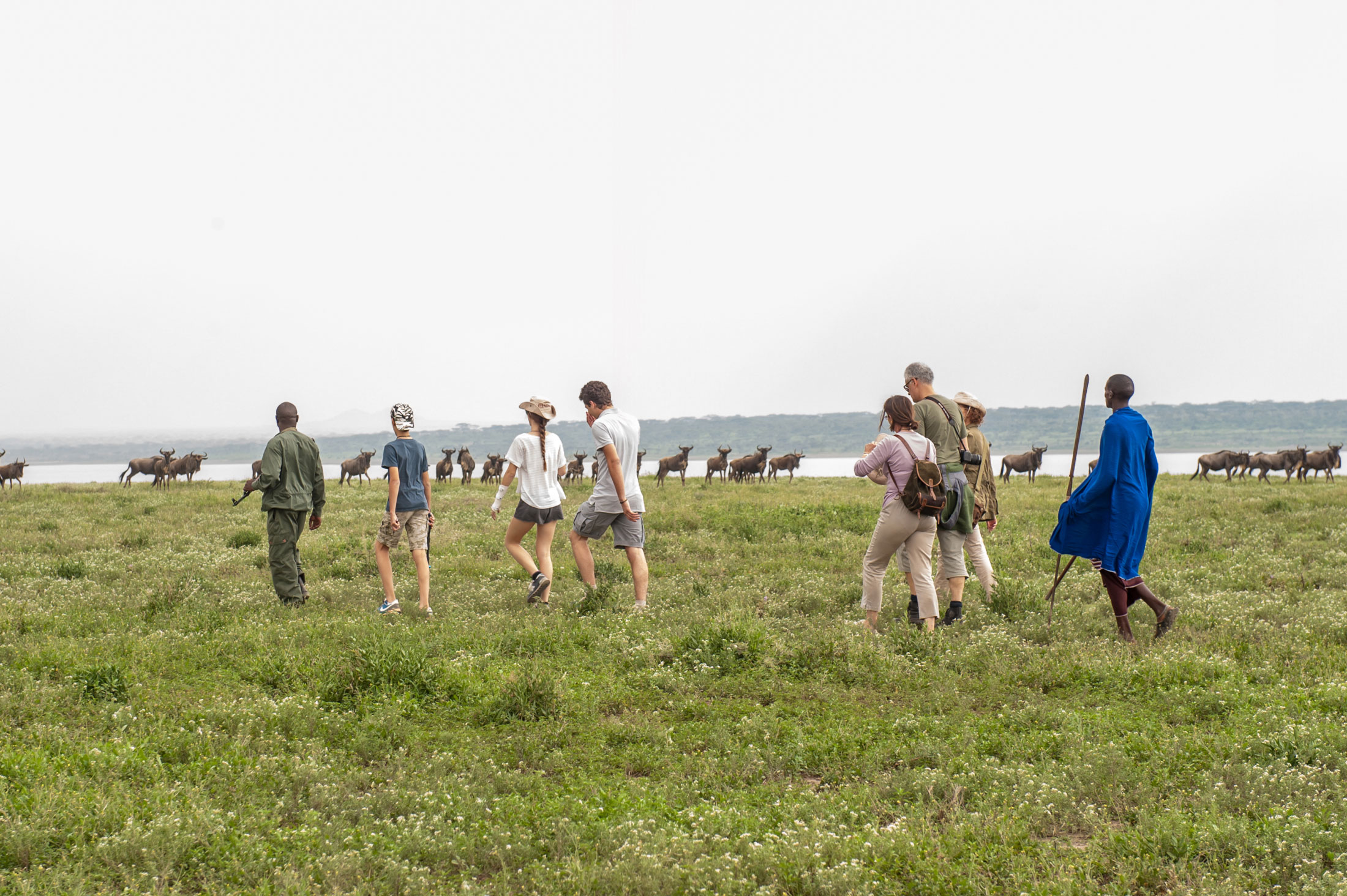
Staying at Serian South also offers you the opportunity to take cultural visits and a walking safari in the Ngorongoro Conservation Area.
Witnessing the Great Migration’s calving season is a thrilling and unforgettable experience in Africa.
Hopefully, the ideas and tips discussed shed light on your search for information about the Great Wildebeest migration in the Serengeti.
Interesting facts about wildebeest
Before we wind up, we would like to share interesting facts about wildebeest :
- Wildebeest live for around 20 years.
- Humans often hunt wildebeest for their pelts, and the meat is eaten, often in a dried, cured form called biltong.
- The name ‘wildebeest’ comes from the Dutch word meaning ‘wild beast’.
- Calves can eat grass after 10 days, but will continue to drink milk for 6 months.
- An adult male wildebeest weighs 180kg (400 lbs) and a female – 155kg (340 lbs).
- Wildebeest can reach a speed of 80km/50mph.
- Calves can walk and run minutes after birth.
- Females are pregnant for 250-260 days.
- Thanks to the sound it makes, another name for a wildebeest is Gnuu
Conclusion
We hope this article answers many questions about the wildebeest migration’s calving season in the Serengeti.
The safari tips and ideas discussed will help you to figure out how you will experience to the fullest your safari in Tanzania.
Do you need more information, or would you like to proceed with booking your Tanzania safari?
Are you ready to start planning?
You can proceed with booking by filling out the form below. Let’s make your adventure unforgettable!