Mount Kilimanjaro2026-11-02T06:52:59+00:00

Mount Kilimanjaro Climbing Experts

Marangu, Machame, Lemosho, Rongai, Umbwe  & Shira Routes

About Mount Kilimanjaro

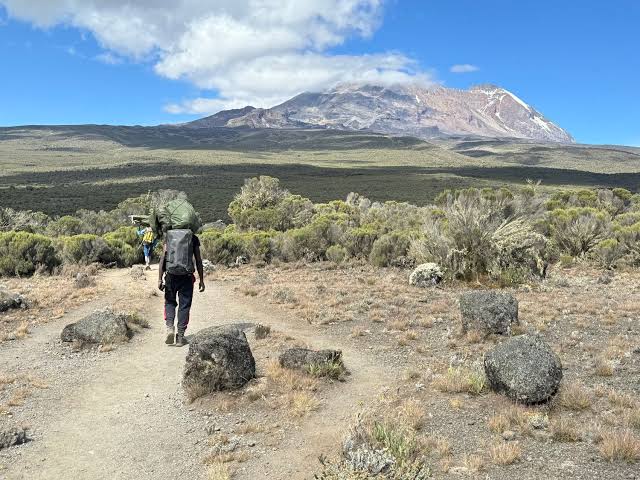
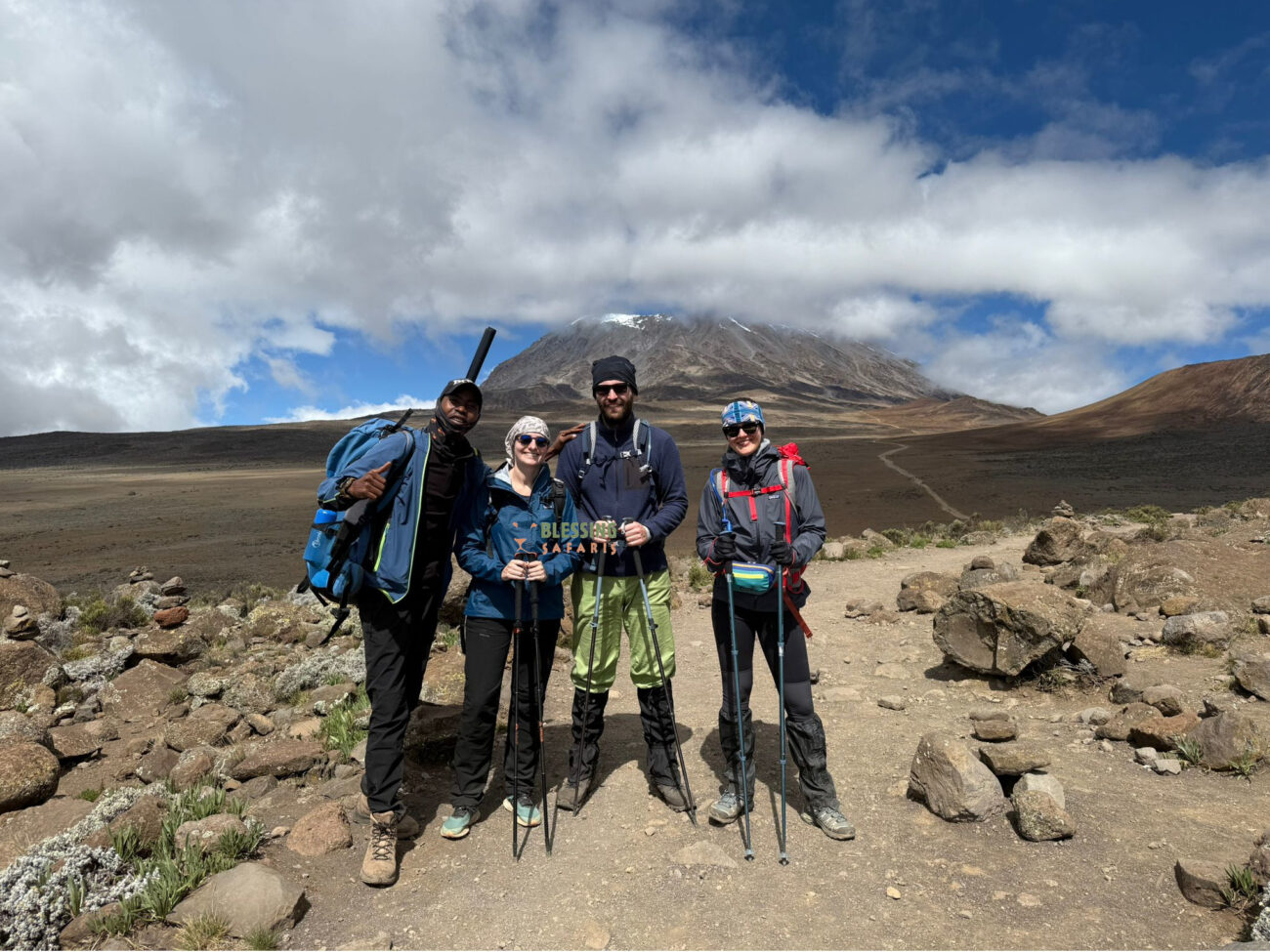
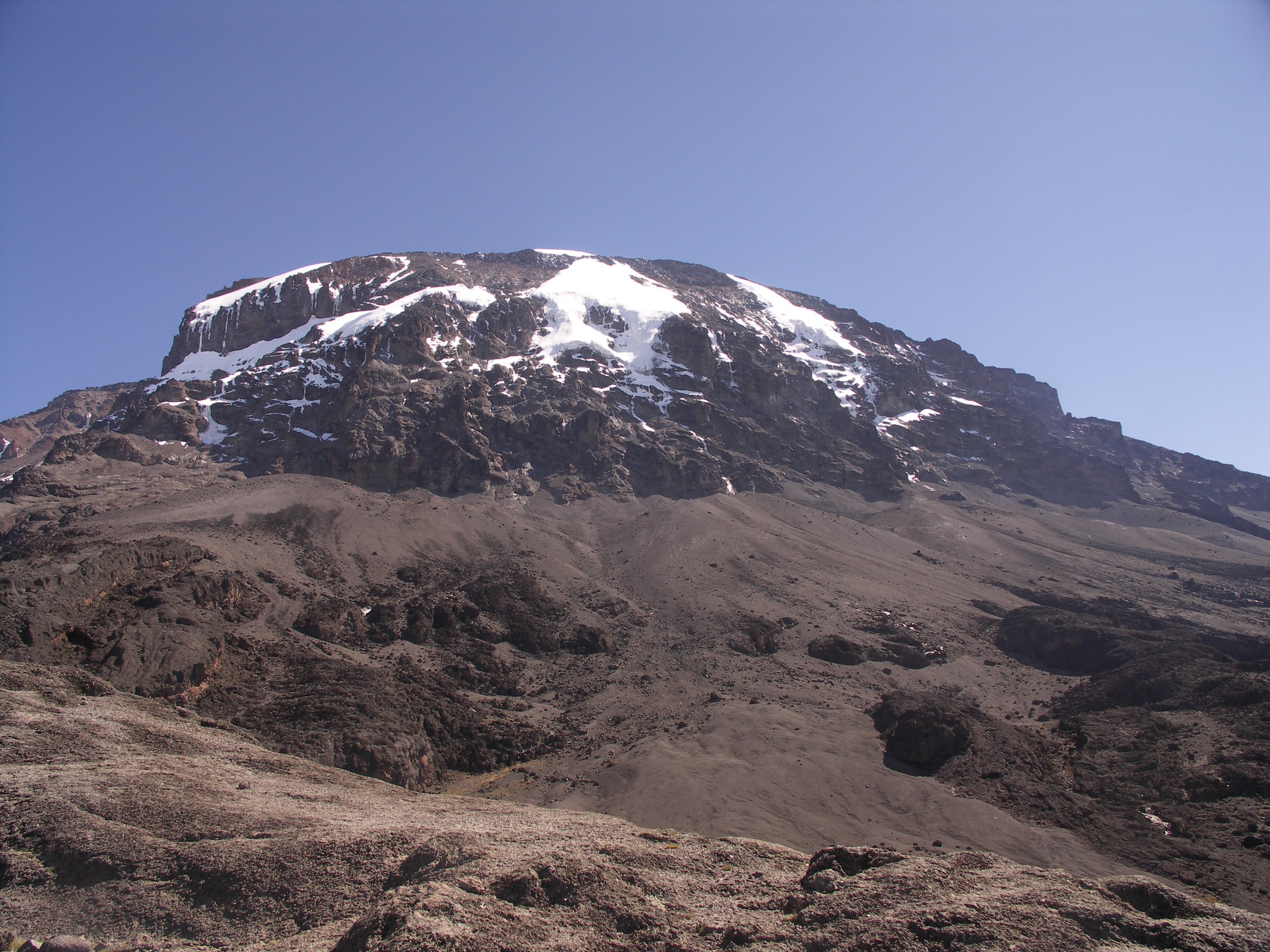
Mount Kilimanjaro is a dormant stratovolcano with three cones: Kibo (the highest, home to Uhuru Peak), Mawenzi (jagged and extinct), and Shira (the oldest, now a plateau). Standing at 5,895 meters (19,341 feet), it is Africa’s highest point and the world’s tallest free-standing mountain. 

Unlike the Himalayas or Andes, Kilimanjaro is not part of any mountain range and rises in isolation from the Tanzanian plains. Its massive size creates its own weather patterns, and the air at the summit contains only half the oxygen found at sea level. 

Climbing Kilimanjaro is non-technical and requires no ropes, ice axes, or prior mountaineering experience. The mountain is recognized as a unique geological formation, a climatic landmark, and a cultural icon.

Where is Mount Kilimanjaro?

Mount Kilimanjaro is located near the town of Moshi and is a protected area. Regulated for climbers to enjoy without leaving a trace of their presence.

The Mountain Doesn’t Care How Fit You Are

You may have seen the brochures: “Conquer Africa’s highest peak!” “A once-in-a-lifetime adventure!”

While these claims are true, the most important factor in reaching Uhuru Peak isn’t fitness, gear, or willpower.

It is the number of days you spend on the mountain. All other considerations, including route, operator, and preparation, depend on this decision.

This guide provides clear, practical information based on our documented experiences at Blessing Safaris.

It addresses the challenges honestly and outlines your options. By the end, you will understand what to expect and how to maximize your chances of reaching the summit.

However, “non-technical” does not mean “easy.” The primary challenge is altitude. At the summit, the air contains about half the oxygen found at sea level.

Most climbers experience headaches, nausea, breathlessness, and disrupted sleep. The key is not to avoid these symptoms, but to manage them effectively.

The solution is captured in a common Swahili phrase: Pole pole, meaning slowly, slowly. Walk slowly, stay hydrated, eat regularly, and choose an itinerary that gives your body enough time to acclimatize.

What Are The Three Peaks of Kilimanjaro?

Kilimanjaro is a stratovolcano, a layered accumulation of ash, lava, and rock, composed of three distinct cones: Kibo, Mawenzi, and Shira. Understanding these cones is essential to understanding the mountain as a whole.

Shira is the oldest, erupting first about 2.4 million years ago. It is now extinct, its summit collapsed into a vast caldera known as the Shira Plateau. This ancient, eroded landscape marks the start of the Lemosho and Shira routes.

Mawenzi is the second-highest peak at 5,149 meters. Its dramatic, jagged form has been extinct for nearly half a million years, and its spires and pinnacles contrast sharply with Kibo’s smooth dome. Most climbers view Mawenzi from a distance, but it remains a significant mountaineering objective.

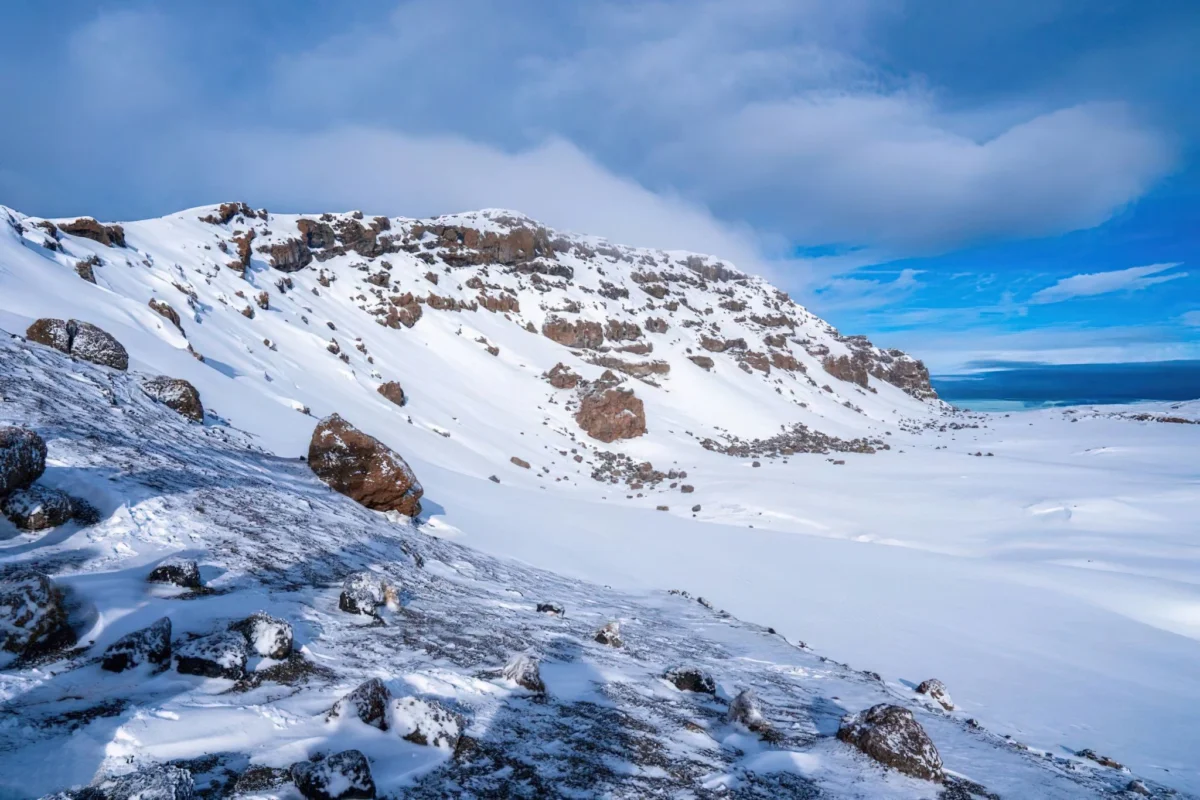
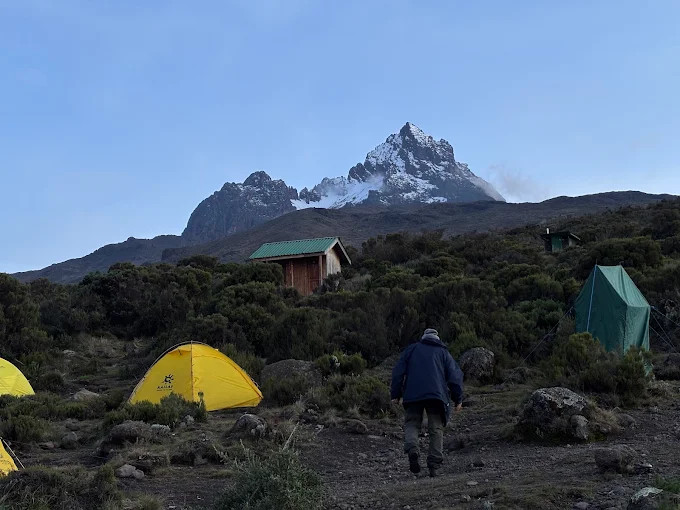
Kibo is the highest and youngest cone, and the only one still classified as dormant rather than extinct. Its last major eruption occurred about 360,000 years ago, though fumaroles continue to vent gas within its inner crater. The summit features the expansive Kibo Crater, a 2.5-kilometer-wide depression containing the Reusch Crater and the Ash Pit. Uhuru Peak, the highest point, sits on the southern rim.

The origin of the name “Kilimanjaro” remains uncertain. It may come from Swahili and Chagga words meaning “Mountain of Greatness” or “Mountain of Whiteness,” or possibly from a phrase meaning “that which defeats,” referencing the mountain’s challenging nature. The local Chagga people, who have lived on its slopes for centuries, called the snowy summit Kipoo, meaning “the spotted one,” a name that later became Kibo.

How to Choose a Kilimanjaro Route?

No single route is universally best; your choice depends on budget, fitness, and priorities. However, data clearly shows that longer routes have higher success rates.

Below is a straightforward comparison of each route.

The Lemosho Route (7–8 days) is widely regarded as the most effective for summit success. Approaching from the west and crossing the Shira Plateau, it offers excellent acclimatization on an 8-day itinerary, with success rates exceeding 90%. It is scenic, relatively uncrowded, and recommended by most experienced operators for first-time trekkers focused on reaching the summit.

The Northern Circuit (9 days) is the longest route, circling nearly the entire mountain before the final ascent. It offers the best acclimatization profile and a success rate comparable to Lemosho. It is also the quietest and most remote option. For those with sufficient time and seeking the highest chance of success, we recommend this route.

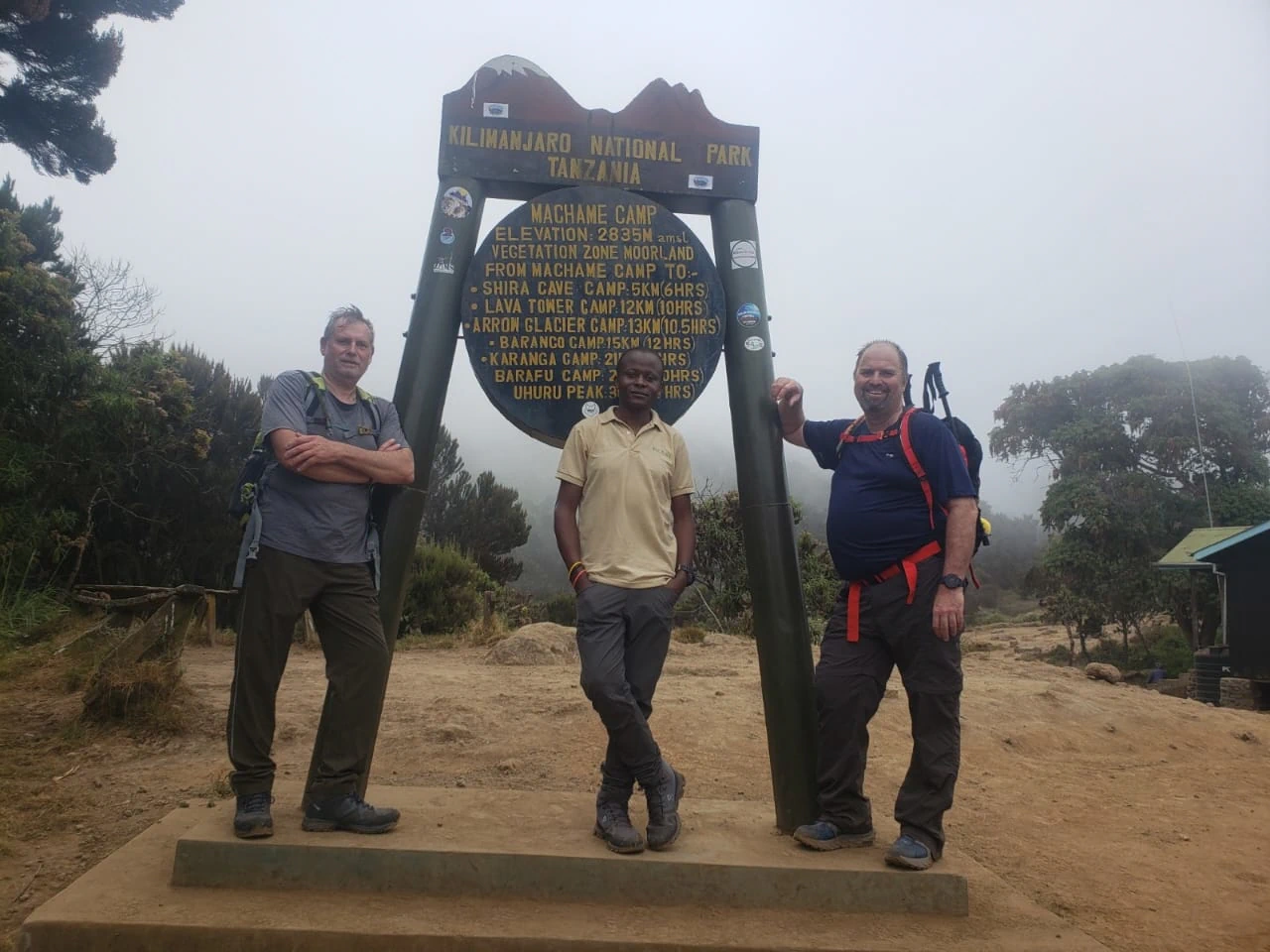
The Machame Route (7 days) is the most popular option. It is challenging and includes the well-known Barranco Wall scramble. The 7-day itinerary has a strong success rate, while the 6-day version is not recommended for those aiming to summit. Machame is busier than Lemosho; for a quieter experience, consider Lemosho instead.

The Rongai Route (6–7 days) approaches from the north, near the Kenyan border. As the only northern route, it is quieter and drier during the rainy seasons. The 7-day itinerary provides significantly better acclimatization than the 6-day option.

The Marangu Route (5–6 days) is the only route offering hut accommodation. Although often marketed as the “easiest” route, its short duration limits acclimatization and lowers success rates. If you prefer huts, choose the 6-day version, but understand that comfort comes with a lower chance of reaching the summit.

The Umbwe Route is the shortest, steepest, and most challenging option. It suits only experienced trekkers and has a lower success rate. Its main appeal is that it is rarely crowded.

The Kilema Route is designated for cycling rather than trekking. It requires a $50 biking permit and offers a distinct type of adventure.

Key takeaway: If your goal is to reach Uhuru Peak, select an 8-day Lemosho or a 9-day Northern Circuit. Avoid shorter or cheaper routes that may compromise your chances of success.

The Five Climate Zones of Kilimanjaro

Climbing Kilimanjaro is like traveling from the equator to the Arctic in a few days. Each climate zone presents distinct characteristics, challenges, and beauty.

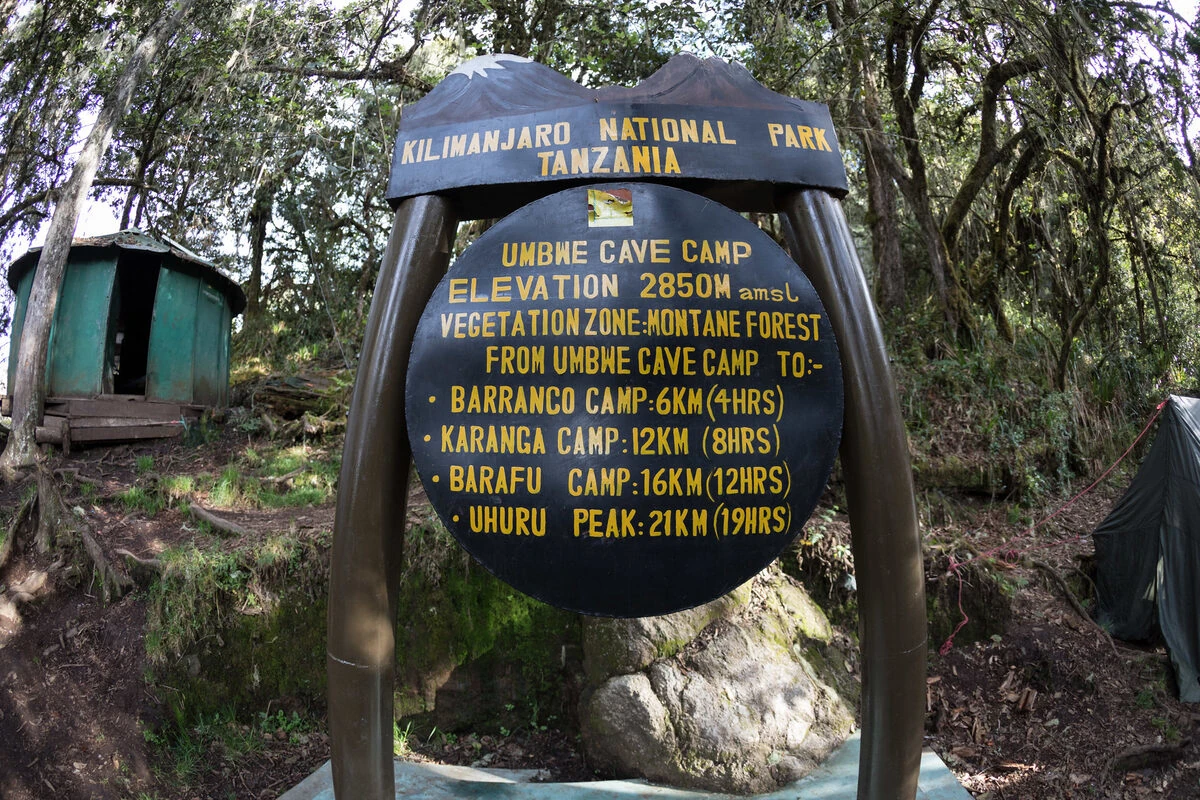
  • The Cultivation Zone (800–1,800m) is the fertile lower slope, where the Chagga people grow coffee, bananas, and maize.
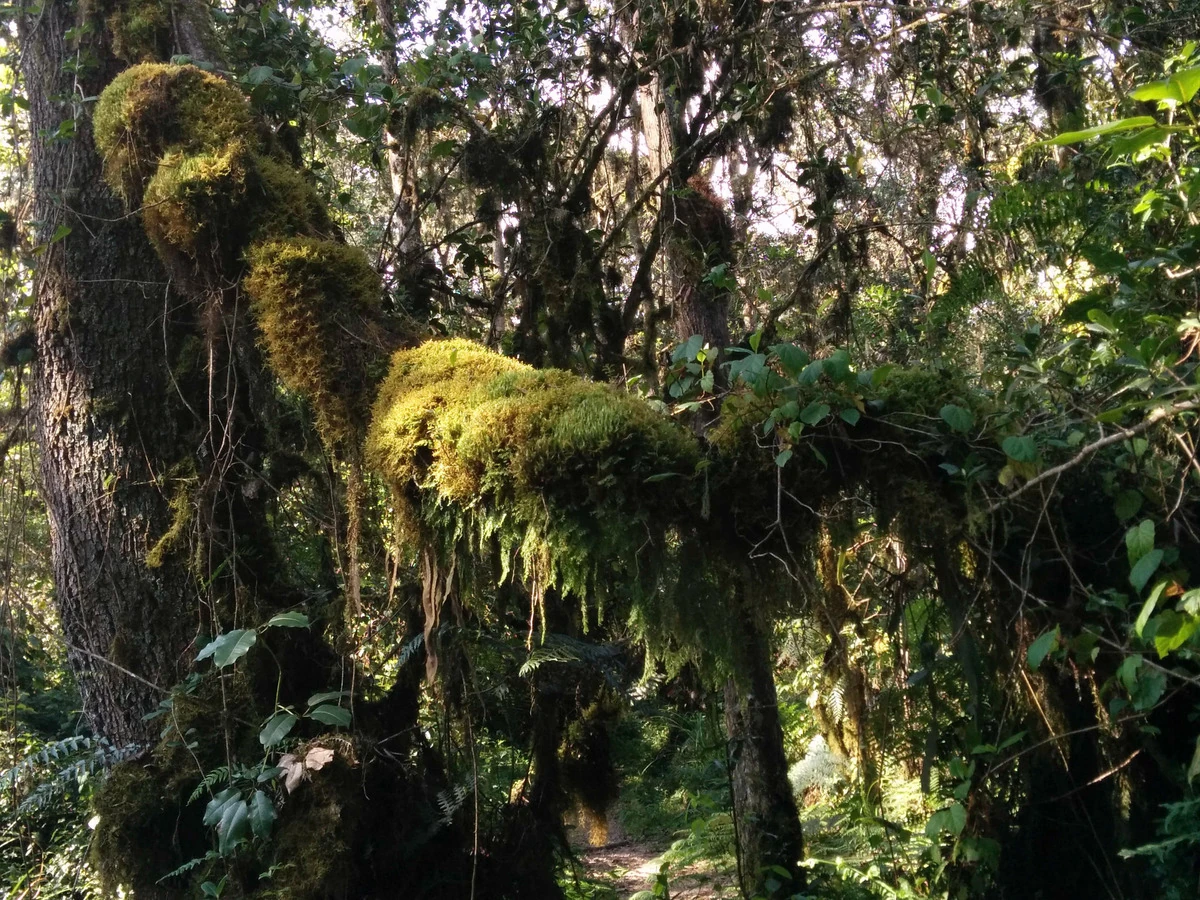
  • The Rainforest Zone (1,800–2,800m) is dense, humid, and alive with blue monkeys, colobus monkeys, and birdsong. It is also where you are most likely to encounter rain.
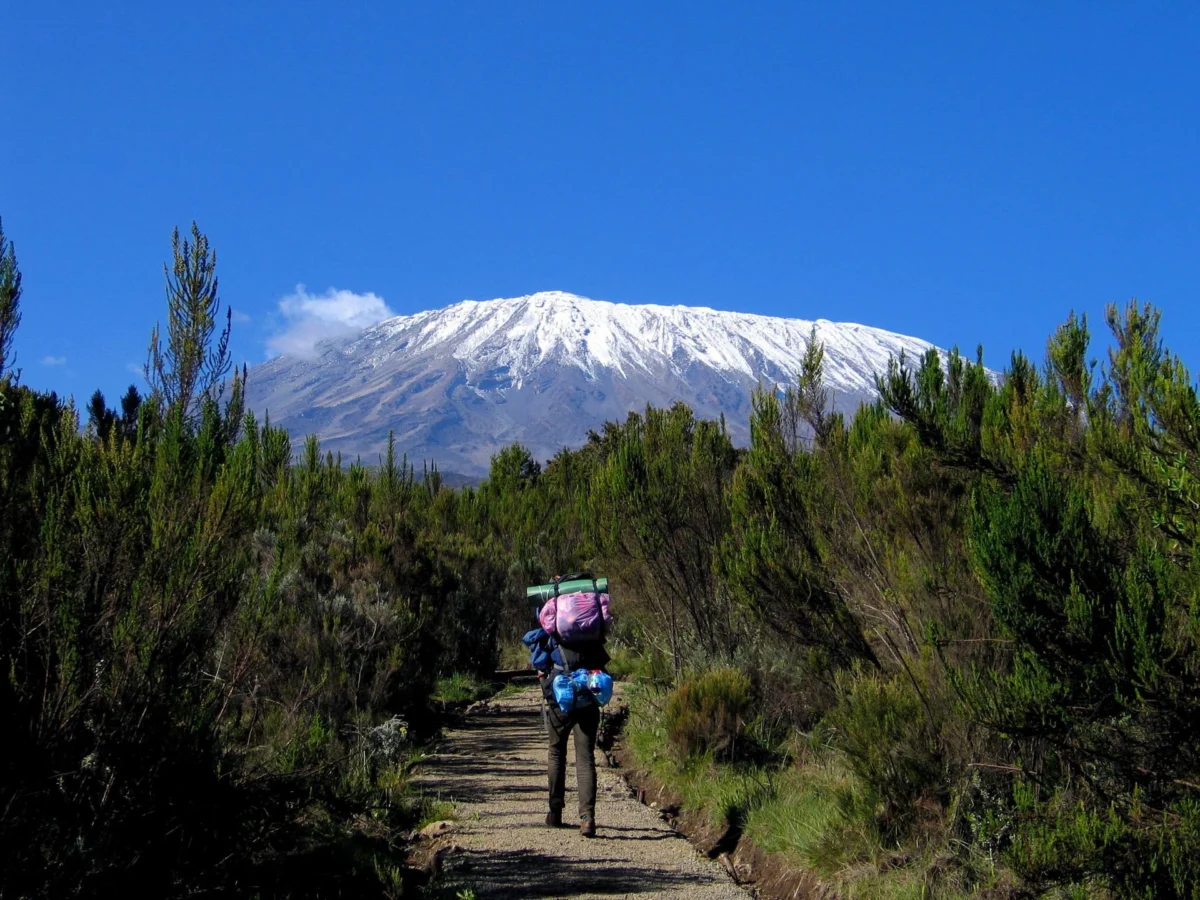
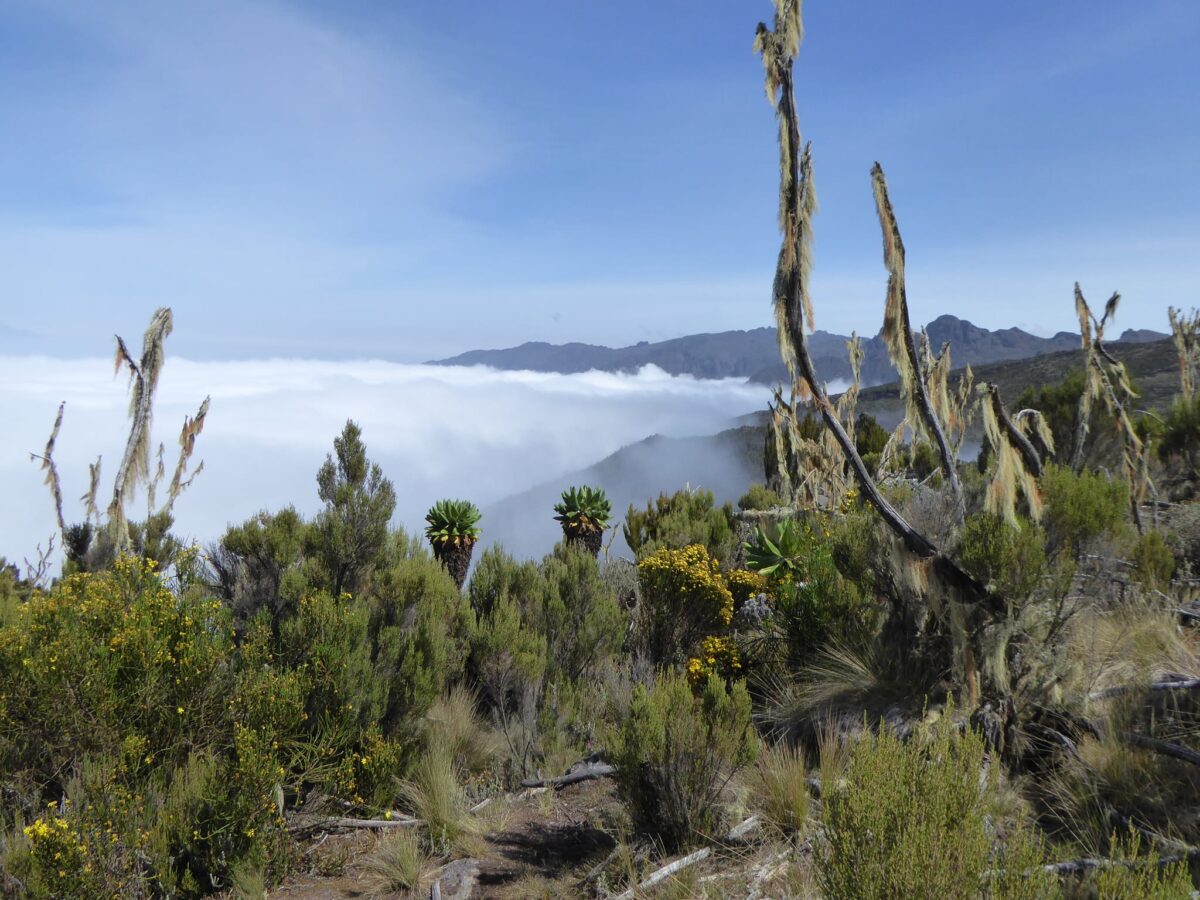
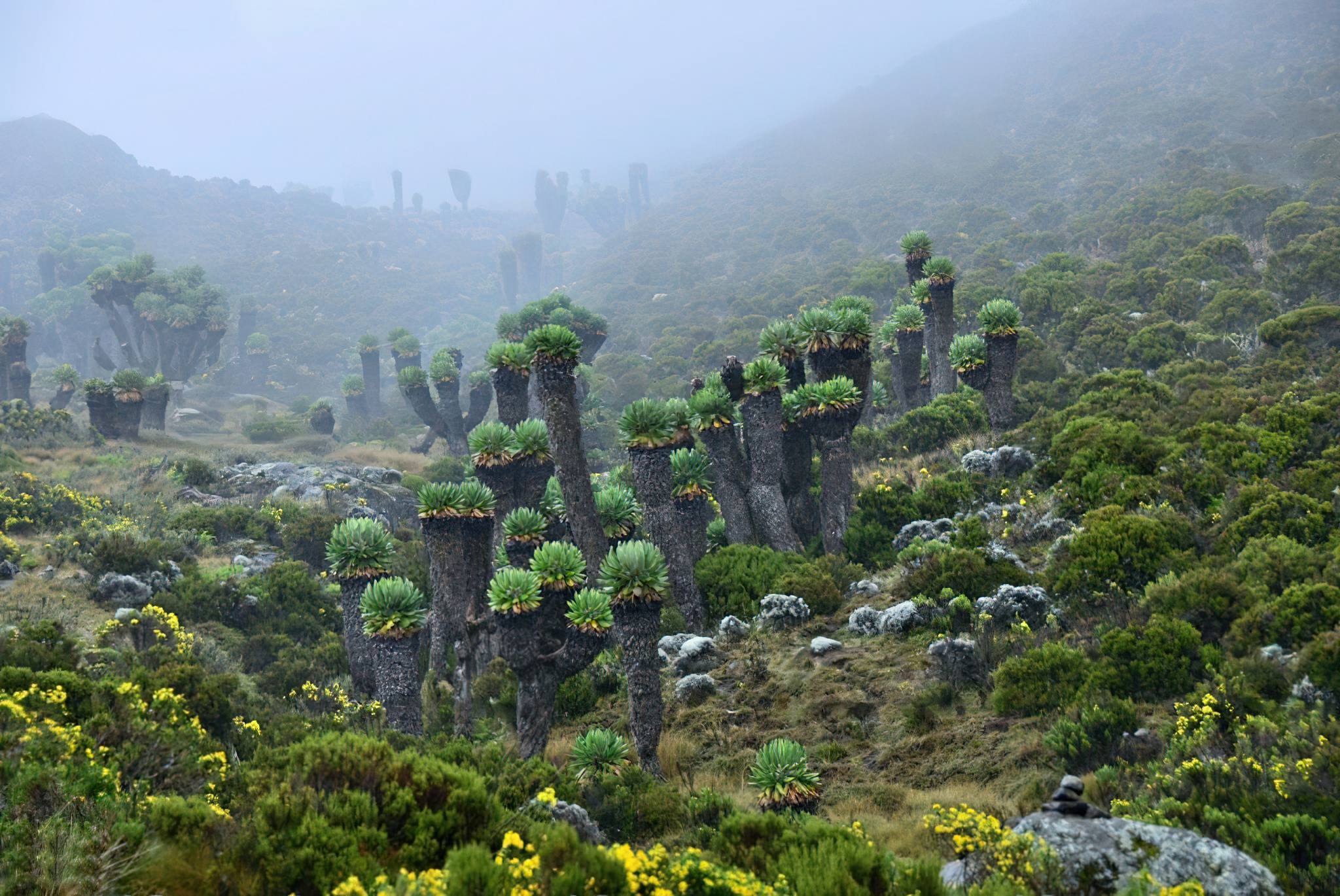
  • The Heath and Moorland Zone (2,800–4,000m) is otherworldly, dominated by giant groundsels and lobelias.
  • The Alpine Desert (4,000–5,000m) is a barren, rocky moonscape where temperatures swing wildly, and the altitude makes itself known with every step. Finally, the Arctic Zone (5,000m+) is the summit, a world of ice, rock, and profound silence.

Understanding these zones is essential, as they determine what you pack and how you experience the mountain. The rainforest requires rain gear, the alpine desert requires sun protection and warm layers, and the summit requires your full effort.

The Kilimanjaro Summit Night: What Nobody Tells You

The summit ascent begins at midnight. Climbers wake in the dark, layer up, and begin a slow, cold climb by headlamp. The scree slopes are challenging, with loose rock underfoot. The cold is intense, and the altitude makes each breath difficult.

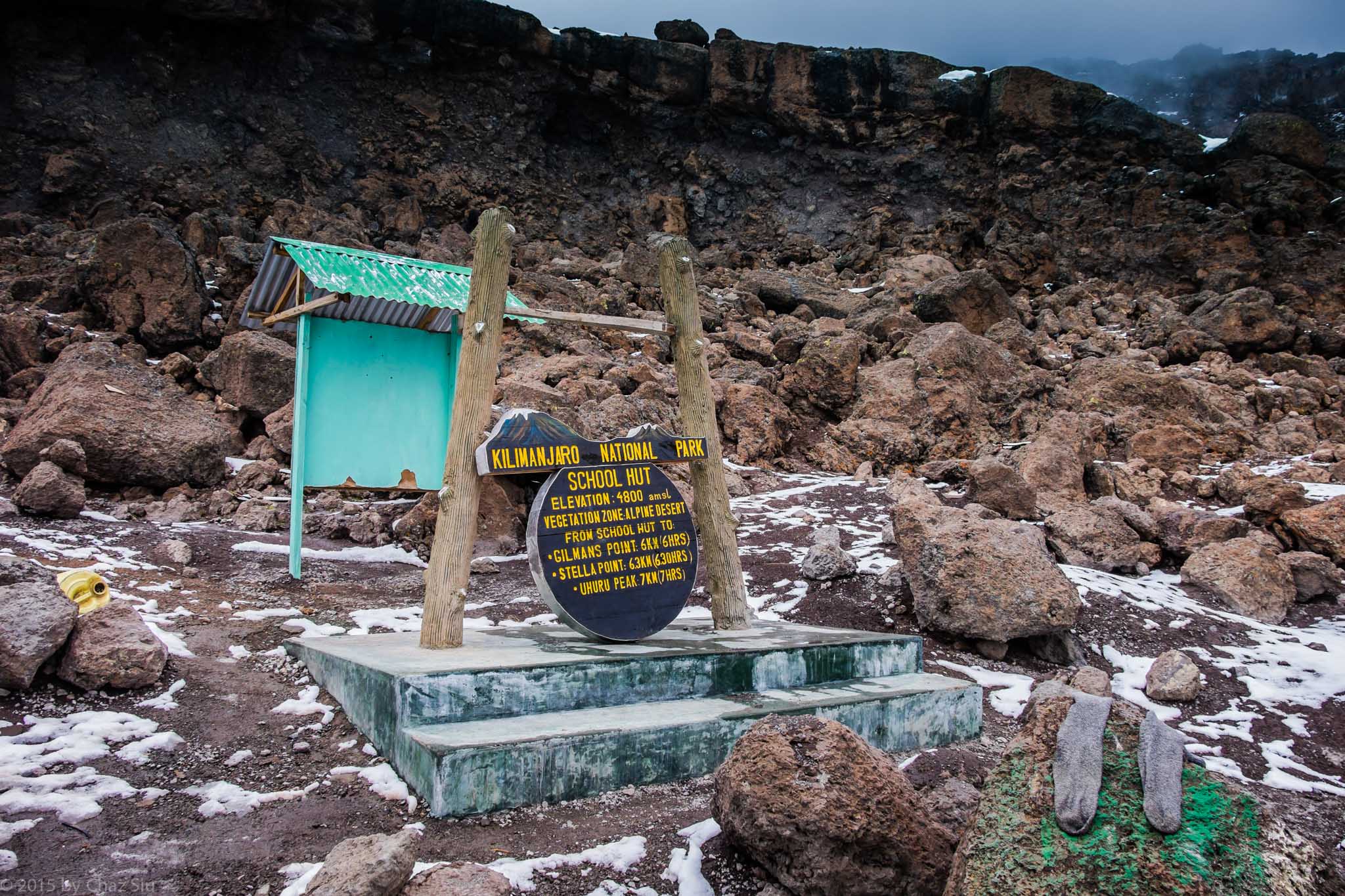
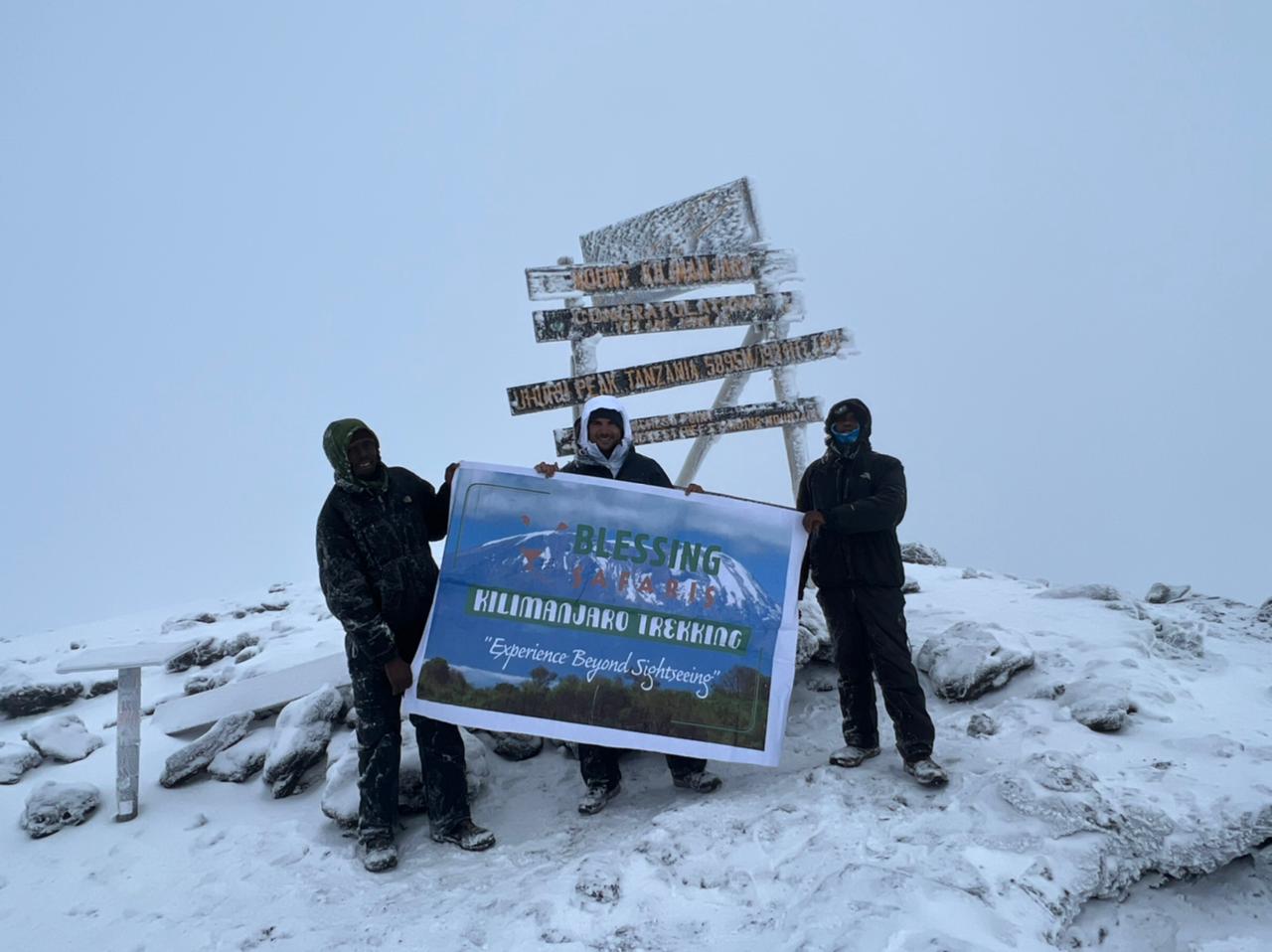
Most climbers reach Gilman’s Point (5,685m) at dawn. While significant, it is not the summit. The route continues along the crater rim to Stella Point (5,756m) and then to Uhuru Peak (5,895m). This section is less steep, but the altitude makes progress challenging.

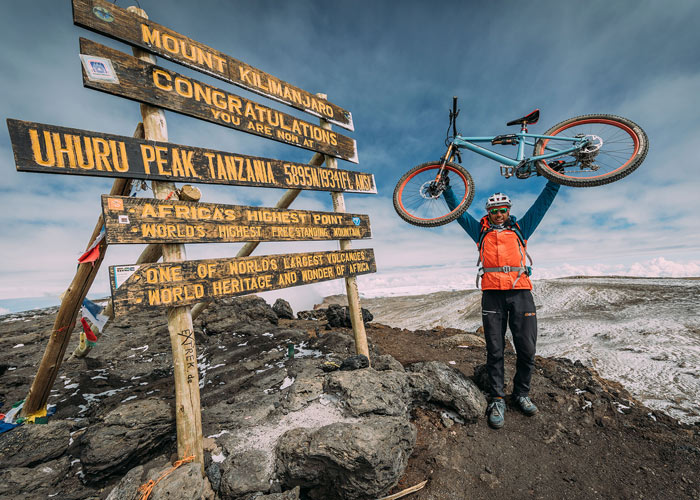
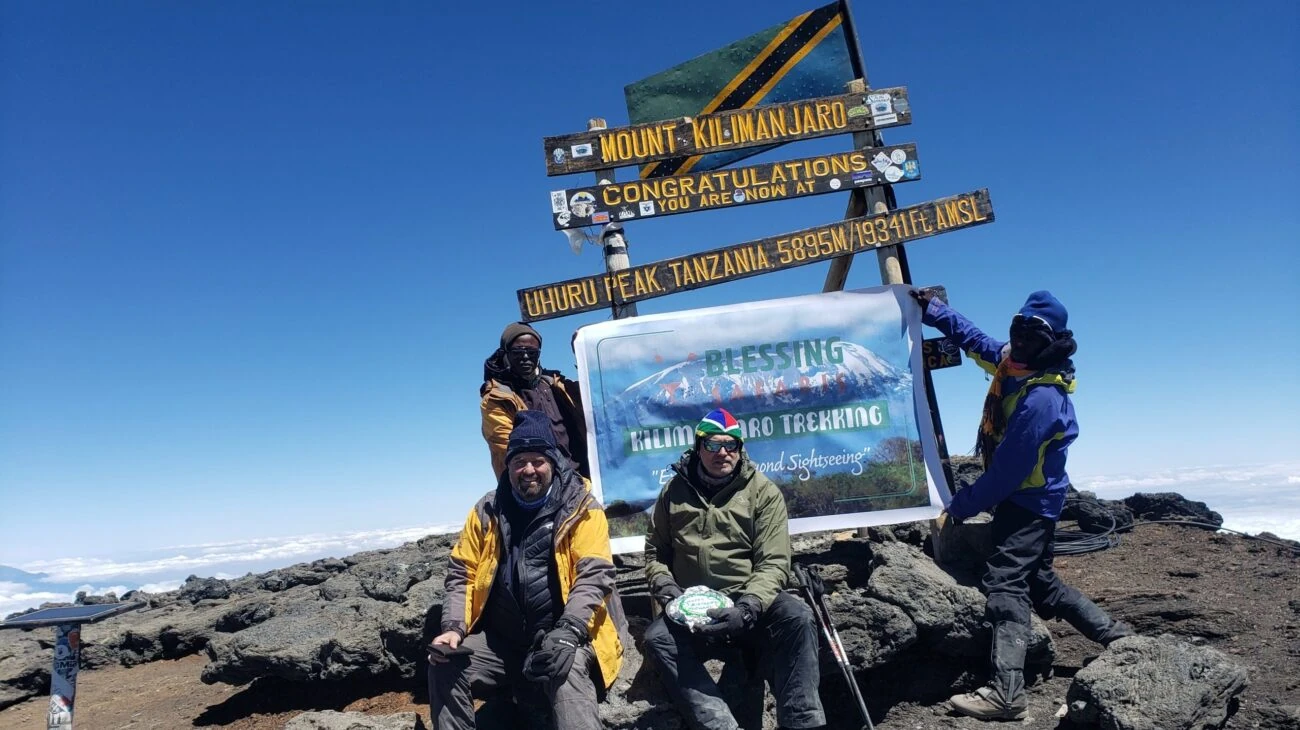
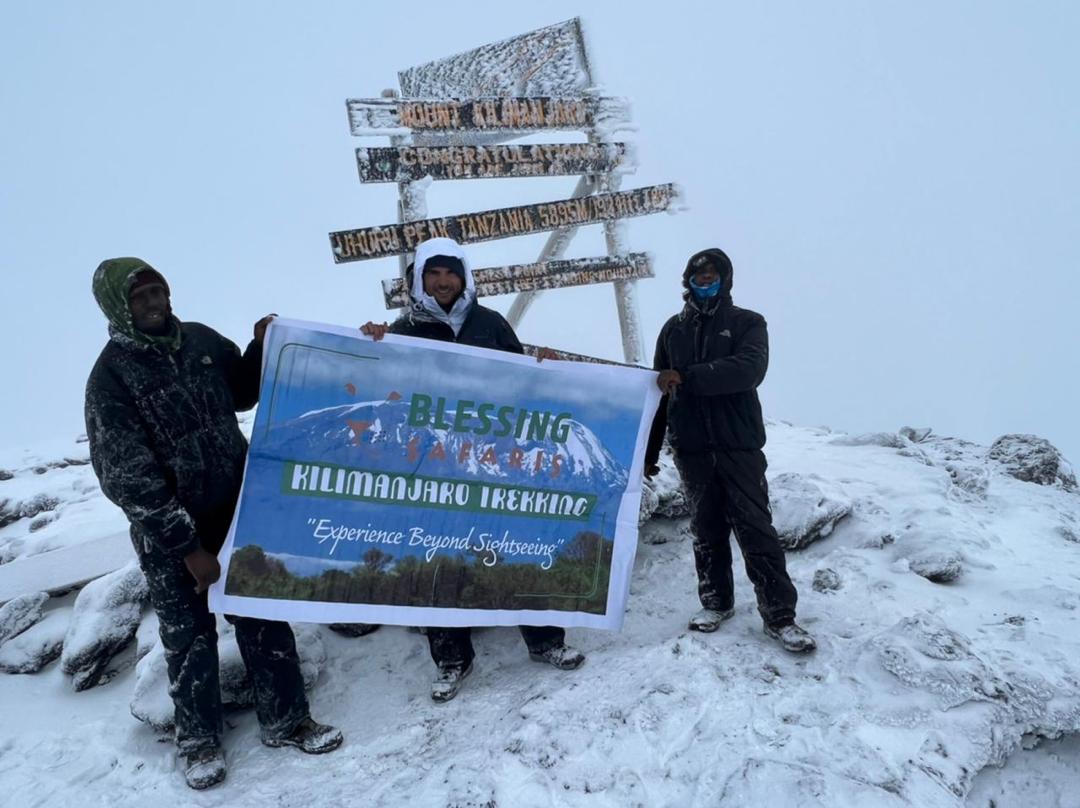
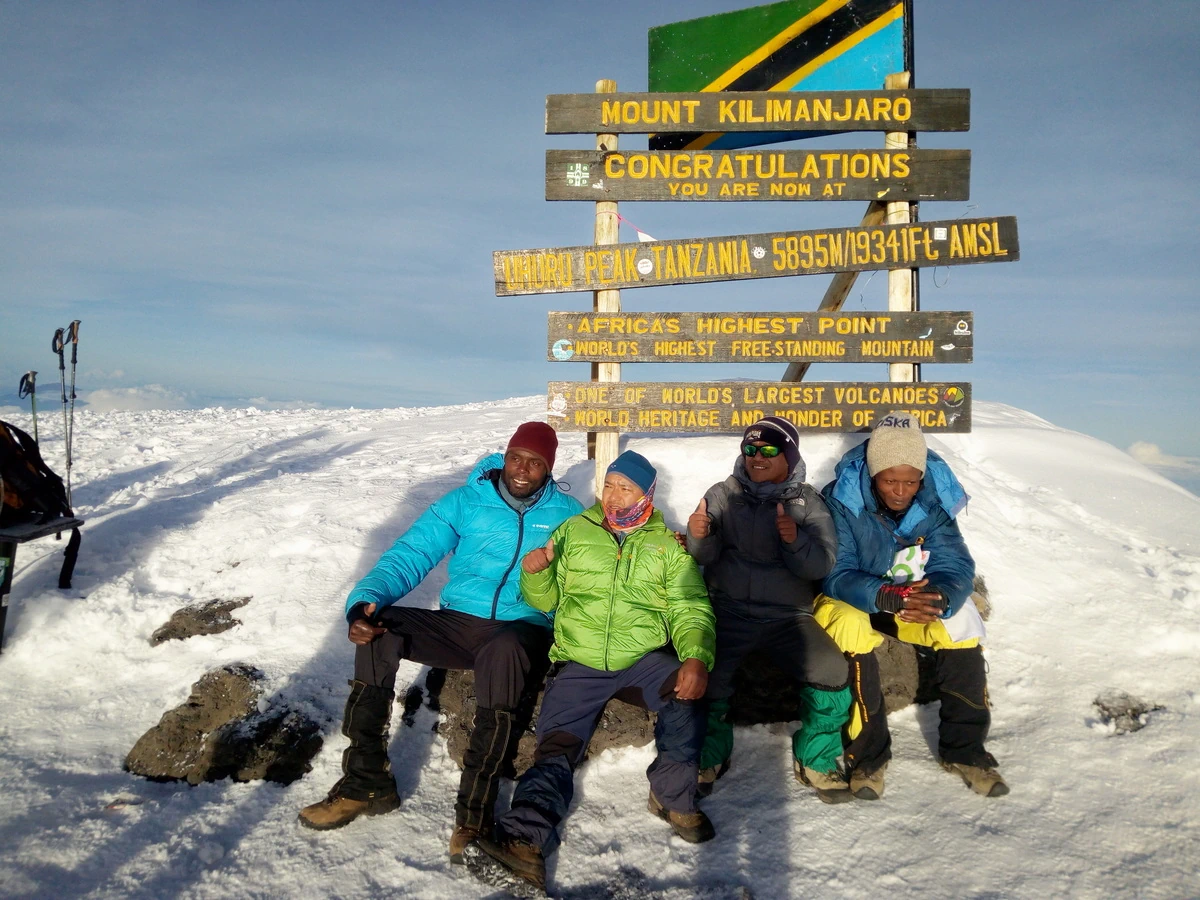
The summit sign states: “Congratulations, you are now at Uhuru Peak.“ Reaching this point, overlooking Kibo Crater and the morning-lit glaciers, is a significant achievement. Many climbers experience a mix of relief, joy, exhaustion, and awe.

Below, the Kibo Crater, the Ash Pit, and the remaining glaciers—the Furtwängler, the Rebmann, and the Southern Icefield — are illuminated by morning light. This achievement is significant and creates a lasting impression.

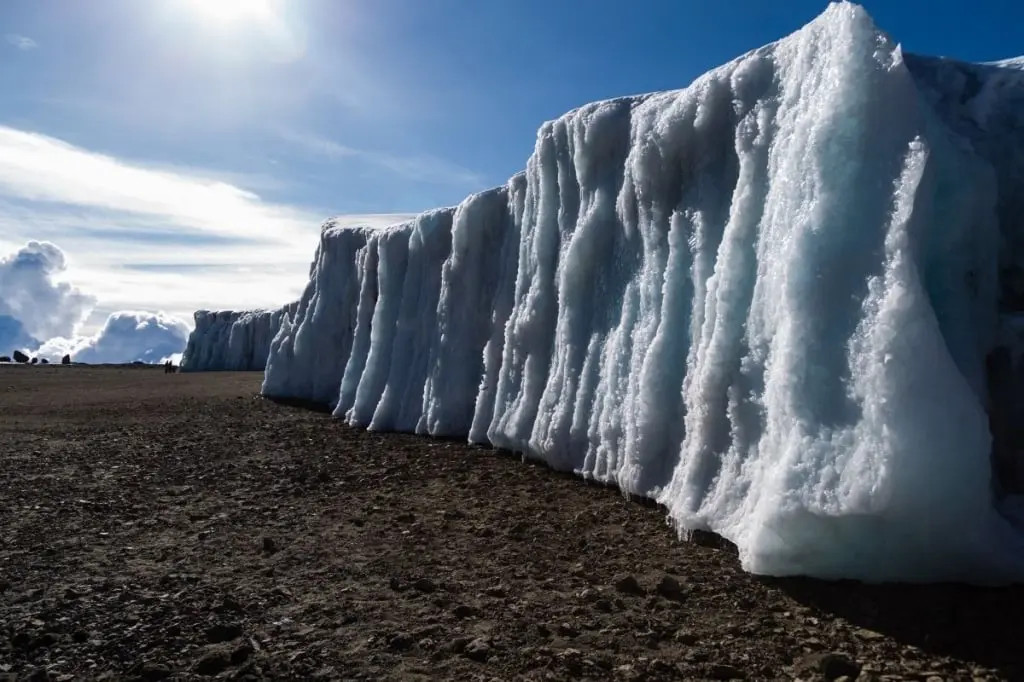
The glaciers highlight ongoing environmental change. Kilimanjaro has lost over 80% of its ice since 1912, and some scientists predict the summit could be ice-free within decades. Standing among these glaciers means witnessing something rare and fleeting.

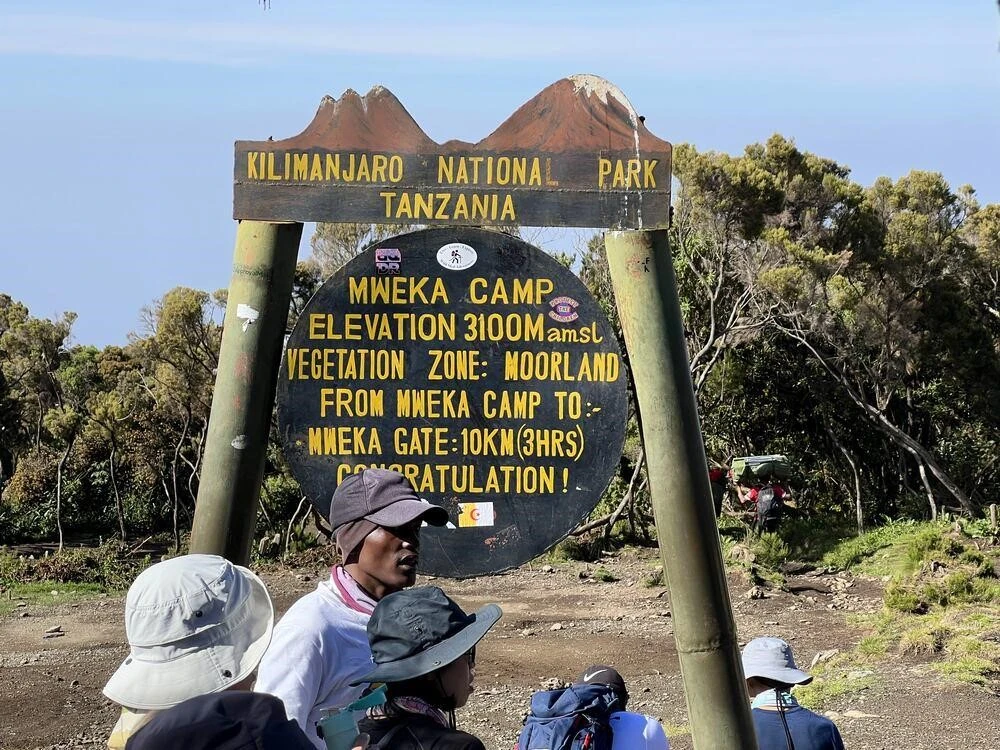
The descent is equally demanding. Summit day typically involves 10 to 12 hours of trekking, from the midnight ascent to arrival at Mweka Camp or Millennium Camp in the afternoon. This is the most challenging day and requires significant endurance.

The Descent and the Return

The descent typically takes 10 to 14 hours to reach Mweka Camp or Millennium Camp. This time allows for reflection, celebration, and quiet camaraderie. At Mweka Gate, you receive your summit certificate, thank your guides and porters, and begin your return to Moshi. The town will feel different now that you have stood on the roof of Africa.

The Operator Matters More Than You Think

Climbing Kilimanjaro is a team effort. Guides, Kilimanjaro porters, and cooks make each summit possible. Porters often carry loads of 20 kilograms or more, set up camp, and ensure climbers are fed, hydrated, and safe.

Choosing an operator involves more than price; it also depends on ethics. Reputable Kilimanjaro operators pay fair wages, provide proper equipment and clothing for porters, limit loads to the legal maximum, and ensure crew members have access to medical care. Budget operators may cut corners, compromising crew welfare and potentially your safety.

At Blessing Safaris, we are committed to ethical climbing. Our local experts know every trail and challenge. We believe a successful climb treats both climbers and crew with dignity and respect. We also offer comprehensive support, including airport transfers and acclimatization advice, so you can focus on your climb.

The Practicalities: Costs, Insurance, and Preparation

Costs: A reputable mid-range climb typically costs between $2,200 and $3,500 per person, with park fees alone running $1,000-$1,400. Budget climbs may be cheaper but often compromise on safety, crew welfare, or equipment. Premium and private expeditions can cost 4,500–6,000 or more. If a price seems too good to be true, it probably is.

Insurance: From 1 October 2026, foreign visitors to Mainland Tanzania must have Inbound Travel Insurance, a government-required policy separate from your existing travel insurance. It costs $44 per person and covers basic emergency medical treatment, evacuation, and repatriation.

However, it does not cover high-altitude trekking. You still need your own comprehensive policy that explicitly covers trekking to 6,000 meters and helicopter evacuation. Do not assume a standard policy includes this—check the wording carefully.

Preparation: Start training at least two to three months before your climb. Focus on cardiovascular fitness, leg strength, and stamina. Practice hiking with a weighted pack. And arrive in Moshi a day or two early to rest and organize your gear.

Packing: Your daypack should carry water, snacks, layers, sunscreen, and a camera. Porters carry the rest, but keep your total luggage within the operator’s limits. Invest in a good sleeping bag, sturdy boots, and a reliable headlamp. Everything else can be rented or borrowed.

Beyond Kilimanjaro Climb: Moshi and the Surrounding Region

Moshi is more than a gateway. Before or after your climb, explore its coffee farms, its bustling markets, and its warm Chagga community. Visit the Materuni Waterfall, a 150-meter cascade reached by a short hike through coffee and banana farms, where you can learn the art of coffee-making from bean to cup.

Swim in the crystal-clear waters of Chemka (Kikuletwa) Hot Springs, a surprising oasis in the dry Sanya Plains. Or visit Lake Chala, a dramatic crater lake on the Kenyan border, its deep blue waters surrounded by steep, forested walls.

For a warm-up, Mount Meru (4,566m) offers a challenging but rewarding three-to-four-day trek through Arusha National Park, with excellent wildlife viewing and a dramatic crater rim. And for a different perspective, a scenic helicopter flight over Kilimanjaro reveals the mountain’s scale and beauty in a way that no ground-level view can match.

The People and the Ethics

Climbing Kilimanjaro is a team effort. Guides, porters, and cooks are essential to every successful summit. Porters carry loads, often 20 kilograms or more, set up camp, and ensure climbers are fed, hydrated, and safe. Ethical climbing means choosing an operator that pays fair wages, provides proper equipment, keeps loads reasonable, and offers medical support for its crew.

At Blessing Safaris, we uphold these standards. Our team consists of local experts who know every trail and challenge. We believe a successful climb means treating both climbers and crew with dignity and respect.

Your Summit Moment Is Waiting

Mount Kilimanjaro is Africa’s highest peak, the world’s tallest free-standing mountain, and among the most accessible major summits. Its landscape shifts from lush rainforest to a stark arctic summit. Climbing Kilimanjaro tests both body and resolve, but the reward is significant. Reaching Uhuru Peak at sunrise is an achievement few experience.

At Blessing Safaris, we believe every climber deserves a safe, comfortable, and memorable experience. Our local team knows Kilimanjaro intimately, with guides, porters, and support staff familiar with every trail and camp. We are committed to ethical climbing, fair treatment of our crew, and providing high-quality equipment, meals, and support.

Don’t leave your Kilimanjaro dream to chance. Choose an operator that prioritizes your safety, comfort, and success. Book your climb with Blessing Safaris and let us help you create lifelong memories. Your summit moment is waiting, and our team is ready to support you.

Climbing Routes for Kilimanjaro
Mount Kilimanjaro Climbing Packages

  • From$1,790

    5 Days , 4 Nights

    5 Day Kilimanjaro Trek via Marangu Route

    Mt. Kilimanjaro
  • From$2,150

    6 Days , 5 Nights

    6 Day Kilimanjaro Trek via Machame Route

    Mt. Kilimanjaro
  • From$1,845

    6 Days, 5 Nights

    6 Day Kilimanjaro Trek via Marangu Route

    Mt. Kilimanjaro
  • From$2,210

    6 Days, 5 Nights

    6 Day Kilimanjaro Climb via Rongai Route

    Mt. Kilimanjaro
  • From$ 2,150

    6 Days, 5 Nights

    6 Day Kilimanjaro Climb via Umbwe Route

    Mt. Kilimanjaro
  • From$2,450

    7 Days, 6 Nights

    7 Day Kilimanjaro Climb via Lemosho Route

    Mt. Kilimanjaro
  • From$ 2,420

    7 Days , 6 Nights

    7 Day Kilimanjaro Trek via Machame Route

    Mt. Kilimanjaro
  • From$2,720

    8 Days, 7 Nights

    8 Day Kilimanjaro Climb via Lemosho Route

    Mt. Kilimanjaro
  • From$3,890

    9 Days, 8 Nights

    9 Days Northern Circuit Route

    Mt. Kilimanjaro

Why Climb Mount Kilimanjaro with Blessing Safaris?

🏔️ Certified Local Experts

Climbing a mountain is an incredible adventure, and having the right guide makes all the difference. Our team consists of professionally certified local experts passionate about mountain climbing.

🎯 Your Climb, Your Way

We believe every adventure should be as unique as you are. Through small-group travel and bespoke itineraries, we deliver a profoundly personal experience tailored to your pace, ambitions, and physical readiness for an unmatched ascent.

🏆 High Success Rate

Careful acclimatization and expert support give our climbers a high success rate in reaching Uhuru Peak

✅ Transparent, All-Inclusive Pricing

Blessing Safaris offers clear, all-inclusive pricing with no hidden fees—covering meals, park fees, accommodations, and logistics—so you can focus fully on your climb.

⚖️Ethical and Sustainable Tourism

We are dedicated to responsible and ethical adventure. We guarantee fair wages and treatment for our porters, uphold environmentally friendly practices, and actively support local communities. This commitment ensures your journey is not only unforgettable but also meaningful and responsible.

🛡️ 24/7 Emergency Support ( Trek with Confidence)

Your safety is our top priority. We are prepared for any situation with advanced first-aid kits, reliable satellite communication, and proven evacuation protocols—so you can focus on the adventure.

Customer Reviews

Posted on Tripadvisor Tripadvisor
owen b profile picture
owen b
Tripadvisor star 1Tripadvisor star 2Tripadvisor star 3Tripadvisor star 4Tripadvisor star 5Verified
A memory to treasure for life Some trips you enjoy, some trips you remember, and then there are trips that become a part of you. Our safari in Tanzania with Blessings Safari was one of those trips. From the very beginning, everything was handled with care. The safari vehicle was excellent, our guide was knowledgeable, patient and genuinely passionate about what he does, the itinerary was perfectly organised, and every accommodation was better than we could have hoped for. It was clear that no detail was too small. What meant a lot to us was knowing that everything was exactly as promised. The price we agreed was the price we paid. There were no unexpected changes or surprises. In a world where this is not always something you can take for granted, that honesty and professionalism gave us complete peace of mind. We travelled as a family, with our 10-year-old son, and this made the experience especially precious. There were moments when we would look at him and realise that these are memories he will carry with him for the rest of his life. Seeing the excitement in his eyes, sharing those incredible moments together and experiencing the beauty of Tanzania as a family is something we will always be grateful for. But beyond the animals, the landscapes and the incredible places we visited, it was the people who made this journey so special. There was a genuine warmth and care behind everything Blessings Safari did. We never felt like just another booking or another family on a safari. We felt looked after. We felt that our experience truly mattered. And that is something you cannot put a price on. We arrived with very high expectations, and somehow Blessings Safari still managed to surpass them. There are very few holidays in life where, when they come to an end, you already know that you will talk about them for years and years to come. This is one of them. Tanzania gave us memories that will stay with our family forever, and Blessings Safari played such an important part in making those memories possible. To the whole Blessings Safari team, thank you. Truly, from the bottom of our hearts. Thank you for your professionalism, your kindness, your attention to detail and for caring about our family and our experience. You didn't simply organise a safari for us. You helped create a chapter in our family's story that we will treasure for the rest of our lives. If you are dreaming of a safari in Tanzania, we would recommend Blessings Safari without hesitation. Sometimes you book a trip hoping it will be special. With Blessings Safari, it became something much more than that. Asante sana. ❤️🇹🇿
Posted on Tripadvisor Tripadvisor
Roma L profile picture
Roma L
Tripadvisor star 1Tripadvisor star 2Tripadvisor star 3Tripadvisor star 4Tripadvisor star 5Verified
Customized Safari That Exceeded Expectations Blessing Safaris Tanzania created a personalized safari package tailored to our needs. They were flexible with our schedule and very responsive throughout the trip. The game drives were incredible, and we visited some of the most beautiful parks in Tanzania. If you're looking for a customized safari experience, I highly recommend them!
Posted on Tripadvisor Tripadvisor
Mike T profile picture
Mike T
Tripadvisor star 1Tripadvisor star 2Tripadvisor star 3Tripadvisor star 4Tripadvisor star 5Verified
Great Value Safari with Outstanding Service We compared several tour companies before booking, and Blessing Safaris Tanzania stood out for both pricing and service. The safari exceeded our expectations—great lodges, excellent food, and unforgettable wildlife sightings. Our guide went above and beyond to make sure we had the best experience possible. Definitely one of the best value safaris in Tanzania!
Posted on Tripadvisor Tripadvisor
Wendy R profile picture
Wendy R
Tripadvisor star 1Tripadvisor star 2Tripadvisor star 3Tripadvisor star 4Tripadvisor star 5Verified
Life changing experience Our trip to Ngorongoro, the Serengeti and Tarangire National Park was life changing! We have a deeper appreciation for the culture in Africa, how people live very simple lives amongst the natural environment in which these wild animals live freely. Truly the best trip we ever have experienced!
Posted on Tripadvisor Tripadvisor
Александр profile picture
Александр
Tripadvisor star 1Tripadvisor star 2Tripadvisor star 3Tripadvisor star 4Tripadvisor star 5Verified
Professionalism. Delight. Delicious. Incredible views. This is a team of true professionals. Everything was very clear and coordinated. Everything was on time. Discipline and professionalism. I can confidently recommend this company for climbing Kilimanjaro.
Posted on Tripadvisor Tripadvisor
Kylie K profile picture
Kylie K
Tripadvisor star 1Tripadvisor star 2Tripadvisor star 3Tripadvisor star 4Tripadvisor star 5Verified
BEST SAFARI COMPANY🎉 We had the absolute privilege of booking our honeymoon safari with Blessings Safari, and we truly could not have asked for a more perfect experience. From start to finish, everything was seamless, thoughtful, and beyond our expectations. The owner, Elibariki, took such care in planning every detail for us. Each accommodation was not only beautiful, but also felt special and unique, which made our honeymoon even more memorable. You can really tell how much passion and heart he puts into his company. Our guide, Zoya, was incredible. His knowledge of the land, culture, and wildlife was astounding—he could spot animals we never would have seen on our own, and he shared so many stories and insights that made us feel deeply connected to Tanzania. On top of that, he was so kind, patient, and genuinely fun to spend time with. We always felt safe and well taken care of. Blessings Safari went above and beyond for us, and we are so grateful. This was the trip of a lifetime, and we will never forget the memories we made. If you are considering a safari in Tanzania, we wholeheartedly recommend choosing Blessings Safari—you will be in the best hands.
Posted on Tripadvisor Tripadvisor
Peggy S profile picture
Peggy S
Tripadvisor star 1Tripadvisor star 2Tripadvisor star 3Tripadvisor star 4Tripadvisor star 5Verified
un séjour de rêve ! Nous avons passé un séjour de rêve en famille ! Toutes les conditions étaient réunies : d'abord grâce à notre guide Zoya pour la partie safari : sa grande expérience du terrain nous a fait trouver énormement d'animaux avec des informations passionnantes sur leur mode de vie. Nous avons également apprécié toutes ses explications sur le pays et la population. Nous nous sommes par ailleurs sentis parfaitement en sécurité avec lui lors des trajets parfois longs sur des routes en terre difficilement praticables. Bref, sa gentillesse et son professionnalisme nous ont été très précieux. Ensuite sur la logistique du safari : Boissons et snacks à disposition tout au long de la journée et les pique-niques étaient délicieux : repas chauds, cuisinés chaque jour servis avec nappe et vaisselle. Les hôtels et lodges choisis étaient à la hauteur de nos attentes ! Pour la suite du séjour, nous sommes allés à Zanzibar où nous avons passé 2 nuits parfaites au tembo hôtel de stone town et fini par un séjour vraiment balnéaire au Amaan beach bungalows à nungwi pendant 3 jours. C'était parfait ! Un grand merci à Elikari pour cette organisation millimétrée qui nous fera des souvenirs extraordinaires !
Posted on Tripadvisor Tripadvisor
Eva H profile picture
Eva H
Tripadvisor star 1Tripadvisor star 2Tripadvisor star 3Tripadvisor star 4Tripadvisor star 5Verified
Unforgettable Safari Experience We had an unforgettable experience with Blessings Safari during our trip to Tanzania and Zanzibar! From start to finish, everything was handled with professionalism, care, and genuine warmth. Our main point of contact, Elibariki, was absolutely fantastic. He was incredibly responsive, clear with communication, and went above and beyond to make sure every detail of our itinerary was thoughtfully arranged. We always felt informed and supported, which gave us peace of mind throughout our journey. We were also extremely lucky to have Zoya as our safari guide. He was top notch—friendly, knowledgeable, and truly passionate about what he does. He made sure we were always comfortable and safe, and he had a great sense of humor that made the trip even more fun. We shared so many laughs and learned so much from him about the people, the different tribes, and of course, the amazing wildlife. We highly recommend Blessings Safari to anyone planning a trip to Tanzania. They made our dream adventure a reality and gave us memories we’ll cherish forever.
Posted on Tripadvisor Tripadvisor
Audrey B profile picture
Audrey B
Tripadvisor star 1Tripadvisor star 2Tripadvisor star 3Tripadvisor star 4Tripadvisor star 5Verified
Unforgettable Honeymoon experience Blessing Safaris made our honeymoon unforgettable. From the moment we started talking to them, all the way to departure; they answered all my questions, gave sound advice, and set up amazing experiences. Zoya was our guide for the safari for 7 days, going to Tangire National Park, Lake Manyara, Ngorongoro Crater, Serengeti. He was so knowledgeable, compassionate, funny, and smart! We couldn't have asked for a better guide. We then had 3 days in Zanzibar, which we probably could have gone without the tours and just stayed at the all-inclusive to relax and been extremely happy. HIGHLY suggest using them to book your tour, don't be afraid to ask questions, tailor it to your own interests, and enjoy!
Posted on Tripadvisor Tripadvisor
Erigerti D profile picture
Erigerti D
Tripadvisor star 1Tripadvisor star 2Tripadvisor star 3Tripadvisor star 4Tripadvisor star 5Verified
Blessing Safaris, Kilamangaro mountain ⛰️ climbing Blessing Safaris made our trip so memorable. What an amazing experience we had climbing kilamangaro mountain ⛰️. The staff was so friendly, so helpful, experienced, and most importantly kind. I would 100 percent recommend Blessing Safaris for all of you that read this review. And I would definitely go back there in the future and choose them over and over. What an amazing journey.

Let’s Plan Your Kilimanjaro Adventure
elibariki- blessing-safaris

Meet Elibariki

Mount Kilimanjaro Climbing Specialist
+255 742 696 430
(Call or WhatsApp)

elibariki- blessing-safaris

Meet Elibariki,

Safari Specialist

+255 742 696 430
(Call or WhatsApp)

Mount Kilimanjaro Climbing Information

Besides the excitement and the beauty of hiking these giant mountains in Tanzania. Every success is accompanied by unexpected challenges, and for climbing Acute Mountain Sickness (AMS) is one of the major threats once it comes to climbers. Since safety is our priority we have prepared a list of common altitude sickness which may happen. We invite you to spend time to learn more.

Acute Mountain Sickness (AMS)

It is the negative health effect of high altitude, caused by rapid exposure to low amounts of oxygen at high elevation. People who climb high mountains might experience the early symptoms of Altitude Sickness. Our guides are well-trained, they are Certified  Wilderness First Responder WFR. If you experience any symptoms mentioned below, please inform your guides as soon as possible.

  • Nausea & dizziness
  • Headache
  • Poor appetite
  • Fatigue
  • Shortness of breath
  •  Vomiting
  • Poor sleeping
High Altitude Cerebral Oedema (HACE)

Caused by brain swelling, it is very dangerous and can kill very quickly if not treated as soon as possible. Normally HACE symptoms tend to set in at nighttime. 

Symptoms of HACE 

  • Loss of consciousness
  • Severe headache
  •  Increase of clumsiness
  • Loss of coordination example ataxia
  • Loss of memory
  • Coma
High Altitude Pulmonary Oedema (HAPE)

Caused by fluid collecting in the lungs, it is very dangerous and can kill very quickly if not treated as soon as possible. It happens due to the fast ascending to a higher altitude. If your guide advises you to descend, please do it immediately even if taking medicine because it is the only reliable cure. 

Symptoms of HAPE

  • Trouble breathing even when resting
  • Coughing
  •  Very tight chest
  •  Suffocation/feeling tired
  •  Froth in saliva or spit
  •  Blood in saliva
  •  Confusion, hallucination, and irrational behavior 
Prevention of altitude sickness
  • Ascend slowly (pole-pole)
  • Drink well, 3-4 liters of water per day
  •  Eat well and regularly
  • Sleep well, give yourself time to rest
  • Wear proper warm gears (Make sure you are warm enough) 
  • Avoid wet boots, gloves, & socks

The weather of Kilimanjaro is very unpredictable however it is better to know the common weather of the mountain before you decide to book your tour. The dry season is a good time to climb Mount Kilimanjaro because you will enjoy nature and a good view.  

The dry season is from the beginning of December through the beginning of March, and from late June through the end of October, June to December. 

The peak season is from  August to September and the heavy rainy season is from the end of March to the middle of May

Tanzania is the safest country in Africa, Tanzanians are very friendly. There is no history of dangerous animals on Kilimanjaro. Kilimanjaro’s trails are always busy, there are hundreds of people climbing all routes every day. Every group is accompanied by guides, the security is also reliable at the campsite, there are armed rangers at every camp to ensure your safety during climbing. Only climbers to Mount Meru will be escorted by the armed rangers due to the presence of the wild animals inside the Mountain. No need to fear about your health, we provide healthy food. Our guides are well-trained and certified in First Aid, we always carry the first aid kit and oxygen cylinders for emergencies. The rescue is also available on the mountain at all camps. In case of any serious emergence, we can arrange for a helicopter rescue

Conservation fees per day (all routes) 

(a) US$70 of or above the age of 16 years

(b) US$20 between the age of 5 and 15 years

Public Campsite Fee per Night
(a) US$50 of or above the age of 16 years

(b) US$10 between the age of 5 and 15 years

Hut Fee  

(a) US$60 per night (of or above the age of 16 years)

(b) US$20 per night (between the age of 5 and 15 years)         

Rescue Fee 

-US$20 per person per trip 

Crew Fee

US$2 per person per trip 

Crater camping fee 

US$100

Mawenzi peak climbing

US$750 (it is technical climbing) 

Paragliding on Kilimanjaro 

(a) Pilot fee US$500

(b) Passenger fee $250

Cycling on Kilimanjaro National Park

 US$50

Video Shooting per group of 2-20 people (This is for recording own art eg music or movies)

(a) Park US$100

(b) TANAPA HQ US$50 

All fees above exclude VAT 18% 

Wearing the right kind of gear for the summit is very important. Try to cover your body with many layers to avoid coldness during the summit. Avoid wearing wet clothes, wear fresh and dry clothes for the summit night especially the inner layers to make sure you are always warm.  Remember to cover your Cell Phone, Camera, spare batteries, and water bottles to avoid freezing. Turn ON your headlight, walk slowly, stay behind your guide all time. Avoid frequent stops because it will make you feel cold and tired. Don’t forget to bring your walking poles, your poles are very important for both ascending and descending. Remember to set the right size before you leave the base camp because might freeze and get stuck. Remember to drink plenty of water at the beginning, your water might freeze as you climb higher. Try to blowback the camelback tube from time to time after drinking to avoid water freezing.

We remind you to bring quality personal climbing gear for your Kilimanjaro climbing. Proper layering is necessary to keep you dry, warm, and comfortable. Before packing, make sure your gear selection depends on the weather of the season you plan to climb; however, the weather on Kilimanjaro is unpredictable. Mid-March, May and early June is the long rainy season, while November to early December is the short rainy season. Make sure your outermost layer must be warm and made of waterproof materials to protect you against rain, wind and snow.

Rain Geers

Poncho, Waterproof Jackets, Waterproof trousers, Rucksack rain cover, Waterproof gaiters

Warm Clothing 

Body covering:

Underwear, Fleece jackets, Down jackets, Fleece trousers, Hiking pants, Shorts, T-shirts, Fleece shirts

Head, neck &  face Covering:

Buff ,Balaclava,Mask,Hat

Hands covering

Fleece gloves, Waterproof mittens

Feet covering: 

Pairs of wool socks, Gaiters, Waterproof hiking boots, Sneakers

Other important Equipment and accessories

Sleeping bag, Sunglass, Sun cream, Sun hat, Headlamp, Trekking Poles, Water bottle, Camel bag, Camera and spare battery, Powerbank, Towel, Backpack for day hiking use, Duffle bag/kit bag for porters to carry your staffs, Snacks for high energy and calorie gain, Passport, Visa

Careful packing

  • Make sure all your gears are warm and lite, don’t pack jeans, avoid cotton as cotton material traps moisture, and also avoid overweight packing.
  • Pack your bags the night before your trek, don’t wait until the morning to avoid rushing.
  • Don’t pack anything that shouldn’t be there, you may leave unwanted staff for the mountain at your hotel or feel free to leave at our office.
  • If necessary to pack your laptop, keep in mind that there is no electricity on the mountain.
  • If possible avoid packing delicate stuff
  • Pack all important documents and everything you think you will need to use on the way before getting to the camp. Example: Camera, Phone, sun cream, hut, passport, sunglasses, poncho, etc.

Health and Hygiene tips

  • Remember to keep your hands clean every time before eating to avoid stomach problems which can cause dehydration
  •  Before using medication like Acetazolamide or Diamox and others,  it is important to take advice from your doctor
  • Be prepared for altitude sickness even if it doesn’t often happen, do a general health check-up before you come to Kilimanjaro.
  • If you feel abnormal, please tell your guides.
  • Avoid smoking and drinking alcohol on the mountain
  • Avoid ascending further when you realize the symptoms of altitude sickness

Listen to your guides

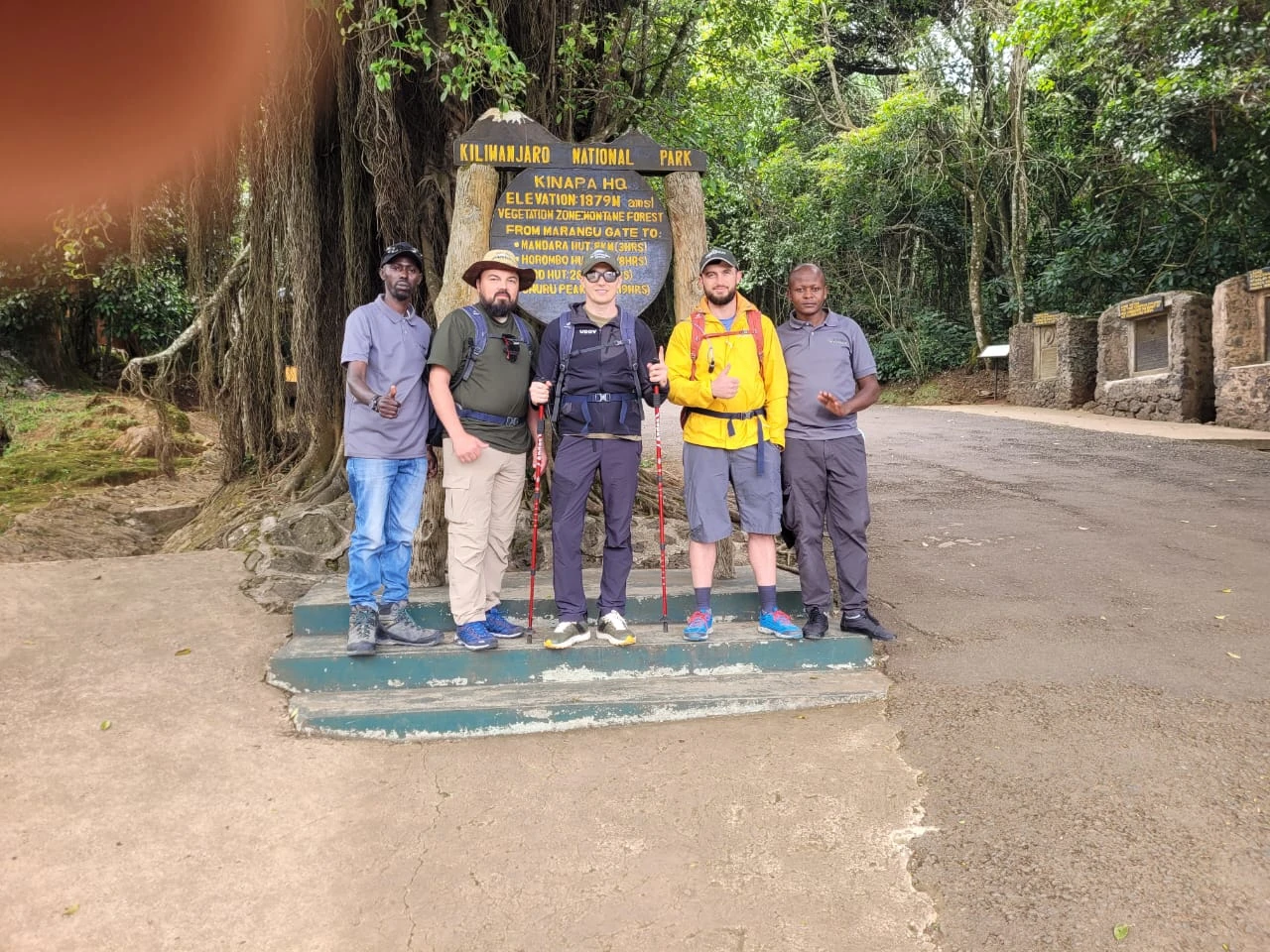
We advise listening and follow the instructions from your guides.  All our guides have long-time guiding experience, they are well-trained and licensed by Kilimanjaro National Park. Our guides are very friendly and knowledgeable and they will take you to the top safely.

 Trash-in trash-out

Avoid littering  the trail, collect all rubbish in your bag until you reach the camp

Climb slowly (Pole-pole)

Avoid rushing, save your energy for the Summit night. Hike slowly, enjoy your holiday, and the beauty of Kilimanjaro

Prepare for your trek

Remember to prepare for your trek, make sure you apply for your Visa on time, book for your flight after getting your Visa verification. Pack all travel documents and trekking gears. Train your body by doing small physical exercises like running and biking to keep your body fit.

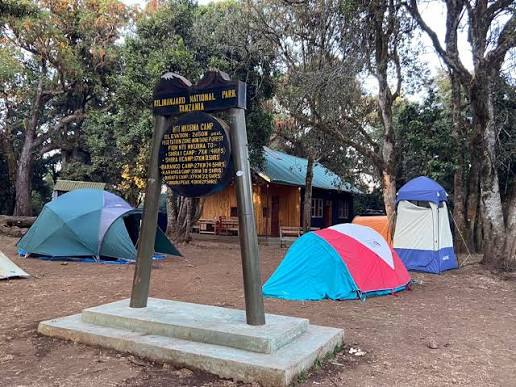
There are no hotels or lodges on the mountain. Climbers to the Marangu route (Kilimanjaro) and Mount Meru sleep in hut accommodation based on shared rooms with double-decker beds. Breakfast, Lunch, and Dinner will be served at mess rooms available in every camp in Marangu and Mount Meru. All rooms are installed with a solar system however the power may not be sufficient for charging your cell phones. Both Marangu and Mount Meru have flash toilets except at the base camp. 

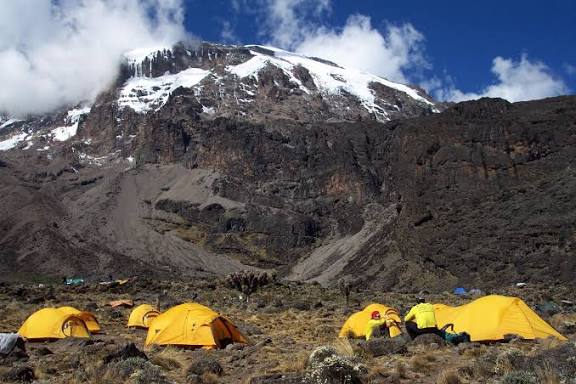
Climbers through other routes using tents. Porters are always fast, they get to the camp earlier and set up your tents. Every group has camping managers who make sure all tents are well-pitched. We use new quality mountain tents for sleeping. Every tent shared by two (2) clients, we also carry quality mercy tents, kitchen tents, and crew tents. 

Toilets are available at all camps in the mountains. In case you don’t want to use public toilets, you can request a private toilet from us.   

Travel insurance is very crucial once it comes to travel around the world, for any traveler. Getting travel insurance in Tanzania made easy through third parties companies which are dealing specifically with evacuation in case of any emergency during your tour, we do not sale it but we will be happy to recommend reliable compressive travel insurance that covers things like emergency helicopter rescue, medical evacuations expense it will be assisted protection tour to cover personal injury, repatriation expenses, and any kind of possibility illness will be covered. Having good travel insurance guarantees peace of mind while traveling, safety comes first.

As any other endeavor challenges are part of the journey, you may experience congestion while arriving or you may experience network outage in most of the areas while on safari. Bear in mind that there are challenges which we can control as human beings but in case of natural disasters that we do not wish to happen if we are supposed to stop your tour, immediate actions are necessary to save a life.

This comes not actually from the company side but has something to do with yourself, you may wish to support locals by buying souvenirs or you may arrange some extra tours around the city or tipping to your team. Is the best way to acknowledge others as one of the best practices in life. Feel comfortable to discuss with your tour planner anytime

Tanzania is situated directly south of the Equator and covers 938,000 sq. km with an estimated population of 40 million people. The country is densely populated in the northern, eastern and coastal areas while the southern part is not densely populated.

Climate. Tanzania climate is tropical and there are two rain seasons the longer being March through May and the shorter between October and November. The dry season lasts from July through October with clear sky and sunshine the whole day. The weather is suitable for beach vacations. The coastal area is normally hot and humid.

Visa: Coming to Tanzania has been made easy for visitors. It is easy to obtain a Tanzanian visa and there are three ways to obtain it: You can get a visa from a Tanzanian Embassy or High Commission from your country or upon arrival at the port of entry or you can apply online via Tanzania Immigration site, that is, the airport or at the border port. The above procedure applies to North American and European citizens. For more details about visas please contact the nearest Tanzanian Embassy or High Commission in your area.

Tanzania’s International Airports: Tanzania has two international airports, one outside the commercial capital Dar es Salaam (airport code: DAR) and the other near Arusha (and Mount Kilimanjaro) called Kilimanjaro International Airport (airport code: JRO). Charter flights and some international operators fly directly to Zanzibar Island (airport code: ZNZ)

Getting to Tanzania: If you’re planning to visit Northern Tanzania, the best airport to arrive at is Kilimanjaro International Airport (KIA). KLM has daily flights from Amsterdam. Ethiopian and Kenya Airways / Precision Air also fly into KIA.

If you’re planning to visit Zanzibar, southern and western Tanzania, it is ideal to fly to the capital city of Dar es Salaam. European carriers that fly into Dar es Salaam include British Airways, KLM and Swissair(which share codes with Delta). There are long-distance bus services between Tanzania, Kenya, and Uganda.

Attractions: The country has a lot to offer educationally, historically, for leisure and adventures. These adventures are safaris (game) driving in the National Parks like Serengeti, Manyara, and Tarangire to see wildlife, historical sites such as museums, landscapes, mountains, beaches, lakes, rivers, and culture.

Social life: The country has more than 120 tribes. Each tribe has its own vernacular. Although there are many languages “Swahili” was adopted as the national language in 1961 right after independence. The language has spread and is being used in the neighboring countries of Uganda, Kenya, and Central Africa. English is the second official language of the nation. You will find that Tanzanians are very welcoming and friendly.

Political system: Tanzania is perhaps the leading country on the continent of Africa for its political stability, peace, and tranquility. The political system is multi-party and the government is democratic. Political and religious conflicts are resolved through dialogue. In short, religious and tribal conflicts are very rare in this country because every citizen is free to worship as he/she pleases provided that one does not violate the law of the land

Currency: The national currency of Tanzania is the “shilling” (Tshs). Exchange rates vary and are subject to change anytime. Credit cards such as Euro-card, American Express, Master Card, Access, and Visa are accepted by most tourists’ hotels, carving shops, bureau de change, and banks. Also, Traveler’s Cheques in sterling pounds and US dollars are acceptable.

Religions: Because of its historical diversity Tanzania is a land of various religions. Nevertheless, the major religions are Christianity, Islam, Hindu, and African Traditional Religions. On the east coast – Dar es salaam, Bagamoyo, Zanzibar, and Tanga – the dominant religions are Islam and Hindu. This is due to the advent of Arabs and Eastern Indians which led to the spread of the two religions. The mainland is dominantly Christian and this is since European colonists, like Arabs, spread the Christian religion to the indigenous people.

Infrastructure & Accessibility: Major roads are paved and accessible throughout the year. Side roads and those around and within the National Parks are muddy and rough. For this reason, a 4WD car is required for safaris. Four-wheel cars include Toyota Land Cruisers, Land Rovers, and Toyota Hiace 4WD. These are the cars commonly used. The railway is also used in the eastern, southern, central, and western parts of the country.

Time: The time zone is GMT + 3 and the electricity is 220 – 240 V AC, 50 Hz.

Expect to drink pure water from the mountain during your trek, we will refill your water bottles every day at all camps. The water is very clean and treated. You will get hot water for washing up every day in the morning and evening. 

We carry enough food to eat every day on the mountain. The food we carry is for our clients and everyone on our team. Our cooks are very professional, they will make sure that you get quality and delicious food on time. Enjoy three meals per day, feel at home away from home.  

After the confirmation of the booking, we will send you the menu to be aware of your meal from the first day to the last day of the trek, we are always open for discussion about what you want to be included in the menu. For any suggestions about the food during your trek, don’t hesitate to discuss it with your guides and cooks. 

After the end of your tour, your supporting team expects to be paid the tips. YES, it is very appreciated! When and how do you pay your tips?

1: You can pay tips after the last meal on the mountain
– You may pay it personally in separate envelopes given by us before the beginning of the tour
-You may hand over the envelopes to the head guide who will then help you to distribute them to everyone.

2: You can pay tips at the hotel after the end of your trek
In case you don’t want to carry money on the mountain, you may leave it at the hotel/bank then you pay your supporting team at the hotel soon after descending

3: You can pay for your package together with tips
For those who wish to receive the invoice for the whole package (include tips), It is possible to don’t hesitate to tell us.

The following is the tipping amount in USD per person per day.
$20 per guide, per day.
$15 per cook, per day.
$10 per porter per day.

NB: The tipping cost will be shared by the whole group, as the company we appreciate you’re generosity. Bear in mind that the shared guidelines do not restrict any clients to contribute more.

Mount Kilimanjaro Climbing FAQ

What Is Mount Kilimanjaro?

Mount Kilimanjaro, a dormant stratovolcano in northern Tanzania, is Africa’s highest mountain at 5,895 meters (19,341 feet). As the world’s tallest free-standing mountain, it belongs to no range. Kilimanjaro consists of three volcanic cones: Kibo (dormant and highest), Mawenzi (extinct), and Shira (extinct and collapsed). Its summit, Uhuru Peak, is one of the Seven Summits and a sought-after destination for adventurers worldwide.

Where Is Mount Kilimanjaro Located?

Mount Kilimanjaro is in Tanzania’s Kilimanjaro Region, near Moshi and close to the Kenyan border. It is approximately 340 kilometers south of the equator and is easily accessible via Kilimanjaro International Airport (JRO), which serves both Moshi and Arusha.

How Tall Is Mount Kilimanjaro?

Uhuru Peak’s official elevation is 5,895 meters (19,341 feet), though some modern surveys report slightly different values, such as 5,892, 5,899, or 5,902 meters.

How Long Does It Take to Climb Kilimanjaro?

Climbing Kilimanjaro usually takes 5 to 9 days, depending on the route you choose. 7- to 9-day itineraries are recommended for better acclimatization and higher summit success. The Northern Circuit (9 days) and Lemosho (8 days) routes offer the best acclimatization.

Which Route Has the Highest Success Rate?

The Northern Circuit and 8–10-day Lemosho routes offer the highest summit success rates, often exceeding 90%, because they allow more time for acclimatization. The main factor is time on the mountain, not the route. Five-day climbs typically have lower success rates (50–65%), while eight-day or longer climbs achieve rates above 90%.

Do I Need Climbing Experience to Summit Kilimanjaro?

No. Kilimanjaro is a trek, not a technical climb. It requires no ropes, ice axes, or mountaineering skills. However, it is physically demanding, and the altitude is the primary challenge. Good fitness and preparation are essential, but success depends on proper acclimatization and a slow, steady pace.

When Is the Best Time to Climb Kilimanjaro?

The best times are during the dry seasons: January to early March and June to October. Avoid April and May (long rains) and November (short rains) because of muddy trails and poor visibility.

How Much Does It Cost to Climb Kilimanjaro?

A well-organized mid-range climb typically costs $1,790 to $3,500 per person, with park fees alone ranging from $1,000 to $1,400. Budget climbs may be less expensive but often compromise on safety, crew welfare, or equipment. Premium and private expeditions can cost $4,500 to $6,000 or more.

What Are the Five Climate Zones on Kilimanjaro?

The five zones are: the Cultivation Zone (800–1,800m), the Rainforest Zone (1,800–2,800m), the Heath and Moorland Zone (2,800–4,000m), the Alpine Desert Zone (4,000–5,000m), and the Arctic Summit Zone (5,000m+). Each zone features unique vegetation, wildlife, and weather, offering a climb through diverse ecosystems.

What Is Uhuru Peak?

Uhuru Peak is the highest point on Mount Kilimanjaro and the highest point in Africa, located on the rim of Kibo Crater at 5,895 meters. The name “Uhuru” means “freedom” in Swahili, commemorating Tanzania’s independence. It is the ultimate goal for every climber.

What Is the Best Way to Acclimatize on Kilimanjaro?

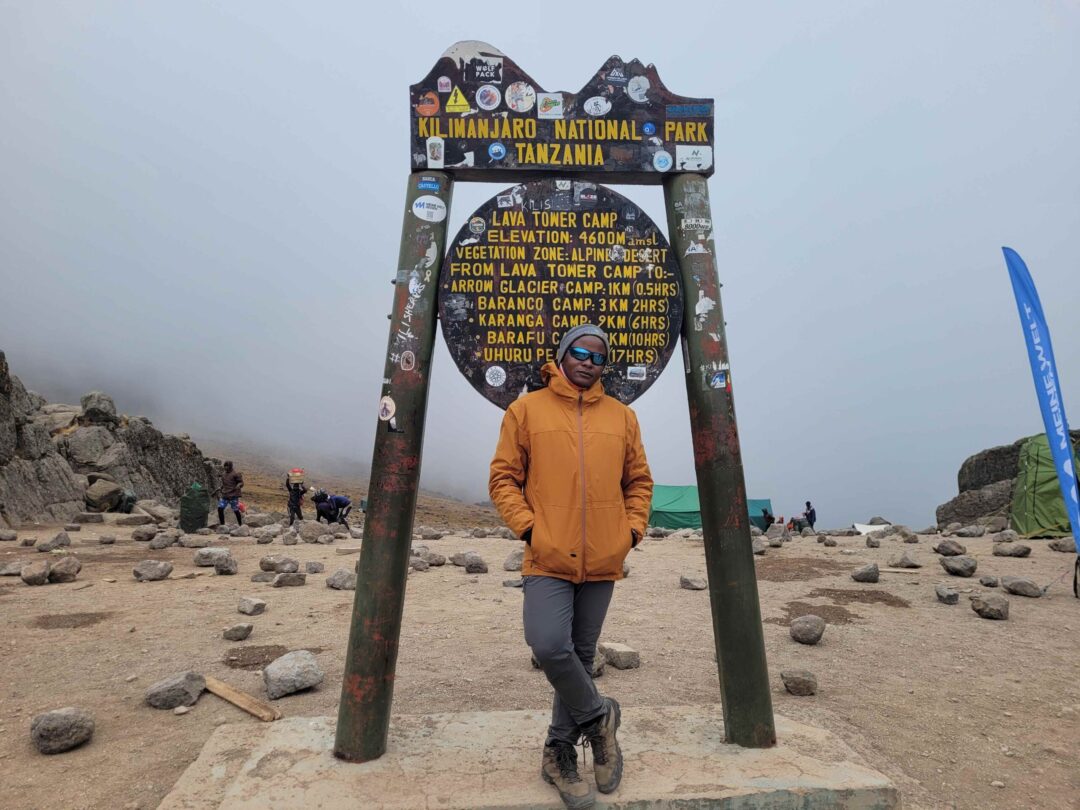
The best strategy is “climb high, sleep low”: ascend to a higher altitude during the day and descend to sleep at a lower elevation. Camps such as Shira 2, Moir Hut, and Lava Tower allow climbers to gain altitude and then return to a lower elevation for better rest. Selecting a longer itinerary is the most effective way to acclimatize.

What Wildlife Can I See on Kilimanjaro?

The rainforest zone supports blue monkeys, black-and-white colobus monkeys, and various birds such as turacos and hornbills. At higher elevations, you may see white-necked ravens, tree hyraxes, and occasional evidence of larger animals such as buffalo or eland. While the mountain is not a safari destination, its wildlife enhances the overall experience.

What Is the Weather Like on Kilimanjaro?

The weather varies dramatically by altitude and season. The lower slopes are warm and humid, while the summit is freezing, often dropping to -20°C (-4°F) at night. Dry seasons bring clear skies and stable conditions, while rainy seasons bring mud, snow, and poor visibility.

Can Beginners Climb Kilimanjaro?

Yes. Kilimanjaro is one of the world’s most accessible high peaks, and thousands of beginners reach the summit every year. However, preparation is key: choose a longer route, train with long hikes, and arrive with the right gear. A day hike to Mandara Hut or a trek on Mount Meru can be excellent introductions before attempting the main summit.

What Is the Difference Between Kibo, Mawenzi, and Shira?

Kibo, the highest cone at 5,895m, is the only one still dormant and contains Uhuru Peak. Mawenzi, at 5,149m, is extinct and jagged, presenting a dramatic yet challenging climb. Shira, the oldest and lowest at 3,962m, has collapsed into a plateau that highlights the western routes.

Why Are Kilimanjaro’s Glaciers Disappearing?

Kilimanjaro’s glaciers have lost over 80% of their mass since 1912 due to climate change. Rising temperatures and reduced snowfall are accelerating this retreat. Scientists predict the summit may be ice-free within decades, making the remaining glaciers a brief and significant sight.

How hard is it to climb Kilimanjaro?

This is a trek, not a technical climb. No ropes or climbing skills are needed; the main challenge is altitude. With a longer route, proper preparation, and a slow pace, most reasonably fit individuals can reach the summit.

Do I need travel insurance for a Kilimanjaro climb?

Yes. You must have comprehensive travel insurance that specifically covers high-altitude trekking up to 6,000 meters and helicopter evacuation. Starting 1 October 2026, Tanzania will also require all foreign visitors to Mainland Tanzania to purchase separate Inbound Travel Insurance ($44). This requirement does not replace your personal policy.

What is altitude sickness and how can I prevent it?

Altitude sickness occurs when you ascend rapidly into low-oxygen environments. Common symptoms are headache, nausea, fatigue, and dizziness. To prevent symptoms, ascend gradually, stay hydrated, eat well, and choose longer routes when possible. Medication such as Diamox may assist, but acclimatization remains the most effective solution.

What should I pack?

Essential items include sturdy boots, a warm sleeping bag, thermal layers, a waterproof jacket, a headlamp, water bottles, sunscreen, and a camera. Your operator will provide a complete list and can arrange equipment rental if needed.

What happens if I get altitude sickness?

Your guide will monitor your condition. Mild symptoms usually respond to rest, hydration, and medication. If symptoms worsen, descent is the only safe treatment. Guides are trained to make this decision and evacuate you if needed.

Enquire Now

CAPTCHA image

This helps us prevent spam, thank you.

Our Partners, Affiliations & Memberships

We partner with the best brands in Tanzania to make your trip a guaranteed lifetime experience

Go to Top