Marangu Route Kilimanjaro
The Marangu Route is Kilimanjaro’s most historic and popular path, known as the “Coca-Cola Route” for its simple comforts. It is the only route with permanent mountain huts, offering trekkers shelter and a structured climbing experience.
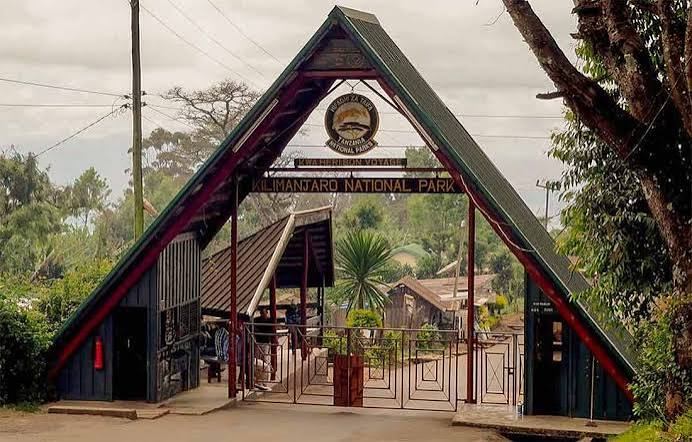
The Marangu Route starts at Kilimanjaro National Park’s southeastern entrance, passes through rainforests, and ascends to alpine zones. It is the only trail with dormitory-style accommodations, making it ideal for first-time climbers and those seeking protection from unpredictable weather.
The Marangu Route has welcomed thousands of climbers to Uhuru Peak, offering scenic views and a manageable ascent. Its unique features distinguish it from routes like Machame, Lemosho, and Rongai. Understanding these differences is key to selecting the best path to Africa’s highest summit.
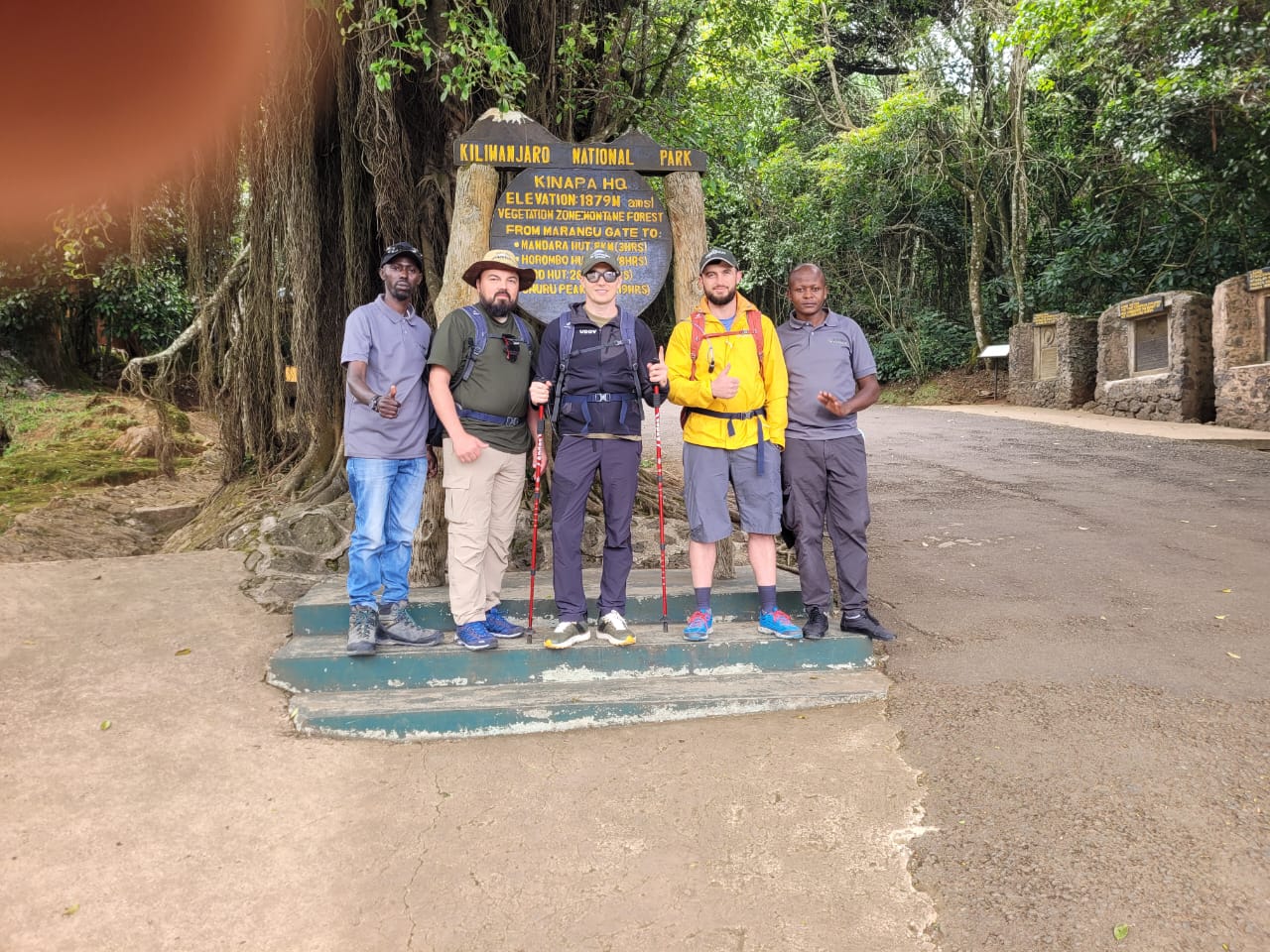
Why Choose the Marangu Route for Your Kilimanjaro Climb
Hut Accommodation Benefits
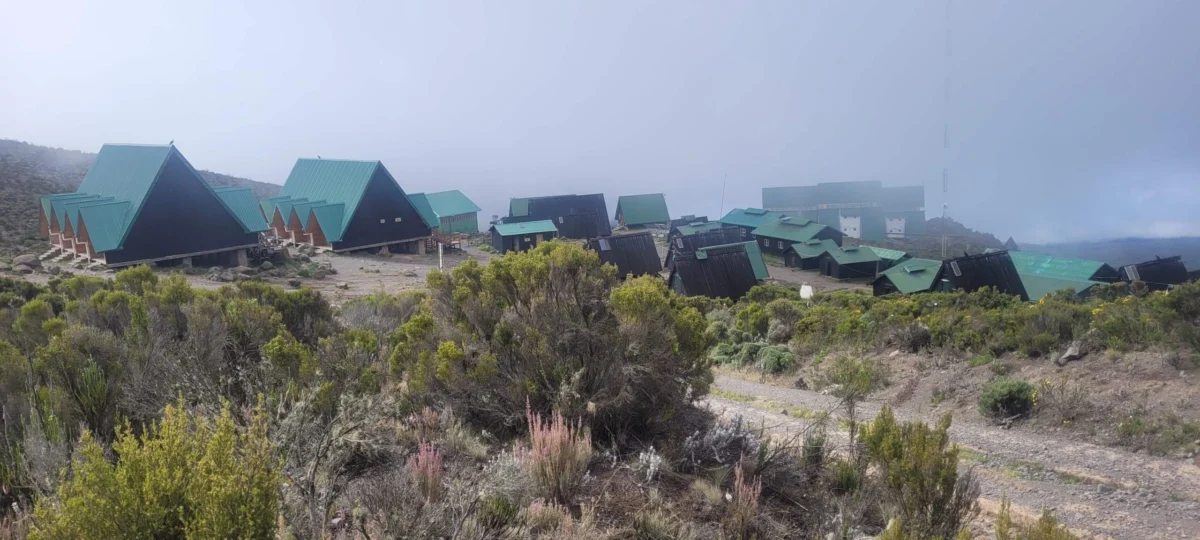
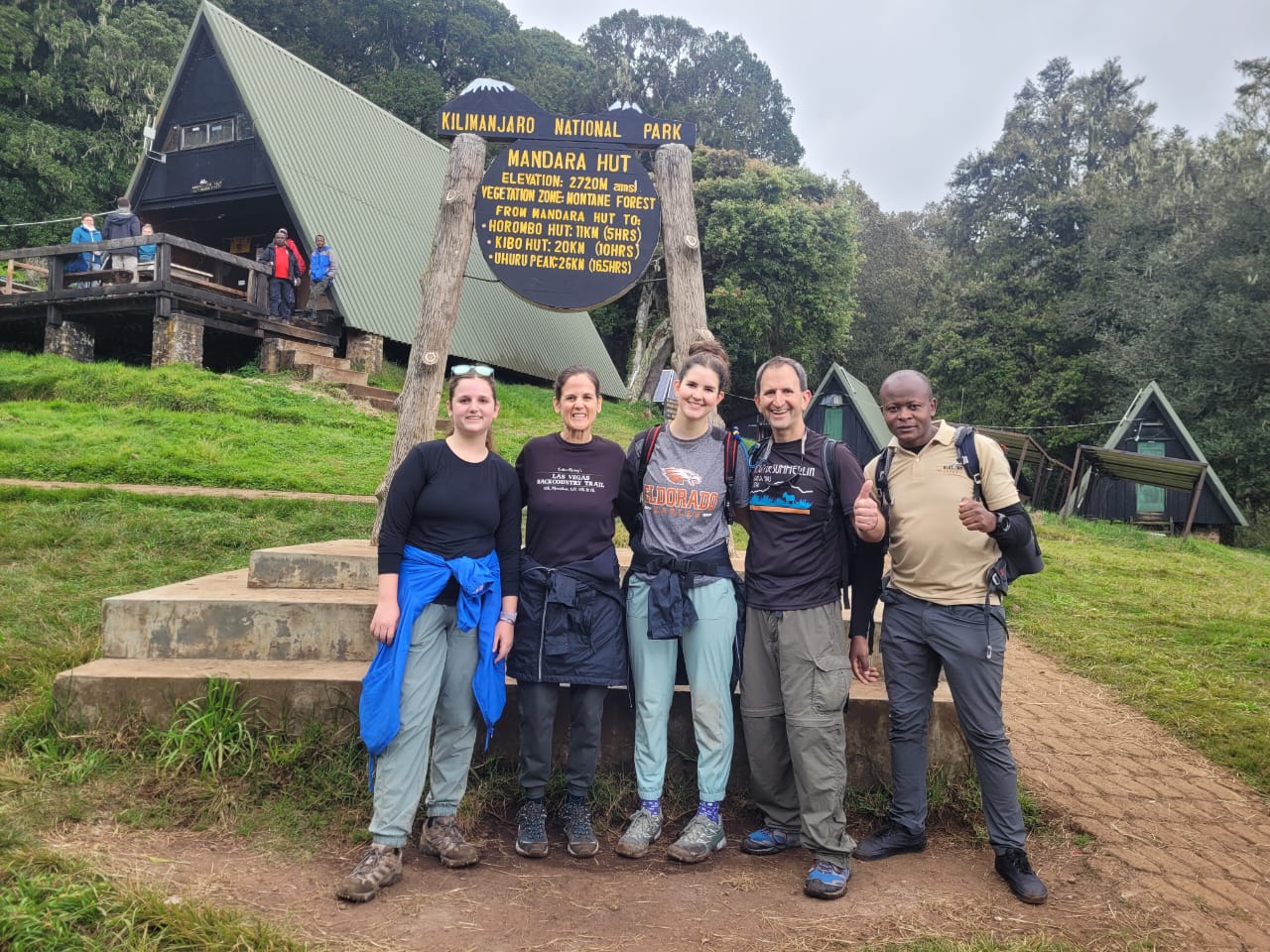
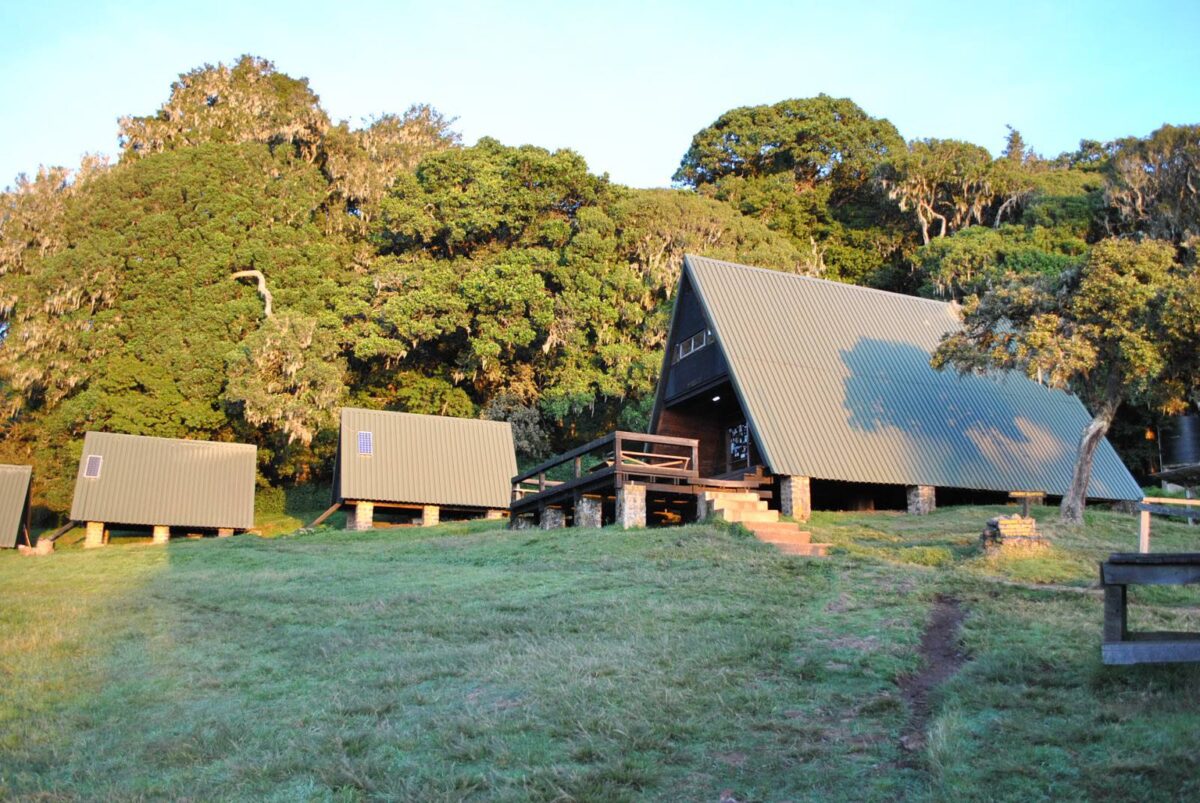
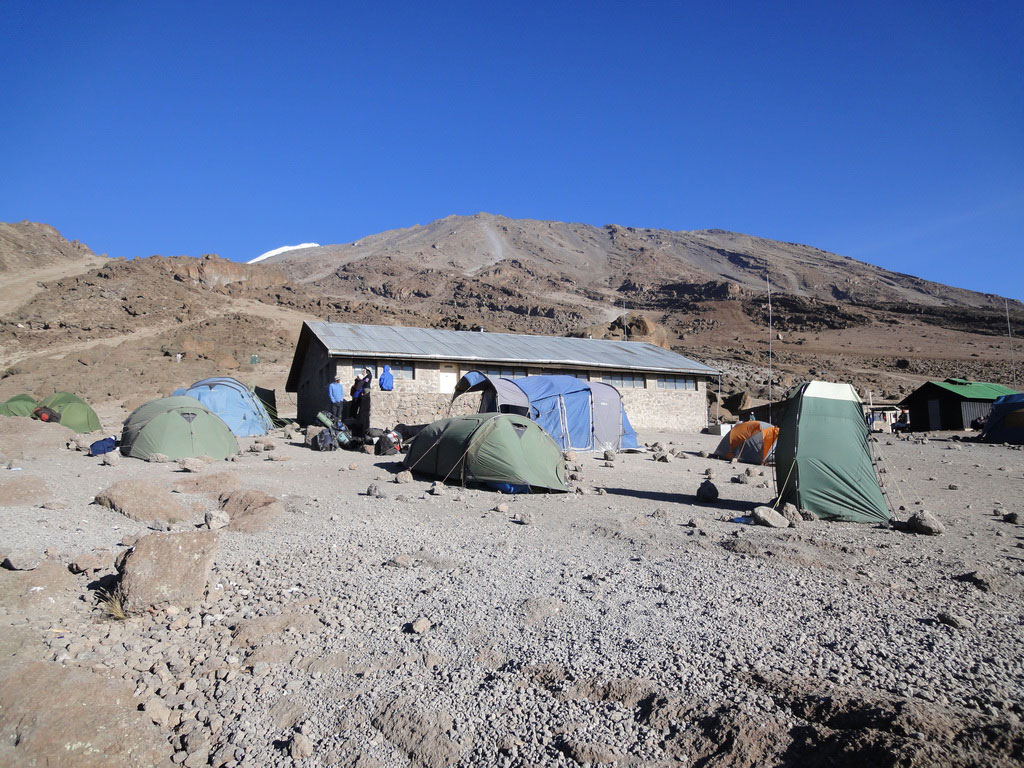
The permanent huts along the Marangu Route provide shelter, security, and routine. Mandara Hut at 2,700 meters accommodates 60 climbers, Horombo Hut at 3,720 meters houses 120, and Kibo Hut at 4,703 meters offers 60 beds for those preparing for the summit.
Convenience and Accessibility
The Marangu Route is Kilimanjaro’s most accessible trek. Its well-maintained, clearly marked trail requires no technical skills, making it suitable for beginners with reasonable fitness. Consistent signage and rest points provide a structured experience.
Marangu Route Map
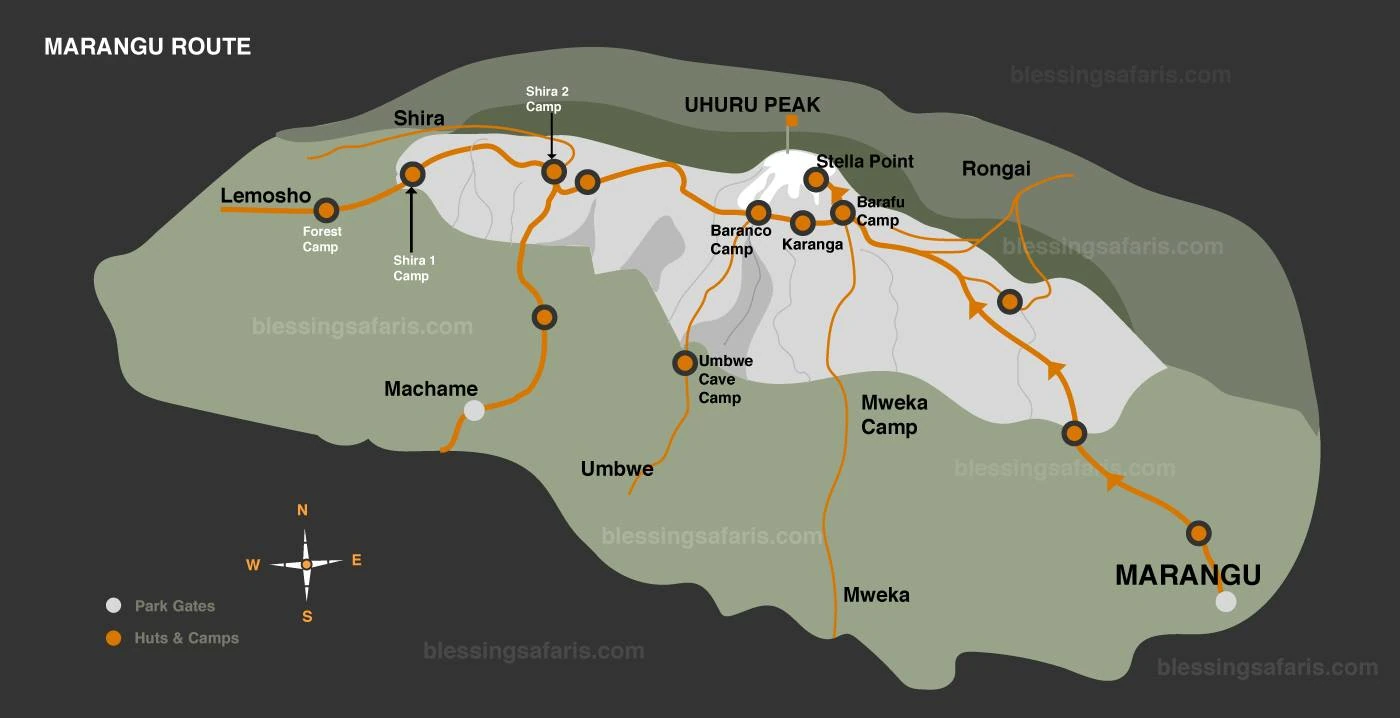
Understanding the Marangu Route Itinerary
Marangu Route 6-Day Itinerary Overview
Your climb begins with registration at Marangu Gate (1,843 meters), followed by a trek through dense rainforest. The path can be muddy and slippery, so proper footwear is essential. After 5-7 hours, you reach Mandara Hut for your first night.
Leaving the rainforest, the trail enters the heath and moorland zone. Mawenzi’s jagged peaks become visible as you climb. This 5-7-hour hike leads to Horombo Hut at 3,720 meters, where altitude may begin to take its toll.
The six-day Marangu Route includes a rest day at Horombo Hut for acclimatization. If you feel up to it, take a short hike to Zebra Rocks or toward Mawenzi Hut. This climb-high, sleep-low strategy supports summit success.
Today’s 5-7 hour trek passes through alpine desert and volcanic scree. The final steep section to Kibo Hut (4,703 meters) is challenging, but reaching camp puts you close to Uhuru Peak. Prepare your gear and rest early for the summit attempt.
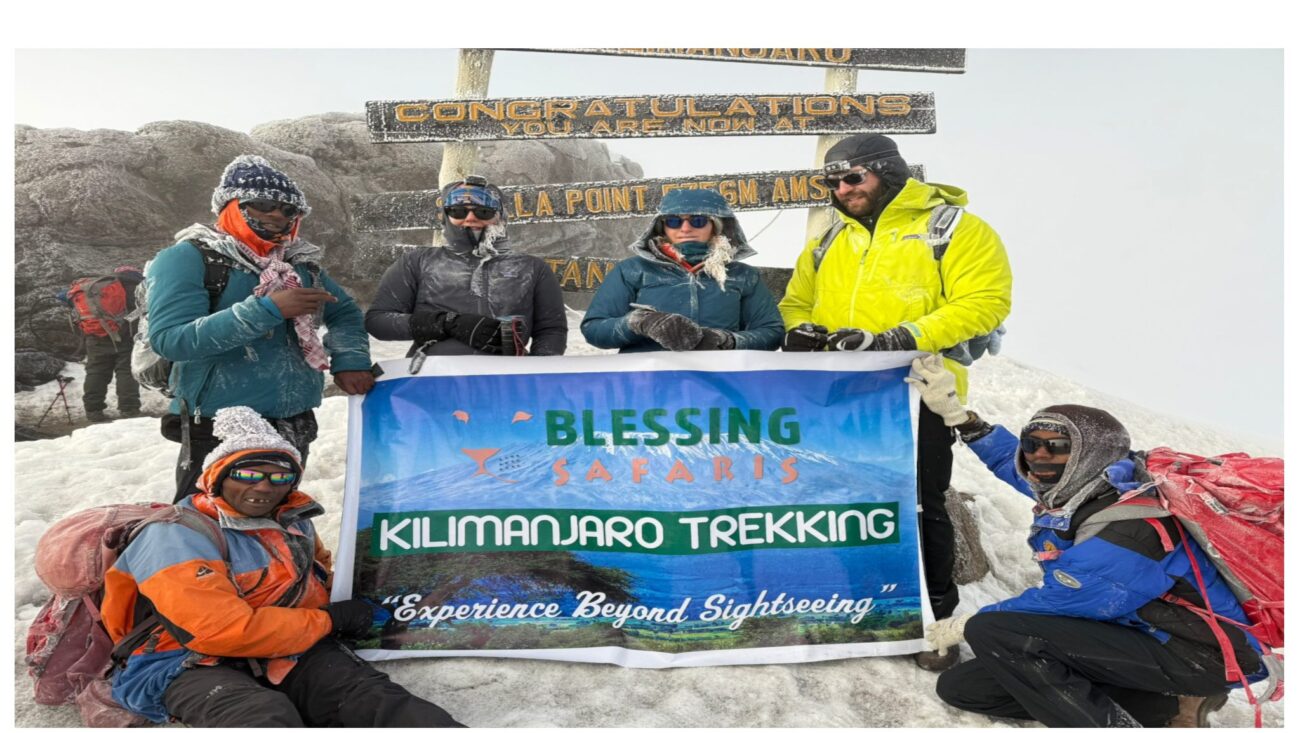
Summit day begins at midnight with a 4-5 hour ascent to Gilman’s Point (5,685 meters) via steep switchbacks and loose scree. After reaching Gilman’s Point at dawn, a final 1.5-hour push along the crater rim leads to Uhuru Peak (5,895 meters). Descend to Kibo Hut for lunch, then continue to Horombo Hut for rest.
Marangu Route Difficulty and Summit Success Rates
Climbing Difficulty Analysis
The Marangu Route covers 82 kilometers over 5-6 days, with substantial daily altitude gain. The well-maintained, non-technical trail is accessible, but altitude is the main challenge. Day 4’s ascent to Kibo Hut involves a demanding 1,000-meter climb.
Summit Success Rate Statistics
Selecting the six-day Marangu Route significantly increases your chances of reaching Uhuru Peak. The extra day improves acclimatization and oxygen delivery, both critical for summit success.
Marangu Route Scenery and Wildlife
Vegetation Zones
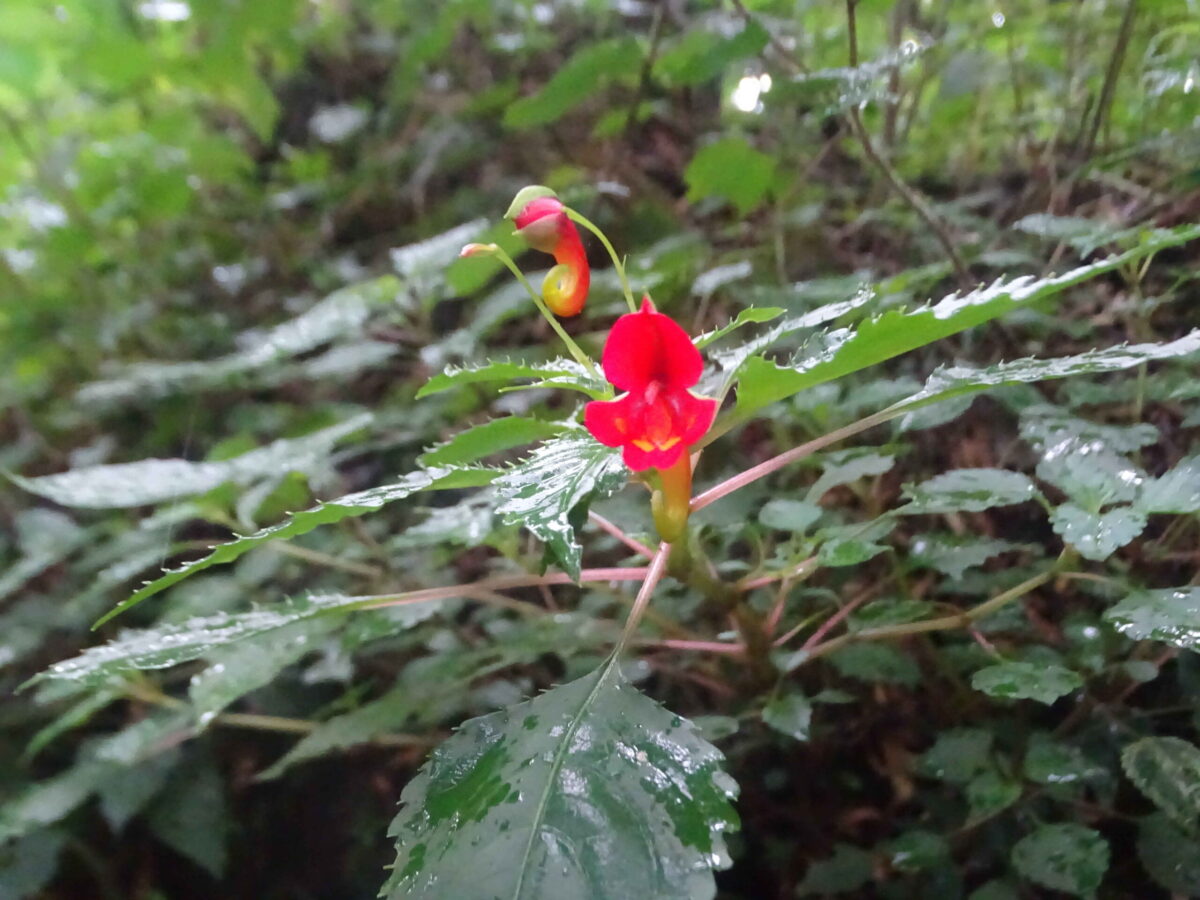
- Rainforest Zone (1,800-2,800 meters): Dense, humid forests with towering trees, moss, and ferns
- Heath and Moorland Zone (2,800-4,000 meters): Giant groundsels, lobelias, and heather shrubs create otherworldly landscapes
- Alpine Desert Zone (4,000-5,000 meters): Rocky, barren terrain with extreme temperature variations
- Glacial Zone (5,000+ meters): Ice, snow, and windswept surfaces near the summit
Wildlife Encounters
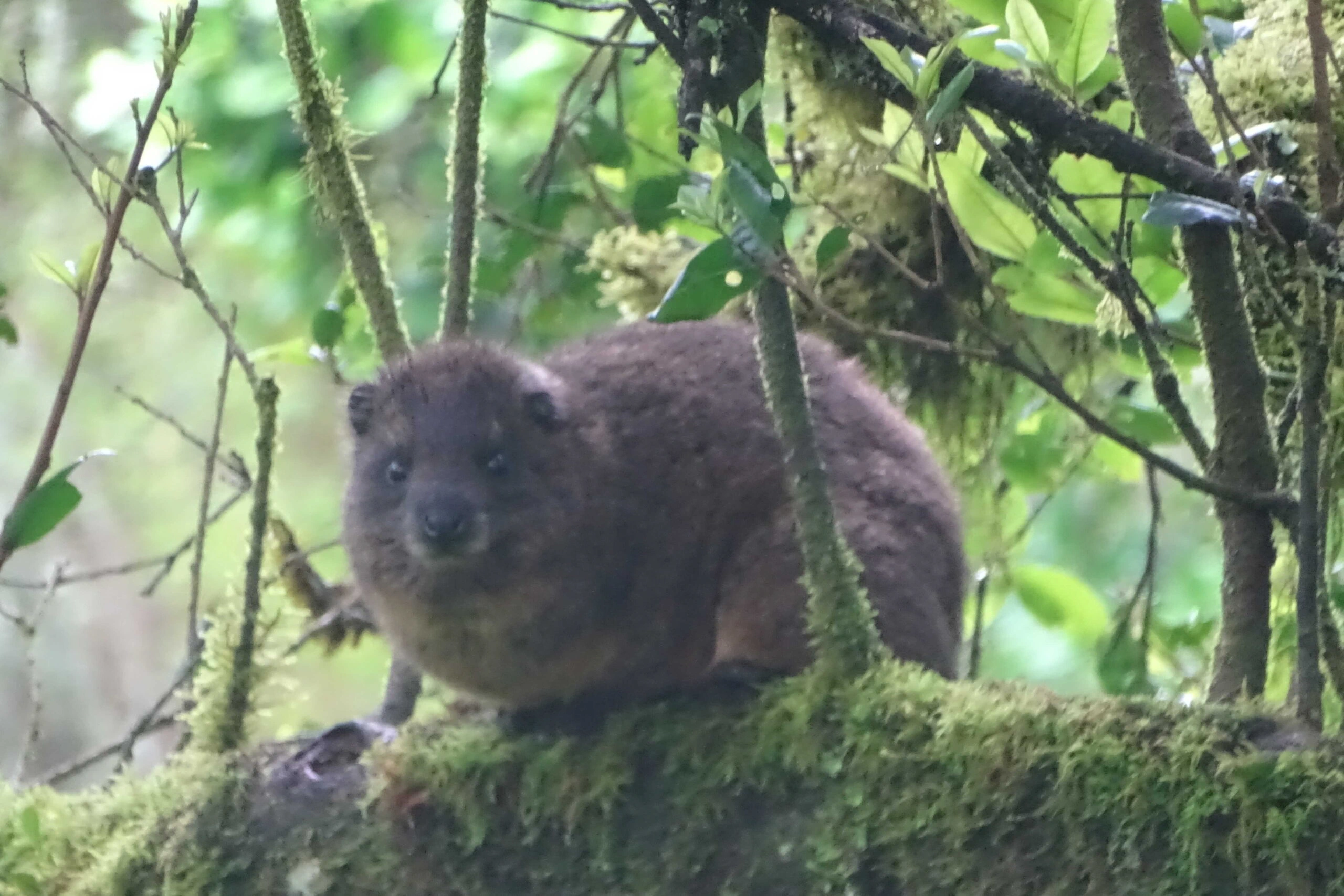
- Black-and-white Colobus monkeys in the rainforest
- Blue monkeys and bushbucks
- Various bird species, including sunbirds and turacos
- Four-striped grass mice at Horombo Hut
- Occasionally, elephants and buffalo at lower elevations
Comparing the Marangu Route with Other Kilimanjaro Routes
Marangu vs. Machame Route
Marangu vs. Lemosho Route
Marangu vs. Rongai Route
Best Time to Climb the Marangu Route
- January to February: Warm, clear conditions with excellent visibility
- June to October: Dry season with stable weather
- September to October: Peak season with ideal conditions
How to Prepare for Your Marangu Route Trek
Physical Fitness Requirements
Packing Essentials
- Insulated sleeping bag suitable for freezing temperatures
- Thermal base layers and fleece mid-layers
- Waterproof jacket and pants
- Sturdy hiking boots (broken-in)
- Daypack for daily essentials
- Water bottles and hydration system
- Headlamp for summit night
- Personal medications, including altitude sickness remedies
Frequently Asked Questions About the Marangu Route
How long is the Marangu Route?
As the shortest route to the summit, the 5-day Marangu itinerary does not provide sufficient time for acclimatization. The 6-day option significantly increases summit success rates and is recommended for most climbers.
Is the Marangu Route the easiest route up Kilimanjaro?
Can beginners climb the Marangu Route?
Are showers available on the Marangu Route?
How much does a Marangu Route climb cost?
Do I Need Travel Insurance for the Marangu Route?
Is the Marangu Route Crowded?
When Is the Best Time to Climb the Marangu Route?
What Are the Summit Success Rates on the Marangu Route?
Final Thoughts on the Marangu Route
The Marangu Route combines comfort and challenge, with hut accommodation, well-marked paths, and established infrastructure. Success depends on selecting the six-day itinerary and working with experienced guides who prioritize safety and acclimatization.
Plan Your Marangu Route Kilimanjaro Climb Today
Climbing Kilimanjaro is a transformative adventure that requires expert guidance and planning. Our team creates custom Marangu Route itineraries focused on safety, acclimatization, and summit success, providing professional guides, quality equipment, and comprehensive support.
Marangu Route Kilimanjaro Photos
You May Also Like
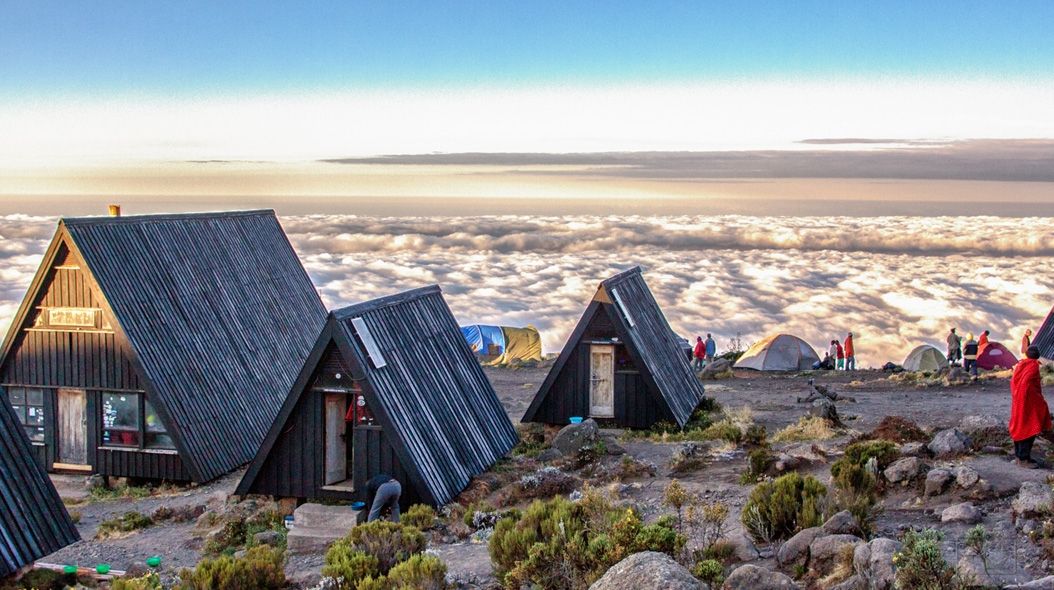
Horombo Hut is the key campsite for climbers on Mount Kilimanjaro’s Marangu Route. Located at 3,720 meters (12,205 feet) on a broad alpine plateau, it provides a vital stop for acclimatization and preparation before the summit attempt.
We offer a six (6) day Marangu Route experience to Mount Kilimanjaro. The Marangu Route is also known as the “Coca-Cola Route”. Marangu is the park’s headquarters and the easiest route on the mountain
Booking Process
If you’re satisfied enough with the information, you can book this tour directly, remember to confirm your booking with a deposit of 40% of the total cost per person. This is needed to secure accommodation and other services which belong to third parties.
At that point, we will issue you with an invoice that includes a balance due date. We must receive the full payment not less than thirty (30) days before the departure date.
In the case of holidays booked within less than thirty (30) days of the departure date, we must receive the full cost within seven (7) working days of our sending written confirmation and invoice.
In the case of non-payment of the balance by the due date, we reserve the right to cancel your booking and retain your deposit, as well as any other cancellation charges.
Before you do any payment don’t hesitate to discuss with your tour planner the best option. Your satisfaction is our happiness.
HOW TO MAKE PAYMENTS
Blessing Safaris Limited is a licensed Tour Operator in Tanzania, duly incorporated under the Companies Act of 2002, bearing registration number 141173960. The company’s Tax Identification Number (TIN) is 141-173-960.
Blessing Safaris Limited is recognized by the Tanzania Tourism Licensing Board (TTLB), also known as TALA, with Safari TALA No. 034220 and Mountain Climbing/Trekking TALA No. 036308.
To verify this information, please visit the official Ministry of Natural Resources and Tourism (MNRT) search and verify for “ Blessing Safaris ” and “ Blessing Safaris Limited”
If you need additional assurance or verification of our legal status, you may contact our bank (NMB Bank) to confirm our business credentials.
Upon booking, you will receive an invoice detailing the amount due and our bank account information. After payment, you will receive a paid invoice as proof of payment.
Terms and conditions
Click Here to View Terms & Conditions or download a pdf file