
7-Day Kilimanjaro Climb via Lemosho Route
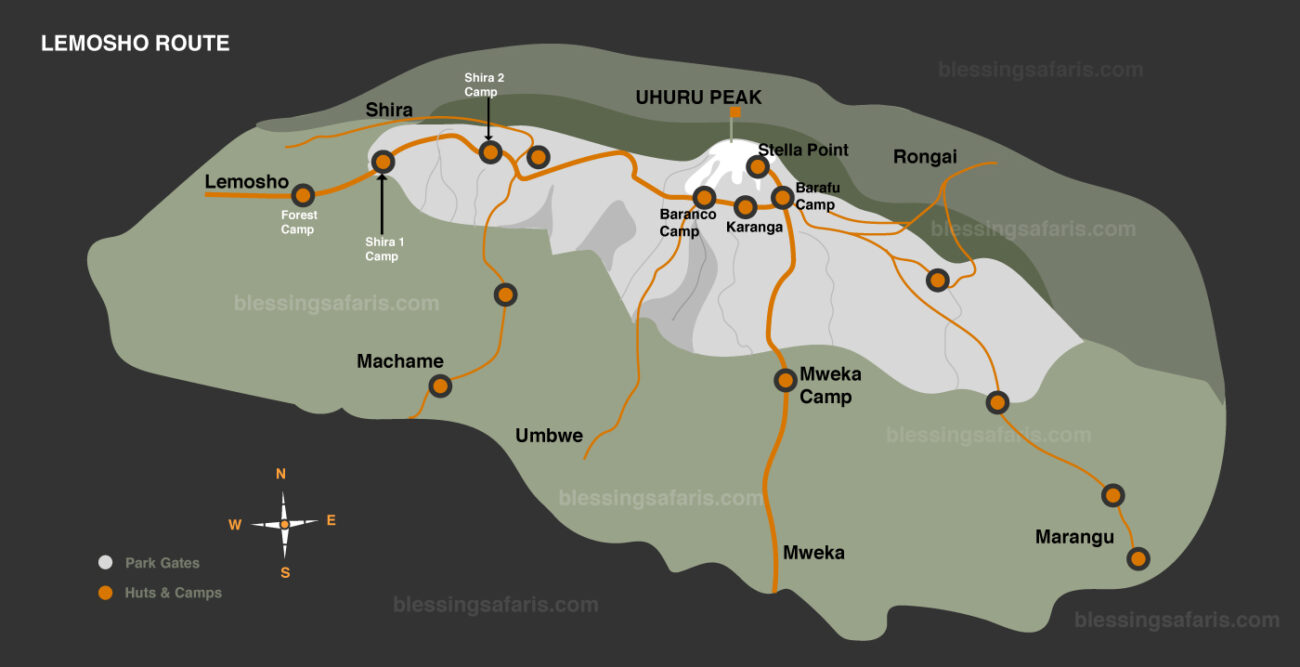
The 7-Day Kilimanjaro Climb via Lemosho Route is widely regarded as the most scenic ascent of Mount Kilimanjaro. The route traverses the Shira Plateau from west to east along a relatively flat path. Early in the trek, you will encounter fewer crowds, offering a peaceful, remote experience before joining the Machame route near Lava Tower. This route is ideal for climbers seeking exceptional scenery, effective acclimatization, and a high likelihood of reaching the summit.
Approaching Kilimanjaro from the west, the Lemosho Route offers remarkable ecological diversity. You will travel through rainforest, moorland, the expansive Shira Plateau, alpine desert, and the ice-capped summit zone. The route’s “climb high, sleep low” profile supports acclimatization. On Day 4, you ascend to Lava Tower (4,630 m) before descending to Barranco Camp (3,950 m), which helps your body adjust to altitude. On Day 5, you can take an optional acclimatization trek from Karanga Camp to about 4,200 m.
The 7-Day Kilimanjaro Climb via the Lemosho Route achieves a summit success rate of about 85-90% thanks to effective acclimatization and extra time on the mountain. Barranco Camp, your accommodation on Day 4, is widely regarded as Kilimanjaro’s most scenic camp. The descent through Millennium Camp and Mweka Gate is also easier on the knees than other routes. This route offers a comprehensive, rewarding Kilimanjaro experience for first-time climbers and seasoned hikers alike.
7-Day Climb Itinerary (9-Day Total Travel Package)
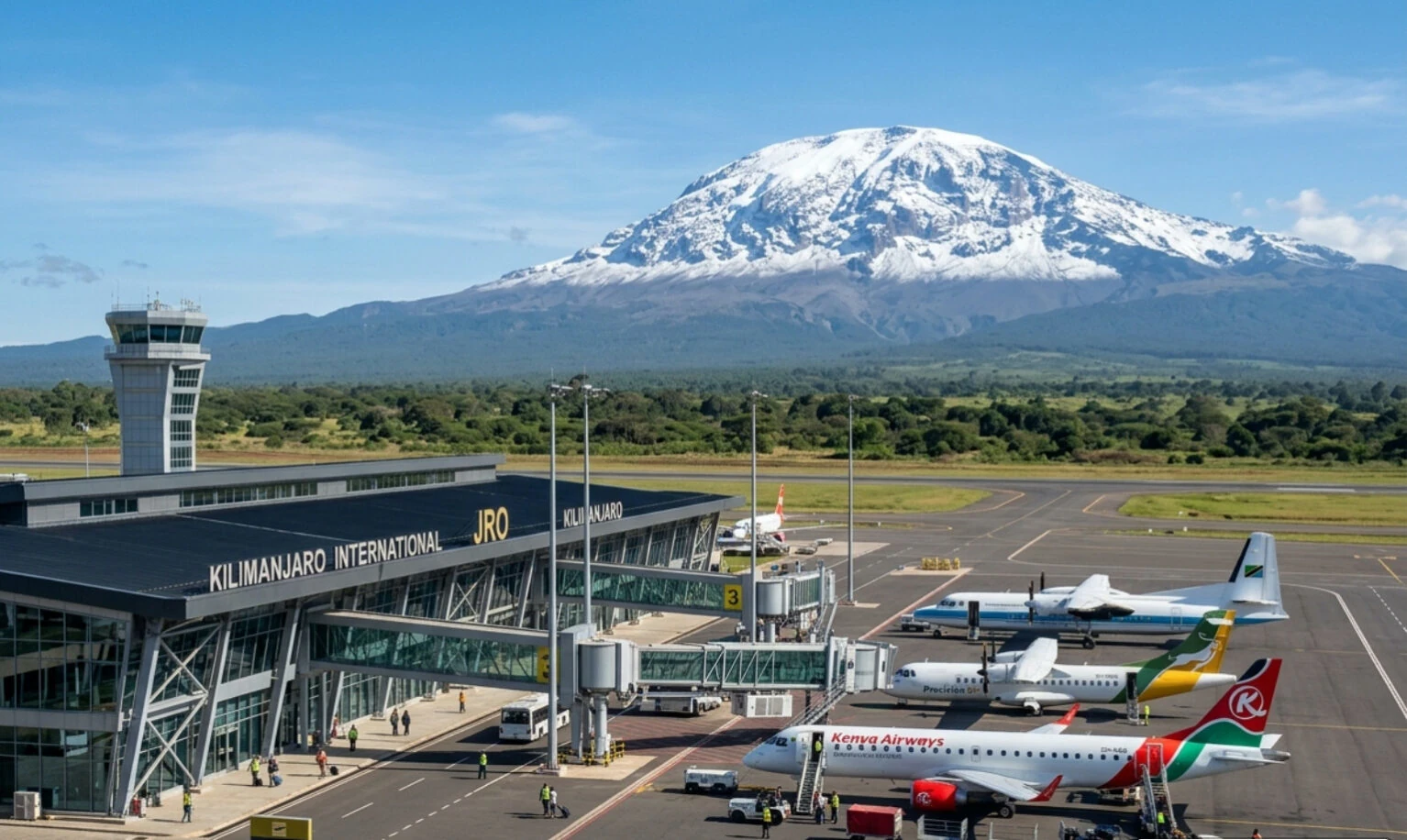
Upon arrival at Kilimanjaro International Airport, our driver will transfer you to your hotel in Arusha. A pre-climb briefing will cover the trek itinerary, required gear, and safety information, including guidance on acute mountain sickness. You may rent any necessary equipment at this time. Dinner and overnight accommodation are provided at the hotel.
- Accommodation: Samora River Lodge or Point Zone Resort Arusha
- Meals: Bed & Breakfast ( BB)
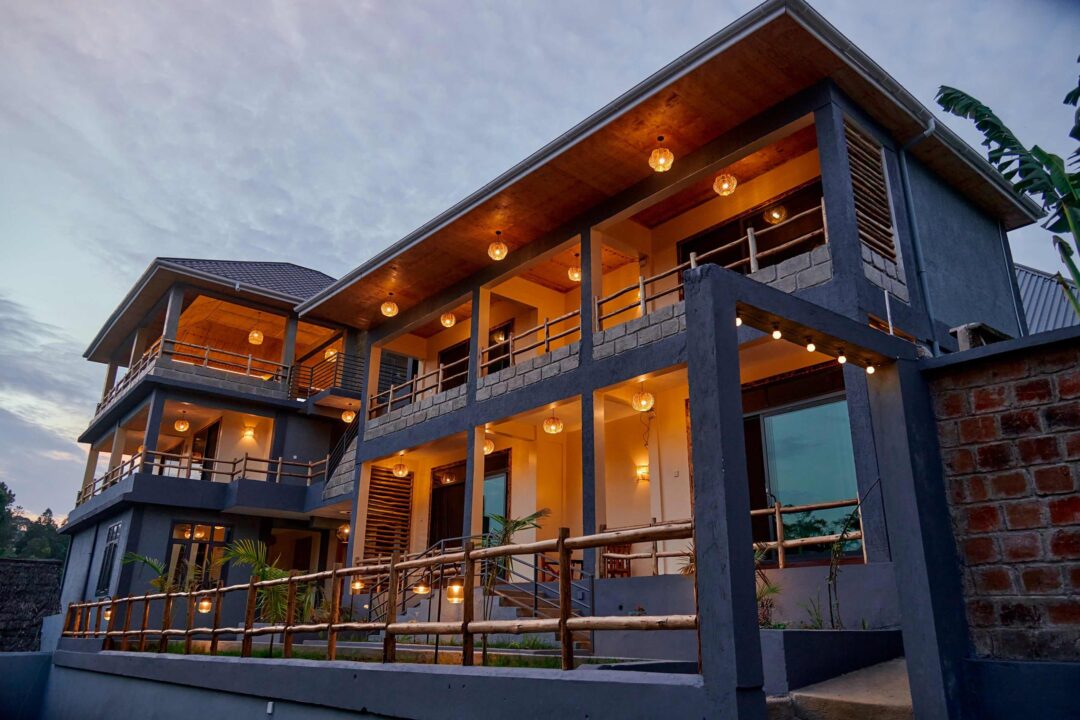
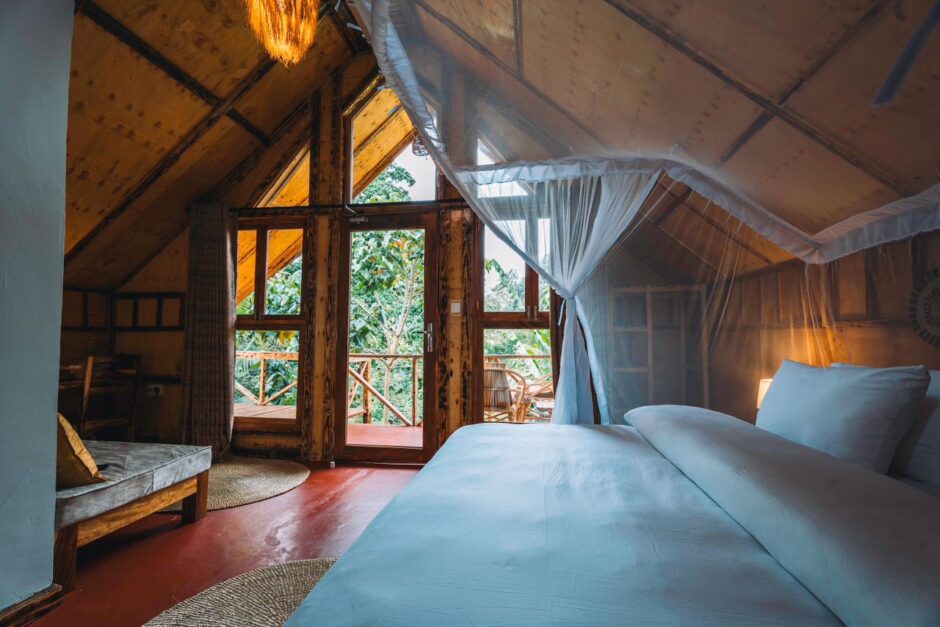
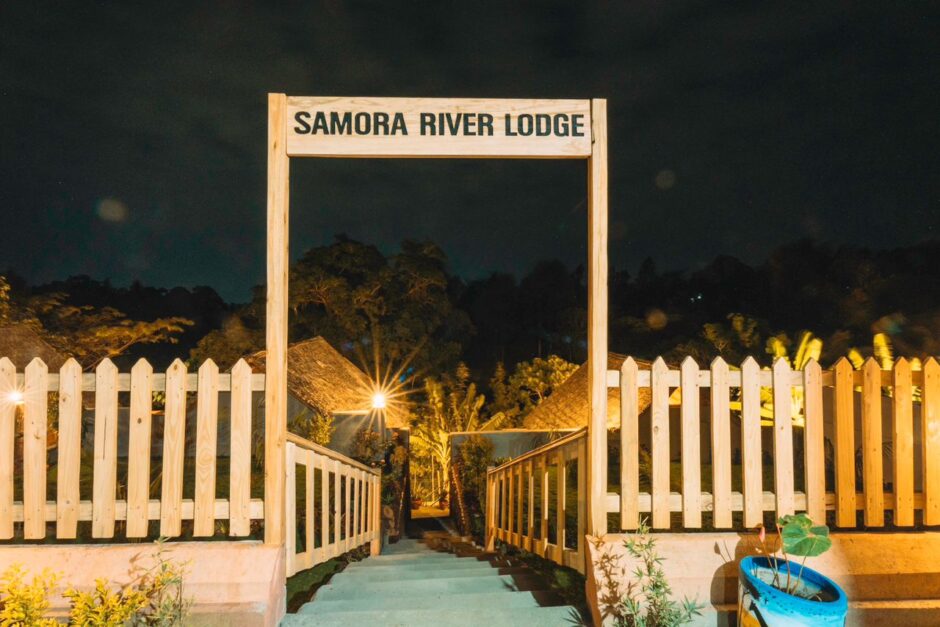
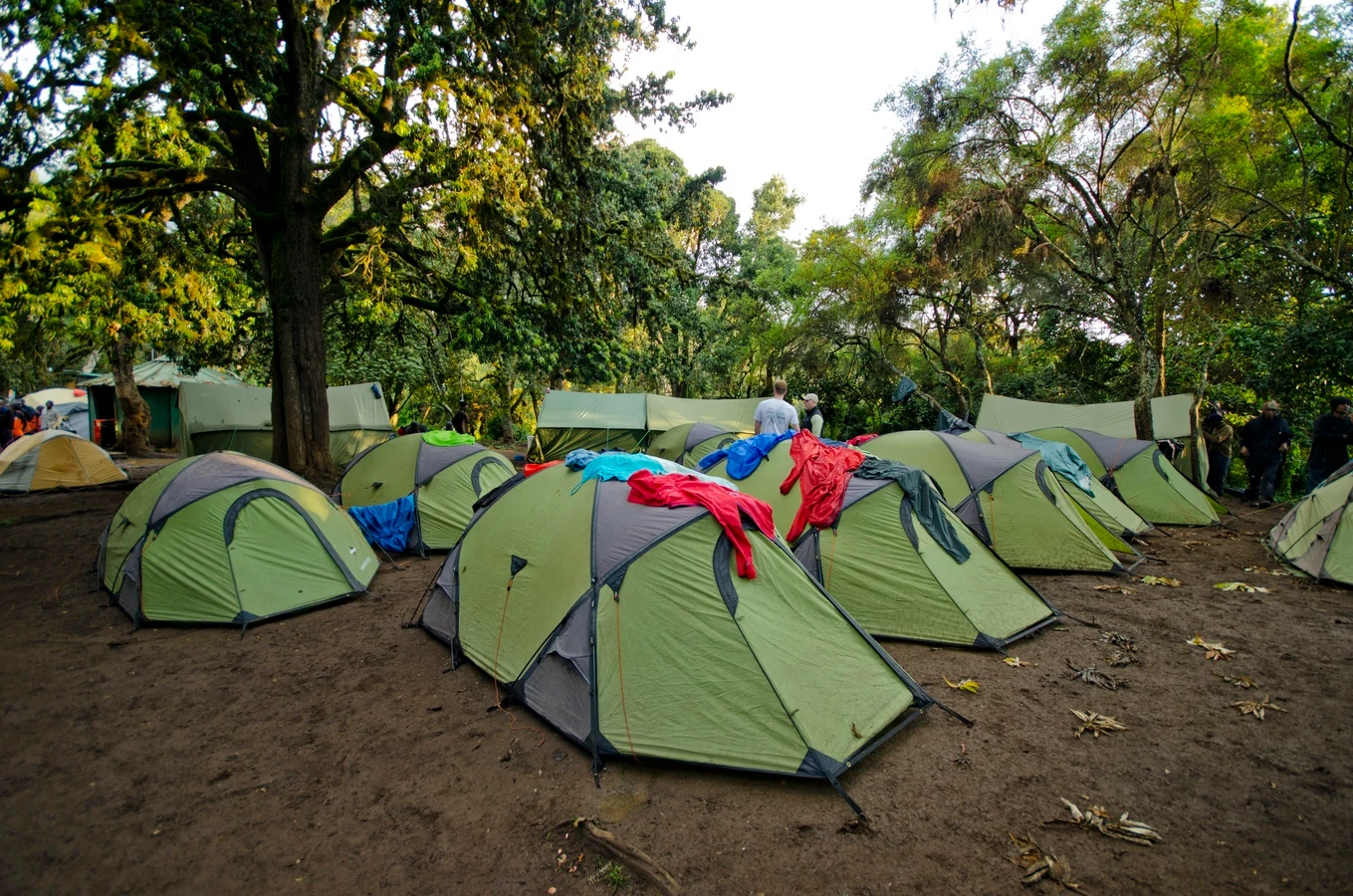
Starting Point: Lemosho Gate (2,100 m) | Ending Point: Mti Mkubwa Camp (2,650 m) | Elevation Gain: +550 m | Distance: 7 km | Hiking Time: 3-4 hours | Habitat: Montane Rainforest
After breakfast, you will be picked up from your hotel in Arusha and driven to Lemosho Gate to begin your 7-day Kilimanjaro climb via the Lemosho Route. Once you complete registration and permit procedures, the trek starts in the rainforest, where you may see black-and-white colobus monkeys on the way to camp. After 3 to 4 hours, you will reach Mti Mkubwa Camp (2,650 m). Upon arrival, your waiter will provide hot water for washing, tea or coffee, and popcorn while you wait for your first dinner on Kilimanjaro.
- Accommodation: Mti Mkubwa Camp
- Meals: Breakfast, lunch, dinner, drinking water
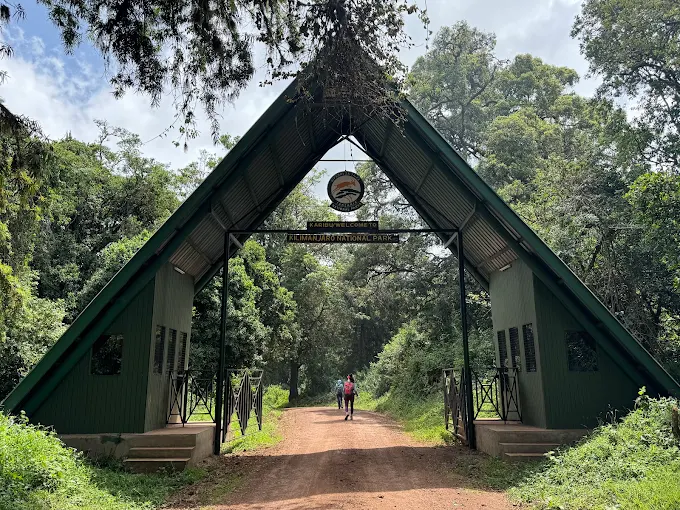
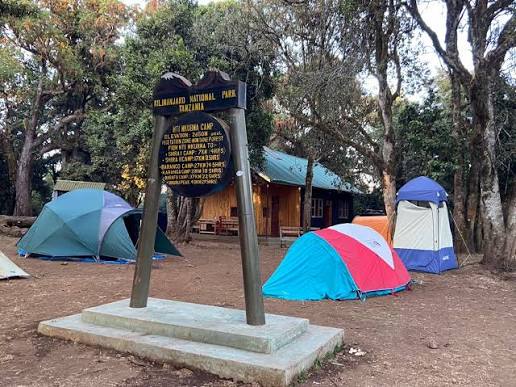
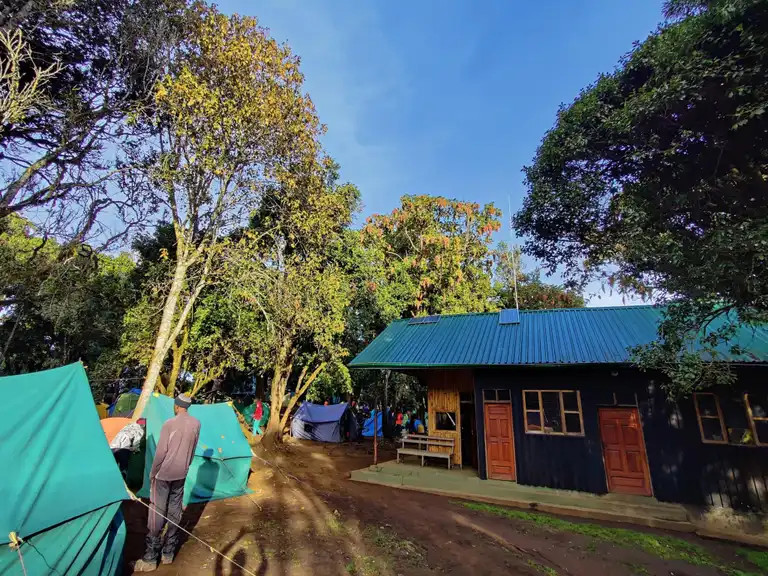
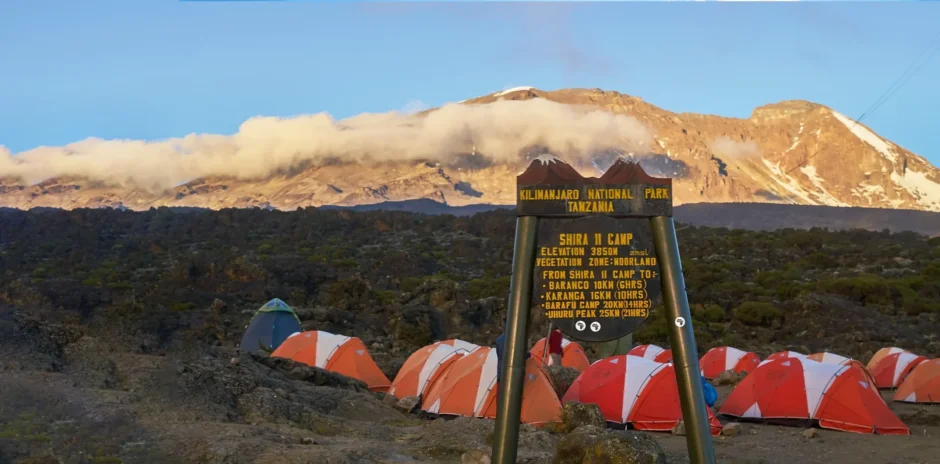
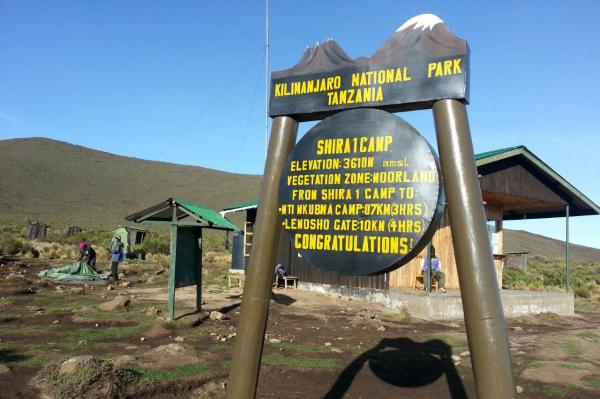
Starting Point: Mti Mkubwa Camp (2,650 m) | Mid Point: Shira 1 Camp (3,610 m) | Ending Point: Shira 2 Camp (3,850 m) | Elevation Gain: +1,200 m | Distance: 17 km | Hiking Time: 8 hours | Habitat: Moorland
Begin your day early with breakfast on the mountain. The trek starts with an ascent through lush hills and across several streams. You will reach Shira Ridge, then descend to Shira 1 Camp (3,610 m) for a hot lunch. Afterward, continue for four hours to Shira 2 Camp (3,850 m) for dinner and overnight accommodation. Although this is the longest day of the 7-Day Kilimanjaro Climb via the Lemosho Route, the views across the Shira Plateau are exceptional.
- Accommodation: Shira 2 Camp
- Meals: Breakfast, lunch, dinner, drinking water
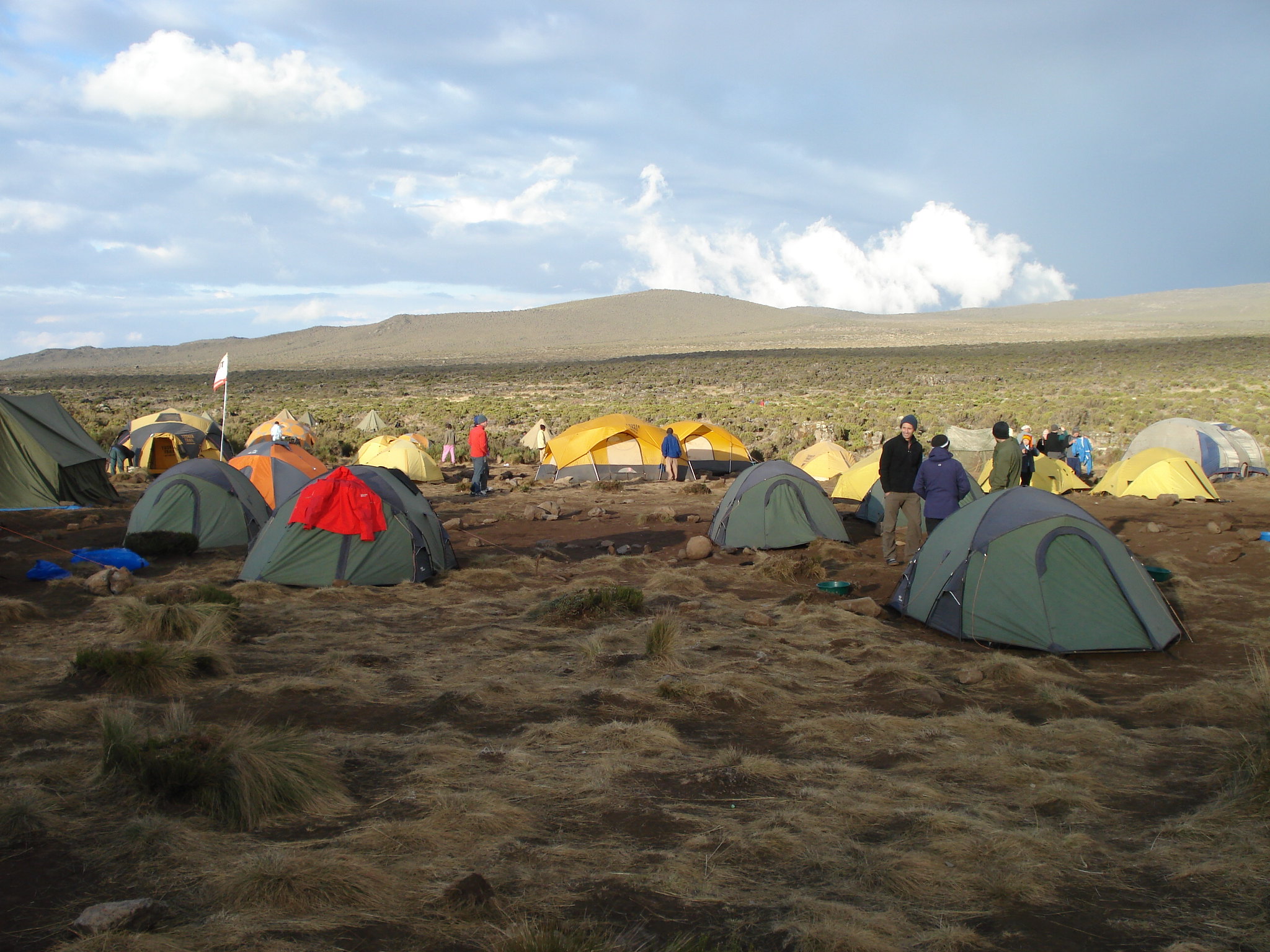
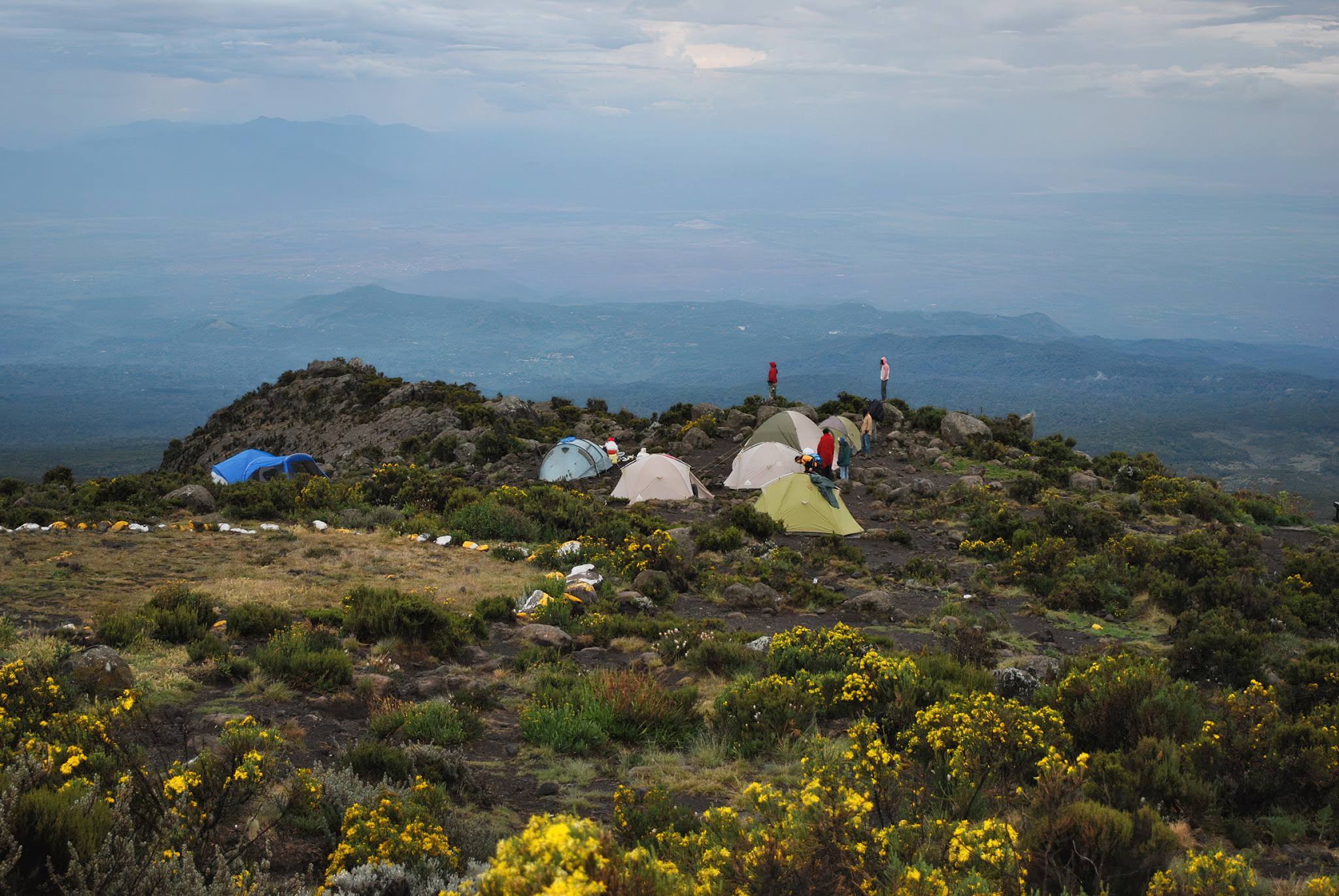
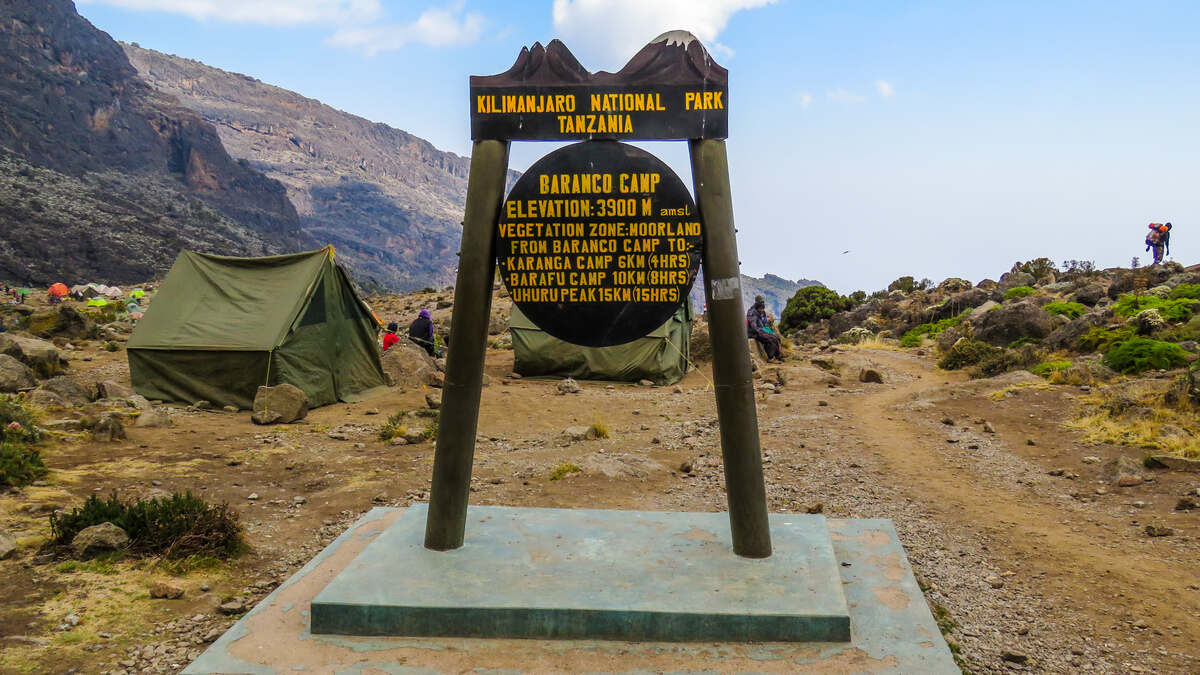
Starting Point: Shira 2 Camp (3,850 m) | High Point: Lava Tower (4,600 m) | Ending Point: Barranco Camp (3,900 m) | Elevation Gain to High Point: +750 m | Distance: 11 km | Hiking/Descending Time: 6-8 hours | Habitat: Moorland, Semi-Desert
Today is a key acclimatization day on the 7-Day Kilimanjaro Climb via the Lemosho Route. The trek begins with an ascent into the upland desert, following lava ridges beneath the Western Breach glaciers. You will reach the Lava Tower (4,630 m), the day’s highest point and a designated lunch stop. In the afternoon, you will descend to Barranco Camp (3,950 m) at the base of the Great Barranco Valley. Sheltered by cliffs and offering expansive views of the plains, the camp is widely regarded as Kilimanjaro’s most scenic. Dinner and overnight will be at Barranco Camp.
- Accommodation: Barranco Camp
- Meals: Breakfast, lunch, dinner, drinking water
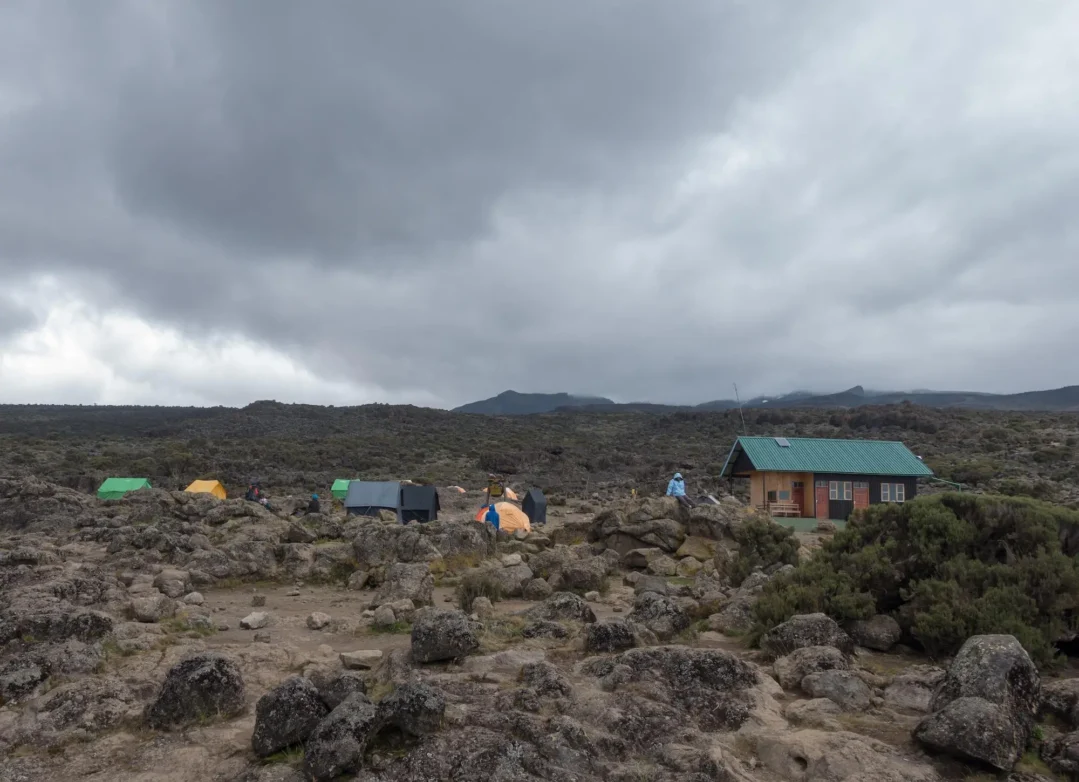
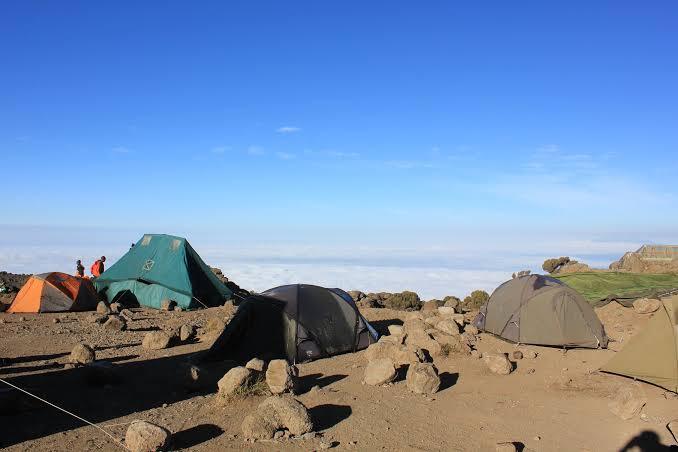
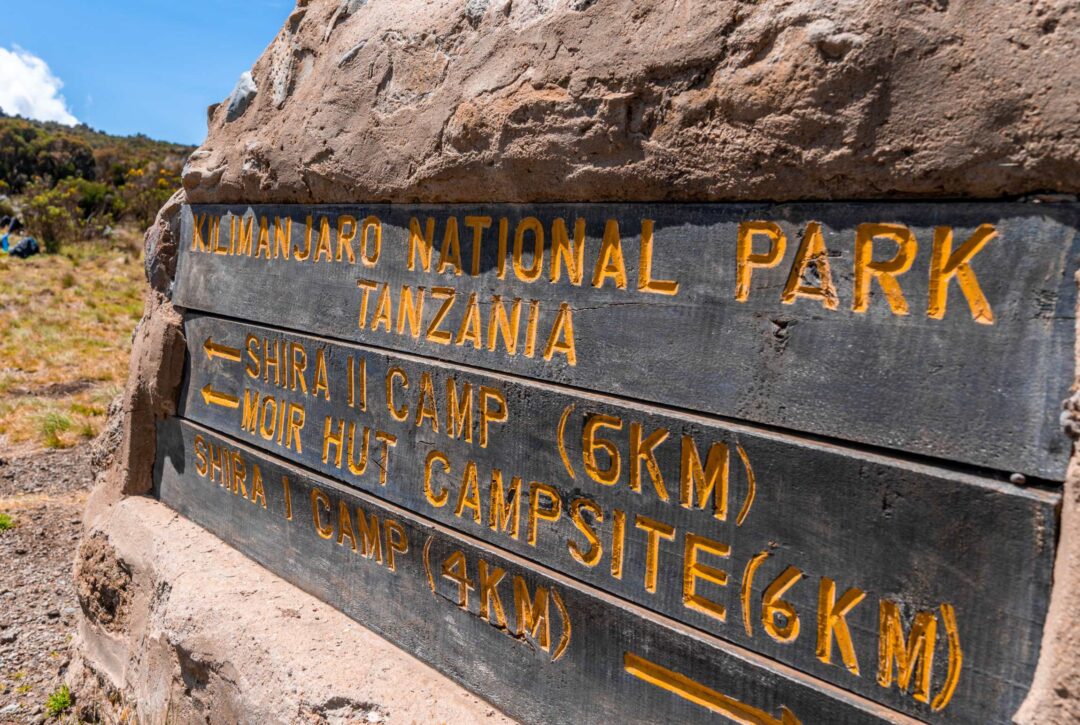
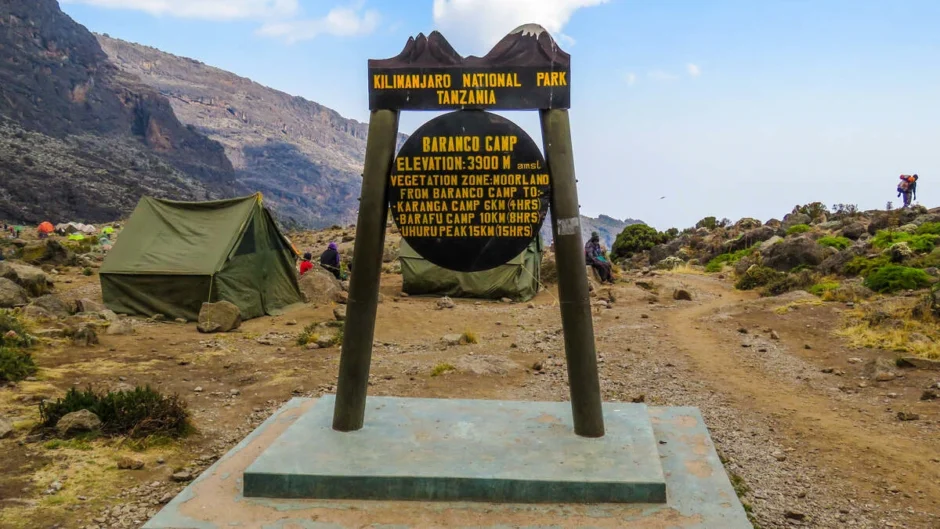
Starting Point: Shira 2 Camp (3,850 m) | High Point: Lava Tower (4,600 m) | Ending Point: Barranco Camp (3,900 m) | Elevation Gain to High Point: +750 m | Distance: 11 km | Hiking/Descending Time: 6-8 hours | Habitat: Moorland, Semi-Desert
Today is a key acclimatization day on the 8-Day Kilimanjaro Climb via the Lemosho Route. The trek begins with an ascent offering panoramic views as you enter the upland desert zone and traverse lava ridges beneath the Western Breach glaciers. You will reach the Lava Tower(4,600 m), the day’s highest point and your lunch stop. In the afternoon, you will descend steeply to Barranco Camp (3,900 m) at the base of the Great Barranco Valley. Sheltered by cliffs and overlooking the plains, Barranco Camp is widely regarded as Kilimanjaro’s most scenic campsite. Dinner and overnight will be at Barranco Camp.
- Accommodation: Barranco Valley Camp
- Meals: Breakfast, lunch, dinner, drinking water
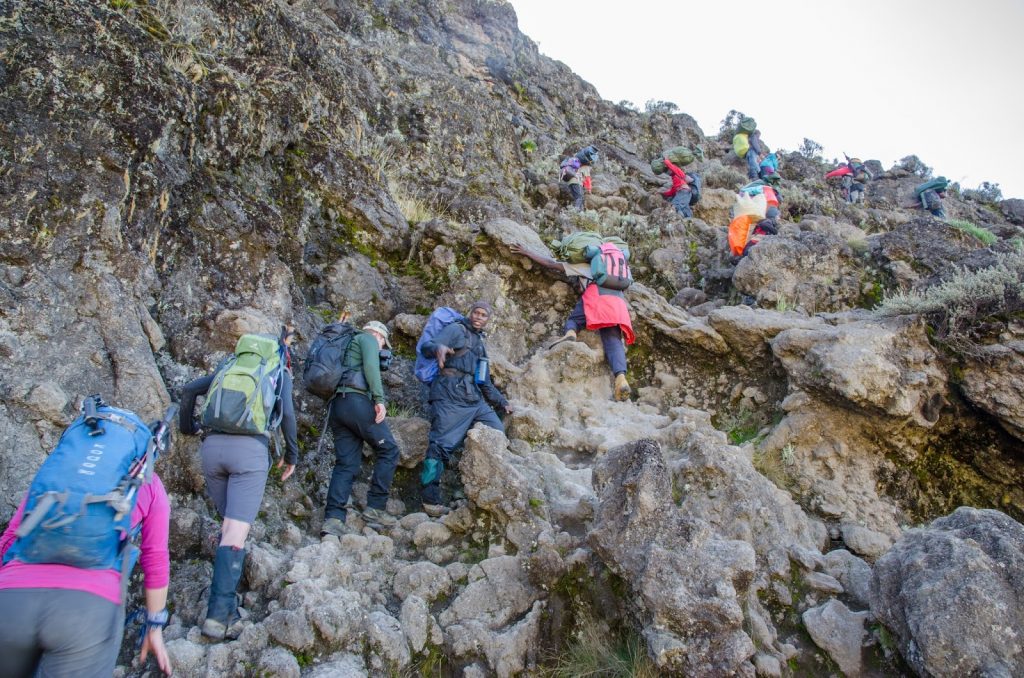
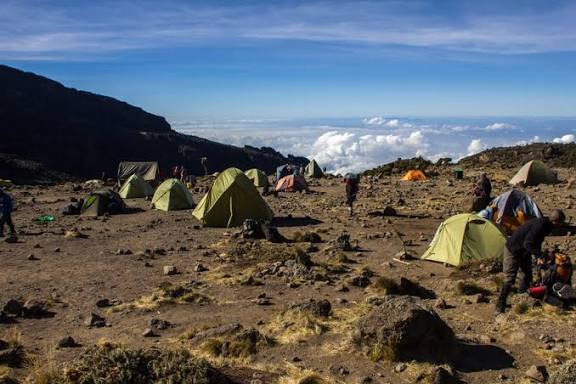
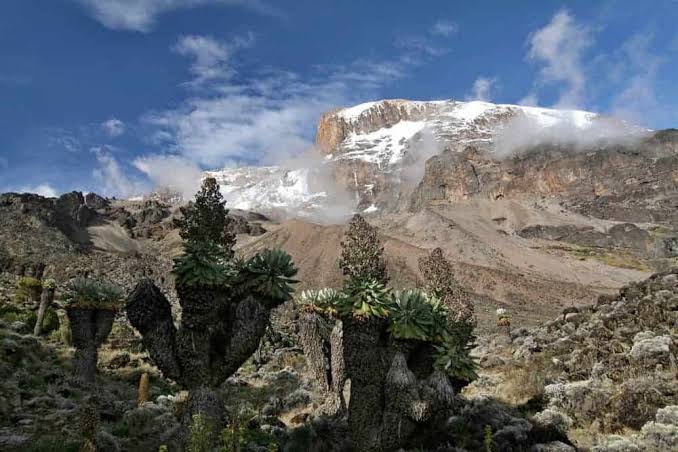
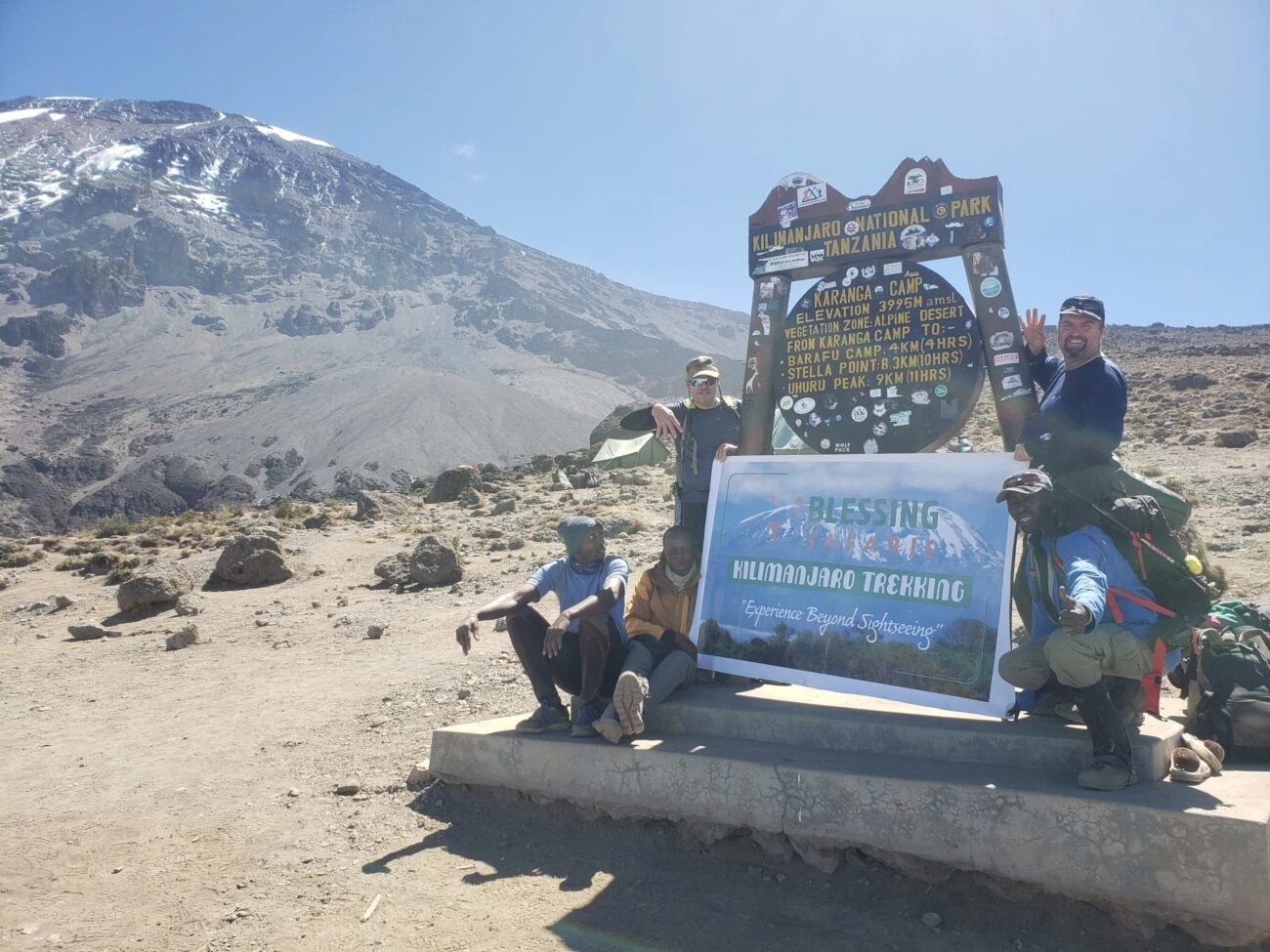
Starting Point: Barranco Camp (3,900 m) | Ending Point: Karanga Camp (3,995 m) | Elevation Gain: +95 m | Distance: 5 km | Hiking Time: 4-5 hours | Habitat: Moorland
Today, you will descend into the Great Barranco, a large ravine, then make a steep ascent up the Great Barranco Wall to reach Kibo’s southeastern slopes. The climb isn’t technical, but it’s long and demanding. After passing beneath the Heim and Kersten glaciers, you will continue toward the Karanga Valley, then climb steeply to Karanga Camp (3,995 m). If you feel strong, you may take an optional acclimatization trek to approximately 4,200 m in the afternoon, then return to camp for the night. This is an important acclimatization day on the 7-Day Kilimanjaro Climb via the Lemosho Route. Dinner and overnight will be at Karanga Camp.
- Accommodation: Karanga Camp
- Meals: Breakfast, lunch, dinner, drinking water
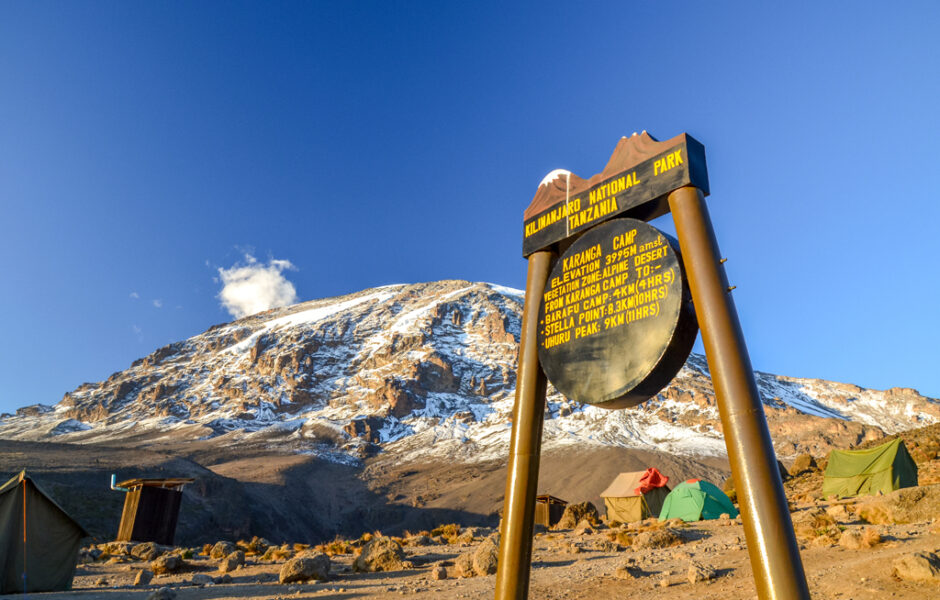
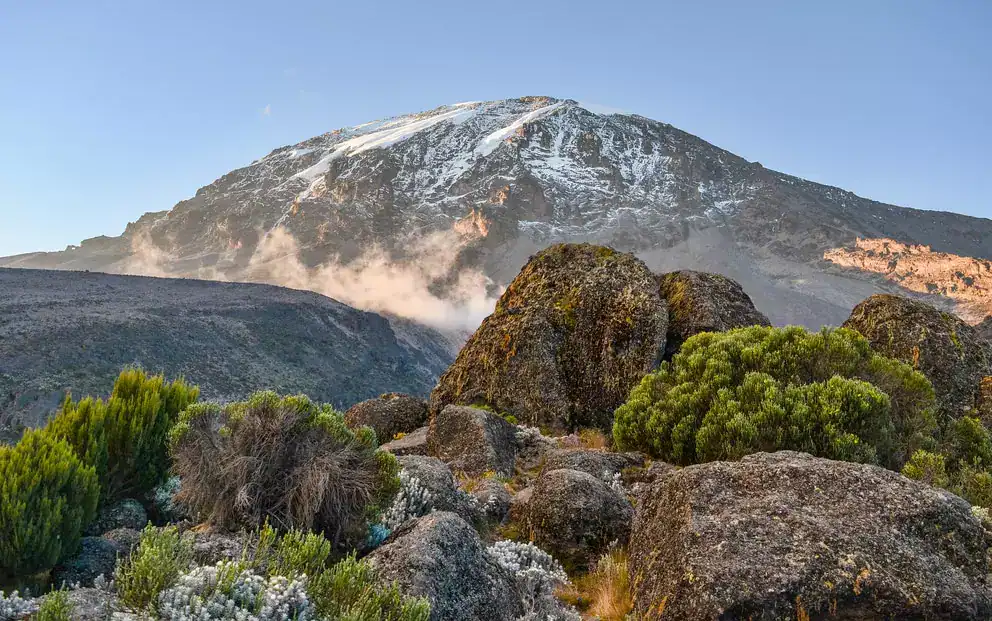
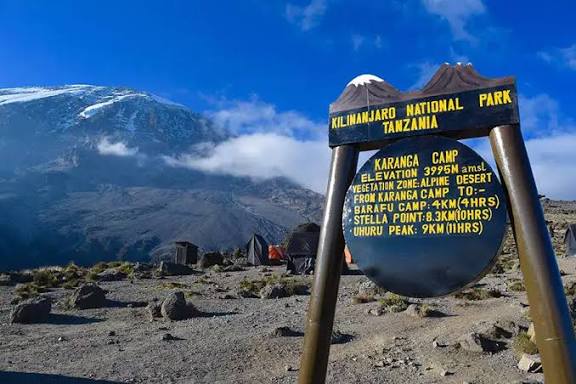
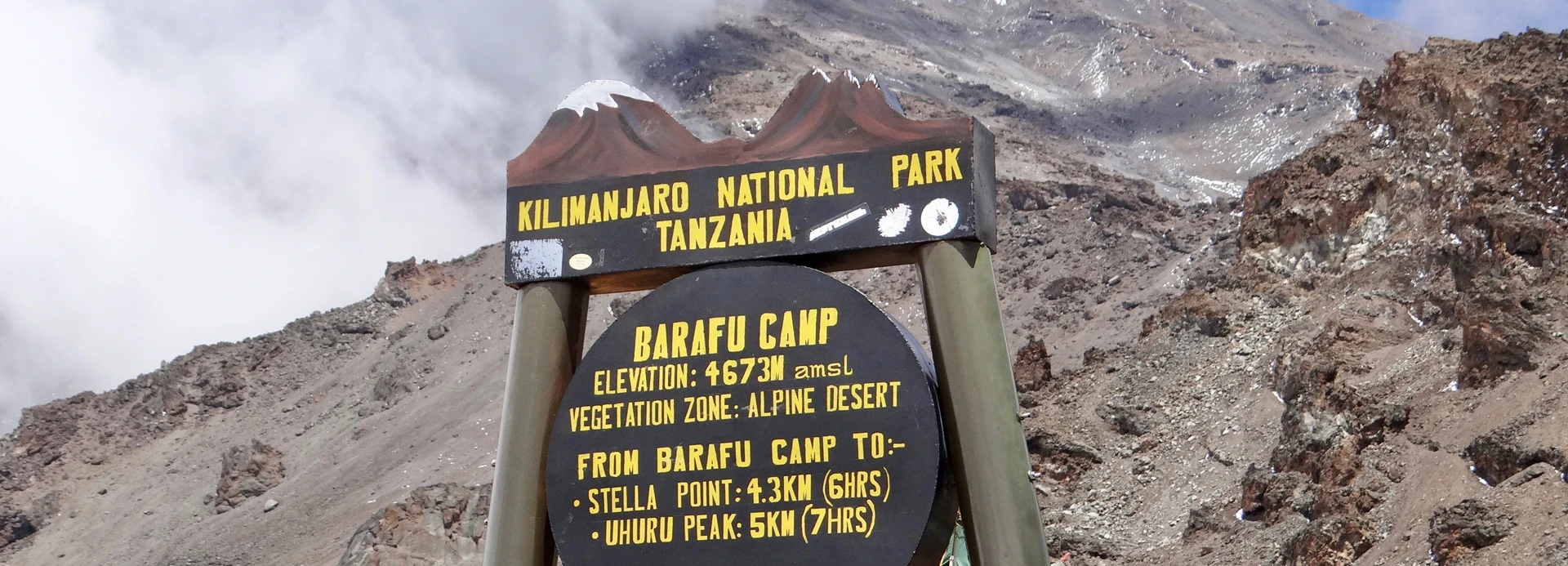
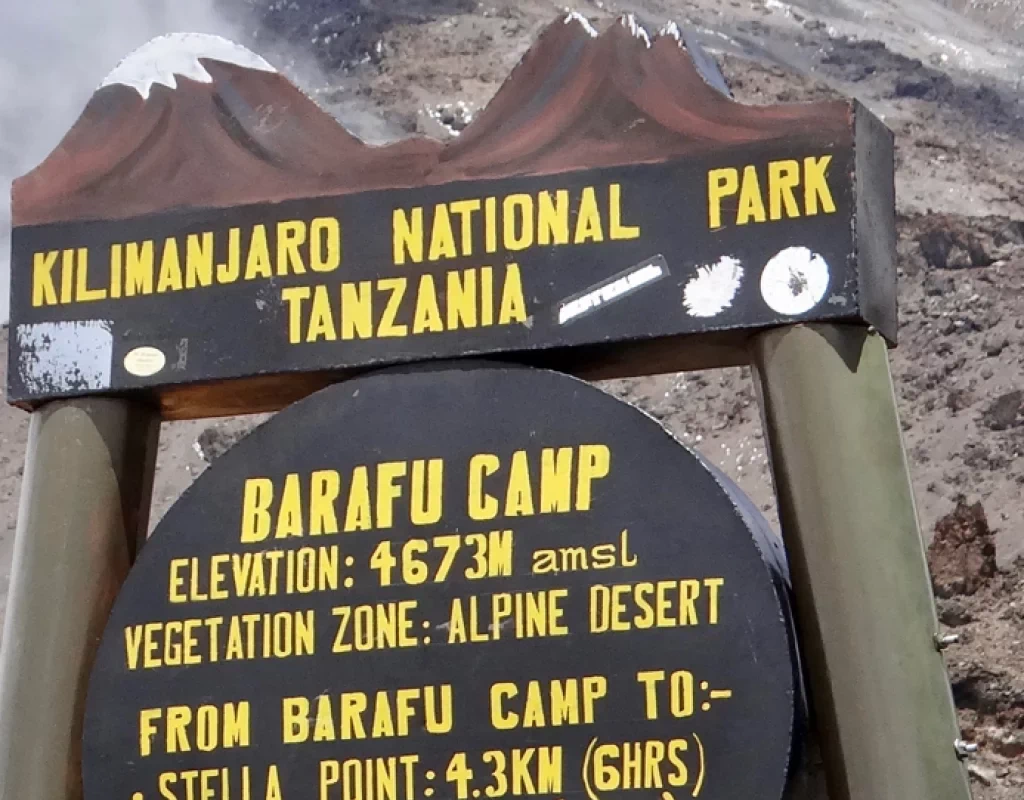
Starting Point: Karanga Camp (3,995 m) | Ending Point: Barafu Camp (4,673 m) | Elevation Gain: +678 m | Distance: 3 km | Hiking Time: 4-5 hours | Habitat: Alpine Desert
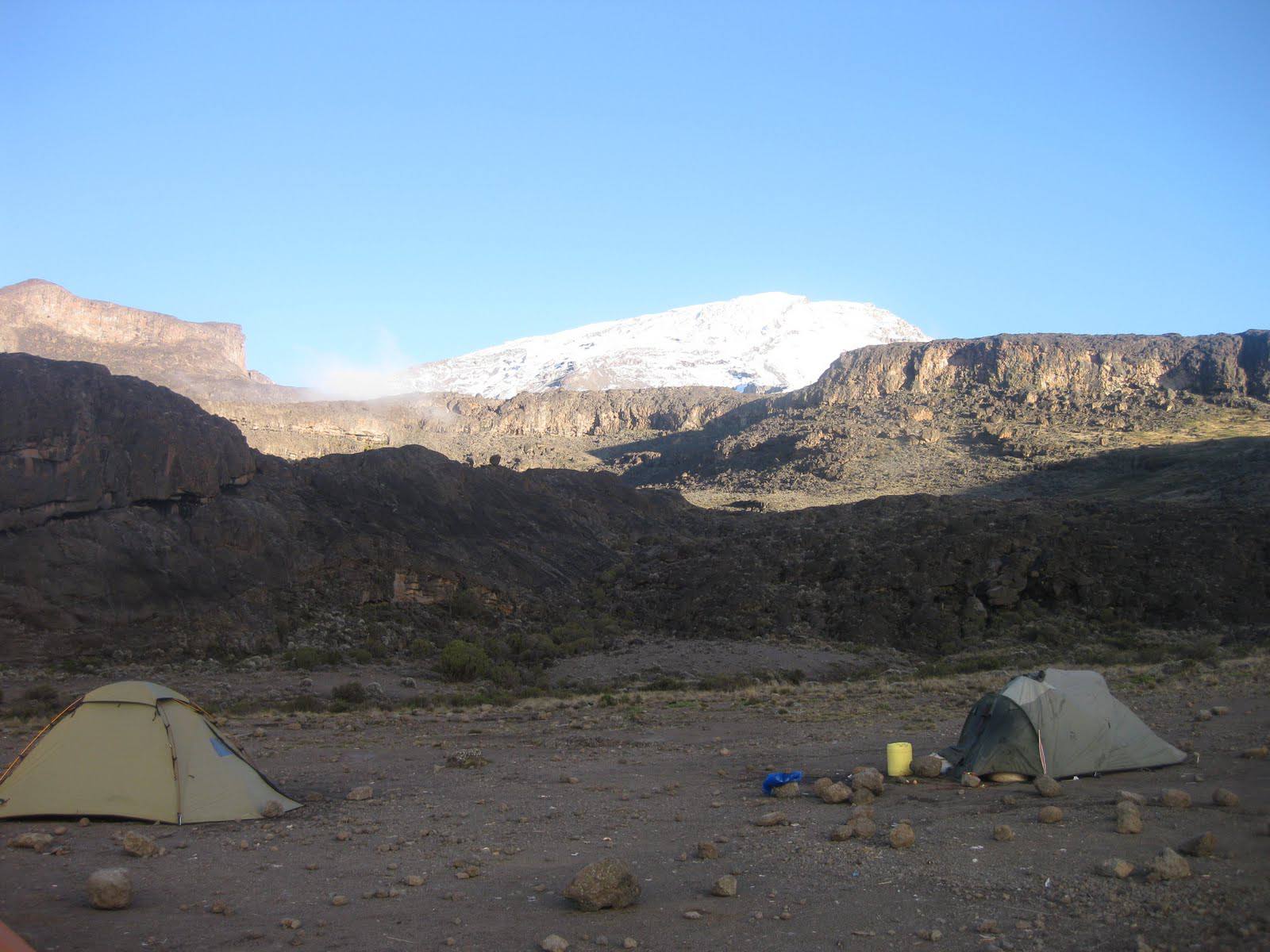
After a good night’s rest and breakfast, you will begin your trek to Barafu Camp (4,673 m), crossing barren, vegetation-free scree slopes. The altitude makes this challenging, steep ascent even harder. Upon arrival, you will have a meal and spend the afternoon resting in preparation for the demanding night and day ahead. Staying hydrated and warm is essential. Dinner will be served early, and you should try to sleep, as you will wake between 11:00 pm and midnight to begin the summit climb. This marks the final preparation day of the 7-Day Kilimanjaro Climb via the Lemosho Route.
- Accommodation: Barafu Camp
- Meals: Breakfast, lunch, dinner, drinking water
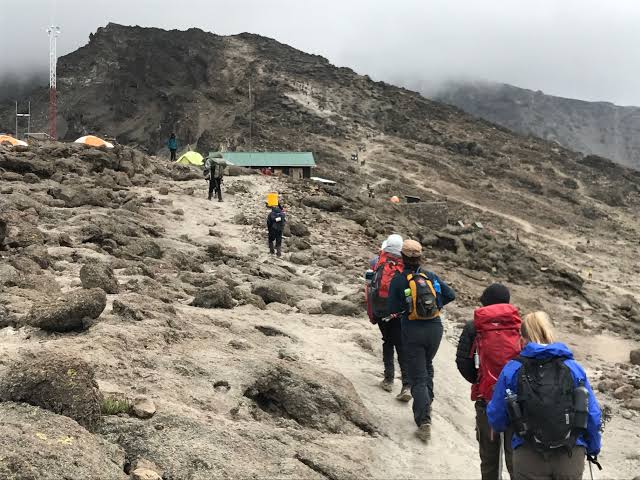
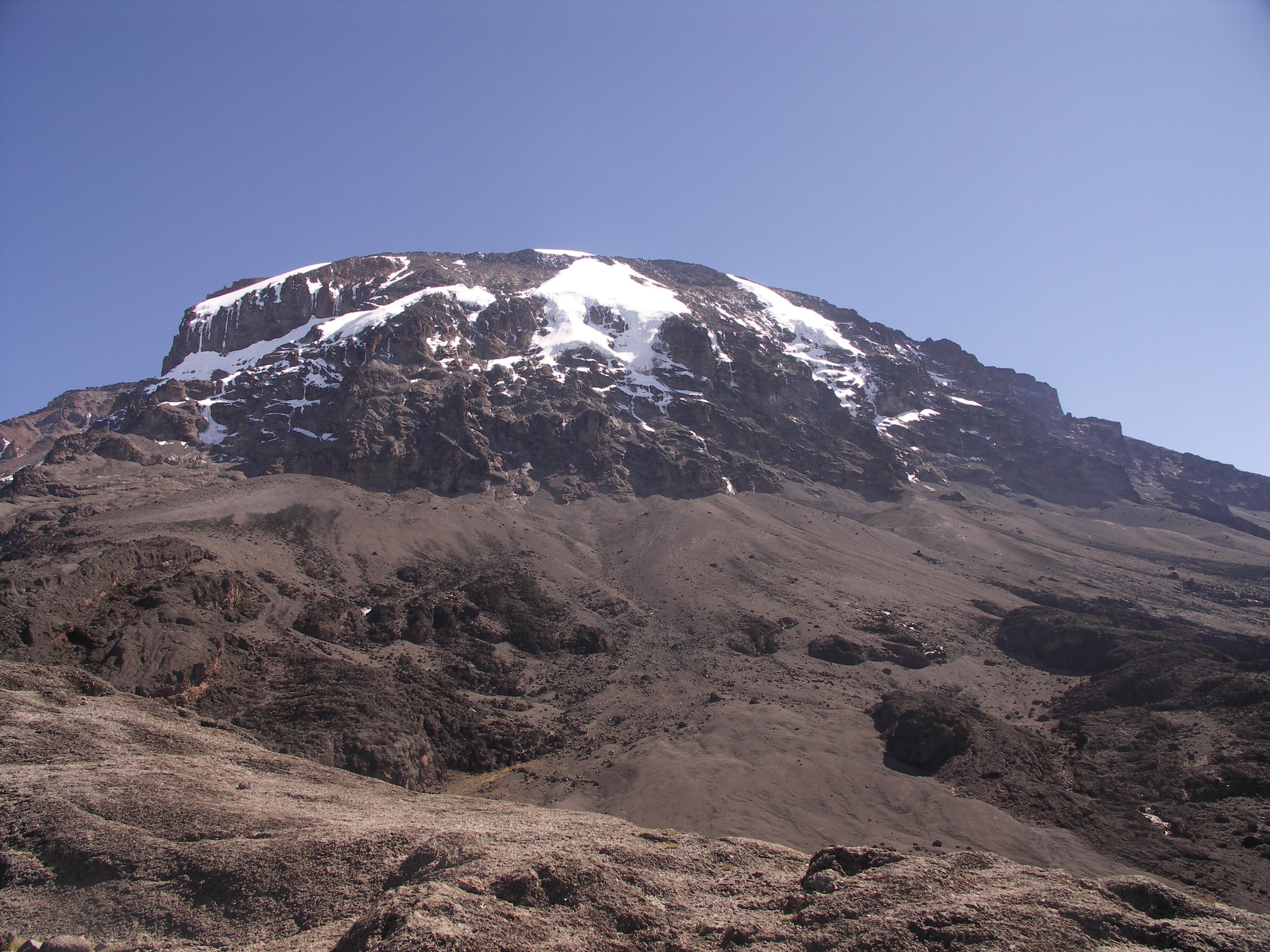
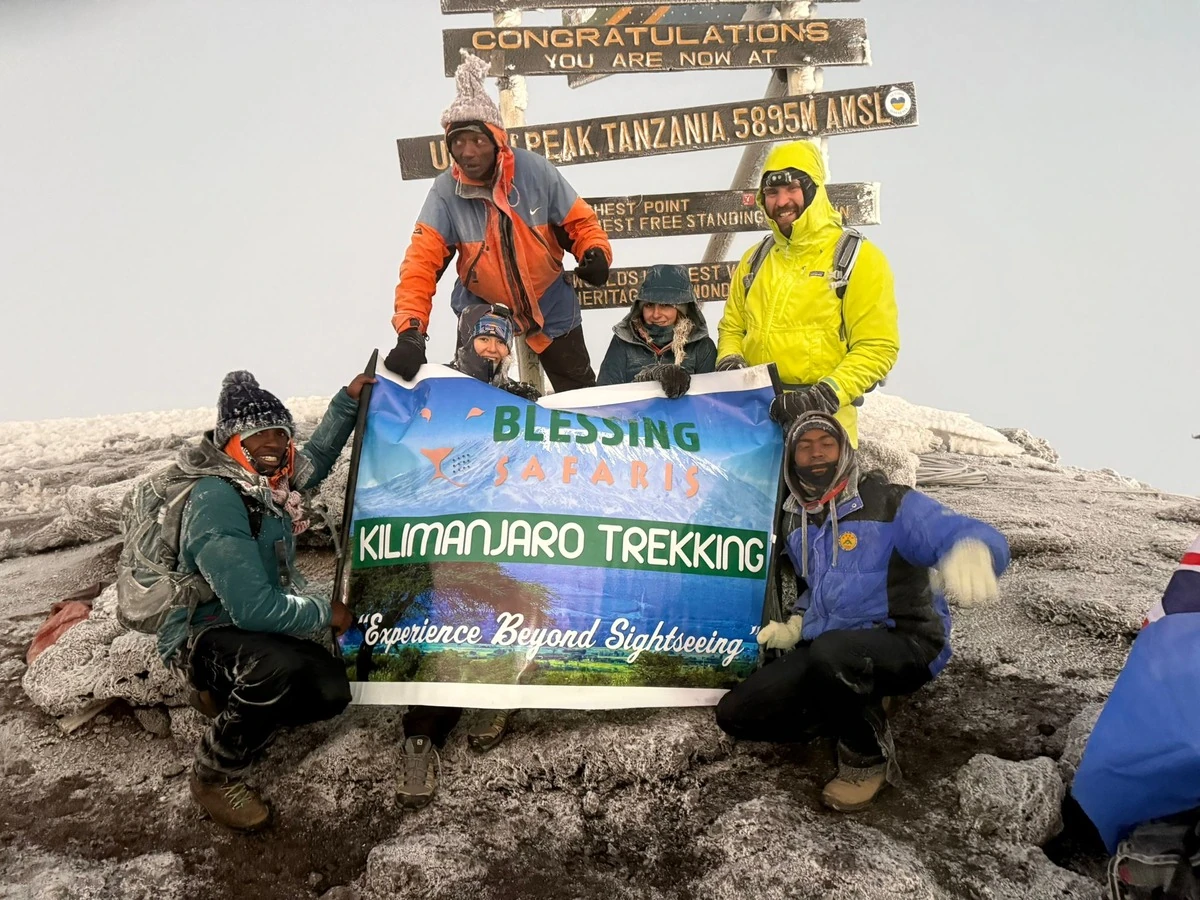
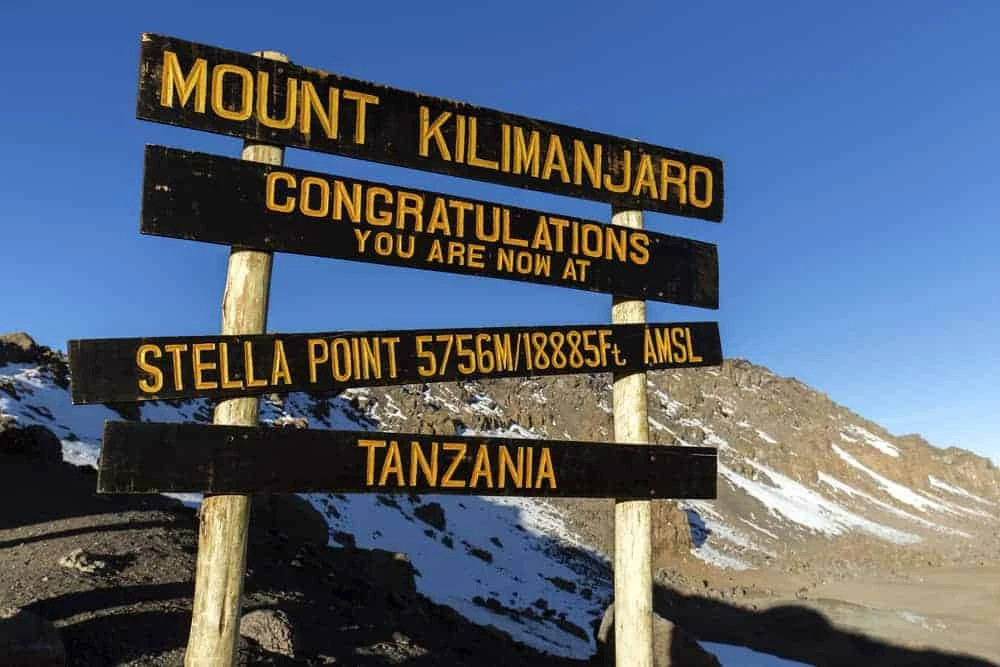
Starting Point: Barafu Camp (4,673 m) | Summit: Uhuru Peak (5,895 m) | Ending Point: Millennium Camp (3,750 m) | Elevation Gain to Summit: +1,222 m | Distance: 13.4 km | Hiking Time: 8-12 hours | Habitat: Arctic, Montane Forest
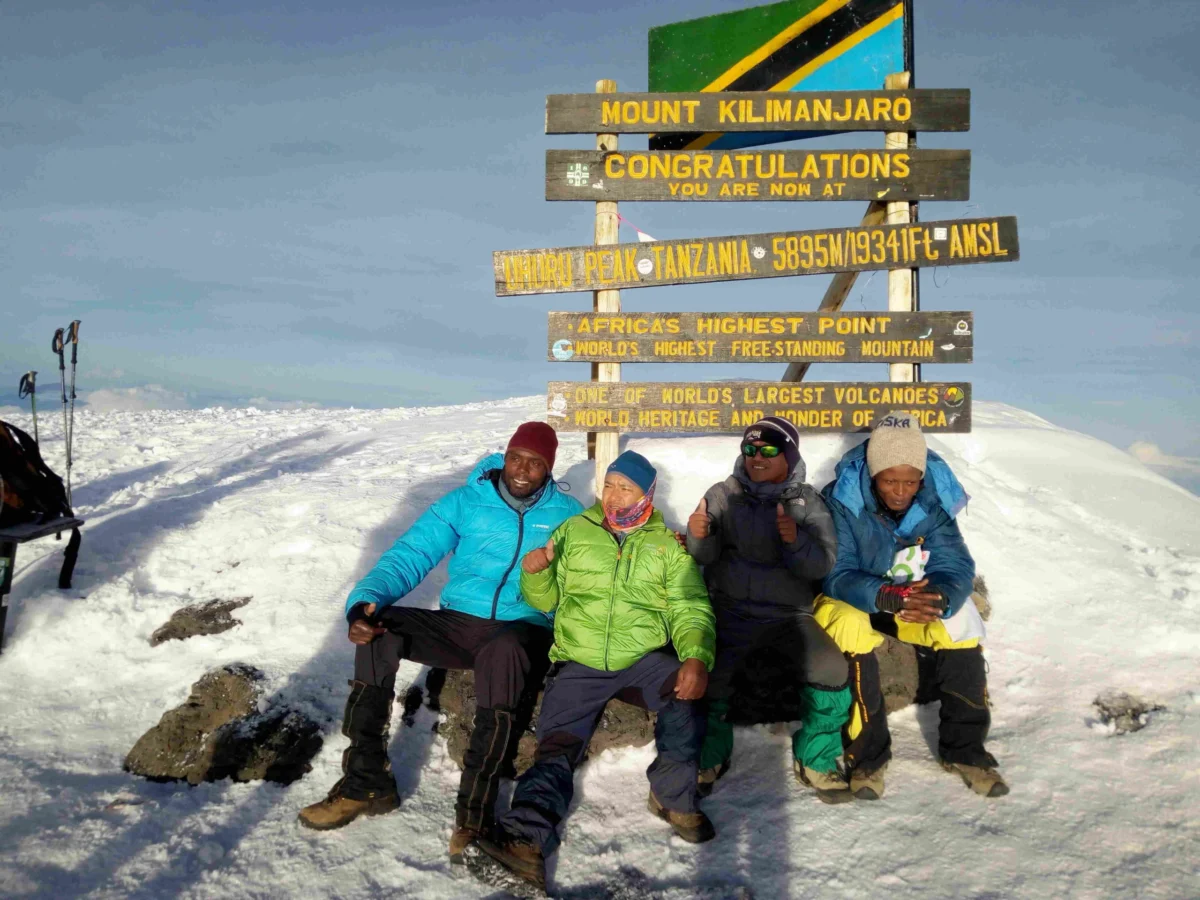
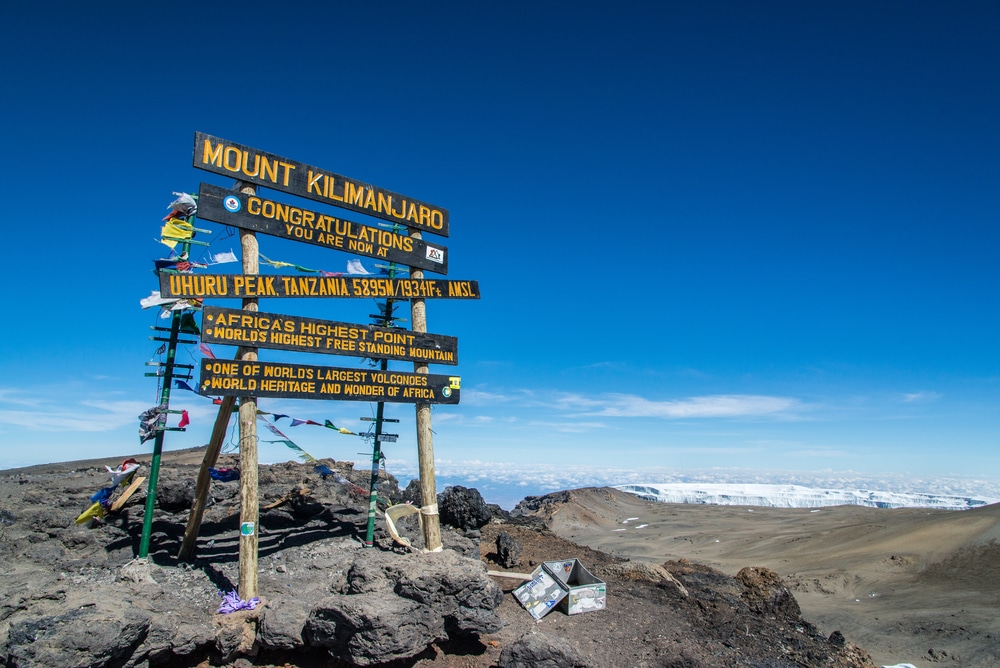
You will begin at midnight and ascend steeply toward the summit glaciers. The climb involves 4 to 5 hours on scree, gaining significant elevation over a short distance. At sunrise, upon reaching Stella Point (5,756 m), you will be surrounded by impressive ice cliffs and enjoy panoramic views of Mawenzi Peak and the surrounding landscape. After another hour, you will reach Uhuru Peak (5,895 m), Africa’s highest point. The descent starts by returning to Stella Point, then following the scree slope and track back to Barafu Camp for breakfast. Continue down to Millennium Camp (3,750 m) for a well-deserved rest, dinner, and overnight stay. This is the most challenging and rewarding day of the 7-Day Kilimanjaro Climb via the Lemosho Route.
- Accommodation: Millennium Camp
- Meals: Breakfast, lunch, dinner, drinking water
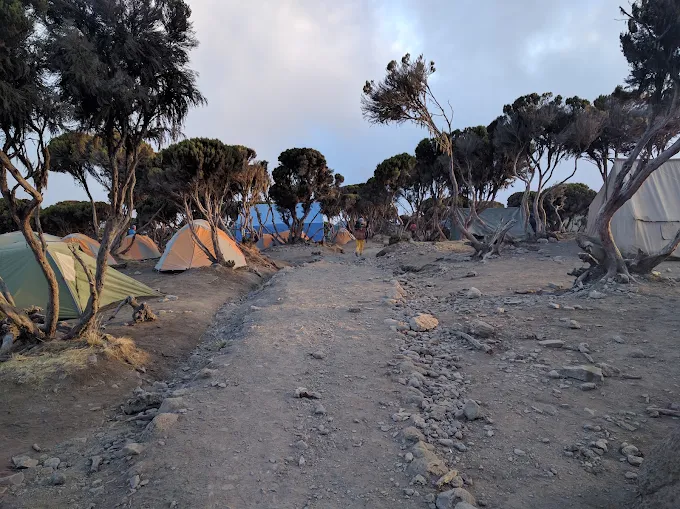
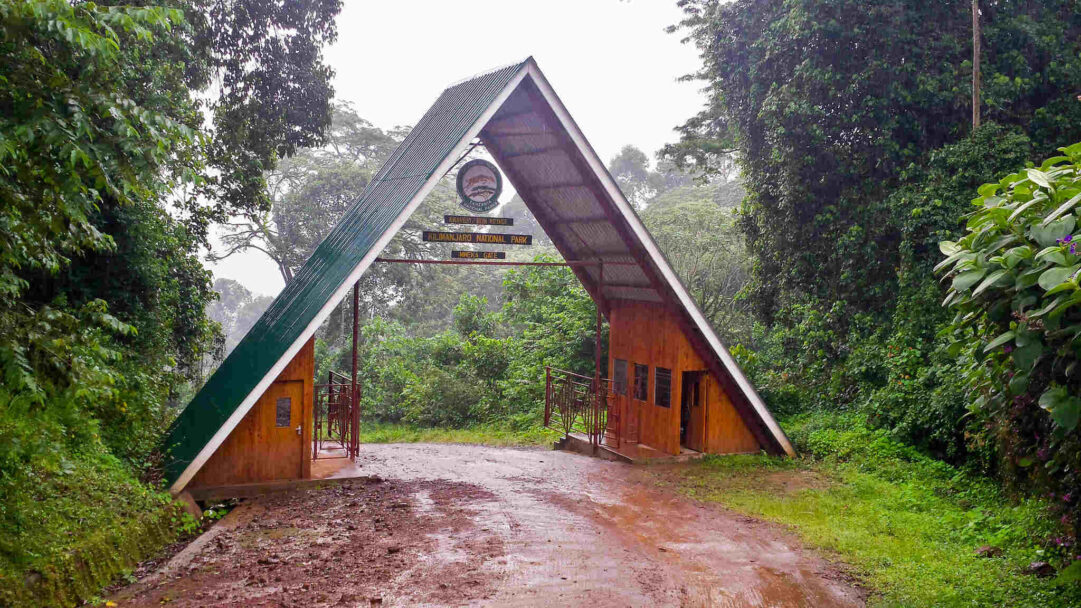
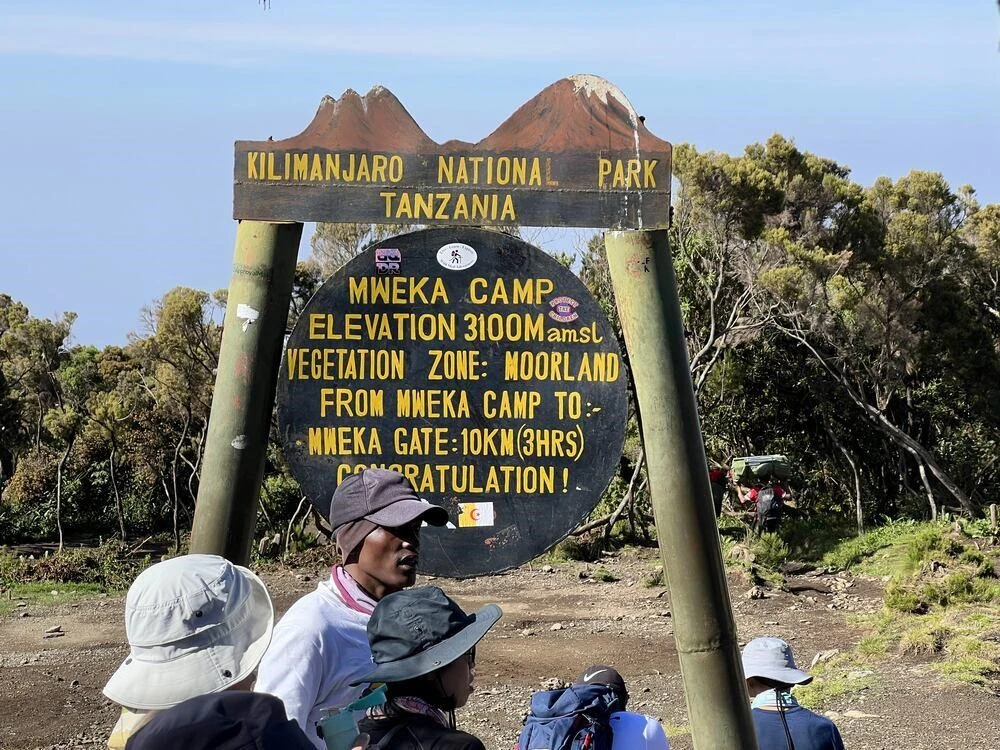
Starting Point: Millennium Camp (3,750 m) | Ending Point: Mweka Gate (1,640 m) | Elevation Loss: -2,110 m | Distance: 12.1 km | Hiking Time: 4-5 hours | Habitat: Montane Rainforest
After breakfast, you will descend through the rainforest to Mweka Gate (1,640 m). There, you will receive your summit certificate, have lunch, and bid farewell to your mountain crew before returning to Moshi or Arusha for dinner and overnight. This concludes your 7-Day Kilimanjaro Climb via the Lemosho Route.
- Accommodation: Samora River Lodge Or Point Zone Resort
- Meals: Breakfast, lunch, dinner, drinking water
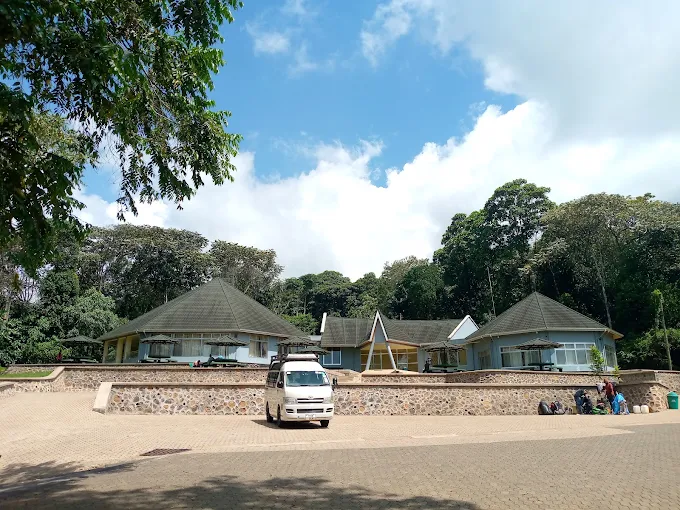
The tour concludes after breakfast at the hotel. Our driver will pick you up at the scheduled time and take you to the airport. If you wish to extend your stay, you may visit nearby national parks such as Tarangire National Park and the Ngorongoro Crater, or join cultural tourism programs near Arusha. We wish you a safe journey.
- Accommodation: None (Departure day)
- Meals: Breakfast and drinking water
Costs & Inclusions for 7-Day Kilimanjaro Climb Via Lemosho Route
Price Per Person (USD)
All prices include park fees, guide, porters, meals on the mountain, and 2 nights at Samora River Lodge.
| Group Size (Pax) | Price Per Person | Accommodation Type |
|---|---|---|
| 1 Solo Climber | $3,540 | Samora River Lodge + Mountain Camping |
| 2 Climbers | $2,840 | Samora River Lodge + Mountain Camping |
| 3 Climbers | $2,560 | Samora River Lodge + Mountain Camping |
| 4+ Climbers | $2,450 | Samora River Lodge + Mountain Camping |
💡 Tip: Larger groups pay less per person — invite friends and save.
⚠️ Tip: Mount Kilimanjaro Parkfees Are Subject to Change by July 2027.
What's Included & What's Not
A clear breakdown of everything covered in your Kilimanjaro trek package — and what you'll need to arrange separately.
| Price Includes | Price Excludes |
|---|---|
| Airport transfers — pick-up on arrival day, drop-off after the climb | International and local airfare |
| Accommodation in Arusha at Samora River Lodge (2 nights, bed & breakfast) | Local transportation before and after the climb |
| Transfers from the hotel to Machame Gate and from Mweka Gate to the hotel | Personal expenses — laundry, beverages, etc. |
| Quality sleeping tents shared by 2 clients | Lunch and dinner at Samora River Lodge |
| Mess tents, crew tents, tables, chairs, eating utensils, cooking equipment | Tips for the mountain crew (see our Kilimanjaro tipping guide) |
| Sleeping mats | Private toilet and hot shower tent |
| Clean, purified drinking water | Yellow fever vaccinations, COVID-19 test |
| All meals while on the mountain | Passport and visa |
| Kilimanjaro entrance fees / conservation fees | Travelers insurance (recommended: covers up to 6,000 m) |
| Kilimanjaro camping fees | Helicopter evacuation cost in high altitude (Kilimanjaro SAR) |
| Rescue fees and all taxes | Optional tours not mentioned in this itinerary |
| Salaries for porters, cook, and guides | Tanzania Mandatory Inbound Travel Insurance — $44 per person |
| Oxygen cylinder | |
| Oxygen saturation meter | |
| First aid kit | |
| Flying Doctors Emergency Service (before or after the climb) |
Booking Process
If you’re satisfied enough with the information, you can book this tour directly, remember to confirm your booking with a deposit of 40% of the total cost per person. This is needed to secure accommodation and other services which belong to third parties.
At that point, we will issue you with an invoice that includes a balance due date. We must receive the full payment not less than thirty (30) days before the departure date.
In the case of holidays booked within less than thirty (30) days of the departure date, we must receive the full cost within seven (7) working days of our sending written confirmation and invoice.
In the case of non-payment of the balance by the due date, we reserve the right to cancel your booking and retain your deposit, as well as any other cancellation charges.
Before you do any payment don’t hesitate to discuss with your tour planner the best option. Your satisfaction is our happiness.
HOW TO MAKE PAYMENTS
Blessing Safaris Limited is a licensed Tour Operator in Tanzania, duly incorporated under the Companies Act of 2002, bearing registration number 141173960. The company’s Tax Identification Number (TIN) is 141-173-960.
Blessing Safaris Limited is recognized by the Tanzania Tourism Licensing Board (TTLB), also known as TALA, with Safari TALA No. 034220 and Mountain Climbing/Trekking TALA No. 036308.
To verify this information, please visit the official Ministry of Natural Resources and Tourism (MNRT) search and verify for “ Blessing Safaris ” and “ Blessing Safaris Limited”
If you need additional assurance or verification of our legal status, you may contact our bank (NMB Bank) to confirm our business credentials.
Upon booking, you will receive an invoice detailing the amount due and our bank account information. After payment, you will receive a paid invoice as proof of payment.
Terms and conditions
Click Here to View Terms & Conditions or download a pdf file

Frequently Asked Questions
What is the success rate for the 7-Day Kilimanjaro Climb via Lemosho Route?
The 7-Day Kilimanjaro Climb via the Lemosho Route offers a summit success rate of approximately 85-90%, among the highest on Kilimanjaro. This is due to the gradual ascent across the Shira Plateau and the effective “climb high, sleep low” approach at Lava Tower (4,630 m) on Day 4. An optional acclimatization trek from Karanga Camp to 4,200 m on Day 5 further improves your chances. If reaching the summit is your main goal, this route is an excellent choice. Adding an extra day (8-day Lemosho) increases success rates to 90-95%.
How difficult is the 7-Day Kilimanjaro Climb via Lemosho Route compared to other routes?
The 7-Day Kilimanjaro Climb via the Lemosho Route is moderately difficult. The trail features a gradual slope, with the initial days crossing the relatively flat Shira Plateau. Key challenges include long hiking days, such as the 8-hour trek on Day 3, the Barranco Wall scramble, and the high-altitude summit night. The extended itinerary and effective acclimatization increase the likelihood of success compared to shorter routes. Most climbers in good physical condition who prepare adequately can complete this route. It is an excellent option for those seeking impressive scenery and a high probability of reaching the summit.
What is the best time to climb Kilimanjaro via Lemosho Route?
The best time to climb Kilimanjaro via the Lemosho Route is during the dry seasons, from January to mid-March and June to October. These months offer clear skies, dry trails, and excellent summit views. Avoid the rainy seasons in April-May and November, as mud, snow, and lower success rates are common. The Lemosho Route is less crowded until it joins the Machame Route near Lava Tower, providing a quieter experience even during peak months. Book early to secure camp space.
What should I pack for the 7-Day Kilimanjaro Climb via Lemosho Route?
For the 7-Day Kilimanjaro Climb via the Lemosho Route, you will need: a waterproof jacket and pants, an insulated down jacket, fleece layers, broken-in hiking boots, a four-season sleeping bag, trekking poles, a headlamp with spare batteries, a 30-liter daypack, water bottles with a total capacity of 2 to 3 liters, sunglasses, sunscreen, warm gloves, and a balaclava. Please bring a duffel bag for porters to carry your gear. We provide camping equipment, including tents and sleeping mats. Upon arrival, we will check your equipment and help you rent any missing items.
How much does the 7-Day Kilimanjaro Climb via Lemosho Route cost?
The 7-Day Kilimanjaro Climb via the Lemosho Route typically costs $2,720 to $3,895 USD per person, depending on the operator, group size, and inclusions. This price generally covers park fees, guide and porter salaries, camping equipment, all meals on the mountain, and airport transfers. The 7-day option is less expensive than the 8-day version, though the latter offers a higher summit success rate. International flights, travel insurance, tips, and personal gear are not included. Please be cautious of unusually low prices, as they may reflect inadequate porter compensation or compromised safety standards.
Is altitude sickness a concern on the 7-Day Kilimanjaro Climb via Lemosho Route?
Altitude sickness is a concern on any Kilimanjaro climb. However, the 7-Day Kilimanjaro Climb via the Lemosho Route reduces this risk through effective acclimatization. On Day 4, the Lava Tower ascent reaches 4,630 m before descending to 3,950 m, which encourages red blood cell production and adaptation. An optional acclimatization trek from Karanga Camp to 4,200 m on Day 5 gives you extra time to adjust. Guides are trained to monitor your health and conduct daily checks. Drink 3-4 liters of water daily, eat well, and follow your guide’s pace: “pole pole” (slowly, slowly).
Why is the Lemosho Route considered the most beautiful route on Kilimanjaro?
The Lemosho Route is considered the most beautiful route on Kilimanjaro because it crosses the entire Shira Plateau from west to east in a pleasant, relatively flat hike. The views are stunning, especially in the early morning and late afternoon when the light changes. You will see the Shira Cathedral, the Shira Needle, and panoramic views of Mount Meru and the Kibo massif. The route also passes through diverse habitats, from lush rainforest to alpine desert. Crowds are low until the route joins the Machame Route near Lava Tower, offering a peaceful, remote experience. The 7-Day Kilimanjaro Climb via the Lemosho Route combines this beauty with good acclimatization and a strong summit success rate, making it an excellent choice for scenery and success.
Customer Reviews
Enquire Now
Kilimanjaro Climbing Tips
You May Also Like
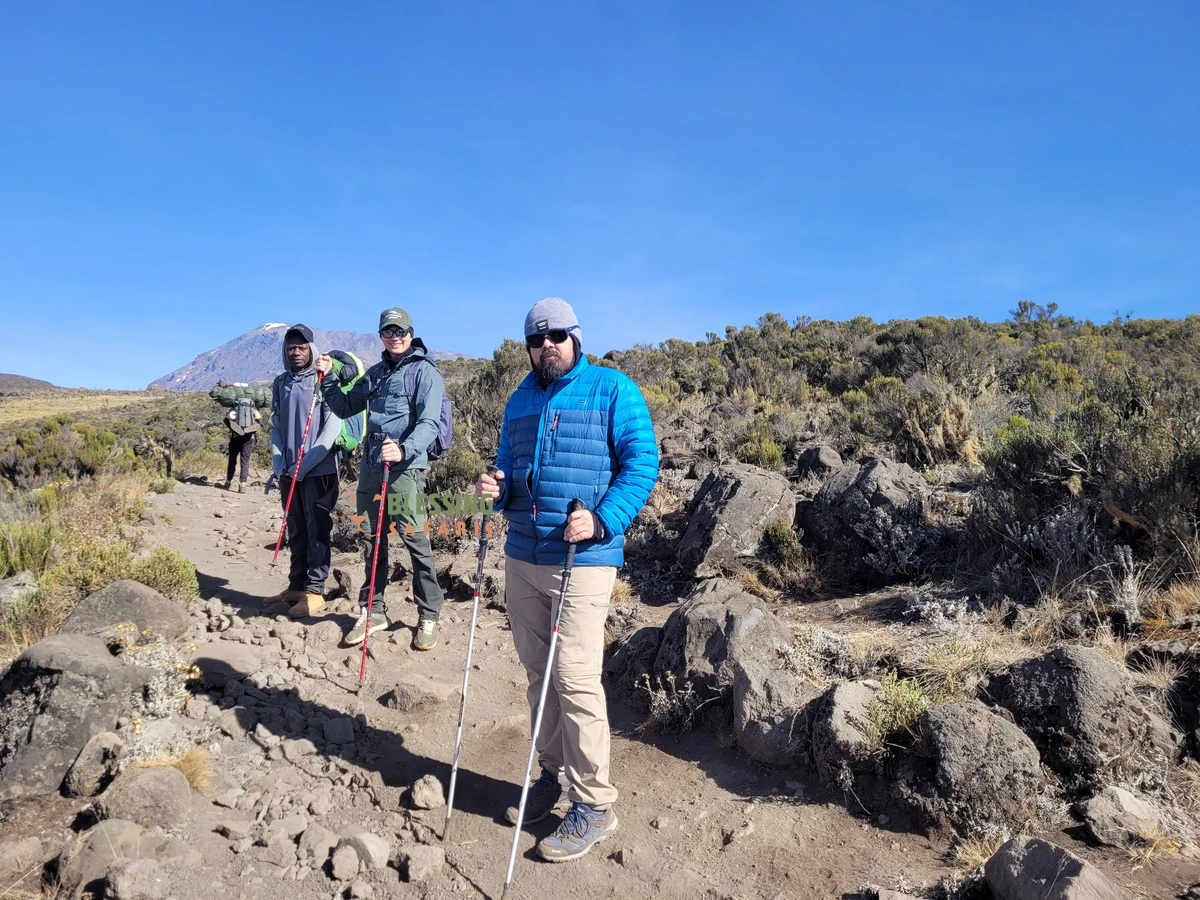
The 8-Day Kilimanjaro Climb via Lemosho Route is widely regarded as the most scenic ascent of Mount Kilimanjaro. The route traverses the Shira Plateau from west to east along a relatively flat path. Early in the trek, you will encounter fewer crowds, offering a peaceful, remote experience before joining the Machame route near Lava Tower.
The Lemosho Route stands out for its crossing of the Shira Plateau, an ancient caldera on the mountain’s western side. Trekkers enjoy flat, comfortable hiking with panoramic views unique to this approach. Starting at Londorossi Gate, the route offers fewer crowds and a peaceful, pristine environment in the early days.
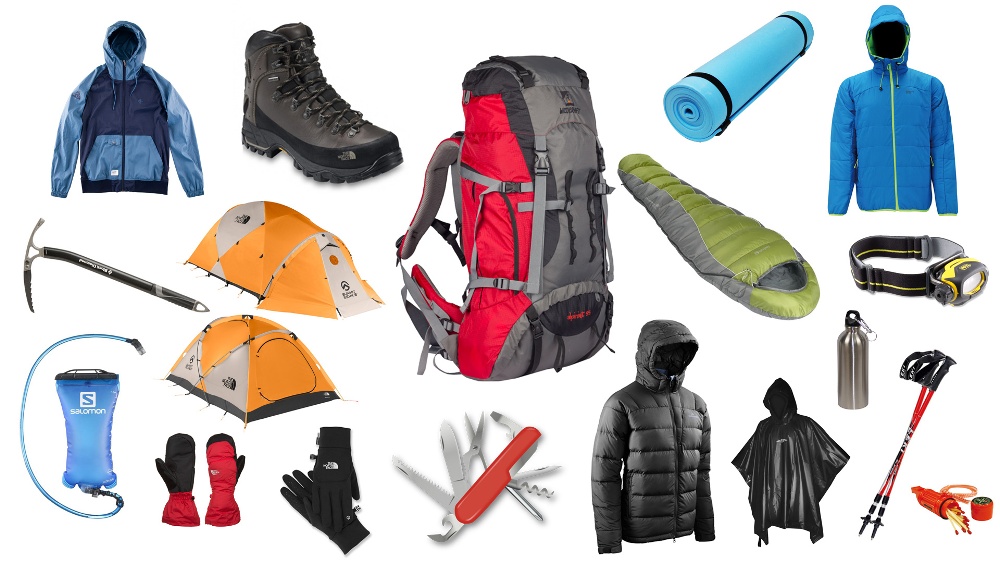
We remind you to bring quality personal climbing gear for your Kilimanjaro climb. Proper layering is necessary to keep you dry, warm, and comfortable. Before packing, make sure your gear selection matches the weather in the season you plan to climb. But the weather on Mount Kilimanjaro is unpredictable.