
Shira 2 Camp Kilimanjaro
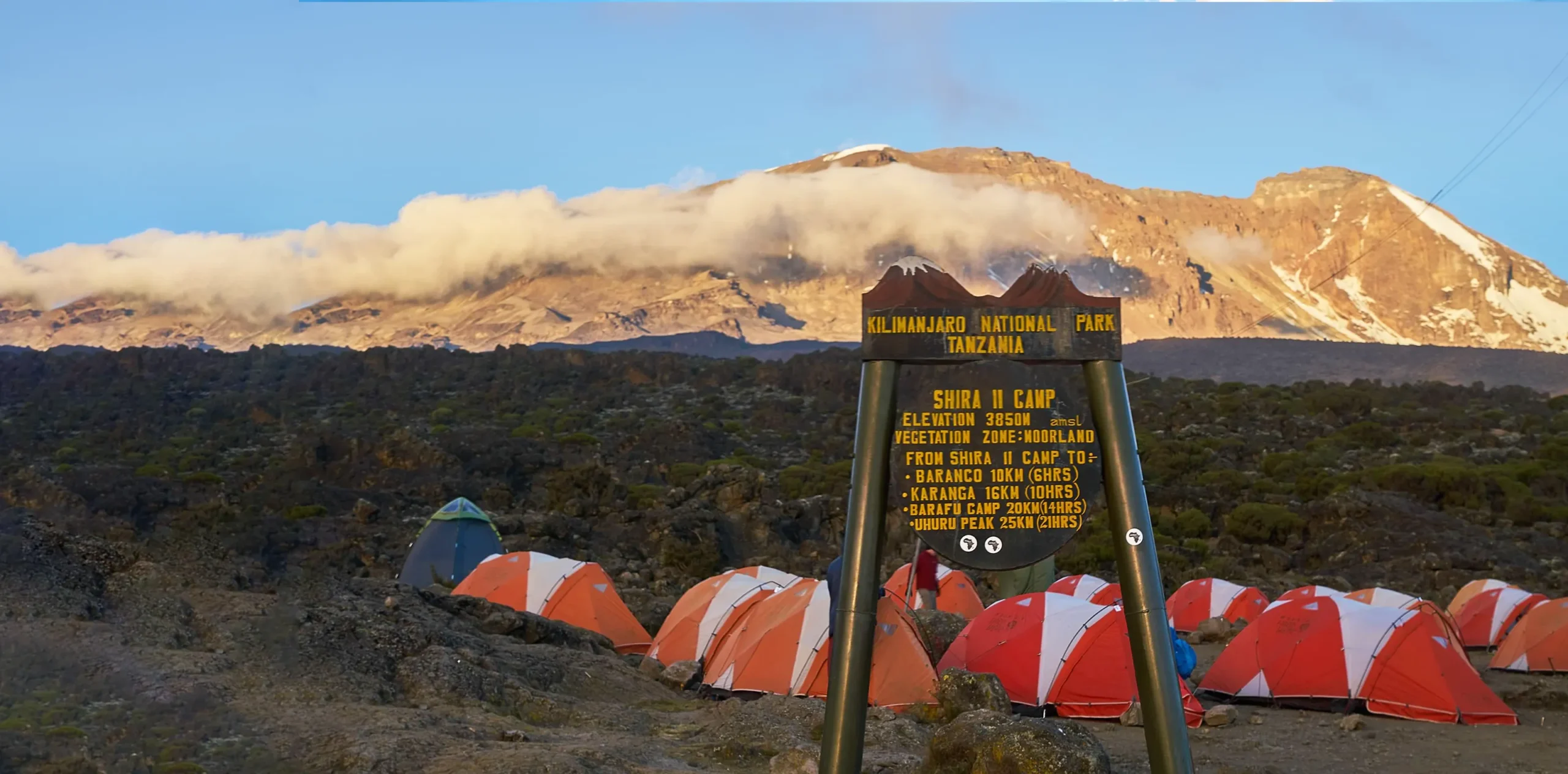
Shira 2 Camp is a key transitional site on the eastern edge of the Shira Plateau, where major routes converge. Situated at approximately 3,850 to 3,900 meters (12,600 to 12,800 feet), it serves climbers on the Lemosho, Shira, and Machame routes and typically comes before the acclimatization day to Lava Tower and the Barranco Valley. For many, Shira 2 Camp marks the transition from hiking to a true high-altitude expedition.
Unlike rainforest camps at lower elevations, Shira 2 Camp is wide, exposed, and volcanic, with cooler air, stronger winds, and a high-desert atmosphere. While classified as heath and moorland, the area transitions toward alpine conditions at higher altitudes. The open plateau provides expansive views, often of Kibo Peak and, when visibility allows, Mount Meru. This environmental change makes Shira 2 Camp a significant milestone, where the mountain’s scale becomes fully apparent.
Shira 2 Camp is a key physiological milestone. At nearly 4,000 meters, even well-conditioned trekkers may experience altitude effects such as headaches, reduced appetite, disrupted sleep, or breathlessness. Many teams begin formal altitude monitoring here, assessing sleep, nutrition, hydration, and symptoms. The “climb high, sleep low” acclimatization strategy also typically begins here, preparing climbers for summit night.
Where is Shira 2 Camp Located
Shira 2 Camp is located on the Shira Plateau, a broad highland on Mount Kilimanjaro’s western side spanning over 40 square kilometers. Positioned on the plateau’s eastern side, it serves as a central meeting point for groups arriving from various routes. This convergence makes Shira 2 Camp busier and more social than the lower camps.
This location is significant for several reasons. It acts as a route junction, with Lemosho and Shira groups arriving via Shira 1 Camp and Machame groups joining after Machame Camp. At approximately 3,890 meters, many climbers begin to feel the effects of altitude. Additionally, Shira 2 Camp supports the “climb high, sleep low” acclimatization strategy, following the sequence from Shira 2 Camp to Lava Tower to Barranco.
On Kilimanjaro’s western side, Shira 2 Camp is a key location between the lower Shira Plateau camps and the higher alpine zones. Its position on the plateau’s eastern edge allows it to catch the morning sun and provides panoramic views, making it one of the mountain’s most photogenic camps.
Shira 2 Camp Kilimanjaro on Map
Shira 2 Camp Elevation and Environment
Most operators list Shira 2 Camp at about 3,890 meters, though some sources round this to 3,850-3,900 meters based on GPS readings. The camp sits at the edge of the moorland, where the landscape becomes distinctly volcanic. Climbers can expect rocky terrain, sparse vegetation, and cold nights that often approach or fall below freezing, depending on the season and wind. The camp’s open plateau position brings strong winds and expansive views of Kibo and, at times, Mount Meru.
You will also encounter iconic plateau flora, including hardy plants adapted to thin air and intense sunlight. Giant lobelias, often noted in the broader Shira moorland, are a highlight. These resilient plants add unique beauty to the landscape. The blend of volcanic rock, robust vegetation, and sweeping views makes Shira 2 Camp one of Kilimanjaro’s most atmospheric sites, showcasing the mountain’s power and beauty
Why Shira 2 Camp Is a “Big Deal” for Acclimatization
Shira 2 Camp is where many teams begin formal altitude monitoring, tracking sleep, appetite, hydration, and symptoms like headaches or nausea. The camp’s elevation and location make it an ideal checkpoint to assess how climbers respond to thinner air. For most trekkers, it is the first significant altitude camp. At nearly 4,000 meters, mild symptoms can develop even on well-planned itineraries, so early detection is essential to prevent serious altitude illness.
The camp also supports steady acclimatization. Many itineraries take a moderate approach to Shira 2 Camp to encourage gradual acclimatization, which is more effective than a rapid ascent. Typically, climbers follow a classic acclimatization sequence: from Shira 2 Camp to Lava Tower (higher), then to Barranco (lower). This strategy helps prepare for summit night by gaining altitude during the day and sleeping at a lower elevation to aid recovery.
How You Reach Shira 2 Camp by Route
On the Lemosho and Shira routes, most trekkers reach Shira 2 Camp from Shira 1 Camp, crossing open moorland and volcanic rock formations. This route provides excellent views and a gradual transition to higher altitudes. On the Machame route, trekkers arrive at Shira 2 Camp after ascending from the Machame side, a stage often considered helpful for acclimatization. Regardless of the route, reaching Shira 2 Camp is a key milestone, marking your entry into Kilimanjaro’s high-altitude region.
What Comes After Shira 2 Camp
For many routes, Shira 2 Camp marks the start of the key mid-mountain acclimatization sequence: Shira 2 Camp, Lava Tower, and Barranco Camp. Lava Tower, at approximately 4,630 meters (15,190 feet), serves as a high point before descending to sleep at Barranco. This approach, common in longer itineraries such as Lemosho and Shira, allows for a more controlled and effective acclimatization process. Gaining altitude during the day and sleeping lower at night helps climbers adapt to reduced oxygen levels before the summit attempt.
Accommodation and Facilities at Shira 2 Camp
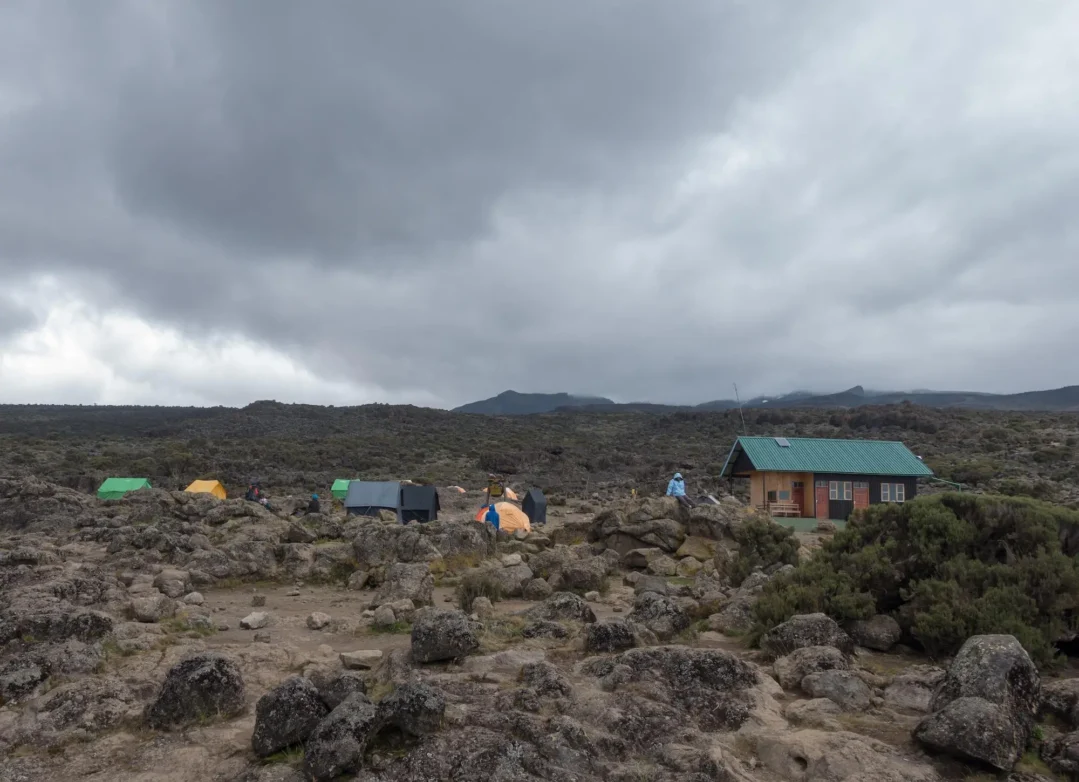
Shira 2 Camp is exclusively for camping and has no permanent sleeping huts. Guests sleep in tents provided and set up by the mountain crew, with plenty of space on the rocky plateau. Sanitation facilities include traditional pit latrines in wooden enclosures and newer solar-powered toilets with light-permeable roofing to improve conditions. A ranger hut is usually located at or near the campsite for park administration and safety. While basic, the facilities are functional and reflect the camp’s importance as a key stop on the mountain.
What It Feels Like to Stay at Shira 2 Camp
Shira 2 Camp is often a favorite because the mountain’s scale becomes strikingly apparent. The thinner air makes pacing—”pole pole”—increasingly important. Nights are typically cold and windy, so most guests spend more time in their tents after dinner. The plateau offers expansive views, with sunrise and sunset providing some of the most spectacular light on the mountain. The camp is also social, as multiple routes converge here, so there are more groups than at Shira 1 Camp. This blend of challenge, natural beauty, and camaraderie makes Shira 2 Camp a memorable and meaningful stop on the Kilimanjaro journey.
Quick Comparison Chart: Shira 1 Camp vs Shira 2 Camp
| Feature | Shira 1 Camp | Shira 2 Camp |
| Typical elevation | ~3,510 m | ~3,850–3,900 m |
| Feel | First wide-open plateau camp | Higher, colder, more “mountain” |
| Crowds | Often quieter | More traffic (route convergence) |
| Main role | Plateau entry + acclimatization start | Key acclimatization checkpoint before Lava Tower |
| Accommodation | Tents only | Tents only |
Practical Tips for Shira 2 Camp
Treat Shira 2 Camp as your first cold camp. Pack sleep layers you will use, and keep your warm hat and jacket accessible for nighttime bathroom trips, as wind is frequent on the plateau. For altitude management, hydrate throughout the afternoon and evening, eat what you can at dinner even if your appetite decreases, and inform your guide promptly if you experience headache, nausea, dizziness, or a worsening cough. Early intervention is especially important at this camp.
For photography, the best light is at sunrise and late afternoon when clouds lift, and the plateau becomes visible. If conditions are clear, Shira 2 Camp offers some of the most dramatic mountain views before the summit zone. Capture these moments, but also take time to appreciate the landscape’s scale. It is one of the most remarkable locations on the mountain.
Conclusion: Book Your Kilimanjaro Climb with Blessing Safaris
Shira 2 Camp is more than a stop on the way to Uhuru Peak. It is a key acclimatization point, a place of striking beauty, and a pivotal part of the Kilimanjaro journey. At Blessing Safaris, we are dedicated to providing a safe, comfortable, and memorable experience. Our local team knows every trail, camp, and challenge the mountain offers. We prioritize ethical climbing, fair treatment of our crew, and high-quality equipment, meals, and support. With thousands of successful summits and an outstanding safety record, climbers worldwide trust Blessing Safaris. Choose the operator that puts your safety, comfort, and success first. Book your Kilimanjaro adventure with Blessing Safaris, and let us help you create lasting memories. Your summit moment awaits, and our team is ready to support you.
Frequently Asked Questions About Shira 2 Camp
What is the elevation of Shira 2 Camp?
Shira 2 Camp is typically listed at approximately 3,890 meters, with sources citing a range of 3,850 to 3,900 meters based on GPS readings. This elevation marks the moorland edge of the Shira Plateau, characterized by a volcanic, high-altitude environment. At this altitude, many climbers begin to experience symptoms such as mild headaches, reduced appetite, and disrupted sleep. Teams often begin formal altitude monitoring at Shira 2 Camp before ascending to higher camps such as Lava Tower.
Why do routes converge at Shira 2 Camp?
Shira 2 Camp sits on the eastern edge of the Shira Plateau, serving as a natural junction where Lemosho and Shira trekkers arrive from Shira 1 Camp, and where many Machame routes converge before continuing to Lava Tower and the southern circuit. This convergence makes Shira 2 Camp a busy, social hub where climbers from various routes interact. Its strategic location also makes it a key milestone for groups approaching from different directions.
Is Shira 2 Camp where altitude sickness starts?
For many trekkers, this is the first camp where the effects of altitude become noticeable, as it approaches 4,000 meters. Symptoms may include headaches, nausea, dizziness, fatigue, and difficulty sleeping, affecting even experienced climbers. Well-designed itineraries use Shira 2 Camp as a checkpoint before the acclimatization day toward Lava Tower, allowing climbers to assess their condition and adjust as needed. If you experience symptoms at Shira 2 Camp, inform your guide promptly, as early intervention is the most effective way to prevent serious altitude illness.
What facilities are available at Shira 2 Camp?
Shira 2 Camp offers only tent camping; there are no permanent sleeping huts. Sanitation consists of traditional pit latrines in wooden enclosures and some newer solar-powered toilets with improved roofing. A ranger hut is typically present for park administration and safety. While facilities are basic, they are functional and appropriate for the camp’s role. Climbers should bring their own toilet paper and hand sanitizer, as these are not always supplied.
What comes after Shira 2 Camp?
Most itineraries proceed to Lava Tower, at approximately 4,630 meters (15,190 feet), before descending to Barranco Camp to sleep at a lower altitude. This “climb high, sleep low” approach is one of the most effective acclimatization strategies on Kilimanjaro. The route from Shira 2 Camp to Lava Tower and then to Barranco is a key reason longer itineraries, such as Lemosho and Shira routes, offer better altitude management.
Is Shira 2 Camp colder than Shira 1 Camp?
Usually, yes. Shira 2 Camp is higher and more exposed, so nights are often colder and windier, especially when clouds arrive or temperatures drop after sunset. The open plateau location increases wind exposure, so climbers should bring warm layers, a sturdy tent, and a sleeping bag rated for freezing conditions. The colder environment at Shira 2 Camp highlights the challenges ahead on the ascent to Uhuru Peak.
What should I pack for Shira 2 Camp?
Essential items for Shira 2 Camp include a four-season sleeping bag, thermal layers, a warm hat and gloves, a windproof and waterproof jacket, a headlamp with extra batteries, water bottles or a hydration system, water treatment supplies, and high-energy snacks. Because the camp’s exposed to wind and cold, a sturdy tent and insulated sleeping pad are also necessary. Also pack personal items such as toilet paper, hand sanitizer, sunscreen, lip balm, and required medications, including altitude sickness remedies.
How do I manage altitude at Shira 2 Camp?
To manage altitude at Shira 2 Camp, stay hydrated throughout the afternoon and evening, eat dinner even if your appetite decreases, and promptly inform your guide if you experience symptoms such as headache, nausea, dizziness, or a worsening cough. Early intervention is crucial at this camp, so do not ignore symptoms. Follow the “pole pole” principle, pace yourself, and give your body time to adapt. If symptoms worsen, your guide may advise descending to a lower altitude, which is the most effective treatment for altitude illness.
What is the best time to stay at Shira 2 Camp?
The best time to stay at Shira 2 Camp is during the dry seasons, from June to October and December to March. These periods offer more stable weather, clearer skies, and less precipitation, enhancing both the experience and the views. Trail conditions and temperatures are generally better, though nights remain cold and windy. Climbers should be prepared for variable weather at any time, as conditions on the Shira Plateau can change quickly.
What is the “climb high, sleep low” principle?
The “climb high, sleep low” principle is an acclimatization strategy where climbers gain altitude during the day and descend to sleep at a lower elevation. On Kilimanjaro, this often means hiking to Lava Tower (about 4,630 meters) before descending to Barranco Camp (about 3,900 meters) for the night. This approach helps climbers adapt to the altitude and reduces the risks of sleeping too high too soon. Shira 2 Camp is frequently the starting point for this acclimatization sequence.
Shira 2 Camp Kilimanjaro
You May Also Like
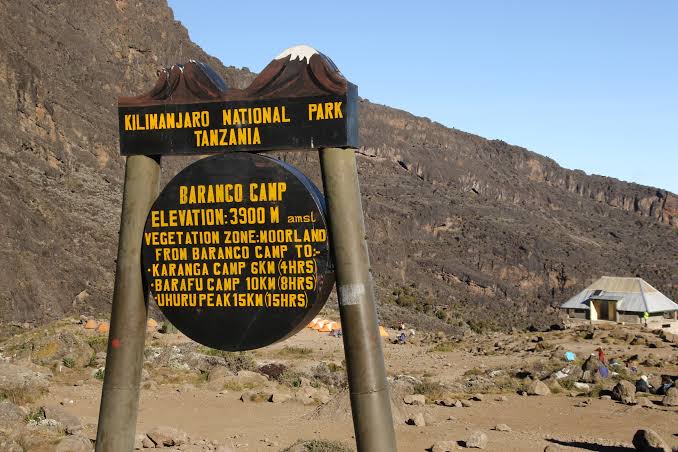
Barranco Camp is located at 3,950 meters at the base of the Great Barranco Wall, offering one of the most scenic overnight stops on Mount Kilimanjaro. Serving climbers on the Machame, Umbwe, Shira, and Lemosho routes, the camp sits between the moorland and alpine desert zones
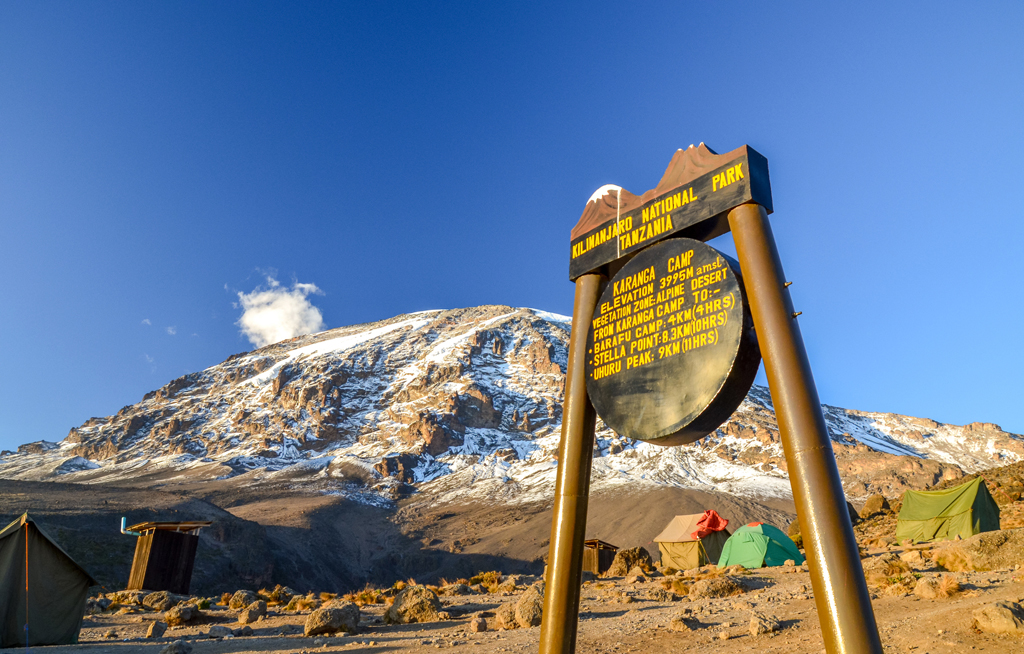
Karanga Camp, also called Karanga Hut Campsite, is strategically located on Kilimanjaro’s southern circuit and serves as a key acclimatization stop for climbers. Positioned at about 3,995 meters (13,106 feet), the camp is named for the Karanga Valley, a prominent gorge that crosses Kibo’s southern side.
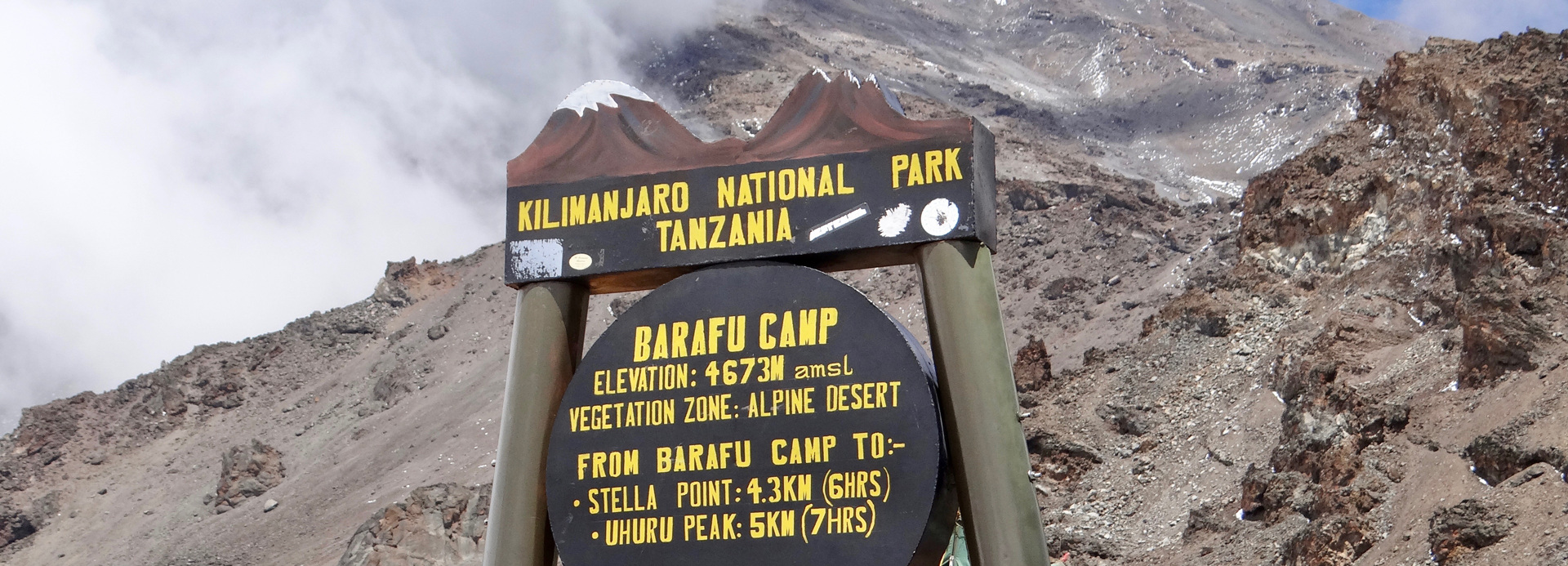
Barafu Camp, also called Barafu Hut Camp, is the final overnight stop for most climbers aiming for Uhuru Peak, Africa’s highest point. “Barafu” means “ice” in Swahili, aptly describing this cold, exposed campsite on the southeastern slopes of Kibo at 4,673 meters (15,330 feet) above sea level.