Mandatory Inbound Travel Insurance Tanzania
If you are planning to climb Mount Kilimanjaro, visit the Serengeti for a safari, or take a beach holiday in Zanzibar, please note a new requirement. Starting 1 October 2026, all foreign visitors to Mainland Tanzania must have Inbound Travel Insurance. This policy has been mandatory for Zanzibar since October 2024 and will now apply to the mainland. Whether you arrive via Kilimanjaro International Airport, Dar es Salaam, or any mainland border or seaport, you must purchase this local insurance before or upon arrival.
This requirement is mandatory and separate from any travel insurance you may already have. Even if your international policy covers medical emergencies, evacuation, and repatriation, you must still purchase this local coverage when entering Mainland Tanzania. The government requires this policy to ensure all foreign visitors have access to basic emergency medical care, evacuation, and repatriation services.
For Kilimanjaro climbers and safari travelers, understanding this requirement is key to a smooth trip. This guide outlines what Inbound Travel Insurance is, who needs it, its cost, coverage, and why it does not replace your own comprehensive travel insurance, especially if you plan to reach Uhuru Peak at 5,895 meters.
What Is Inbound Travel Insurance?
Inbound Travel Insurance is a local policy that the Tanzanian government requires all foreign visitors to purchase. It offers basic emergency medical coverage, evacuation, and repatriation while you are in Tanzania. This insurance is mandatory for visitors to Mainland Tanzania from 1 October 2026 and has been required for Zanzibar since October 2024.
This insurance is separate from any existing travel insurance you may have. Even if you hold a comprehensive international policy, you must still purchase this local coverage to enter Mainland Tanzania. Your international policy covers your entire trip, while Inbound Travel Insurance ensures you meet the Tanzanian government’s minimum requirements.
Citizens of East African Community (EAC) and Southern African Development Community (SADC) member states, including Kenya, Uganda, Rwanda, South Africa, Zambia, and Mozambique, are exempt from this requirement. All other foreign visitors, including those from Europe, North America, Asia, and elsewhere, must purchase the policy.
Choosing the Right Insurance Depends on Your Point of Entry
Tanzania operates two inbound insurance systems: one for Mainland Tanzania and another for Zanzibar. Your required policy depends on your initial point of entry, so confirm your arrival location before purchasing insurance.
Arriving in Mainland Tanzania First
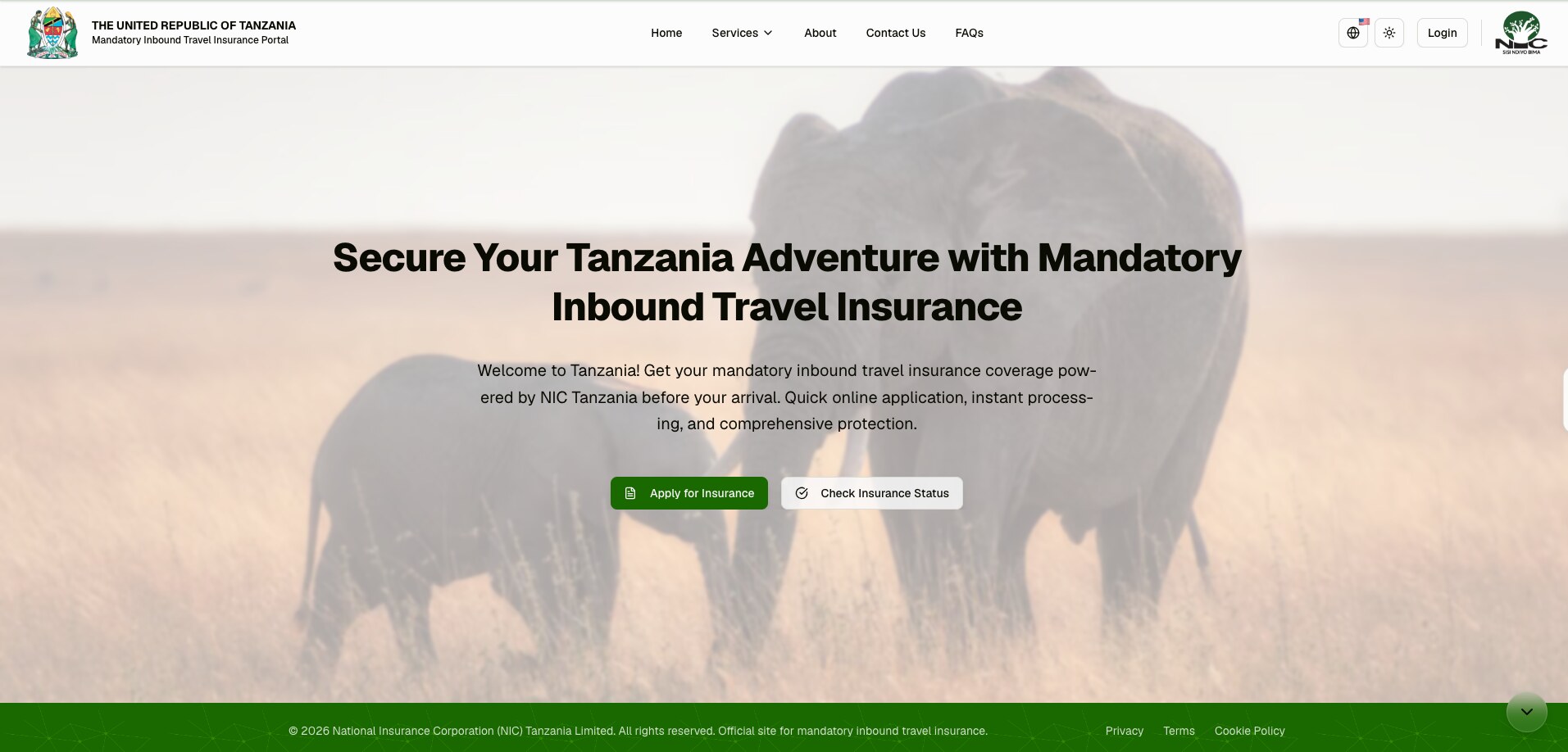
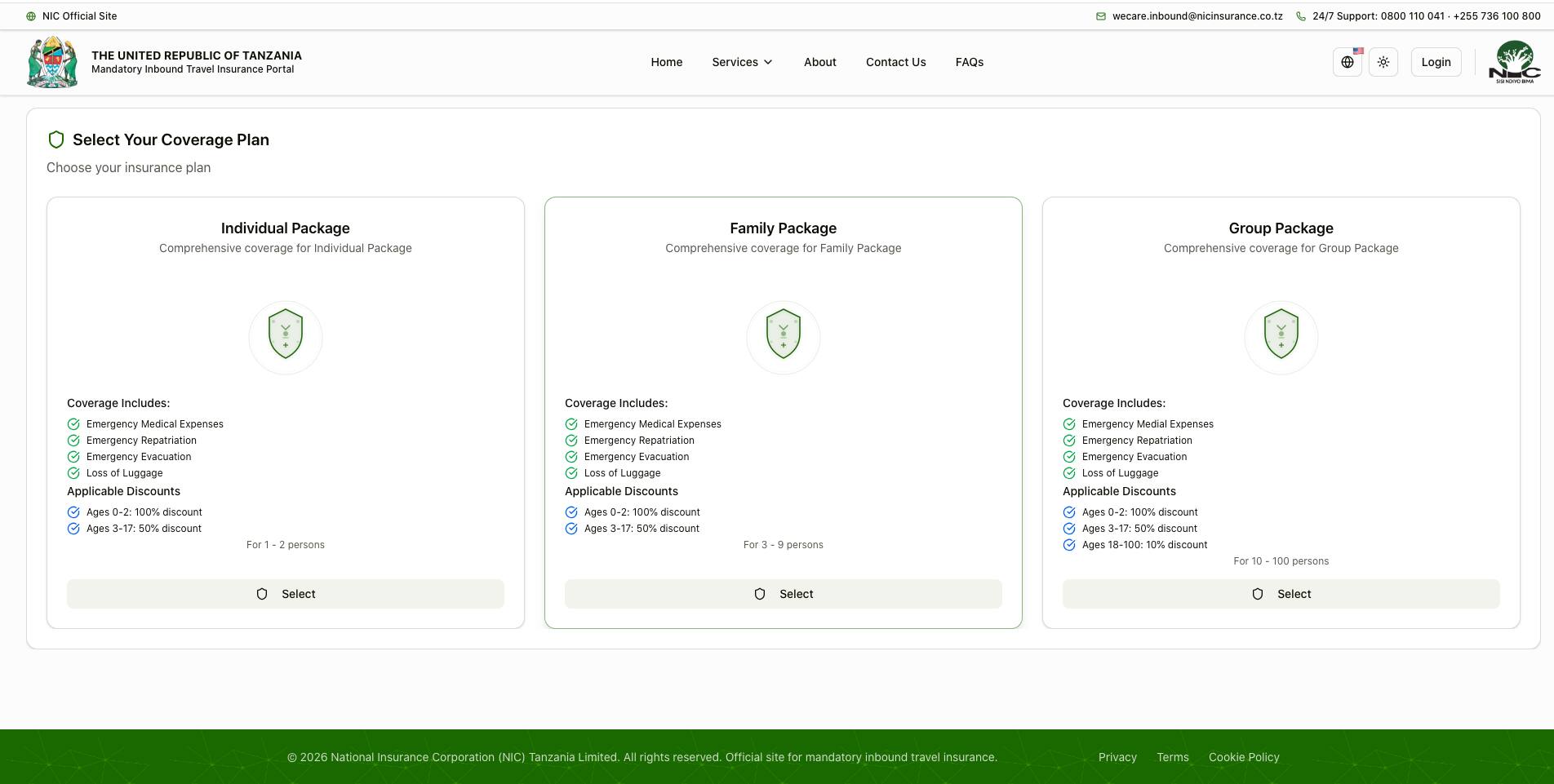
If you arrive at Kilimanjaro International Airport (JRO), Julius Nyerere International Airport (DAR), or any mainland border or seaport, you must apply through the National Insurance Corporation (NIC) portal. The standard adult policy is USD 44 per person, valid for up to 92 days and allows multiple entries. This requirement applies to most Kilimanjaro climbers, northern safari travelers, and anyone flying into JRO for a Machame Route climb or Serengeti migration safari.
Arriving in Zanzibar First
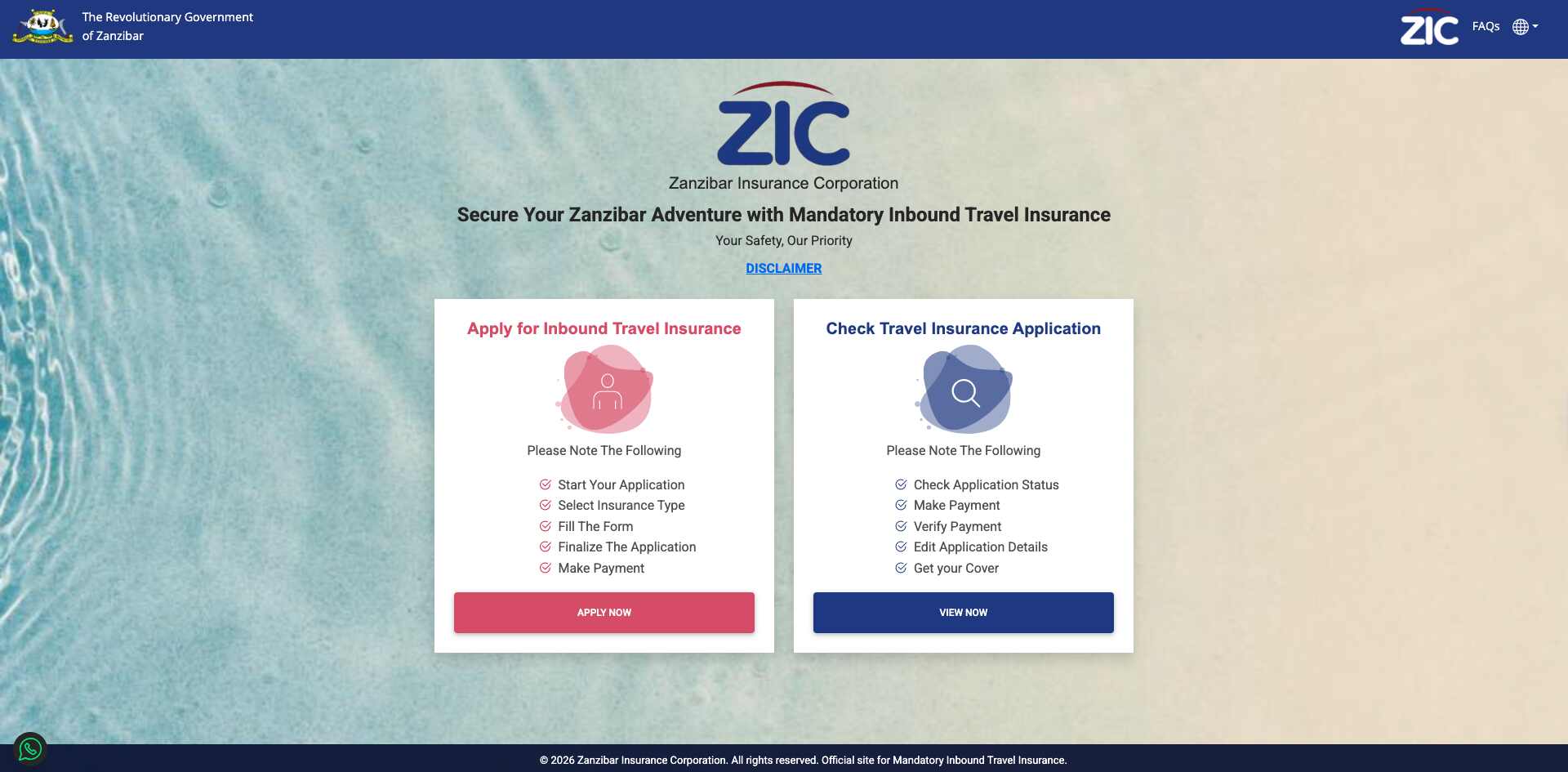
If you arrive directly at Abeid Amani Karume International Airport (ZNZ) or by sea, you must apply through the Zanzibar Insurance Corporation (ZIC) portal. The standard adult policy costs USD 44 per person and is valid for up to 92 days. This system has been in effect since October 2024 and applies to all foreign visitors to Zanzibar.
What If You’re Visiting Both?
Many travelers combine a Kilimanjaro climb or Serengeti safari with a Zanzibar beach visit. If you arrive on the mainland first and have valid NIC inbound insurance, you do not need a separate ZIC policy for Zanzibar. Similarly, if you arrive in Zanzibar first with valid ZIC insurance, you do not need a separate NIC policy for the mainland. Purchase the policy for your first entry point, keep your certificate accessible, and you will be covered for both destinations.
What Does the Policy Cover?
The mandatory inbound policy serves as a basic safety net rather than comprehensive trip protection. It provides essential emergency services in Tanzania, ensuring all foreign visitors can access basic medical care and evacuation if needed. Coverage includes emergency medical treatment, evacuation, repatriation (including remains), loss of luggage, personal accident and rescue operations, and 24/7 assistance.
However, the policy has significant limitations. It does not cover trip cancellation, high-altitude trekking above standard limits, adventure sports, or the broader protections offered by private travel insurance. If you plan to climb Kilimanjaro, the mandatory inbound policy alone will not provide adequate protection. You will need comprehensive travel insurance that specifically covers high-altitude trekking and helicopter evacuation.
Do You Still Need Your Own Travel Insurance?
Yes, you still need your own travel insurance, especially if you are climbing Kilimanjaro. The government-mandated inbound policy does not cover high-altitude trekking. Most standard policies exclude or limit coverage above 6,000 meters. Although Kilimanjaro’s summit is 5,895 meters, many insurers still restrict or exclude coverage for high-altitude trekking.
For Kilimanjaro Trekkers
Your travel insurance must cover trekking up to 6,000 meters or higher, helicopter evacuation, medical evacuation and repatriation, and trip cancellation for the full cost of the trip. Standard policies may not include these benefits. Review your policy wording and confirm with your insurer by asking: “Does this cover trekking to 5,895 meters on Kilimanjaro?” If the answer is unclear, select a policy that explicitly states this coverage.
For Safari Travelers
While safaris do not involve altitude risks, you still need emergency medical evacuation from remote areas, trip cancellation and interruption coverage, and protection for baggage loss or delay. Air ambulance costs can exceed 10,000 to 50,000. The mandatory inbound policy provides basic coverage but doesn’t cover all safari-related risks.
Recommended Providers
Popular providers of travel insurance for Tanzania include World Nomads, Allianz Global Assistance, IMG Global (noted for high-altitude coverage), and SafetyWing. Compare policies directly, as coverage for Kilimanjaro and safari activities varies. Always review the details and confirm your policy covers your planned activities.
How Much Does It Cost?
Inbound Travel Insurance costs vary by traveler type and the portal used. Standard adult coverage is USD 44 per person for both Mainland Tanzania and Zanzibar. Reduced premiums may be available for children and groups of 10 or more. Citizens of EAC and SADC member states are exempt from this requirement. For the latest child and group rates, please check the relevant portal before departure.
| Traveller Type | Cost |
|---|---|
| Standard adult | USD 44 per person |
| Children (varies by portal) | Reduced premium |
| Groups of 10+ | Reduced premium available |
| EAC/SADC citizens | Exempt |
How to Apply for Inbound Travel Insurance
Applying for Inbound Travel Insurance is simple. Complete the process before departure to prevent delays at the airport or border. Follow these steps:
Step 1: Identify your first point of entry as either Mainland Tanzania or Zanzibar.
Step 2: Access the appropriate portal. Use the NIC Inbound Travel Insurance portal for Mainland Tanzania or the Zanzibar inbound insurance portal for Zanzibar.
Step 3: Complete your application online before departure. This is strongly recommended, as it saves time and ensures your certificate is ready upon arrival.
Step 4: Save a digital copy of your certificate on your phone and print a physical copy as a backup.
Step 5: Keep your certificate accessible throughout your trip, as you may be asked to present it at various points.
Have you already booked your trip?
This requirement applies to all bookings, regardless of when you made them. If you booked your Kilimanjaro climb or safari before the regulation was announced, you still must purchase inbound insurance. This new government mandate is not included in your existing booking. Please include this cost in your travel budget and complete the application before departure.
Quick Checklist Before You Travel
- Determine your initial entry point: Mainland or Zanzibar.
- Purchase inbound travel insurance using the designated portal.
- Ensure your personal travel insurance covers Kilimanjaro trekking up to 6,000 meters.
- Confirm your policy includes emergency evacuation and repatriation coverage.
- Verify that trip cancellation coverage matches your total trip cost.
- Save both digital and printed copies of your inbound insurance certificate.
- Keep your insurance certificates accessible during your trip.
Conclusion: Prepare for Tanzania with Blessing Safaris
Once your insurance is arranged, you can focus on the highlights of your trip, such as reaching Uhuru Peak, experiencing a Serengeti sunrise, or exploring Stone Town. Preparation is key for travel to Tanzania, and understanding the new Inbound Travel Insurance requirement is an important step.
At Blessing Safaris, we guide our clients through every stage of their journey, including permits, logistics, insurance, and safety. Our local experts are available to answer your questions and offer support. Book your Kilimanjaro climb or Tanzania safari with Blessing Safaris, and let us help you prepare for an exceptional experience.
Frequently Asked Questions About Inbound Travel Insurance for Tanzania
What Is Inbound Travel Insurance for Tanzania?
Inbound Travel Insurance is a mandatory local policy for foreign visitors, required by the Tanzanian government. Starting 1 October 2026, all foreign visitors to Mainland Tanzania must have this insurance. Zanzibar has required it since October 2024. The policy provides basic emergency medical coverage, evacuation, and repatriation while in Tanzania. This government-mandated insurance ensures access to essential emergency services. It is separate from any existing travel insurance, so you must purchase this local policy even if you already have international coverage.
Who Needs Inbound Travel Insurance for Tanzania?
All foreign visitors to Mainland Tanzania and Zanzibar must have Inbound Travel Insurance, except citizens of East African Community (EAC) and Southern African Development Community (SADC) member states, such as Kenya, Uganda, Rwanda, South Africa, Zambia, and Mozambique. Citizens of these countries are exempt. All other foreign visitors, regardless of origin or purpose of visit, must purchase the policy.
How Much Does Inbound Travel Insurance Cost?
The standard adult Inbound Travel Insurance policy costs USD 44 per person for both Mainland Tanzania and Zanzibar. Reduced rates may be available for children and groups of 10 or more. Citizens of EAC and SADC member states are exempt. For current child and group rates, check the relevant portal before departure, as premiums may change.
Where Do I Apply for Inbound Travel Insurance?
The portal you use depends on your first point of entry. If you arrive in Mainland Tanzania first, including Kilimanjaro International Airport (JRO), Julius Nyerere International Airport (DAR), or any mainland border or seaport, apply through the National Insurance Corporation (NIC) portal. If you arrive in Zanzibar first, whether by air at Abeid Amani Karume International Airport (ZNZ) or by sea, use the Zanzibar Insurance Corporation (ZIC) portal. Complete your application online before departure to ensure you have your certificate when you arrive.
What Does Inbound Travel Insurance Cover?
The mandatory inbound policy provides basic coverage, including emergency medical treatment, evacuation, repatriation (including remains), loss of luggage, personal accident, rescue operations, and 24/7 assistance. It does not cover trip cancellation, high-altitude trekking above standard limits, adventure sports, or the broader protections of private travel insurance. Kilimanjaro climbers will still need comprehensive travel insurance that specifically covers high-altitude trekking and helicopter evacuation.
Do I Still Need My Own Travel Insurance for Kilimanjaro?
Yes, you still need your own travel insurance. The mandatory inbound policy is required by the government and does not cover high-altitude trekking. Your personal policy must specifically cover trekking up to 6,000 meters or higher, helicopter and medical evacuation, repatriation, and trip cancellation for the full cost of your trip. Do not assume standard policies include this coverage. Review your policy wording carefully and ask your insurer directly: “Does this cover trekking to 5,895 meters on Kilimanjaro?” If the answer is unclear, select a policy that explicitly confirms coverage.
Do I Need Inbound Travel Insurance If I Already Have Travel Insurance?
Yes. The Inbound Travel Insurance requirement is separate from your existing travel insurance. Even with a comprehensive international policy, you must purchase this local coverage when entering Mainland Tanzania. Your international policy provides broad protection, while inbound travel insurance meets Tanzanian government requirements and is necessary for a safe and compliant trip.
What Happens If I Don’t Have Inbound Travel Insurance?
Inbound travel insurance is mandatory. Without it, you may be denied entry or face complications at the airport or border. To avoid delays, purchase your policy before departure and keep your certificate accessible. If you are unsure about requirements or the correct portal, consult your tour operator or the relevant government website.
What If I’m Visiting Both Mainland Tanzania and Zanzibar?
If you arrive on the mainland first with valid NIC inbound insurance, you do not need a separate ZIC policy for Zanzibar. If you arrive in Zanzibar first with valid ZIC insurance, you do not need a separate NIC policy for the mainland. Purchase the policy for your first entry point, keep your certificate accessible, and you will be covered for both destinations.
When Does the Inbound Travel Insurance Requirement Take Effect?
The requirement for Mainland Tanzania takes effect on 1 October 2026. For Zanzibar, it has been in effect since October 2024. If you travel to Tanzania after these dates, you must have Inbound Travel Insurance, regardless of when you booked your trip. Even if you reserved your Kilimanjaro climb or safari before the regulation took effect, you still need to purchase the policy.
What Is the Validity Period of Inbound Travel Insurance?
The standard Inbound Travel Insurance policy is valid for up to 92 days and allows multiple entries. This covers most Kilimanjaro climbs, safaris, and beach holidays, including visits to neighboring countries. For longer stays, consult the relevant portal for extended coverage options.
Can I Buy Inbound Travel Insurance on Arrival?
You may be able to purchase Inbound Travel Insurance on arrival, but we strongly recommend applying online before departure. This saves time, ensures you have your certificate upon arrival, and helps avoid delays. Applying online also lets you review policy details and confirm your coverage meets your needs.
Does Inbound Travel Insurance Cover Safari Activities?
The mandatory inbound policy provides basic emergency medical coverage, evacuation, and repatriation, but it does not cover all risks related to safari activities. Safari travelers should ensure they have coverage for emergency medical evacuation from remote areas, trip cancellation or interruption, and baggage loss or delay. A comprehensive travel insurance policy is recommended in addition to the mandatory inbound policy.
Are Children Exempt from Inbound Travel Insurance?
Children are not exempt from the requirement, but they may qualify for a reduced premium depending on the portal. Check the applicable portal for current child pricing. Citizens of EAC and SADC member states are exempt from the requirement regardless of age.
How Do I Prove I Have Inbound Travel Insurance?
After purchasing your policy, you will receive a certificate. Save a digital copy on your phone and print a physical copy as a backup. Present your certificate if asked during your journey, and keep it accessible throughout your trip. You may be asked to show it at the airport, at the border, or at other points during your travels.
What Should I Do If I’ve Already Booked My Trip?
This requirement applies regardless of when you booked. If you reserved your Kilimanjaro climb or safari before the regulation was announced, you still must purchase inbound insurance. It is a new government requirement, and its cost is not included in your existing booking. Make sure to factor this into your travel budget and complete the application before departure.
BOOK YOUR CLIMB NOW
Inbound Travel Insurance Tanzania
You May Also Like
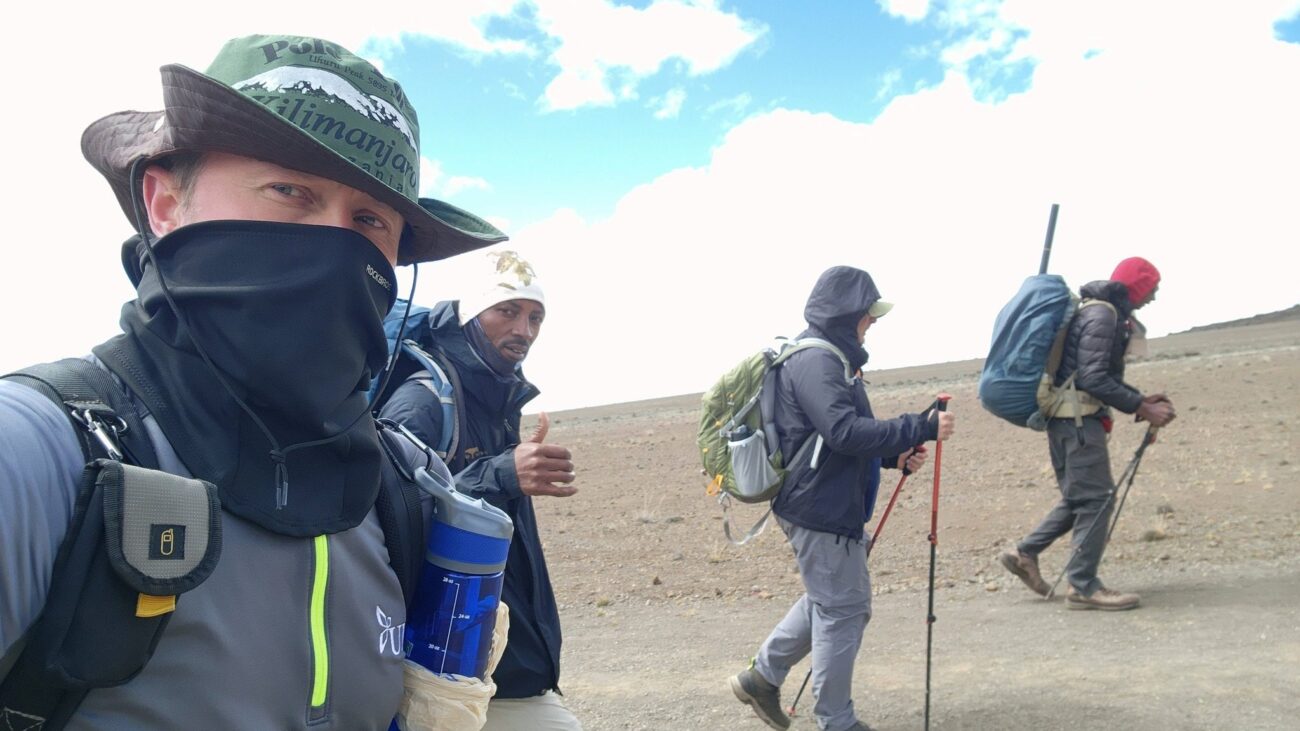
Climbers from the Lemosho route meet up with the climbers from the Machame route at the junction near the Lava Tower. The 8-day Lemosho route is the best choice for people with enough time to spend on the mountain.
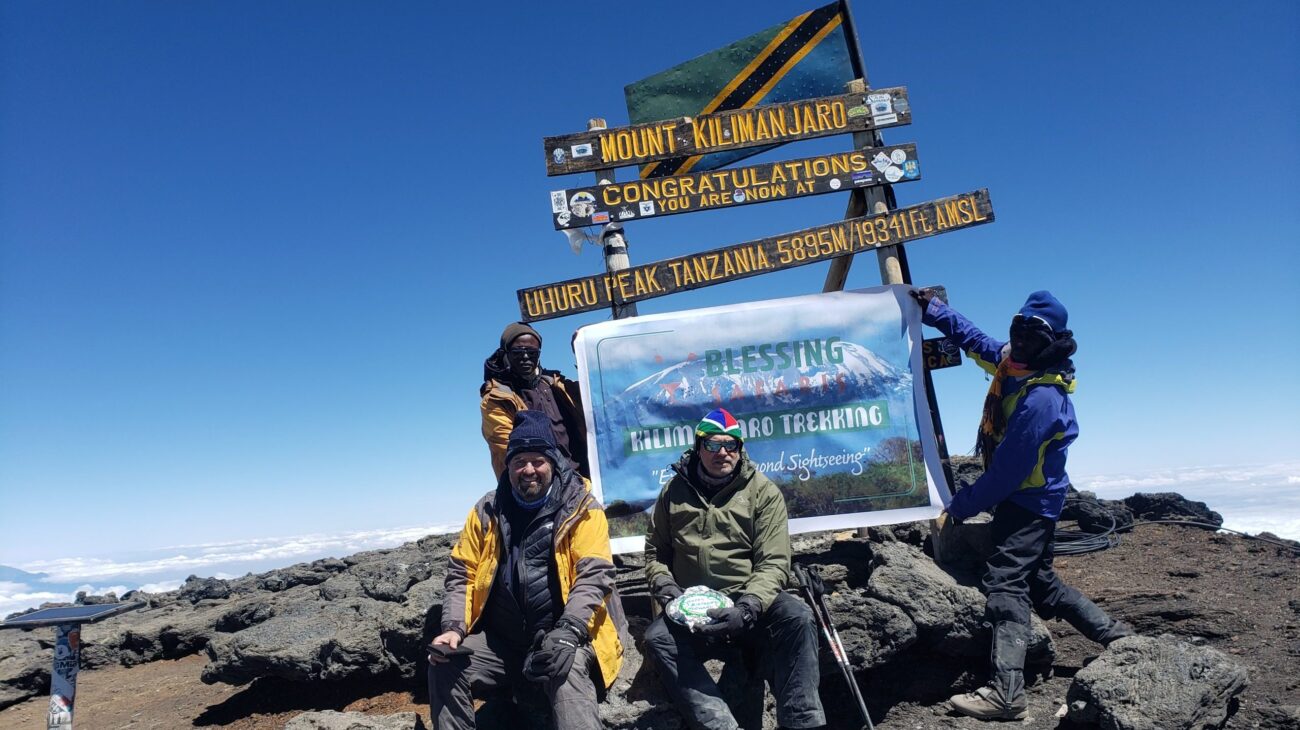
The Machame Route takes a minimum of six days, but seven days is recommended for better acclimatization. The trek begins at Machame Gate 1800 m southwest of the mountain, and ends at Mweka Gate, southeast of the mountainside.
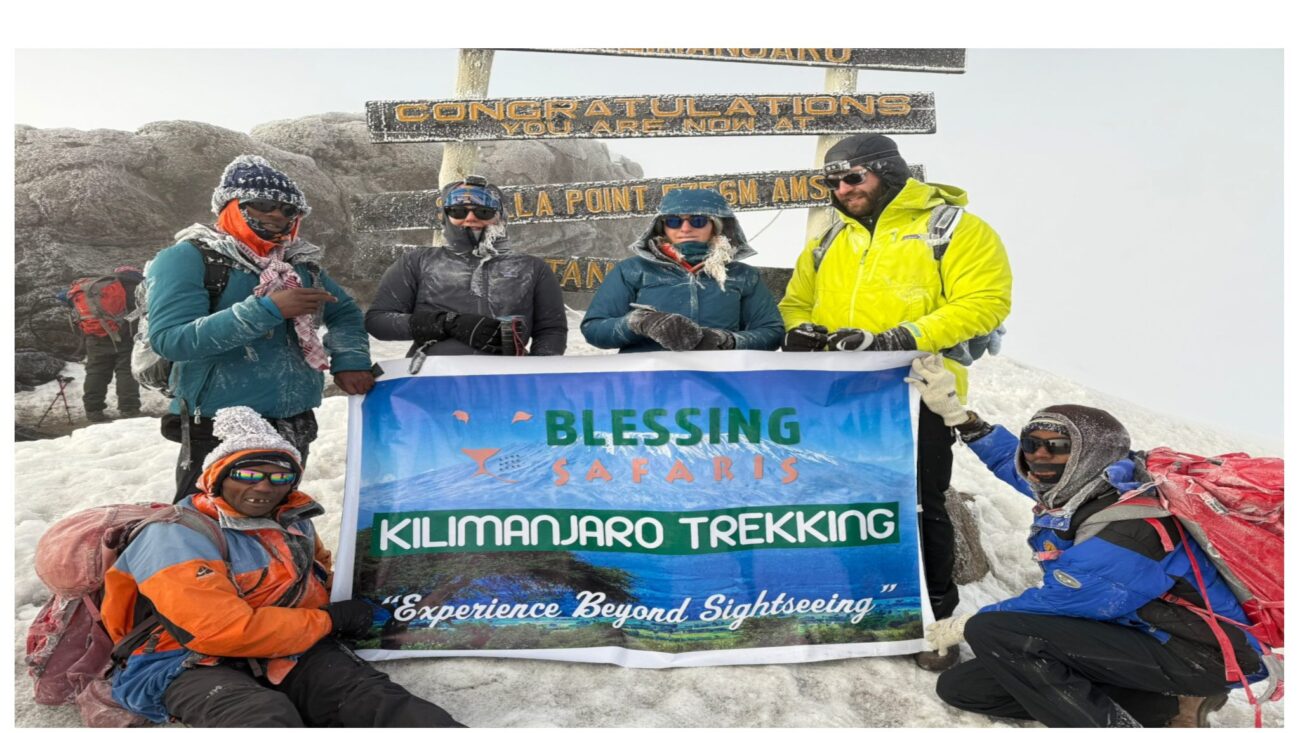
We offer six (6) days of Marangu route experience to Mount Kilimanjaro. The Marangu Route is also known as the “Coca-Cola Route”.
Marangu is the park’s headquarters and the easiest route on the mountain