
Kilema Route Kilimanjaro
The Kilema Route is a distinctive addition to Mount Kilimanjaro’s climbing options, allowing cyclists to ascend Africa’s highest peak by bike. As the only designated mountain biking route, it offers a new way to experience Kilimanjaro, combining the challenge of cycling with the mountain’s diverse scenery. Previously, mountain bikers had to share the Marangu Route with trekkers, creating logistical and safety concerns.
The Kilema Route spans about 64 kilometers and gives cyclists a unique view of Kilimanjaro’s varied ecosystems, from rainforest to alpine desert. Cyclists usually meet their porters at Horombo huts to coordinate equipment and supplies before starting the ascent. For those not aiming for Uhuru Peak, alternative routes from Londorossi Gate to Morum Picnic Site offer a combined 44-kilometer ride through scenic areas.
The Kilema Route was created specifically for biking tours and cycling expeditions, ensuring a safe experience for cyclists and preserving traditional trekking routes. As with all Kilimanjaro climbs, taking extra time for acclimatization is strongly recommended to reduce the risk of altitude sickness and increase the likelihood of summit success.
Location and Route Description
The Kilema Route runs along the southern slopes of Mount Kilimanjaro, starting at the Kilema Gate and passing through the rainforest and moorland zones before joining the Marangu Route for the final ascent to Uhuru Peak. The route is remote, scenic, and less crowded than the traditional climbing paths, offering cyclists a peaceful and immersive experience on the mountain.
The typical cycling tour begins early in the morning, around 8:00 AM, at the Marangu Gate, where cyclists complete the necessary registration formalities to enter Kilimanjaro National Park. After registration, participants drive west for approximately one hour to the Kilema Gate, where the cycling adventure officially begins.
From the Kilema Gate, cyclists ride 8 kilometers to Kilema Cave, an endurance-building section that gradually increases in altitude as it passes through the lush rainforest zone. The trail edges closer to the moorland zone as cyclists approach Kilema Cave, offering glimpses of the diverse ecosystems that characterize Kilimanjaro’s lower slopes. Since the Kilema Route is relatively new, it has less traffic, offering a remote, scenic experience ideal for cyclists seeking solitude and adventure.
Summiting and Descending via the Kilema Route
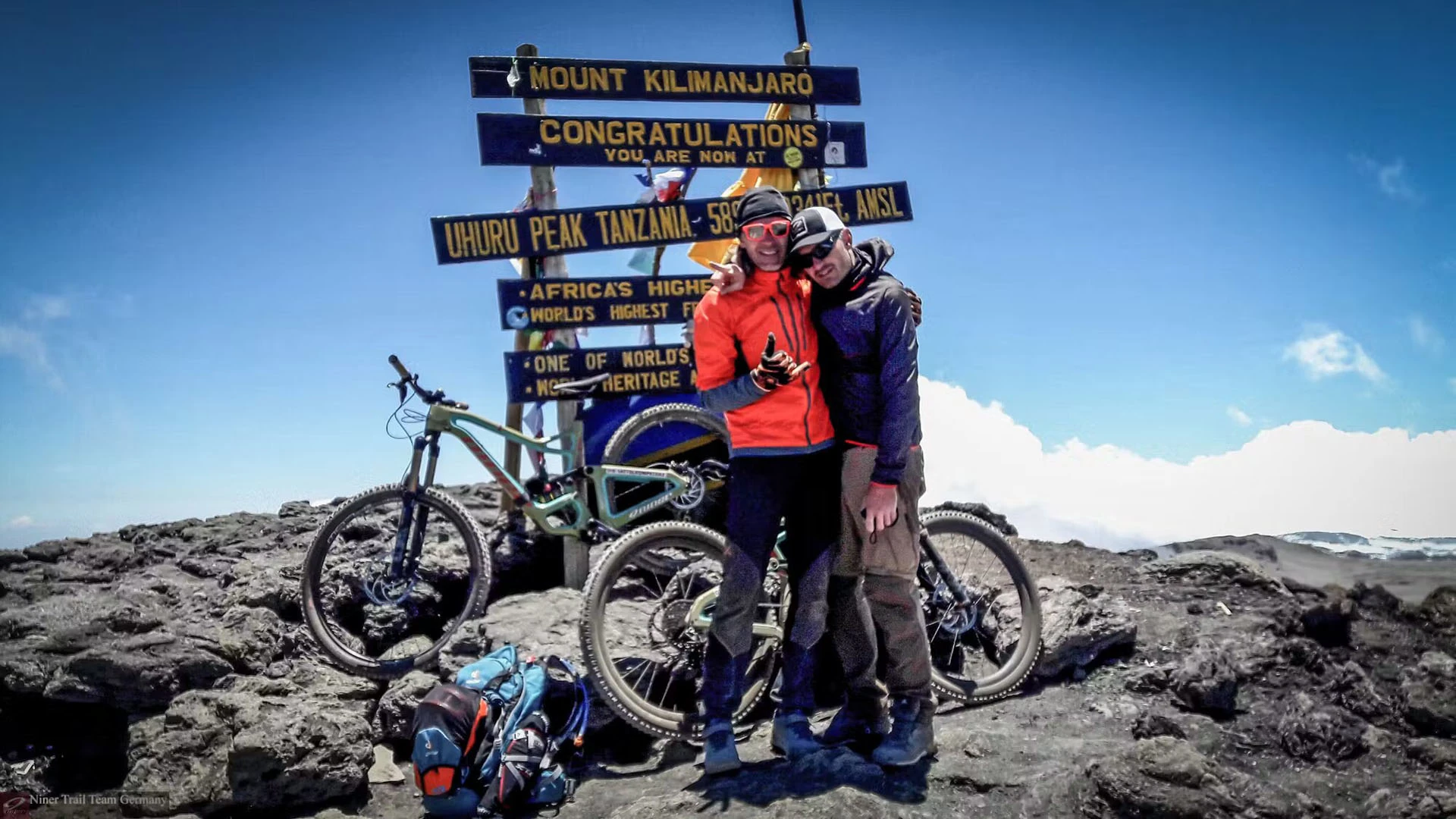
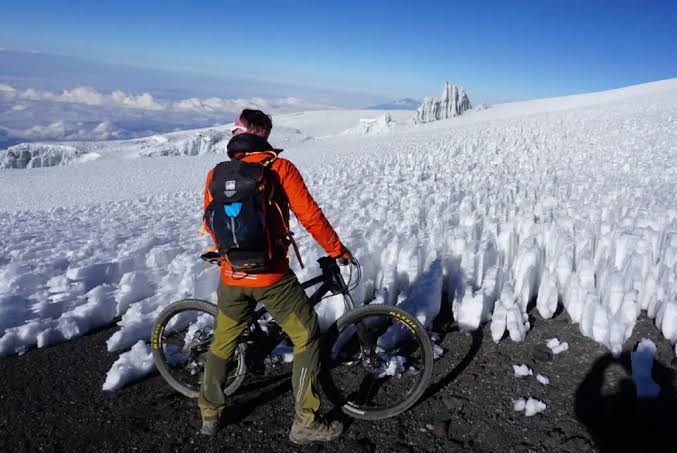
The summit attempt for Uhuru Peak starts in Horombo, where cyclists join the Marangu Route for the final ascent. Summit day requires cycling, trekking, and pushing bikes over challenging terrain, especially on the scree slopes near the crater rim. Reaching Uhuru Peak by mountain bike is a notable achievement and offers a unique perspective of Africa’s highest point.
The descent follows the same route back to Horombo, where cyclists rejoin the Kilema Route for the final ride to Kilema Gate. This section features a dynamic journey through varied ecosystems, from alpine desert to lush rainforest. Exiting at Kilema Gate, cyclists complete their adventure with a strong sense of accomplishment after conquering Kilimanjaro by bike.
Kilema Route Acclimatization
Acclimatization is essential for Kilimanjaro expeditions, especially for high-altitude cycling, which demands thorough preparation. Blessing Safaris offers a Kilema Route acclimatization hike from Marangu Gate to Mandara Hut Camp, giving cyclists a chance to trek before starting the cycling route. This hike helps reduce the risk of altitude sickness by allowing gradual adjustment to higher elevations.
The acclimatization hike allows participants to explore Kilimanjaro’s rainforest zone on foot, building fitness and confidence before the cycling tour. Spending time at altitude in advance helps reduce the risk of altitude-related illness and supports a safer, more enjoyable experience on the mountain.
How Long Does the Kilema Route Take?
Blessing Safaris offers a 5-day Kilema Route cycling tour, providing ample time for acclimatization, cycling, and rest. The itinerary covers the ascent through rainforest and moorland zones, a summit attempt, and the descent to Kilema Gate, maximizing participants’ chances of reaching the summit and enjoying the journey.
Why Does Kilimanjaro Cycling Cost More Than Hiking?
Kilimanjaro biking and cycling tours generally cost more than hiking expeditions. This is due to the required $500 per-person cycling permit, standard park fees, and the need for additional crew members to transport bikes and supplies. The higher costs reflect specialized equipment, extra permits, and a larger support team.
Accommodation on the Kilema Route
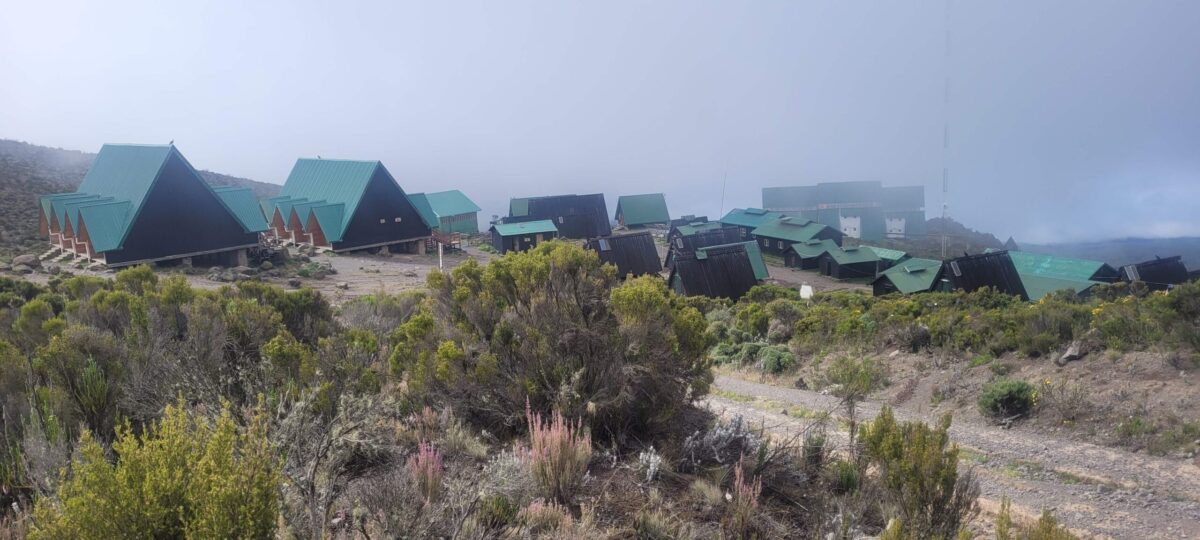
On the first night of cycling via the Kilema Route, participants stay in tents at Kilema Cave and Campsite, providing a comfortable camping experience in the rainforest. For the remainder of the journey, accommodation is in huts at Horombo and Kibo. Horombo Hut accommodates up to 120 people with 120 bunk beds, while Kibo Huts offer 60 bunk beds across 6 to 8 huts.
The huts are solar-powered and equipped with flush toilets, with ample water supplied from a nearby stream. These amenities offer comfort and convenience, supporting rest and recovery between cycling stages.
Final Remarks
The Kilema Route offers a distinctive, exciting way to experience Mount Kilimanjaro, combining mountain biking with some of the best views of Africa’s highest peak. The route takes you from lush rainforests to the alpine desert near the summit, offering a varied and immersive adventure.
Choosing Blessing Safaris ensures a high-quality cycling experience, with certified mountain bike guides, dedicated support staff, and comprehensive safety measures to ensure your comfort and success. We invite you to explore our full range of Kilimanjaro biking tours and climbing routes.
Frequently Asked Questions About the Kilema Route
What Is the Kilema Route on Kilimanjaro?
The Kilema Route is a special route on Mount Kilimanjaro designated for mountain biking and cycling adventures. It is the only route specifically designed for cyclists to reach the summit of Africa’s highest peak.
Where Is the Kilema Route Located?
The Kilema Route is located on the southern slopes of Mount Kilimanjaro, beginning at Kilema Gate and traversing the rainforest and moorland zones before joining the Marangu Route to reach the summit.
How Long Is the Kilema Route?
The Kilema Route measures approximately 19 kilometers (12 miles) in length, though alternative cycling adventures from Londorossi Gate or Morum Picnic Site total 44 kilometers.
What Is the Best Time to Cycle the Kilema Route?
The best time for Kilimanjaro cycling tours is during the dry seasons: June to October and December to March. These periods offer stable weather and clearer conditions.
Do I Need a Permit to Cycle the Kilema Route?
Yes. Cycling on Mount Kilimanjaro requires a special cycling permit, which costs $500 per person in addition to standard park fees.
How Long Does the Kilema Route Cycling Tour Take?
Blessing Safaris offers a 5-day Kilema Route cycling tour that takes a day to summit and descend.
What Is the Recommended Group Size for Kilimanjaro Cycling?
Smaller groups of around 10 people are recommended for Kilimanjaro cycling tours. Larger groups can be arranged with advance notice.
What Accommodation Is Available on the Kilema Route?
Accommodation on the first night is in tents at Kilema Cave and Campsite. The rest of the journey offers hut accommodation at Horombo and Kibo Huts, with solar-powered lighting and flush toilets.
Is Acclimatization Necessary for the Kilema Route?
Yes. Adding an extra day or more for acclimatization is strongly recommended. Blessing Safaris offers an acclimatization hike from Marangu Gate to Mandara Hut Camp.
Can I Cycle the Entire Kilema Route?
You will pedal most of the time, but there are some sections where you will need to trek and push your bike to conserve energy, particularly on the scree slopes near the summit.
What Equipment Do I Need for Kilimanjaro Cycling?
You will need a mountain bike, cycling gear, warm clothing, rain gear, and personal items. Porters will transport equipment and supplies between camps.
How Does the Kilema Route Compare to Other Kilimanjaro Routes?
The Kilema Route is the only route specifically for cycling. It is remote, scenic, and less crowded than the traditional climbing routes, offering a unique adventure for cyclists.
Is the Kilema Route Safe?
Yes, with proper preparation and experienced guides. The route is designed for cycling and is managed by certified mountain bike guides who ensure safety throughout the journey.
What Is the Summit Experience Like on the Kilema Route?
Reaching Uhuru Peak on a mountain bike is a remarkable achievement, offering a unique perspective on Africa’s highest point. The summit day involves a combination of cycling, trekking, and pushing bikes over challenging terrain.
Why Is Kilimanjaro Cycling More Expensive Than Hiking?
Cycling tours cost more due to the special cycling permit ($500 per person), the need for more climbing crew members to transport bikes and supplies, and the specialized equipment required.
. BOOK YOUR CLMB NOW
Kilema Route Kilimanjaro
You May Also Like
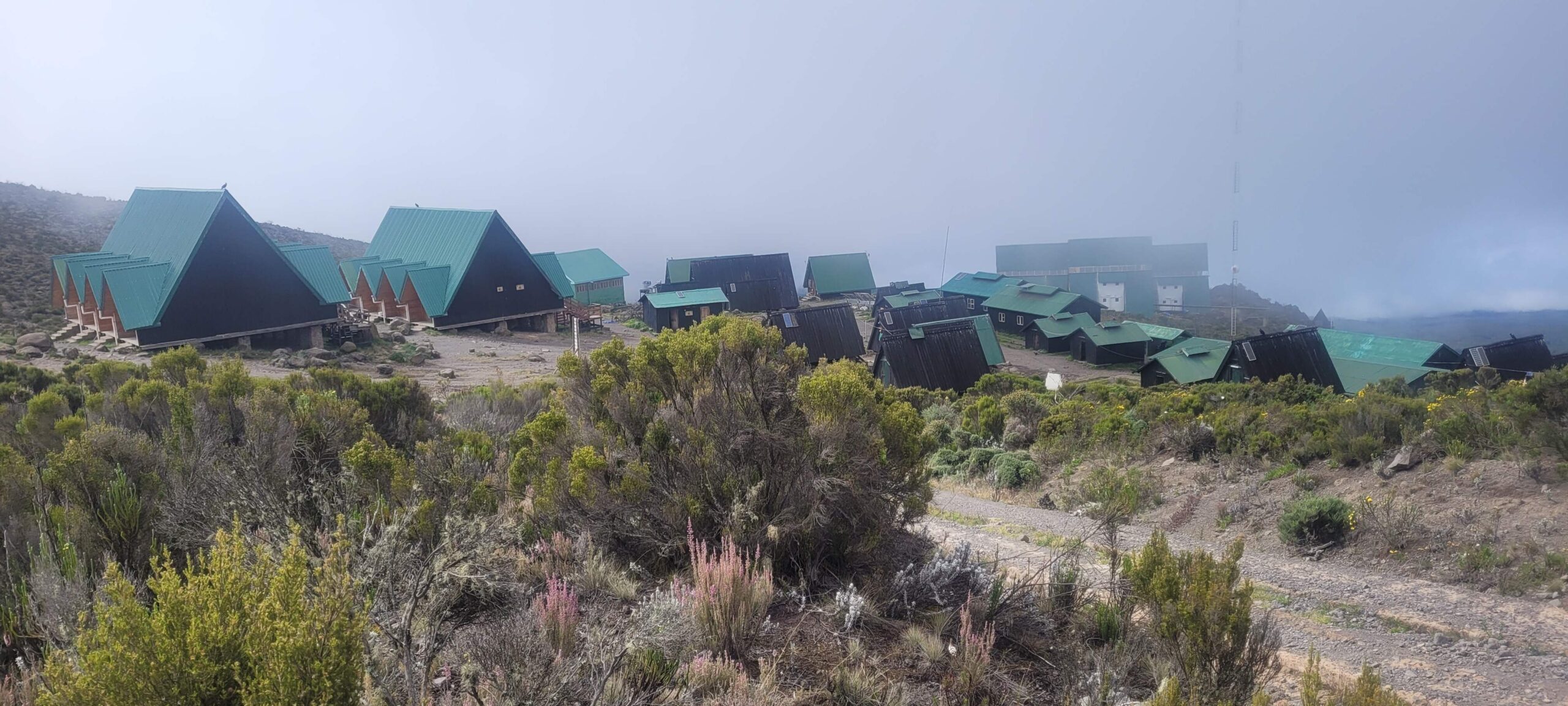
Horombo Hut is the key campsite for climbers on Mount Kilimanjaro’s Marangu Route. Located at 3,720 meters (12,205 feet) on a broad alpine plateau, it provides a vital stop for acclimatization and preparation before the summit attempt.
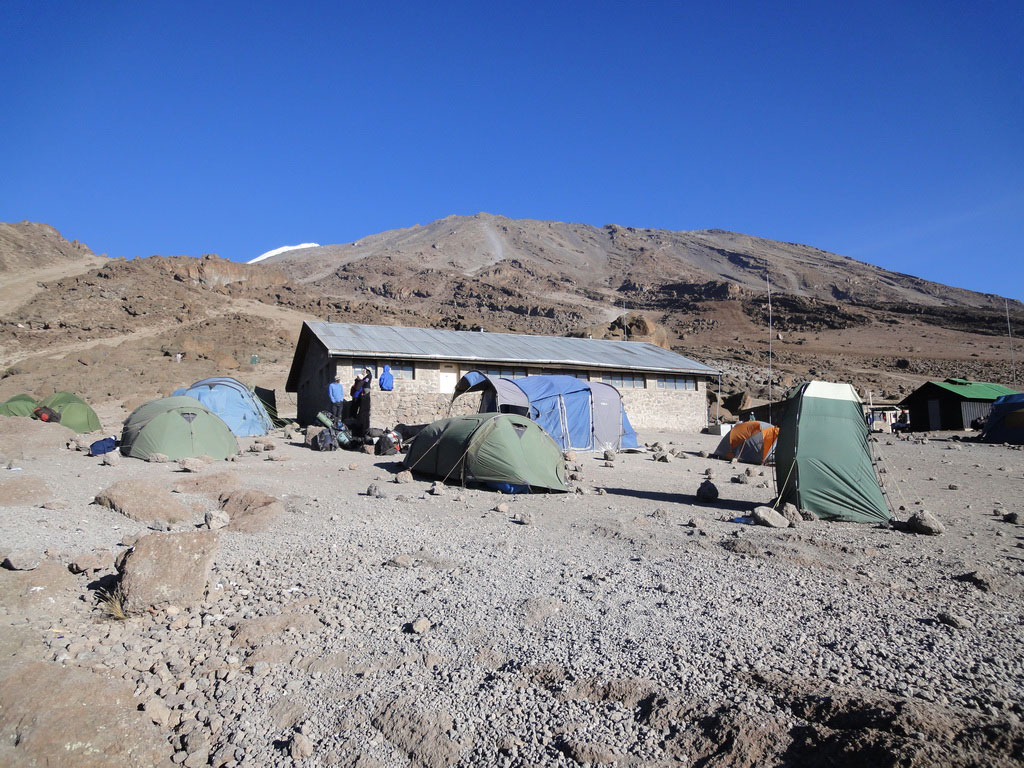
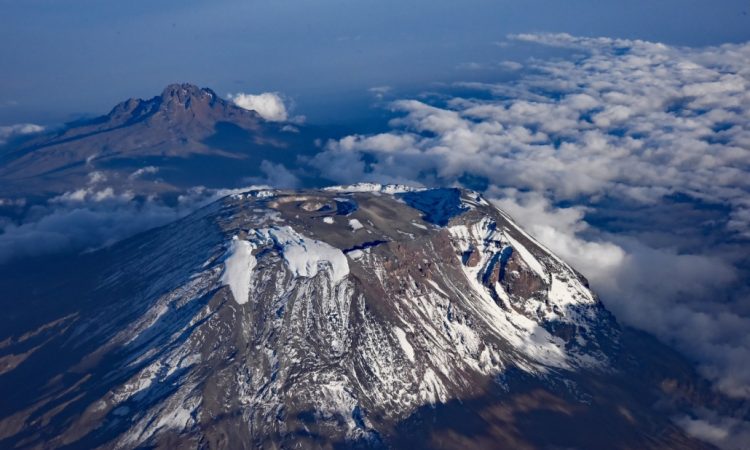
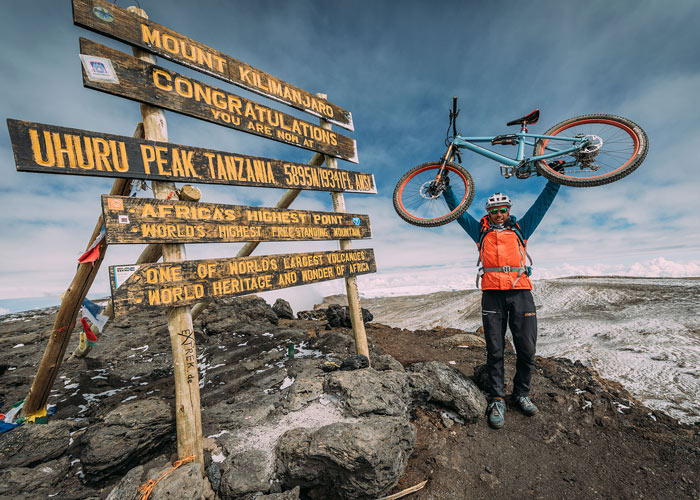
Kibo Peak is the highest point on Mount Kilimanjaro and the African continent, attracting thousands of climbers to Tanzania each year. Situated in the mountain’s arctic zone, this dormant volcanic cone rises to 5,895 meters (19,341 feet), making it the tallest of Kilimanjaro’s three peaks and the highest summit in Africa.