
Mandara Huts Kilimanjaro
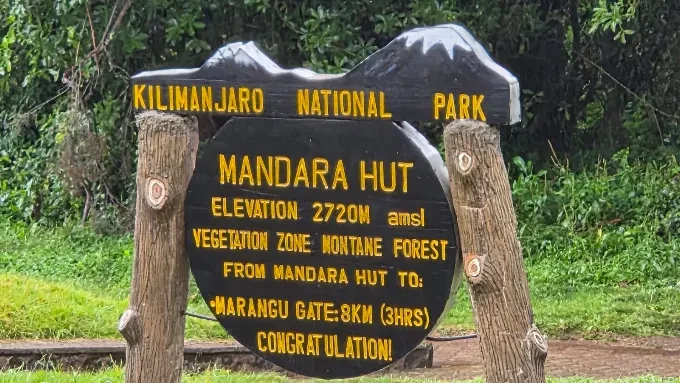
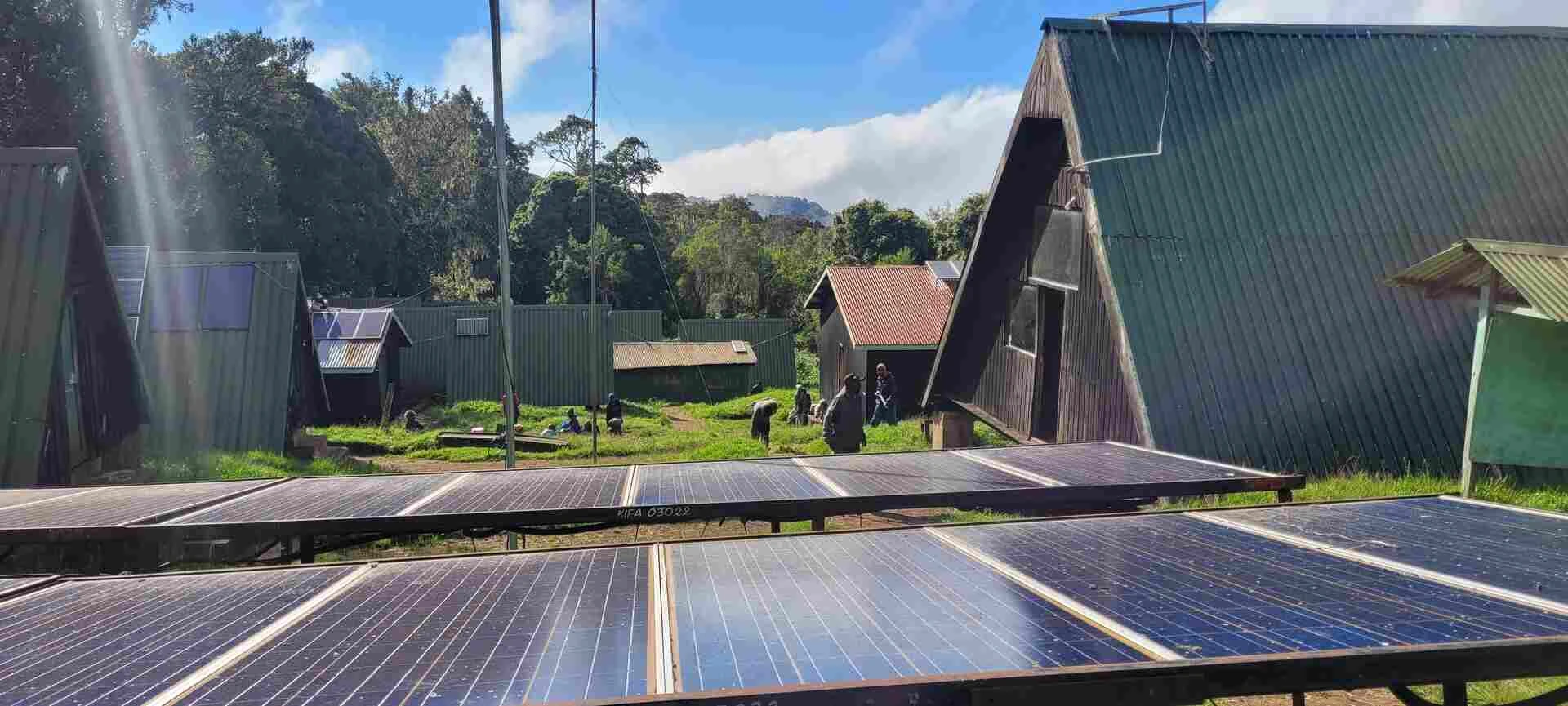
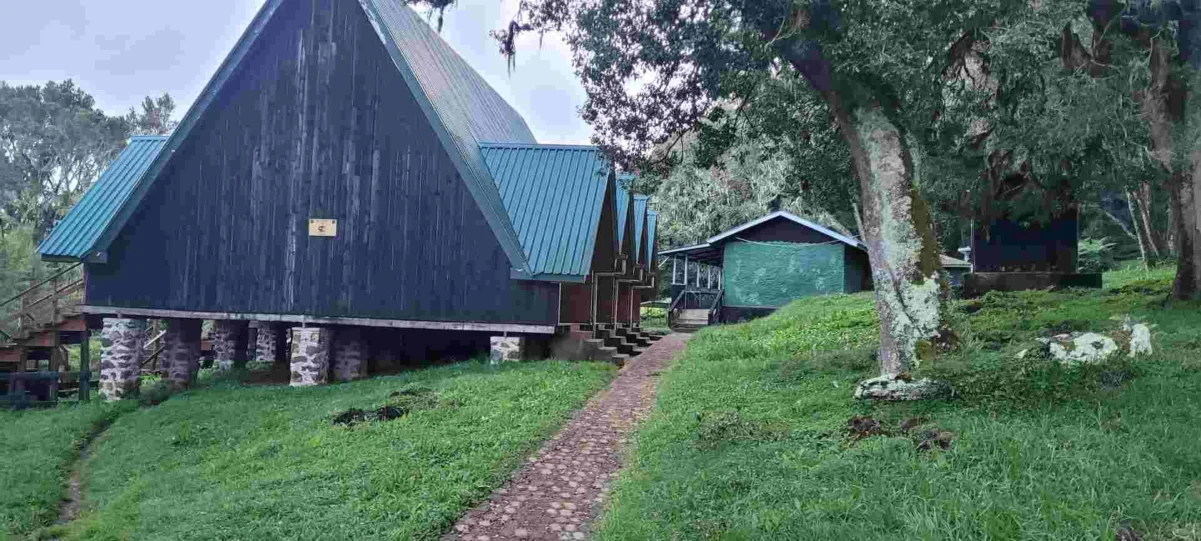
Mandara Huts Camp is the first overnight stop on the Marangu Route and one of the few campsites on Mount Kilimanjaro that offers hut accommodation instead of tents. At 2,720 meters in the rainforest zone, the camp features distinctive A-shaped wooden cabins that welcome climbers after their initial trek from Marangu Gate.
For many, Mandara Huts marks the start of their Kilimanjaro journey, introducing them to the mountain’s ecosystems and the challenges ahead.
Mandara Huts stands out for its accommodation style. The camp offers wooden cabins that house six to eight people each, accommodating up to 60 climbers. This arrangement eliminates the need to carry or pitch tents, reducing equipment and making the climb more accessible for those who prefer beds over sleeping mats.
The huts are simple yet functional, offering shelter from frequent rainfall and a comfortable place to rest before the next ascent.
In addition to accommodation, Mandara Huts Camp provides several facilities for climbers. The mess hall serves as a communal dining area, while the ranger’s office manages registration for arrivals and departures.
A separate house is designated for porters and guides, highlighting the support crew’s essential role. Shared toilets, including W.C.s and pit latrines, are centrally located. Although rooms are not self-contained, the facilities are more developed than at many other camps on the mountain.
Location of Mandara Huts Camp
Mandara Huts Camp is located in the rainforest zone on the southern side of Mount Kilimanjaro, about three hours from the Marangu Gate. Large trees surround the site, forming a natural canopy that provides shade and protection from the weather.
This area is rich in wildlife and receives significant rainfall, resulting in wet, slippery paths and higher humidity than in other parts of the mountain. Despite the moisture, temperatures remain moderate, making the rainforest zone one of the more comfortable areas on Kilimanjaro.
The campsite’s rainforest setting immerses climbers in a vibrant ecosystem. Dense vegetation, tall trees, and abundant birdlife make this area a highlight of the first day on the Marangu Route. About one kilometer above Mandara Huts is Maundi Crater, which offers excellent views of the mountain peak and the rainforest below.
Mandara Huts Camp’s location on the southern slopes provides convenient access to the Marangu Gate, the main entry for the Marangu Route. The next campsite is Horombo Huts at about 3,720 meters. There is no prior camp before Mandara Huts; the Marangu Gate serves as the starting point for the climb
Mandara Huts Map
Facilities at Mandara Huts Camp
Mandara Huts Camp provides facilities for climbers’ first night on the mountain. The A-shaped wooden cabins accommodate six to eight people and include bunk beds and basic amenities. Unlike camps on other routes, Mandara Huts offers permanent structures that protect climbers from frequent rain and cool rainforest temperatures.
The mess hall serves as the dining area, offering a communal space for climbers to enjoy meals prepared by their porters and connect with fellow trekkers. The ranger’s office manages administration and registration to ensure all climbers and crew are accounted for. Porters and guides are accommodated in a separate building near the climbers they support.
Mandara Huts offers shared toilet facilities, including W.C.s and pit latrines in the center of the camp. Rooms do not have en-suite bathrooms, but the shared facilities are well maintained and functional. A reliable water source near the stream ensures consistent service, making Mandara Huts one of the best-serviced camps on the mountain.
The Rainforest Zone at Mandara Huts Camp
Mandara Huts Camp is located in Mount Kilimanjaro’s rainforest zone, the lowest and most biologically diverse of the mountain’s five ecological zones. The area features dense vegetation, tall trees, mosses, ferns, and a wide variety of plant and animal life. This zone receives the most rainfall on the mountain, resulting in a humid environment that supports abundant wildlife.
Climbers at Mandara Huts often encounter diverse wildlife, including black-and-white colobus monkeys, blue monkeys, and many bird species. The forest is filled with birdsong, monkey calls, and rustling leaves, offering a vibrant natural experience. While the wet, slippery paths require caution, the lush environment rewards careful exploration.
The rainforest zone marks the transition from the cultivated lower slopes to the more remote, wild environments at higher elevations. This gradual change helps climbers acclimatize while letting them appreciate the beauty of Kilimanjaro’s lower forest.
One-Day Hike to Mandara Hut
A one-day hike to Mandara Hut is an excellent option for those who want to experience Kilimanjaro without completing the full climb. The round trip from Moshi Town takes approximately 8 to 9 hours, making it suitable for fit hikers.
The drive from Moshi to Marangu Gate is about one hour, followed by a three- to four-hour hike to Mandara Hut.
This day hike provides an excellent introduction to Kilimanjaro’s rainforest zone. Hikers may see black-and-white colobus monkeys, blue monkeys, and various bird species along the trail.
The route passes through dense forest and offers the option to visit Maundi Crater for impressive views of the mountain and rainforest. The descent from Mandara Hut to Marangu Gate takes two to three hours, followed by the return drive to Moshi.
The hike ascends from 1,860 meters at Marangu Gate to 2,700 meters at Mandara Hut, covering approximately 8 kilometers each way. The ascent takes 3 to 4 hours, and the descent takes 2 to 3 hours, for a total of 5 to 7 hours in the rainforest.
Advantages and Disadvantages of Mandara Huts Camp
A key advantage of Mandara Huts Camp is the permanent accommodation, which removes the need for tents. This reduces the equipment climbers must carry and avoids pitching tents in wet, muddy conditions. The camp also offers a reliable water source from a nearby stream for cooking, drinking, and hygiene.
The mess hall offers a comfortable dining area, and the ranger’s office supports effective administration. The rainforest setting provides a scenic environment with abundant wildlife, making Mandara Huts Camp a highlight of the Marangu Route.
There are also some disadvantages. Climbers are responsible for bringing their own meals, though porters usually prepare them in the mess hall. Additionally, since tents are not required, space for tent camping is limited, which may not suit those who prefer this option.
Remarks
Mandara Huts Camp offers a unique and welcoming introduction to the Marangu Route, combining the comfort of hut accommodation with the beauty of Kilimanjaro’s rainforest zone.
The A-shaped cabins, mess hall, ranger’s office, and reliable water source make it one of the mountain’s better-equipped camps, while the surrounding rainforest offers a rich, immersive natural experience.
Choosing Blessing Safaris ensures a high-quality trekking experience on the Marangu Route, with licensed guides, dedicated support staff, and comprehensive safety measures to ensure your comfort and success on the mountain.
Visit the Mount Kilimanjaro Climbing Packages page to explore our Kilimanjaro climbing packages, Tanzania safari adventures, and custom trekking experiences.
Frequently Asked Questions About Mandara Huts Camp
What Is Mandara Huts Camp?
Mandara Huts Camp is the first overnight stop on the Marangu Route of Mount Kilimanjaro, located at 2,720 meters. It offers A-shaped wooden cabin accommodation for climbers, with a capacity of approximately 60 people.
Where Is Mandara Huts Camp Located?
Mandara Huts Camp is situated on the southern side of Mount Kilimanjaro, in the rainforest zone, approximately three hours from the Marangu Gate.
What Is the Elevation of Mandara Huts Camp?
Mandara Huts Camp sits at 2,720 meters (8,924 feet) above sea level, placing it within the rainforest vegetation zone.
What Facilities Are Available at Mandara Huts Camp?
Mandara Huts Camp offers A-frame wooden cabins, a mess hall, a ranger’s office for registration, and separate accommodation for porters and guides. Shared W.C.s and pit latrines are located in the center of the camp.
Which Route Uses Mandara Huts Camp?
Mandara Hut serves as the first overnight stop for climbers on the Marangu Route. It is not typically used for descent, as climbers proceed directly to the exit gates.
What Is the Capacity of Mandara Huts Camp?
The camp can accommodate approximately 60 climbers at full capacity, with each cabin housing 6 to 8 people.
What Wildlife Can Be Seen at Mandara Huts Camp?
The rainforest zone around Mandara Huts is home to black-and-white colobus monkeys, blue monkeys, and many bird species. The camp is surrounded by lush vegetation and abundant wildlife.
How Long Does It Take to Reach Mandara Huts Camp?
The hike from Marangu Gate to Mandara Hut takes 3 to 4 hours, while the descent takes 2 to 3 hours. The total hike time is 5 to 7 hours.
Can I Do a Day Hike to Mandara Hut?
Yes. A one-day hike from Marangu Gate to Mandara Hut and back takes approximately 8 to 9 hours, including travel from Moshi. It offers a wonderful introduction to Kilimanjaro’s rainforest.
What is the next campsite after Mandara Huts Camp?
The next campsite after Mandara Huts is Horombo Huts, located at approximately 3,720 meters. There is no previous camp before Mandara Huts, only the Marangu Gate.
Is Water Available at Mandara Huts Camp?
Yes. Mandara Huts Camp has a regular water source near the stream, ensuring a reliable supply for cooking, drinking, and basic hygiene.
What Should I Bring to Mandara Huts Camp?
Essential items include warm clothing, rain gear, sturdy hiking boots, a headlamp, water bottles, and personal items. Since meals are prepared by porters, climbers do not need to carry cooking equipment.
What Is the Climate Like at Mandara Huts Camp?
The camp experiences a rainforest climate with abundant rainfall and high humidity. Temperatures are relatively good compared to other regions of the mountain, though pathways can be wet and slippery.
Why Is Mandara Huts Camp Important?
Mandara Huts Camp is the first overnight stop on the Marangu Route, providing hut accommodation and facilities that make the climb more accessible. It also offers a chance to experience Kilimanjaro’s rich rainforest ecosystem.
What Are the Advantages of Mandara Huts Camp?
The main advantages are that tents are not necessary, there is a regular water source, and the camp offers hut accommodation with a mess hall and ranger’s office.
What Are the Disadvantages of Mandara Huts Camp?
Climbers must rely on porters to carry and prepare meals, and there is not enough space to pitch tents at the campsite.
. BOOK YOUR CLMB NOW
Mandara Hut Kilimanjaro
You May Also Like
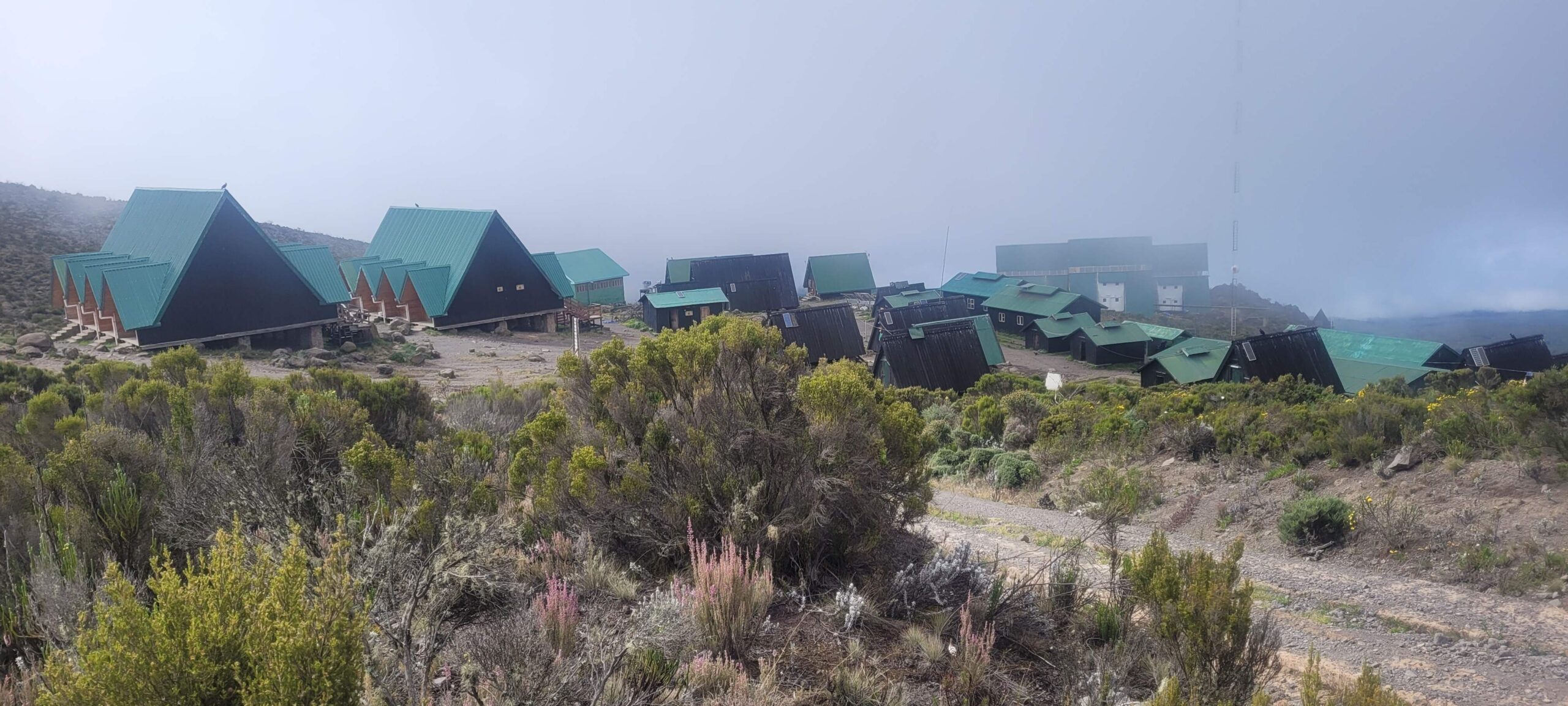
Horombo Hut is the key campsite for climbers on Mount Kilimanjaro’s Marangu Route. Located at 3,720 meters (12,205 feet) on a broad alpine plateau, it provides a vital stop for acclimatization and preparation before the summit attempt.
We offer six (6) days of Marangu route experience to Mount Kilimanjaro. The Marangu Route is also known as the “Coca-Cola Route”.
Marangu is the park’s headquarters and the easiest route on the mountain