
What are the toilets on Kilimanjaro like?
Many climbers are concerned about toilet facilities on Mount Kilimanjaro, though it is often an unspoken topic. At Blessing Safaris, we address this practical matter openly to ensure you are fully informed and prepared for your trek.
Climbers on Kilimanjaro can choose between the park’s standard public toilets and private portable toilets arranged by tour operators. Understanding these options is important for your comfort and hygiene. Knowing what to expect will help you prepare both mentally and logistically.
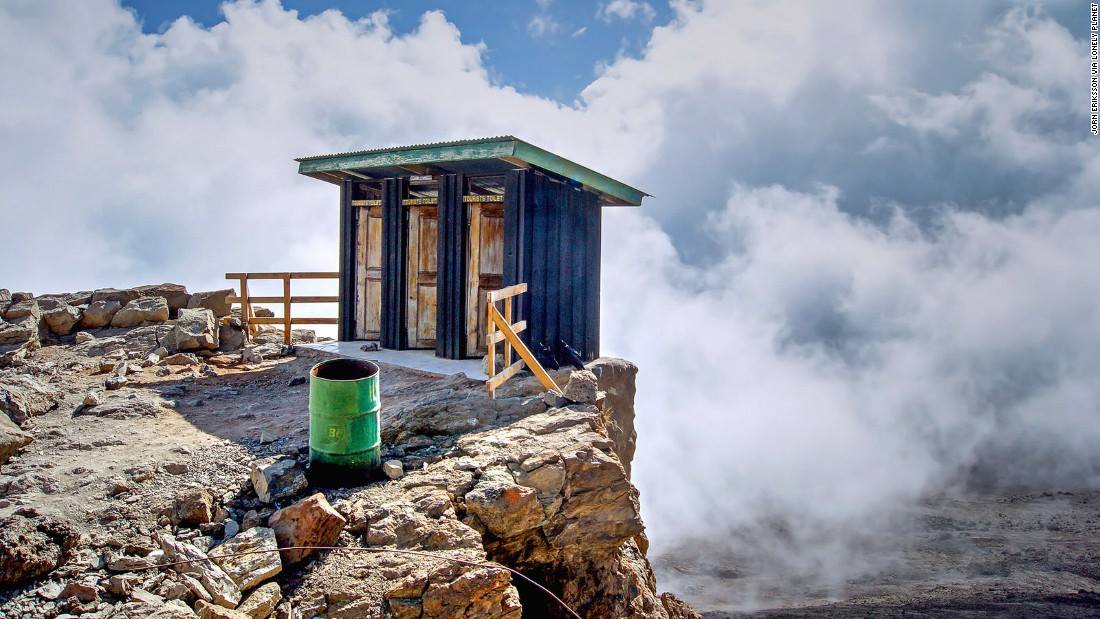
Public Toilets on Kilimanjaro
The standard toilet on Kilimanjaro is the public long-drop toilet, available at all campsites along the climbing routes. These facilities are not present at picnic lunch stops, so climbers should be prepared to use natural solutions during the day’s trek.
Public long-drop toilets are simple wooden huts built over deep holes in the ground. They provide basic shelter and privacy, reflecting the practical constraints of high-altitude sanitation.
Climbers may need to sit or squat, depending on the toilet design. These public facilities can become dirty, especially during peak seasons, and their condition varies with usage and maintenance.
Private Toilets on Kilimanjaro
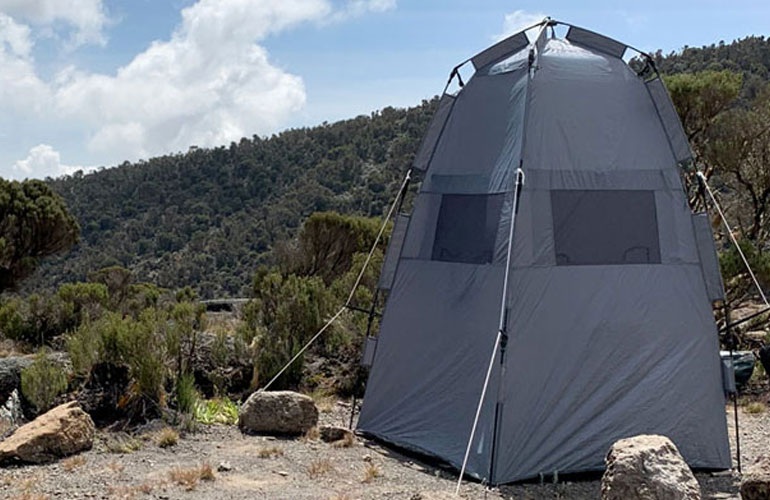
Blessing Safaris offers private mobile toilets for those seeking greater comfort and hygiene. These toilets are reserved exclusively for your group, ensuring privacy, and are transported and cleaned daily by your porter team.
Private toilets are chemical toilets with seats, set up in a dedicated tent for privacy and comfort. They are clean, hygienic, and maintained by your porter team throughout the climb.
Blessing Safaris provides one private toilet per climb for an additional $200. This ensures exclusive access to a clean facility at each campsite. Private toilets are only available at camps, so natural solutions are still needed during trekking hours.
The Importance of Hygiene on Kilimanjaro
Good hygiene on Kilimanjaro is vital for both comfort and health. The altitude, cold, and physical demands increase susceptibility to illness, and poor sanitation can lead to gastrointestinal issues.
Hand hygiene is especially important due to close contact and shared equipment. Carry and use hand sanitizer regularly, especially after using the toilet. Wet wipes are also helpful when water is limited.
Frequently Asked Questions About Toilets on Mount Kilimanjaro
What Are the Toilet Facilities Like on Mount Kilimanjaro?
Are There Toilets Along the Trekking Routes?
What Is a Long-Drop Toilet on Kilimanjaro?
Are the Public Toilets on Kilimanjaro Clean?
What Are Private Toilets on Kilimanjaro?
How Much Does a Private Toilet Cost on Kilimanjaro?
Do I Need to Bring My Own Toilet Paper?
Are Private Toilets Available During the Day’s Trekking?
How Do Private Toilets Work on Kilimanjaro?
Is a Private Toilet Worth the Extra Cost?
What Should I Do if I Need to Use the Toilet During the Day?
How Can I Stay Hygienic on Kilimanjaro?
What Is the Best Option for Toilets on Kilimanjaro?
Do the Public Toilets on Kilimanjaro Have Water?
What Is the Leave No Trace Policy for Toilet Use on Kilimanjaro?
Plan Your Kilimanjaro Climb with Blessing Safaris
Knowing what to expect from Kilimanjaro’s toilet facilities is key to preparing for your climb. Whether you use public or private options, being informed will help ensure a comfortable experience.
Blessing Safaris is committed to transparency about every aspect of your Kilimanjaro climb. We offer private mobile toilets for an additional fee to enhance your comfort and hygiene, with daily cleaning and maintenance by our team.
Toilets on Mount Kilimanjaro
You May Also Like
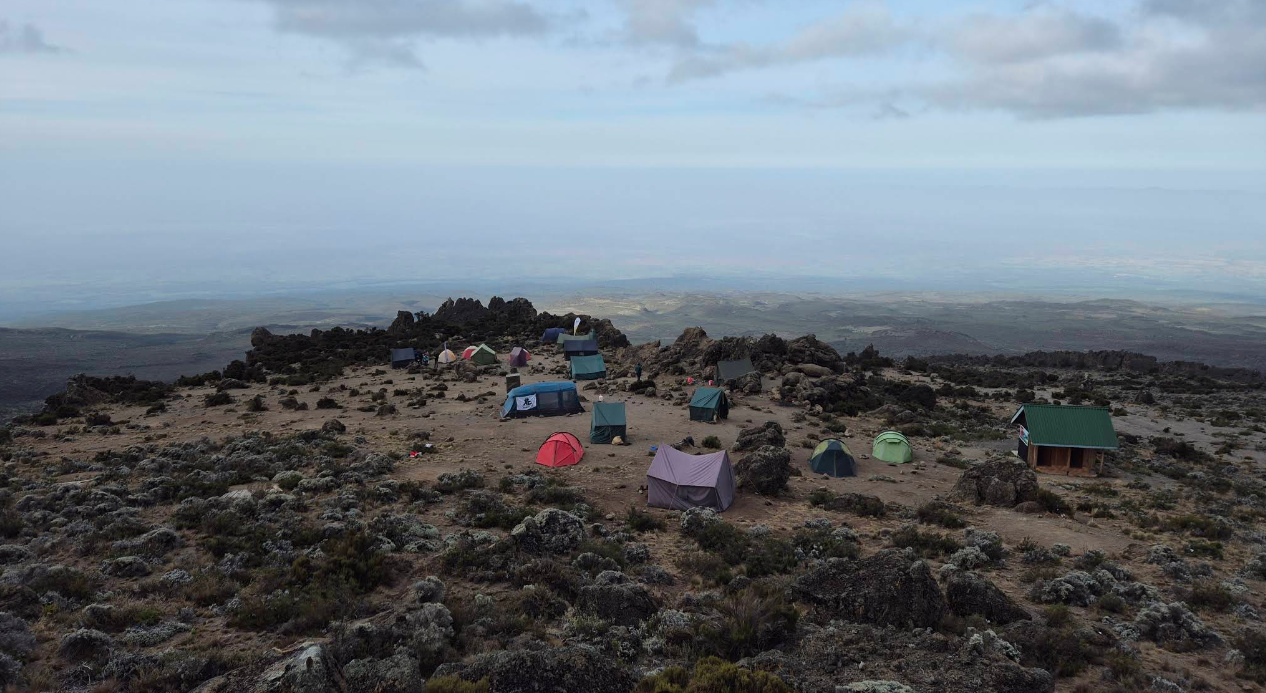
Buffalo Camp, also known as Pofu Camp, is a secluded overnight stop on Mount Kilimanjaro’s rarely traveled Northern Circuit Route. Situated at 3,995 meters on the lower base of the Kibo volcanic cone, it offers climbers a genuine wilderness experience away from the crowded southern routes
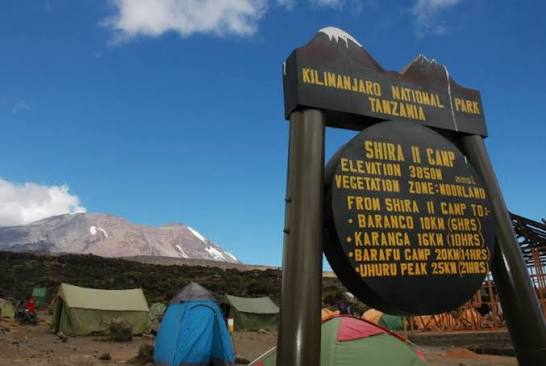
Shira Cave Camp holds a unique place in Kilimanjaro’s climbing history. Named after a nearby cave once used by early adventurers, it sits at 3,840 meters on the Shira Plateau and serves as the second overnight stop on the Machame Route.
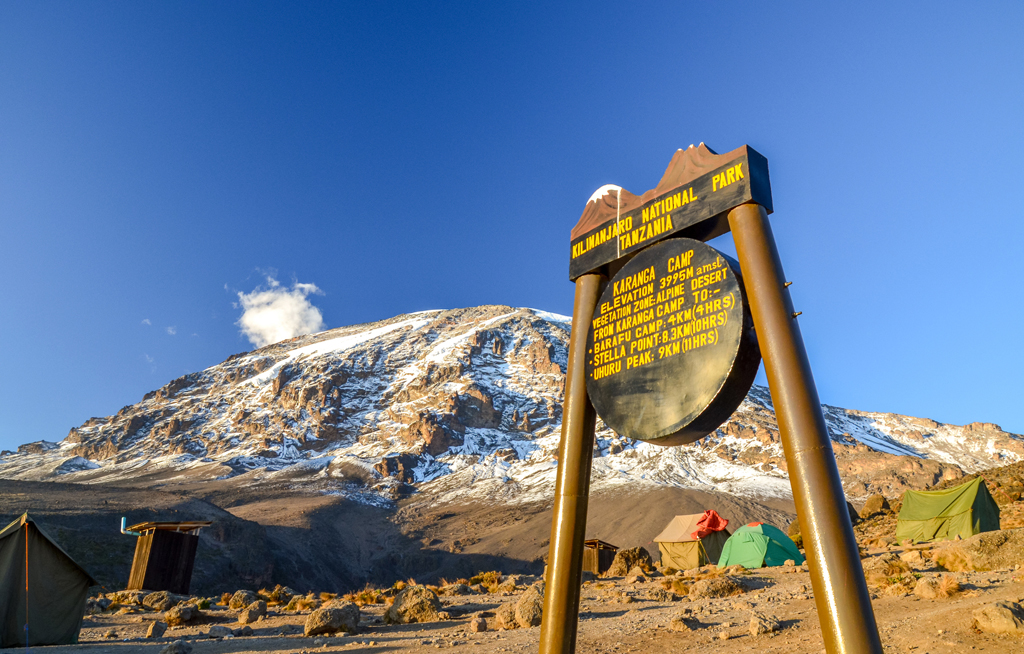
Karanga Camp, also called Karanga Hut Campsite, is strategically located on Kilimanjaro’s southern circuit and serves as a key acclimatization stop for climbers.