Shira Cave Camp Kilimanjaro
Shira Cave Camp holds a unique place in Kilimanjaro’s climbing history. Named after a nearby cave once used by early adventurers, it sits at 3,840 meters on the Shira Plateau and serves as the second overnight stop on the Machame Route.
Nowadays, it connects trekkers to Kilimanjaro’s past while providing essential rest and acclimatization en route to the summit.
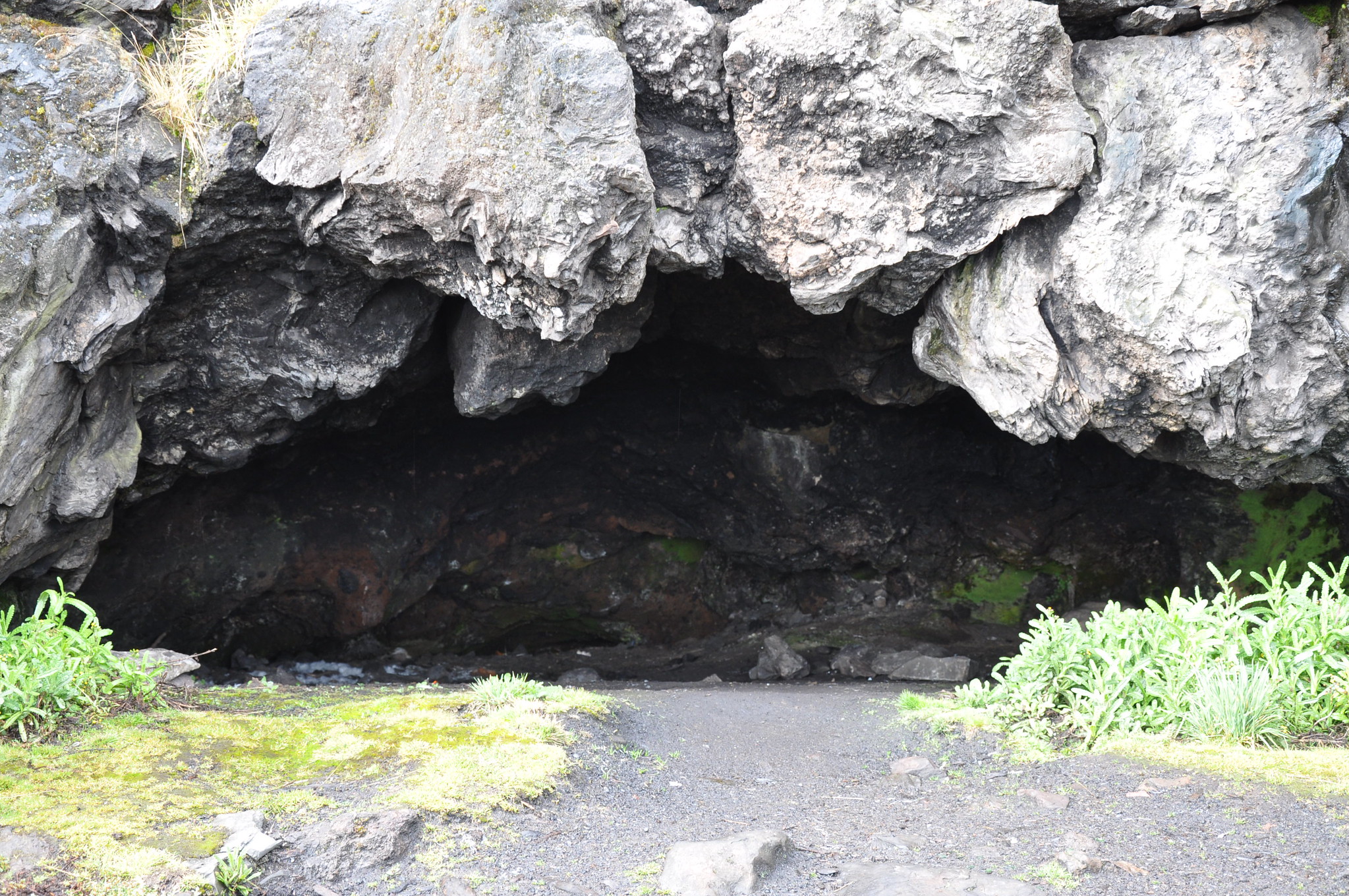
The camp is named for a natural cave that once sheltered early explorers. For safety, park authorities have long banned the use of caves for accommodation.
Climbers now bring their own tents, as there are no permanent lodging structures. The only building is the ranger’s cabin, used for registration.
Despite its modest facilities, Shira Cave Camp is a popular stop on the Machame, Lemosho, and Shira routes. Its western location offers spectacular views of Kibo Peak and the surrounding slopes, making it a memorable part of any expedition.
The heath zone setting, with high winds and sparse vegetation, prepares climbers for the more extreme conditions ahead.
Location of Shira Cave Camp
Geographic Position
Shira Cave Camp is situated on the Shira Plateau, one of Mount Kilimanjaro’s three peaks alongside Kibo and Mawenzi. The campsite lies on the western side of the mountain, at an elevation of 3,840 meters (12,598 feet), offering commanding views of the surrounding landscape.
Proximity to Other Camps
The campsite is about a 30-minute walk from Shira 2 Camp but is significantly smaller. Many climbers on the Lemosho and Shira routes choose the larger Shira 2 Camp for this reason.
Next Campsite
After Shira Cave Camp, climbers on the Machame Route proceed to Lava Tower Camp, ascending into the alpine desert zone and preparing for greater challenges ahead.
Facilities at Shira Cave Camp
Accommodation
Shira Cave Camp provides basic, functional facilities:
- Tent camping only: No permanent structures or huts are available.
- Ranger’s cabin: Used for registration
- No dining facilities: Meals are eaten in tents
Sanitation
The campsite features basic sanitation:
- Pit latrines: The only toThe campsite offers basic sanitation:ater: Water is extremely scarce at the camp
Water Availability
Shira Cave Camp experiences a severe water shortage. Porters must carry all drinking and cooking water from lower elevations. Climbers should be prepared for limited water availability and practice careful conservation.
Climate and Environment
Heath Zone Characteristics
Shira Cave Camp falls within the heath zone of Mount Kilimanjaro, characterized by:
- High winds: The exposed location experiences persistent winds
- Occasional rain: Precipitation can occur throughout the year
- Short shrubs: Vegetation is limited to hardy, low-growing plants
- Stunted trees: Trees are small and wind-sculpted
Views and Scenery
From Shira Cave Camp, climbers enjoy spectacular views:
- Kibo Peak: The mountain’s highest point is visible above
- Slopes below: Expansive views of the mountain’s western slopes
- Shira Plateau: The ancient caldera stretches in all directions
Shira Cave Camp vs. Shira 2 Camp
Comparison
Shira Cave Camp and Shira 2 Camp are located close to each other on the Shira Plateau. However, there are significant differences:
| Feature | Shira Cave Camp | Shira 2 Camp |
|---|---|---|
| Size | Smaller | Larger |
| Crowds | Less crowded | More crowded |
| Facilities | Basic | Slightly more developed |
| Water | Severe shortage | Better availability |
| Use | Machame Route | Lemosho and Shira Routes |
Which Camp to Choose?
The choice between Shira Cave Camp and Shira 2 Camp often depends on your route and personal preference:
- Machame Route: Shira Cave Camp is the designated overnight stop.
- Lemosho and Shira Routes: Climbers may choose either camp
- Preference: Those seeking quieter surroundings may prefer Shira Cave Camp
The History of Shira Cave
Early Accommodation
The cave that gives the campsite its name was once used for accommodation in the early days of climbing Kilimanjaro. Before the establishment of formal campsites and safety regulations, climbers and porters would shelter in natural caves like this one, finding protection from the elements.
Safety Regulations
For safety reasons, the use of caves for accommodation on Mount Kilimanjaro has been banned by authorities. The risks of rockfall, collapse, and the presence of wildlife made cave dwelling hazardous. Today, all climbers must sleep in tents, and the caves are no longer used for accommodation.
Historical Significance
Despite the ban, the Shira Cave remains a historically significant site, reminding climbers of the mountain’s early exploration history. The name preserves the memory of those who sought shelter here in Kilimanjaro’s pioneering days.
Tips for Staying at Shira Cave Camp
Preparation
Before staying at Shira Cave Camp:
- Bring your own tent: No accommodation structures are available.
- Pack warm layers: The heath zone can be cold and windy
- Prepare for limited facilities: Pit latrines are the only sanitation option.
Frequently Asked Questions About Shira Cave Camp
What Is Shira Cave Camp on Mount Kilimanjaro?
Shira Cave Camp is a high-altitude campsite on the Shira Plateau at 3,840 meters (12,598 feet). It is the second overnight stop on the Machame Route and is named for a nearby cave once used by early climbers. Located on Kilimanjaro’s western side, the camp offers views of Kibo Peak and the Shira Plateau.
Where Exactly Is Shira Cave Camp Located?
Shira Cave Camp is located on the Shira Plateau, one of Kilimanjaro’s three peaks, on the mountain’s western flank at approximately 3°04′S and 37°21′E. It is about a 30-minute walk from Shira 2 Camp and serves climbers on the Machame, Lemosho, and Shira routes. The camp marks the transition from dense forest to open heath zone.
What Facilities Are Available at Shira Cave Camp?
Shira Cave Camp provides only basic facilities. There are no permanent sleeping structures; climbers must bring their own tents and equipment. The ranger’s cabin is the sole permanent building, used for registration. Sanitation is limited to pit latrines, with no flush toilets or running water. All water must be carried from lower camps, so conservation is essential.
Why Is It Called Shira Cave Camp?
The camp is named after a nearby natural cave that early climbers and porters once used for shelter. Before formal campsites and regulations, these caves offered protection from the elements. Due to risks such as rockfalls and wildlife, Kilimanjaro National Park now prohibits using caves for accommodation. The name honors the history of those early adventurers.
Can I Sleep in the Shira Cave?
No. Park authorities strictly prohibit sleeping in caves on Mount Kilimanjaro due to safety concerns, including rockfalls, collapses, and wildlife encounters. Caves also lack adequate protection and emergency support. All climbers must sleep in tents provided by tour operators, which meet safety and park requirements.
What Is the Elevation of Shira Cave Camp?
Shira Cave Camp is at 3,840 meters (12,598 feet), within Kilimanjaro’s heath zone. The thinner air and cooler temperatures make it a key acclimatization point, helping climbers adjust to reduced oxygen before ascending further. The camp also offers excellent views of Kibo Peak.
Which Climbing Routes Use Shira Cave Camp?
Shira Cave Camp is mainly the second overnight stop on the Machame Route, and is also accessible from the Lemosho and Shira Routes, though many on these routes choose Shira 2 Camp. Its location supports the “climb high, sleep low” acclimatization strategy and connects climbers to the southern circuit toward Lava Tower and the summit.
What Is the Weather Like at Shira Cave Camp?
Shira Cave Camp has heath zone weather, with high winds, cool temperatures, and occasional rain. Days are mild, but nights often approach freezing. The exposed plateau brings persistent winds. Rain is possible year-round, but June to October and December to March are the most stable. Climbers should pack for changing conditions.
What Is the Next Campsite After Shira Cave Camp?
After Shira Cave Camp, climbers continue to Lava Tower Camp at about 4,630 meters (15,190 feet), gaining significant altitude. The trek takes several hours through the alpine desert. Many itineraries use Lava Tower as a lunch and acclimatization stop before descending to sleep lower, following the “climb high, sleep low” principle.
How Does Shira Cave Camp Compare to Shira 2 Camp?
Shira Cave Camp and Shira 2 Camp are about 30 minutes apart on the Shira Plateau. Shira 2 Camp is larger with better facilities and more water, while Shira Cave Camp is smaller and quieter. The Machame Route uses Shira Cave Camp, while Lemosho and Shira routes may use either, with those seeking solitude often choosing Shira Cave Camp.
What Should I Pack for Shira Cave Camp?
Pack a four-season tent, a sleeping bag rated to at least -5°C (23°F), and an insulated pad for rocky ground. Bring thermal layers, a waterproof shell, hat, gloves, and neck gaiter. Due to water scarcity, carry a thermos and water bottles. Also pack a headlamp with extra batteries, sunscreen, lip balm, personal medications, and trekking poles.
Is Water Available at Shira Cave Camp?
Water is extremely limited at Shira Cave Camp, with no natural sources available. All water must be carried from lower elevations, so it should be used only for drinking and essential cooking. Washing is not recommended. Bring a thermos to help stay hydrated during cold nights.
Is Shira Cave Camp Safe?
Shira Cave Camp is generally safe when proper precautions are followed. All climbers must be accompanied by registered guides. Main risks include altitude sickness, high winds, and cold temperatures. Proper clothing, gear, and communication with guides are essential. Preparation and following guide advice are key to safety.
What Wildlife Can Be Seen at Shira Cave Camp?
Wildlife sightings at Shira Cave Camp are rare due to the altitude, but the heath zone supports some adapted species. Birds such as white-necked ravens and sunbirds may be seen, along with occasional small mammals, such as tree hyraxes and rodents. Larger animals, including elephants and buffalo, are found on lower slopes. Amboseli National Park in Kenya adds to the region’s wildlife diversity.
What Is the Best Time to Stay at Shira Cave Camp?
The best time to stay at Shira Cave Camp is during Kilimanjaro’s dry seasons: late June to October and December to March. These periods offer stable weather and less rain. Avoid the rainy seasons from March to May and November to December, when trails are muddy and visibility is poor.
How Do I Get to Shira Cave Camp?
Reaching Shira Cave Camp involves a multi-day trek on Kilimanjaro’s western routes, starting from Londorosi or Lemosho Gate. The Machame Route approaches from the south; the Lemosho and Shira routes from the west. The trek takes three to four days, with guides and porters required. The route passes through rainforest and moorland before reaching the plateau.
How Many Nights Do Climbers Spend at Shira Cave Camp?
Most itineraries include one night at Shira Cave Camp, typically as the second stop on the Machame Route. Some longer routes may add a second night for acclimatization, but this is uncommon. The main focus is rest and preparation for higher altitudes.
What Are the Altitude Risks at Shira Cave Camp?
At 3,840 meters, Shira Cave Camp poses altitude risks such as headaches, fatigue, nausea, and sleep issues. Proper acclimatization is essential. Follow the “climb high, sleep low” principle, stay hydrated, ascend slowly, and eat well. Guides monitor for symptoms and advise on necessary actions.
What Is the Historical Significance of Shira Cave Camp?
Shira Cave Camp is historically significant as a reminder of Kilimanjaro’s early exploration. In the late 19th and early 20th centuries, climbers and porters used the cave for shelter. The camp’s continued use and name preserve this heritage, connecting modern climbers to the mountain’s history.
Let’s start planning your Kilimanjaro Climb
Shira Cave Camp provides a unique link to Kilimanjaro’s climbing history and serves as a key rest and acclimatization point on the western routes.
Its dramatic setting, views of Kibo Peak, and historical importance make it a memorable stop on any expedition.
Our team creates personalized Kilimanjaro itineraries featuring Shira Cave Camp and other highlights.
We offer experienced guides, quality equipment, and full support throughout your journey.
Contact us to discuss your Kilimanjaro climb and experience Shira Cave Camp. Africa’s highest peak and its historic treasures await.
Let us help you explore them. Book Your Trek Now
Mount Kilimanjaro Tour Packages
From$ 91
1 Day
Materuni Day Trip | Waterfall & Coffee Tour from Moshi
Materuni Village
From$ 1,180
4 Days , 3 Nights
Mount Meru 4 Day Hike
Mt. Meru
From$ 990
3 Days , 2 Nights
3 Day Mount Meru Climb
Mt. Meru
From$ 2,420
7 Days , 6 Nights
7 Day Kilimanjaro Climb via Machame Route
Mt. Kilimanjaro