Karanga Camp Kilimanjaro
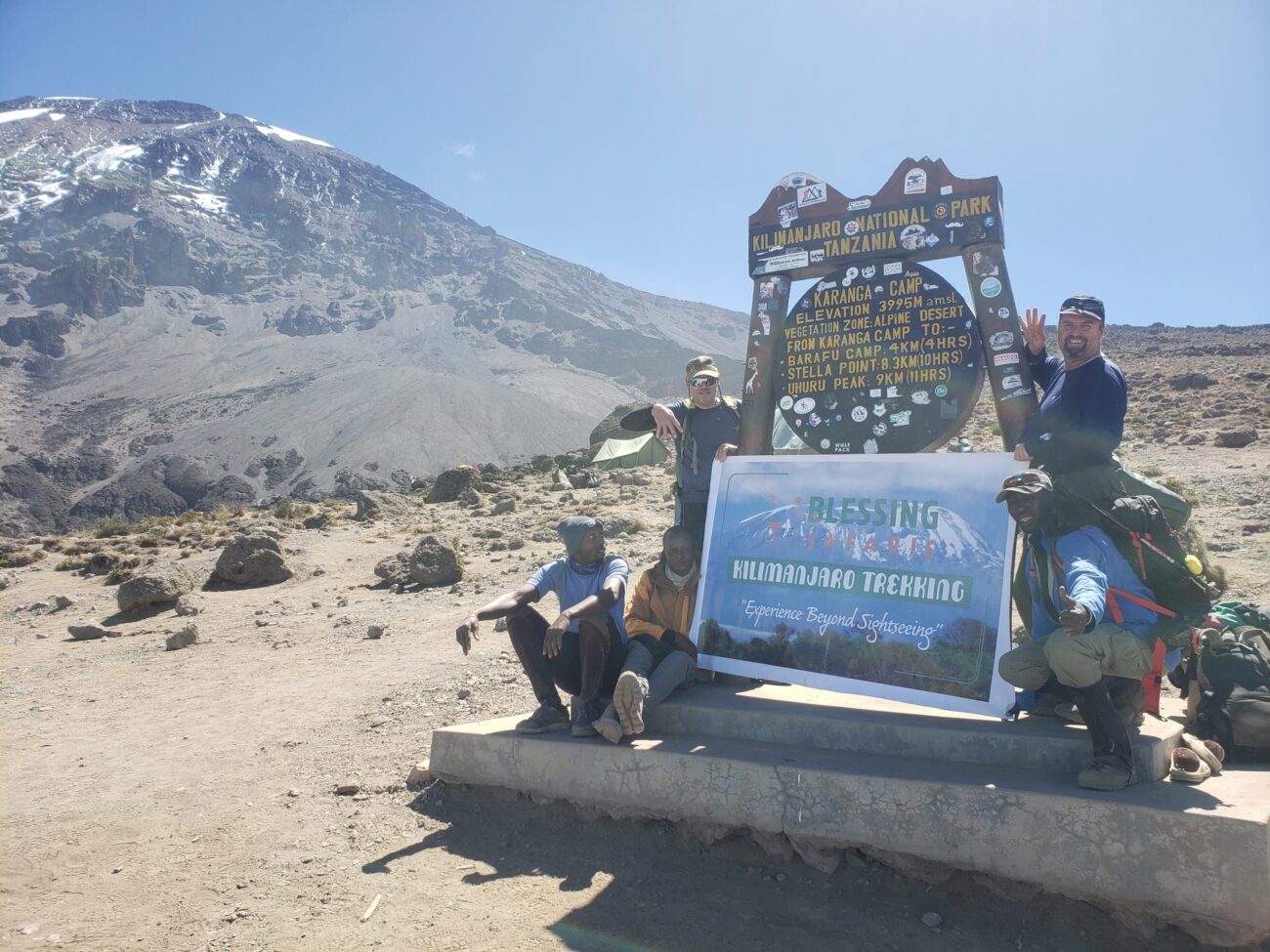
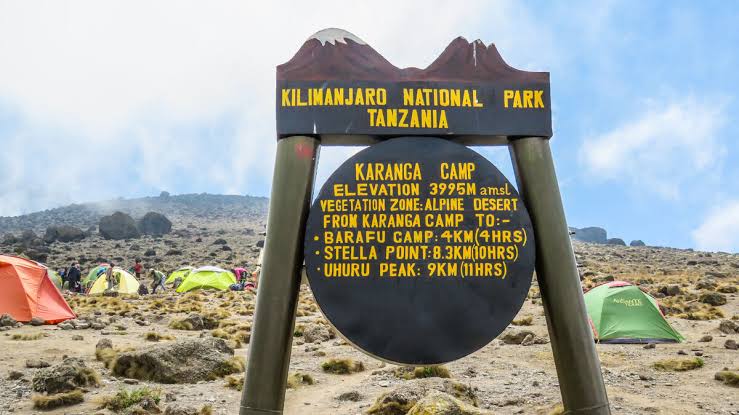
Karanga Camp, also called Karanga Hut Campsite, is strategically located on Kilimanjaro’s southern circuit and serves as a key acclimatization stop for climbers. Positioned at about 3,995 meters (13,106 feet), the camp is named for the Karanga Valley, a prominent gorge that crosses Kibo’s southern side.
For those on the Machame, Lemosho, Shira, and Umbwe routes, Karanga Camp is a key milestone. Trekkers rest here after the Barranco Wall and prepare for the final ascent to Barafu Camp and Uhuru Peak. Though not the highest or most renowned camp, Karanga Camp is essential for summit success.
The campsite is located on the edge of the Karanga Valley, south of the Kibo volcanic cone, along the moorland zone. Its sheltered position and surrounding vegetation provide a comfortable rest point. Barafu Camp, the next stop, serves as the final staging area before the summit attempt, making Karanga Camp a vital step toward Africa’s highest peak.
Location of Karanga Camp
Geographic Position
Karanga Camp is strategically located on the southern slopes of Mount Kilimanjaro, positioned at the edge of the Karanga Valley at approximately 3,995 meters (13,106 feet) above sea level. The campsite sits south of the Kibo volcanic cone, along the border of the moorland zone, where vegetation still clings to the landscape despite the increasing altitude.
The Karanga Valley
The Karanga Valley is a prominent geographical feature that cuts across Kibo’s southern side, creating a dramatic gorge that climbers must cross to reach the campsite. This valley sits at an elevation of about 4,100 meters and must be traversed shortly after conquering the Barranco Wall—a challenging section of the climb that tests trekkers’ endurance and agility.
The valley crossing is a memorable part of the Kilimanjaro experience, offering stunning views of the surrounding landscape and a sense of accomplishment as climbers descend into the valley before ascending to the campsite on the other side.
Getting to Karanga Camp
Climbers reach Karanga Camp after navigating the Barranco Wall, one of the most iconic challenges on the southern circuit. The trail descends into the Karanga Valley before climbing up to the campsite on the opposite side. This route is used by climbers on the Machame, Lemosho, Shira, and Umbwe routes, all of which converge on the southern circuit before continuing toward Barafu Camp.
Karanga Camp Map
What to Expect During Your Stay at Karanga Camp
Arrival and Atmosphere
After the Barranco Wall, climbers descend into the Karanga Valley and then ascend to the campsite. Reaching Karanga Camp brings a sense of relief after a challenging section. The camp offers a more relaxed atmosphere than higher camps, with the comfort of lower altitude and surrounding vegetation.
Facilities at Karanga Camp
Accommodation
Karanga Camp is a tent-only site with no permanent huts or cabins. Climbers sleep in expedition tents provided and set up by their trekking crew. Reputable operators supply all necessary tents and camping equipment as part of the trek package.
The campsite features a wooden hut that serves as the Rangers’ hut, located on the western side near the Karanga Valley. This structure is used by park authorities and is not available for climber accommodation.
Sanitation Facilities
Sanitation at Karanga Camp consists of pit latrines, also known as dry toilets or long-drop toilets. Some areas may include simple W.C.-style structures, though these remain basic facilities. For improved hygiene and comfort, many operators bring private portable toilets for their climbers. These systems offer a more sanitary and private experience than shared pit latrines.
Water Availability
Water is usually sourced from a stream in the Karanga Valley, though availability depends on seasonal conditions. All water must be treated before use. Climbers should confirm water sourcing and treatment procedures with their guide.
Dining and Shelter
Karanga Camp lacks permanent dining structures. Meals are served in a mess tent provided by the operator or in individual tents, depending on group arrangements. There is no heating or permanent shelter, so appropriate gear is essential for comfort.
Karanga Camp Climate and Environment
Weather Conditions
Karanga Camp is cooler than the lower camps, with nighttime temperatures often near freezing. Average rainfall supports the vegetation that persists at this elevation.
Vegetation and Wildlife
The campsite is surrounded by resilient moorland vegetation adapted to the altitude and cooler temperatures. Unlike the alpine desert higher up, Karanga Camp retains some plant life, adding greenery to the landscape.
Ground Conditions
The campsite has a mix of rocky terrain and vegetation, offering better tent conditions than higher camps. However, the ground remains uneven, so careful tent placement is necessary.
Distance and Trekking Times
Karanga Camp to Barafu Camp
Karanga Camp is about 3 kilometers (1.9 miles) from Barafu Camp, typically a 3-hour trek. Actual times vary depending on several factors:
- Altitude effects: Thinner air makes exertion more difficult
- Individual pace: Different climbers move at different speeds
- Weather conditions: Rain, wind, or snow can slow progress
- Trail conditions: The path can be rocky and uneven
Karanga Camp to Summit
While Karanga Camp is not the final staging point before the summit, it represents an important milestone on the journey. From Karanga, climbers still have:
- To Barafu Camp: 3 km, ~3 hours
- To Stella Point: Distance from Barafu, ~6-7 hours ascent
- To Uhuru Peak: Additional ~1-2 hours from Stella Point
Importance of Karanga Camp
Acclimatization Benefits
Karanga Camp serves as a high-impact acclimatization stop on Kilimanjaro’s southern circuit. Its position at nearly 4,000 meters provides several key benefits:
- Reduces fatigue: Breaks up what would otherwise be a long, strenuous day
- Improves altitude adaptation: Extra time at altitude helps the body adjust.
- Rest after Barranco Wall: Provides recovery after one of the route’s most challenging sections
- Better summit preparation: Rest at Karanga improves physical condition for the final push
Strategic Position
Karanga Camp’s location is strategically important for the following reasons:
- Breaks the journey: Splits the route from Barranco to Barafu into manageable segments
- Safety improvement: Reduces altitude stress by preventing excessive single-day elevation gain
- Flexibility: Allows for itinerary adjustments based on climber condition
Connecting the Routes
Karanga Camp is a meeting point for climbers on the Machame, Lemosho, Shira, and Umbwe routes. These trails converge on the southern circuit, making Karanga a shared experience for climbers from various starting points.
Frequently Asked Questions About Karanga Camp
What Is the Significance of Karanga Camp on Kilimanjaro?
Karanga Camp is a key acclimatization stop that eases the approach to Barafu Camp, provides rest after the Barranco Wall, and improves summit preparation by reducing fatigue and aiding altitude adaptation.
Which Kilimanjaro Routes Pass Through Karanga Camp?
Karanga Camp is used on the Machame, Lemosho, Shira, and Umbwe Routes. These trails all merge on Kilimanjaro’s southern circuit before continuing toward Barafu Camp.
What Kind of Accommodation Is Available at Karanga Camp?
Karanga Camp is a tent-only site. Climbers sleep in expedition tents set up by their crew, with a mess tent and kitchen area provided by the operator. There are no permanent huts or cabins.
How Far Is Barafu Camp from Karanga Camp?
Karanga Camp is about 3 kilometers (1.9 miles) from Barafu Camp, typically a 3-hour trek, depending on altitude, pace, weather, and trail conditions.
Is There a Water Source at Karanga Camp?
Water is typically sourced from the Karanga Valley stream, though availability may vary. All water must be treated before use.
Do I Need My Own Tent for Karanga Camp?
No. Reputable Kilimanjaro operators provide all tents and camping equipment. As there are no huts, climbers must have a tent arranged as part of their trek.
What Is the Altitude of Karanga Camp?
Karanga Camp is commonly listed at 3,995 meters (13,106 feet) above sea level, though some sources place it around 4,040 meters due to slight measurement variations.
Is Karanga Camp the Last Stop Before the Kilimanjaro Summit?
Not exactly. Karanga Camp is an important acclimatization stop, but Barafu Camp is the usual final staging point before summit night. Karanga is the key stop en route to Barafu.
Are There Restroom Facilities at Karanga Camp?
Yes. Karanga Camp has pit latrines (long-drop toilets). Some operators also bring private portable toilets for added hygiene and comfort.
Why Is Karanga Camp Important for Kilimanjaro Tours?
Karanga Camp is a crucial acclimatization stop that breaks up the long ascent to Barafu Camp. This improves safety, reduces altitude stress, and helps trekkers reach the summit in better condition.
Conclusion: Karanga Camp Kilimanjaro
Karanga Camp is one of those places on Kilimanjaro that quietly determines success. It isn’t the highest camp, and Karanga Camp is a quiet yet critical factor in the success of a summit on Kilimanjaro.
While not the highest or most famous camp, it provides climbers with essential time, rest, and acclimatization before the final ascent. Its contribution to altitude adaptation makes it an essential component of successful Kilimanjaro climbs.
For climbers on the Machame, Lemosho, Shira, and Umbwe routes, Karanga Camp is a crucial milestone—a place to rest, recover, and prepare for the ultimate challenge ahead.
Plan Your Kilimanjaro Trekking
Karanga Camp is an essential stop on Kilimanjaro’s southern circuit, offering the acclimatization and rest needed for summit success. Our team creates personalized itineraries that include this key campsite to ensure the best possible mountain experience.
Contact us to discuss your Kilimanjaro climb, customize your itinerary, or combine your trek with a Tanzanian safari. The summit awaits; let us help you reach the top. Book Your Trip Now
Mount Kilimanjaro Tour Packages
From$ 91
1 Day
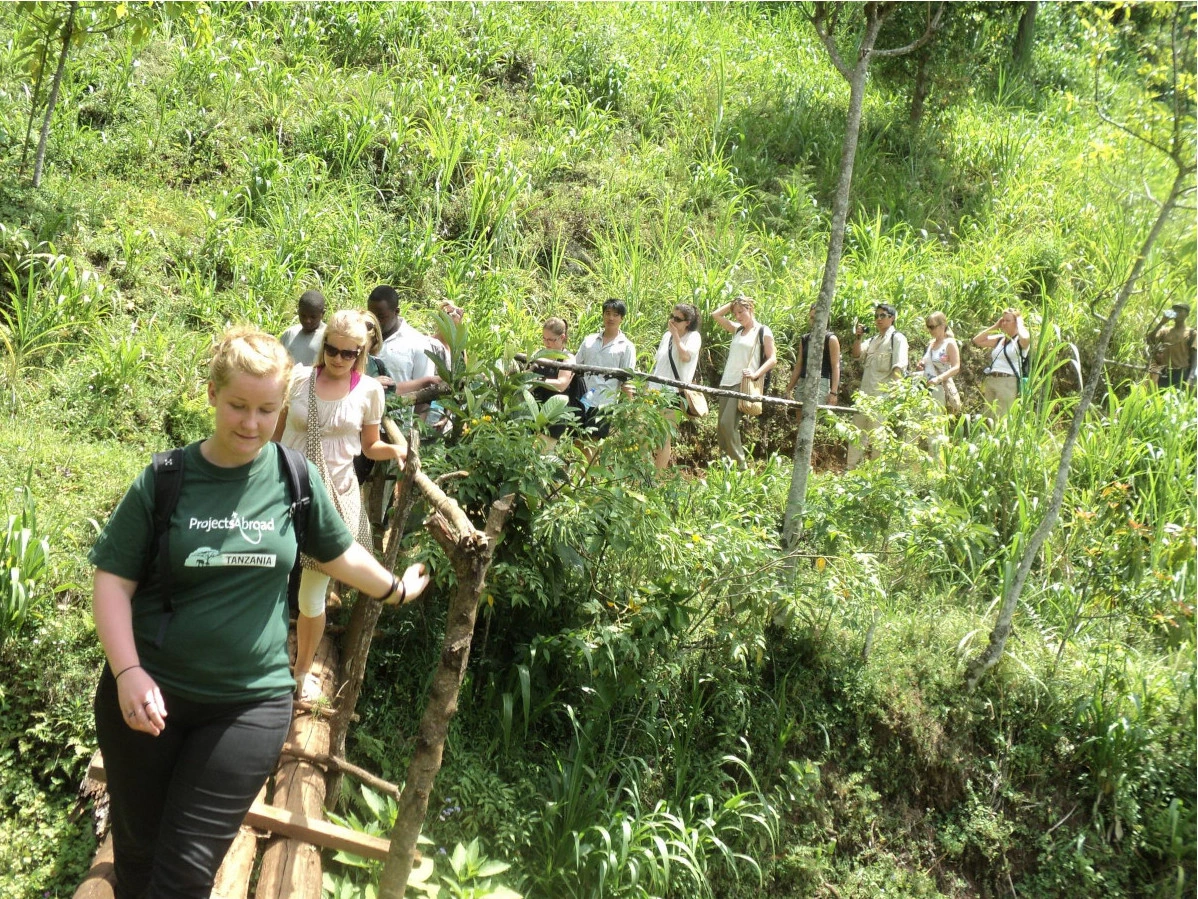
Materuni Day Trip | Waterfall & Coffee Tour from Moshi
Materuni Village
From$ 1,180
4 Days , 3 Nights
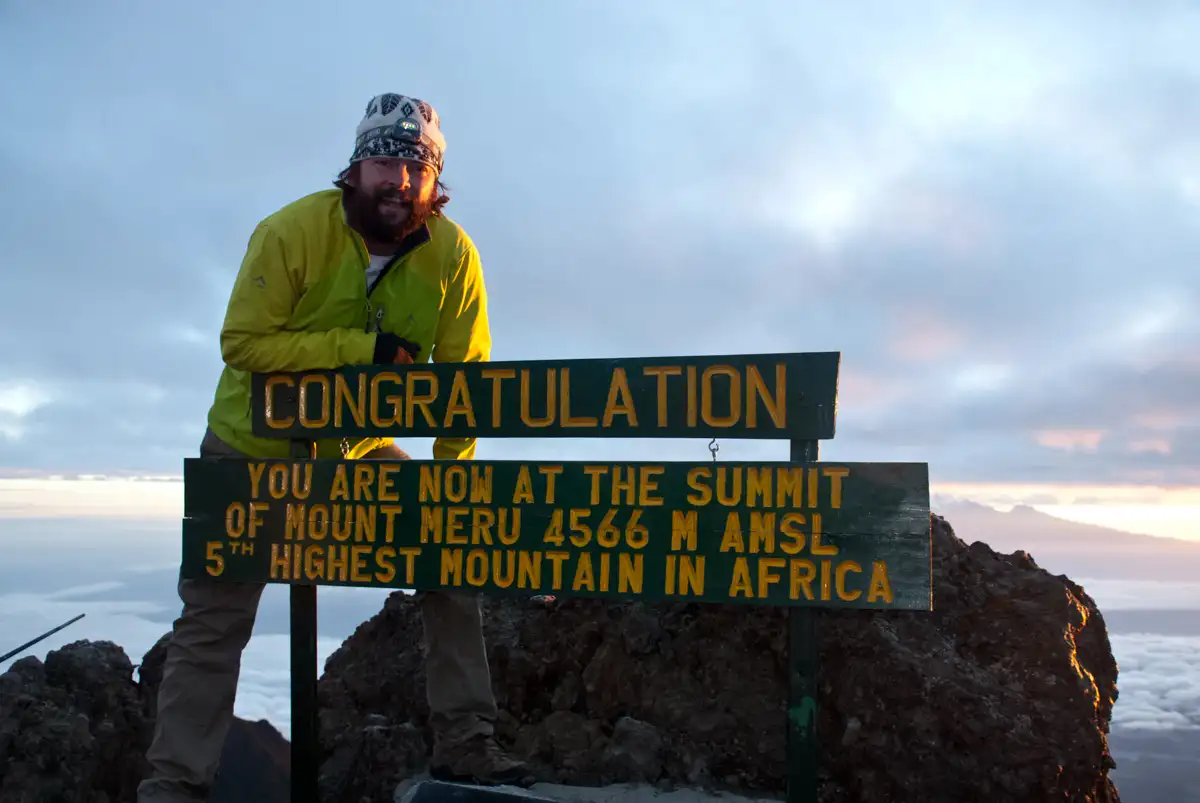
Mount Meru 4 Day Hike
Mt. Meru
From$ 990
3 Days , 2 Nights
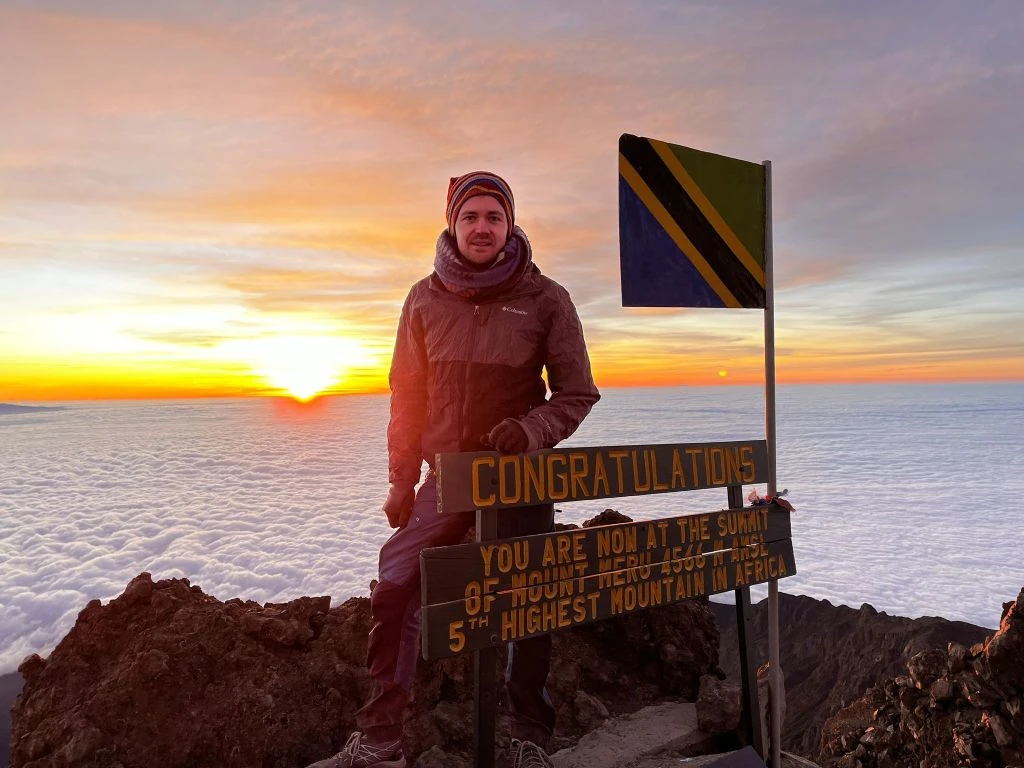
3 Day Mount Meru Climb
Mt. Meru
From$ 2,420
7 Days , 6 Nights
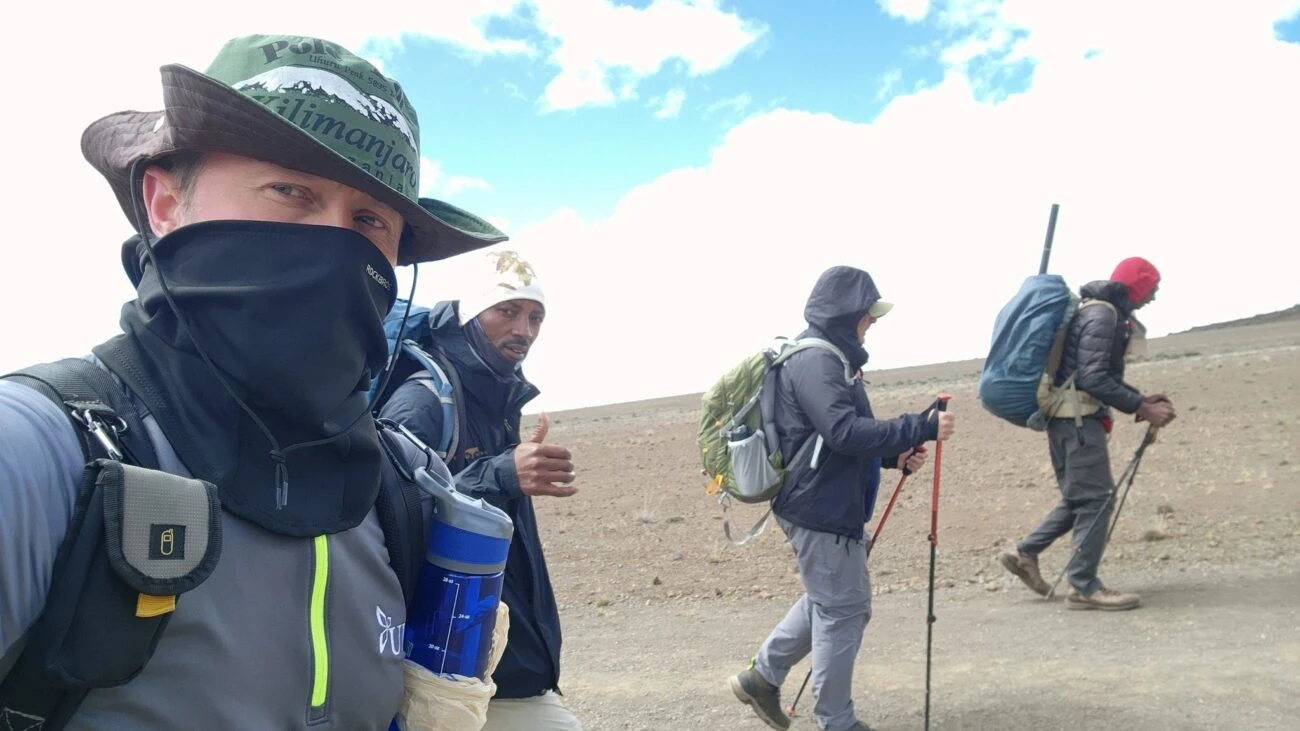
7 Day Kilimanjaro Climb via Machame Route
Mt. Kilimanjaro