
Kibo Huts Kilimanjaro
Kibo Huts are the final overnight stop for climbers on the Marangu and Rongai routes before their summit attempt on Mount Kilimanjaro. Situated at 4,720 meters on the eastern side of the Kibo volcanic cone, these stone huts offer essential rest for trekkers preparing for the midnight ascent to Uhuru Peak, Africa’s highest point.
Each year, thousands of climbers rely on Kibo Huts as their last refuge before the summit, using this time to prepare both mentally and physically for the final ascent.
Named after the Kibo volcanic cone, the highest of Kilimanjaro’s three peaks and home to Uhuru Peak, the huts are set at the base of this impressive structure.
Climbers here are surrounded by the striking alpine desert landscape, with a clear view of the summit route, highlighting both the challenge ahead and the reward for those who reach the top.
Location of Kibo Huts
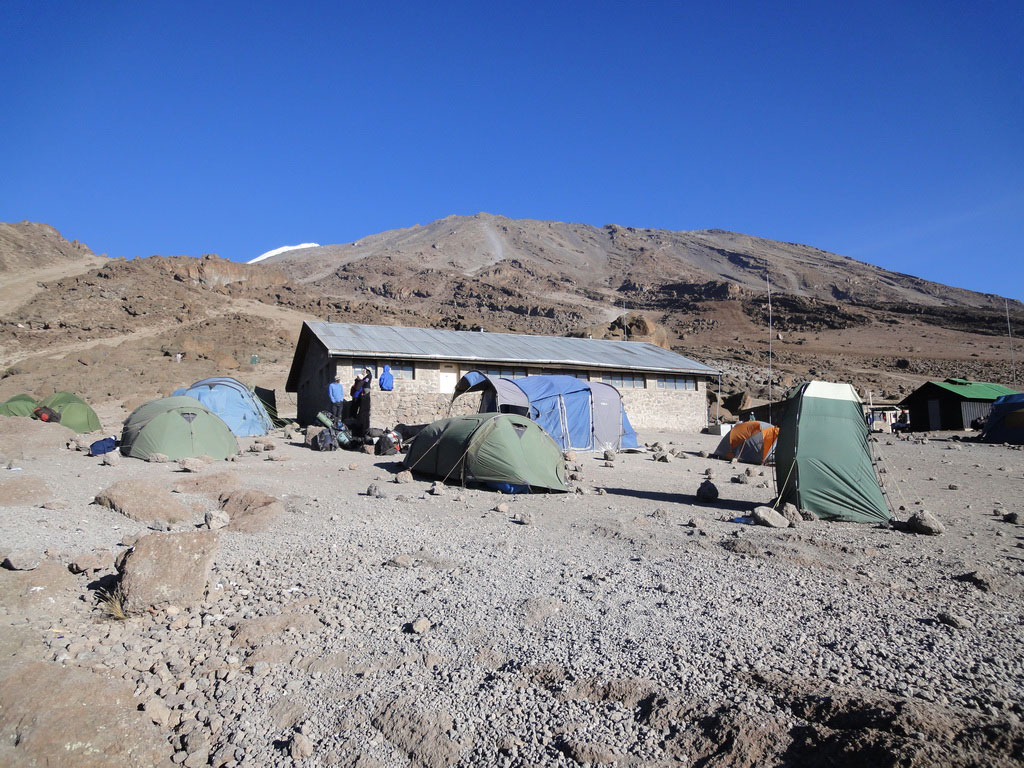
Kibo Huts are located on the eastern side of the Kibo volcanic cone, at the base of the main peak, at an elevation of 4,720 meters (15,430 feet). They live in the alpine desert zone, one of Mount Kilimanjaro’s most extreme environments, characterized by dry conditions, minimal rainfall, and sparse vegetation.
The surrounding landscape features volcanic rock, scree, and occasional snow during cold nights.
The area around Kibo Huts is typically dry, with very low humidity and little rainfall. Snowfall is rare and usually light, occurring mainly in the early morning or at night when temperatures fall below freezing. The stark beauty of the alpine desert serves as a reminder of the challenging conditions climbers face.
Kibo Huts are known for their quiet nights. This silence results from both the anticipation among climbers before the summit attempt and the absence of wildlife at this altitude. At night, only the wind and the occasional crunch of footsteps break the stillness.
The solid ground and large rocks around Kibo Huts provide the last stable footing before the summit. Beyond this point, the trail is covered with loose stones, or scree, making the ascent to Gilman’s Point especially difficult. This shift marks the start of the most demanding part of the climb.
Kibo Hut Camp Location
Accommodation at Kibo Huts
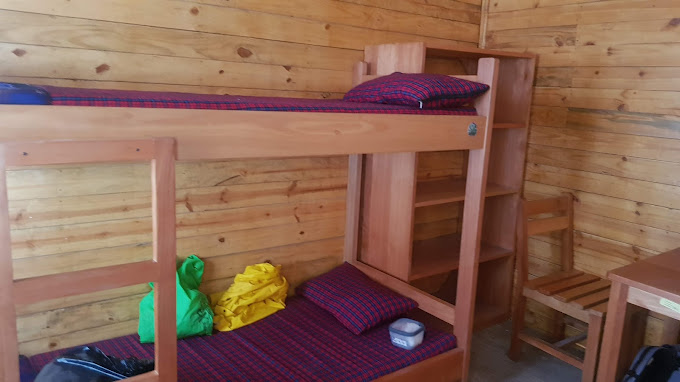
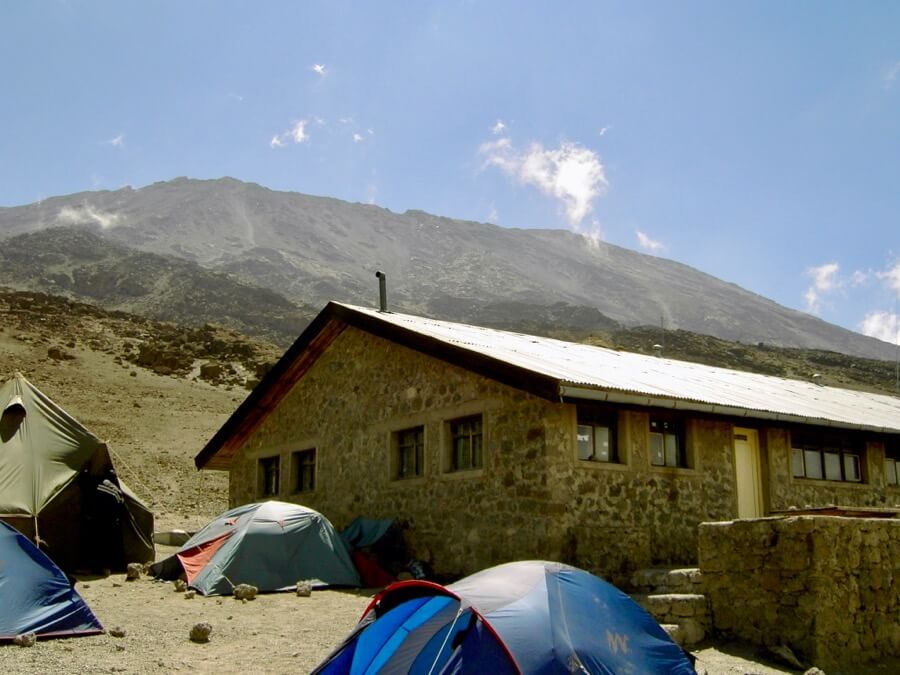
Kibo Huts provide stone-built, dormitory-style rooms with bunk beds, each accommodating up to six climbers. The facility can host about 60 climbers at full capacity, making it one of the largest accommodation sites on Mount Kilimanjaro.
Kibo Huts feature practical facilities, including a dining area at the end of a central hallway. This communal space allows climbers to gather for meals, briefings, and to connect before the summit attempt. The camaraderie formed here is a memorable part of the Kibo Huts experience.
Rooms at Kibo Huts are not self-contained. Shared toilets and pit latrines are located at the back of the main building, reflecting the challenges of maintaining facilities at high altitude. Climbers should bring their own toilet paper and hand sanitizer.
Lodge-style housing at Kibo Huts reduces the need for tents, particularly for climbers on the Marangu Route. Hikers on the Rongai Route may still use tents if Kibo Huts are full or at other camps along their route.
The Summit Journey from Kibo Huts
The ascent from Kibo Huts to Mount Kilimanjaro’s summit typically begins at midnight. Climbers are awakened for a light meal and hot tea before starting the climb, guided by headlamps through the darkness. This section, leading to the crater rim, is considered the most challenging part of the Kilimanjaro climb and tests both physical and mental endurance.
The trail from Kibo Huts climbs steep scree slopes, where loose volcanic rock makes progress difficult and unstable. Altitude, darkness, fatigue, and cold combine to create a significant challenge. The first major milestone is Gilman’s Point at 5,681 meters, which marks the arrival at the crater rim and the transition to a less demanding trail.
Beyond Kibo Huts, the trail is covered with loose scree up to Gilman’s Point. The unstable footing requires constant focus and effort, further depleting limited energy at high altitude. Climbers should maintain a slow, steady pace to conserve energy and prevent exhaustion.
Facilities at Kibo Huts
Kibo Huts provide stone-built, dormitory-style accommodation, offering a level of shelter and comfort not found at other camps on Mount Kilimanjaro. The main building features a dining area at the end of a central hallway, serving as a communal space where climbers gather for meals and briefings and share their anticipation before the summit attempt.
Each room at Kibo Huts contains bunk beds and accommodates up to six climbers. The facility can house about 60 climbers in total. Separate buildings are provided for porters and guides, and a nearby hut is reserved for the resident ranger. All rooms share toilets and pit latrines located behind the main building.
Kibo Huts Vegetation, Climate, and Environment
Kibo Huts is situated in the alpine desert zone, where vegetation is minimal and conditions are harsh. The area is typically dry, with low humidity and little rainfall. Light snowfall occurs mainly in the early morning and at night when temperatures fall below freezing. The terrain consists of solid rock, large boulders, and scree, which are the small, loose stones covering the trail to Gilman’s Point.
Kibo Huts experiences an extreme climate. Nighttime temperatures frequently fall well below freezing, and the exposed eastern location results in strong winds. Sparse vegetation and dry conditions create a stark, moonlike landscape that is both striking and challenging. The area is notably quiet, due to both climbers’ pre-summit focus and the limited animal life at high altitude.
Which Routes Use Kibo Huts?
Climbers on the Marangu and Rongai Routes use Kibo Huts as their final accommodation before the summit. The Marangu Route approaches from the southeast, and the Rongai Route from the northeast, but both meet at Kibo Huts for the final ascent.
On the Marangu Route, climbers ascend from Horombo Huts, at about 3,720 meters, to Kibo Huts on the fourth day. They typically arrive in the afternoon to rest before the midnight summit attempt.
On the Rongai Route, climbers ascend from Mawenzi Tarn Camp, at about 4,315 meters, crossing the Saddle between Mawenzi and Kibo peaks to reach Kibo Huts on the fifth day.
After summiting, climbers from both routes return to Kibo Huts for a brief rest and lunch before descending to Horombo Huts or Mweka Camp. Kibo Huts serves as a central hub for climbers ascending and descending the mountain.
Final Remarks
Kibo Huts serve as the final staging point before the summit of Mount Kilimanjaro, offering essential accommodation and preparation facilities for climbers on the Marangu and Rongai routes. The stone huts provide comfort in the alpine desert, enabling climbers to rest before the midnight ascent to Uhuru Peak.
With a strategic location, dormitory-style lodging, and functional amenities, Kibo Huts are crucial to the success of many Kilimanjaro climbs each year. Choosing Blessing Safaris means you get licensed guides, dedicated support staff, and comprehensive safety measures to ensure your comfort and success on summit night.
Frequently Asked Questions About Kibo Huts
What Is Kibo Hut?
Where Is Kibo Huts Located?
What Is the Elevation of Kibo Huts?
What Facilities Are Available at Kibo Huts?
Which Routes Use Kibo Huts?
What Is the Capacity of Kibo Huts?
Is There Water at Kibo Huts?
What Is the Climate Like at Kibo Huts?
What Is the Previous Camp Before Kibo Huts?
What Is the Next Point After Kibo Huts?
Why Is Kibo Huts Important?
What Should I Bring to Kibo Huts?
Are There Porters at Kibo Huts?
What Is the Atmosphere Like at Kibo Huts?
Kibo Huts Camp Kilimanjaro
You May Also Like
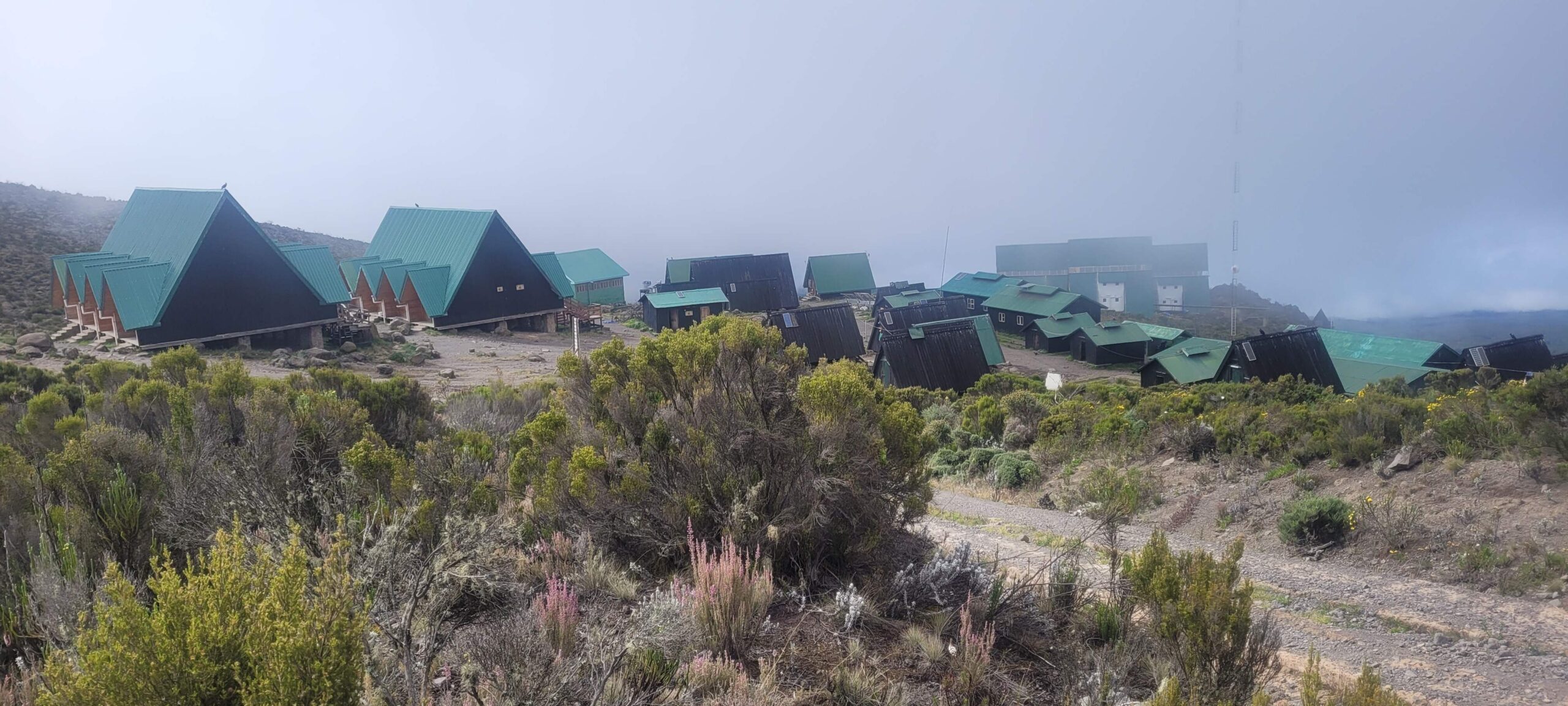
Horombo Hut is the key campsite for climbers on Mount Kilimanjaro’s Marangu Route. Located at 3,720 meters (12,205 feet) on a broad alpine plateau, it provides a vital stop for acclimatization and preparation before the summit attempt.
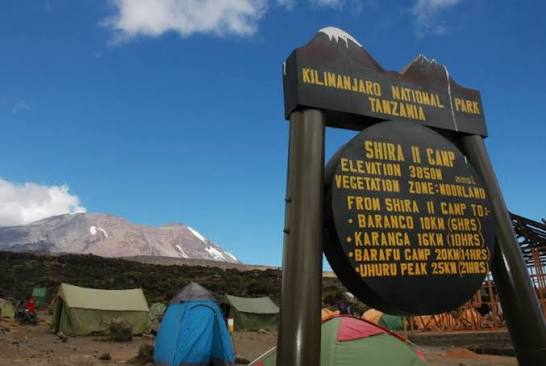
Shira Cave Camp holds a unique place in Kilimanjaro’s climbing history. Named after a nearby cave once used by early adventurers, it sits at 3,840 meters on the Shira Plateau and serves as the second overnight stop on the Machame Route.
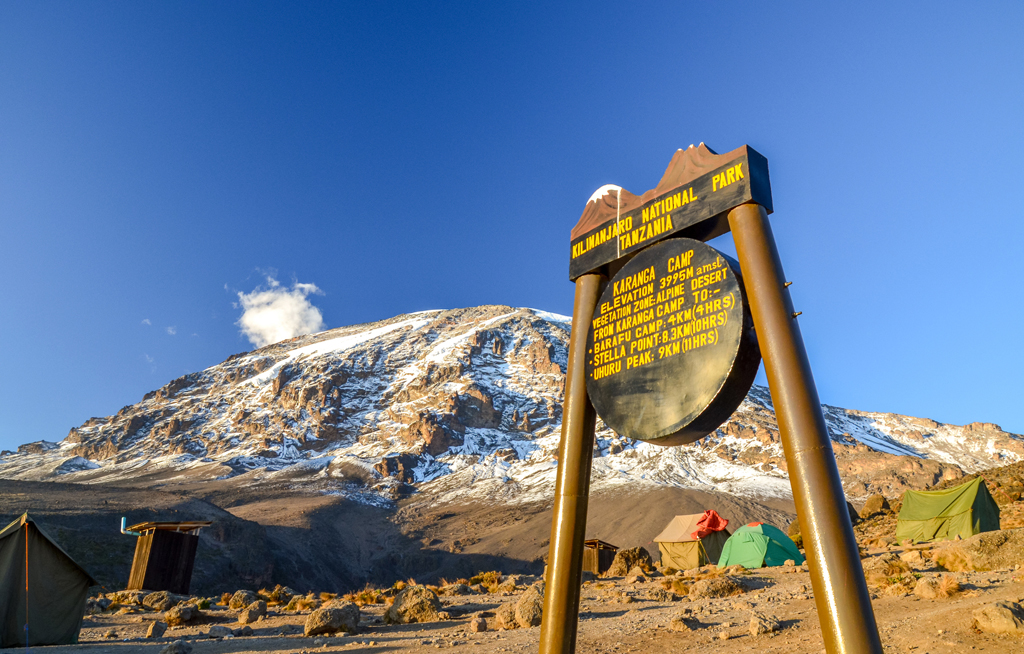
Karanga Camp, also called Karanga Hut Campsite, is strategically located on Kilimanjaro’s southern circuit and serves as a key acclimatization stop for climbers.