
Mweka Gate Kilimanjaro
Mweka Gate is the primary exit for climbers descending Mount Kilimanjaro, marking the end of their ascent. Located at approximately 1,640 meters on the southern boundary, it is the final stop for those on the Lemosho, Shira, Umbwe, Machame, and Northern Circuit routes. Each year, thousands of climbers pass through Mweka Gate, celebrating their achievement with relief and satisfaction.
Mweka Gate is unique among Kilimanjaro’s entry and exit points because it is used exclusively for descent. Only climbers returning from the summit use this gate, as the Mweka Route is one-way. This system streamlines traffic and enables efficient descents without disrupting ascending climbers. The gate’s facilities focus on registering and inspecting departing climbers, rather than supporting ascent preparations.
The atmosphere at Mweka Gate is both celebratory and relieving. Climbers arrive exhausted but triumphant, reflecting on the achievement of reaching Uhuru Peak. Summit certificates are awarded, photos are taken, and climbers bid farewell to their mountain crew. The gate marks the transition from Kilimanjaro’s wilderness to the comforts of civilization, closing one chapter and beginning another.
Location of Mweka Gate
Mweka Gate is located near Uru West Ward in Moshi Rural District, along Mount Kilimanjaro’s southern boundary. The surrounding rural area, dotted with a few houses, offers a peaceful, welcoming environment for returning climbers. Coffee plantations line the road to Mweka, highlighting the region’s scenic beauty and agricultural character.
The gate’s proximity to Moshi Town offers convenient access to hotels, restaurants, and other amenities after a trek. Although large shops are limited near the gate, small shops provide basic supplies. Its proximity to Moshi also makes transportation easier, whether you are heading to a hotel or continuing to a safari or beach destination.
The gate is located just inside Mount Kilimanjaro’s rainforest region, so climbers descending from higher elevations pass through lush montane forest before exiting. This final section offers a scenic, memorable end to the Kilimanjaro experience, with towering trees, birdsong, and the gentle sounds of the forest accompanying the last steps down the mountain.
Facilities at Mweka Gate
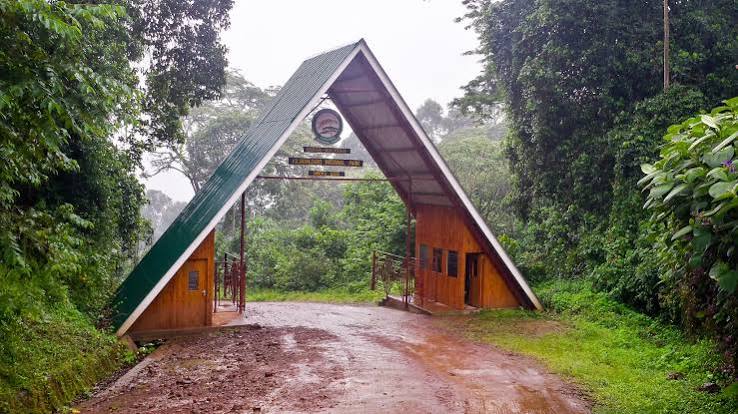
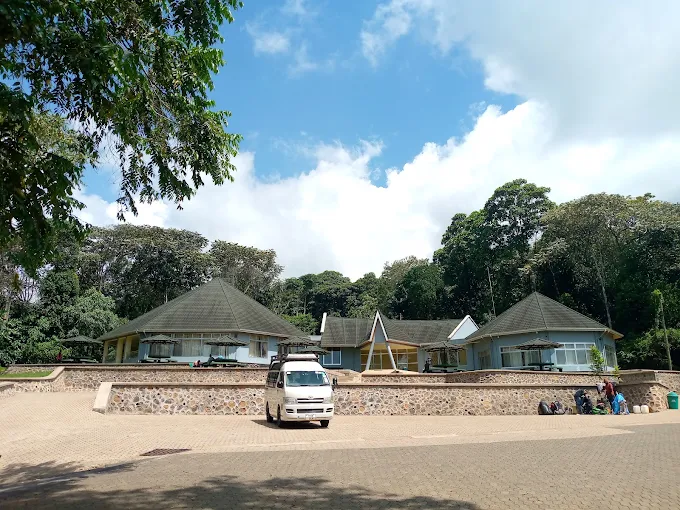
Mweka Gate provides essential facilities to help climbers finish their descent and exit the mountain. Park authority offices register departing climbers, manage required paperwork, and conduct inspections to confirm all climbers are accounted for and have complied with park regulations.
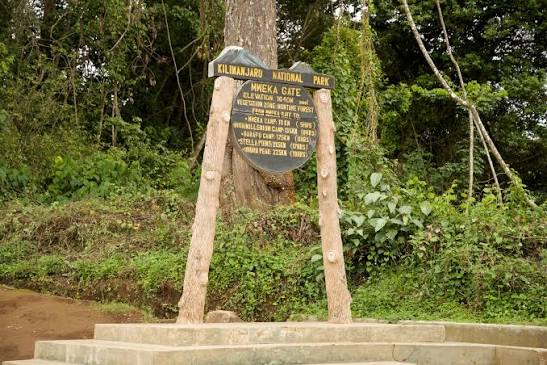
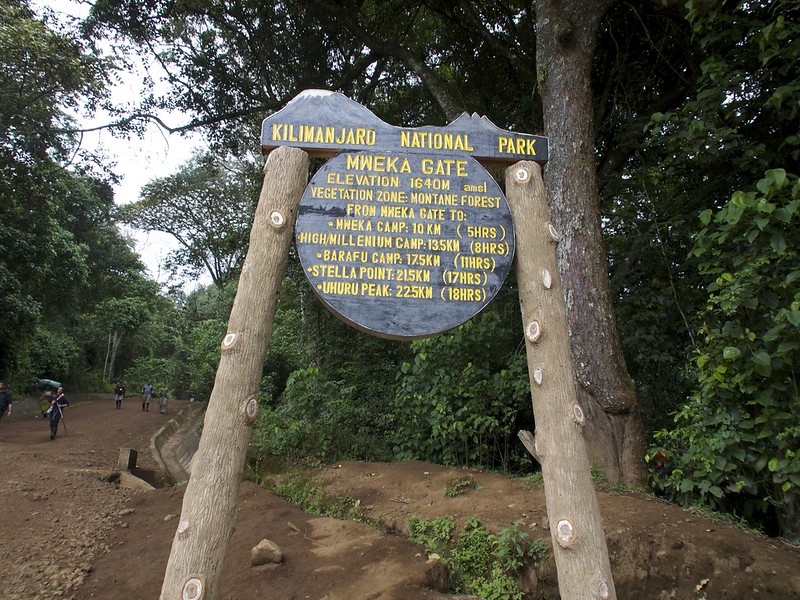
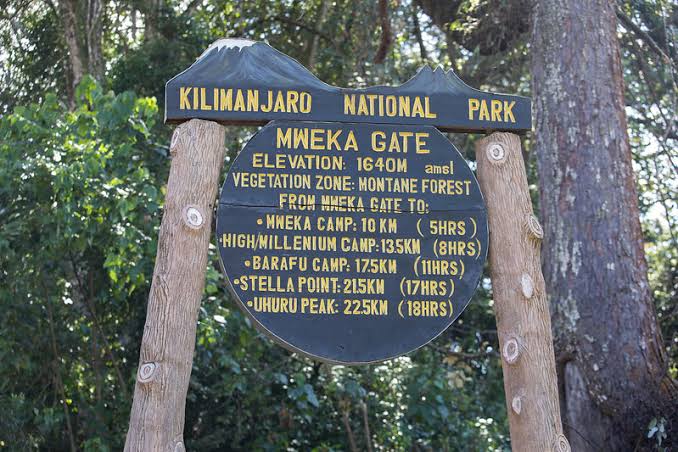
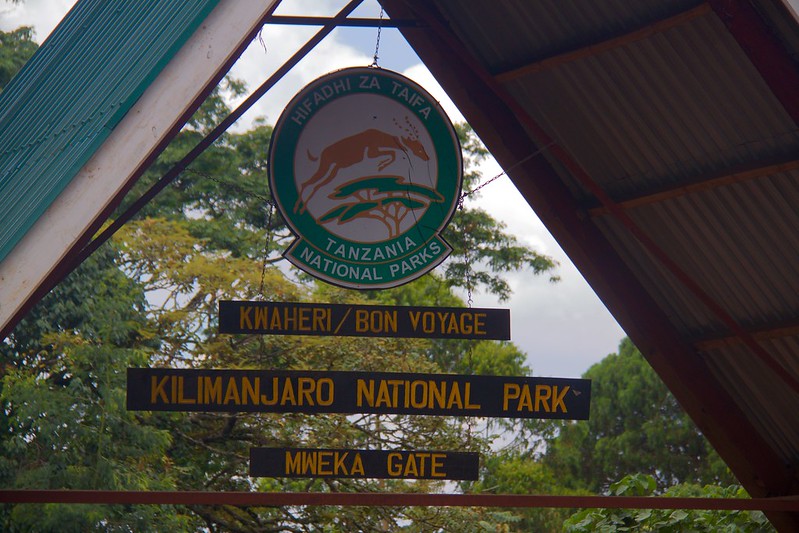
The gate area offers climbers a place to rest, reflect, and celebrate their accomplishment. Summit certificates are presented here, formally recognizing those who reached one of Kilimanjaro’s three summit points. Many climbers take photographs at the gate sign to commemorate the end of their climb. The atmosphere is typically joyful, with climbers and crew sharing stories and congratulations.
Although Mweka Gate’s facilities are less extensive than those at larger entry points like Marangu Gate, they adequately meet the needs of departing climbers. Its rural location and proximity to Moshi provide easy access to additional services after leaving the park. Many climbers celebrate their achievement with a meal or drink in Moshi before continuing their journey, marking the end of their Kilimanjaro adventure.
Registration and Inspection Procedures at Mweka Gate
Registration and inspection at Mweka Gate follow the same standards as other Mount Kilimanjaro gates, with a focus on climber safety and compliance. Although Mweka Gate is primarily an exit point, climbers must complete all procedures before departure. To avoid delays, climbers should ensure they have all required documentation and resources ready before arrival.
Passport and Visa Verification: Climbers must present valid passports and visas, which are checked against registration details to confirm legal entry into Tanzania and verify identity.
Itinerary Cross-Checking: Park officials review each climber’s itinerary to confirm the climb was completed as planned and all regulations were followed.
Guide Verification: Officials confirm that each climber’s guide is affiliated with a registered tour company, ensuring proper licensing and reputable support.
Resource Confirmation: Climbers must show they have sufficient resources, such as porters, tents, food, and water, to ensure proper support throughout the expedition.
Entry Fee Verification: All entry fees must be paid and verified before exit to support park maintenance and conservation.
Once these procedures are complete, climbers may exit the park and continue their journey.
Mweka Gate Vegetation Zone
Mweka Gate is located within Mount Kilimanjaro’s rainforest, one of the mountain’s five ecological zones. This area features lush vegetation, tall trees, mosses, ferns, and diverse plant and animal life. Receiving the mountain’s highest rainfall, the rainforest is humid, green, and biologically rich.
For climbers descending from the summit, the rainforest zone offers warmer temperatures and higher oxygen levels. After days in the alpine desert and arctic zones, the greenery and wildlife mark the return to lower elevations. The gentle trail makes the final descent comfortable and offers time for reflection.
Most climbers exit through Mweka Gate after descending from Millennium Camp or Mweka Camp in the heath and moorland zones. This route passes through the rainforest, offering a final experience of Kilimanjaro’s diverse ecosystems before departure.
Distance from Millennium Camp to Mweka Gate
The trek from Millennium Camp to Mweka Gate takes approximately 6 hours along a 12.1-kilometer trail that descends steadily to the exit. This final section passes through heath and rainforest zones, offering scenic views and a chance to reflect on recent accomplishments.
The trail is well maintained and easy to follow, but the rocky, uneven terrain requires caution, particularly when fatigued. Trekking poles are recommended to improve balance and reduce knee strain during the descent. As climbers descend, the air warms and thickens, and the vegetation becomes denser, indicating a return to lower elevations and the conclusion of the climb.
At Mweka Gate, climbers receive summit certificates and celebrate their achievement with fellow trekkers and the mountain crew. The gate marks the official end of the Kilimanjaro climb, often accompanied by relief, joy, and a strong sense of accomplishment.
Distance from Mweka Gate to Moshi Town
Mweka Gate serves as an exit-only point. The drive from the gate to Moshi takes about one hour via Lema Road and covers approximately 24 kilometers, passing through rural areas and coffee plantations. This route provides a final view of the Kilimanjaro region before returning to town.
Moshi, the nearest major town to Mweka Gate, offers a variety of hotels, restaurants, and amenities for climbers finishing their trek. Many choose to stay overnight in Moshi to rest before continuing their travels, while others proceed directly to the airport or onward to other destinations. Regardless of your plans, the drive from Mweka Gate to Moshi marks a fitting end to your Kilimanjaro experience.
Descending Kilimanjaro to Exit via Mweka Gate
To descend Mount Kilimanjaro, all routes use the Mweka Gate to exit the mountain, except the Marangu Route, which uses its own gate for descent. The Mweka Route is the primary descent path for climbers on the Machame, Lemosho, Shira, Umbwe, and Northern Circuit routes, making Mweka Gate the mountain’s busiest exit point.
Descending the Mweka Route offers a unique perspective on Kilimanjaro and highlights its diverse landscapes. The route passes through every ecological zone, from alpine desert to rainforest, providing a final opportunity to experience the mountain’s natural beauty.
As climbers approach Mweka Gate, they often feel a strong sense of achievement. The gate marks the end of the climb and the start of celebrations. Porters, guides, and climbers gather to share stories and congratulations as park authorities complete the required formalities. This moment of community and shared accomplishment is one climbers remember long after leaving the mountain.
Remark: Complete Your Kilimanjaro Adventure
Mweka Gate marks the end of your Kilimanjaro journey, where climbers celebrate their achievement before returning home. At Blessing Safaris, we provide a safe, comfortable, and memorable experience. Our local team offers expert guidance and support throughout every stage of your climb.
We uphold ethical climbing practices, ensure fair treatment of our crew, and supply high-quality equipment and meals. With countless successful summits and a strong safety record, Blessing Safaris is trusted by adventurers worldwide. Choose a Kilimanjaro tour operator that prioritizes your safety, comfort, and success. Book your Kilimanjaro adventure with us and create lasting memories. Your summit moment awaits, and our team is ready to support you.
Frequently Asked Questions About Mweka Gate
What Is Mweka Gate?
Mweka Gate, situated at approximately 1,640 meters on Mount Kilimanjaro’s southern boundary, is the main exit for climbers descending from the summit. It is the final destination for climbers using the Lemosho, Shira, Umbwe, Machame, and Northern Circuit routes. Unlike other gates, Mweka Gate is used exclusively for descent. The gate is recognized for its celebratory atmosphere, where climbers receive summit certificates, take photographs, and thank their mountain crew. For thousands each year, passing through Mweka Gate signifies the successful completion of their Kilimanjaro climb and the start of their return to daily life.
Where Is Mweka Gate Located?
Mweka Gate is located near Uru West Ward in Moshi Rural District, on the southern boundary of Mount Kilimanjaro. The surrounding rural area, with scattered houses, creates a peaceful and welcoming environment for returning climbers. Coffee plantations line the road to Mweka, highlighting the region’s scenic beauty and agricultural character. The gate is approximately 24 kilometers from Moshi Town, providing convenient access to hotels, restaurants, and other amenities. Positioned just inside Mount Kilimanjaro’s rainforest zone, the gate allows climbers to pass through lush montane forest as they exit.
What Is the Elevation of Mweka Gate?
Mweka Gate is located at approximately 1,640 meters (5,381 feet) above sea level on Mount Kilimanjaro’s southern boundary, within the rainforest zone. This lower elevation brings warmer temperatures and higher oxygen levels after time spent at altitude. The gate is surrounded by lush, evergreen vegetation and receives abundant rainfall, supporting significant biodiversity. Climbers exit here after descending from Millennium Camp or Mweka Camp, passing through heath and rainforest zones. The gate marks the official end of the Kilimanjaro climb and the start of the return journey to Moshi.
What Facilities Are Available at Mweka Gate?
Mweka Gate provides essential facilities to support climbers as they descend. Park authority offices register departing climbers, manage paperwork, and conduct inspections to ensure compliance with regulations. The gate area offers a place to rest and celebrate, with summit certificates awarded to recognize reaching one of Kilimanjaro’s three summit points. Climbers often take photographs at the gate sign to commemorate the end of their journey. Although the facilities are less extensive than those at larger entry points, they adequately meet the needs of departing climbers.
What Registration Procedures Are Required at Mweka Gate?
Registration and inspection at Mweka Gate follow the same procedures as other Mount Kilimanjaro gates to ensure climber safety and compliance. These include verifying passports and visas, confirming daily itineraries, checking that guides are registered with a tour company, and ensuring adequate porters, tents, food, and water. Entry fee verification is also required. Although Mweka Gate is primarily used for exit, complete all procedures before leaving the park. To avoid delays, climbers should have all required documentation and resources ready upon arrival.
Which Routes Use Mweka Gate?
Mweka Gate is the main exit for climbers descending from most Kilimanjaro routes, including Lemosho, Shira, Umbwe, Machame, and the Northern Circuit. These routes converge on the Mweka Route for descent, making Mweka Gate the mountain’s busiest exit. The Marangu Route is the only major route that exits via Marangu Gate instead. The Mweka Route is used exclusively for descent, which streamlines traffic and prevents interference with ascending climbers.
What Is the Vegetation Zone at Mweka Gate?
Mweka Gate is located within the rainforest region of Mount Kilimanjaro, one of the mountain’s five ecological zones. This area features lush vegetation, tall trees, mosses, ferns, and diverse plant and animal life. Receiving the mountain’s highest rainfall, the rainforest zone is humid, verdant, and biologically rich. For climbers descending from the summit, entering the rainforest zone means warmer temperatures and higher oxygen levels. After days at high altitude in the alpine desert and arctic zones, the rainforest’s greenery and the sounds of birds and monkeys signal a welcome return to lower elevations.
How Far Is Millennium Camp from Mweka Gate?
Mweka Gate is located in the rainforest region of Mount Kilimanjaro, one of the mountain’s five ecological zones. This area features lush vegetation, tall trees, mosses, ferns, and diverse plant and animal life. As the mountain’s wettest zone, it is humid, green, and biologically rich. Climbers descending from the summit experience warmer temperatures and higher oxygen levels as they enter the rainforest. After days in the alpine desert and arctic zones, greenery and the sounds of birds and monkeys signal a welcome return to lower elevations.
How Far Is Mweka Gate from Moshi Town?
Mweka Gate is an exit-only point. The drive to Moshi takes about one hour via Lema Road, covering 24 kilometers through rural areas and coffee plantations, culminating in a final view of the Kilimanjaro region. Moshi, the nearest major town, offers hotels, restaurants, and amenities for climbers completing their journey. Many travelers stay overnight in Moshi to rest before continuing, while others go directly to the airport or on to a safari or beach holiday. The drive from Mweka Gate to Moshi provides a fitting conclusion to your Kilimanjaro adventure..
How Do I Descend Kilimanjaro to Exit via Mweka Gate?
All Kilimanjaro routes, except Marangu, exit via the Mweka Gate. The Mweka Route serves as the main descent route for climbers on Machame, Lemosho, Shira, Umbwe, and the Northern Circuit. Descending this route offers a unique perspective and highlights Kilimanjaro’s diverse landscapes, from alpine desert to lush rainforest. The journey passes through all ecological zones, providing a final opportunity to appreciate the mountain’s natural beauty. As climbers near Mweka Gate, a strong sense of accomplishment builds, making the gate a welcome sight.
What Happens at Mweka Gate After the Climb?
After their descent, climbers arrive at Mweka Gate to receive summit certificates and celebrate with fellow trekkers and the mountain crew. The gate serves as a gathering point for photos and farewells. Park authorities register and inspect climbers to ensure everyone is accounted for and park regulations are met. Many choose to mark the end of their Kilimanjaro adventure with a meal or drink in Moshi. The atmosphere at Mweka Gate is joyful, with climbers and crew sharing stories and congratulations.
Is There Accommodation Near Mweka Gate?
Accommodation near Mweka Gate is limited due to its rural location on Mount Kilimanjaro’s southern boundary. Most climbers stay in Moshi Town, which offers a range of options, including budget guesthouses, mid-range hotels, and luxury lodges. Moshi also offers restaurants, shops, and other amenities unavailable near the gate. Many tour operators, including Blessing Safaris, include transportation from Mweka Gate to Moshi in their climbing packages, ensuring convenient transfer to your hotel after the descent.
What Should I Bring to Mweka Gate?
Bring your passport, visa, printed itinerary, guide registration confirmation, entry fee proof, and all required climbing gear to Mweka Gate. For the descent, pack suitable clothing, including rain gear, hiking boots, layers for varying temperatures, water bottles, snacks, and sunscreen. Bring cash for additional expenses and use a waterproof folder to protect important documents. Because facilities at Mweka Gate are limited, arrive fully prepared.
What Is the Best Time to Arrive at Mweka Gate?
The best time to arrive at Mweka Gate is during the day, ideally in the early afternoon, after descending from Millennium Camp or Mweka Camp. The descent from these camps takes approximately 3 to 6 hours, depending on the starting point and the climber’s pace. Arriving at the gate during daylight hours allows for a more relaxed experience, with time to take photographs, collect certificates, and celebrate with your fellow climbers and crew. The dry seasons from June to October and December to March offer the most stable weather and the best conditions for the descent, making these periods ideal for completing your Kilimanjaro adventure.
Mweka Gate Kilimanjaro Photos
You May Also Like
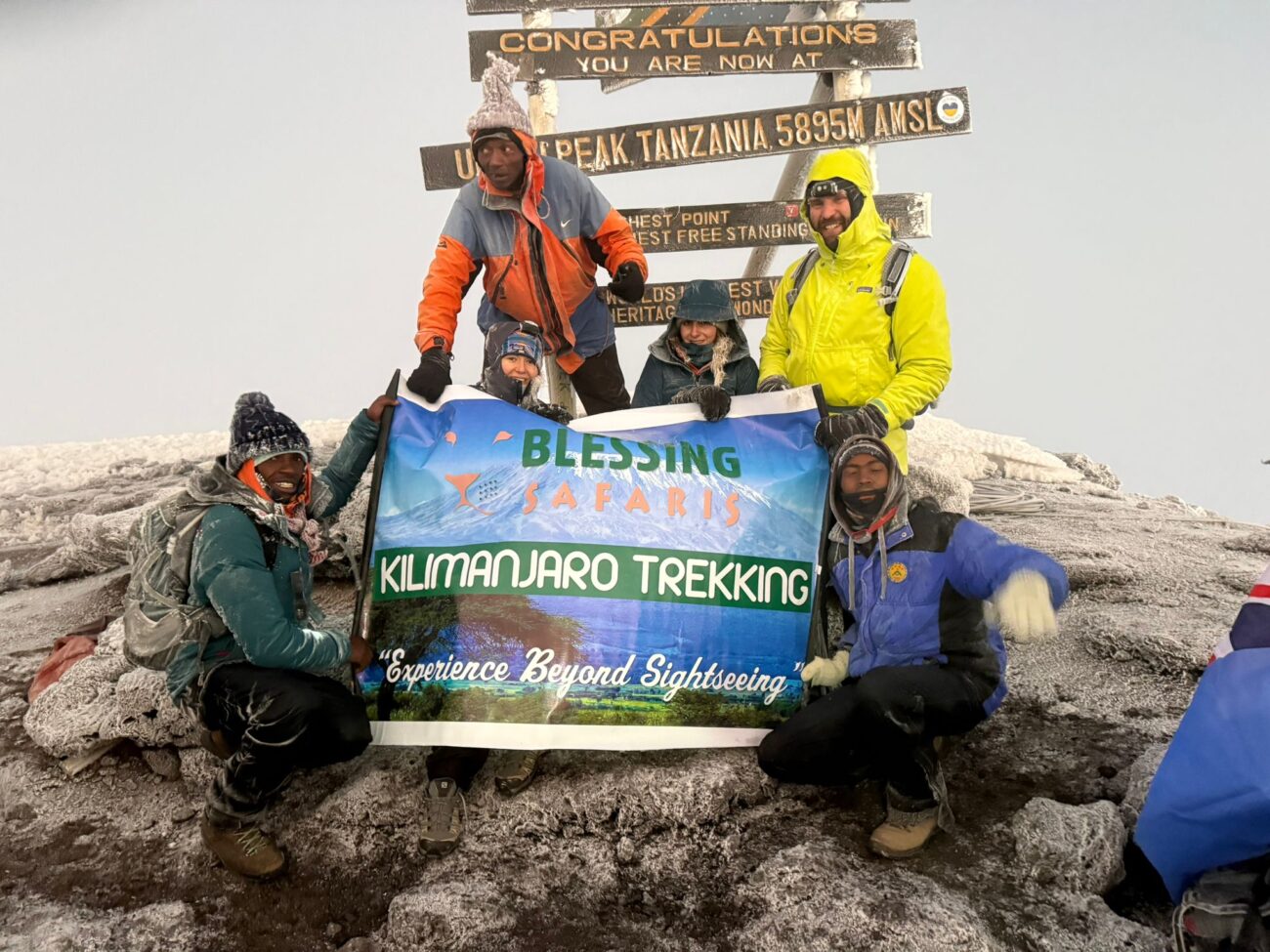
We offer a seven-day Machame route experience to Mount Kilimanjaro. Machame Route is also known as the “Whiskey Route”. It is a more difficult route compared to the Marangu route. The Machame route only offers camping accommodations suitable for camping lovers.
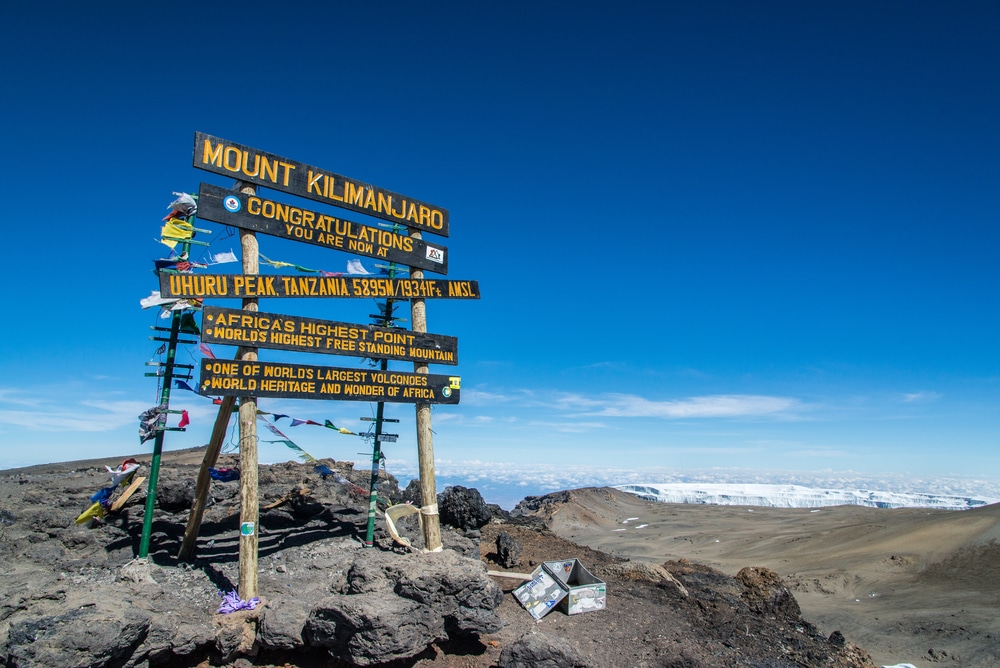
The 8-day Lemosho route climbing is the best choice for people with enough time to spend on the mountain. Spending many days on Kilimanjaro helps you acclimatize naturally to the high altitude, reducing the risk of altitude sickness.
The Northern Circuit Route is the longest and most scenic path up Mount Kilimanjaro, offering trekkers a combination of stunning views, solitude, and a high chance of summit success.