
Mount Kilimanjaro Porters
Mount Kilimanjaro porters are essential to every successful climbing expedition. These dedicated men and women, all at least 18 years old, are experienced in the mountain’s demanding conditions and work diligently to support climbers throughout their ascent. Their commitment, strength, and expertise make the Kilimanjaro experience safer and more accessible for all.
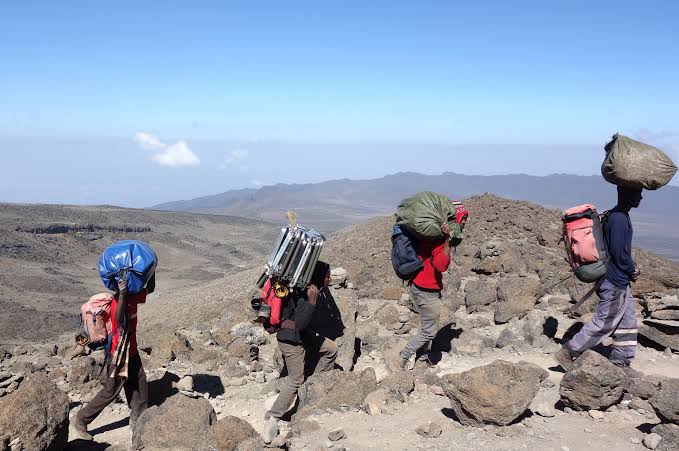
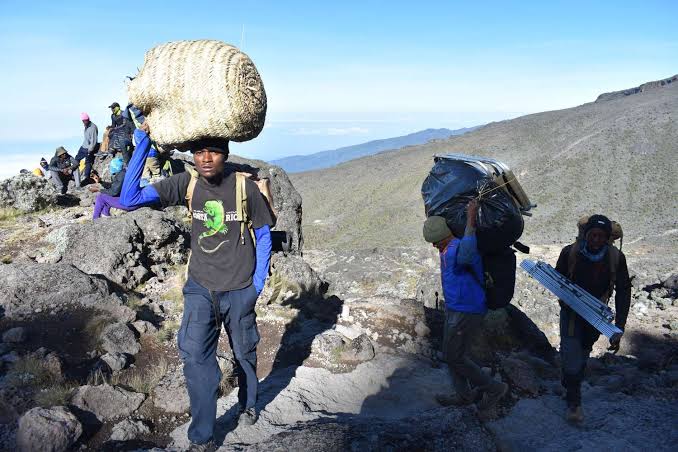
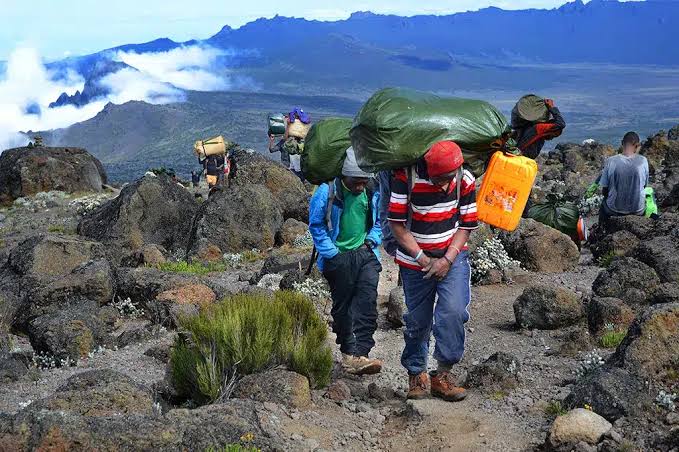
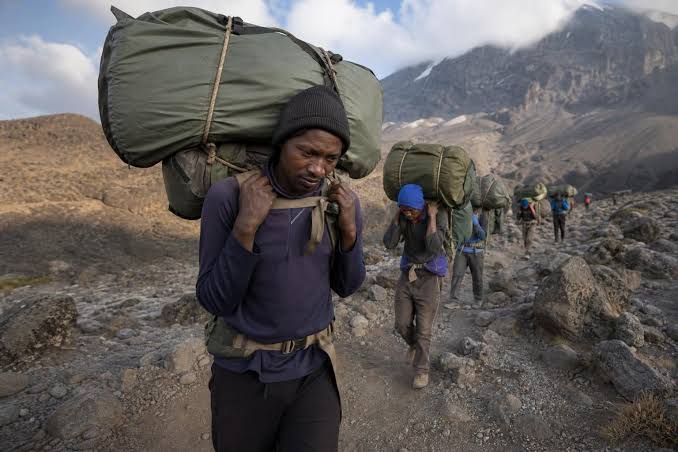
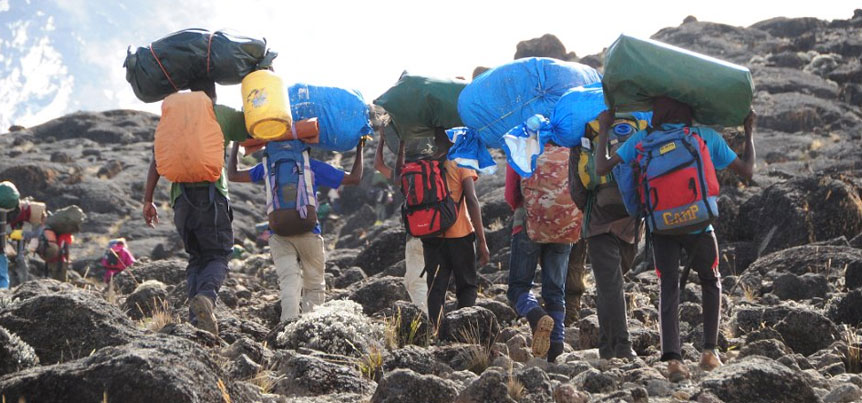
Porters carry most of the equipment and supplies up the mountain, such as tents, food, cooking gear, medical supplies, and personal items. By law, they transport climbers’ equipment to reduce the physical burden on climbers, improving safety and comfort. This work also provides porters with meaningful employment and supports their families.
Porters do much more than carry loads. They set up camp, help prepare meals, fetch water, and assist with other tasks as needed. Their knowledge of the mountain and its routes makes them vital to any climbing team. Many climbers remember the porters’ dedication and positive attitude as highlights of their Kilimanjaro journey.
Who Are the Blessing Safaris Kilimanjaro Porters?
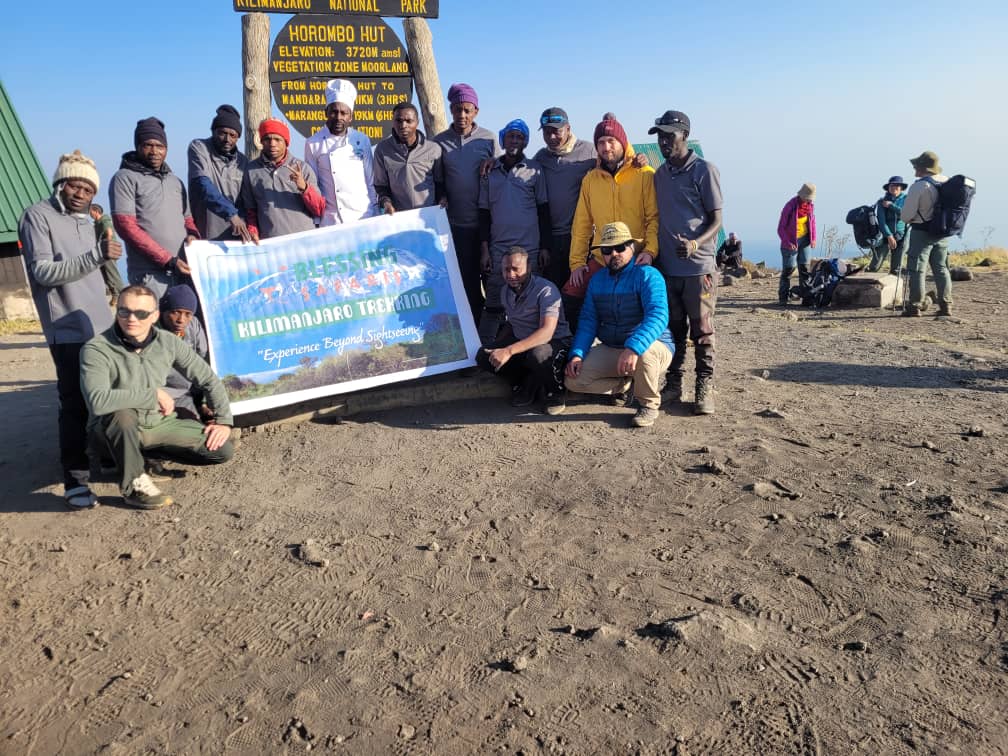
Most Blessing Safaris porters are from the Mount Kilimanjaro area, reflecting our commitment to supporting local communities. By hiring local men and women, we provide economic opportunities and help sustain families in the region. Many porters have lived near Kilimanjaro all their lives and have a deep knowledge of its terrain, weather, and challenges.
Our porters carry essential supplies up the mountain, including food, camping gear, tents, portable toilets, chairs, and tables. Each porter typically carries 15 to 20 kilograms, sometimes less, depending on the expedition. They work long hours in demanding conditions to ensure climbers have everything needed for a safe and comfortable ascent.
In addition to their physical work, our porters contribute warmth, humor, and cultural insight to each climb. Many climbers form lasting friendships with their porters and gain a deeper understanding of local customs and traditions. This cultural exchange enhances the trekking experience, making the journey both rewarding and memorable.
Guide to Climber and Porter Ratios
The guide-to-porter ratio is essential for safety, comfort, and success on Mount Kilimanjaro. At Blessing Safaris, we assign one qualified mountain guide for every two climbers. This ensures effective supervision, camp management, and personalized support for each climber.
The porter ratio typically ranges from 3 to 6 porters per climber, depending on the route and the duration of the climb. The Marangu Route, which uses huts, requires fewer porters than camping routes such as the Machame or Lemosho Route, which require more porters due to the need for more equipment and supplies. Larger groups may require fewer porters per climber due to economies of scale.
We strongly advise against booking with operators who use insufficient porter ratios to reduce costs. Groups with six climbers and only two guides have been observed, which may lower expenses but increase safety risks. The volume of gear, including tents, kitchen supplies, bathroom facilities, and food, requires a large team of porters.
How Much Weight Does Each Porter Carry?
The National Parks Authority enforces a 20-kilogram (44-pound) weight limit per porter on Kilimanjaro. Luggage is weighed at park gates to ensure compliance. While food supplies may decrease during the trek, climbers’ bag weights typically remain constant.
Responsible operators, including Blessing Safaris, limit climber bags to 15 kilograms to avoid overburdening porters. Some companies, however, require porters to carry up to 35 kilograms, exceeding the legal maximum.
If a porter becomes ill and is not replaced, others must carry extra weight, leading to overwork and exhaustion. This practice is both unethical and unsafe. At Blessing Safaris, we strictly limit porter loads and ensure fair weight distribution each morning to protect their well-being.
How Much Are Porters Paid per Day?
At Blessing Safaris, we prioritize the well-being of porters and ensure they are treated respectfully. We pay competitive wages in line with industry standards, and porters receive payment immediately after each climb. Combined with tips from climbers, these earnings provide a sustainable income that supports their families and communities.
We handle porter tips transparently, ensuring each porter receives their fair share. Fair wages and tips significantly improve their living conditions and help them invest in their children’s education. We encourage climbers to tip appropriately, recognizing the vital role porters play in every expedition’s success.
What Do the Porters Do and Carry on Mount Kilimanjaro?
Porters on Mount Kilimanjaro are responsible for carrying essential expedition items, including:
- Food supplies: All meals and snacks for the duration of the climb
- Camping gear: Tents, sleeping mats, and other equipment
- Cooking equipment: Stoves, pots, pans, and utensils
- Medical supplies: First aid kits, emergency oxygen, and other safety equipment
- Furniture: Chairs and tables for dining and relaxation
- Portable toilets: Private toilet facilities for climbers
Beyond transporting equipment, porters set up camp each day, help prepare meals, and collect water from local sources. Their knowledge of the mountain’s routes is invaluable, and they often guide and support climbers. Their stamina and fitness, developed through repeated ascents, enable them to work long hours in challenging conditions.
How Blessing Safaris Takes Care of Its Porters
At Blessing Safaris, we prioritize the well-being of our porters and are committed to treating all porters with dignity, respect, and fairness. Our practices include:
- Fair Wages: Our porters receive a standard wage and a fair share of transparent tips. They are paid promptly after each climb.
- Proper Equipment: Our porters are provided with appropriate mountain gear to assist climbers and protect themselves from harsh conditions. Their clothing, sleeping bags, and tents are warm and waterproof.
- Adequate Nutrition: Our porters receive three nutritious meals daily to maintain their strength and energy throughout the climb.
- Fair Loads: We strictly limit porter loads to 20 kilograms and ensure fair weight distribution to support their well-being.
- Flexibility: We add porters as needed to ensure a fair distribution of workload across groups.
- Medical Care: We provide prompt medical attention for sick porters and arrange replacements when necessary.
Advantages of Employing Porters on Kilimanjaro Treks
Employing porters on Mount Kilimanjaro benefits climbers, local communities, and the environment in several key ways:
- Lighter Load: Porters carry most gear and supplies, reducing climbers’ physical burden and enabling them to focus on endurance and acclimatization.
- Safety and Support: Porters’ experience and knowledge of the mountain provide essential guidance and assistance throughout the trek.
- Faster Trekking: With porters handling heavy equipment, climbers can maintain a comfortable pace, reducing fatigue and enhancing the overall experience.
- Acclimatization: Without heavy packs, climbers acclimatize more effectively to high altitudes, increasing their chances of reaching the summit.
- Focus on Enjoyment: Entrusting logistics to porters allows climbers to fully appreciate Kilimanjaro’s landscapes and unique wildlife.
- Supporting Local Communities: Hiring local porters creates jobs and supports the regional economy around Kilimanjaro.
- Environmental Conservation: Porters and guides encourage responsible trekking, helping keep trails and campsites clean.
- Cultural Exchange: Interacting with porters gives climbers insight into local culture and customs, enriching the trek.
- Logistical Expertise: Porters’ skills in camp setup and equipment organization make the trek more comfortable and efficient.
- Ethical Trekking: Employing porters through reputable companies ensures fair treatment, proper equipment, and fair wages, supporting ethical tourism.
Frequently Asked Questions About Mount Kilimanjaro Porters
Who Are Mount Kilimanjaro Porters?
Mount Kilimanjaro porters are workers aged 18 and above who assist climbers by carrying equipment, setting up camp, and providing logistical support. They are typically from local communities and are essential for a successful climb.
How Many Porters Do I Need on Kilimanjaro?
The number of porters per climber typically ranges from 3 to 6, depending on the route and duration. The Marangu Route requires fewer porters than camping routes like Machame or Lemosho.
How Much Weight Does a Porter Carry on Kilimanjaro?
The official Kilimanjaro Park limit is 20 kilograms per porter. Responsible operators often limit climber bags to 15 kilograms, while some unethical operators may require porters to carry up to 35 kilograms.
How Much Are Porters Paid on Kilimanjaro?
Porters receive standard industry wages plus tips from climbers. Blessing Safaris pays porters promptly after each climb and ensures transparent tip distribution.
What Do Porters Carry on Kilimanjaro?
Porters transport food, camping gear, cooking equipment, medical supplies, chairs, tables, portable toilets, and personal items as needed.
What Are the Duties of Porters on Kilimanjaro?
Porters carry equipment, set up camp, assist with meal preparation, fetch water, and complete additional tasks as directed by guides.
Is It Ethical to Use Porters on Kilimanjaro?
Yes, provided you use reputable companies that ensure fair treatment, proper equipment, fair wages, and reasonable loads. Blessing Safaris is committed to ethical porter practices.
Why Are Porters Important for Kilimanjaro Climbs?
Porters reduce the physical burden on climbers, enhance safety and support, improve acclimatization, support local communities, and promote responsible tourism.
How Can Climbers Support Porters on Kilimanjaro?
Climbers can support porters by tipping appropriately, treating them respectfully, and choosing companies that ensure fair treatment and wages.
What Is the Porter-to-Climber Ratio on Kilimanjaro?
The porter-to-climber ratio is typically 3 to 6 porters per climber, depending on the route and group size. The guide-to-climber ratio is one guide for every two climbers.
Are Porters Provided with Proper Equipment?
Responsible operators such as Blessing Safaris provide porters with appropriate clothing, sleeping bags, and tents that are warm and waterproof for harsh mountain conditions.
Do Porters Get Medical Care on Kilimanjaro?
Responsible operators ensure that sick porters receive appropriate medical care and that their duties are covered by replacements when needed.
How Can I Ensure Ethical Porter Treatment on Kilimanjaro?
Select reputable tour operators, inquire about porter policies, ensure fair wages and reasonable loads, and tip porters appropriately to recognize their efforts.
What Is the Role of Porters in Environmental Conservation?
Porters and guides promote responsible trekking by ensuring trails and campsites remain clean and free of litter.
How Do Porters Contribute to Cultural Exchange?
Interacting with porters enables climbers to learn about local culture and customs, enriching the trekking experience and fostering mutual understanding.
. BOOK YOUR CLMB NOW
Mount Kilimanjaro Porters Photos
You May Also Like
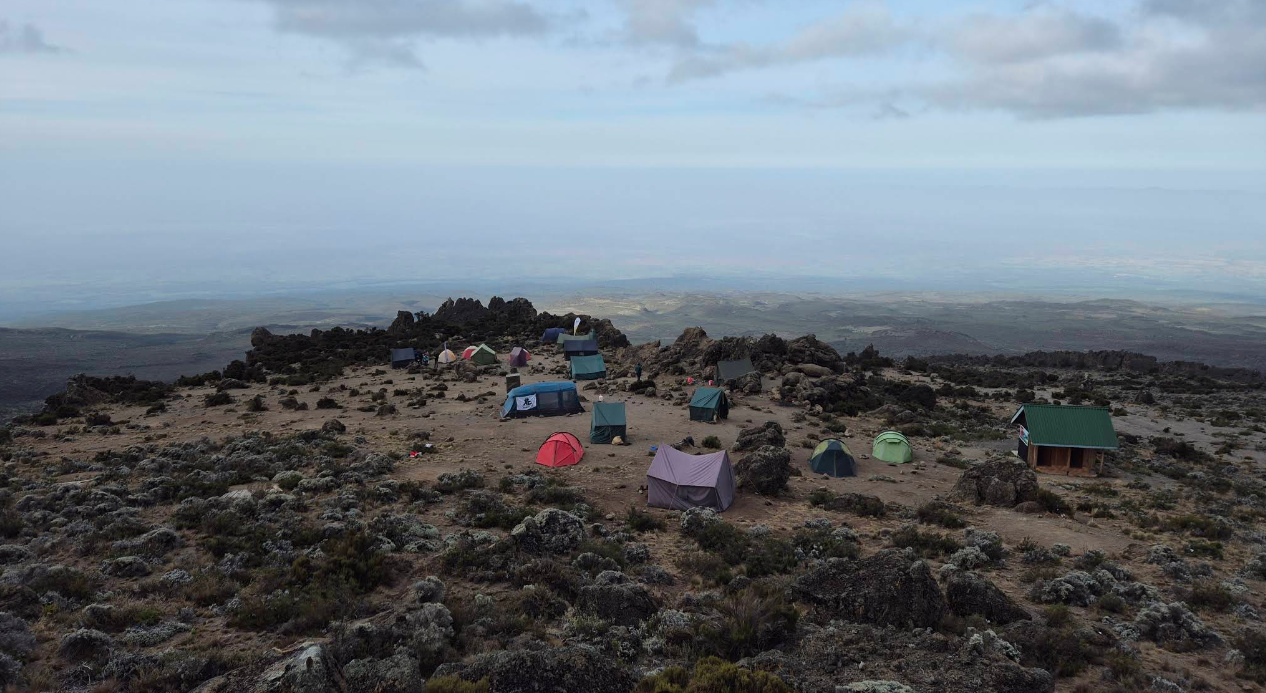
Buffalo Camp, also known as Pofu Camp, is a secluded overnight stop on Mount Kilimanjaro’s rarely traveled Northern Circuit Route. Situated at 3,995 meters on the lower base of the Kibo volcanic cone, it offers climbers a genuine wilderness experience away from the crowded southern routes
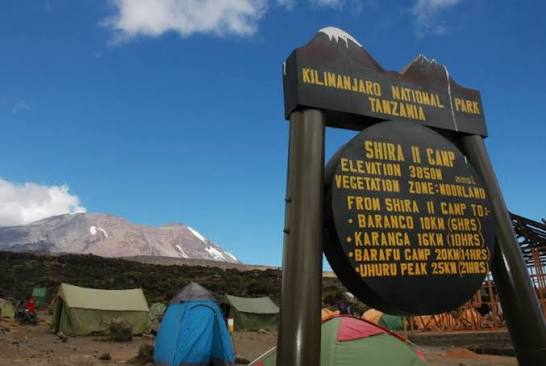
Shira Cave Camp holds a unique place in Kilimanjaro’s climbing history. Named after a nearby cave once used by early adventurers, it sits at 3,840 meters on the Shira Plateau and serves as the second overnight stop on the Machame Route.
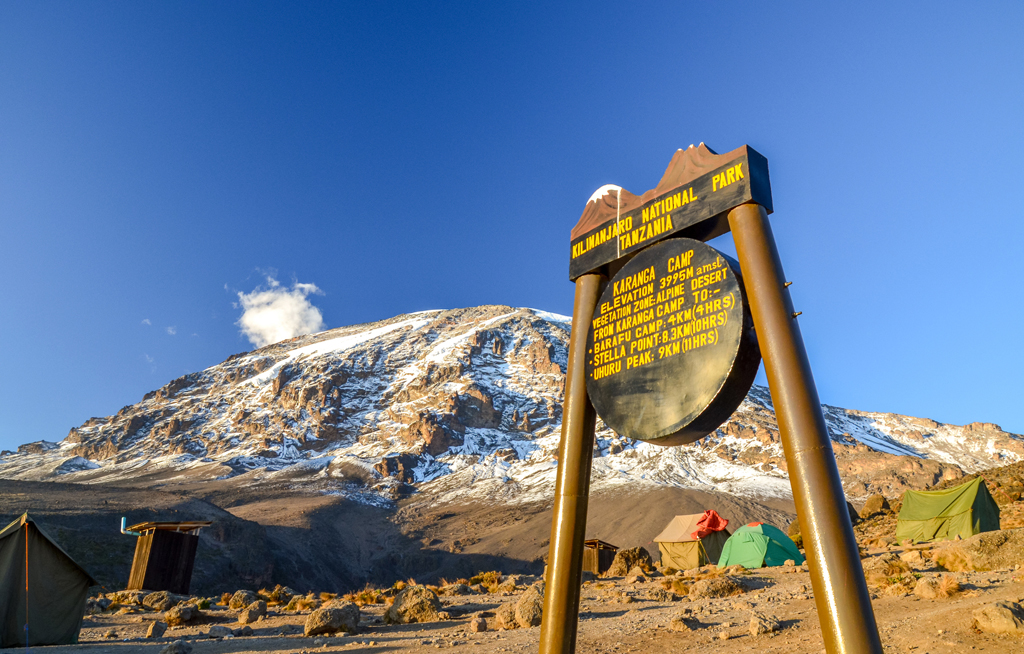
Karanga Camp, also called Karanga Hut Campsite, is strategically located on Kilimanjaro’s southern circuit and serves as a key acclimatization stop for climbers.