Table of Contents
Tanzania Safari Costs
Understanding safari costs in Tanzania is essential for planning your East African trip. Knowing these expenses in advance helps ensure a smooth and enjoyable experience.
Tanzania safari costs vary significantly depending on accommodation, park entry fees, transportation, and travel season. Each factor directly impacts your overall budget.
Safari costs differ greatly between budget camping, mid-range lodges, and luxury fly-in packages, whether you visit the Serengeti during the Great Migration or the Ngorongoro Crater.
This guide outlines typical Tanzania safari costs for each service tier and provides real-world examples and practical budgeting tips to help you plan your itinerary.
Average Tanzania Safari Costs in 2026 (Budget, Mid-Range, Luxury)
The cost of a safari in Tanzania varies based on the level of comfort, accommodation type, and services included.
Here’s a breakdown of typical daily costs:
- Budget Safari: $200 to $350 per person per day
- Mid-Range Safari: $400 to $600 per person per day
- Luxury Safari: $700 to $12,500 per person per day
These costs generally cover accommodation, meals, park entry fees, guided game drives, and transportation within the safari areas.
Budget Safari Cost in Tanzania
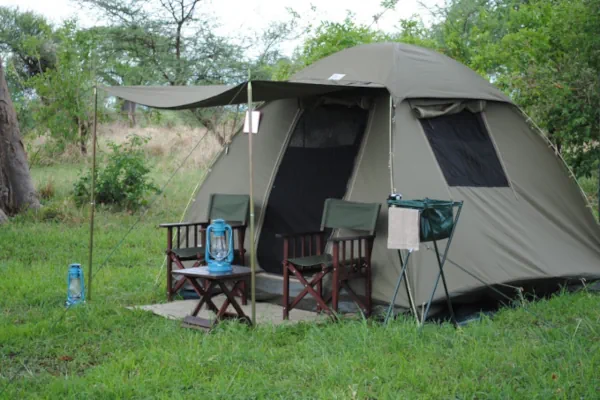
A budget safari in Tanzania can cost around $200 to $380 per person per day, depending on the group size. Most budget safaris are in shared groups, and the preferred accommodation is camping.
The cost of a budget safari can also be affected by the duration and the type of accommodation (basic lodges and budget tented camps). Bear in mind that a budget safari can be offered as a private trip for an additional fee.
How much does a budget safari cost in Tanzania?
Cost per day: A rough budget for a shared group ranges from $200 to $350 for a budget safari
What does the cost of a budget safari include? The price will consist of accommodation, typically basic camping or budget lodges. Specifically, for places like Ngorongoro Crater, you will stay at Simba Public Campsite; for the Serengeti, the available budget campsite is Seronera.
Apart from accommodation, your budget safari cost covers park fees, camping gear, safari guide, cook, and meals ( breakfast, lunch, and dinner)
What factors affect the cost of a budget safari in Tanzania?
Several main factors affect the cost of a budget safari in Tanzania. These include the type of accommodation, the size of your group, whether you travel in high or low season, which national parks you visit, park fees, the length of your safari, any extra activities such as hot air balloon rides or cultural experiences, and your mode of transport.
Key cost factors that affect the cost of a budget safari
Seasonality
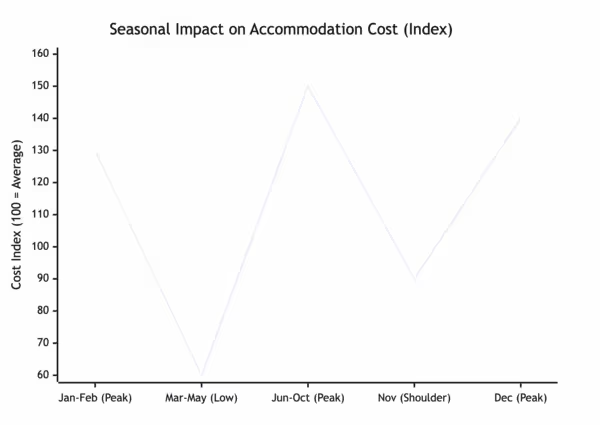
Seasonality is one of the key factors affecting the safari budget. Tanzania safaris are divided into two seasons: low and high (peak). Prices are higher during peak seasons, which run from June to October and from December to February.
During peak season, there is a high demand for accommodation during the Great Migration. Opting for the low season (March-May) or the shoulder season (November) will significantly reduce safari costs.
Chart 1: Seasonal Price Fluctuation for Tanzania Budget Safari
This chart shows how travel dates impact cost dramatically.
Tanzania Budget Safari Season Guide
If you like to avoid crowds, November is a great time to visit. This shoulder season gives you good weather and lower prices.
The low season falls in April and May, when there is heavy rain. During this time, many accommodations offer discounts of at least 40%. It can be a great time for a photography safari because the landscapes are lush and there are fewer vehicles in the parks. If you want to save money on your safari, consider traveling during the low season.
Peak season is the best time for safaris in Tanzania and East Africa. It usually lasts from June to October and from December to February. Prices are higher during these months compared to the shoulder or low seasons. The dry weather and the Great Migration are the main reasons for the higher costs. If you plan to visit for the Mara River Crossing between July and September or for the Calving season of the Great Migration, be prepared to pay more.
Budget Safari accommodation cost in Tanzania
This is often the most significant factor. Budget-friendly options like camping cost much less than mid-range or luxury lodges.
Cost: $20 to $120 per person, per night
- What You Get: Basic amenities such as shared bathrooms, simple meals, and a campsite or basic guesthouse.
- Example: A budget safari in Tarangire National Park might include camping under the stars, using a shared kitchen, and enjoying hearty, straightforward meals prepared on-site.
- Well-known public campsites include Simba Campsite in the Ngorongoro Conservation Area (NCAA) and Seronera Campsite in Serengeti National Park.
Who It’s For: Ideal for adventurous travelers, backpackers, or those on a tight budget who don’t mind sacrificing comfort for cost savings.
Additional Considerations: While budget options are affordable, they may lack amenities like Wi-Fi, private bathrooms, or air conditioning.
However, they provide a close connection to nature, making them an excellent choice for outdoor enthusiasts.
Group size
The size of your group also plays a big role in how much a safari in Tanzania will cost. Private safaris for small groups usually cost more than group safaris. Some expenses, like vehicle hire, accommodation, guide fees, and cook fees, are shared among the group. If you want to save money, consider joining a group safari.
Duration and number of parks
If you choose a longer safari, your total cost will increase, even though the daily rate might be slightly lower. Visiting more parks also means paying more in park fees. In Tanzania, each park has its own fee. For example, the Serengeti charges $70 plus 18% VAT, totaling $82.60 per person per day. The Ngorongoro Crater charges $60 plus 18% VAT ($70.80 per person) and a $295 crater service fee per vehicle. Parks like Tarangire and Lake Manyara charge $50 plus 18% VAT, for a total of $59 per person. The more days you spend in the parks, the higher your total safari cost will be.
Park fees
Park fees vary by location. Well-known parks like the Serengeti and the Ngorongoro Crater usually have higher entrance fees than less famous ones.
Chart 2: Daily National Park Entry Fees (2025/26)
This bar chart shows the total cost per adult, including 18% VAT, for the most popular national parks in Tanzania, based on our updated figures.
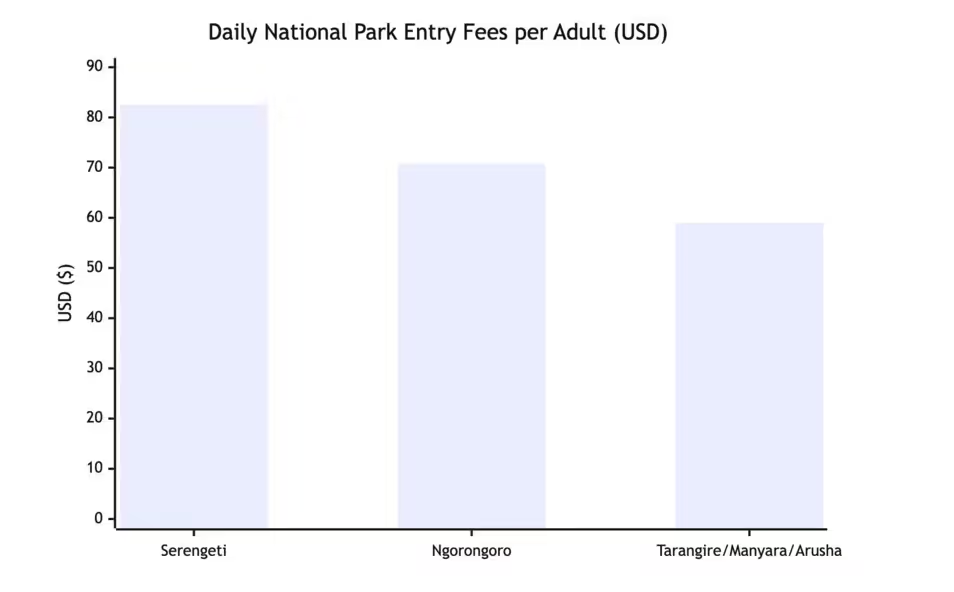
Source: Consolidated from TANAPA fee structure. Ngorongoro requires an additional ~$295 vehicle descent fee.
Transportation for a budget safari
When planning your safari budget, remember to include transportation. You can choose between domestic flights and ground travel, but flights are usually more expensive. For example, a one-way flight from Arusha to the Serengeti costs about $290, but it is more convenient than driving.
Extra activities to consider for your budget safari
You can add many activities to your budget safari in Tanzania. Each extra activity comes with its own cost. For example, a hot-air balloon ride costs $560, and a night game drive in places like Manyara and Tarangire costs $200 per person.
Chart 3: What Drives Your Safari Budget
This pie chart shows the three most significant factors influencing the total cost of your safari.
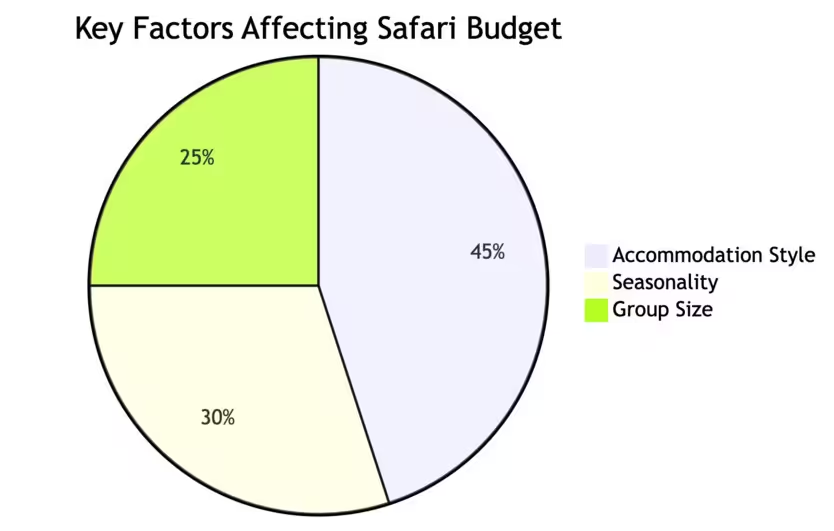
Here are the main factors that affect the cost of your safari in Tanzania.
Accommodation (45%): Whether you choose camping or budget lodges has the biggest impact on your safari price in Tanzania.
Season (30%): Traveling in the Dry Season, the peak period, can cost 30-50% more than during the Wet Season, the low period.
Group Size (25%): If you join a group, you can share the costs of vehicles, guides, and permits. This can lower your price by up to $200 per person on a budget safari in Tanzania.
Mid-range Safari Cost in Tanzania
How much does a mid-range safari cost in Tanzania?
A mid-range safari in Tanzania usually costs between $450 and $650 per person per day. The price can vary depending on whether you choose a private or group tour, the length of your trip, and any extras you add, such as a hot-air balloon ride.
For example, a 9-day mid-range safari might cost between $3,200 and $5,800 per person. The final price depends on factors such as the quality of accommodation, the time of year, and whether you have a private or shared vehicle.
You can book a mid-range safari in Tanzania as either a private or shared trip. Private safaris cost more, usually ranging from $450 to $650 per day, depending on where you go and the level of service you want. Shared or group safaris are usually cheaper, with rates typically ranging from $380 to $550 per day.
Which factors influence the cost of a mid-range safari in Tanzania?
The cost of a mid-range safari in Tanzania depends on several factors: seasonality, selected parks and activities, accommodation type (budget lodges, comfortable lodges, or tented camps), and whether the tour is private or part of a group.
What are the main factors affecting a mid-range safari in Tanzania?
Season of travel
Safari package prices in Tanzania vary by season. The dry peak season, from June to October and mid-December to February, is the most expensive, with higher costs for accommodation, park fees, and flights. During the low (wet) season, from March to May, accommodation and park fees are generally lower.
Accommodation type
Mid-range safaris provide comfortable accommodation in standard lodges and tented camps. These options are priced higher than public campsites but are more affordable than luxury accommodations. Accommodation rates for mid-range safari packages vary and are not standardized.
Location significantly influences pricing, with accommodations inside national parks typically costing more due to logistics and desirable settings. For example, Sopa Lodge in Tarangire is more expensive than Farm of Dream Lodge in Karatu.
- Cost: $250 to $650 per person, per night
- What You Get: Comfortable rooms with private bathrooms, enhanced dining options, and amenities such as swimming pools and air conditioning.
- Example: A mid-range lodge in Serengeti National Park may offer spacious rooms with en-suite bathrooms, a buffet breakfast, and access to a pool overlooking the savannah.
Who It’s For: This option suits families, small groups, and couples seeking comfort and affordability.
Mid-range lodges typically provide guided tours, cultural experiences, and optional excursions, offering versatility for travelers seeking both adventure and relaxation.
Duration and number of parks
Longer safaris increase total costs, although extended trips may reduce the daily rate. Each Tanzanian park sets its own fees. For example, Serengeti charges $82.6 per person per day, Tarangire charges $59 per adult per day, and Ngorongoro Crater requires a $70.8 entrance fee plus a $295 crater fee.
Group size
Group size significantly affects the cost of a mid-range safari. Private tours are considerably more expensive than group safaris, which allow participants to share vehicle expenses and crater service fees in the Ngorongoro Crater.
Season of travel
Seasonal demand significantly influences the price of mid-range safaris in Tanzania. The dry peak season (June to October and December to February) is typically more expensive due to higher demand for hotels and lodges.
In contrast, prices are generally lower during the low or green season (March to May) because of reduced demand. When planning your safari, consider traveling during this period to maximize value and reduce costs.
Transportation
The choice of transport significantly affects the total cost of a mid-range safari in Tanzania. Driving is more affordable than flying to remote areas like the Serengeti or Ruaha. Additional activities, including walking safaris, hot-air balloon rides, or sundowners, also increase the overall price.
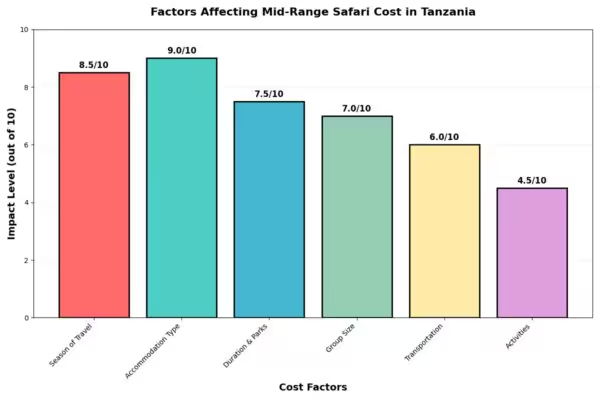
Chart 4: What Drives Your Mid-range Safari Budget?
This chart shows the six key factors affecting the cost of a mid-range safari in Tanzania.
Luxury Safari Cost in Tanzania
Tanzania represents the pinnacle of luxury safaris in Africa, with rates from $750 to $12,500 per person per day. Ultra-premium experiences may exceed this range.
The total cost of a luxury safari in Tanzania depends on the accommodation type (high-end camps, luxury lodges, or five-star hotels), transportation options (such as fly-in safaris), and the travel season.
Although luxury safaris are costly, they offer premium comfort and exclusive access to Tanzania’s pristine wildlife areas, including Grumeti Game Reserve, the Kisima Rhino Project, and other notable locations.
A luxury safari includes exceptional service, boutique accommodations, and refined hospitality not found elsewhere. The experience justifies the investment.
What to Expect: Top-tier amenities, including gourmet dining, private balconies with panoramic views, spa treatments, and personalized service.
For example, a luxury tented camp in the Ngorongoro Crater may offer a king-size bed, a private deck with sunset views, a swimming pool, fine dining under the stars, and a personal butler.
Ideal for honeymooners, luxury travelers, and anyone seeking a once-in-a-lifetime experience.
What factors influence the cost of luxury safaris in Tanzania?
Several key factors influence the cost of a luxury safari in Tanzania.
Travel Season
Luxury safari rates in Tanzania vary by season. Prices are highest from June to October and from December to February, when demand increases due to the Great Migration and calving season in the Serengeti
Customization / Personalized Services
Tailor-made itineraries address specific needs, including private game drives, guided morning walking safaris, exclusive access to remote areas, authentic cultural experiences, special bush-meal lunches, and sundowners. These customized offerings significantly increase the cost of a luxury safari.
Highly personalized services require additional planning and resources, resulting in higher costs compared to standard safari packages.
Transportation
Transportation significantly impacts luxury safari costs. Most luxury safari packages include private charters or small luxury planes to connect guests between destinations such as Serengeti, Mahale, Gombe, and the Masai Mara.
Local flights save time, provide convenience, and offer impressive aerial views of the parks, though they typically cost more than road transfers.
You can book local flights across Tanzania directly, either as chartered or scheduled services, with providers such as Coastal Aviation, Flight Link, Assalaam Air, Miracle Air, Regional Air, and Air Tanzania.
High vs Low Season
Seasonality is a key consideration when planning a luxury safari in Tanzania. Peak seasons, from June to October and December to February, see increased demand for exclusive lodges, tents, and travel services.
During peak season, when the Great Migration, the Big Five, and major cultural events occur, premium rates apply at many locations, including luxury tented camps. In the low season, discounted rates are available, though some luxury mobile camps may close or reduce services
Luxury Accommodation
Luxury safari accommodation represents approximately 24% of the total trip cost. World-class lodges, hotels, and high-end tented camps in prime locations, such as Singita Grumeti in the Serengeti or Melia Ngorongoro Lodge in the Ngorongoro Crater, provide exceptional comfort, gourmet dining, and personalized service at a premium price.
These accommodations often feature spa treatments, lavish suites, and private guides, all of which contribute to the overall cost of a luxury safari.
The Group Size
Group size significantly impacts luxury safari pricing. Small-group or private safaris offer personalized attention but are more expensive, as fixed costs are not shared. Traveling in groups of four or six can lower per-person costs while still providing luxury and privacy.
Duration of the safari
Trip duration directly impacts the cost of a luxury safari. Extended stays, often 10 days or more, require additional nights in premium accommodations, private guides, and extra park fees. Although the daily rate may decrease for longer trips, the overall cost rises with trip length.
National Parks and Conservancies
Scarcity drives demand, especially among luxury travelers who value privacy and exceptional wildlife experiences. Selecting premium destinations such as the Serengeti, Mahale, and Gombe for chimpanzee trekking, as well as the Ngorongoro Crater, Ruaha, and private reserves like Grumeti, further increases exclusivity. The desire for personalized service and exclusive access to parks and conservancies contributes to the higher cost of luxury safaris in Tanzania.
Special Activities
Consider extras such as a hot air balloon ride over the Great Migration in the Serengeti or night game drives in Tarangire to spot nocturnal animals. These are premium services designed for luxury clients.
Each change or add-on increases the overall cost of your African safari. Walking safaris, private guides, specialized activity guides, and unique cultural experiences such as Masai weddings and traditional ceremonies all incur additional fees.
These curated experiences distinguish luxury safaris by offering elegance, privacy, and comfort.
Chart 5: Key Factors Influencing Luxury Safari Costs in Tanzania
This chart highlights the five key factors affecting luxury safari costs in Tanzania.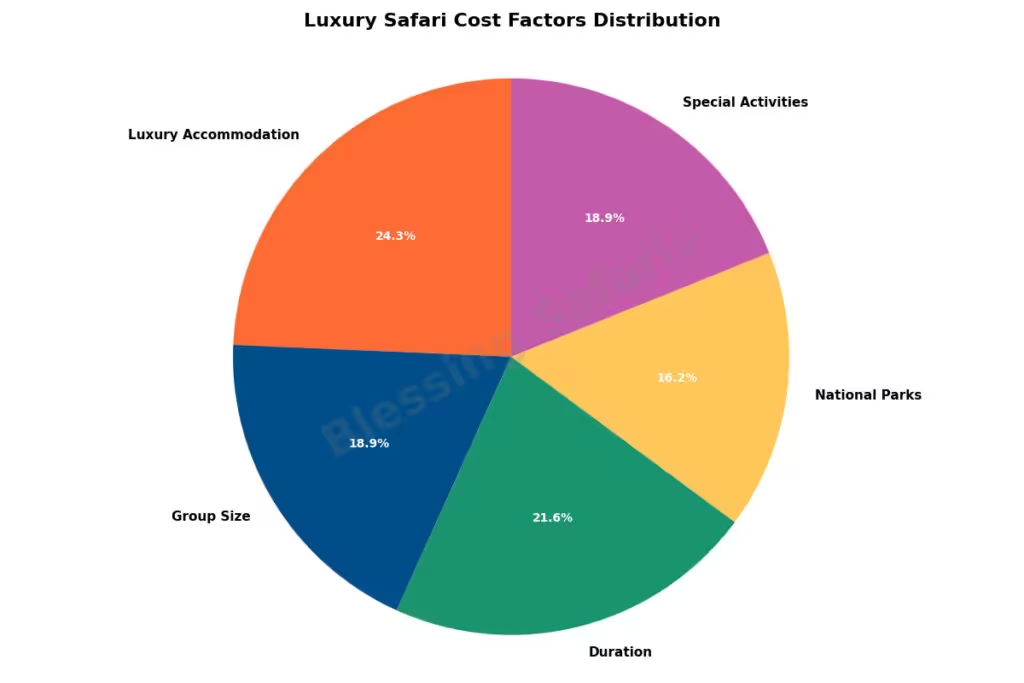
Read more about Luxury Accommodations in Serengeti.
What additional factors influence the cost of your Tanzania safari?
Several factors affect the overall cost of your safari. These elements can make your experience more expensive or more affordable, including:
Accommodation Cost on Your Safari
Accommodation is a major factor in Tanzanian safari costs. Prices vary based on location, amenities, and exclusivity. City hotels and motels are typically more affordable than those in the Serengeti or near the Ngorongoro Crater rim. Rates range from $250 to $3,000 per room per night. For example:
Mid-range lodges in Karatu or northern Serengeti cost approximately $250 to $400 per person per night.
High-end lodges in central Serengeti or the Ngorongoro Crater rim typically charge $1,000 to $1,500 per person per night, including park fees.
Ultra-luxury properties like Singita Sasakwa and Four Seasons Serengeti may cost more than $3,000 per person per night and include amenities such as private pools, spa treatments, and gourmet dining.
Chart 6: Safari accommodation cost in Tanzania
This table shows prices by location in northern Tanzania.
| Location | Price Range (USD) | Examples of Lodges | Features |
|---|---|---|---|
| Arusha | $180 – $1200 | Mount Meru Hotel, The African Tulip, Gran Melia, Arusha Coffee Lodge | Gateway lodges with luxury comfort |
| Karatu | $250 – $1500 | Escarpment Luxury Lodge, Highview Hotel, Marera, Neptune | Luxury lodges near Ngorongoro |
| Ngorongoro Crater | $670 – $1,500+ | Ngorongoro Crater Lodge, Lemala Ngorongoro, Serena, Lion Paw Camps, Ngorongoro Melia, Angata Ngorongoro | Exclusive rooms with crater views |
| Serengeti Central | $690 – $1,500+ | Four Seasons Serengeti, Serengeti Serena Lodge, Angata camps, Salinero Luxury Lodge, Karibu camps, | High-end tented camps and lodges |
| Serengeti North | $1,200 – $3,000+ | Singita Sasakwa, Namiri Plains Camp, The Ark Serengeti, Mara River Camp | Ultra-luxury with private pools, spas |
Transportation Costs
Transportation is a major expense. Vehicle type and the choice between a private guide and a group tour will influence your total cost.
- Self-drive 4×4 vehicle: $170 per day. Best suited for experienced drivers comfortable with rough terrain.
- 4×4 vehicle with driver: $200 per day. Recommended for travelers who want a local guide for navigation and insights.
- 4×4 vehicle with driver and fuel: $250–$350 per day. This option is ideal for those seeking a fully managed experience.
Scenario: Private vs. Group Safari
Imagine two travelers, Sarah and James. Sarah opts for a private safari with a driver and guide.
She explores at her own pace, stops for photos, and visits less-crowded areas.
While the cost is higher, she receives a personalized experience.
James selects a group safari, sharing a vehicle with six others to lower expenses.
Although the schedule is less flexible, he enjoys meeting new people and sharing the journey.
Tip: Private safaris offer more flexibility and comfort. Group safaris are more affordable and provide a social environment.
Park Entrance Fees
Impact of Park Fees on Tanzanian Safari CostsPark fees represent a significant portion of the overall safari cost in Tanzania. These fees directly support conservation, park management, infrastructure, anti-poaching, and other initiatives that protect the country’s biodiversity.
The northern circuit is the most popular route. It includes renowned parks such as the Ngorongoro Crater, Tarangire, Mount Kilimanjaro, Arusha National Park, Mkomazi, Lake Manyara, Lake Natron, Oldonyo Lengai (an active volcano), and Serengeti National Park. These parks have higher conservation fees because of their international reputation, developed tourism infrastructure, and abundant wildlife.
- International visitors to Serengeti National Park are charged $70 per adult per day during peak season (June to February) and $60 per adult per day during low season (March 15–May 15). Children aged 5 to 15 pay $20 per day, while children under five enter for free.
- Tarangire, Lake Manyara, and Arusha National Parks charge $50 per adult during peak season and $45 during low season.
- Ngorongoro Conservation Area charges an entry fee of approximately $60 per adult per day, plus a crater fee of $295 per vehicle per day. This additional fee can significantly increase costs, particularly for private safaris or small groups.
Please note that these fees are charged per person, per day, and are valid for 24 hours. The listed fees do not include 18% VAT. Park fees represent a significant portion of most safari itineraries.
Southern and Western Circuit Parks
Tanzania’s Southern Highlands, home to Ruaha, Mikumi, and Nyerere (formerly Selous) National Parks, are known for their scenic beauty. These remote parks offer exclusivity and privacy but require significant travel to reach.
- Park entry fees are generally lower, ranging from $30 to $60 per adult per day and $10 per child ages 5–15.
- Despite lower entry fees, overall costs are higher due to logistical challenges. The parks are widely separated, and road conditions are often poor, especially during the wet season.
- Many travelers rely on domestic flights, thereby increasing transportation costs and reducing the savings from lower entry fees.
- Accommodation and travel services in the region are less developed. Lodging and facilities are often more costly to operate and to meet safari operators’ needs.
Although park fees are lower, combined accommodation and transportation expenses in the Southern and Western Circuits lead to daily safari costs that are 30-40% higher than in the Northern Circuits.
For example, reaching remote parks like Katavi, Mahale, and Gombe requires flights from Dar es Salaam to Kigoma or private flights from Arusha to Mahale.
Despite the higher cost, partnering with an experienced tour operator ensures a seamless experience, as they handle all logistics and bookings for you.
Eastern Circuit Parks
Eastern parks such as Saadani, Amani Nature Reserve, and the Eastern Arch Mountain Belt, including Uluguru Mountain, provide a distinct experience near the coast and major cities like Dar es Salaam.
Saadani maintains lower entry fees ($30 per adult and $10 per child aged 5-15) as part of the Southern Circuits to attract more visitors. However, these parks see limited attendance, offering a quieter experience, although infrastructure such as roads is less developed.
Chart 7: Tanzania Parks Fees
| Park / Circuit | Adult Conservation Fee (USD) | Child (5-15 years) (USD) | Additional Fees |
|---|---|---|---|
| Northern Circuit | |||
| Serengeti National Park | 70 | 20 | Peak season: May 16 – Mar 14; Low season $60 adult; Children under 5 free |
| Ngorongoro Conservation Area | 60 | 20 | Plus $295 per vehicle per day for crater visit |
| Tarangire National Park | 50 | 15 | Peak season rates Night game drive is $50 for adults, and $25 for kids (5-15yrs ) |
| Lake Manyara National Park | 50 | 15 | Night game drive is $50 for adults, and $25 for kids (5-15yrs ) |
| Arusha National Park | 50 | 15 | |
| Kilimanjaro National Park | 70 | 20 | The camping fee is $50, while the hut fee via the Marangu route is $60
Ranger fees: $15 |
| Mkomazi National Park | 30 | 10 | |
| Southern and Western Circuit | |||
| Ruaha National Park | 30 | 10 | |
| Mikumi National Park | 30 | 10 | Night game drive is $50 for adults, and $25 for kids (5-15yrs ) |
| Katavi National Park | 30 | 10 | |
| Gombe National Park | 100 | 20 | |
| Mahale Mountain National Park | 80 | 20 | |
| Nyerere National Park (Selous) | 70 | 20 | Same rate as Serengeti; Peak season |
| Eastern Circuit | |||
| Saadani National Park | 30 | 10 |
Notes: Fees are charged per person, per day. Children under five are admitted free. Seasonal rates primarily affect northern parks. All fees exclude 18% VAT, vehicle entry, camping, and special activity permits.
Special Interest Activities on Your Tanzania Safari Cost
1. Hot Air Balloon Safari Cost in Tanzania
A hot-air balloon safari in Tanzania offers a unique and luxurious way to view the country’s expansive landscapes and abundant wildlife at sunrise.
Prices for balloon safaris in Tanzania range from $490 to $699 per person, depending on the season, location, and operator.
A Serengeti balloon safari typically costs $599 to $699 per person and includes a scenic flight over the plains and a traditional bush breakfast with champagne.
When planning a hot-air balloon safari, consider that parks such as Ruaha and Tarangire may offer a similar premium experience at a lower cost, typically $480 to $600 per person.
How does Balloon Safari affect the Safari Cost?
A hot air balloon safari significantly increases the overall cost, as the ride alone may cost nearly as much as several days of standard game drives.
For mid-range and luxury safaris, the balloon experience distinguishes these packages from budget options. The additional cost of $490 to $699 should be factored into your trip planning for Tanzania.
Including a hot-air-balloon safari typically increases your total safari cost by 5 to 10 percent.
Is a balloon safari worth the cost?
Based on client feedback, the balloon safari offers excellent value. The unique aerial views of wildlife migrations, rivers, and savannahs at sunrise create an unforgettable experience.
Imagine floating silently above vast herds of wildlife, followed by a champagne breakfast in the African wilderness. These experiences create lasting memories.
A hot air balloon safari may not suit travelers on a limited budget. This luxury add-on is ideal for honeymooners, first-time safari-goers, photographers, and wildlife enthusiasts seeking a unique experience in Tanzania’s top destinations.
The question remains: why is the balloon safari so expensive?
Best Hot Air Balloon Safari Operators in Tanzania
Miracle Balloon Experience: Miracle Balloon Experience serves Seronera, Kirawira, Kogatende, Ndutu, Singita, and Tarangire, and is recognized for its professional pilots and excellent customer service.
Serengeti Balloon Safari: Recognized as Tanzania’s leading balloon safari operator, it has pioneered balloon rides over the African sky since 1989. The company offers extensive coverage from Ruaha National Park in Southern Tanzania to the Northern Circuit, including Tarangire and Serengeti. It is highly regarded for its exceptional service and reputation.
Nyssa Balloon Safari: Nyssa Balloon Safari has operated in Tanzania since 2023 as part of the global Uluer Group, which also operates in Türkiye and Sri Lanka. The company serves Kogatende, Togoro, Sereonera, and Ndutu and is recognized in the travel industry for its strong safety record and experienced pilots, as shown by positive customer ratings.
Shine Balloon Safari: We offer competitive pricing and memorable balloon experiences throughout the Serengeti region, operating in key safari areas such as Kogatende, Seronera, and Ndutu.
Reliable and reputable balloon safari operator in Tanzania.
Above all, every balloon safari operator adheres to safety protocols approved by the TCAA (Tanzania Civil Aviation Authority) and TANAPA (Tanzania National Parks) for operating Hot Air Balloon Rides in Tanzania.
Chart 8:Best Hot Air Balloon Safari Operators in Tanzania
Ranking and Recommendations of Hot Air Balloon Safari Companies in Tanzania
| Rank | Operator | Typical Price Range (USD) | Operating Locations | Unique Features | Recommendation Level |
|---|---|---|---|---|---|
| 1 | Serengeti Balloon Safari | $599 – $690 | Serengeti National Park | Long-standing experience, bush breakfast, multilingual pilots, and excellent safety standards | ⭐⭐⭐⭐⭐ Recommended |
| 2 | Miracle Balloon Experience | $550 – $650 | Serengeti and the surrounding | Highly professional, personalized service, excellent customer feedback | ⭐⭐⭐⭐ Recommended |
| 3 | Nyssa Balloon Safari | $500 – $620 | Serengeti | Strong emphasis on safety, customer satisfaction, and expert guides | ⭐⭐⭐⭐ Recommended |
| 4 | Shine Balloon Safari | $500 – $600 | Serengeti | Competitive pricing, intimate group sizes, and reliable operations | ⭐⭐⭐⭐ Recommended |
Best Choice: The Serengeti Balloon Safari and Miracle Balloon Experience are the top-recommended hot air balloon safari operators, known for their strong reputation, high-quality service, and comprehensive packages that include expert pilots and bush breakfasts.
Walking Safari Cost in Tanzania
Walking safari costs in Tanzania range from $50 to $180 per person per day, depending on duration, level of luxury, and location.
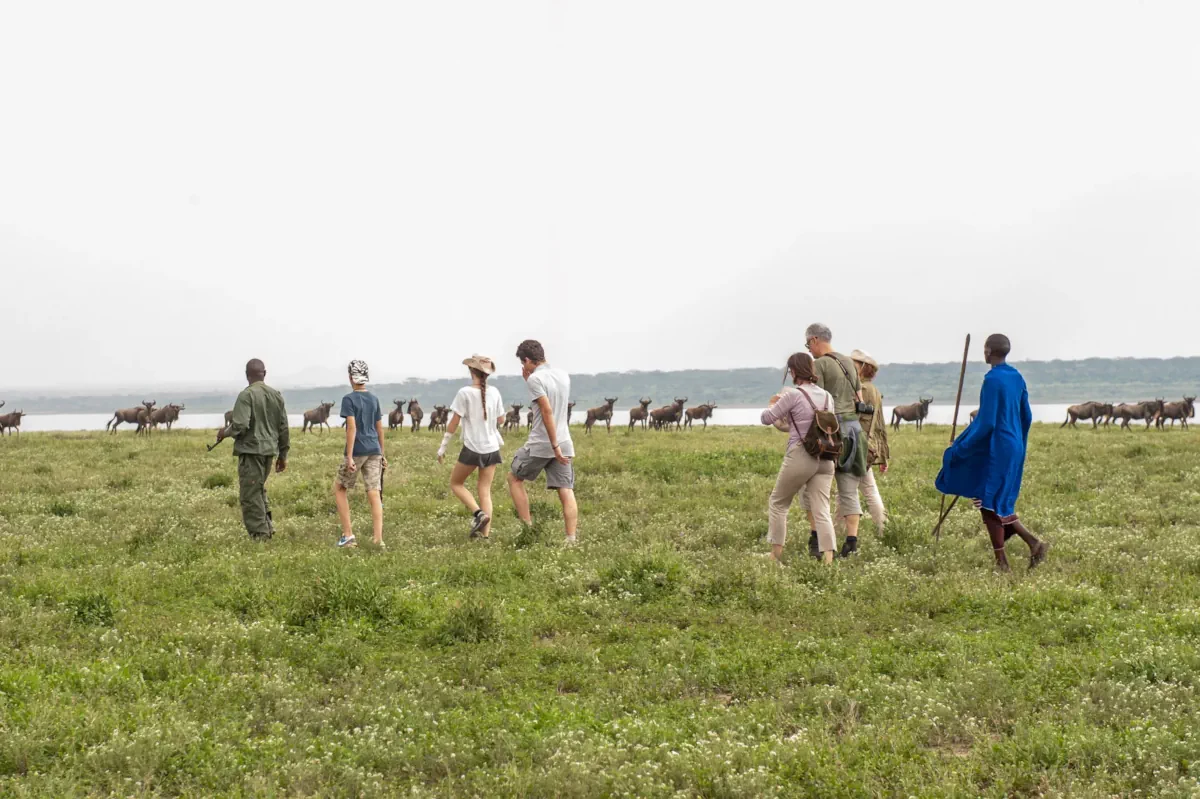
Popular walking safari destinations in Tanzania include Ruaha, Selous, Tarangire, Ngorongoro, Arusha National Park, Lake Natron, and Lake Manyara. Prices vary by location. In Ruaha and Selous Game Reserve, walking safaris typically cost $150 to $180 per day and offer guided experiences in authentic wilderness settings.
When planning a walking safari, consider additional costs such as park and ranger fees and a safari vehicle, if needed. These are often included in the package.
Half-day walking tours, typically lasting 2 to 4 hours, cost between $40 and $75, depending on location and specific requirements.
Where are the best places for a walking safari in Tanzania?
Selous Game Reserve (Nyerere National Park)
Ruaha National Park
Ruaha National Park is less visited but features dramatic landscapes and diverse wildlife, making it ideal for adventurous walking safaris focused on predator tracking and birdwatching. It is home to the largest lion populations, sable and roan antelopes, wild dogs, and over 570 bird species.
Serengeti National Park
Ngorongoro Conservation Area
While the Ngorongoro Crater is widely recognized, the Ngorongoro Conservation Area (NCAA) offers several unique destinations for exploration, including Empakai Crater and Olmoti Crater.
Walking safaris are not permitted within Ngorongoro Crater, but they are available in areas outside the crater. These safaris can be arranged for two to four days, with options to extend to Lake Natron or the Serengeti.
Tarangire National Park
Tarangire National Park is an excellent choice for walking safaris in Tanzania. The park is renowned for its large elephant herds, wild cats such as lions and leopards, baobab forests, and diverse plant and bird species.
Tarangire offers guided walking safaris that highlight both small and large wildlife. Short walks last 2 to 4 hours, while longer walks range from 4 to 6 hours.
How long should you spend on a walking safari?
Short walking safaris typically last 2 to 4 hours, while those lasting 4 to 6 hours or more are considered long. For a truly immersive experience, we recommend spending 2 to 4 days.
We can arrange extended walking safaris of up to 5 days for those seeking a deeper exploration of the Tanzanian wilderness and a more personal connection with nature.
Refer to the Guideline for Walking Safaris by Tanzania National Parks
Chart 9: Walking Safari Cost in Tanzania
| Aspect | Details |
|---|---|
| Cost per person/day | $150 – $180 (full day); $40 – $75 (half-day shorter walks) |
| Top locations | Selous (Nyerere), Ruaha, Serengeti, Ngorongoro, Tarangire |
| Typical walk duration | 2 to 4 hours per walk |
| Recommended length | 2 to 4 days for walking-focused itineraries |
| Highlights | Close wildlife encounters, bird watching, predator tracking, immersive experience |
Pro tips: Walking safaris provide a more immersive connection to the wilderness, from the Big Five to the Small Five. They overcome the limitations of vehicle-based game drives and are ideal for travelers seeking an authentic bush experience in Tanzania.
How to combine a walking safari with game drives?
Yes, walking safaris can be easily combined with other safari packages in Tanzania. Game drives complement walking safaris well.
For example, in parks such as Tarangire, travelers may spend four hours walking before continuing with a game drive.
Example Itinerary 1: Classic Northern Circuit Safari with Walking Safari Add-on
Day 1-2: Arusha and Tarangire National Park
Day 3: Tarangire Walking Safari
Day 4-6: Serengeti National Park
Upon arrival in the Serengeti, participate in game drives to track the Great Migration or predators. You may also choose a short walking safari in remote areas with expert guides to observe small wildlife and analyze animal tracks.
Day 7: Ngorongoro Crater Rim Walk
Example Itinerary 2: Southern Circuit Adventure with Extended Walking Safari
Day 1-2: Selous Game Reserve (Nyerere National Park)
Day 3-5: Selous Walking Safari
Day 6-7: Ruaha National Park
Chart 10: Summary Table of Safari Types Combined with Walking Safaris
This chart illustrates the best combined safari types with a walking safari.
| Safari Type | Best Complementary Experience | Recommended Duration | Key Benefits | |
|---|---|---|---|---|
| Walking + Game Drives | Northern and Southern Circuits | 2 to 4 days walking + remaining game drives | Mix active exploration with rest and macro views | |
| Walking + Balloon Ride | Serengeti | 1 walking day + balloon ride day | Unique aerial and close-up perspectives | |
| Walking + Cultural Visits | Maasai or Hadzabe village interactions | Walking days + cultural exploration days |
|
What are the benefits of combining a walking safari with other safari types in Tanzania?
Balance Physical Activity
Maximize Wildlife Diversity and Encounters
Walking safaris provide a more immersive and personal encounter with plains game. Observing a giraffe or zebra in its natural environment, without a vehicle, offers a uniquely powerful experience. Participants also learn to interpret tracks, droppings, and other signs that reveal wildlife movements.
Game Drives: Ideal for safely observing dangerous animals such as lions, leopards, and elephants up close, as well as seeing vast herds.
Seasonal Considerations
Recommended Lodges and Camps for Walking Safaris in Tanzania
Selous Game Reserve (Nyerere National Park)
- Sand Rivers Selous is a luxury tented camp that offers guided walking safaris, river cruises, and game drives. It is recognized for outstanding service and immersive wilderness experiences.
- Siwandu Camp is a remote and exclusive option, ideal for multi-day walking safaris with experienced guides and mobile camping.
- Beho is regarded as one of the finest camps in the reserve and offers exceptional views.
- Siwandu Camp, formerly Selous Safari Camp, is located in a prime game area and provides excellent value.
- Selous Serena Camp features luxurious tents with elegant bathrooms and private viewing decks.
- Mivumo River Lodge is a “little gem” nestled on the bank of the Rufiji River.
- Kiba Point Selous is an exclusive retreat located in a game-rich area of the park.
- Selous Impala Camp, situated on the banks of the Rufiji River, is known for excellent wildlife viewing.
- Lake Manze Tented Camp is an adventurous, straightforward camp, popular for its location along an “elephant highway.”
- Rufiji River Camp is considered one of the more budget-friendly options in the area.
- Selous Wilderness Camp is located on the Rufiji River and positioned awaSelous Kinga Lodge is a camp-style lodge that offers an authentic safari experience.g an authentic safari experience
- Selous Safari Lodge is a newer property located just outside the park boundaries, offering convenient access and competitive pricing.
Ruaha National Park
- Mdonya Old River Camp is an intimate, eco-friendly camp ideal for both walking and vehicle-based safaris in a pristine environment.
- Sand Rivers Ruaha is an upscale resort that combines walking safaris with relaxed luxury and fine dining.
- Ikuka Safari Camp is an upscale, stylish camp perched on an escarpment with panoramic views of the park.
- Jongomero Camp is a luxurious camp located in a remote area, offering excellent guiding and service.
- Kichaka Zumbua is a small, luxurious camp known for its exceptional walking safaris.
- Kokoko Camp is a boutique camp surrounded by baobab trees in a prime wildlife area.
- Mwagusi Safari Camp is a long-established, permanent tented camp located in a remote area.
- Kigelia Ruaha: A stylish tented camp that balances a simple setup with comfort, Tandala Tented Camp is a popular option for visitors to the park.
- Usangu Expedition Camp is a conservation-focused camp located in the remote Usangu Wetlands.
Northern Circuit (Serengeti and Ngorongoro)
- Serengeti Pioneer Camp provides walking safaris, comfortable traditional tents, and convenient access to established walking routes.
- Ngorongoro Crater Lodge features guided crater rim walks and luxury accommodations with exceptional views.
- Mwiba Lodge includes walking safaris among its activities in the Southern Serengeti and Ndutu area.
- Wayo Walking Camp is dedicated to walking safaris and provides an immersive nature experience in the Serengeti.
- Singita Sasakwa Lodge is a luxury property in the Grumeti area offering walking safaris and a range of additional activities.
- Four Seasons Safari Lodge Serengeti, located in the Central Serengeti, serves as an excellent base for walking safaris and offers a wide range of amenities.
- Dunia Camp is a luxury camp in the Central Serengeti, known for its walking safaris and premium amenities.
- Nomad Serengeti Camp is a mobile tented camp that follows the migration and offers walking safaris.
- Singita Mara River Tented Camp, located in the Mara River area, is ideal for guests seeking a remote walking safari experience.
Northern Circuit (Tarangire)
- Oliver’s Camp recreates the atmosphere of early safaris and provides a high-adventure experience led by expert guides.
- Tarangire Treetops features treehouse accommodations that offer a distinctive, elevated perspective.
- Mpingo Ridge is set on an escarpment, offering panoramic views and a luxury experience integrated with the natural environment.
- Baobab Tented Camp, located inside the park, offers an exclusive experience, particularly in the early mornings and late afternoons when the park is less crowded.
- Chem Chem Lodge is a private, upscale property dedicated to delivering high-end guest experiences and supporting local conservation efforts.
- Sanctuary Swala Camp: A secluded, luxury tented camp that provides an exclusive and private safari experience, away from the crowds.
- Tarangire Safari Lodge: A well-known, family-run lodge with panoramic views and a long history of catering to wildlife enthusiasts.
- Sangaiwe Tented Lodge: Another option with stunning views of Lake Burunge, offering excellent service and a comfortable stay.
- Burunge Tented Lodge offers a comfortable, scenic option with panoramic views of Lake Burunge.
- Nyikani Camp Tarangire: A camp with tents equipped with private verandas and en-suite bathrooms.
- Kuro Tarangire: A camp located near the Kuro Airstrip, offering a secluded experience.
Packing Tips for Walking Safaris in Tanzania
- Wear lightweight, neutral-colored clothing made from breathable fabrics to help you blend into the environment and stay cool. Choose long sleeves and pants for added protection from the sun and insects.
- Select comfortable, sturdy walking boots or shoes that provide good ankle support and grip for uneven terrain. Please avoid sandals.
- Bring a wide-brimmed hat, high-SPF sunscreen, and sunglasses for effective sun protection.
- Carry a water bottle to ensure you stay hydrated throughout your walks.
- Pack insect repellent to protect yourself from mosquitoes and other insects.
- Bring lightweight binoculars and a camera with a zoom lens to capture details of wildlife that may be out of walking range.
- Use a daypack to carry essentials such as water, a camera, snacks, sunscreen, and extra layers.
Pro tips: While vehicle safaris position you as an observer, walking safaris offer active engagement with your surroundings. Adding walking safaris to your Tanzania itinerary enhances your connection to the environment and offers distinct wildlife experiences. Plan carefully for physical activity and seasonal conditions to maximize the benefits of both options.
Cultural Tours in Tanzania
A cultural tour allows travelers to gain a deeper understanding of local communities and their relationship with the land. These tours provide valuable insight into the lifestyles, cultures, and history of Tanzania’s ethnic groups.
Cultural Tours Cost in Tanzania
Cultural tours in Tanzania typically cost $30 to $300 per day, depending on location, group size, and type of experience. Multi-day tours range from $1,500 to $3,000.
Pricing depends on the level of personalization requested. Packages with meals, drinks, or live performances are more expensive. Standard tours to a Masai boma are less costly than organized events like a Masai wedding for honeymooners.
In Arusha, private tours or village visits with expert guides are typically more expensive due to the personalized service and immersive experience they provide.
For example, visiting a Maasai village near Arusha usually costs $40 to $60, while a full-day Hadzabe bushmen experience near Lake Eyasi ranges from $120 to $180 per person. Transportation is an additional cost, with a full-day safari vehicle rental at approximately $250.
Chart 10: Summary Table of cultural tours and safari costs in Tanzania
This chart illustrates the cost of cultural tours and the best places to visit while on safari in Tanzania.
| Cultural Tour Type | Typical Cost (USD) | Location | Highlights |
|---|---|---|---|
| Maasai Village Visit | $40 – $60 (half-day) | Arusha, Manyara, Ngorongoro | Traditional dances, beadwork, and a pastoralist lifestyle |
| Hadzabe / Datoga Bushmen Tour | $120 – $180 (full-day) | Lake Eyasi | Hunting, gathering, bush walks |
| Zanzibar Heritage Tour | $50 – $100 (half/full-day) | Zanzibar | Stone Town, spice farms, markets |
| Village Homestays | $80 – $150 per night | Various rural regions | Immersive local living experience |
| Craft and Art Workshops | $30 – $70 | Multiple locations | Hands-on cultural artistry |
Best places for Cultural Tours in Tanzania
Arusha and Manyara Region: Home to the Maasai people, where visitors can explore traditional Maasai villages, partake in dances, jewelry making, and learn about pastoralist lifestyles.
Lake Eyasi: Famous for the Hadzabe and Datoga tribes. Visitors will experience an authentic hunter-gatherer culture, traditional hunting and gathering techniques, and ancient customs.
Ngorongoro Conservation Area: Offers visits to Maasai villages within the dramatic crater region, combining wildlife with cultural insights.
Zanzibar: Rich in Swahili culture, including historic Stone Town tours, spice farm visits, and opportunities to learn about coastal heritage and Islamic influences.
Combining Cultural Tours with Wildlife Safaris
Many safari itineraries incorporate cultural visits to enrich the wildlife experience. For example, after a morning game drive in Tarangire or Manyara, travelers may visit a Maasai village to learn about pastoral traditions and community life.
Types of Cultural Tours in Tanzania
Masai Cultural Visits
Experience the lives of one of Tanzania’s most iconic tribes, witnessing traditional dances, beadwork, and cattle-keeping practices.
Hadzabe and Datoga Bushmen Tours
Interactive bush walks with hunter-gatherer tribes, learning tracking, hunting, and gathering skills used for centuries.
Zanzibar Heritage Tours
Explore historical sites, architecture, markets, and spice plantations showcasing the island’s rich multicultural past. Visit places like Kizimkazi, Jambiani, or Pongwe. Zanzibar is the heart of Swahili culture; immerse yourself in the traditional lifestyle of coastal ethnic groups.
Village Homestay
Stay with rural families to experience everyday life, traditional cooking, and community rituals.
Masai Cultural Visits- Craft and Art Workshops
Participate in beadwork, pottery, and other artisanal practices reflective of diverse Tanzanian cultures. You can experience this at the Tengeru Cultural Tour Program.
Pro tips: Cultural tours provide rich, memorable experiences that complement wildlife safaris, offering travellers valuable insights into Tanzania’s diverse peoples and their traditions.
Climbing, Trekking, and Hiking Safaris in Tanzania
Chimpanzee Trekking Safari Cost in Tanzania
Chimpanzee trekking in Tanzania costs between $1,400 and $2,000 per person, depending on the number of days and the tour operator’s rates. The cost of chimpanzee trekking varies depending on the accommodation type and the season.
This fee is set by Tanzania National Parks (TANAPA) at $100 for Gombe National Park and $ 80 for Mahale, plus 18% VAT, to support visitor numbers and conservation efforts.
What are the best places for chimp Trekking in Tanzania?
Mahale Mountain National Park
This is the premier destination in Tanzania for chimpanzee trekking. Mahale is a remote park, renowned for habituated chimpanzee troops and scenic beauty. Mahale offers the best opportunities for visitors to see wild chimpanzees in their natural habitat along the shores of Lake Tanganyika.
Gombe Stream National Park
Well known for pioneering research by Jane Goodall’s Institute for many years (since the 1960s), Gombe Stream National Park has been a rewarding place for those who wish to observe large, habituated groups. Apart from Chimpanzee trekking, Gombe remains historically significant for primate research, with more than 65 years of study.
When is the best time for Chimp Trekking in Tanzania?
The optimal time for chimp trekking is the dry season, from June to October, when trails are accessible and wildlife is easier to observe.
Trekking during the dry months minimizes the risk of muddy paths and slippery slopes. May and November are also possible, though conditions are typically wetter.
How to Get to Gombe and Mahale National Parks?
Mahale Mountains National Park is typically accessed by a 1.5-hour flight from Kigoma, followed by a boat transfer to campsites or lodges. Fly-in safaris are common given the park’s remote location.
Gombe Stream National Park can be reached by boat from Kigoma, which is accessible by flights from Dar es Salaam or Arusha to Kigoma Airstrip, followed by a boat ride to the park entrance.
How to combine Chimpanzee trekking and other activities in Tanzania
Combine remote chimp trekking in the Mahale Mountains with classic northern circuit safaris in the Serengeti or Ngorongoro to experience Tanzania’s remarkable primate and game diversity.
After trekking in Gombe Stream, unwind at Lake Tanganyika beach resorts, where you can enjoy lakeside lodges, local culture, and a variety of water activities.
Chart 11:Chimpanzee Trekking and Safari Cost in Tanzania
This chart illustrates the cost of a chimpanzee trekking safari and the best places to visit.
| Aspect | Details |
|---|---|
| Chimp Trekking Permit Cost | $80 for Mahale – $100 for Gombe per person per day |
| Best Locations | Mahale Mountains, Gombe Stream |
| Best Time | June to October (dry season) |
| Access | Flights to Kigoma (Mahale, Gombe), Katavi Airstrip from Dar es Salaam with Air Tanzania or scheduled flights from Arusha Airport |
| Recommended Combined Trips | Mahale + Serengeti/Ngorongoro, Gombe + Lake Tanganyika, Katavi + Ruaha |
Best places to stay for Chimp trekking & wildlife safaris
Recommended Lodges and Camps for Chimp Trekking Safaris
Mahale Mountains National Park
- Tongwe Lodge: Upscale, exclusive beachfront villa-style accommodation with guided chimp trekking.
- Greystoke Mahale: Eco-luxury tents with expert guides.
- Mbali Mbali Mahale Lodge: A good mid-range to luxury option in the park.
Gombe Stream National Park
- Kasekela Lodge: Comfortable, forest-side lodge with excellent chimp-trekking proximity.
- Greystoke Gombe: Classic, cozy tents near research sites.
- Gombe Forest Lodge: A luxurious option with cottages overlooking Lake Tanganyika.
- Camping: Basic campsites are available for those seeking a more adventurous and budget-friendly experience.
Itineraries for Chimpanzee Trekking and Classic Safari
10 Days Mahale Mountains and Northern Circuit Luxury Safari
Day 1-2: Arrival in Arusha and Preparation.
- Arrive in Arusha, settle into a luxury lodge, and prepare for your safari.
- Fly from Arusha to Kigoma (approximately 1.5 hours), then transfer by boat to the Mahale Mountains. Participate in guided chimpanzee trekking with habituated troops in the forests along Lake Tanganyika. Accommodation is provided at luxury camps such as Tongwe Lodge or Greystoke Mahale, both offering lakeside views and premium comfort.
- Return by boat to Kigoma and fly to Serengeti National Park via Arusha or Kilimanjaro Airport.
- Enjoy classic game drives, tracking the Great Migration or observing big cats. Stay at luxury lodges such as Four Seasons Serengeti or Serengeti Serena Lodge.
- Tour the Ngorongoro Crater for game drives and visit Maasai villages before departing from Arusha.
7 Days: Gombe Stream Chimp Trekking and Lake Tanganyika Relaxation
- Fly to Kigoma from either Dar es Salaam or Arusha.
- Transfer by boat to Gombe, renowned for Jane Goodall’s chimpanzee research. Participate in daily chimpanzee trekking, birdwatching, and hiking. Accommodation is at eco-friendly lodges such as Greystoke Mahale Gombe or Kasekela Lodge, located within the forest.
- After trekking, relax by the lake at Imperial Bay Lodge or similar resorts, which offer water sports, boat excursions, and cultural village visits.
8 Days: Katavi and Ruaha Combination Safari
- Receive a safari briefing and prepare at your lodge.
- Fly to Katavi via Mwanza or Dodoma. Participate in chimp trekking and game drives in this remote wilderness, known for its large predator populations. Accommodation is at Chada Katavi Camp or Katavi Wildlife Camp.
- Fly or drive to Ruaha for traditional big game safaris featuring lions, elephants, and wild dogs. Accommodation is at Sand Rivers Ruaha or Mdonya Old River Camp.
Tips for Chimp Trekking and Combined Safari
Booking in Advance
Use Reputable Tour Operators
Plan Internal Flights Carefully
Most chimp trekking sites are in remote areas and are reached by small aircraft landing at regional airstrips such as Kigoma, Katavi, or Mahale’s bush airstrip.
Coordinate these flights with the main airports (Arusha, Kilimanjaro, Dar es Salaam) to reduce waiting times and avoid missed connections. Flexible itineraries are recommended to accommodate weather-related changes.
Combine Multiple Activities
Accommodations
Book lodges and camps well in advance, as high-end and remote camps have limited capacity and are often fully booked during dry seasons.
Travel Insurance
Choose comprehensive travel insurance that covers cancellations, delays, medical emergencies, and evacuation, given the remote nature of some trekking locations.
Travel and Packing Logistics for Chimp Trekking Safaris
- Wear sturdy, comfortable hiking boots with ankle support and good grip for trekking on uneven, forested terrain.
- Choose lightweight, breathable, neutral-colored clothing with long sleeves and trousers to protect against insects and sun. Pack a waterproof jacket for unexpected rain.
- Bring binoculars, a zoom camera, insect repellent, sunscreen, a wide-brimmed hat, and a reusable water bottle.
- Consult a travel doctor regarding vaccinations (yellow fever, typhoid, malaria prophylaxis). Carry a basic first aid kit and any personal medications.
- Small charter flights to remote locations often have strict baggage limits (approximately 15-20 kg). Pack light and efficiently.
- Arrive on time for early-morning departures to maximize trekking hours and wildlife-viewing opportunities.
- Follow the guide’s instructions. Respect chimpanzee habitats by keeping quiet, maintaining distance, and minimizing contact. Safety rules protect both visitors and animals.
- Walking safaris and chimp trekking require moderate fitness. Be prepared for 1 to 4 hours of walking over uneven terrain, sometimes in humid conditions.
Mount Kilimanjaro Hiking Cost
Mount Kilimanjaro climbing costs in Tanzania vary significantly depending on the chosen route, hiking duration, level of luxury, and group size. Here is a detailed overview based on current prices and popular options for 2025.
Kilimanjaro Climbing Costs and Recommended Routes
Chart 12: Mount Kilimanjaro Popular routes and prices
This chart illustrates the popular routes and prices for the Kilimanjaro trek.
| Route | Duration | Approximate Cost (USD) | Description & Success Rate |
|---|---|---|---|
| Lemosho Route | 7-8 days | $2,000 – $3,500 | Scenic and less crowded, high success rate |
| Machame Route | 6-8 days | $1,800 – $3,200 | Most popular, scenic, and good for acclimatization |
| Marangu Route | 5-6 days | $1,200 – $1,800 | ‘Coca-Cola’ route with hut accommodation, lower success rate |
| Rongai Route | 6-7 days | $1,900 – $2,800 | Easiest, from the northern side, a good rainy season option |
| Northern Circuit | 9-10 days | $3,000 – $3,500+ | Longest, least crowded, excellent acclimatization |
| Umbwe Route | 5-6 days | $1,800 – $2,500 | Shortest, steepest, and most difficult |
Longer routes cost more but increase the chance of summit success due to better acclimatization.
When is the best Time to climb Kilimanjaro?
The best climbing windows are during the dry seasons:
January to mid-March, June to October
- These months offer clearer skies, less rain, and better trail conditions. The shoulder months, May and November, are wetter and less recommended, with the heaviest rains in April.
Budget Accommodation Near Kilimanjaro
Most climbers stay in Moshi, the gateway town, before and after their climb. Budget options range from $20 to $60 per night with clean, safe facilities and breakfast included.
Recommended budget lodges:
- Kilimanjaro Safaris Lodge: Around $40-$150 per night, central Moshi
- Rafiki Backpackers: $20-$40 per night, dorm rooms or single rooms
- Leopard Hotel: About $60 per night, good comfort
- The Hibiscus: Around $30 per night, great for budget travelers
Staying a day or two in Moshi before the climb allows for rest, acclimatization, and gear checks, saving last-minute expenses.
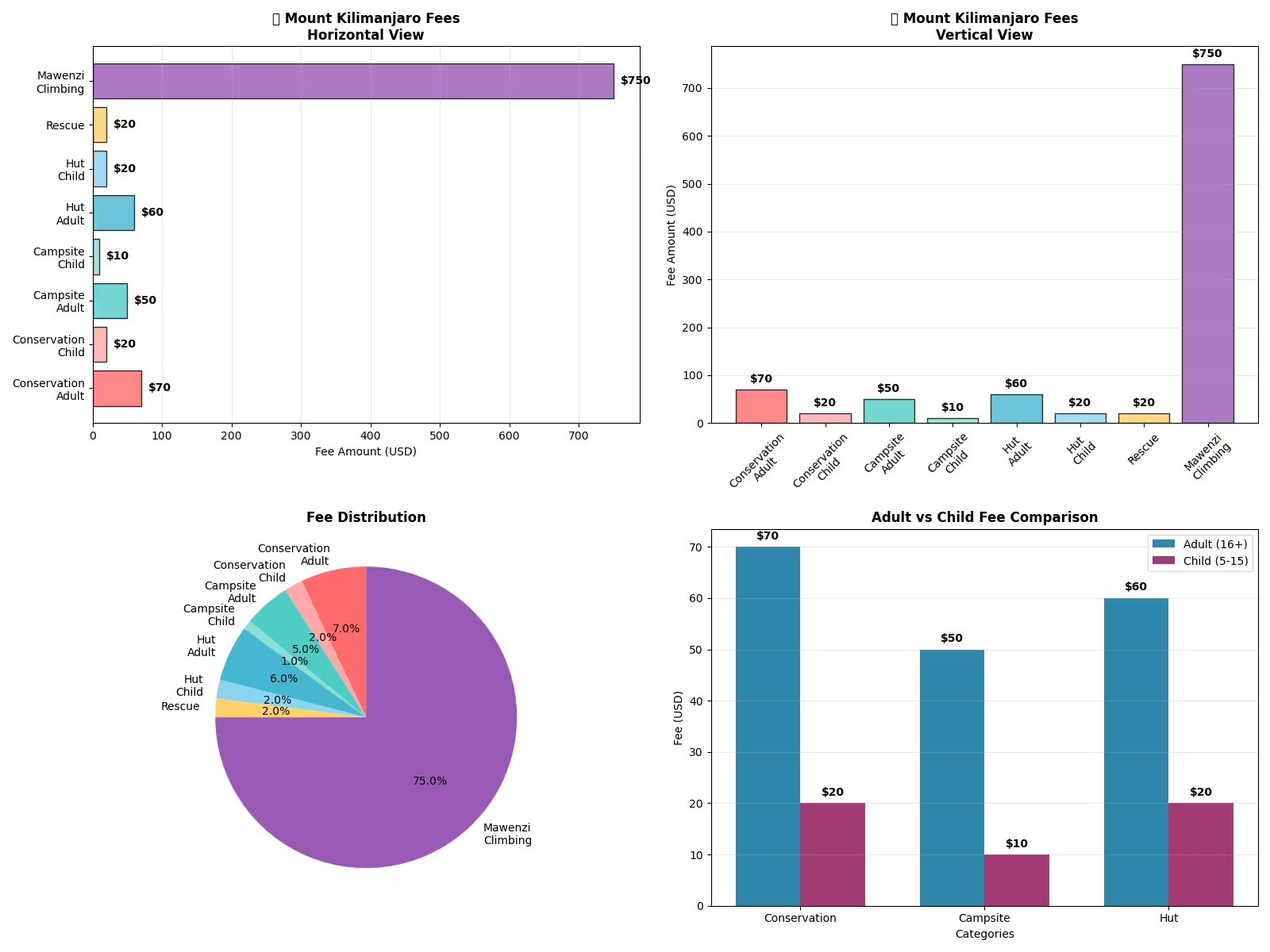
How to Combine Kilimanjaro Trekking and Wildlife Safari
Combining a Kilimanjaro trek with a wildlife safari offers a comprehensive Tanzanian experience.
Serengeti National Park: After your Kilimanjaro descent, travel to the Serengeti for exceptional game drives and the opportunity to see the wildebeest migration and the Big Five.
Ngorongoro Crater: Ideal for one or two days of game drives after your climb, this area features remarkable wildlife density within a scenic volcanic crater.
Tarangire National Park: Renowned for its large elephant herds and baobab trees, Tarangire offers a less crowded and scenic complement to your Kilimanjaro itinerary.
Chart 13: Summary Table of Kilimanjaro Climbing Costs and Options
This chart illustrates the costs and options for climbing Kilimanjaro.
| Route | Days | Price Range (USD) | Highlights |
|---|---|---|---|
| Lemosho | 7-8 | $2,000 – $3,500 | Scenic, high success rate |
| Machame | 6-8 | $1,800 – $3,200 | Most popular, suitable for acclimatization |
| Marangu | 5-6 | $1,200 – $1,800 | Hut accommodation, lower success |
| Rongai | 6-7 | 1,900 – $2,800 | Easiest, good in the rainy season |
| Northern Circuit | 9-10 | $3,000 – $3,500+ | Longest, least crowded |
Chart 14: Summary Table of Kilimanjaro Climbing Types of Accommodation and Costs
This chart illustrates the types of accommodation and prices for Kilimanjaro climbing.
| Accommodation Type | Price Range (USD per night) | Location | Notes |
|---|---|---|---|
| Budget lodging | $20 – $60 | Moshi town | Clean, safe, basic amenities |
| Mid-range hotels | $70 – $150 | Moshi/Arusha | More amenities, comfortable |
Chart 15: Summary Table for the best combination of safari with Kilimanjaro trekking
| Combination | Notes |
|---|---|
| Serengeti + Kilimanjaro | Best for wildlife variety and migration |
| Ngorongoro + Kilimanjaro | Compact option for crater and peak experience |
| Tarangire + Kilimanjaro | Off-the-beaten-path safari experience |
| Lake Manyara + Kilimanjaro | Birding and scenic diversity |
This comprehensive overview outlines how to budget for your Kilimanjaro climb, select the best routes, choose accommodations that suit your safari style and budget, and identify smart destination combinations to enrich your Tanzania adventure.
Mount Hanang Hiking Cost
Mount Hanang in in Tanzania is known as a challenging but rewarding hike, with costs generally lower than those of the more famous Kilimanjaro climbs, making it an attractive option for hikers seeking a difficult ascent with spectacular views.
Mount Hanang Hiking Cost Overview
The average cost for a Mount Hanang hike is $150 to $300 per person for a guided trek lasting 1 to 2 days. This includes:
- Park entry fees and permits
- Professional guide and porter services (porters help carry gear, though many hikes are possible with light luggage)
- Camping equipment if doing an overnight hike (tents, cooking gear)
- Food and water supplies
- Transportation from nearby towns (usually from Arusha to Katesh town at the mountain base)
The more expensive end of the range covers fully guided, multi-day hikes with camping, including transfers from Arusha or Moshi.
Day hikes or self-organized treks can be cheaper, but should be undertaken with a knowledgeable guide for safety, given the rugged terrain.
Key Facts About Mount Hanang Trekking
The mountain is 3,423 meters (11,224 feet) high, making it Tanzania’s third-highest peak.
Hiking involves a steep ascent, climbing about 1,600 meters over 8.5 km to the summit.
The hike is demanding, with rocky, slippery terrain that requires sure-footedness and moderate to strong fitness.
Typically, hikers complete a 1- or 2-day trek, camping overnight near the summit to witness stunning sunrises.
The mountain is accessed via the town of Katesh, approximately a 4-hour drive from Arusha.
Chart 16: Summary Table Cost Breakdown and What to Expect for Mount Hanang
| Cost Component | Price Range (USD) | Notes |
|---|---|---|
| Guided Trekking Package | $150 – $300 per person | Includes permits, guide, porter, food, camping gear, and transport from Arusha |
| Park Entry Fee | Usually included in the trekking package | Minimal to moderate local fees |
| Transportation (Arusha to Katesh) | $20 – $60 | Private or shared transport |
| Camping Equipment Rental | Included in packages | If self-organizing, rental may be separate |
| Additional Guide or Porter | $20 – $40 (tip/custom arrangements) | Tips and optional extra support |
Mount Meru Trekking Cost
Mount Meru trekking in Tanzania typically costs between $700 and $1,500 per person for a 3- to 4-day guided climb, depending on the operator, group size, and level of service.
For example, popular packages include:
3-day treks cost $770 to $1,000 per person and include shared-group options with mountain-hut accommodation, meals, guides, and porter support.
4-day Mount Meru trekking costs $990 to $1,400 per person and offers better acclimatization and more relaxed itineraries, including stays in mountain huts or camping.
Premium guided tours for private groups or enhanced services may cost $1,500 or more.
Mount Meru rises to 4,566 meters and offers a scenic alternative to Kilimanjaro, with diverse forest and volcanic trails that are less crowded but still require good fitness. The hikes typically include park entry fees, porters, guides, meals, and transportation from Arusha or Moshi to the trailhead.
Usambara Mountain Hiking Cost
Mount Usambara hiking costs in Tanzania typically range from $45 to $50 per person per day for guided hikes that include accommodation, meals, and a professional guide.
For example, a 3-day trek from Lushoto to Mambo, one of the popular routes in the Usambara Mountains, costs $135-$150 per person.
This price typically includes lodging, meals, and guiding services, offering travelers an accessible way to experience the region’s scenic, cool, and culturally rich mountain environment.
Comprehensive multi-day packages, which may include vehicle transfers, entrance fees, and upgraded accommodations, range from $200 to $700 depending on group size, comfort level, and customization.
Tour operators offer private or group hikes of 3 to 5 days, often featuring local culture, village visits, waterfalls, and scenic landscapes.
Usambara Mountain hikes offer a moderate physical challenge, rich biodiversity, and cultural immersion, with more affordable guided rates than those on Kilimanjaro or Meru.
If you are interested, we can connect you with trusted guides or help create a customized Usambara Mountain hiking itinerary.
The Usambara Mountains offer some of Tanzania’s most scenic and culturally rich hiking, with several well-established routes accessible from the town of Lushoto.
Popular Usambara Hiking Routes from Lushoto
Lushoto to Mambo (or Mtae) Route: This 3- to 5-day trek crosses forest trails, villages, farms, and scenic viewpoints. It is considered iconic for its blend of natural beauty and cultural experiences.
Hikers encounter forests, waterfalls, and traditional pottery villages. The varied terrain presents a moderate challenge, making the trek suitable for fit beginners and experienced hikers.
6-Day Usambara Mountains Trek: This extended itinerary features cloud forests, ancient villages, and panoramic viewpoints, such as Irente. It offers guesthouse accommodation and opportunities for cultural engagement, with a focus on responsible travel and supporting local communities.
Best places to stay near Usambara hiking trails?
Anmut Hostel and Lawns Hotel in Lushoto are comfortable lodges that provide convenient access to trailheads. Lawns Hotel additionally features a historical ambiance and a range of amenities.
Village guesthouses and community lodges along trekking routes provide clean, simple accommodations and opportunities to experience local culture and hospitality. Many also include meals and basic amenities.
Local Guides and Pricing
We strongly recommend hiring a local guide for navigation, cultural insight, and support for the local economy. Rates typically range from $45 to $50 per day and often include accommodation and meals when booked as a package.
Amani Nature Reserve Safari cost
Amani Nature Reserve Safari Costs in Tanzania vary depending on duration, level of accommodation, and package inclusions.
Prices for Amani Nature Reserve trips in 2026 and 2027 are:
Short 2-day hikes or nature walks typically cost $150 to $200 per person. These packages include guided forest hikes, park entrance fees, and basic accommodations at local lodges or guesthouses near the reserve.
Mid-range packages of 3 to 6 days average $600 to $2,600 per person. These include guided exploration of the Amani Forest and surrounding areas, with activities such as waterfall visits, bird watching, and cultural tours.
For example, Acatree Tours and Safaris offers a 6-day mid-range tour at approximately $2,640 per person. This package includes accommodation at Amani Forest Lodge, transport, and visits to nearby destinations, including Tanga beaches and Amboni Caves.
What’s included in the Amani Nature Reserve price package?
- Guided walks/hikes in the dense Amani natural rainforest, a biodiversity hotspot with endemic birds, butterflies, and plants.
- Accommodation in lodges or guesthouses inside or close to the reserve.
- Transfers to and from major cities, including Arusha, Dar es Salaam, and Tanga.
- Cultural visits or optional beach days at nearby Pangani or Tanga.
Highlights at Amani Nature Reserve
- Rare endemic plant species, vibrant butterflies, and numerous bird species.
- Waterfall hikes and exploration of tropical rainforest scenery.
- A mix of adventure and tranquil immersion in nature, suitable for eco-tourists.
Chart 17: Summary Table of Amani Nature Reserve Safari Costs
| Package Length | Cost Per Person (USD) | Accommodation Level | Included Activities |
|---|---|---|---|
| 2-Day Nature Walk | $150 – $200 | Basic lodges/guesthouses | Guided forest walks, park fees |
| 3-6 Day Mid-range Tour | $600 – $2,640 | Mid-range lodges | Guided hikes, cultural visits, transport, and some meals |
| Private Exclusive Tours | $2,000+ | Luxury lodges | Full private tours, transfers, and a comprehensive itinerary |
Oldonyo Lengai Mountain Safari cost
Oldonyo Lengai, known as the “Mountain of God,” is an active volcano in northern Tanzania near Lake Natron in the Great Rift Valley. It offers a distinctive hiking and safari experience, featuring notable geological and cultural attractions.
Safari and Climbing Cost for Oldonyo Lengai
A typical 2- to 3-day Oldonyo Lengai climbing package costs approximately $400 to $1,000 per person, depending on group size and level of service.
For example, solo climbers pay about $998, but group rates drop to around $450 per person for groups of six or more.
Prices usually include park entry fees, guide and porter services, camping equipment, meals, and local transfers. Higher-end packages with luxury accommodations or longer safaris cost more.
What to See at Oldonyo Lengai
- Unique active carbonatite lava volcano—the only one of its kind on Earth.
- Stunning volcanic crater views, active lava flows (when erupting), and surreal black volcanic ash landscapes.
- Spectacular sunrise views from the summit, with vistas of Mount Kilimanjaro, Mount Meru, and the vast Rift Valley.
- Nearby Lake Natron is famous for flamingo breeding, saline flats, and rich birdlife.
- Local Maasai culture and traditional villages around the base.
When is the best time to climb Oldonyo Lengai?
June to October (Dry season): Ideal for climbing and visiting Lake Natron. Cooler temperatures and stable weather make trekking comfortable.
Avoid November to February due to very hot weather and occasional rain.
The green season (March to May) sees heavy rains, making trekking difficult and some lake areas inaccessible.
A Sample Itinerary for 3 days for Oldonyo Lengai Climbing
3-day Oldonyo Lengai trekking
Day 1: Arusha/Moshi to Lake Natron (Ngaresero Village)
- 7:00 AM: Depart from Arusha or Moshi after breakfast.
- 7:00 AM – 2:00 PM: Drive (6-8 hours) through the Great Rift Valley towards Ngaresero village near Lake Natron.
- 2:00 PM: Arrival at camp in Ngaresero. Lunch and rest.
- Afternoon: Explore the local area, including Ngaresero Waterfalls or optional short walks.
- Evening: Early dinner and rest to prepare for the night climb.
Day 2: Oldonyo Lengai Night Climb and Lake Natron Visit
- 11:00 PM: Wake up for tea/coffee and light snacks in camp. Meet your mountain guides for the briefing.
- 12:00 AM – 5:30 AM: Begin night hike up Oldonyo Lengai. Trek for about 5 to 6 hours with breaks along volcanic slopes in the dark to avoid daytime heat.
- 5:30 AM: Reach the summit in time for sunrise over the Great Rift Valley, views of Lake Natron, Mount Kilimanjaro, and the Rift escarpments. Enjoy a picnic breakfast at the summit.
- 7:00 AM – 11:00 AM: Descend back to the base village.
- 12:00 PM: Return to camp for lunch and a freshen-up.
- Afternoon: Visit Lake Natron to view flamingos and the surrounding alkaline landscapes. Optional excursions to nearby Maasai villages.
- Evening: Dinner and overnight in a camp or tented lodge at Lake Natron.
Day 3: Lake Natron to Arusha/Moshi
- 7:00 AM: Breakfast at camp. Optional morning walk or cultural visit in the village.
- 9:00 AM: Depart for Arusha or Moshi by road.
3:00 – 5:00 PM: Arrive back at your accommodation or airport in Arusha/Moshi, ending the itinerary.
Historical Sites Cost in Tanzania
Olduvai Gorge
How much does it cost to visit Olduvai Gorge?
When is the best time to visit Olduvai Gorge?
The dry season (June to October) is ideal due to clear weather and better visibility of wildlife near the neighboring Ngorongoro Crater area. The short rains (Nov-Dec) are still manageable, but avoid the heavy rains (March-May).
Accommodation Near Olduvai Gorge
Ngorongoro Serena Safari Lodge – Around $400-$700 per night, luxurious and sustainable lodge with stunning crater views.
Olduvai Camp – Mid-range tented camp priced at $200-$300 per night, close to the gorge with an authentic safari vibe.
Ngorongoro Wildlife Lodge – Comfortable lodge offering rooms from $150 to $250 per night, with good access to the gorge and crater.
Caravan Serai / Bagamoyo
How much does it cost to visit Bagamoyo?
Entry to the Caravan Serai museum is minimal or free. Still, guided tours of Bagamoyo’s historical sites typically range from $10 to $30 per person, depending on the tour’s length and scope.
When is the best time to visit Bagamoyo?
Visit during the dryer months, June to October, or the cooler months, January to February, for comfortable weather. Bagamoyo experiences some rain between November and December, but remains visitable.
Accommodation in Bagamoyo
Lazy Lagoon Lodge – A beachfront private island lodge with rooms from $ 120 to $ 180 per night, ideal for combining history and relaxation.
Firefly Guest House – Budget-friendly accommodation around $30-$50 per night, close to historical museums.
Ella’s Swahili House – Charming guesthouse offering rooms at $60-$90 per night, close to both Caravan Serai and the beach.
Isimila Stone Site
How much does it cost to visit the Isimila stone site?
The entrance fee is about 10,000 TZS (~$5 USD) per person. Guided tours, highly recommended for in-depth history, cost extra but are usually affordable at around $10-$20 per person.
When is the best time to visit the Ismila stone site?
Best visited during the dry season (June to October) for clear skies, safe trekking, and the best photographic conditions. Wet season visits offer lush green scenery, but some trails may be slippery.
Accommodation Near Isimila (Iringa town):
Iringa Heritage Hotel – Mid-range hotel with rooms from $ 70 to $ 120 per night, offering comfort with local hospitality.
Kapoloma Lodge – Eco-lodge surrounded by natural reserves; rooms from $80 to $130 per night.
Iringa Golf Club Lodge – Affordable accommodation with rooms around $40-$80 per night, suitable for budget travelers.
Chart 18: Summary Table of Historical Sites in Tanzania Safari Cost
| Historical Site | Entry Fee (USD) | Best Time | Accommodation Examples (Per Night) |
|---|---|---|---|
| Olduvai Gorge | $35.4 (non-East Africans) | June to Oct, Nov-Dec | Serena Lodge ($400-$700), Olduvai Camp ($200-$300), Ngorongoro Lodge ($150-$250) |
| Caravan Serai | $10-$30 for guided tours | June to Oct, Jan-Feb | Lazy Lagoon Lodge ($120-$180), Firefly Guest House ($30-$50), Ella’s Swahili House ($60-$90) |
| Isimila Stone Site | $5 + $10-$20 guide | June to Oct | Heritage Hotel ($70-$120), Kapoloma Lodge ($80-$130), Iringa Golf Club ($40-$80) |
These historical sites offer rich archaeological, cultural, and natural explorations, with affordable, diverse accommodation nearby, ideal for combining with broader Tanzanian safari or cultural itineraries.
Bike Tour or Cycling Cost in Tanzania
Best Bike Tours, Safari Cost & Travel Tips
Planning a bike tour in Tanzania is a fantastic way to experience the country’s stunning landscapes. You can cycle through the scenic foothills of Mount Kilimanjaro, past wildlife in Arusha National Park, or along the beautiful beaches of Zanzibar.
These cycling tours offer something for every rider, from easy coastal paths to challenging mountain routes.
When is the best time for a cycling tour in Tanzania?
The best time for your cycling tour is during the dry season, from June to October. During these months, the weather is sunny, and the trails are dry, creating ideal riding conditions and excellent wildlife viewing.
How much does a cycling safari cost in Tanzania?
The cost of a safari bike tour can vary. A short, half-day tour can start at around $230 per person. For a longer, multi-day adventure such as a 9-day trip from Kilimanjaro to the Ngorongoro Crater, the average cost is approximately $3,600.
This price often includes a guide, meals, accommodation, and a support vehicle, but typically excludes bike rental and international flights. Understanding the safari cost helps you budget for an unforgettable cycling tour adventure.
Bird-watching and nature-walk safari cost.
Tanzania is a fantastic destination for a bird-watching safari, boasting over 1,000 bird species in habitats ranging from savannahs and mountains to lakes and forests. You can combine birding with classic wildlife viewing and cultural experiences for an unforgettable trip.
- What are the best places for a bird-watching safari?
- How much does it cost to book a bird-watching trip in Tanzania?
- How to combine your birding safari with other experiences in Tanzania?
Best Places for a Bird-Watching Safari
Tanzania offers a wealth of birding locations. The northern circuit parks are particularly popular and accessible.
Tarangire National Park: Often cited as the best park for birding in Tanzania. It’s known for its giant baobab trees and large elephant herds, and offers excellent sightings of birds like the yellow-collared lovebird, ashy starling, and various hornbills.
Lake Manyara National Park: A diverse park at the base of the Great Rift Valley. Its alkaline lake attracts thousands of flamingos, pelicans, and storks. The groundwater forest is also a rich habitat for forest species.
Ngorongoro Crater: A UNESCO World Heritage Site and the world’s largest intact volcanic caldera. It’s a phenomenal place to see wildlife and birds in one place, with species like the Kori bustard, secretary bird, and crowned crane.
Serengeti National Park: Famous for the Great Migration, the Serengeti also hosts over 500 bird species, including raptors such as the martial eagle and colorful species such as the lilac-breasted roller.
Arusha National Park: A great starting point, offering a mix of habitats from montane forest to crater lakes. You can spot the silvery-cheeked hornbill, flamingos, and the grey crowned crane.
Usambara Mountains: For a different experience, these lush mountains are home to several endemic species, making them a hotspot for dedicated birders
What are the Costs of a Birding Trip in Tanzania
The cost of your safari will depend primarily on the level of comfort, the duration, and the operator you choose.
Cost Factors: The price typically includes park fees, accommodation, meals, a private vehicle, and an experienced driver/guide. International flights, visas, drinks, and tips are usually extra.
When is the best time for a birding safari?
The prime birding season is during the “green season” from November to April.
This is when migratory birds are present, and resident birds are in breeding plumage. However, birding is excellent year-round.
Combining Your Birding Safari with Other Experiences
A bird-watching safari can easily be part of a larger Tanzanian adventure.
- With Classic Wildlife Viewing, birding is naturally combined with game drives to see the “Big Five” and other iconic mammals. All the national parks mentioned offer incredible wildlife viewing alongside birding.
- With Cultural Tours: Engage with local communities, such as the Maasai, to learn about their traditions, crafts, and way of life. This adds a rich, human dimension to your nature experience.
- With Beach Relaxation in Zanzibar: Many longer tours offer the option to extend your trip to Zanzibar for a few days of relaxation on pristine beaches after your safari.
How to Plan and Book Your Birding Trip In Tanzania
Choose a Reputable Operator: Look for tour operators that specialize in birding or wildlife safaris and have strong reviews. Using a local Tanzanian company can often provide better value.
Pack the Right Gear: Essential items include good binoculars, a camera with a zoom lens, a field guide to East African birds, and appropriate clothing for both warm days and cool evenings.
This provides a clear, helpful starting point for planning your bird-watching safari to Tanzania. If you have a specific budget or duration in mind, I can help you look into more detailed itineraries.
Photography Safari cost in Tanzania
A photography safari in Tanzania offers exceptional opportunities to capture its wildlife and landscapes. Costs vary, but I can provide a clear breakdown to help you plan your trip.
How much does a photography safari cost?
The cost of a photography safari depends heavily on the level of comfort, trip duration, and the type of operator. Prices are typically listed per person and often exclude international flights.
Specific Photography Tour Examples
For a clearer picture, here are some real-world examples of what photography-focused tours cost:
A 10-day luxury photo safari in the Serengeti focused on predators and the Great Migration is priced at $8,850 per person. This includes expert photographic guidance, luxury tented camps, all meals, drinks, park fees, and internal charter flights.
General photography safari packages for multi-day tours typically range from $1,500 to $5,000 per person and usually include guided tours, park fees, and transfers. However, the level of luxury and inclusions varies.y
Best combines trips with Photography Safari.
A photography safari can be seamlessly combined with other incredible Tanzanian adventures.
Beach Relaxation in Zanzibar
After your safari, you can fly to the island of Zanzibar to unwind on pristine beaches, explore the historical Stone Town, or go snorkeling and diving.
Cultural Visits with the Maasai
Many northern circuit safari routes offer opportunities to visit authentic Maasai villages. This allows you to photograph and learn about their vibrant culture, traditional dances, and ancient customs.
Chimpanzee Trekking
For a truly unique experience, you can extend your trip to western Tanzania to trek and photograph wild chimpanzees in the rainforests of Mahale Mountains National Park.
Hot Air Balloon Safari
Several operators in the Serengeti offer hot air balloon rides at dawn. This provides a breathtaking, once-in-a-lifetime perspective for aerial photography of the vast plains below.
Tips for Planning Your Trip Photography Safari
To make the most of your photography safari, keep these points in mind:
When is the best time for a photography safari?
The dry season (June to October) is generally best for wildlife photography as animals gather around water sources and vegetation is thinner. This period also coincides with the dramatic river crossings of the Great Migration in the northern Serengeti.
Which is better, a Specialist vs. a General photography Safari?
While any safari can be photographic, tours led by specialist photo guides will prioritize positioning for optimal light and angles and often feature vehicles with dedicated camera mounts.
What is the essential gear for a photography safari
Essential gear includes a DSLR or mirrorless camera, a variety of lenses (a 70-200mm and a 400mm or longer lens are often recommended), extra batteries and memory cards, a tripod, and lens cleaning equipment
Destination Safari Cost Case Studies
Arusha City & Activities Cost
Here is a detailed case study of costs and options for key destinations and activities around Arusha, Tanzania:
Arusha City & Activities Cost
City tours (walking or by vehicle) typically cost $18 to $55 per person, depending on duration and inclusions (markets, cultural stops, community visits).
Popular activities: guided city tours ($18-$25), street food tours ($30), private tours with wildlife encounters near the city ($55+), and day trip packages lasting several days start from around $975
Chart: Summary of Accommodation Prices in Arusha
| Hotel | Price per Night (USD) | Notes |
|---|---|---|
| Arusha Serena Hotel | $150 – $250 | Upscale with pool and safari planning |
| Planet Lodge | $80 – $120 | Mid-range with excellent dining |
| Ngare Sero Mountain Lodge | $50 – $80 | Budget-friendly, close to nature |
| Masai Land Safari Lodge | $140- $190 | Upscale with pool and safari planning |
Tengeru Cultural Tours
The Tengeru Cultural Tourism Program offers immersive village experiences, coffee tours, traditional food tastings, and hikes in the Meru region for about $75-$100 per adult. Includes a guide, some meals, and local transfers.
Accommodation near Tengeru Cultural Program
| Lodge/Hotel | Price per Night (USD) | Notes |
|---|---|---|
| Tengeru Guesthouse | $30 – $50 | Basic local accommodations |
| Arumeru River Lodge | $90 – $130 | Mid-range with amenities |
| Mount Meru Game Lodge | $150 – $200 | Luxury eco-lodge |
Meru Waterfalls Costs – Napuru
The entrance fee to Meru Waterfalls is approximately $10- $12. A local guide for the hike is recommended for an additional $10-$20. The hike is about 1.5 to 2 km, suitable for half-day trips from Arusha
Lake Duluti Visit
Entrance and canoe or kayak rentals cost about TZS 10,000 (~$4.30 USD) per person for a boat ride, with similar fees for guides.
Day trip packages (hiking + canoeing) range from $50 to $122+, including lunch and transfers.
Accommodation cost near Lake Duluti
| Hotel/Lodge | Price per Night (USD) | Notes |
|---|---|---|
| Lake Duluti Lodge | $80 – $150 | Close to the lake, good amenities |
| Arusha Planet Lodge | $90 – $130 | Nearby, comfortable |
| Lake Duluti Resort | $50 – $75 | Budget, basic accommodations |
Arusha National Park Safari Cost
Park entry fees:
- $50 high season, $45 low season for non-resident adults.
- $15 for children (5-15 years).
Additional fees for guides, vehicles, and activities apply. Day safaris range from $130 to $250 per person, including guides and vehicle rental.
Historical Tours in Tanzania (Arusha and Nearby)
Typical historical tour costs range from $60 to $100, depending on the duration and the sites included (local museums, heritage sites, colonial buildings).
Dar es Salaam city tours, which include museums and street tours, typically cost about $60 for a 5-hour excursion.
Chart 19: Summary Table Arusha City case study for safari costs
| Destination | Activity Cost (USD) | Accommodation Range (USD/night) |
|---|---|---|
| Arusha City Tours | $18 – $55 | $50 – $250 |
| Tengeru Cultural Tours | $75 – $100 | $30 – $200 |
| Napuru / Meru Waterfalls | $10 entrance + $10-$20 guide | N/A (day trip from Arusha) |
| Lake Duluti | $4 – $122 (various activities) | $50 – $150 |
| Arusha National Park | $45 – $50 entry + $130-$250 safari | Lodging in Arusha or nearby |
| Historical Tours | $60 – $100 per tour | Varies by city (Arusha/Dar es Salaam) |
This overview helps with budgeting and planning activities and lodging in and around Arusha, balancing cultural, natural, and historical experiences.
Rhino Conservation Project Safari Cost (MKOMAZI) – Kisima Project
The Rhino Conservation Project Safari in Mkomazi National Park, including the Kisima Rhino Sanctuary, offers a unique wildlife- and conservation-focused experience centered on protecting the endangered black rhino. Here’s a detailed cost overview and key information for this safari:
Rhino Conservation Safari Costs (Mkomazi National Park & Kisima Project)
- Rhino Viewing Permit: $200 per person per visit
- Rhino Tracking with Trackers: $500 per person for guided rhino tracking excursions, which include close monitoring of rhinos with expert trackers.
Participation in Rhino Capture Operations (when applicable):
$1,000 per person for highly specialized conservation activities involving the capture and treatment or relocation of rhinos.
Rhino Naming Fee (one-time, permanent):
A $5,000 donation to permanently name a rhino in the sanctuary is a meaningful contribution to conservation efforts.
Annual Rhino Adoption Fee: $2,000 annually to support ongoing care and conservation of individual rhinos.
Safari Duration and Prices
Safaris typically range from $1,750 to $2,500 per person for 3- to 5-day packages in the Mkomazi area, including lodge accommodation, game drives, conservation activities, guiding fees, and meals.
Where to stay while at Mkomazi National Park?
Mkomazi Wilderness Retreat and Mambo View Point Camp are popular accommodations, with rates ranging from $200 to $400 per night, offering comfortable stays and conservation tours.
Is it worth adding the Rhino Conservation cost to your safari?
Yes! The close interaction with conservation experts and trackers working to monitor and protect the critically endangered Eastern black rhinos.
Participation in conservation education, wildlife safaris, and community projects supporting local involvement around the sanctuary.
Scenic wilderness dominated by diverse African wildlife, including rhinos, wild dogs, elephants, and rare antelope species.
Access to exclusive, less-visited areas, offering uncrowded, immersive wilderness experiences.
When is the best time to visit the Kisima project at Mkomazi?
Year-round access with the best wildlife viewing in the dry season from June to October, and a secondary season from January to February.
Chart 20: Summary Table Rhino Conservation Project Safari Cost
| Cost Aspect | Price (USD) |
|---|---|
| Rhino Viewing Permit | $200 |
| Rhino Tracking | $500 |
| Participation in Rhino Capture | $1,000 |
| Rhino Naming Fee (one-time) | $5,000 |
| Annual Rhino Adoption | $2,000 |
| Safari Package (3-5 days) | $1,750 – $2,500+ |
| Accommodation per Night | $200 – $400 |
The Mkomazi Rhino Conservation Safari offers an exceptional opportunity to contribute directly to rhino preservation while enjoying a premium African safari.
Serengeti Safari Cost
Serengeti National Park, one of Africa’s premier safari destinations, is vast and ecologically diverse, divided into key regions, each offering unique landscapes and wildlife experiences. Here is a detailed guide to the Serengeti safari regions, migration viewing seasons, and how to tailor your visit in 2025/26
Serengeti Safari Regions Overview
Central Serengeti (Seronera Area)
The most visited and accessible region with an airstrip serving domestic flights. It features the Seronera River, which attracts year-round wildlife including lions, leopards, elephants, and buffalo.
The gently rolling hills, kopjes (granite rock formations), and woodland provide excellent viewing opportunities for the Big Five. Central Serengeti is ideal for classic game drives and offers numerous lodges and camps. Wildlife is abundant year-round here.
Northern Serengeti (Bologonja & Kogatende)
Renowned for the dramatic annual wildebeest migration river crossings at the Mara River from July to October. This area is wild and remote, with open woodlands and riverine forests.
It features intense predator-prey interactions, particularly at crossing points such as the Mara and Grumeti Rivers. Visitors come to witness crocodile-infested river crossings, known as one of nature’s greatest spectacles. Access is usually by small plane to airstrips such as Kogatende.
Southern Serengeti (Ndutu & Ndutu Plains)
This region is best known for the wildebeest calving season from January to March. During this time, hundreds of thousands of calves are born, attracting large concentrations of predators such as lions and cheetahs.
The southern plains are vast and open, adjacent to the Ngorongoro Conservation Area, and feature iconic sites such as the Ndutu Safari Lodge area and Olduvai Gorge. This is a thrilling period for wildlife photography and predator viewing.
Western Serengeti
Includes the Grumeti River region, where another segment of the migration crosses each year from May to July. The river crossings here, though less famous than the Mara River, offer excellent wildlife viewing, fewer crowds, and picturesque riverine landscapes.
Eastern Serengeti
Often overlooked, it offers solitude, unique granite formations such as the Gol Kopjes, and diverse wildlife. It is less crowded and offers peaceful wildlife viewing off the main tourist routes.
Chart 21: Serengeti Safari Cost Overview by Region
| Region | Entry Fee (USD) per Day (Non-resident Adult) | Notes |
|---|---|---|
| Central Serengeti | $70 – $83 | Most accessible, classic wildlife, big cats |
| Southern Serengeti | $70 – $83 | Migration, calving, predators, and less crowded |
| Northern Serengeti (Bologonja & Kogatende) | $70 – $83 | Migration crossings, rare sightings |
- Entry fees: $70- $83 per person per day for foreign visitors (prices vary by season).
- Tanzanian/East African residents pay about 10,000 TZS (~$4.30).
- Guide and vehicle hire average $150-$250 per person per day, depending on group size and lodge level.
Sample Itineraries for Serengeti National Park
Itinerary 1: Central Serengeti Classic Safari (5 Days / 4 Nights)
Day 1: Arrive in Arusha; fly or drive to Central Serengeti (Seronera area). Afternoon game drive.
Days 2-4: Full-day game drives in Central Serengeti. See lions, cheetahs, elephants, and giraffes—optional hot air balloon.
Day 5: Morning drive and transfer back to Arusha.
Estimated Cost: $3,200 – $5,500 per person (mid to luxury lodges, 5 days)
Itinerary 2: Mara River Crossing & Northern Serengeti Migration (6 Days / 5 Nights)
Day 1: Arrive in Arusha, then fly to the Northern Serengeti (Kogatende or Bologonja).
Days 2-5: Observe dramatic wildebeest river crossings, crocodiles, and predators in the Mara River area. Game drives in Northern Serengeti.
Day 6: Fly or drive back to Arusha.
Estimated Cost: $3,800 – $6,500 per person (mid to premium camps, 6 days)
Itinerary 3: Southern Serengeti Ndutu Migration & Calving Season (6 Days / 5 Nights)
Day 1: Arrival, transfer to the Ndutu area in the Southern Serengeti.
Days 2-5: Interactive game drives watching wildebeest calving, zebra, and predators. Visit Olduvai Gorge en route.
Day 6: Transfer to Arusha.
Estimated Cost: $3,500 – $6,000+ per person (mid-range to luxury lodges, 6 days)
Pro-Tips for planning a Serengeti Safari
Accommodation costs vary widely: mobile luxury camps ($800+ per night), permanent tented camps or lodges ($ 450–$700+ per night), and budget camps from $220 per night.
Flights between Serengeti regions cost $220- $500 per leg.
Peak season of migration viewing varies by region:
- Northern Serengeti Mara crossings: July-Oct
- Southern Serengeti Ndutu calving: Jan-March
- Central Serengeti: Year-round big game viewing
Serengeti Great Migration Viewing Seasons
The Great Migration involves roughly 1.5 million wildebeest, zebras, and gazelles moving in a circular pattern across the Serengeti-Mara ecosystem, following rains and fresh grazing. Migration timing varies slightly each year, depending on rainfall patterns.
Chart 22: Great Migration Viewing Seasons Month by Month
| Period | Region(s) | Migration Event & Wildlife Notes |
|---|---|---|
| Jan – Mar | Southern Serengeti (Ndutu) | Wildebeest calving; high predator activity; newborns |
| Apr – May | Southern to Western Serengeti | Migration moving northwest; few river crossings |
| Jun – Jul | Western Serengeti (Grumeti) | Grumeti River crossings; dramatic crocodile encounters |
| Jul – Oct | Northern Serengeti (Mara River) | Key Mara River crossings: peak migration spectacle |
| Nov – Dec | Eastern Serengeti to Southern Plains | Migration moving southeast; birthing season starts |
Chart 23: Accommodation cost while in the Serengeti
| Price Tier | Recommended Lodges/Camps | Key Features |
|---|---|---|
| Luxury ($800 – $2,500+) | Singita Sasakwa, Four Seasons Serengeti, Ngorongoro Lion’s Paw | High-end amenities, private pools, prime locations |
| Mid-Range ($300 – $800) | Serengeti Serena, Mbalageti, Kubu Kubu, Angata Camps, Nasikia Camps, Tukaone Camps, Weavers Camps | Comfortable, good game-viewing, accessible |
| Budget (<$200 | Basic campsites and lodges in Serengeti/Ngorongoro ( Seronera and Simba campsites) | Simpler facilities, closer to wildlife |
Ngorongoro Crater Safari cost
Ngorongoro Crater is one of Tanzania’s top safari destinations, renowned for its immense volcanic caldera teeming with abundant wildlife, including the Big Five. Here is a detailed overview of safari costs, regional features around Ngorongoro Crater and Olmoti Volcano, and accommodation options by budget tiers:
Ngorongoro Crater Overview & Costs
Ngorongoro Crater: The world’s largest intact volcanic caldera, known for spectacular game viewing, including endangered black rhinos, large lion prides, elephants, hippos, and vast herbivore populations.
Olmoti Crater: A neighboring volcanic crater with scenic hiking trails, forest, and fewer crowds for adventurous visitors.
Chart 24: Entrance & Fees (2025/2026 figures):
Chart 25: 5 Best Places to Stay (Budget, Mid-Range, Luxury)
| Tier | Lodge / Camp | Location | Approximate Price Per Night (USD) |
|---|---|---|---|
| Budget | Ngorongoro Wildlife Lodge | Ngorongoro Highlands | $170 – $250 |
| Budget | Rhino Lodge – Karatu | Karatu town (nearby) | $80 – $150 |
| Mid-Range | Ngorongoro Serena Safari Lodge | Crater Rim | $300 – $400 |
| Mid-Range | Lemala Ngorongoro Camp | Crater Rim | $350 – $450 |
| Luxury | Ngorongoro Crater Lodge | Crater Rim | $600 – $1,200 |
| Luxury | &Beyond Ngorongoro Crater Lodge | Crater Rim | $700 – $1,300 |
| Luxury | The Manor at Ngorongoro | Crater Rim | $800 – $1,500 |
| Public Camping | Simba campsite | Crater Rim | $30 per person |
Best Things to Do in Ngorongoro and Their Costs
Ngorongoro Crater Game Drive
- Entry fee: $70.8 per adult per day; $23.6 for children (5-15 years)
- Vehicle service fee: $295 per vehicle per trip
- Expect to spend a whole day (6-8 hours) spotting large game, including lions, rhinos, elephants, buffalo, and flamingos at the soda lakes.
- Guided game drives usually cost $150-$250 per person, including vehicle hire.
Drive Olmoti Crater Hike
- Hiking in Olmoti Crater offers spectacular scenery and tranquil forest walks with less safari traffic.
- Accompanied by an armed ranger guide (fee roughly $20-$25 per guide).
- Moderate physical activity requiring a half-day trip; entry is included in conservation area fees.
Olduvai Gorge Tour
- A must-see archaeological site where early human fossils were discovered.
- The entrance fee is generally included with the Conservation Area entry fee.
- Guided tours cost about $20-$30; visit a museum that displays fossils, tools, and anthropological artifacts.
Empakai Crater Visit
- Remote volcanic crater with a lake and flocks of flamingos, Nov-May.
- Hiking and a guided visit with an armed ranger; fees vary, around $25-$40 for guiding.
- A day trip requiring off-road 4×4 transport, often combined with crater safari packages.
Nasera Rock and Archaeological Sites
- Visited along with the Olduvai Gorge; some tours may add this at a small extra cost.
- Offers a rugged landscape with ancient stone tool finds.
Cultural Visits to Masai Villages
- Experience traditional Maasai culture, dances, and crafts.
- Typical visits cost $25-$50, often included in extended safari packages.
Walking Safaris on Crater Rim
Guided walks in the Ngorongoro Highlands above the crater offer birdwatching, wildflowers, and panoramic views.
Ranging from $20-$40, depending on duration.
Chart 26: Summary of Ngorongoro Crater Safari Cost
| Activity | Estimated Cost (USD) |
|---|---|
| Ngorongoro Crater Entry Fee | $70.8 per adult / day |
| Vehicle Service Fee | $295 per vehicle/trip |
| Guided Game Drive | $150 – $250 per person |
| Olmoti Crater Hiking & Guide | $20 – $25 per guide |
| Olduvai Gorge Tour | $20 – $30 guide |
| Empakai Crater Visit & Guide | $25 – $40 per guide |
| Maasai Village Cultural Visit | $25 – $50 |
| Walking Safari Crater Rim | $20 – $40 per guide |
Pro-Tips –
Overview of prices and pros/cons for guided hikes at Olmoti Crater, Empakai Crater, and Olduvai Gorge based on 2025 information:
Olmoti Crater Guided Hike
Cost: Approximately $20-$25 per guide, with park entry fees included in conservation area permits ($70+). Full-day hikes with meals and transport in safari packages typically range from $150 to $300.
Experience: Moderate hike (~2-3 hours), altitude about 2,500m, with gentle ascent through forest, grassland, and rocky slopes. Stunning views of the crater and Munge Waterfall.
Pros: Excellent birding, beautiful flora including medicinal plants, moderate effort suitable for most fitness levels, scenic summit views, and cultural insights from Maasai guides. Safe with an armed ranger due to wildlife.
Cons: Altitude may cause mild breathlessness; exposed to sun – sun protection needed—limited hiking duration compared to other crater hikes.
Empakai Crater Guided Hike
Cost: About $25-$40 per guide, with entry fees similar to those at Olmoti. Full tours, including transport and camping, range from $250 to $400 per person.
Experience: More challenging than Olmoti, it includes a descent into the crater forest and a possible overnight camp near the soda lake. Offers dense forest, lake views, flamingos, and some larger mammals.
Pros: Remote and less visited, opportunities for wildlife spotting, including flamingos, pristine environment, an overnight camping option, rewarding for avid hikers and nature lovers.
Cons: Steeper, longer, and physically demanding descent/ascent. Requires some fitness and sturdy footwear. Roads to Empakai can be rough, increasing travel time.
Olduvai Gorge Guided Tour and Hike
Cost: Around $20 to $30 for guide fees; entry fees are about $59 per person for interpretative tours. Private tours with transport and meals range from $70 to $150 per person for half- to full-day excursions.
Experience: A Mix of walking through archaeological dig sites, museums, and gorge landscapes. Educational and historical focus, including exhibits of early human fossils and footprints.
Pros: Exceptional cultural and scientific significance, well-developed sites, accessible, safe hikes suitable for most fitness levels, and expert guides who provide in-depth knowledge of human origins.
Cons: Less ‘wildlife’-focused, relatively short hikes mainly on trails, sometimes busy with tourists.
Chart 27: Pros/Cons for guided hikes at Olmoti Crater, Empakai Crater
| Location | Guide Cost (USD) | Difficulty | Key Pros | Key Cons |
|---|---|---|---|---|
| Olmoti Crater | $20 – $25 | Moderate, 2-3 hrs | Beautiful views, birding, moderate effort | Altitude effects, sun exposure |
| Empakai Crater | $25 – $40 | Challenging, 4-6 hrs | Remote, rich nature, flamingos, camping option | Steep, longer, rough roads |
| Olduvai Gorge | $20 – $30 | Easy to moderate | Archaeological significance, educational | Short hikes, fewer wildlife |
Guided hikes are essential for safety, navigation, wildlife awareness, and a richer educational experience. Booking through reputable safari providers can combine these hikes with transport, meals, and lodging.
Mikumi National Park Safari Cost and Overview
Mikumi National Park is located about 224 miles (361 km) west of Dar es Salaam and is often called the “Serengeti of the South” for its diverse wildlife and scenic landscapes.
The park is well known for sightings of lions, elephants, giraffes, zebras, wildebeests, and over 400 bird species. It offers a less crowded yet authentic safari experience compared to northern parks.
Cultural experiences such as visits to Maasai villages near the park are often included in safari packages. Boat safaris on the park’s rivers are another way to explore wildlife from a different perspective.
How to Get to Mikumi National Park
By road: A 5- to 6-hour drive from Dar es Salaam via Morogoro, with mostly good road conditions.
By air: Safari Air Link and other regional carriers offer flights from Dar es Salaam to Mikumi, with a flight time of about 45-60 minutes.
Mikumi Safari Cost (2025/26)
| Component | Estimated Cost (USD) |
|---|---|
| Park entrance fee | $30 per adult, $15 per child (5-15 years), free under 5 |
| Budget Safari | $100 – $150 per person per day (camping, road transport) |
| Mid-Range Safari | $250 – $400 per person per day (comfort lodges, game drives) |
| Luxury Safari | $500+ per person per day (private tours, upscale lodges/camps) |
Budget safaris often involve road transport, shared vehicles, and tented camping with basic amenities.
Luxury flight-in safaris typically start at $350 to $400 per day, including private transport and luxury tents/lodges.
Pricing varies by season (the peak dry season, June to October, is higher), group size, and package inclusions.
Mikumi offers excellent wildlife viewing, especially for those seeking an affordable safari alternative with good access from Dar es Salaam. Combining the Mikumi and Selous reserves expands the variety, offering an immense wilderness landscape and boat safaris.
Recommended affordable packages for Mikumi / Selous safari
2-Day Mikumi Safari from Dar es Salaam (Budget)
Day 1: Travel by road in the morning, followed by an afternoon game drive.
Day 2: Morning game drive; return to Dar es Salaam in the late afternoon.
Cost: $460-$690 per person, all-inclusive.
3-Day Mikumi Safari with Cultural Experience
Day 1: Drive or fly to Mikumi, afternoon game drive.
Day 2: Full-day game drives and visits to the Maasai village.
Day 3: Early morning drive and return.
Cost: $680-$1,050 per person.
5-Day Mikumi and Selous/Nyerere Combination Safari (Mid-range)
Combines Mikumi National Park with the vast Selous Game Reserve (soon Nyerere National Park).
Includes flights between parks, guided game drives, boat safaris, and cultural tours.
Cost: $1,640-$2,000 per person, depending on lodging and transportation options.
Tanzania Safari Cost Frequently Asked Questions ( FAQ’s )
What is the average daily Tanzania safari cost?
Budget: $200–$300; Mid-range: $350–$600; Luxury: $600+ per person per day.
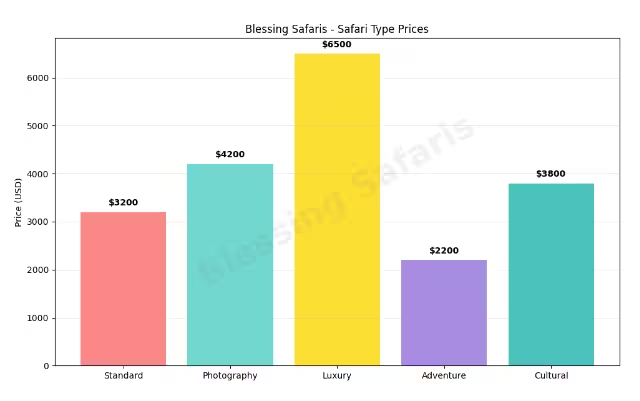
What are typical national park entrance fees?
$30–$83 per adult per day, depending on the park (e.g., Serengeti and Ngorongoro), near $70+.
How much do the safari vehicle and guide cost?
$150–$250 per person per day for private guided drives.
What factors most affect safari costs in Tanzania?
Duration, accommodation level, transport type, group size, and season.
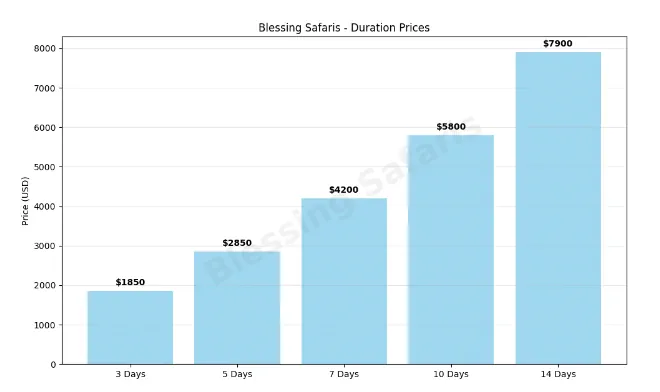
What is the cost range for Serengeti safaris?
$180 to $650 per person per day; 3-day mid-range starts from $1,650.
How much does a Ngorongoro Crater safari cost?
Entrance ~$70; vehicle fee ~$295/day; lodges $80–$1,500+ per night.
What are the costs of visiting Kisima Rhino Sanctuary?
From $200 viewing permits to $2,500+ full conservation safaris.
How much is a Mikumi safari?
Entry $30, daily safaris $100–$500+ depending on lodge and transport.
What is the cost of cultural and historical tours?
$10–$50 per person, depending on location and duration.
Are hot air balloon safaris expensive?
Yes, typically $450–$600 per person.
How much does a guided hike cost in Tanzania’s crater areas?
$20–$40 per guide per hike (Olmoti, Empakai, Olduvai).
What is the average cost of a luxury lodge per night?
$800 to $2,500+ per night in Serengeti and Ngorongoro.
What budget accommodation costs can I expect?
$30–$80 per night near key parks.
How do migration seasons affect safari costs?
Peak migration months generally increase prices by 20–40%.
Are group safaris cheaper in Tanzania?
Yes, group safaris lower per-person costs by sharing vehicle and guide fees.
How much cash should I carry for tipping and extras?
$200–$500 in either local or foreign currency is advisable.
Is transport between parks expensive?
Flights between key parks add $200–$500 per leg; road transfers are cheaper but slower.
What is the cost of Serengeti migration river crossing safaris?
$3,800 to $6,500 for 5-6-day packages covering the Northern Serengeti.
How much does Lake Natron or Oldonyo Lengai trekking cost?
Day trips to trekking safaris range from $200 to $1,000+, depending on duration.
What is the best way to get value on a Tanzanian safari?
Book with reputable local operators, travel off-peak, and choose shared or mid-range packages
Are you ready to start planning?
You can proceed with booking by filling out the form below. Let’s make your adventure unforgettable!