Table of Contents
Who are the Masai people?
Historically, the Masai are a mixture of Nilotes peoples of the Nile region and Hamitic peoples of North Africa.
Despite that connection, the Masai are the ordinary residents of Tanzania and Kenya.
The Masai people are typical nomads who move with their cattle from one land to another.
With their large herds of cattle, sheep, and goats. The Masai have been moving constantly in search of pasture and water.
Northern Tanzania and Southern Kenya are home to these communities, either in Ngorongoro, Serengeti, or the Masai Mara.
The Masai have been living for centuries—no wonder all the famous parks in northern Tanzania are named in the Maasai language.
Technology and life are changing at a rapid pace around the world.
Whether in Africa, South America, or Asia, change is inevitable.
But despite these changes, the Masai people have been affected very little by globalization.
Maasai still live according to their customs and traditions.
An ordinary observer can detect a slight change in their lives, especially for the Masai living in urban areas.
Cities like Arusha, Nairobi, Mombasa, and Zanzibar attract youth from local Masai villages.
The culture of the Masai is one of the best attractions for visitors visiting Kenya or Tanzania.
Their unique wardrobe style, beliefs, and other practices remain largely intact.
Their uniqueness is fascinating for many people coming from other cultures.
Now, let’s dive into Interesting Facts about the Masai People.
1. Believe in a Single God with Two Faces
The Masai people believe in a single God named Engai, who has two distinct faces, one resembling God and the other resembling Satan.
The former Narok brings rain and welfare of all kinds, (is a good and benevolent Black God.
While the latter is Nanyokei, it is associated with long dry seasons and is the origin of all their troublesome situations.
Though despite this belief, nowadays some Masai are converting to Christianity and Islam.
Though the transformation has taken a long time. Until now, Masai communities still practice traditional religion.
2. Cattle are the Symbol of Wealth
Maasai believe that all cattle have belonged to them since creation.
The Enkai, or Engai (God), in the Maa Language made the Maasai the custodians of all the world’s cattle.
Not only do the Masai own cattle in East Africa. The Luo, Kurya, and Sukuma people also own large herds of cattle.
Having many cattle in Masai communities is a symbol of wealth.
Cattle serve as a medium of exchange, and nowadays the Masai rely on them for income.
Having a large number of cattle provides access to join alliances and pay dowry for a youth’s marriage.
Remember, meat and blood are the primary food for the Masai. They drink blood and eat roasted meat.
There is a belief that drinking milk and eating meat are sacred acts that bind the Masai to their spirits.
3. Masai are Patriarchal & Polygamous
Men lead Masai communities. They have traditional leaders named Laigwanani or Chiefs.
Age practice is still the backbone of this culture. The separation of labor is as follows.
- Women construct Masai huts and are also responsible for collecting firewood.
- Fetching water, milking the herds of cattle, and cooking for the family.
- Young boys look after the livestock while the warriors maintain peace.
- Older men oversee daily operations in the community.
- Morani is the most critical group of the Masai people.
- Well-known as the warriors (morani. Morani pass on their ritual ceremonies from one generation to the next.
4. Hunting and Killing Lions is a Tradition. But no longer practised.
Back in the day, the killing of a lion by Masai men (youth) proved to be a warrior way of life.
The young Masai could kill either alone or in a group by using the spear as a weapon.
The killing of lions was associated with passing rituals, and they were supposed to kill only male lions.
The reason behind not killing female lions (lionesses) was considered sacred. ( descendant, ancestry )
This practice is no longer available in Masai communities after the regulatory intervention.
Nowadays, Maasai are part of the movement for the sustainable conservation of the lion population.
The best project that involves the Masai people in Lion Conservation includes the Kope Lion in Tanzania
5. Unique Wardrobe ( Masai Shuka )
Masai are known not only for their physical beauty but also for being tall, and most are black with white teeth.
Maasai wear iconic garments well known as “Masai Shuka” before the introduction of woven cloth.
Masai wear clothing made from calf leather and sheepskin.
Easy to identify from a distance, the Masai people wear red, black, blue, and pink.
The color patterns of their clothing are unique and most popular across East Africa.
The uniqueness of their garment went mainstream to the extent of being copied.
International brands have adapted Masai jewelry and introduced new designs.
Masai wardrobes are now available worldwide.
Additional tips in Masai clothing are also used to identify social rank, age, and sex.
It’s common to find young men (moran) wearing black colors and using chalk to decorate their faces.
The Masai also produce belts and necklaces and decorate sheep or cowhides for ceremonial purposes.
The Masai people are so generous if you find a way to meet with them.
In addition to the points discussed above, there are more tips about the Masai people in Africa.
- They’re named after their own language, “Maa.”
- The Masai are part of the Nilotic communities of Africa
- They live in Kenya and Tanzania in East Africa
- Serengeti, Ngorongoro, Manyara, Tarangire, and Masai Mara are named in the Masai language.
- The Masai people fall under the sixteen-clan “illusion.”
- The Masai people practiced land management for centuries.
You might be interested in visiting Masai homes (bomas) to learn about and experience their way of life.
We customize the best trip to Tanzania or Kenya, including Ngorongoro.
But you can also visit the cultural tourism program while in Arusha after your safari. But also, a combined trip is possible.
Feel free to ask our team for help with planning or customizing your unique trip.
Frequently Asked Questions About the Masai People
Who are the Masai people and where do they live?
The Masai are a semi-nomadic ethnic group living in southern Kenya and northern Tanzania. They are one of East Africa’s best-known indigenous communities, known for their distinctive customs, dress, and close relationship with the land and wildlife.
What is the traditional Masai diet?
The traditional Maasai diet consists mainly of meat, milk, and blood from their cattle. They believe God entrusted all cattle to them, so their diet centers on livestock products. They occasionally consume maize and other grains through trade with agricultural communities.
Why do Masai warriors wear red and jump high?
Masai warriors (Morans) wear red shukas (clothes) as they represent bravery and protection. The famous jumping dance, called Adamu, is part of their Eunoto ceremony, where young men demonstrate their strength and agility to become warriors. Higher jumps symbolize greater strength and attract potential marriage partners.
What is the significance of cattle in Masai culture?
Cattle are central to Masai culture and represent wealth, status, and spiritual significance. They believe Engai (God) granted them all cattle on earth. Livestock is used for dowry payments, social status, and as a primary source of food through meat, milk, and blood.
How do the Masai people build their traditional homes?
Masai build traditional homes called Inkajijik from locally available materials. Women construct these circular dwellings using wooden poles, mud, cow dung, grass, and urine. The structures are designed to be temporary as the Maasai are semi-nomadic, moving with their cattle herds.
What are the main ceremonies in Masai culture?
Key Masai ceremonies include Emuratare (circumcision) for boys, Eunoto (warrior graduation), Enkang oo-nkiri (meat-eating ceremony), and Eokoto e-kule (milk-drinking ceremony). These rites of passage mark essential transitions in life from childhood to elder status.
Do Masai people still practice polygamy?
Yes, polygamy is still practiced in traditional Masai society. Men can marry multiple wives, with the number often reflecting their wealth and status. Each wife typically has her own home within the family compound, and marriages are arranged through cattle dowry payments.
How do Masai coexist with wildlife in their territories?
The Masai have developed sophisticated methods of coexisting with wildlife over centuries. They don’t hunt wild animals for food, respecting them as part of nature. Their grazing patterns and traditional knowledge help maintain ecological balance, though modern challenges like land fragmentation are creating new conflicts.
What is the role of Masai women in their society?
Masai women are responsible for building homes, collecting water and firewood, cooking, milking cattle, and caring for children. While men make major community decisions, women manage household affairs and contribute significantly to the family’s economic well-being through beadwork and other crafts.
How is modern life affecting traditional Masai culture?
Modernization is bringing significant changes to the Masai culture. Education, tourism, land privatization, and climate change are transforming traditional lifestyles. Many Masai now combine traditional practices with modern education and employment, creating a blend of cultural preservation and adaptation to contemporary life.
You might also have questions about how much a safari costs in Tanzania.
We invite you to read more of our best articles about an African safari.
- What to expect from an African safari in Tanzania?
- The Ultimate Guide to Serengeti
- Why you should visit Tanzania
- When is the best time to visit Tanzania
- How much does a Tanzania safari cost?
Are you ready to start planning?
You can proceed with booking by filling out the form below. Let’s make your adventure unforgettable!
Other Articles
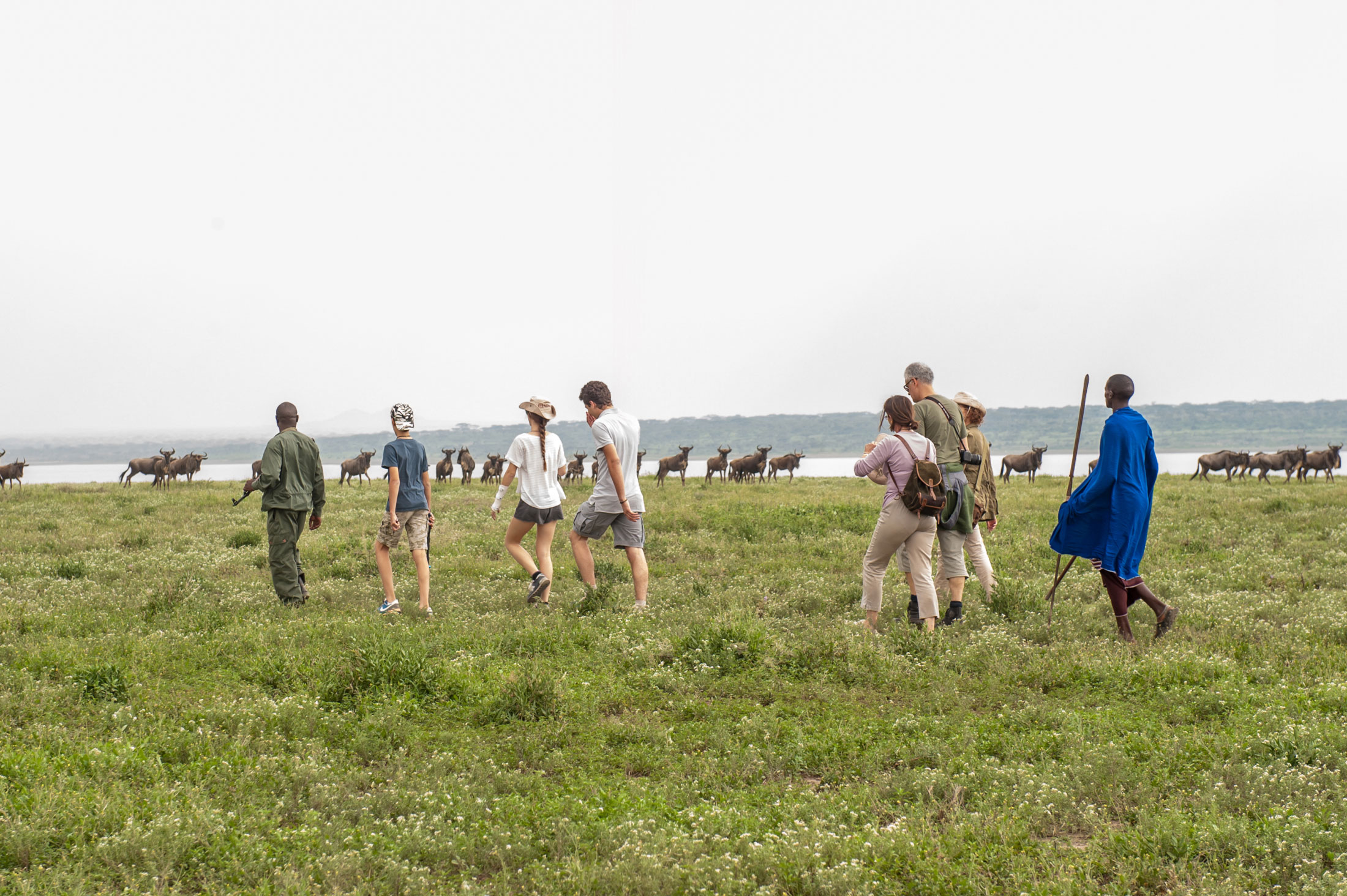
Tanzania Walking Safari Cost: Complete Price Guide for 2026
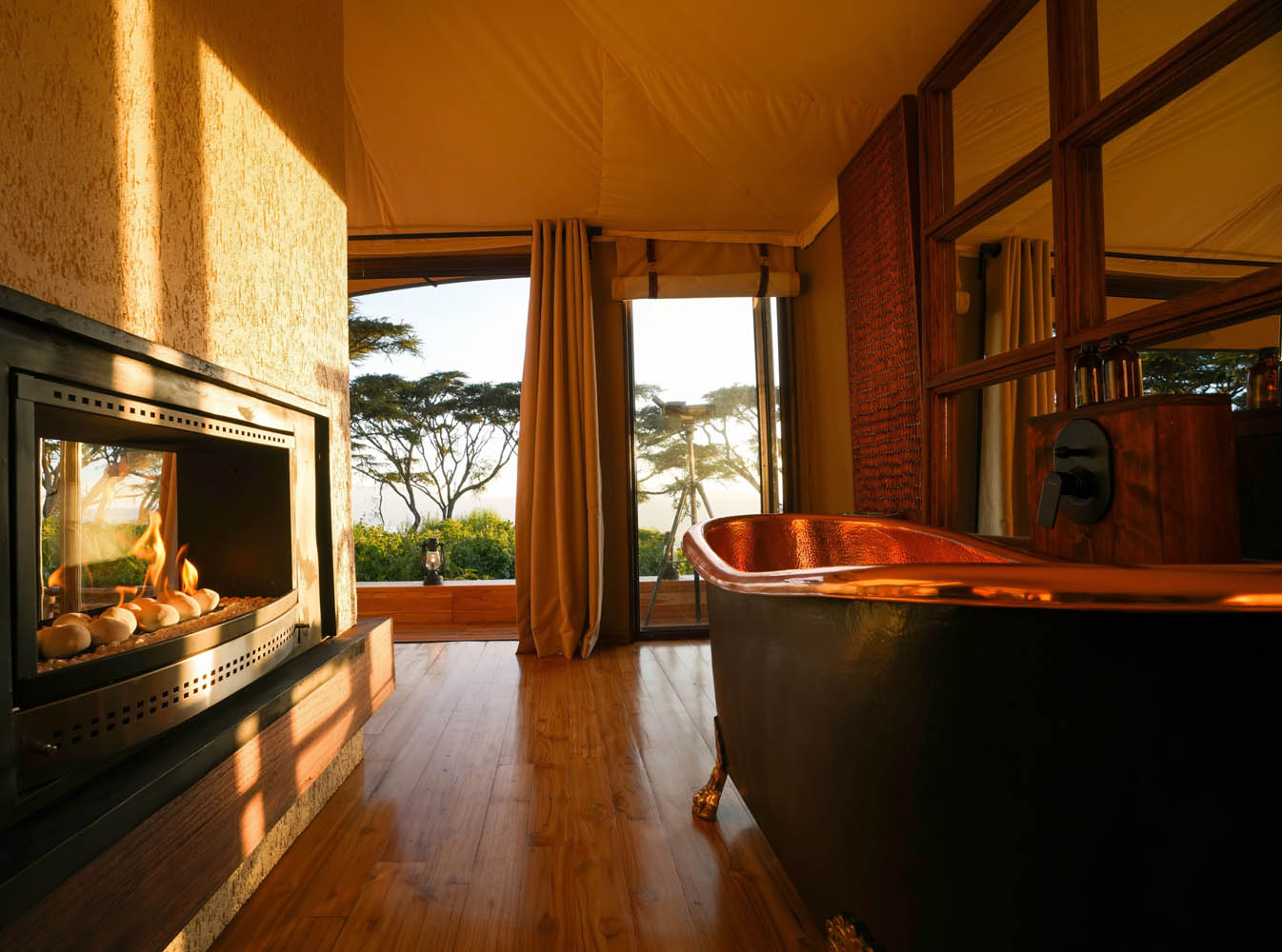
Tanzania Luxury Safari Cost: Price Guide 2026
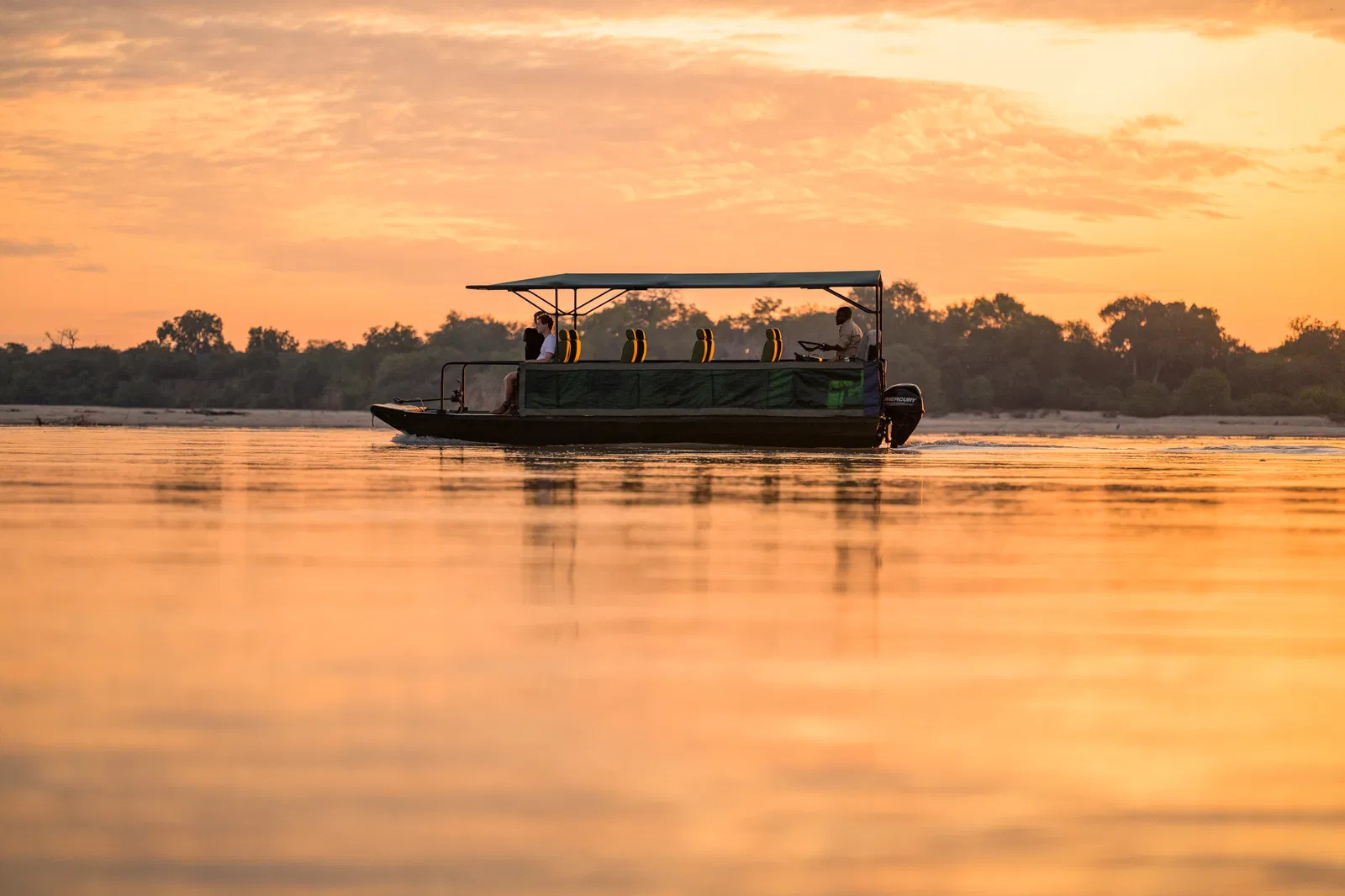
Affordable Tanzania Mid-Range Safari Cost: Your 2026 Budget Guide
Budget Safari Cost in Tanzania 2026: What You Need To Know
Top 5 Secret Spots in the Serengeti and Ngorongoro: Escape the Crowds in 2026
Tanzania Safari Cost 2026: Best Prices, Packages & Essential Tips
Tanzania Safari Cost-Complete Guide 2026
Why would you want a private safari?
Tanzania vs Kenya: Which offers the best safari?