Table of Contents
The Ultimate Guide for Serengeti
Serengeti is the best park in Africa. Is the endless plain in Tanzania with outstanding universal value?
The only place on Earth with the highest concentration of wildlife.
The park’s vibrant life is remarkable. The complex ecosystem makes it stand out as a wonder of the world.
Well known for the wildebeest migration, but the Serengeti is beyond that.
Choosing to visit the Serengeti is the wisest decision you can make for an African safari.
Nothing to compare with the Serengeti when it comes to wildlife safaris all over the world.
What are the quick facts about Serengeti?
- It is the only park with the highest concentration of wildlife on Earth.
- The annual wildebeest migration from the Serengeti to the Maasai Mara takes place from June to September.r
- Calving season is in January and February at the Southern Serengeti
- The best time for Bird watching is April and November
- The dry season is ideal for a game drive
- Serengeti is the third-largest park in Tanzania
- Serengeti is accessible throughout the year
- The best destination for the Big Five Safari
- It is the first national park in Tanzania, established in 1959
- It has been a World Heritage Site by UNESCO since 1981
- Where is Serengeti National Park?
Serengeti National Park is an endless plain found in Tanzania. It is the only remaining natural grazing ecosystem on Earth.
Also, this vast plain is the heart of the complex ecosystem.
Serengeti is bordered by the Maasai Mara Game Reserve in Kenya in the northern part.
But also, the park shares the same ecosystem as the Ngorongoro Crater.
How to get to the Serengeti for a Safari?
Serengeti National Park is highly accessible in Tanzania. You can visit Serengeti by Air or by Road transfers.
Taking a flight from Arusha is the most convenient way to one of the park’s seven airstrips.
If you opt for road transfers, this park can be accessed through four main entrance gates: Naabi Hill Gate, Ndabaka Gate, Klein’s Gate, and Bologonya Gate.
Getting to Serengeti National Park by air, the most recommended airport is Kilimanjaro.
Lies between the town of Moshi and Arusha. It is approximately 200 miles (320 km) from the southern park entrance gate.
There are a couple of international flights to Tanzania. KLM Royal Dutch Airlines, Turkish Airlines, Kenya Airways, and Ethiopian Airlines.
It is possible to take a flight from Nairobi’s Jomo Kenyatta Airport (NBO) to Kilimanjaro (JRO)
There are numerous local flights, both scheduled and chartered. Most of these flights are owned by private companies, luxury lodges, or hotels.
You can connect from Zanzibar to Serengeti or other parks in Tanzania.
Learn more about how to get to Serengeti National Park
What is the geography of the Serengeti?
This park is divided into three sections. The southern (central) part is well known as the Seronera.
This is the part that the Maasai people called the “Serengit,” meaning the endless plains.
The Seronera area is a classic savannah dotted with acacia plants. Additionally, this area is ideal for wildlife viewing.
To the west, the Serengeti is marked by the Grumeti River. This area has dense bushes and thick forests due to abundant water.
To the northern part is Lobo. This is where Serengeti meets up with the Maasai Mara in Kenya. It is the least-visited section of this park in Tanzania.
Serengeti National Park is well developed and offers accommodation facilities. The best eco-lodges and hotels offer visitors a comfortable stay.
What are the best things to do in Serengeti?
1. Wildebeest migration
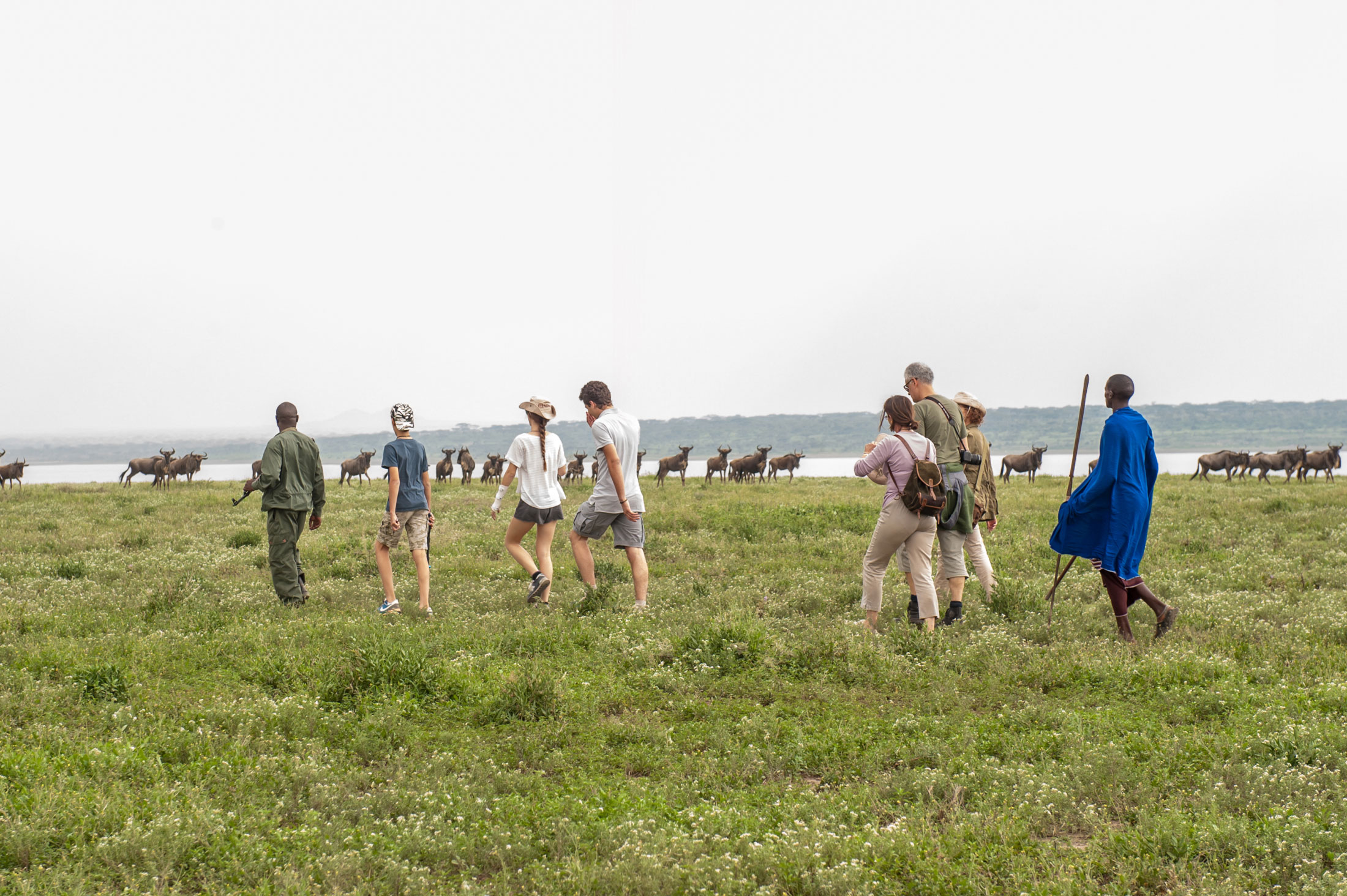
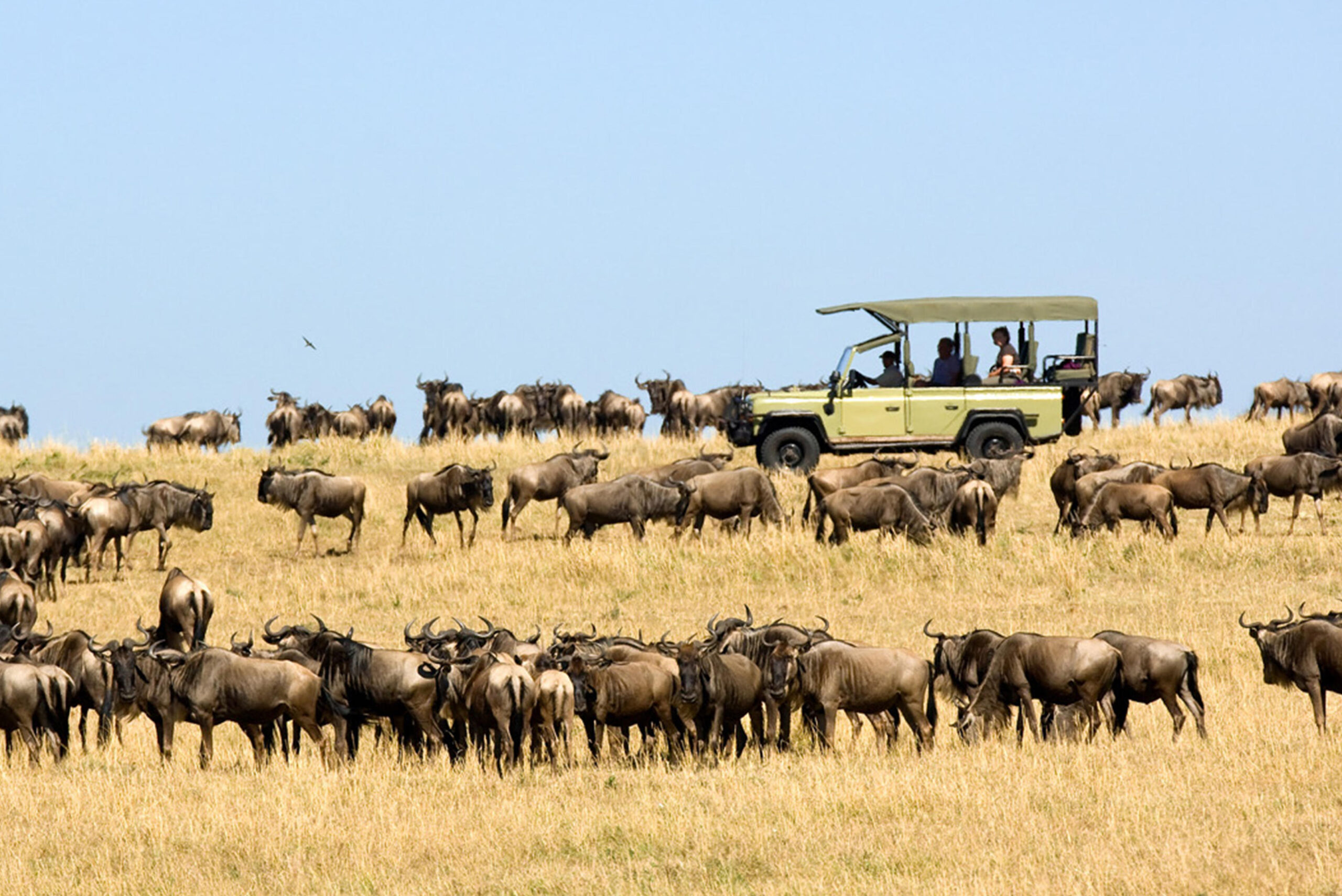
One of the best attractions for visitors in Africa. Witnessing the Serengeti migration is the dream of many visitors to Tanzania.
More than one million wildebeest and Zebras migrate each year to the Maasai Mara in Kenya. It is an endless process in this park.
The migration remains in the Serengeti for an extended period. From July to September, you should take the front seat to witness the Mara River crossing. This is the drama you won’t dare to miss.
Timing is everything for the Serengeti migration in Tanzania. You should consider planning with your safari experts.
Our team will arrange your trip to Bologonja, Kogatende, or Lobo in the Serengeti.
2. Balloon Safari
For a little added romance on your trip, you should consider adding a hot air balloon safari.
Nothing compares to the feeling of soaring several thousand feet above the plains of this park.
The complete view of the Serengeti from the sky is so unique. The inhabitants’ view and the silence are remarkable.
Most of these tours are optional. But you’d better think about it, nothing will beat the Serengeti hot air Balloon experience.
A Balloon Safari is an excellent activity you should consider. It is the memory that will live on for your entire life.
3. Sunrise Game Drive
Many of the Serengeti’s animals are most active during the cooler morning and evening hours.
This makes the sunrise game drive the perfect opportunity for game viewing.
It’s easy to see wildcats and other animals either resting or moving.
If you’re intent on seeing African Wild Dogs, this is also the best time to spot the elusive pack hunters.
We allow unlimited game drives between 06:00 and 18:00 (park operating hours).
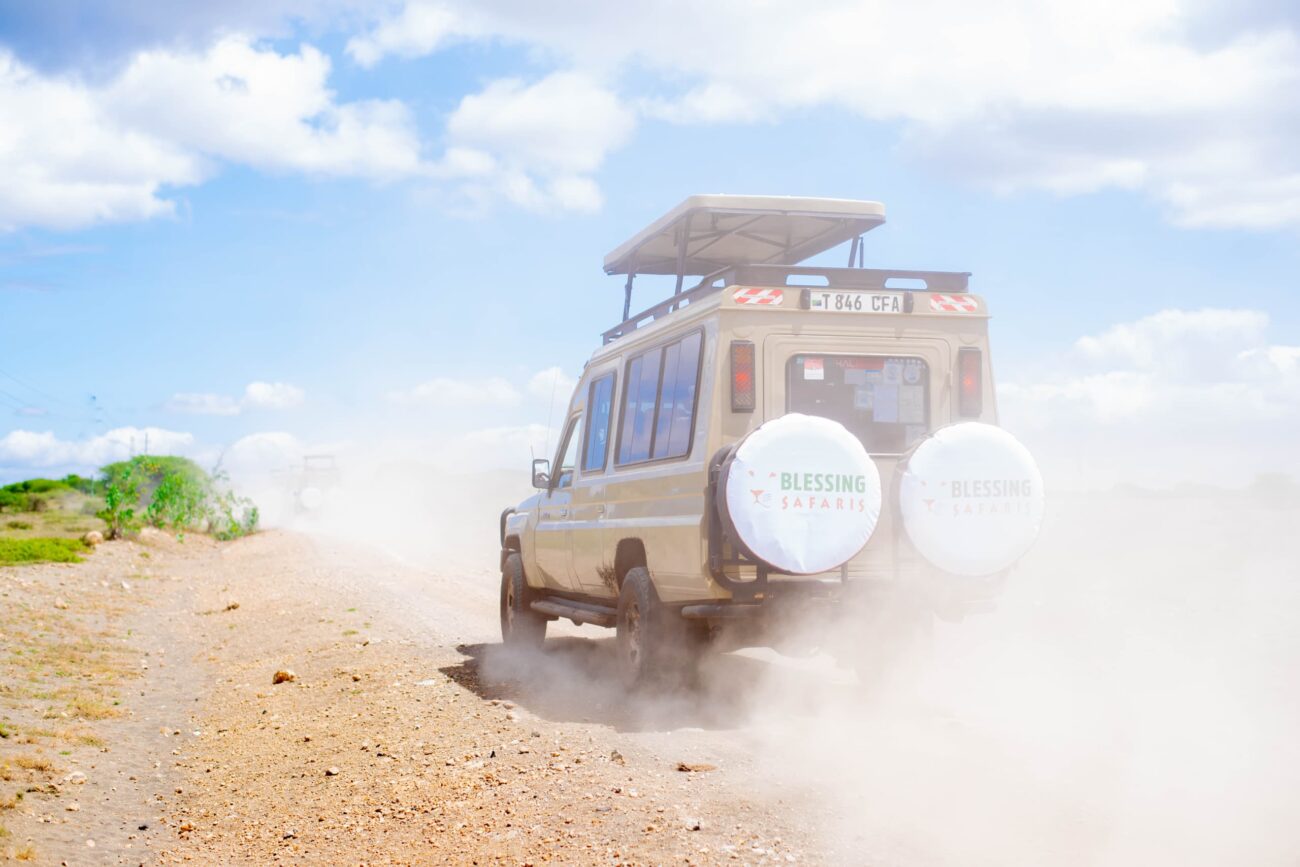
Ask your driver what you would like to see on a sunrise game drive, and he’ll make it happen.
4. Luxury Tented Camp & Lodges
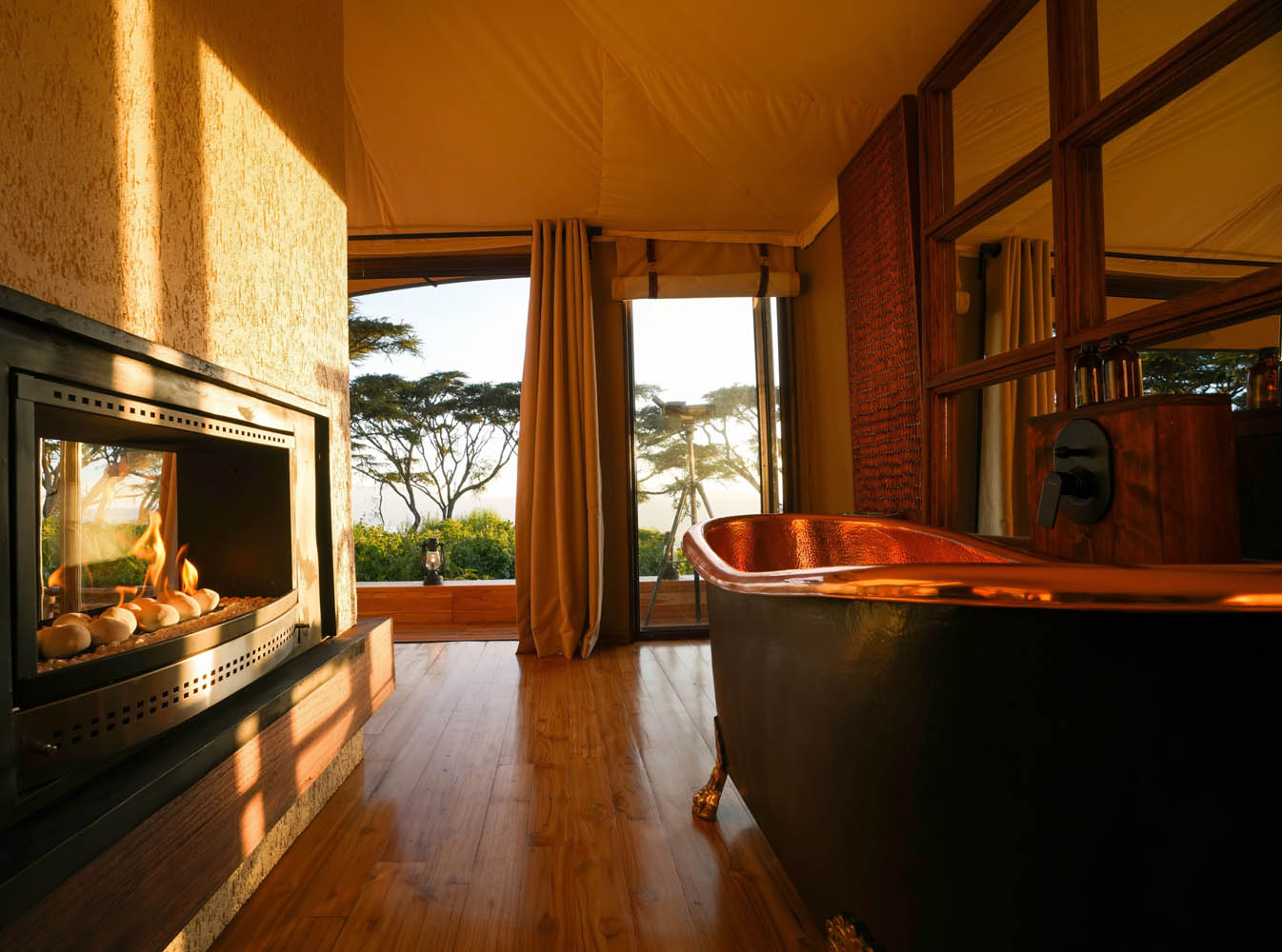
Serengeti National Park offers the perfect blend of modern comfort and nature. Serengeti provides all levels of accommodation.
The luxury tented camps in the Serengeti are popular year-round. The well-known camps include An’gata and Whisper. Mapito Camp, Kirurumu, and Elewana Camps are the best places to stay.
Also, Serengeti offers luxurious lodges and hotels for your stay. You can enjoy your stay at Melia Serengeti Lodge, Four Season Safari Lodge, and Simba Lodge. Serengeti Serena , Sopa lodge , Singita Faru Faru, Ndutu Safari Lodge
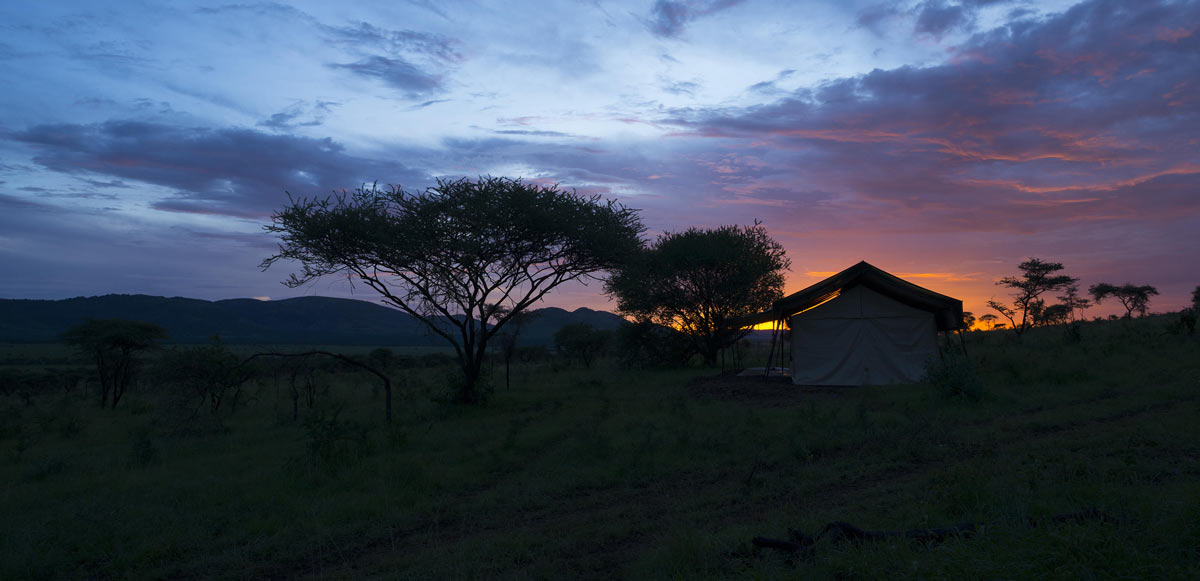
Experience the authentic African safari by spending at least one night in a tented camp.
Whatever your budget, it wouldn’t be a visit to the Serengeti without at least one night in a tented camp.
But if you’re visiting during the rainy season, a brick-and-mortar lodge is the best option.
5. Camping experience
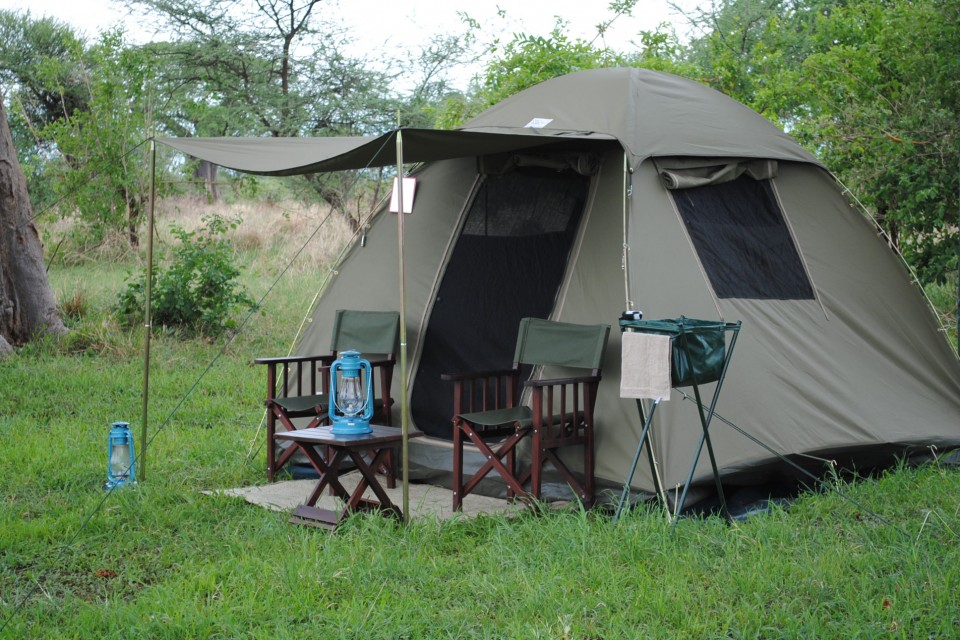
The experience of a camping safari is beyond imagination. Is something primal and magical to a tent on the Serengeti?
The sound of the wilderness arouses courage and adventure.
We are experts in arranging camping safaris. The equipped team will make your trip unforgettable.
Service from our best cooks and guides is guaranteed to ensure your satisfaction.n
Camping on safari can be an excellent way for budget tours. However, it’s not recommended during the rainy season.
When is the Best Time to visit the Serengeti?
Serengeti is one of the top year-round wildlife destinations in East Africa.
The best time to visit Serengeti National Park depends on your objectives.
Timing is the key to experiencing Serengeti, whether you’re looking for game drives, wildebeest migration, or birds.
Each season affects every experience.
The dry season is ideal for game drives. This runs from June to October and from December through February. Traffic is high at this time of year.
Top tip– the vegetation becomes so sparse, best for wildlife viewing
An ideal time to witness the wildebeest migrations at the Grumeti River is from June to July.
For the wildebeest crossing of the Mara River, the most probable month is September.
Top tip– Wildebeests migrate in search of food and water as the Serengeti becomes so dry. While the short rainy season is about to start in the Maasai Mara
January and February are the best months to observe calving on the Southern Plains.
November to April is the ideal time for bird enthusiasts to visit the park.
Several migratory birds are present in the park, coinciding with the nesting period.
Top tip – the male’s breeding plumage makes it easier to spot birds.
Note that during the dry or high season, accommodation prices tend to spike.
Book your trip earlier if you have a plan to stay in lodges or tented camps. The possibility of accommodation being fully booked is high.
Compared to the low season, where rates are low and availability is high. If you’re budget-conscious, you should plan for the low season.
This is always during the dry season months. April, May, November.
Top tip– January and March are the best as you can see Migration, rates are lower, and the environment is green. Offers the perfect conditions for photography
Top tip– July, August & September are the best months for Wildebeest Migration. The Mara River crossing is in September.
Calving Season in January and February in the Southern Serengeti
How much do you need for a Serengeti Safari?
To get a clear understanding of the cost for Serengeti. We should first consider the key drivers of the price, whether it is low or high.
- Season of the year. Whether low or High season
- Level of comfort in terms of accommodation
- Mode of transport: either Flying or Driving
- Additional tour options include cultural tours, spa treatments, guided walking tours, and Balloon Safaris.
We offer customised trips and a unique experience for each client.
We are flexible and happy to collaborate with you to create a bespoke Serengeti safari.
We invite you to study the guidelines for Serengeti Safari Budgets
- Costs range from $180 to $390 USD Full Board ( Budget and Mid-range)
- Costs range from $450 to $1,200 USD for Full Board service ( 4 Star Comfort – Luxury )
- Costs range from $1,250 to $1,850 USD Full Board (5-Star Comfort )
- Costs range from $1,900 to $12,000 USD Full Board (5-Star Luxury )
The above guidelines apply to accommodation and may vary by season. But also subject to change as the government imposes taxes.
- Park fees for Serengeti remain at $ 82.6 plus VAT
- Special Camping Fee USD 71 per night in Serengeti.
- Maasai Boma visit in Ngorongoro, USD 50 per vehicle
- Hot air balloon USD 599 per person
- Tipping guidelines are $20 per guide per day and $15 per cook per day.
Some clients prefer public campgrounds to private ones.
We offer a professional cook and a support team if you’re planning a camping trip. It is the best option for budget trips to the Serengeti.
The best combines Serengeti Safaris in Tanzania.a
Serengeti is strategically located to connect you with the other parks in Tanzania. Below is a list of additional destinations you can combine with the Serengeti Safari.
Ngorongoro Crater
This is a world-renowned crater in Tanzania that offers the best chance to see the Big Five in one place.
But also the best location to enjoy luxury accommodation.
Whether tented camps or the best lodges and hotels.
A few include Ngorongoro Sopa Lodge, Ngorongoro Serena Lodge, Lemala Camps, and Ang’ata Camps.
Tarangire National Park
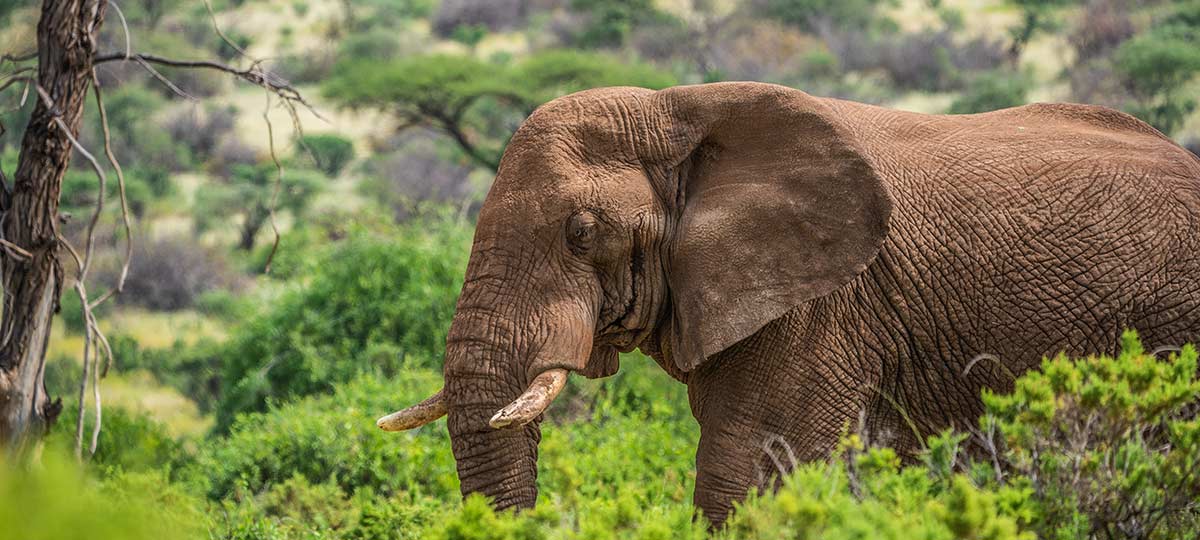
This is the best park to see large groups of Elephants in Tanzania. But also the compliments for Serengeti.
Is the best park also for wildcats, including Lions and Leopards?
The services offered by lodges and camps at this park are exceptional.
You can stay at Tarangire Treetops, Roika Tented Camps, and Tarangire Sopa Lodge. Tarangire Safari Lodge and Ang’ata camps. Night game drive is available too.
Manyara National Park
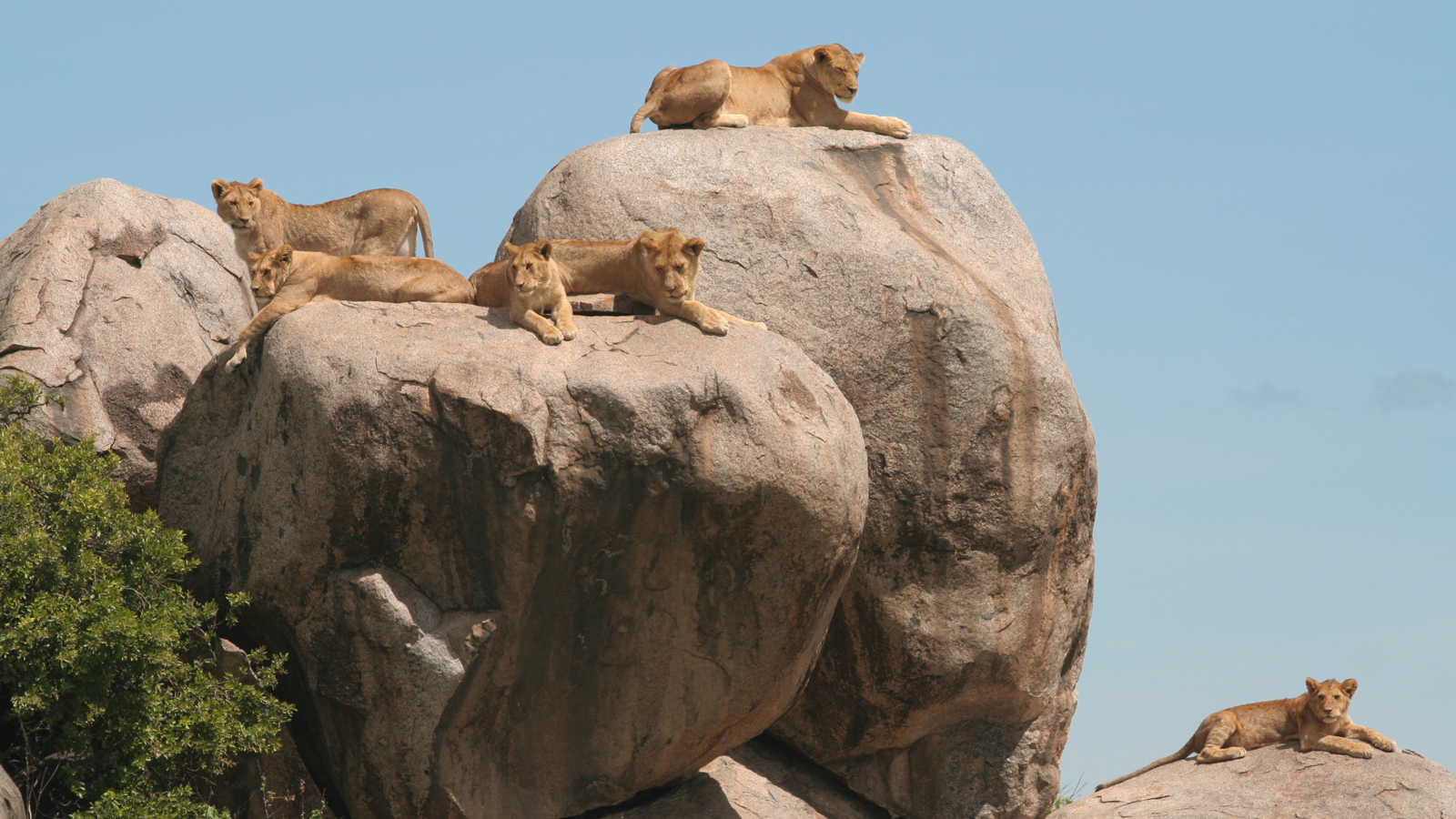
The park is famous for tree-climbing lions and more than 400 bird species. It is a small park created in the Great Rift Valley of East Africa.
You can stay at Tortilis Camp, Lake Manyara Hotel, Migombani Camp, and Panorama Camp.
Mahale & Gombe National Park
Located in remote areas of Tanzania, these parks are ideal for chimpanzee trekking.
But also, visiting these parks gives you a chance to experience the deepest lake on Earth. Lake Tanganyika.
The experience is quite different from game drives; here, it is typical to walk.
You can stay at Mbali Mbali Mahale Lodge, Greystoke Mahale, or Gombe Forest Lodge. And Kigoma Hilltop Hotel.
Ruaha National Park
This is the gem of southern Tanzania. It is the second largest park after Nyerenyere National Park.
Apart from wild cats, the Greater Kudu. You can stay at Mabata Makali, Ruaha River Lodge, Jongomero Camp, and Ruaha Tandala Camp.
Kigelia camp and Ruaha Flycatcher.
Selous Game Reserve
This is the largest game reserve in Africa. Selous is the largest wildlife reserve in Tanzania.
With thousands of wildcats, buffalo, giraffes, and zebras. Selous offers the best places to stay. Including Selous Mapumziko Lodge, Selous River Camp
Zanzibar Island
This is something you don’t dare to miss in Tanzania. The beautiful spice island, rich in history and culture, is beyond imagination.
After a long game drive in Serengeti, enjoy the sea breeze at either Unguja or Pemba.
Zanzibar offers some of the best hotels and lodges to stay at, including Fumba Beach Lodge, Amaan Bungalow, Zanzibar Serena, Melia Zanzibar, and more.
Mount Kilimanjaro
The highest free-standing mountain on Earth is at 5,895m. It is the highest peak in Africa.
You can combine a visit to the Serengeti with a climb of Mount Kilimanjaro.
You can climb via the Machame, Marangu, or Lemosho routes.
It takes five (5) to six days to reach the summit of Mount Kilimanjaro.
During climbing, you can either stay at mountain huts or tents.
Lake Victoria.
It is the largest lake in Africa. A few kilometres from the Serengeti, you can visit the Mwanza or Mara regions.
You can visit the Bujora Museum or the Butiama Cultural Centre.
And spend the rest of your days on the extended beaches of Malaika in Mwanza and Tembo beach in Musoma.
Best combines Serengeti Safaris in East Africa
Kenya Safari
The Serengeti National Park safari best combines with the Maasai Mara in Kenya. Witness the wildebeest Migration in Kenya while observing herds of elephants in Amboseli.
Rwanda Safari
It is the best country to visit, with clean and beautiful people. You can combine Serengeti with Rwanda’s Akagera National Park for additional game drives.
Rwanda is the key destination in East Africa for Gorilla trekking.
The Best Safari Itineraries for Serengeti
The Serengeti is the top destination for many clients visiting Tanzania.
Whether it’s your first time in Serengeti or your second time, each trip has something special to offer.
You could have been visited during the wildebeest migration. Then try the green season for bird watching.
Or during the calving season in January to February, you will feel the difference. Serengeti will never die.
Many of us take a long trip for a purpose. Other travel for a family reunion, honeymoon, or special celebration.
Our trips are not fixed; we offer a room for discussion to create something unique for you and your loved ones.
It depends on your preference, but most trips are typical Serengeti trips. Other tours offer combinations with other key destinations in Tanzania.
Either Ngorongoro Crater, Mount Kilimanjaro, or Zanzibar Island.
We invite you to explore our Serengeti Safari packages below. If you think you need something special, don’t hesitate to get in touch with our safari specialist.
For customisation and further advice for your memorable Serengeti Safari in Tanzania.
How to plan for Serengeti Safaris?
Book in Advance
We recommend planning your trip. Six months to one is the ideal duration.
While you can also book late, availability depends on the season.
A few advantages of booking earlier include saving money and having a better time negotiating.
It also allows companies or operators to secure rooms or camps at the best price.
Timing
Depending on what you need to see in the Serengeti. If you’re looking for the wildebeest migration, you’d better focus on August and September.
For bird and nature lovers, plan for the green season, which runs from April to November.
For the best game drives, June, July, and December are the best times.
Choose activities
Having a clear idea of what you need to do while in the Serengeti makes life easier.
Whether you need to do Ballon Safaris or guided walking in the park.
Communicate in advance with the tour operator to plan and budget.
Private or Joined Groups
This is the key consideration when deciding whether to travel in groups or privately.
Joining groups can be both fun and challenging. We recommend that if you travel with family or friends, you plan a vibrant trip.
Focus on private tented camps or lodges, which add luxury to your trip.
Seek more information
If you’re researching the company or are already in touch with the agency.
Asking many questions is the best way to see. Visualise through questions at the end of your tour before it starts.
Ask a better question for better results. Ask about food, accommodation, transport, safety, rescue, insurance, visa, timetable, etc.
Tour options
You can think of a safari add-on—either cultural tours, beach trips, city tours, or shopping around town.
It’s better to add a few short trips to your itinerary, as they complement your Serengeti safari. But remember, it counts toward your budget.
Book with Licensed Tour Operators
Whether Local or International tour agencies, make sure they are regulated. Don’t hesitate to request legal documents and links for reference. No wonder prices vary so much. Unregulated operators offer low prices to induce visitors.
Take precautions; cheap trips always come with expensive experiences. Ask for companies’ bank accounts, not personal ones. Seek more information before you decide to pay for a trip. The internet is full of scammers.
Frequently Asked Questions About Serengeti National Park
What is the best time to visit Serengeti National Park for the Great Migration?
The best time to witness the Great Migration in Serengeti National Park depends on what you want to see. For the river crossings in the Northern Serengeti, visit between July and October. For calving season in the Southern Serengeti, the best months are January through February. The migration is a year-round phenomenon, but these periods offer the most dramatic wildlife spectacles.
How many days should I spend in Serengeti National Park for an optimal safari experience?
We recommend spending 3-4 days in Serengeti National Park to experience its diverse ecosystems and wildlife fully. This allows time for game drives in different regions, witnessing the Great Migration if timed correctly, and enjoying the vast landscapes. For a more comprehensive experience, including remote areas like the Western Corridor or Lobo Valley, 5-7 days is ideal.
What are the different regions of Serengeti National Park, and which should I visit?
Serengeti National Park is divided into four central regions: Southern Plains (for calving season), Central Seronera (year-round game viewing), Western Corridor (river crossings), and Northern Serengeti (remote wilderness). The Central Seronera Valley offers the most consistent wildlife viewing year-round, while other regions are seasonal highlights depending on the Great Migration’s location.
What types of accommodation are available in Serengeti National Park?
Serengeti National Park offers diverse accommodation options ranging from luxury lodges and tented camps to mobile camps and public campsites. Luxury options include permanent lodges with swimming pools and fine dining, while mobile camps follow the migration pattern. Tented camps provide an authentic safari experience with modern comforts, and public campsites offer budget-friendly options for self-drive safaris.
What wildlife can I expect to see in Serengeti National Park beyond the Big Five?
While Serengeti National Park is famous for the Big Five (lion, leopard, elephant, buffalo, and rhino), you can also see cheetahs, hyenas, wild dogs, giraffes, zebras, wildebeest, and over 500 bird species. The park hosts the world’s largest population of lions and is one of the best places in Africa to witness predator-prey interactions, especially during the Great Migration.
Do I need a guide for Serengeti National Park, or can I self-drive?
While self-driving is permitted in Serengeti National Park, we highly recommend hiring a professional guide. Experienced guides have extensive knowledge of animal behaviour, know the best viewing spots, understand park regulations, and can significantly enhance your safari experience. They’re also trained in safety protocols and can communicate with other guides about recent wildlife sightings.
What should I pack for a Serengeti National Park safari?
Essential items for Serengeti National Park include neutral-coloured clothing, a wide-brimmed hat, sunscreen, binoculars, a camera with extra batteries, sturdy walking shoes, and layers for early-morning game drives. Don’t forget malaria prophylaxis, a good quality insect repellent, and any personal medications. Most lodges provide laundry services so that you can pack light.
How does Serengeti National Park compare to other Tanzanian parks like Ngorongoro Crater?
Serengeti National Park offers vast wilderness (14,750 km²) and the Great Migration spectacle, while Ngorongoro Crater is a concentrated ecosystem in a volcanic caldera with high wildlife density in a small area. Serengeti is better for extended safaris and migration viewing, while Ngorongoro offers guaranteed Big Five sightings in a unique geological setting. Most visitors combine both parks for a complete Tanzania safari experience.
Learn more about how to select a reliable Tanzanian tour operator.
Are you ready for a Serengeti Safari?
We hope this article helps you learn more about the Serengeti Safari and Tanzania. We wish you a smooth preparation for your holiday in Tanzania.
It’s a pleasure to host you on an unforgettable trip to Tanzania’s Serengeti.
You can proceed with booking by filling out the form below. Let’s make your adventure unforgettable!