Table of Contents
Great Wildebeest Migration
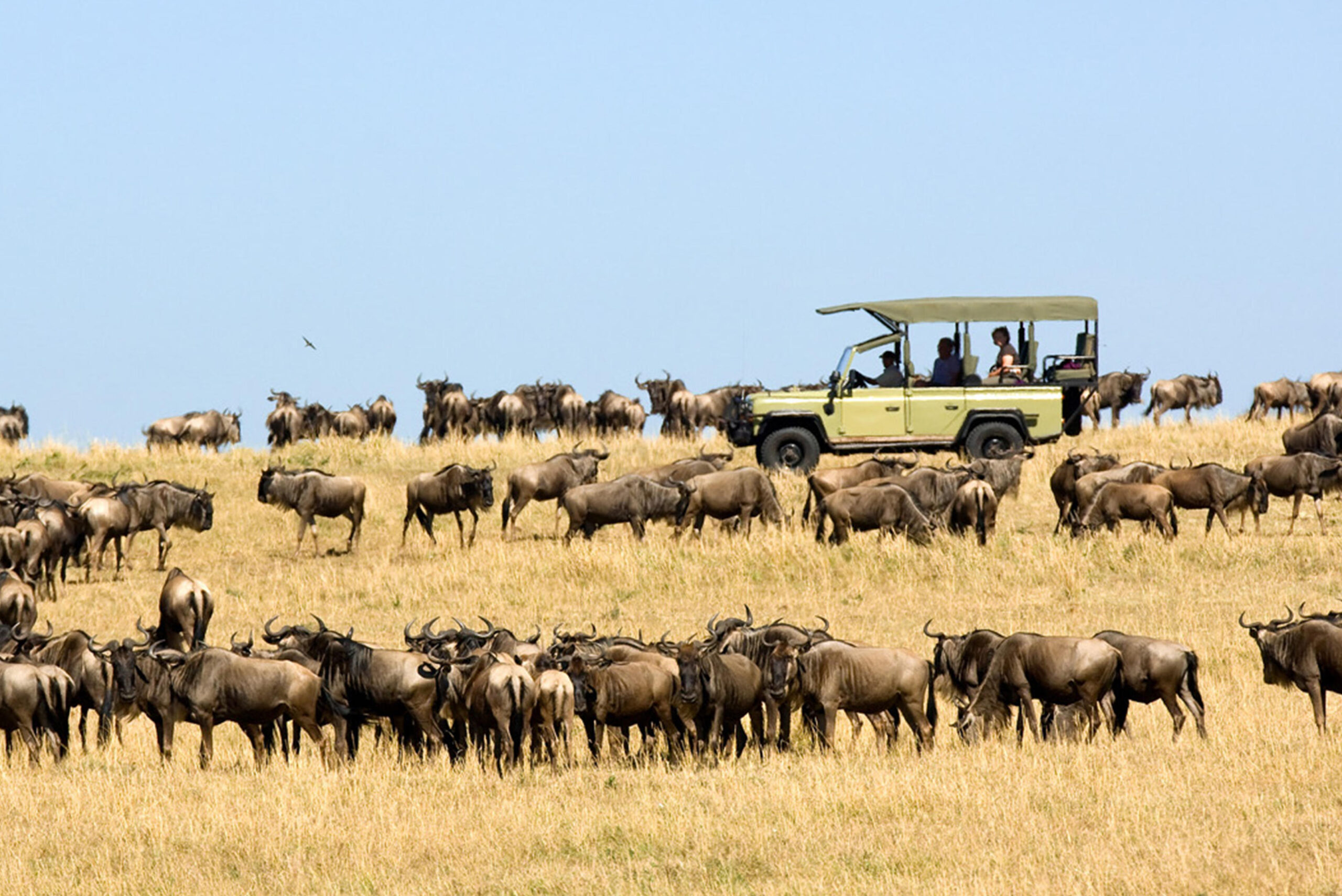
The wildebeest migration is a remarkable natural event that captures the interest of wildlife enthusiasts and adventure seekers worldwide.
This natural event involves the movement of millions of animals between Tanzania and Kenya.
This includes the well-known destinations of the Serengeti and the Masai Mara.
Wildebeest Migration offers a unique opportunity to witness the wonders of the animal kingdom and appreciate the beauty of African wildlife.
What Triggers the Wildebeest Migration?
This migration is driven by seasonal rainfall patterns, which move wildebeest herds in search of fresh grazing.
How do wildebeest migrate?
The wildebeest migration is an annual mass movement of animals. The wildebeest moves from one place to another in search of better grazing and water resources.
During the migration, the wildebeest covered more than 1,800 miles, moving from Tanzania to Kenya and back again.
Migration is not only a sight to behold but also plays a significant role in wildlife conservation and ecology.
What are the Benefits of the wildebeest migration?
The Great Migration in Kenya and Tanzania is a remarkable natural event that provides significant ecological and economic benefits. The wildebeest migration helps maintain the savanna’s ecological balance. By grazing on grasslands, wildebeest prevent overgrowth and help preserve habitats for other species.
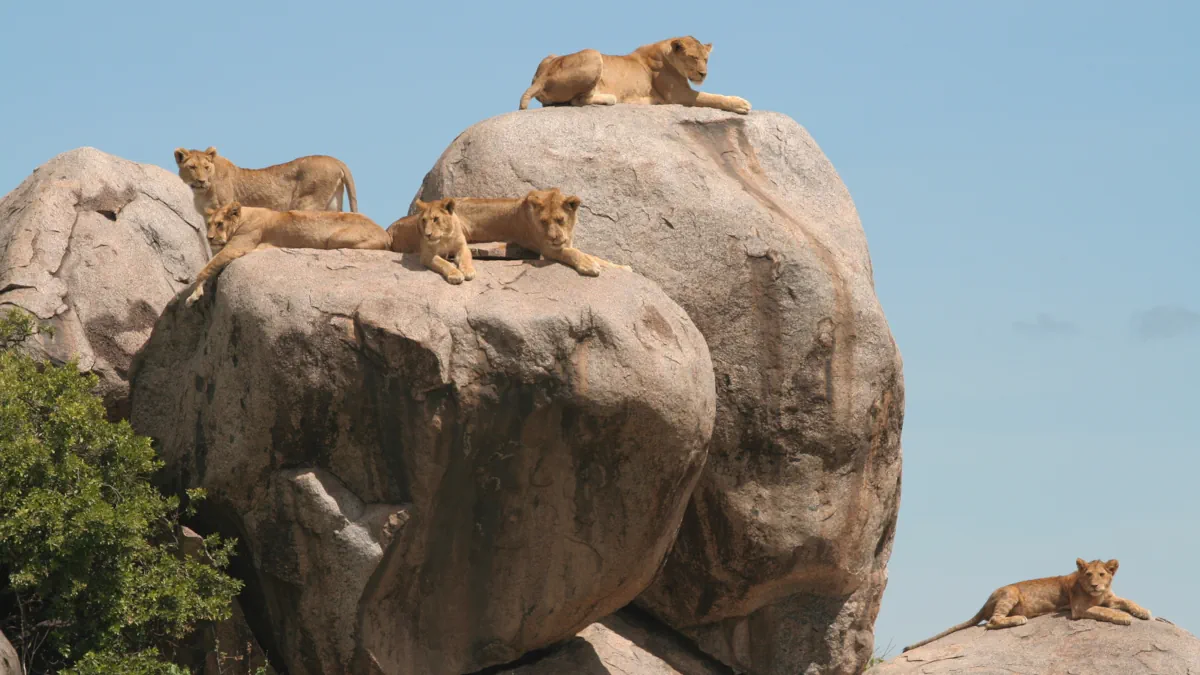
Additionally, the migration attracts predators such as lions, leopards, and hyenas, which help control prey populations. The migration supports wildlife conservation by generating income for local communities through safaris and photography tours. It also provides a unique travel experience for those interested in natural history and geography.
When and Where to Witness the Migration
Are you a wildlife enthusiast looking for an unforgettable experience in the African savanna? Witnessing the wildebeest migration is a must-see event.
But when and where is the best time to witness the wildebeest migration?
When is the Best Time to See the Wildebeest Migration?
The best time to see the wildebeest migration is between July and October in the Serengeti and the Masai Mara.
Wildebeest migration calendar in Serengeti
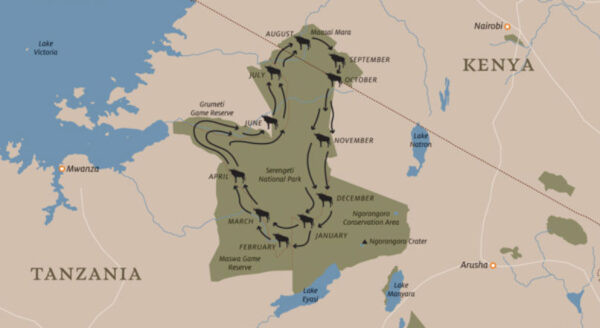
In December, January, February & March
The Serengeti and Ngorongoro are among the world’s most impressive wildlife sanctuaries. From December to March, the plains of the Serengeti and Ngorongoro become home to wildebeest.
In April & May
Which Countries Do the Wildebeest Migrate to?
The migration takes place between Tanzania and Kenya, and the wildebeests cross the Mara River during this period, which is a sight to behold.
Which Parks Offer the Best Wildebeest Migration Experience?
The best parks to see the wildebeest migration in Africa are the Masai Mara Game Reserve in Kenya and Serengeti National Park in Tanzania.
These two parks share the same ecosystem, and the best place to witness the river crossing is at Mara at Kogatende.
Planning for the Wildebeest Migration
Planning a journey to witness the great wildebeest migration on the African savanna is a dream come true for many wildlife enthusiasts.
To ensure a successful and comfortable trip, proper planning is essential.
We will discuss what to pack, how to get to the migration site, and the available accommodation options.
Join us to explore the ecology and natural history of this incredible event and discover how photography and adventure travel can enhance your experience.
Let’s delve into wildlife conservation and geography as we prepare for the wildebeest migration.
What to Pack for the Wildebeest Migration?
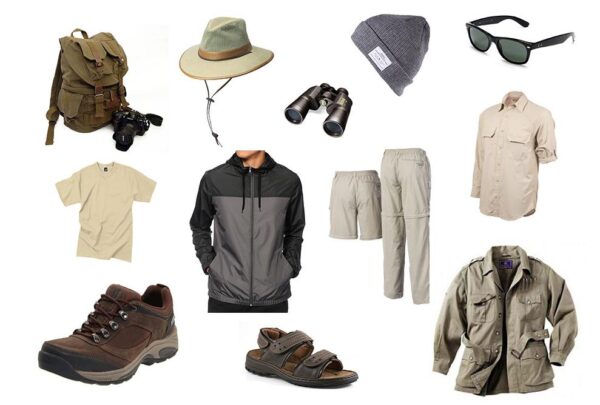
When preparing for a safari to witness the wildebeest migration in the African savanna, it’s important to pack appropriately.
Bring clothes that are comfortable, lightweight, and protect against the sun and insects.
Neutral colors are recommended for photography and for blending into the environment.
In addition to clothing, bring binoculars, a camera with a zoom lens, and extra memory cards and batteries.
It’s also important to pack any necessary medications and first aid supplies.
Refer to our best article on How to pack for an African Safari
How to get to the Wildebeest Migration?
Serengeti National Park offers easy access. The most convenient option is to take a flight from Arusha to one of the park’s seven airstrips.
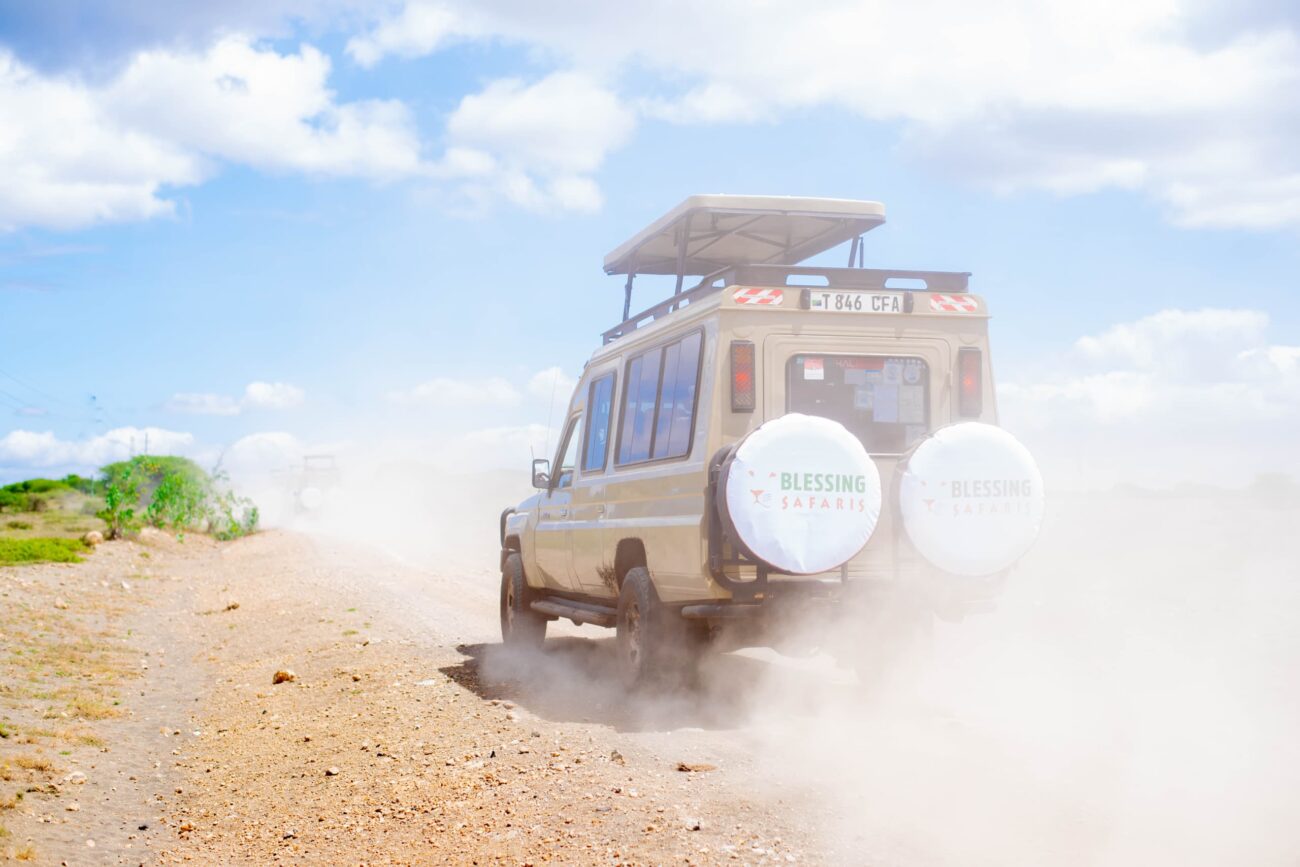
It is also possible to book a 4×4WD overland safari from Arusha to the Serengeti.
You can opt to visit Tarangire or Ngorongoro Crater along the way.
The same applies to the Masai Mara in Kenya: you can fly from Nairobi or book an overland safari to and from Nairobi.
It’s also possible to drive to and from Serengeti via the Isbania or Sirari border between Tanzania and Kenya.
These two parks are accessible year-round.
Where to stay during the Wildebeest Migration?
When visiting the African savanna to witness the wildebeest migration, travelers have a variety of accommodation options.
From luxury lodges to basic campsites, there is something for every taste and budget.
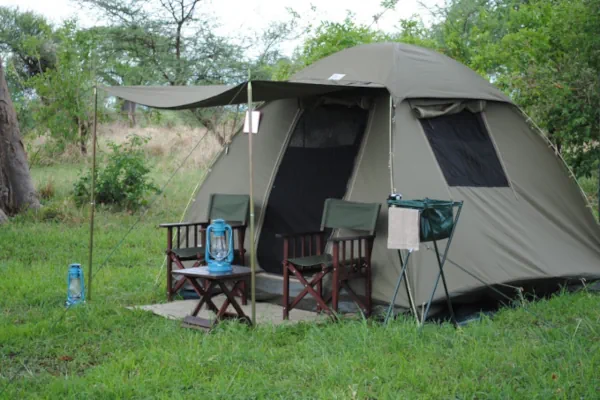
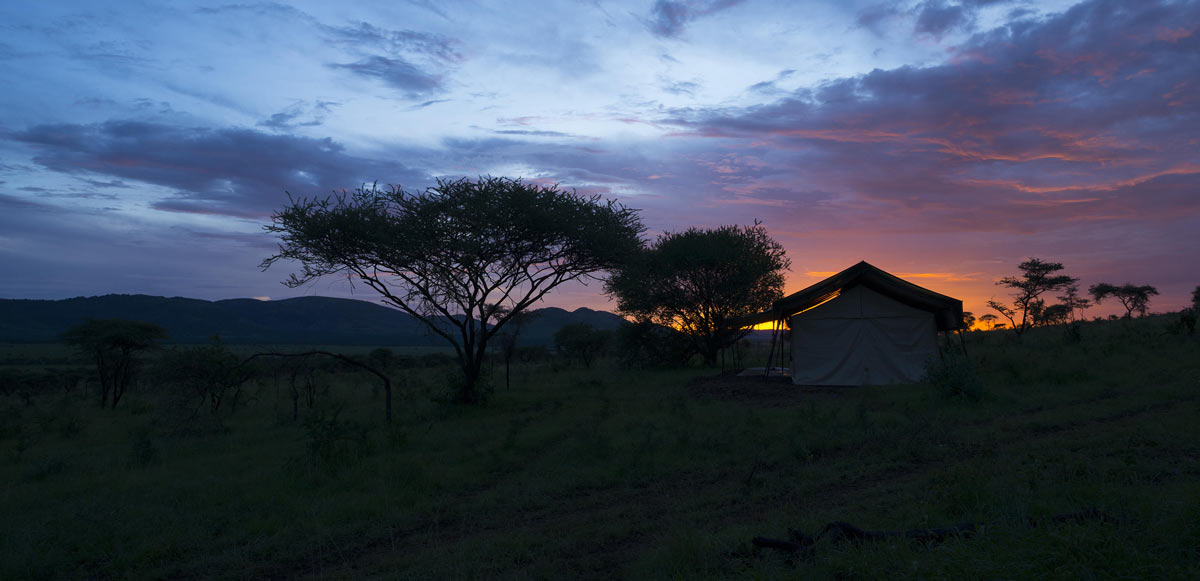
Safari camps are a popular option for those seeking an authentic experience in the heart of the wilderness.
They offer comfortable tents with all the necessary amenities, as well as game drives and guided walks led by experienced rangers.
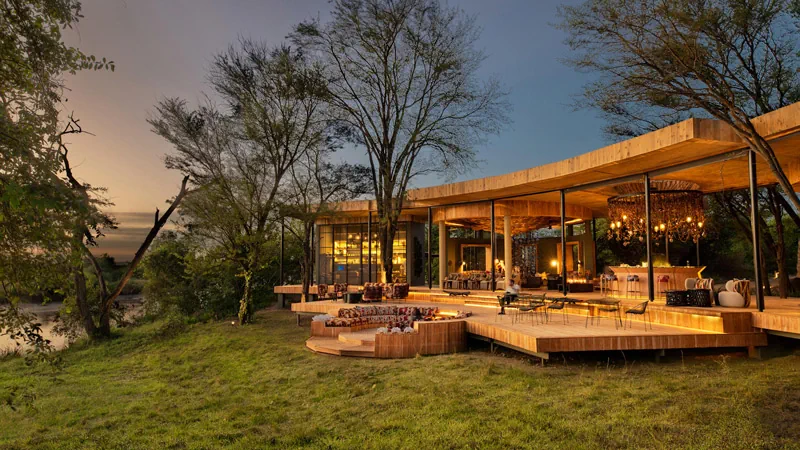
For those who prefer a more luxurious stay, there are high-end lodges that provide spacious rooms, gourmet meals, and spa treatments.
Read more about Luxury Accommodation in Serengeti
Experiencing the Wildebeest Migration
On your unforgettable trip, you’ll have the opportunity to witness thousands of animals traversing the African savanna in search of greener pastures.
From photography to adventure travel, this experience offers a range of activities.
What Activities Are Available During the Wildebeest Migration?
During the wildebeest migration, there are a variety of activities available for tourists to enjoy.
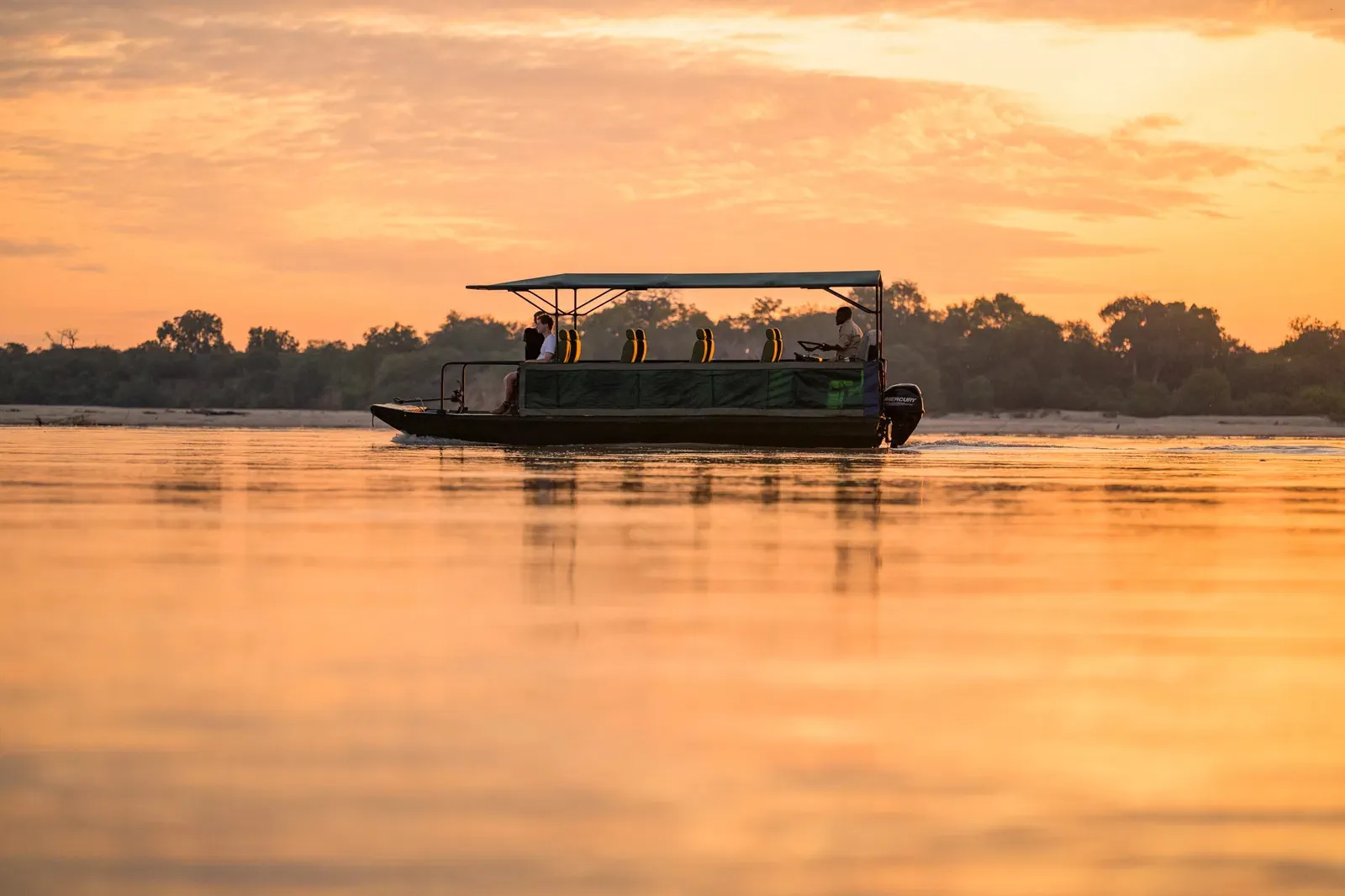
Safari tours are a popular choice, offering the opportunity to observe the natural spectacle from a safe, comfortable distance.
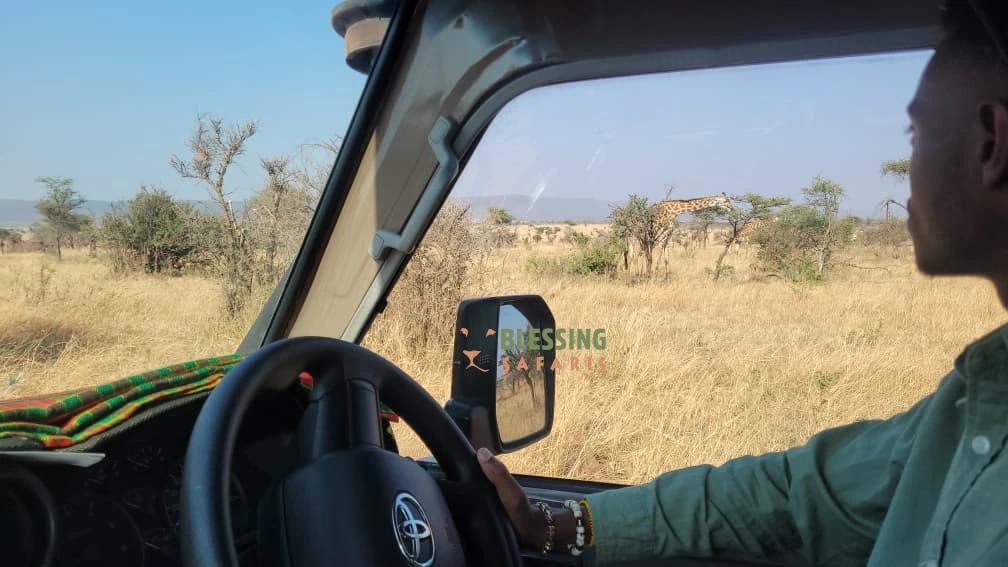
Many safari tours also provide expert guides who can offer detailed insights into the ecology and natural history of the African savanna.
For those interested in photography, the wildebeest migration offers a unique opportunity to capture stunning images of the animals in motion.
With the right equipment and techniques, photographers can capture the beauty and drama of the migration in stunning detail.
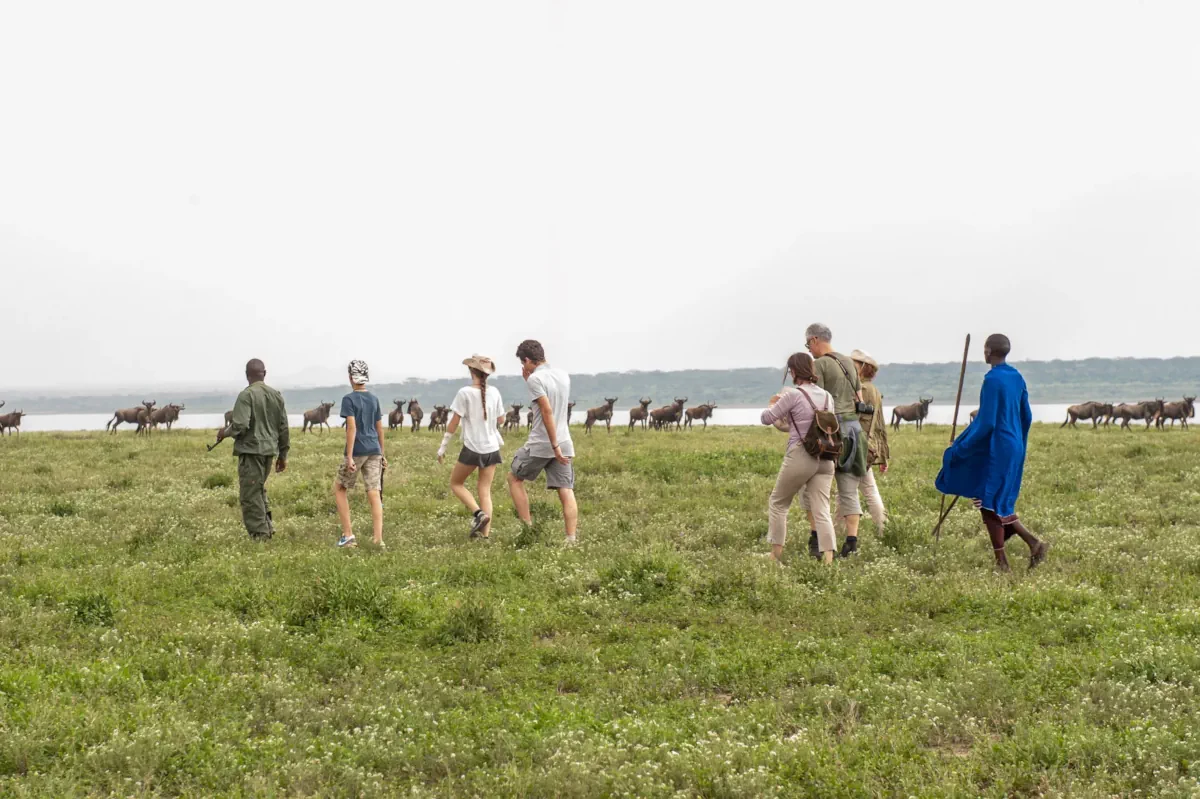
For those seeking adventure travel, a range of activities is available, including hot air balloon rides, walking safaris, and camping trips.
These activities offer a more immersive experience of the African trips and allow visitors to get up close and personal with the wildlife.
What Precautions Should You Take During the Wildebeest Migration?
During the wildebeest migration, it is crucial to take certain precautions to ensure your safety and that of the animals.
First, it is essential to comply with the rules and regulations set by wildlife conservation authorities to maintain the ecological balance of the African savanna.
Secondly, keep a safe distance from the animals and avoid disturbing their natural habitat.
Additionally, photography enthusiasts should respect the animals’ space and avoid using flash, as it may startle them.
Photography Equipment for the Wildebeest Migration
When planning a photography safari to witness the wildebeest migration, it is essential to bring the right equipment.
A telephoto lens is essential for capturing animals’ movements from a distance.
A wide-angle lens is also helpful in capturing the expansive African savanna landscape.
A tripod or monopod is recommended to stabilize your camera and prevent blurry shots.
Best Photography Tips for the Wildebeest Migration
To capture the best photographs of the wildebeest migration, it is essential to have the right equipment.
A telephoto lens with a focal length of at least 300mm is recommended for capturing animals in their natural habitat.
Additionally, it is crucial to use a fast shutter speed and a high ISO to freeze motion and capture fine details of animals.
When photographing the wildebeest migration, it is also essential to consider the lighting conditions.
Early morning and late afternoon are the best times to capture the animals as the light is softer and creates a warm golden glow.
It is also advisable to use a polarizing filter to reduce glare and enhance landscape colors.
What Makes the Wildebeest Migration an Unforgettable Experience?
The wildebeest migration is an unforgettable experience due to its sheer magnitude and natural spectacle.
Witnessing hundreds of thousands of wildebeest and other herbivores crossing rivers, navigating vast plains, and braving predators is a captivating display of survival instincts.
The constant movement, dramatic river crossings, and the cycle of life and death create a mesmerizing spectacle that stays etched in the memory of all who witness it.
The wildebeest migration is a testament to the power and beauty of nature, making it an experience like no other.
Conclusion
In conclusion, the Great Migration in the Serengeti is a world treasure that will never be taken for granted.
It’s a spectacular sight of millions of wildebeest, zebras, and gazelles moving in unison across the African savanna.
The migration is an awe-inspiring natural wonder that is a must-see for any wildlife enthusiast.
Are you ready for an adventure of a lifetime? Check out these tours for you!
5 Days Ndutu Migration Serengeti
8 Days Wildebeest Migration Serengeti (River- Crossing)
Frequently Asked Questions ( FAQ)

When is the best time to see the Great Wildebeest Migration?
The best time depends on what you want to see: Calving season (Jan-Mar) in the Southern Serengeti, River Crossings (Jul-Oct) at the Mara River, and the herds in the Masai Mara (Aug-Oct). Each period offers unique experiences.
Where does the wildebeest migration occur?
The migration follows a circular route through Serengeti National Park in Tanzania and Masai Mara National Reserve in Kenya, covering approximately 800km annually.
How many animals participate in the migration?
Approximately 1.5 million wildebeest, 400,000 zebras, 200,000 gazelles, and numerous predators follow the migration, making it the largest terrestrial mammal migration on Earth.
What are the river crossing dates?
River crossings typically occur from July to October at the Mara and Grumeti Rivers. Exact timing varies from year to year based on rainfall patterns, but peak crossings usually happen in August and September.
Is the migration predictable?
While the general pattern is predictable, the exact timing varies annually with rainfall. The herds follow the rains and fresh grass growth so that migration patterns can shift by weeks from year to year.
What safari packages are available for viewing the migration?
We offer a range of packages, including 6-day migration-focused safaris, 8-day comprehensive migration circuits, luxury mobile camps that follow herds, and combined migration & beach holiday packages.
Are you ready to start planning?
You can proceed with booking by filling out the form below. Let’s make your adventure unforgettable!