Table of Contents
Your safety in Tanzania is not something that you have to worry about. Tanzania is a very peaceful country despite having more than 120 ethnic groups.
The nation’s colonial history and the role of its founders laid the foundation for its peace.
Anyone can live and work in any part of Tanzania without any problems. Tribalism is a criminal offense punishable under the country’s law.
Whether you’re traveling or doing business, Tanzania is the best place to visit.
People are so kind and generous that you can approach anyone on the street and request help.
Feeling safe is a combination of many things. In this case, we would like to present Tanzania using these categories.
Government System of Tanzania
From a political standpoint, Tanzania is a democratic country. The election process involves a multiparty system.
There are a few instances of chaos during elections, as in other countries; precaution is key.
All tourist areas are safe, whether you’re in Serengeti or enjoying the sea breeze in Zanzibar.
Hotels are very safe to stay in. You can leave your bags at the hotel if you’re traveling to national parks.
Banking and Finance
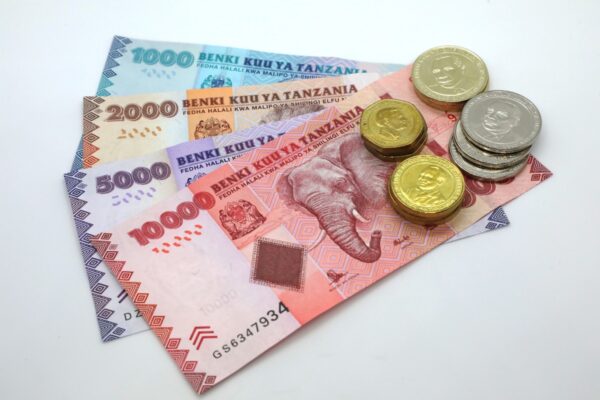
Traveling abroad requires preparation, and money is a valuable medium of exchange.
To pay for services or purchase items locally, you need Tanzanian shillings (TZS).
You can buy and sell currency at the Bureau de Change or at Banks.
Access to financial services while on travel gives you peace of mind. Tanzania’s banking system is more advanced.
Distribution of ATMs across the country that accept electronic cards.
You can use VISA, MASTERCARD, UNION PAY, and AMERICAN EXPRESS.
Not only cards, but also other digital transaction systems are available.
You can use PayPal, Skrill, Western Union, WorldRemit, and M-Pesa to send and receive money.
For personal safety in Tanzania, there is no need to carry large amounts of cash. It is not safe since it attracts theft.
Cashless travel is better, but having some cash for exchange in Tanzania may be helpful.
If you need to pay for your trips, ensure the company uses its bank account.
Never transfer cash to a personal account. Business accounts are offered only to registered companies in Tanzania.
Safety in Tanzania on arrival
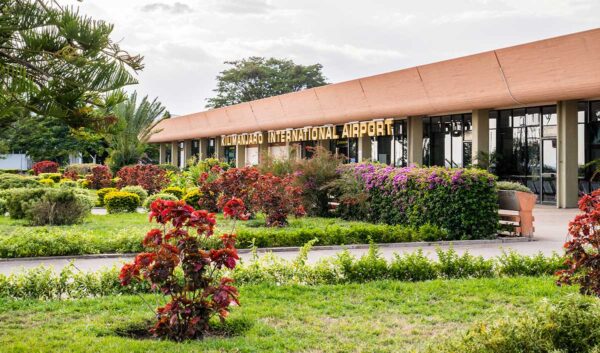
On your arrival at airports and borders in Tanzania. Immigration systems are in place for permit clearance and related formalities.
On our end, we ensure your safety in Tanzania and that all bags are in good order.
It’s a pleasure for us to show you around the city and have fun.
The check-in procedures for lodges or camps must consider all details.
In the event of an emergency, such as illness, all our trips are covered by a rescue service.
Tanzania Safety while on Safari
You may be wondering about safety during your safari. That is a good question.
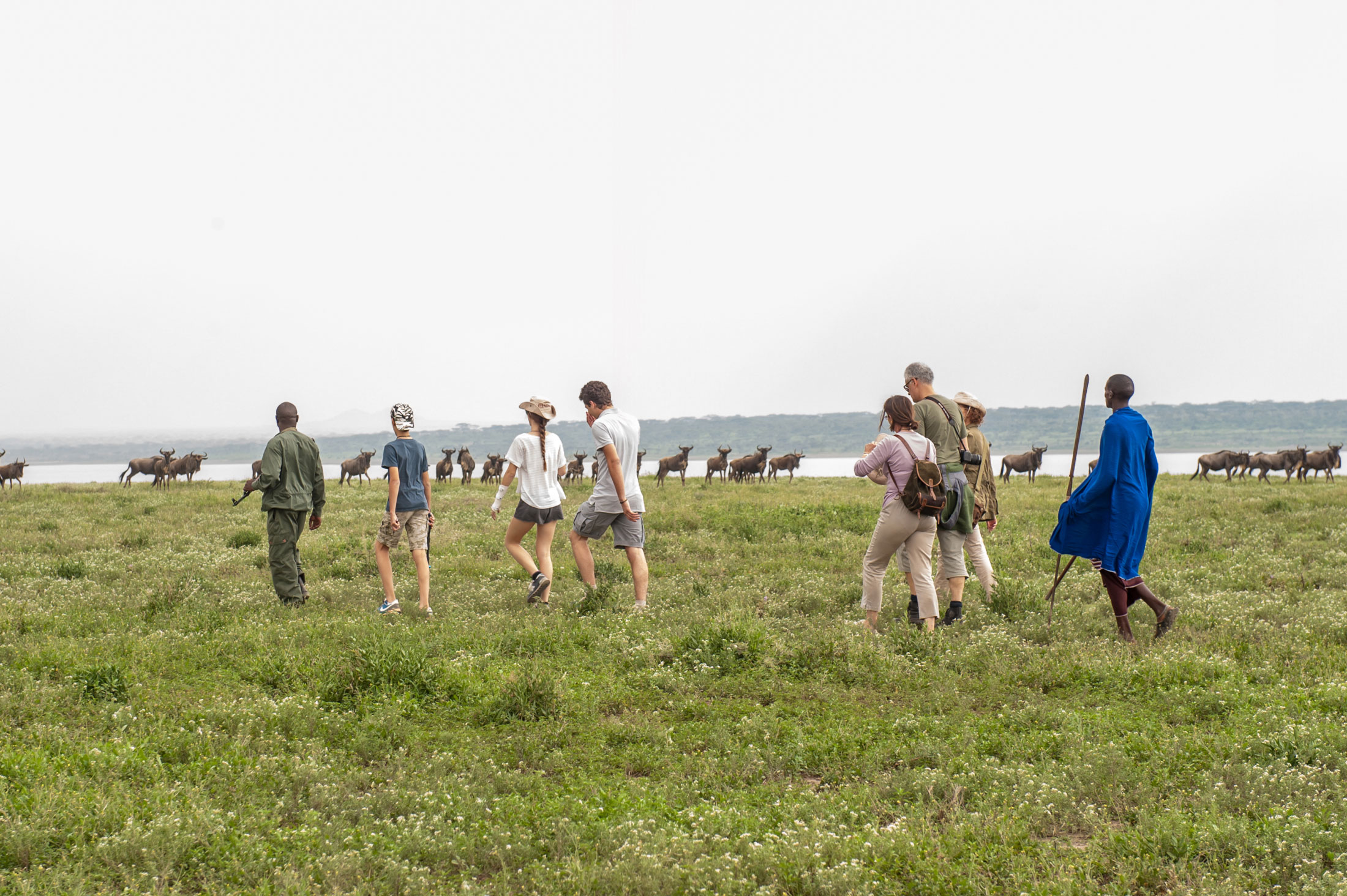
All our trips, whether to Ngorongoro Crater, the Serengeti, or other parks, are very safe.
We use professional driver guides who are well-versed in wild animals.
They will provide you with guidelines on safety in Tanzania and measures to take in case of any challenges. Listen to your guide.
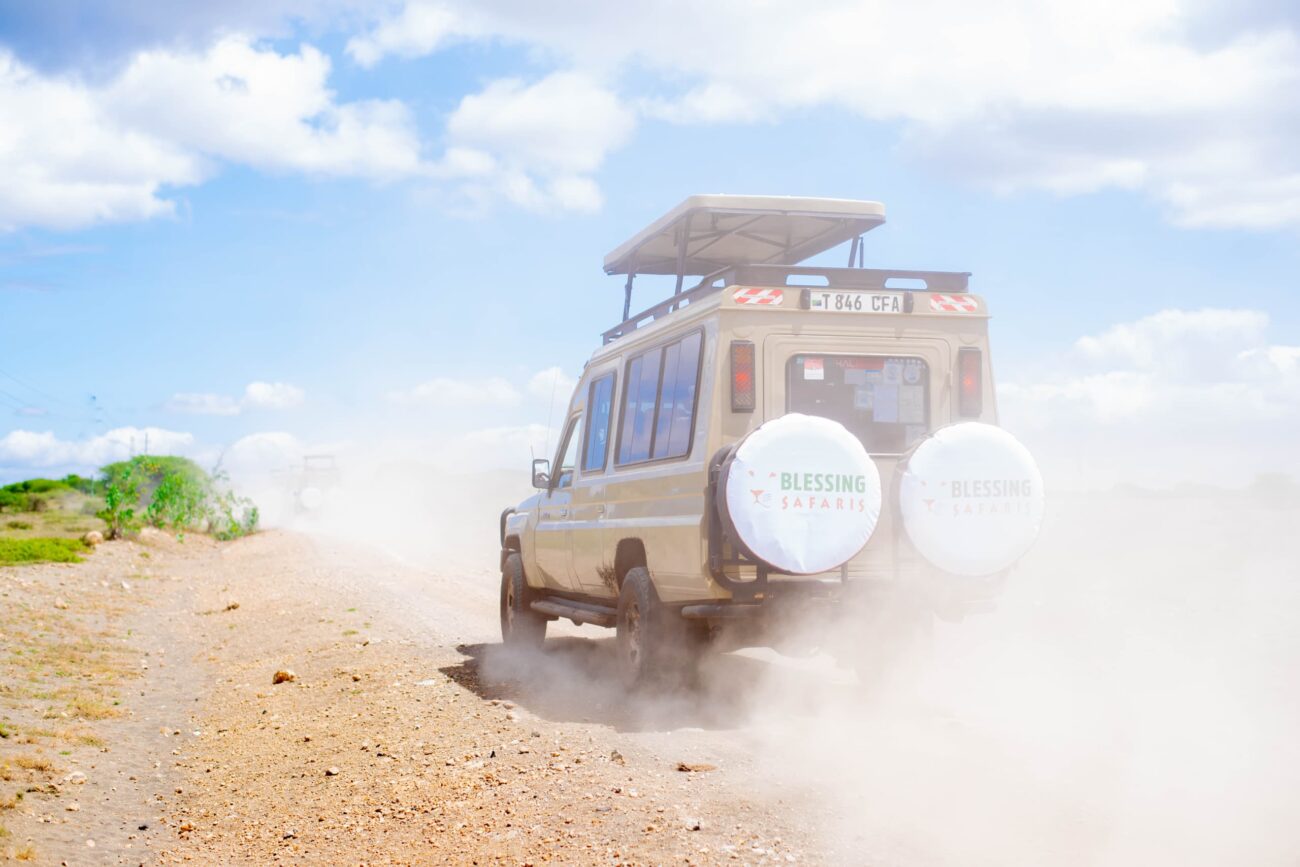
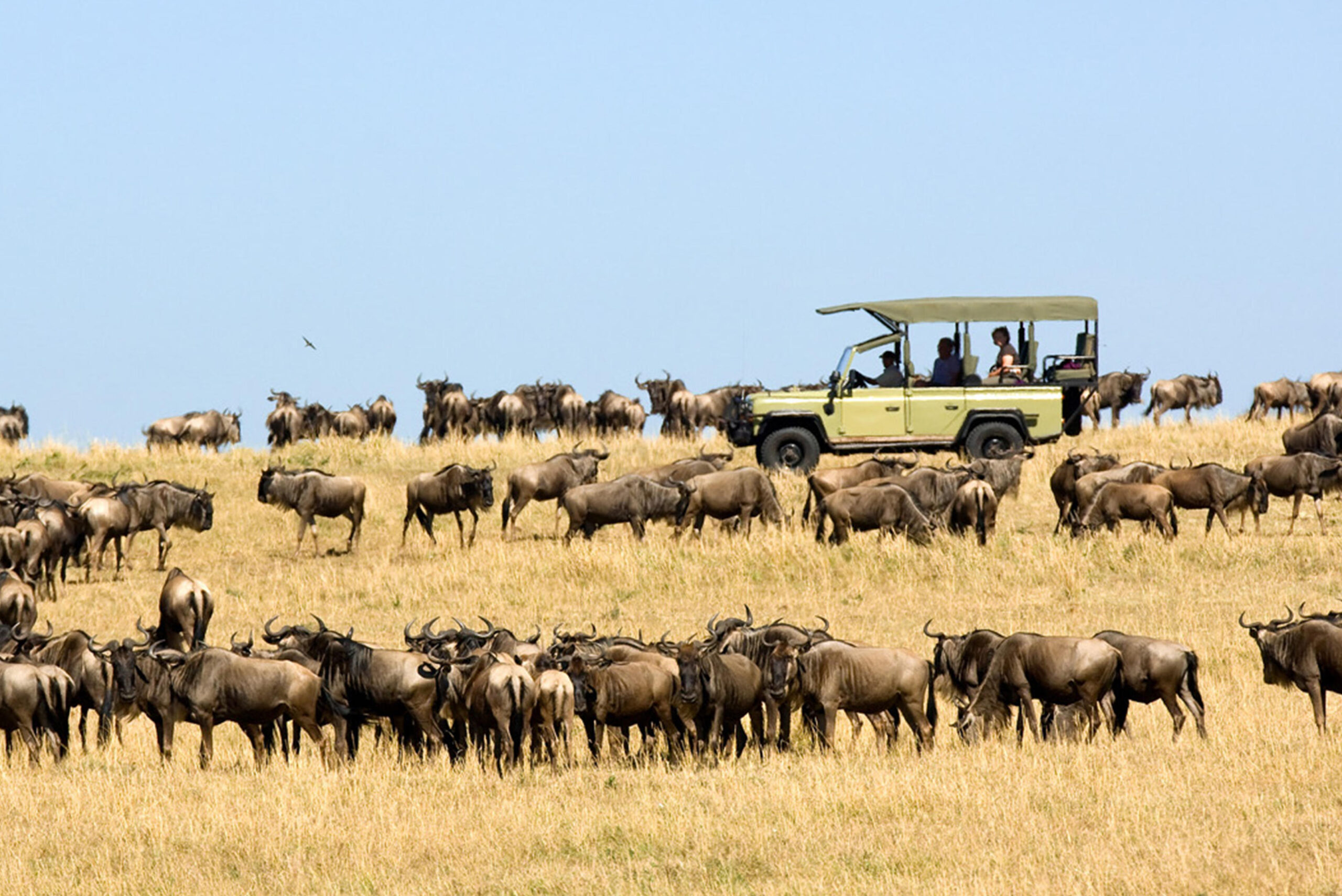
Additionally, the use of well-equipped off-road safari vehicles helps ensure your safety in Tanzania.
We use open-roof 4X4WD Land Rovers and Land Cruisers. Our vehicles offer the best option for wildlife viewing during game drives.
Tanzania Safety in Accommodation
Where to stay is the key factor before traveling. Is it safe to stay in accommodations in Tanzania? What are the standards?
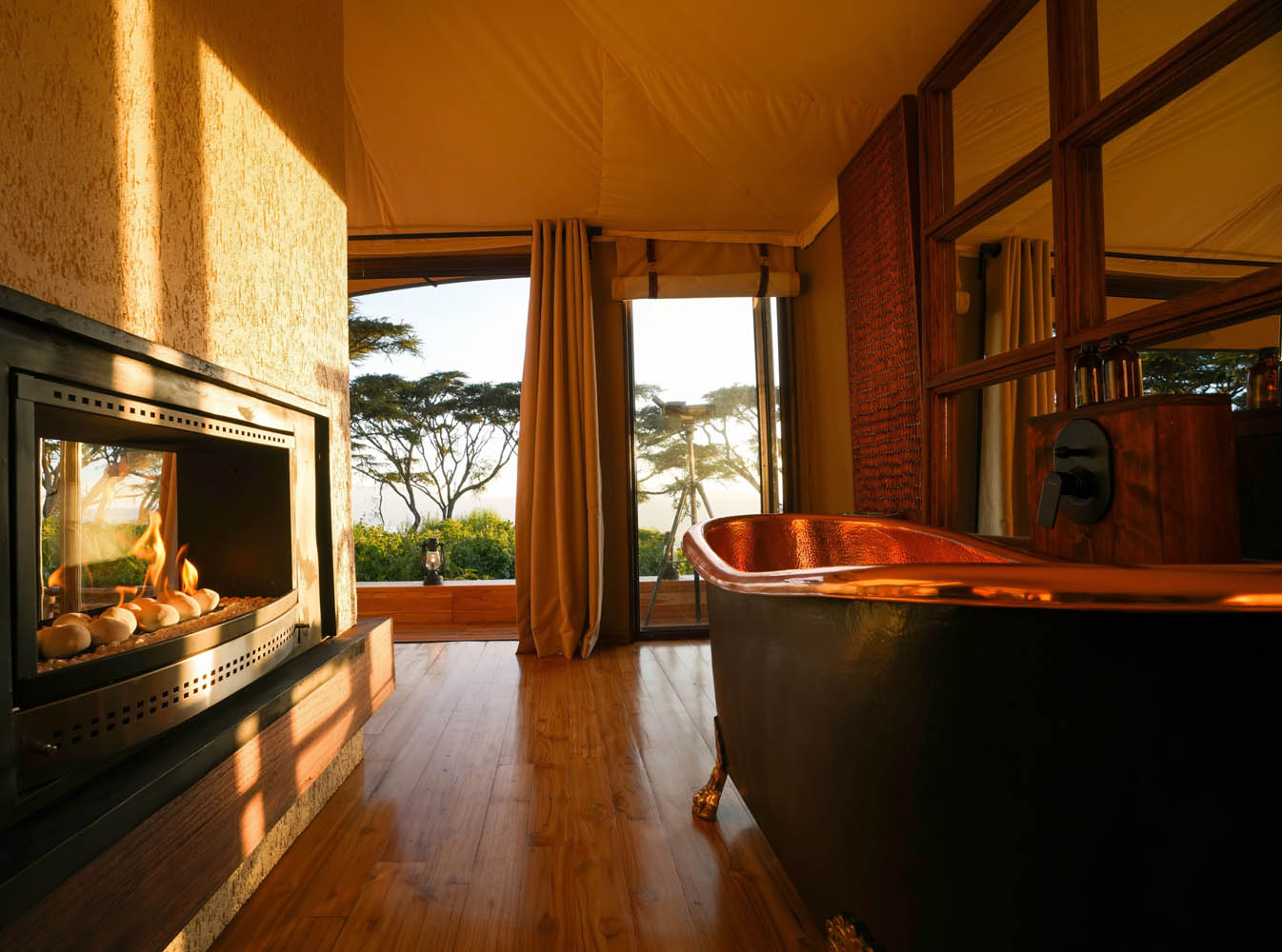
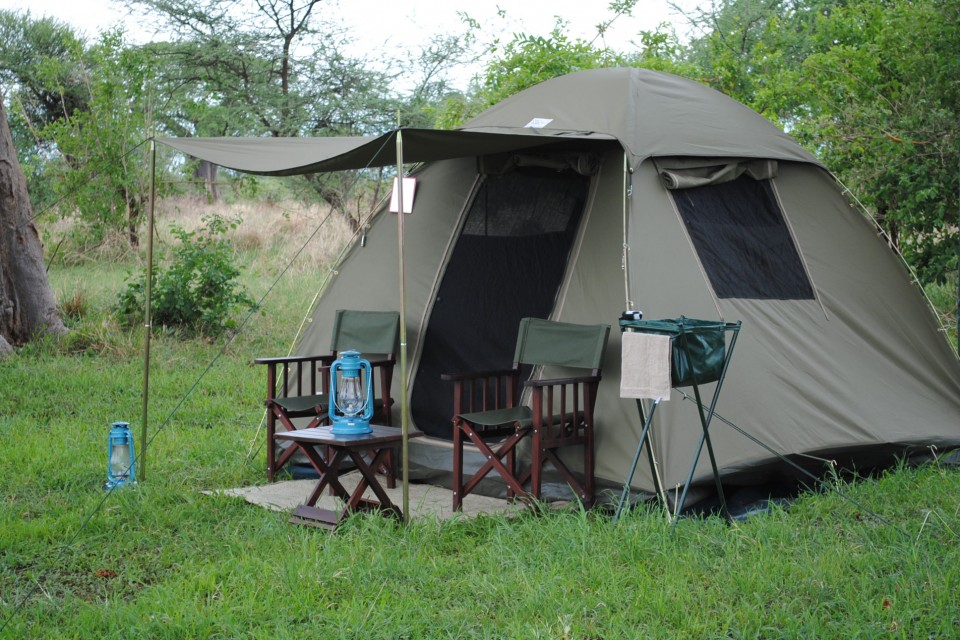
Whether hotels, wildlife camps, and lodges all offer international services. Many of these hotels and inns provide check-in facilities.
The use of technology to detect hazardous substances, such as bombs, is a security standard, for instance, walk-through metal detectors.
Additionally, security cameras and private police are available at all times. Avoid staying in cheap accommodation.
Is the standard practice for thieves or pocket pickers to target foreigners? Not only in Tanzania but in many other parts of the world.
Most of the hotels offer a continental buffet. The five-star hotel in your country is also available in remote areas of Tanzania.
Meals and Drinks Standards
Knowing what to eat and drink is another factor to consider for safety. Drinks available at hotels and camps are approved by the Tanzania Standard Bureau.
And others recognized by the International Standard Organization (ISO)
The best quality foods and drinks, whether local or international, are part of our services. Either you need to experience the local cuisine, or we are experts in it.
An à la carte menu is available at all camps and lodges, including Serena, An’gata camps, and Mount Meru.
Medical Services and Rescue
Health services are available in every city and district. There are numerous government and public hospitals, ranging from Referral to regional.
You can access emergency services anywhere, anytime. For safaris or Mount Kilimanjaro climbs, our guides are trained to provide first aid.
If the situation is serious, we are covered by the Flying Doctors Emergency Service. (AMREF and SAR)
Remember, this cover is for evacuation and first aid only, not for medical expenses. It is essential to get your travel insurance.
Diseases. Quest for Ebola and STDs in Tanzania
This is an important question before traveling to any country apart from Tanzania. In Tanzania, Malaria is common, so bring mosquito repellent.
Make sure you use a mosquito net while in a hotel.
Ebola is a threat in Africa, but it is not available in Tanzania. We are a free zone for Ebola and other outbreak diseases.
Sexually transmitted diseases (STDs). HIV& AIDS are a threat to both urban and rural areas.
If you need to have an affair, use protection like condoms or have a medical test for your own safety in Tanzania.
Safety on Mount Kilimanjaro
There is no history of dangerous animals on Kilimanjaro. Kilimanjaro’s trails are always busy. Hundreds of people climb all routes every day.
Mountain guides lead clients from day one. Security at the campsite is available, with armed rangers to ensure your safety.
Only climbers to Mount Meru need an escort of armed rangers. This is due to the presence of wild animals inside the mountain.
Climbing requires a healthy diet to maintain energy and warmth. No need to fear about what you should eat or drink. We provide nutritious food.
Many climbers experience mountain sickness. These are common diseases most climbers experience.
Some of these challenges are Acute Mountain Sickness (AMS), High Altitude Cerebral Oedema (HACE). And High Altitude Pulmonary Oedema (HAPE)
Our guides are well-trained and certified in First Aid. We always carry a first aid kit and oxygen cylinders for emergencies.
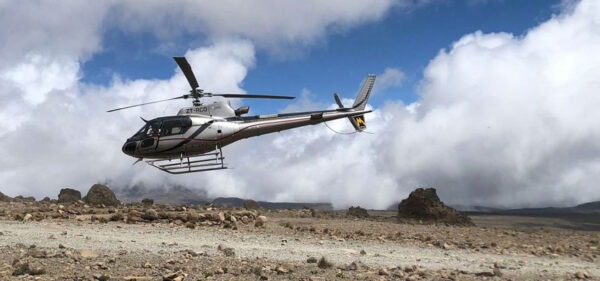
The rescue is also available on the mountain at all camps. In the event of a serious emergency, we can arrange a helicopter rescue.
Service Contract

It’s very rare to meet clients who request a service contract, as we rely on travel here. This is the best tip to add to your list.
Is the best idea to request your service agreement from the service provider? This will help you so much.
If there is a violation of the terms, you will be in a better position to seek legal counsel.
This shouldn’t deter you from visiting Tanzania. However, cure is better than prevention.
Plan for your trips and ask the right questions to clarify any ambiguity.
Human Rights in Tanzania
Human rights are the key indicators of peace and safety in any country.
Tanzania is not a religious country; individuals are free to choose.
People are free to worship, travel, walk, and exercise freedom of speech.
The key consideration is to comply with the country’s regulations.
Despite that, some customs and traditions need careful attention.
If you’re planning to visit Tanzania, please respect the local culture.
Tanzania is home to many ethnic groups. Some Western practices are not allowed in public.
For instance, wearing half-naked clothes like bikinis, shorts, and other neo-cultural practices.
It doesn’t mean you cannot wear your latest catalog at all, but they should be in either hotels or beach areas. You’d better ask locals.
To address this topic, personal home safety is the priority before travel.
Make sure to prepare in advance and seek out companies that offer consulting services.
Tanzania is very safe and open for travel.
Remember to apply for your Tanzania visa in advance before booking your flight.
Conclusion
In case you requested a referral letter, contact us, and we can help with that.
Avoid cheap operators for your trips. This is another tip for ensuring your safety in Tanzania.
Cheap always comes with hidden costs that will ruin your dream holiday.
Focus on customizing your trips; many tour operators offer custom tours.
You might need more information on how to visit Tanzania.
Frequently Asked Questions (FAQ)
Is Tanzania safe for tourists?
Yes, Tanzania is generally very safe for tourists, especially when traveling with reputable tour operators.
The main tourist areas, national parks, and beach resorts have excellent safety records. However, standard travel precautions should be taken in urban areas.
What vaccinations do I need for Tanzania?
Required: Yellow Fever (if coming from affected areas). Recommended: Hepatitis A & B, Typhoid, Tetanus, Polio, and Malaria prophylaxis. Consult your doctor 4-8 weeks before travel.
Is it safe to go on safari in Tanzania?
Yes, safaris are very safe when you follow park rules and your guide’s instructions.
Our vehicles are specially equipped, guides are trained in wildlife safety, and we maintain safe distances from animals. Never exit the vehicle without the guide’s permission.
What are the malaria risks in Tanzania?
Malaria is present in most of Tanzania. We recommend: using DEET mosquito repellent, taking antimalarial medication, sleeping under mosquito nets, and wearing long sleeves at dawn/dusk.
Most luxury lodges have screened accommodations.
How safe is the drinking water?
Tap water is not safe to drink. We provide bottled water throughout your safari. In lodges and camps, filtered water is usually available.
Avoid ice in drinks and peel fruits before eating.
What emergency services are available?
We provide 24/7 emergency support, maintain relationships with high-quality hospitals in Arusha and Dar es Salaam, carry satellite phones in remote areas, and offer comprehensive emergency evacuation insurance for all our guests.
Need more information about travel to Tanzania?
When is the best time to visit Tanzania?
How much does a safari in Tanzania cost? How to Save Costs
Are you ready to start planning?
You can proceed with booking by filling out the form below. Let’s make your adventure unforgettable!