Walking Safaris Tanzania: Experience the Wild Beyond Game Drives
Walking safaris are the oldest form of travel. Long before vehicles crossed the African plains, people walked.
They followed animal tracks, read the land, and moved with the seasons.
When you choose a walking safari in Tanzania, you connect with an ancient tradition.
Walking also offers health benefits. Fresh air, gentle exercise, and time away from screens do wonders for the body.
But the real magic lies in how walking enriches the soul. Being close to nature, hearing the sounds of the bush, and feeling the earth under your feet create memories that last forever.
Most camps, lodges, and hotels in Tanzania offer walking safaris in the surrounding areas. You can make your walk as easy or as challenging as you like.
Some walks last a few hours, while others stretch over several days. The choice is yours.
This guide explores the many types of walking safaris available in Tanzania.
From cultural walks with indigenous tribes to national park adventures and mountain treks, you will find options that suit your interests.
Why Choose Walking Safaris Tanzania?
Walking lets you experience wildlife in a natural setting. In a vehicle, animals see you as a large object. On foot, they see you differently. You become part of their world, not an observer passing through.
Walking also lets you notice the details. You notice tracks in the soil. You see how ants build their homes. You smell the flowers and hear the birds. These small moments add up to a rich experience.
Health Benefits of Walking Safaris
Walking safaris keep you active on your holiday. Instead of sitting for hours, you move.
Your muscles work. Your heart rate increases gently. At the end of the day, you feel tired but satisfied.
The mental health benefits are just as important. Time in nature reduces stress.
The quiet of the bush calms the mind. You return home feeling refreshed and renewed.
Connection to Ancient Traditions
Walking through the African bush connects you to thousands of years of human history. Our ancestors walked these lands.
They tracked animals, found water, and read the stars. When you walk, you follow in their footsteps.
Cultural Walking Safaris in Tanzania
Some of the most memorable walking safaris in Tanzania involve walking with local people. The Maasai, Datoga, and Hadzabe have lived on these lands for centuries and know the bush intimately. Walking with them offers insights no guidebook can provide.
Walk with the Maasai People
The Maasai are among Africa’s most famous tribes. These pastoral people have roamed across Tanzania for generations, following water and grass for their cattle. They know the land between the Serengeti and Ngorongoro Crater better than anyone else.
Walking with the Maasai is a magical experience. They are warm and welcoming to guests. As you walk, they share stories about their culture. They show you plants used for medicine and point out animal tracks, explaining their meanings.
Millions of years of tracking knowledge are passed down through generations. A Maasai warrior can look at a track and tell you the animal’s size, how fast it was moving, and even whether it was pregnant. This skill, honed over centuries, is on display during your walk.
Best places to walk with Maasai:
-
Around Lake Manyara National Park
Walk with the Hadzabe Bushmen
The Hadzabe are among the last true hunter-gatherer tribes in Africa. They live near Lake Eyasi, hunting with bows and arrows and gathering wild foods.
Their way of life has changed little over thousands of years.
Walking with the Hadzabe offers a rare glimpse into humanity’s past. Young Bushmen may take you on a walk for an initiation ritual.
They show you how they hunt, what plants they eat, and how they find water in the dry bush.
This experience should not be missed on any trip to Tanzania. It is both humbling and educational.
You return with deep respect for people who live in harmony with the land.
Best time for Hadzabe walks:
-
Year-round, but the dry season (June-October) offers easier walking conditions
Walk with the Datoga People
The Datoga are skilled blacksmiths and farmers who live near the Hadzabe. Walking with them offers a different cultural perspective.
They may show you their villages, crafts, and way of life.
Many walking safaris in the Lake Eyasi area include visits to both the Hadzabe and the Datoga communities. You walk, learn, and connect with people who call this place home.
Walking Safaris in Tanzania’s National Parks
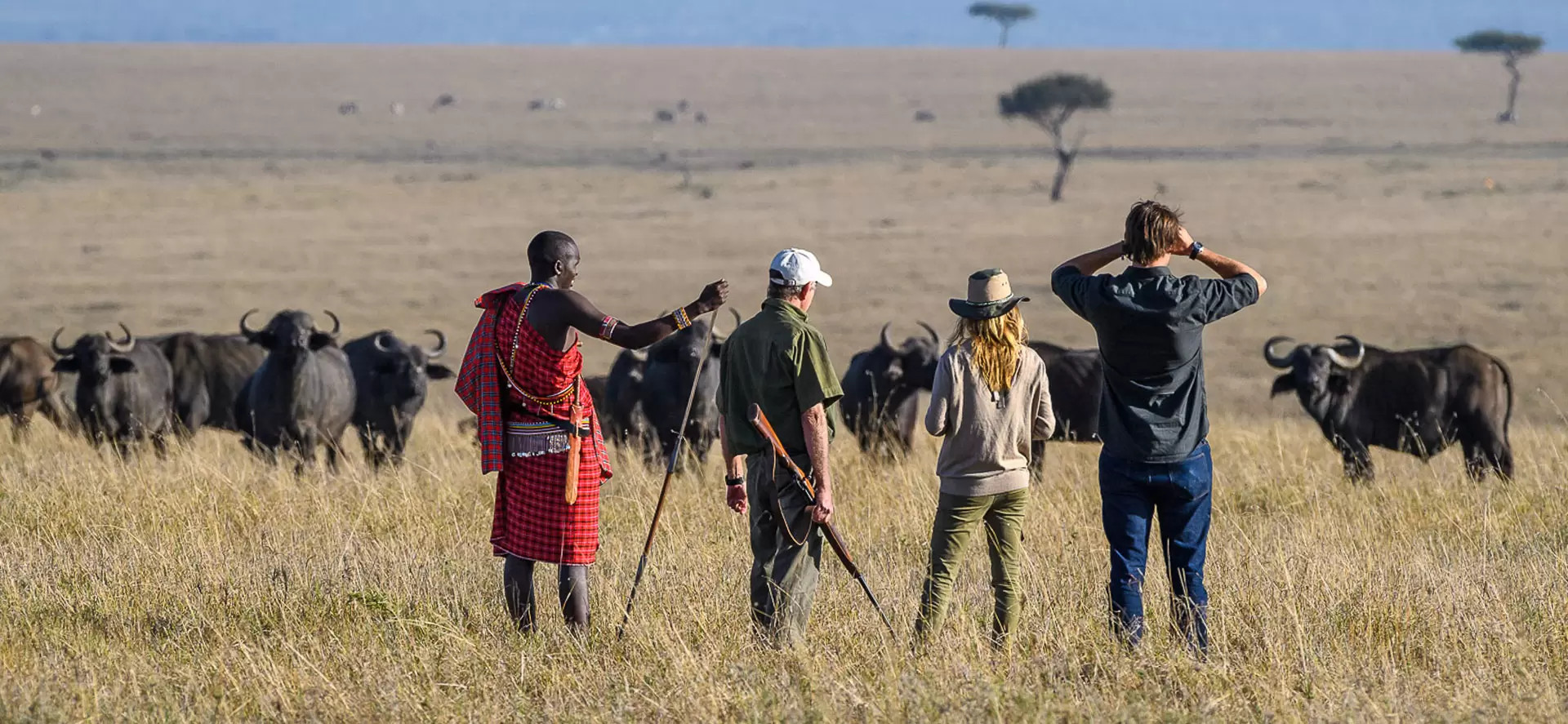
For those who want to walk among big game while staying in comfortable lodges, national park walking safaris are ideal.
Tanzania’s parks offer designated walking areas where you can explore on foot with expert guides.
Serengeti National Park Walking Safaris
The Serengeti is famous for vehicle safaris and the Great Migration. But selected wilderness zones also allow walking.
A walking safari here takes you away from the roads and into the heart of the ecosystem.
You might walk through areas where wildebeest recently passed. You see their tracks, droppings, and the grass they grazed.
Your guide explains predator-prey dynamics and shows you how the migration shapes the land.
Best time for Serengeti walking:
-
Southern Serengeti: January to March (calving season)
-
Northern Serengeti: July to October (dry season)
Ngorongoro Conservation Area Walking Safaris
Walking is not allowed inside the Ngorongoro Crater itself. However, the crater rim and surrounding highlands offer excellent walks. You can walk along the rim for stunning views into the crater below.
Longer walks take you to Empakai Crater or Olmoti Crater. These areas see few visitors. You walk through a highland forest, see waterfalls, and encounter wildlife away from crowds.
Some Ngorongoro walks last 2-4 days, with options to continue to Lake Natron or the Serengeti. These multi-day adventures suit travelers seeking deeper immersion.
Best time for Ngorongoro walks:
-
Year-round, but the dry season (June-October) offers clearer views
Lake Manyara National Park Walking Safaris
Lake Manyara offers shorter walking safaris, perfect for those who want a taste of walking without committing to full days. The park’s groundwater forest, open grasslands, and lake shore provide varied habitats.
While walking here, you might see baboons and giraffes, and, if you are lucky, the park’s famous tree-climbing lions. Birdlife is abundant, with over 400 species recorded.
Best time for Lake Manyara walks:
-
Year-round, but dry season for easier walking
Tarangire National Park Walking Safaris
Tarangire is excellent for walking safaris. The park’s open woodlands and baobab-dotted landscapes lend themselves well to walking. Short walks last 2-4 hours, and longer treks last 4-6 hours.
You walk among elephant herds (at safe distances), explore baobab forests, and learn about the park’s plant and bird species. The walking is manageable for most fitness levels.
Best time for Tarangire walks:
-
Dry season (June-October), when animals concentrate near the river
Mountain Walking Trip: Mount Kilimanjaro
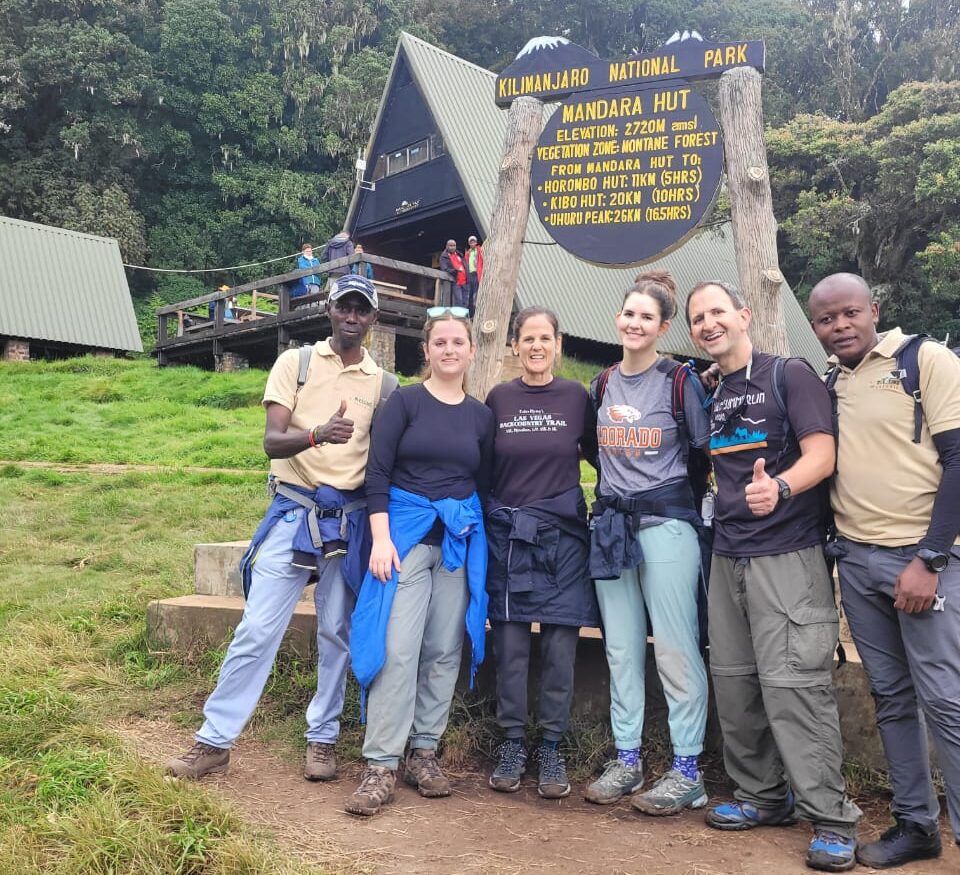
For a different kind of walking safari, consider Mount Kilimanjaro. You do not need to climb to the summit to enjoy walking on Africa’s highest mountain. Short walks from the park gates offer fantastic experiences.
Short Walks on Kilimanjaro
From the Machame, Lemosho, or Marangu gates, you can take day walks into the rainforest zone. These walks let you explore the mountain’s lower slopes without attempting the summit.
You walk through lush rainforest, home to colobus monkeys and colorful birds. You see the vegetation change as you gain altitude. You might meet climbers heading up or coming down, sharing their stories of the mountain.
These walks last a few hours and suit travelers of all ages. They give you a taste of Kilimanjaro without the time and expense of a full climb.
Best time for Kilimanjaro walks:
- January to March and June to October (drier months)
Full Climbing Options
For those ready for more, Tanzania offers full Kilimanjaro climbing tours. These treks take 5-9 days, depending on the route.
You walk through five climatic zones, from rainforest to arctic summit.
We invite you to explore our short climbing tours in Tanzania. Whether you want a day hike or a full summit attempt, we can arrange it.
Combining Different Walking Experiences
The beauty of walking safaris in Tanzania is that you can combine different types. Here are some ideas:
Cultural and National Park Combination
-
Start with 2 days of walking with the Maasai near Lake Natron
-
Continue to the Serengeti for 3 days of game drives and short walks
-
Finish with a crater rim walk in Ngorongoro
Mountain and Bush Combination
-
Spend 1-2 days on short walks on Kilimanjaro
-
Fly to Tarangire for 3 days of walking and game drives
-
Add a cultural visit to a Maasai village
Multi-Park Walking Safari
-
Walk in Arusha National Park (1 day)
-
Walk in Tarangire (2 days)
-
Walk in Southern Serengeti during calving season (3 days)
-
End with a crater rim walk in Ngorongoro (1 day)
What to Expect on Walking Safaris in Tanzania
Group Size and Guides
Walking safaris typically feature small groups, usually 2-6 people plus a guide and an armed ranger. This size ensures personal attention and minimal environmental impact.
Your guide is professionally trained and knowledgeable about wildlife, plants, and safety. The armed ranger provides additional security, especially in areas with larger animals.
Pace and Difficulty
You set the pace. Walking safaris can be as strenuous or as relaxed as you prefer. If you want to stop often to look at plants and insects, that works. If you prefer to cover more ground, that works too.
Guides check regularly to ensure everyone is comfortable and adjust the pace to match the group.
What You See
On walking safaris, you see different things than on game drives. You notice tracks, scat, and signs of animal passage. You learn about plants and their uses. You see insects, reptiles, and birds up close.
Large animals appear, too, but from a different perspective. Seeing a giraffe from the ground, without a vehicle between you, is a powerful experience.
Safety Protocols
Safety comes first. Your guide and ranger maintain safe distances from dangerous animals. They read animal behavior and know when to move away. They carry communication devices and know emergency procedures.
You will receive a safety briefing before each walk. Follow the guide’s instructions, and you will be fine.
Best Time for Walking Safaris in Tanzania
| Activity | Best Time |
|---|---|
| Cultural walks with Maasai | Year-round |
| Hadzabe bushmen walk | Year-round, the dry season is easier |
| Serengeti walking (south) | January to March (calving) |
| Serengeti walking (north) | July to October |
| Ngorongoro rim walks | Year-round, the dry season is clearer |
| Tarangire walking | June to October |
| Lake Manyara walking | Year-round |
| Kilimanjaro short walks | January-March, June-October |
Packing for Walking Safaris in Tanzania
When packing for a safari, prioritize lightweight, neutral-colored clothing such as khaki, olive, and beige items, including long sleeves and pants for sun and insect protection, along with a warm layer for cool mornings, a wide-brimmed hat, and sturdy, pre-broken-in walking boots.
While also remembering essentials like a 1-2 liter water bottle, a daypack, high-SPF sunscreen, DEET insect repellent, sunglasses, lightweight binoculars, and a camera with a zoom lens;
However, be sure to avoid dark blue or black clothing, which attracts tsetse flies; never pack camouflage, as it is illegal for civilians in Tanzania; leave behind strong perfumes or colognes that draw insects; and opt for protective boots instead of sandals for walking.
Recommended Accommodations for Walking Safaris
For those seeking walking-focused adventures, prime cultural areas include Lake Natron Camp for a basic yet comfortable stay near Maasai communities.
Lake Eyasi Safari Lodge as a base for walks with the Hadzabe and Datoga people, and the luxury Manyara Serena Lodge near Lake Manyara.
Within the national parks, top recommendations are Serengeti Pioneer Camp for walking options in the Serengeti.
The dedicated Wayo Walking Camp and Oliver’s Camp in Tarangire, with its excellent walking guides.
The intimate, eco-friendly Mdonya Old River Camp in Ruaha, and Ngorongoro Crater Lodge for luxury with rim walks.
For the Kilimanjaro area, consider Kilimanjaro Mountain Lodge as a base for short walks; Keys Hotel in Moshi for a budget option; or the comfortable Aishi Machame Hotel near the Machame Gate.
FAQs: Walking Safaris Tanzania
1. What is a walking safari in Tanzania?
A walking safari is an experience in which you explore the African bush on foot with a professional guide and an armed ranger. Unlike game drives, where you stay in a vehicle, walking safaris let you move at ground level, notice small details, and feel fully immersed in nature. You might see tracks, plants, insects, birds, and, at a safe distance, sometimes larger animals.
2. Can I really walk with the Maasai people?
Yes, many tour operators offer cultural walking experiences with Maasai guides. These walks take place in areas such as Lake Natron, around Lake Manyara, and in the Ngorongoro Highlands. The Maasai share their knowledge of the land, their tracking skills, and their culture. It is a respectful and enriching experience.
3. Are walking safaris in Tanzania safe?
Yes, when conducted properly. You are accompanied by a professional guide and an armed ranger at all times. These experts understand animal behavior and maintain safe distances. They know when to approach and when to stay back. Following their instructions keeps you safe.
4. Do I need to be in good shape for a walking safari?
Walking safaris can be tailored to your fitness level. Short walks of 2-3 hours suit most travelers. Longer walks and multi-day treks require greater fitness. Discuss your capabilities with your operator, who will recommend suitable options. You set the pace during the walk.
5. What is the difference between walking with the Maasai and walking in national parks?
Walking with Maasai focuses on culture, tracking, and learning about traditional life. You walk with tribal people who share their knowledge of the land. Walking in national parks focuses on wildlife, ecology, and the bush experience. Both are valuable but offer different experiences. Many travelers combine both.
6. Can I walk on Mount Kilimanjaro without reaching the summit?
Absolutely. Day walks from the Machame, Lemosho, or Marangu gates let you experience the mountain’s lower slopes. You walk through the rainforest, see wildlife, and enjoy mountain views without attempting the summit. These walks last a few hours and are suitable for all ages.
7. What should I wear for a walking safari?
Wear lightweight, neutral-colored clothing made of breathable fabric. Long sleeves and pants protect against the sun and insects. Sturdy walking boots with ankle support are essential. A wide-brimmed hat, sunglasses, and sunscreen complete your outfit. Avoid dark blue and black, which attract tsetse flies.
8. How do I book a walking safari in Tanzania?
Contact a reputable tour operator specializing in walking safaris. Discuss your interests, fitness level, and budget. They will recommend suitable options and create a custom itinerary. Look for operators with certified guides and excellent reviews.
Ready to Walk Tanzania?
Walking safaris in Tanzania offer something for everyone. Culture lovers can walk with the Maasai and Hadzabe. Wildlife enthusiasts can explore national parks on foot. Adventure seekers can trek Kilimanjaro’s slopes. Each walk connects you to the land in ways vehicles cannot.
We invite you to review our tour plans. If you need anything special, we are here to make it happen. Contact us today for a free consultation and to customize your memorable African safari experience.
Explore More Tanzania Experiences
-
Great Migration Safaris: Witness the world’s greatest wildlife spectacle
-
Ngorongoro Crater Tours: Descend into the crater for incredible wildlife viewing
-
Tarangire Elephant Safaris: See massive herds amid baobabs
-
Zanzibar Beach Holidays: Relax after your walking adventures
-
Full Kilimanjaro Climbs: Summit Africa’s highest peak
Your walking adventure awaits. Step into the wild. Feel the earth. Connect with ancient traditions. Walking safaris in Tanzania deliver experiences you will carry forever.
Walking Safari Tours Packages
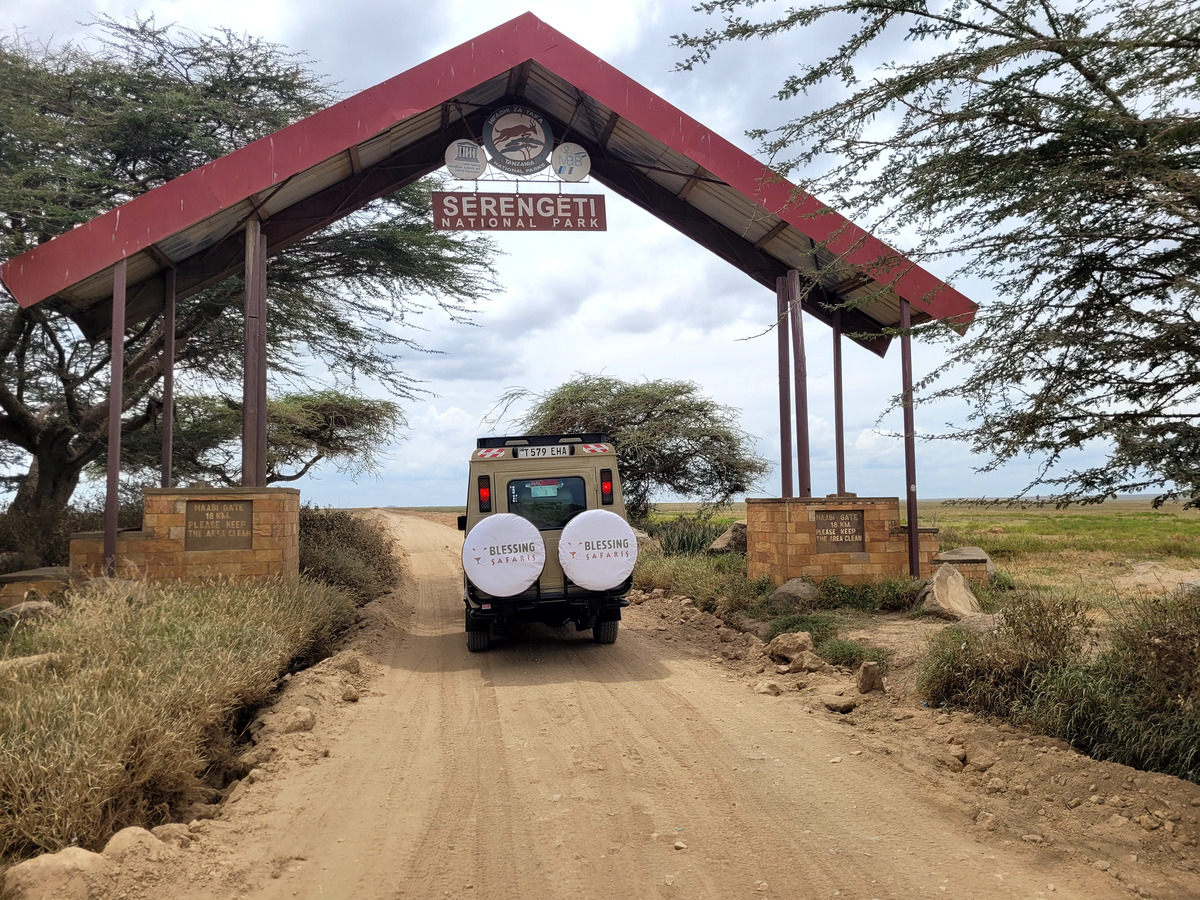
From $6,830
14 Days, 13 Nights
14 Days Tanzania Guide Safari
Tarangire ,Serengeti , Ngorongoro Crater, Zanzibar
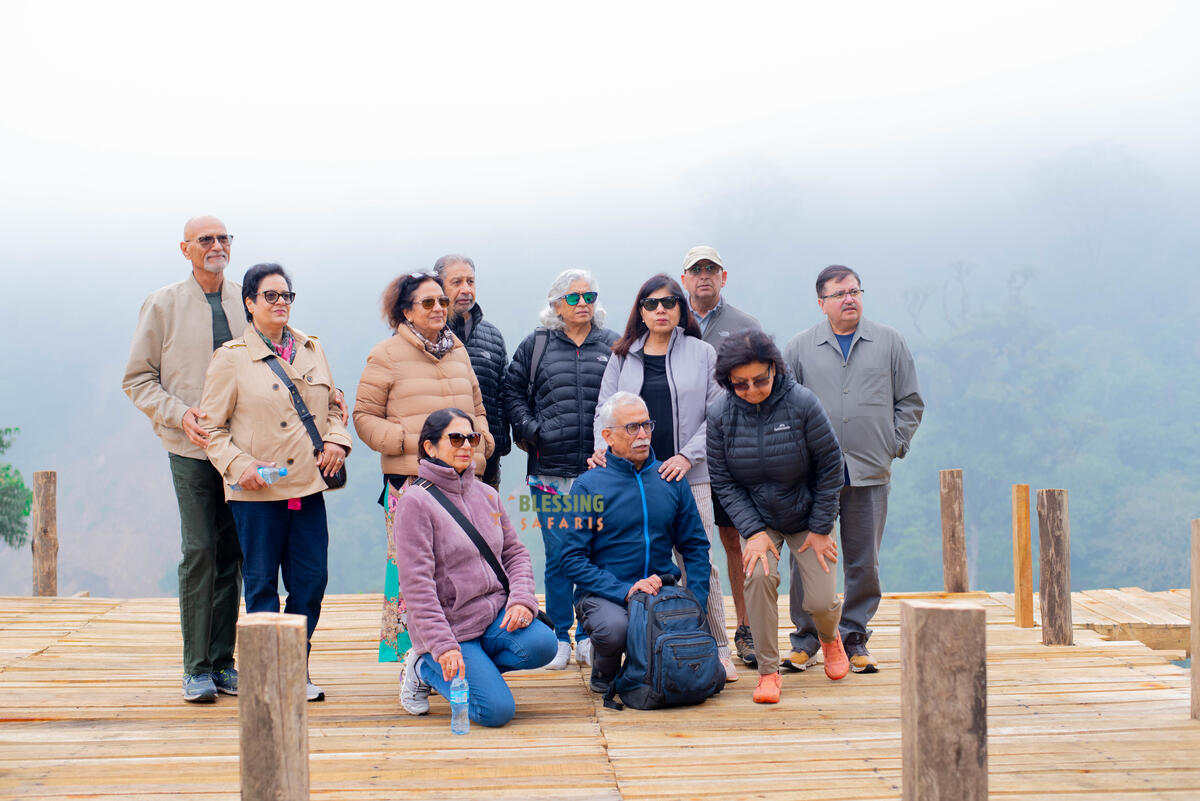
From $6,760
10 Days, 9 Nights
10 Days Tanzania Luxury Sky Safari
Tarangire, Lake Manyara and Serengeti National Park
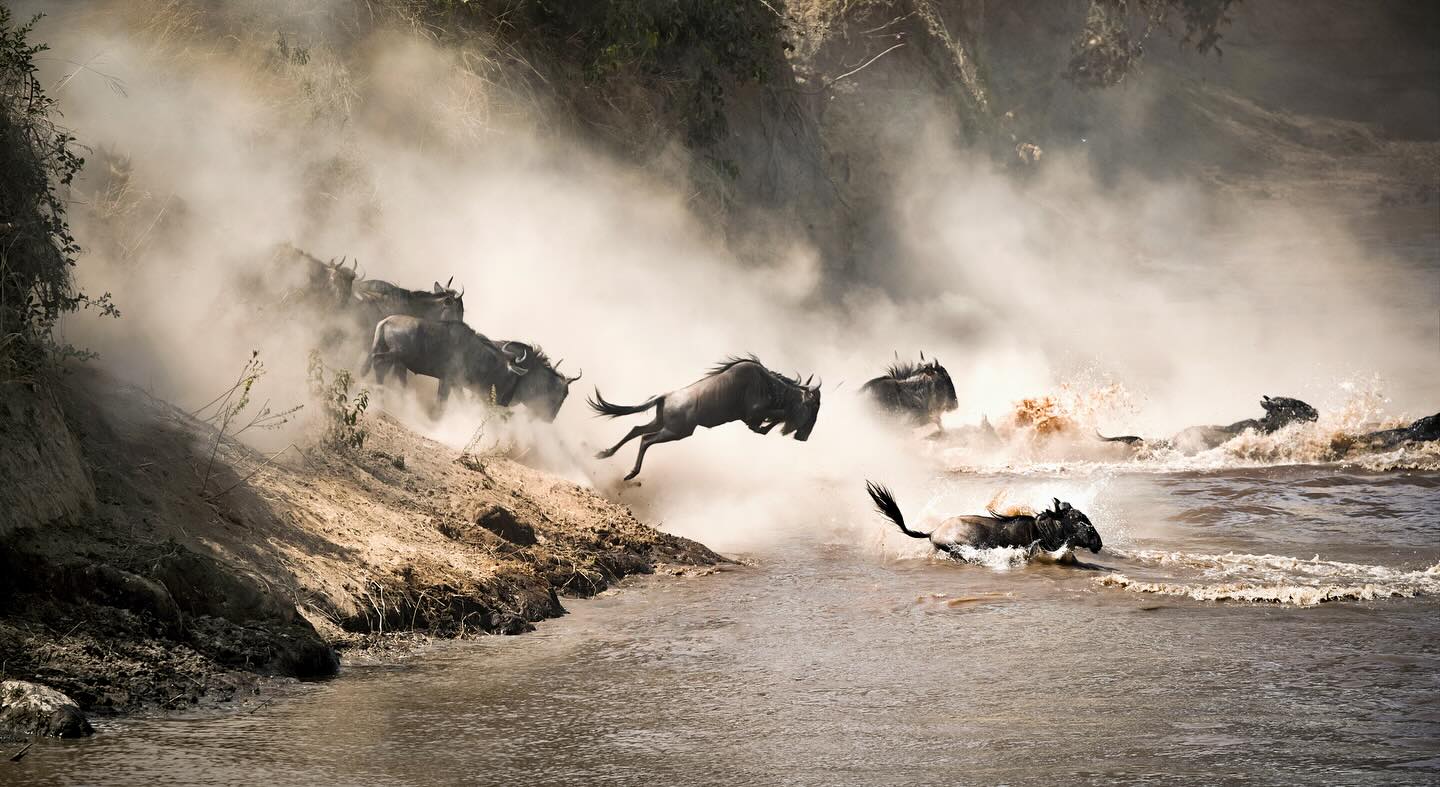
From $3,160
8 Days, 7 Nights
8 Days Wildebeest Migration Serengeti (River- Crossing)
Tarangire, Serengeti, Ngorongoro Conservation Area, Lake Manyara