Table of Contents
Termite mounds, those unassuming clay formations that often spell trouble for homeowners, take on a whole new dimension in the wild.
As you venture into the untamed beauty of East Africa on your safari, from the Serengeti to Ngorongoro and Tarangire, you’ll encounter these tiny civilizations rising from the earth.
Inside these mounds, up to a million termites work together to build, cultivate, protect, and survive.
With a complex caste system, agricultural practices, military defense, and even their version of air conditioning, termite mounds stand as some of the most awe-inspiring metropolises in the natural world.
1. Remarkable Architectural Marvels
Termites construct what can only be described as “castles” or termitariums. These intricate structures consist of a network of tunnels, chambers, farms, nurseries, and nests that extend deep underground.
It can take up to five years to create these wonders, and they endure for decades, centuries, and in some astonishing cases, even millennia.
These mounds can reach towering heights of up to 17 feet and stretch 10 feet across, complete with “chimneys” and numerous vent holes to maintain a steady temperature of 87°F, a feat akin to insect air conditioning!
2. The Farming Experts
Feeding an entire termite colony is no small feat. In addition to their storage chambers for wood, their primary food source, termites maintain extensive, primitive fungus farms.
Worker termites transport indigestible wood to specialized chambers within the colony, allowing the fungus to thrive and provide sustenance for the entire community. It’s a natural example of organic farming at its finest!
3. An Ecosystem’s Backbone
Termite mounds play a pivotal role in the ecosystem. They recycle deceased plants, animals, and fecal matter, enriching the soil with essential nutrients.
These mounds also serve as vantage points for predators and a strategic base for prey. Many animals, including hyenas, warthogs, mongooses, and jackals, use termite mounds as foundations for their burrows.
Additionally, termites serve as a nutritious food source for various creatures, ranging from aardvarks to humans. While termites may be considered pests back home, on safari, they are the unsung heroes of thriving ecosystems.
4. The Complex Society of Termites
Termites boast a robust caste system, with each member serving a specific function for the colony.
Workers
These wingless, pale, and soft termites are the backbone of colony operations.
They handle daily tasks such as feeding soldier termites, assisting the queen, storing food, nurturing young termites, building and maintaining the colony’s structure, and even grooming other colony members.
Remarkably, they are blind and rely on pheromones, environmental cues, and touch to navigate and communicate.
Soldiers
Soldier termites possess formidable bodies, large pincers, and massive, dark heads (also blind).
They use their heads to block entry to their colonies from ants and termites of rival colonies, and they are always ready for combat when needed.
Soldiers often make the ultimate sacrifice for the colony’s defense.
Queen and King
Since workers and soldiers are sterile, reproduction falls upon the queen and king. The queen lays an astounding number of eggs daily, up to 43,000.
Soldiers protect her, while workers tend to her eggs. Nymphs born from these eggs contribute to the nest, with some becoming workers and soldiers.
A select few develop reproductive organs and wings, venturing out to find mates and establish new colonies.
5. Discovering Termite Mounds on Safari
While on your safari adventure, you’ll undoubtedly encounter majestic animals like elephants, giraffes, and lions.
However, don’t forget to take a moment to appreciate the termite mounds beneath your feet.
Termite mounds are scattered throughout the safari landscape, from the northern Serengeti to Tarangire’s lush wetlands.
Where can I go to see termite mounds?
Serengeti National Park, Tanzania
While most visitors to the Serengeti come for the big game, this iconic park also hosts impressive termite mounds.
These towering structures, some reaching several meters in height, dot the savannah and are fascinating examples of termite engineering.
Amboseli National Park, Kenya
Amboseli, known for its stunning views of Mount Kilimanjaro, is home to termite mounds that attract a variety of wildlife, including elephants and a diversity of bird species.
The termite mounds provide essential resources during the dry season.
Queen Elizabeth National Park, Uganda
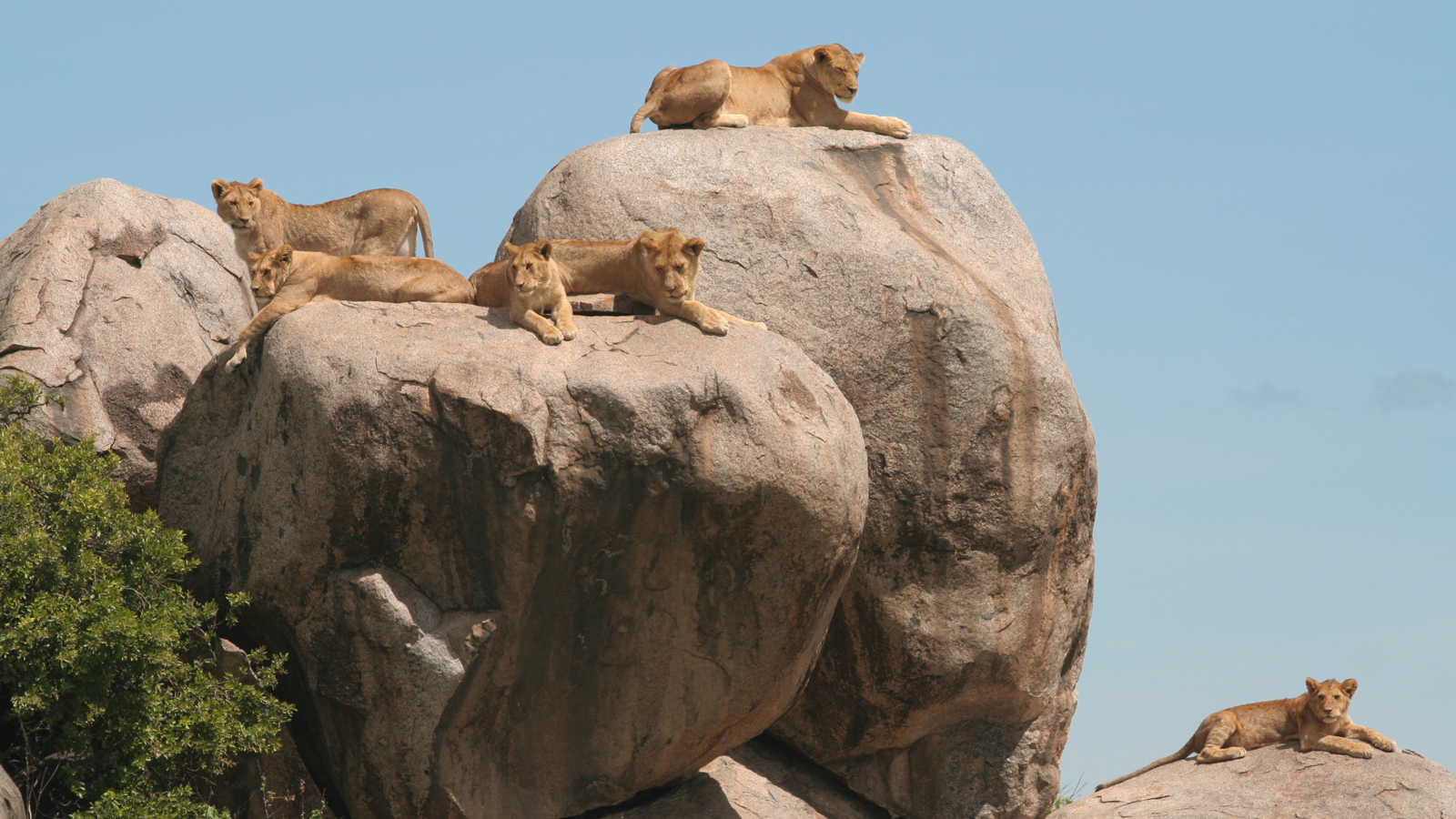
This park in western Uganda is famous for its tree-climbing lions and diverse ecosystems.
It’s also a great place to spot termite mounds, especially in the Ishasha sector, where you can witness both wildlife and termite engineering marvels.
Mkomazi National Park, Tanzania
Mkomazi, located in northern Tanzania, is a lesser-known gem for wildlife enthusiasts.
It’s an excellent spot to observe termite mounds and appreciate the role termites play in shaping the landscape.
Ruaha National Park, Tanzania
Ruaha is Tanzania’s largest national park and offers an off-the-beaten-path safari experience.
While exploring this wilderness, you’ll come across termite mounds scattered across the landscape, which serve as valuable food sources for various animals.
These unassuming clay heaps are a testament to nature’s genius.
They are the architects of the wild, the backbone of ecosystems, and the silent contributors to the beauty of East Africa’s stunning landscapes and wildlife.
Please take a moment to marvel at their intricate world as you explore the wonders of the African wilderness.
7 Best FAQs: Termites Shaping the African Wilderness
FAQs: Termites Shaping the African Wilderness
1. Why are termites so crucial to the African ecosystem?
Ans: Termites are vital “ecosystem engineers.” They recycle nutrients by breaking down tough wood and plant matter, enrich and aerate the soil with their tunnels, and their massive mounds create unique microhabitats that support a wide range of other animals and plants.
2. What is inside a termite mound?
Ans: Inside is a complex, climate-controlled city. It contains a network of tunnels, nurseries for the young, fungal gardens for food, and chambers housing the colony’s social structure: the queen, king, soldiers, and workers. The mound’s design provides ventilation and regulates temperature and humidity.
3. How do termite mounds help other animals?
Ans: Abandoned or even active mounds become crucial resources. Aardvarks and mongoose may dig into them for food, while lizards, snakes, and insects use them as shelter.
Larger animals, such as warthogs, often use the mounds as scratching posts, and some even serve as lookout points for predators such as cheetahs.
4. Do termites improve the soil for plants?
Ans: Yes, significantly. Their activity mixes soil layers and brings nutrient-rich subsoil to the surface.
This process creates “fertile islands” where plants growing on or near termite mounds often have access to better nutrients and moisture, leading to more lush and diverse vegetation.
5. What animals eat termites in the savanna?
Ans: Termites are a key food source for many species. Specialist predators like the aardvark and anteater use powerful claws to break into mounds.
They are also hunted by aardwolves, numerous bird species, reptiles, and even primates, making them a fundamental part of the food web.
6. How long does it take for a termite mound to form?
Ans: A large, cathedral-style mound is the work of many years, and in some cases, centuries. These structures grow slowly as countless worker termites add soil particles and saliva.
Some of the most enormous mounds you see on safari represent generations of termite labor.
7. Can you see termite mounds on a safari with Blessing Safaris?
Ans: Absolutely. Termite mounds are a distinctive and common feature of the savanna landscape.
Your Blessing Safaris guide will not only point them out but can also explain the fascinating ecology behind them, turning a simple mound into a story of nature’s incredible engineering.
Are you ready to start planning?
You can proceed with booking by filling out the form below. Let’s make your adventure unforgettable!
Other Articles
Tanzania Walking Safari Cost: Complete Price Guide for 2026
Tanzania Luxury Safari Cost: Price Guide 2026
Affordable Tanzania Mid-Range Safari Cost: Your 2026 Budget Guide
Budget Safari Cost in Tanzania 2026: What You Need To Know
Top 5 Secret Spots in the Serengeti and Ngorongoro: Escape the Crowds in 2026
Tanzania Safari Cost 2026: Best Prices, Packages & Essential Tips
Tanzania Safari Cost-Complete Guide 2026
Why would you want a private safari?
Tanzania vs Kenya: Which offers the best safari?