Machame Route Kilimanjaro
The Machame Route, also known as the “Whiskey Route,” is the most popular path to Mount Kilimanjaro’s summit. It attracts about 35% of climbers, making it the preferred trekking route.
Unlike the Marangu Route, which features hut accommodations, the Machame Route provides a wilderness camping experience for those seeking a more immersive trek. The trail offers panoramic views, diverse ecological zones, and a challenging but achievable ascent.
The Machame Route is considered more challenging than the Marangu “Coca-Cola Route.” Its effective acclimatization profile and scenic landscapes have established it as a leading choice for Kilimanjaro expeditions.
The Machame Route provides a balanced challenge and accessibility for travelers with flexible schedules. Its longer itinerary allows for better acclimatization, resulting in higher summit success rates than shorter routes.
Barranco Wall
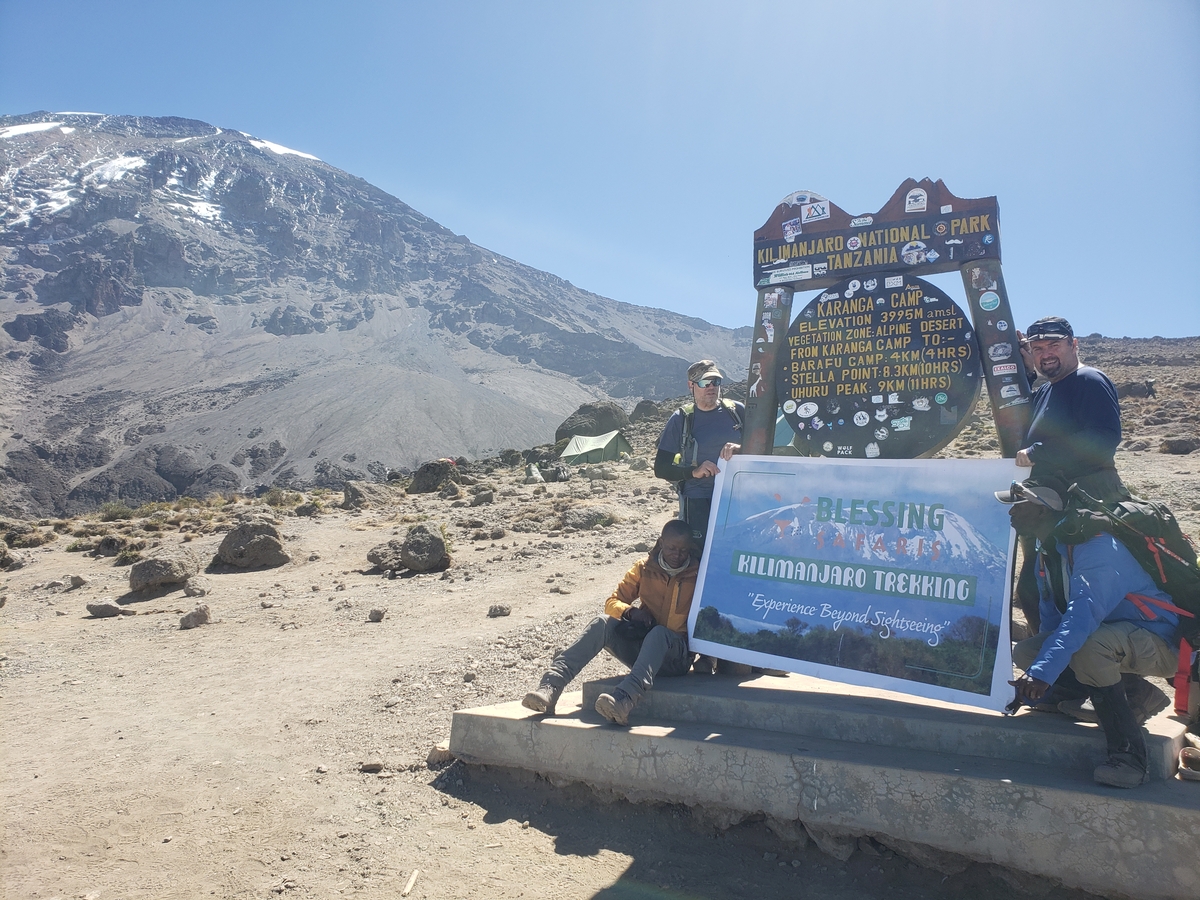
Despite its appearance, the Barranco Wall is manageable. The trail uses switchbacks and natural ledges and requires no technical climbing gear. Most climbers complete the ascent in 1 to 1.5 hours.
At the top, climbers enjoy expansive views of the landscape, including Kibo Peak. Completing the Barranco Wall is a memorable achievement that enhances the Machame Route experience.
Machame Route Kilimanjaro Map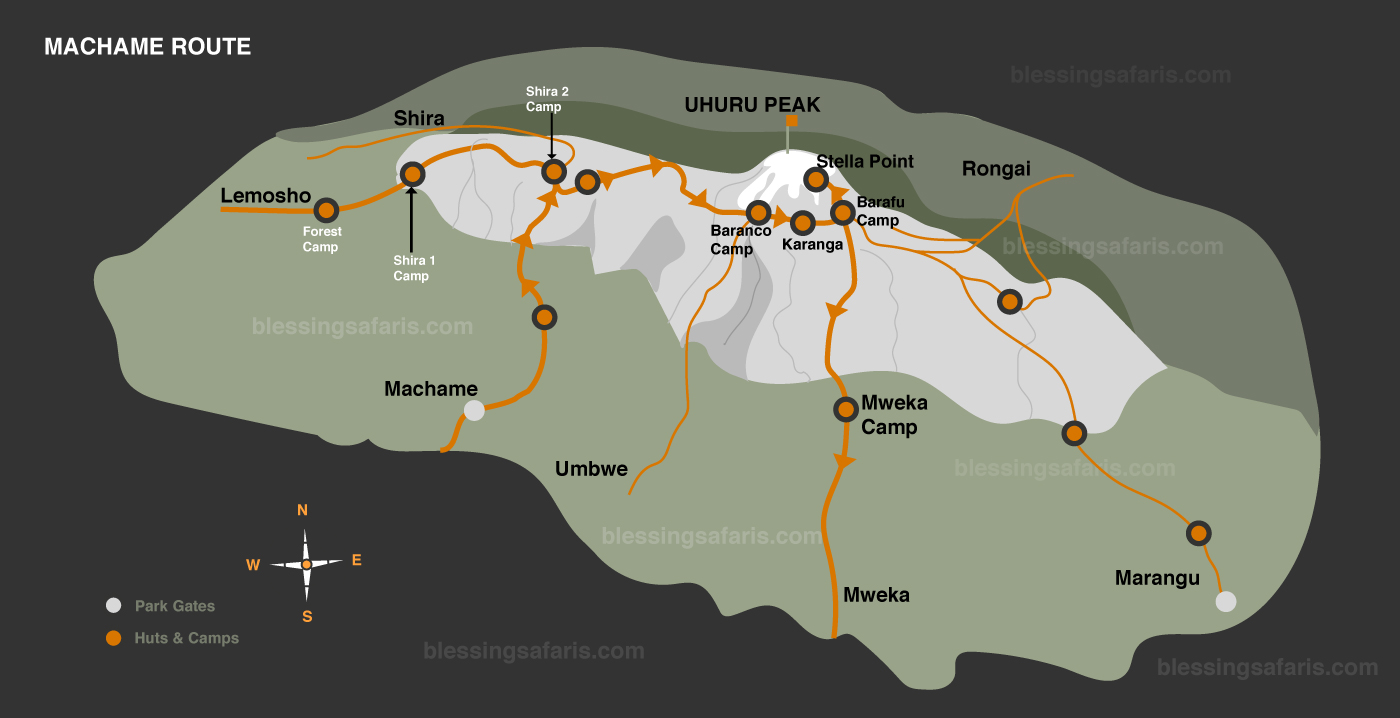
Machame Route Scenery: Five Climatic Zones
- Rainforest Zone (1,800-2,800 meters): The trek begins in the montane forest, with moss-covered trees and a dense canopy. This area offers opportunities to see colobus monkeys and various bird species.
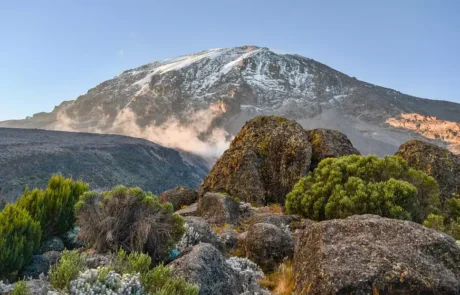
- Heath and Moorland Zone (2,800-4,000 meters): The landscape transitions to rolling hills with giant groundsels and lobelias. The Shira Plateau provides clear views of Kibo Peak and the summit.
- Alpine Desert Zone (4,000-5,000 meters): The terrain is barren, dominated by volcanic rocks and scree. Lava Tower at 4,600 meters is the highest point before descending to Barranco Camp, following the “climb high, sleep low” technique.
- Glacial Zone (5,000+ meters): Near the summit, ice formations and snowfields create an Arctic environment. The final ascent to Uhuru Peak often occurs before dawn.
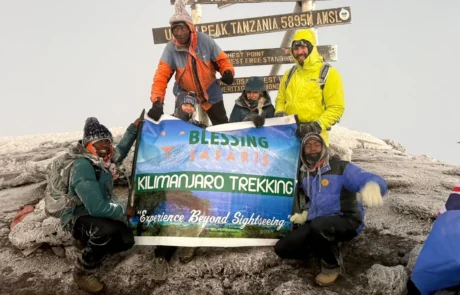
- Summit Zone (5,895 meters): At Uhuru Peak, climbers enjoy panoramic views across Tanzania and Kenya. The summit sign marks the achievement and offers a photo opportunity.
Machame Route 7-Day Elevation & Itinerary
| Day | Starting Point | Elevation | Ending Point | Elevation | Gain/Loss |
|---|---|---|---|---|---|
| Day 2 | Machame Gate | 1,800 m | Machame Hut Camp | 2,835 m | +1,035 m |
| Day 3 | Machame Hut Camp | 2,835 m | Shira Cave Camp | 3,750 m | +915 m |
| Day 4 | Shira Cave Camp | 3,750 m | Lava Tower (High Point) | 4,600 m | +850 m |
| Day 4 | Lava Tower | 4,600 m | Barranco Camp | 3,900 m | -700 m |
| Day 5 | Barranco Camp | 3,900 m | Karanga Camp | 3,995 m | +95 m |
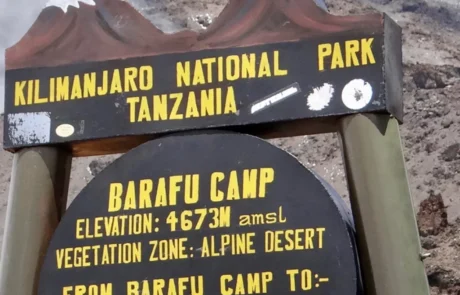
| Day 6 | Karanga Camp | 3,995 m | Barafu Camp | 4,673 m | +678 m |
| Day 7 | Barafu Camp | 4,673 m | Uhuru Peak (Summit) | 5,895 m | +1,222 m |
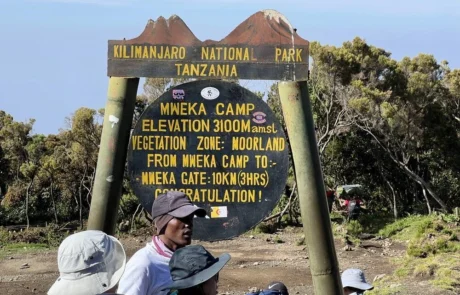
| Day 7 | Uhuru Peak | 5,895 m | Mweka Camp | 3,100 m | -2,795 m |
| Day 8 | Mweka Camp | 3,100 m | Mweka Gate | 1,640 m | -1,460 m |
| ⚡ Elevation data for climbing days only · Machame Route · Kilimanjaro · © Blessing Safaris | |||||
Machame Route 7-Day Detailed Itinerary
Day 1: Machame Gate (1,800 m) to Machame Hut Camp (2,835 m)
Day 2: Machame Hut Camp ( 2,835 m) to Shira Cave Camp ( 3,750 m)
Day 3: Shira Cave Camp (3,750 m) to Lava Tower (4,600 m) to Barranco Camp ( 3,900 m)
Day 4: Barranco Camp (3,900 m) to Karanga Camp (3,995 m)
Day 5: Karanga Camp (3,995 m) to Barafu Camp (4,673 m)
Day 6: Barafu Camp (4,673 m) to Uhuru Peak (5,895 m) to Mweka Camp (3,100 m)
Day 7: Mweka Camp (3,100 m) to Mweka Gate (1,640 m) to Arusha
The final day is a 3-5-hour descent through the rainforest to Mweka Gate (1,640 meters / 5,000 feet). You say goodbye to your crew, receive your summit certificate, and return to Arusha.
How much does the 7-Day Kilimanjaro Trek via Machame Route cost?
The 7-Day Kilimanjaro Trek via the Machame Route typically costs $2,420 to $3,460 USD per person, depending on the operator, group size, and included services. This price generally covers park fees, guide and porter salaries, camping equipment, all mountain meals, and airport transfers. The 7-day trek costs slightly more than the 6-day option because of the extra day, but the higher summit success rate adds value. International flights, travel insurance, tips, and personal gear are not included. Read more on the 7 Day Kilimanjaro Climb via Machame Route
How much does the 6-Day Kilimanjaro Trek via Machame Route cost?
The 6-Day Kilimanjaro Trek via the Machame Route typically costs $2,150 to $3,095 USD per person, depending on the operator, group size, and inclusions. This price generally covers park fees, guide and porter salaries, camping equipment, all meals on the mountain, and airport transfers. The 6-day trek is slightly less expensive than the 7-day option because it’s shorter. International flights, travel insurance, tips, and personal gear are not included. Please watch for unusually low prices, as they may reflect inadequate porter compensation or compromised safety standards. Read more on 6 Day Kilimanjaro Trek Via Machame Route Climb
How much does the 8-Day Kilimanjaro Trek via Machame Route with Crater Camp cost?
The 8-Day Kilimanjaro Trek via the Machame Route with Crater Camp typically costs $3,500 to $4,800 USD per person, depending on the operator, group size, and included services. This is higher than the standard 7-day Machame trek because of the extra day, Crater Camp permit fees, and additional logistics. The price usually covers park fees, guide and porter salaries, camping equipment, all mountain meals, and airport transfers. It does not include international flights, travel insurance, tips, or personal gear. Unusually low prices may indicate inadequate porter compensation or compromised safety standards. Read more on the 8-day Kilimanjaro Trek via Machame Route
Machame Route Difficulty and Physical Requirements
Physical Preparation
Mental Preparation
Recommended Experience
Machame Route Summit Success Rates and Statistics
The Machame Route achieves high summit success rates due to superior acclimatization. About 85% of climbers reach Uhuru Peak on the 7-day route, compared to 73% on the 6-day version.
The dramatic difference between the 7-day and 6-day itineraries highlights the importance of proper acclimatization. Climber: The difference between the 7-day and 6-day itineraries underscores the importance of acclimatization. An extra day allows gradual adaptation, improving success rates.
Comparing the Machame Route with Other Kilimanjaro Routes
Machame vs. Marangu Route
Machame vs. Lemosho Route
Machame vs. Rongai Route
Machame vs. Northern Circuit Route
Best Time to Climb the Machame Route
- January to February: Warm, clear conditions with excellent visibility
- June to October: Dry season with stable weather patterns
- September to October: Peak season with ideal climbing conditions
Frequently Asked Questions About the Machame Route
How Challenging Is the Machame Route?
The Machame Route is rated as moderately difficult, with varied terrain and significant elevation changes. It’s considered one of the more challenging routes up Kilimanjaro due to steep sections and the famous Barranco Wall. However, proper physical preparation and an experienced guide make it achievable for determined individuals with good fitness levels.
How Long Is the Machame Route?
What Is the Summit Success Rate on the Machame Route?
What Scenery Can I Expect on the Machame Route?
When Is the Best Time to Trek the Machame Route?
Plan Your Machame Route Trekking
The Machame Route provides a challenging, scenic, and rewarding Kilimanjaro experience. Its acclimatization profile and landscapes have made it the most popular route to the summit.
Our team designs personalized Machame Route expeditions with a focus on safety, comfort, and summit success. We offer experienced guides, quality equipment, and comprehensive support throughout your climb.
Machame Route Kilimanjaro
You May Also Like
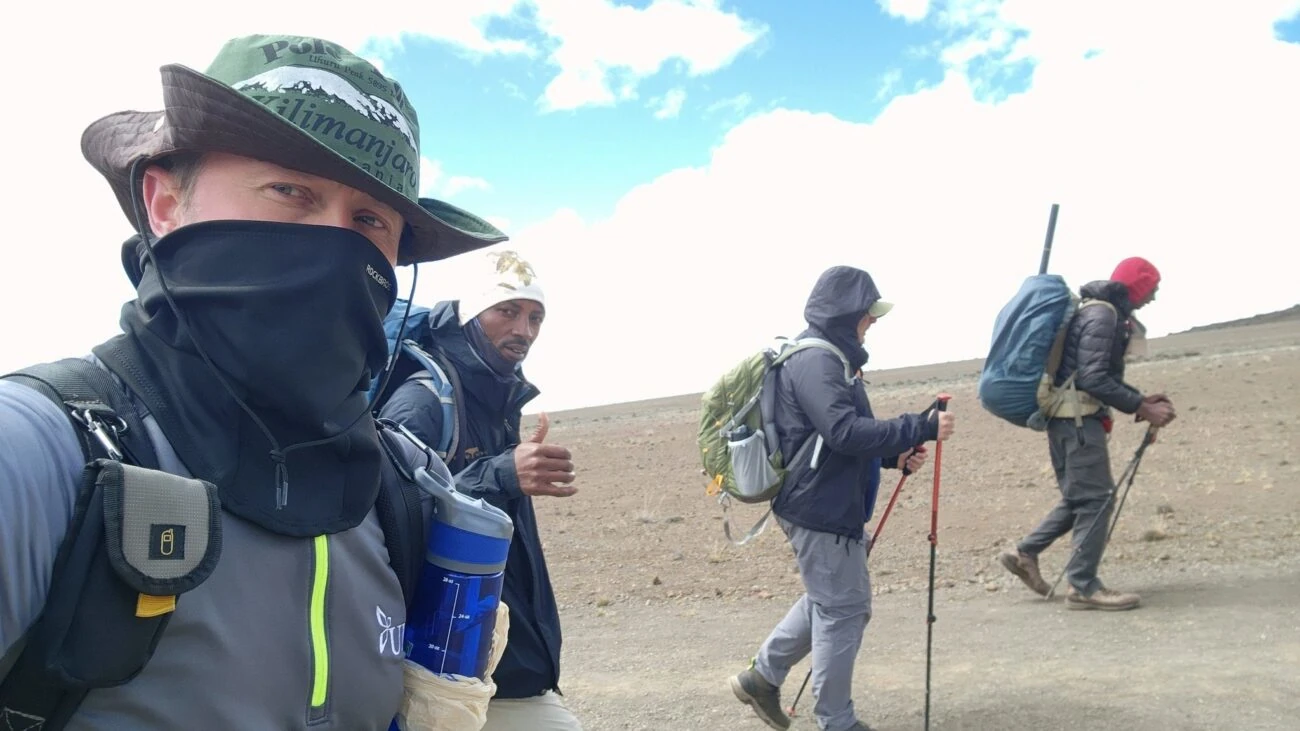
We offer a seven-day Machame route experience to Mount Kilimanjaro. Machame Route is also known as the “Whiskey Route”. It is a more difficult route compared to the Marangu route. The Machame route only offers camping accommodations suitable for camping lovers.
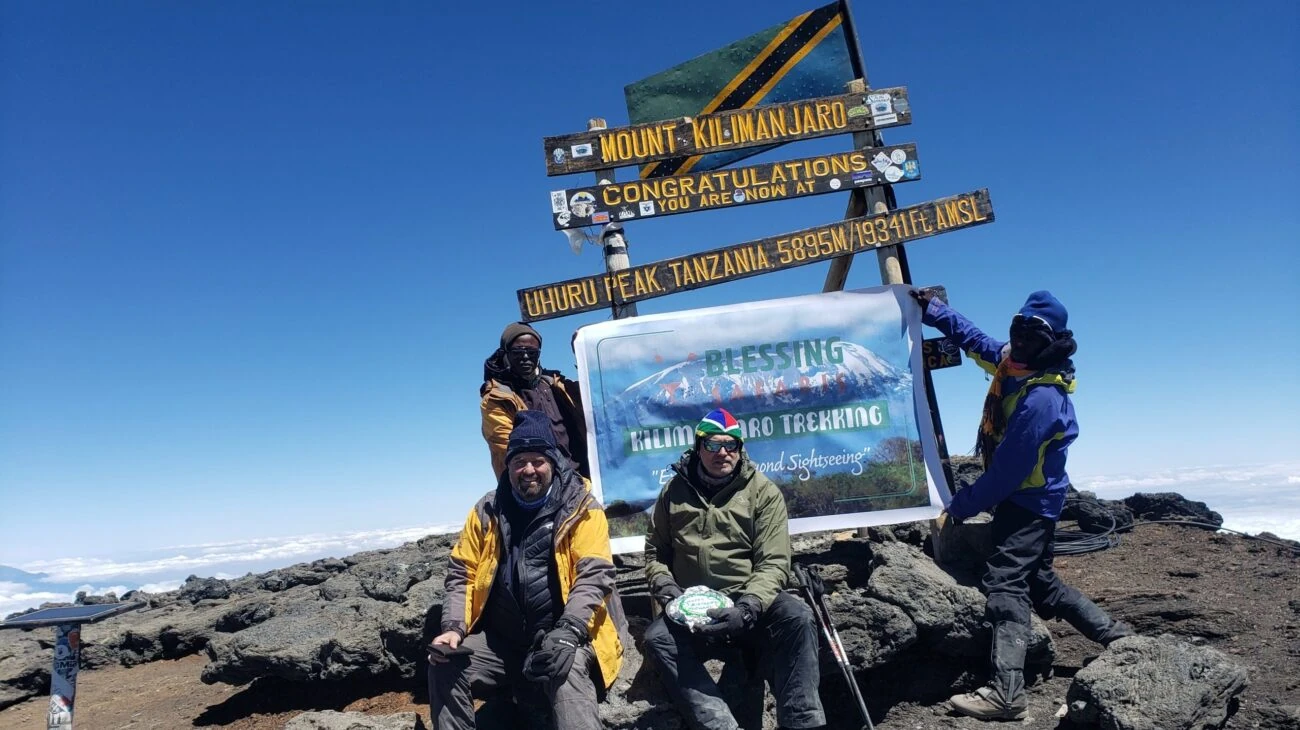
The 6-Day Kilimanjaro Trek via Machame Route is considered moderate to challenging. It is steeper and more physically demanding than the Marangu Route
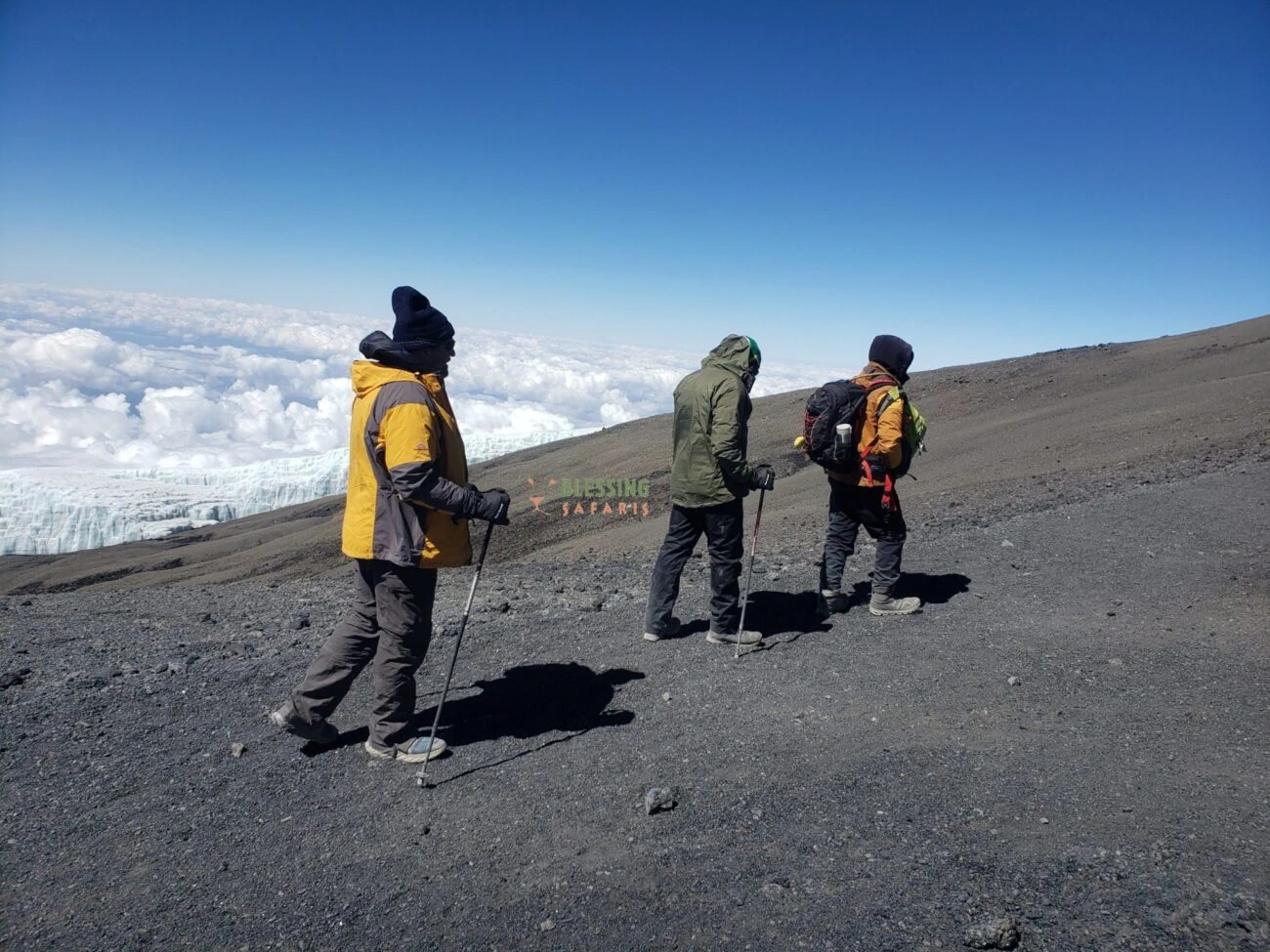
The 8-Day Kilimanjaro Trek via the Machame Route includes an overnight stop at Crater Camp (5,750 m), which sets this trek apart, as few trekkers sleep inside Kibo’s volcanic crater