Table of Contents
Snakes are one of the most fascinating and diverse groups of animals in the world.
There are over 3,500 species of snakes, found on every continent except Antarctica.
Snakes are cold-blooded, carnivorous reptiles that come in a variety of shapes and sizes.
In East Africa, several snake species are found in various habitats, from forests and grasslands to deserts and swamps.
In this article, we will discuss the different types of snakes found in East Africa and how to protect ourselves against them.
Types of Snakes in East Africa
Black Mamba
The black mamba is one of the deadliest snakes in the world.
It can grow up to 14 feet long and is found in various habitats, including savannas, forests, and rocky hills.
It is a fast and aggressive snake that can strike multiple times in quick succession.
Puff Adder
The puff adder is a venomous snake that is responsible for the most snakebite fatalities in Africa.
It is a stout and slow-moving snake that can grow up to 4 feet long.
It is found in various habitats, including grasslands and savannas.
Spitting Cobra
The spitting cobra is a venomous snake that can spit its venom up to 8 feet away.
It is found in various habitats, including forests, savannas, and urban areas.
It can grow up to 6 feet long and is known for its distinctive hood.
Green Mamba
The green mamba is a highly venomous snake that is found in various habitats, including forests and plantations.
It can grow up to 8 feet long and is known for its bright green coloration.
Boomslang
The boomslang is a venomous snake that is found in various habitats, including forests and savannas.
It can grow up to 6 feet long and is known for its bright green coloration.
How to Protect Ourselves Against Snakes in East Africa
Snakes can be dangerous, and it’s essential to take precautions to protect yourself against them, especially in East Africa, where there are many venomous snake species.
Here are some tips to help you stay safe:
Wear protective clothing
When hiking or walking through areas where snakes are common, wear long pants, boots, and high socks to protect your skin from bites.
Stay on trails
Stick to well-used trails and avoid walking through tall grass or other areas where snakes may be hiding.
Be aware of your surroundings: Keep your eyes open for snakes and look for signs of their presence, such as shed skin or snake holes.
Avoid snakes
Please do not attempt to handle or provoke snakes, as they may perceive this as a threat and bite in self-defense.
Use a walking stick
A walking stick can be used to gently push aside vegetation or other obstacles to help you see where you’re stepping and avoid accidentally stepping on a snake.
Keep your campsite clean.
Snakes are attracted to areas with rodents or other prey, so keep your campsite clean and free of food scraps and garbage.
Use a flashlight at night.
If you need to walk around at night, use a flashlight to help you see where you’re going and avoid stepping on a snake.
Learn about local snakes.
Be aware of the types of snakes that are common in the area you are visiting, and learn how to identify them.
If a snake bites you, seek medical attention immediately.
Remember, prevention is the best way to protect yourself against snake bites.
Are the visitors to East Africa for safari safe from snakes?
If you’re planning a safari trip to East Africa, you may be wondering about the safety of encountering snakes during your adventure.
While there are many incredible places to explore on safari, from the grassy plains of the Serengeti to the rugged terrain of the Masai Mara,
It’s important to remember that these areas are also home to a variety of wildlife, including snakes.
For example, the Mara River in Kenya is home to several snake species, including the African rock python and the Nile crocodile.
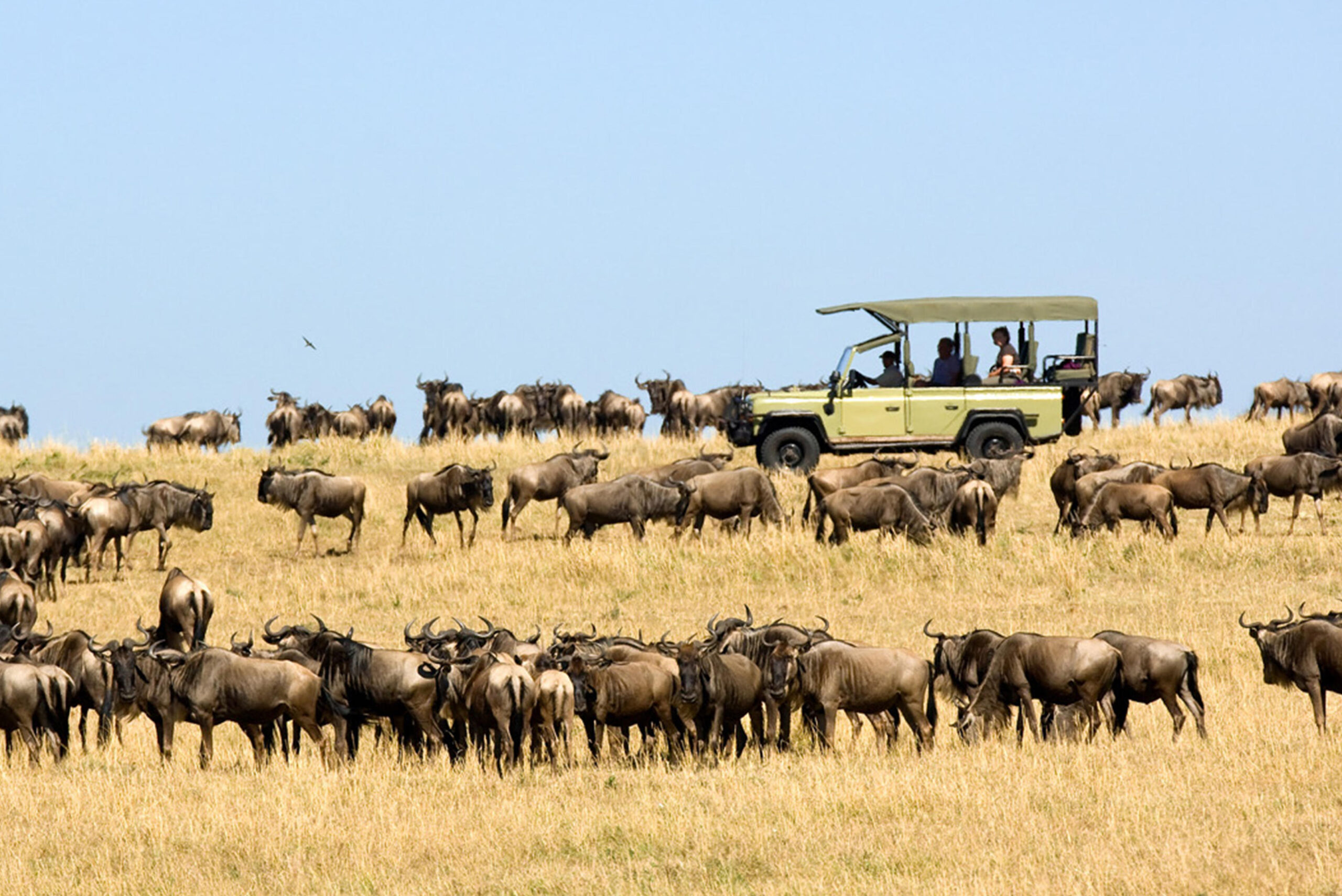
The river is a popular destination for visitors on safari, who often gather to witness the dramatic river crossings of wildebeest and other animals.
While the risk of encountering a snake during one of these crossings is relatively low,
It is still essential to be aware of the potential dangers and take precautions to protect yourself.
Similarly, the Ngorongoro Crater in Tanzania is a breathtaking destination that attracts thousands of visitors on safari each year.
However, the area is also home to several venomous snake species, including the black mamba and the spitting cobra.
While the risk of encountering a snake during your visit is low, it is still essential to be cautious and follow your safari guide’s advice.
What are the common characteristics of snakes?
Snakes are a diverse group of reptiles that come in a wide range of sizes, colors, and patterns.
Despite their differences, snakes share several common characteristics that distinguish them from other animals:
Limbless body
Snakes have long, slender bodies without any limbs or arms.
They move by slithering along the ground in a wave-like motion.
Scales
Snakes have scales covering their bodies, which protect them from harm and help regulate their body temperature.
Forked tongue
Snakes have a unique forked tongue that they use to smell and taste their surroundings.
They pick up scent particles with their tongue and bring them back to a special organ in their mouth called Jacobson’s organ.
Carnivorous
Snakes are carnivorous and primarily feed on small animals such as rodents, birds, and insects.
Some snake species also eat other snakes.
Cold-blooded
Snakes are ectothermic, meaning that they rely on external sources of heat to regulate their body temperature.
This allows them to conserve energy but also makes them more active in warmer weather.
Flexible jaws
Snakes have a unique ability to open their jaws extremely wide, allowing them to swallow prey much larger than their own head.
Venomous
While not all snakes are venomous, many are.
Why do many people fear snakes?
Many people fear snakes for several reasons. One of the primary reasons is that snakes are often portrayed as dangerous and venomous in popular media,
This creates a sense of fear and anxiety about them.
Additionally, snakes are often associated with the unknown and unpredictable, as they can be challenging to spot and move quickly.
Another reason people fear snakes is that some species are venomous and can pose a significant threat to human health.
This fear may be heightened in areas where venomous snakes are more prevalent, such as in tropical or subtropical regions.
The fear of being bitten or attacked by a snake can also heighten anxiety around these creatures.
Finally, some people may fear snakes due to cultural or religious beliefs.
For example, in some cultures, snakes are seen as symbols of evil or danger, which can influence people’s perceptions of them.
In other cases, people may have had negative experiences with snakes, such as being bitten or seeing someone else bitten, which can trigger a fear response.
Conclusion
In summary, visitors to East Africa for safari can have a safe and enjoyable experience as long as they exercise caution.
Every visitor should take measures to protect themselves against potential dangers, including snakes and other wild animals.
Are you ready to start planning?
You can proceed with booking by filling out the form below. Let’s make your adventure unforgettable!
Other Articles
Tanzania Walking Safari Cost: Complete Price Guide for 2026

Tanzania Luxury Safari Cost: Price Guide 2026
Affordable Tanzania Mid-Range Safari Cost: Your 2026 Budget Guide
Budget Safari Cost in Tanzania 2026: What You Need To Know
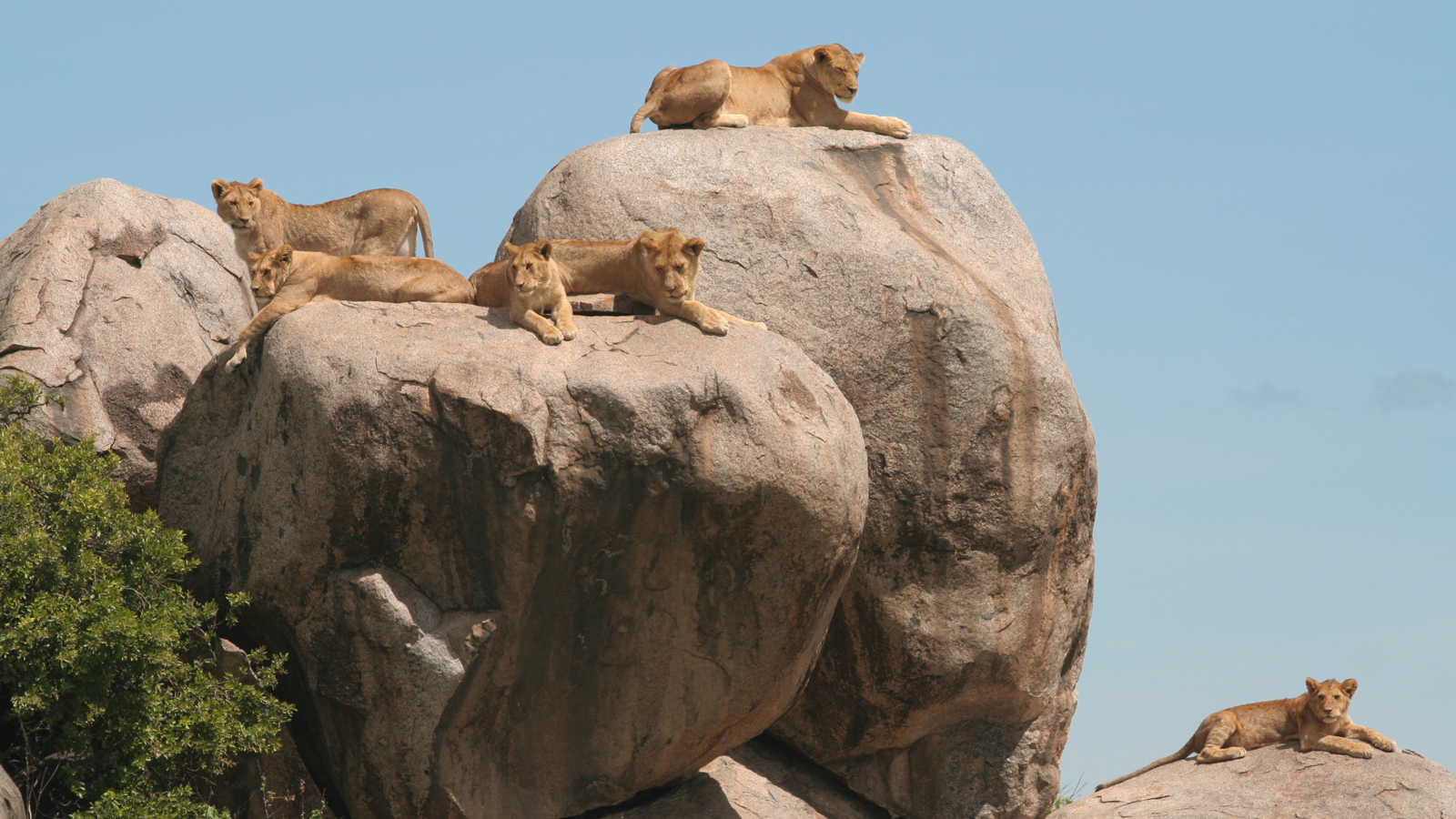
Top 5 Secret Spots in the Serengeti and Ngorongoro: Escape the Crowds in 2026
Tanzania Safari Cost 2026: Best Prices, Packages & Essential Tips
Tanzania Safari Cost-Complete Guide 2026
Why would you want a private safari?
Tanzania vs Kenya: Which offers the best safari?