
Moshi Travel Guide – A Gateway to Kilimanjaro
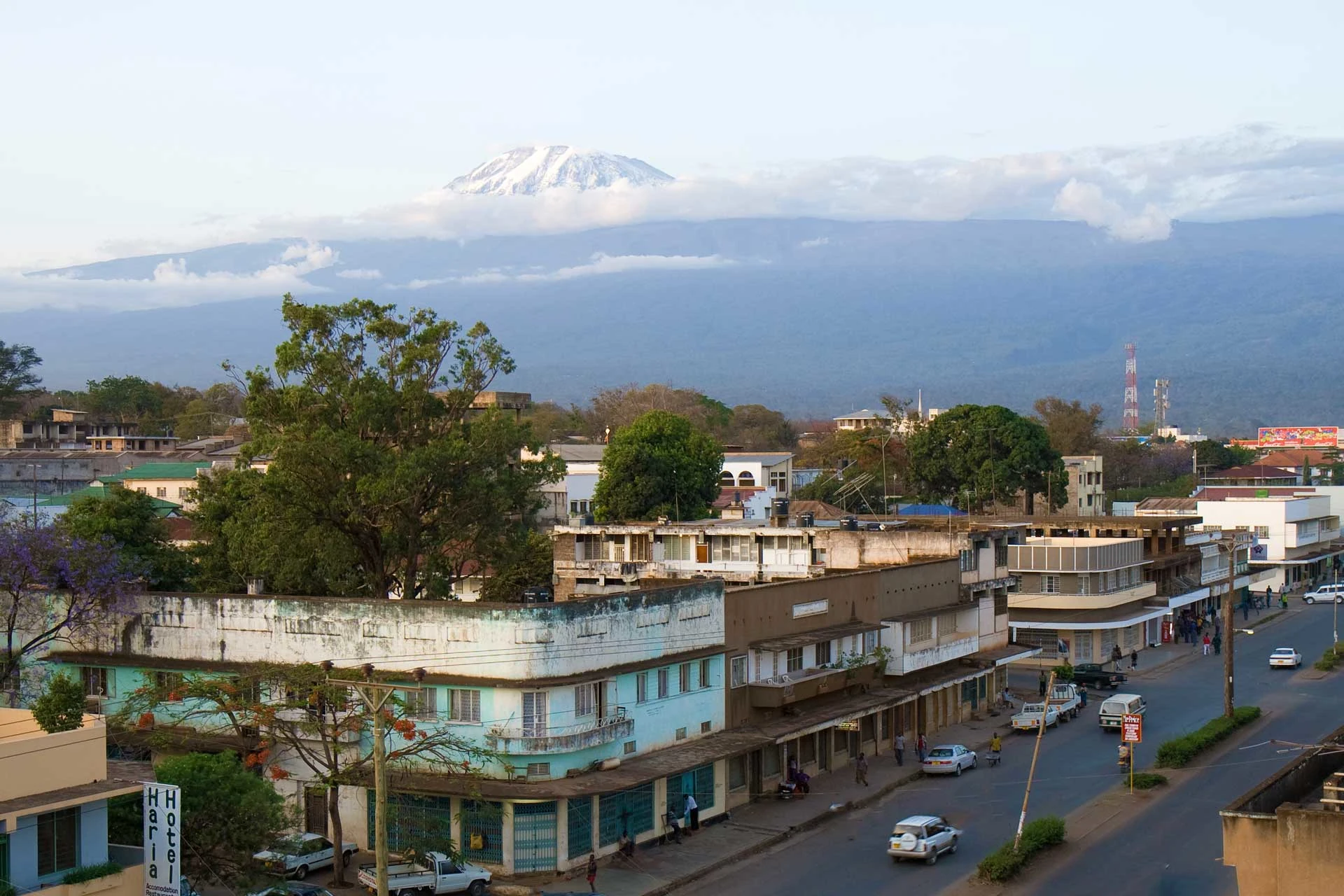
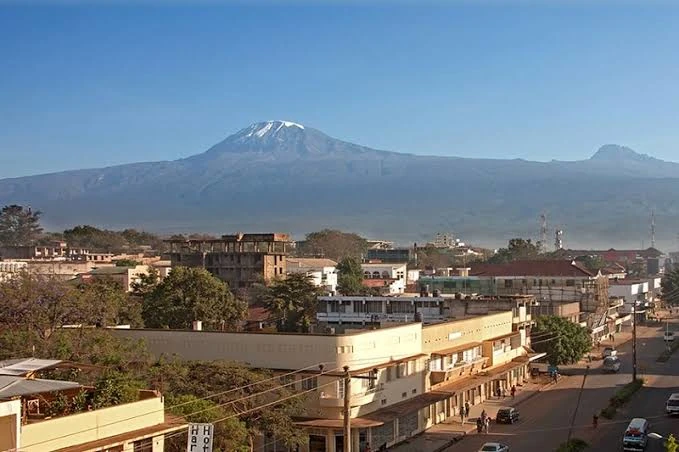
Moshi is a small, well-kept town in northern Tanzania, best known as the gateway to Mount Kilimanjaro. On clear mornings, the snow-capped summit dominates the horizon. Located just 45 minutes from the mountain, Moshi serves as the primary base for the many climbers who visit each year.
Moshi is more than a gateway for trekkers; its unique character makes it well worth exploring. Located on Kilimanjaro’s lower slopes, Moshi is divided into Urban and Rural areas. As Tanzania’s smallest municipality by area, it covers about 23 square miles (59 square kilometers) and has a population of approximately 250,000. The result is a vibrant, walkable town with lively markets, cafés, green streets, and the aroma of fresh coffee from local farms.
This guide is for travelers seeking to experience Moshi beyond its role as a gateway to Kilimanjaro. Whether you are planning a climb, a safari, or a leisurely visit to northern Tanzania, Moshi offers much to explore. Kilimanjaro may draw you here, but it does not have to be the only reason you stay.
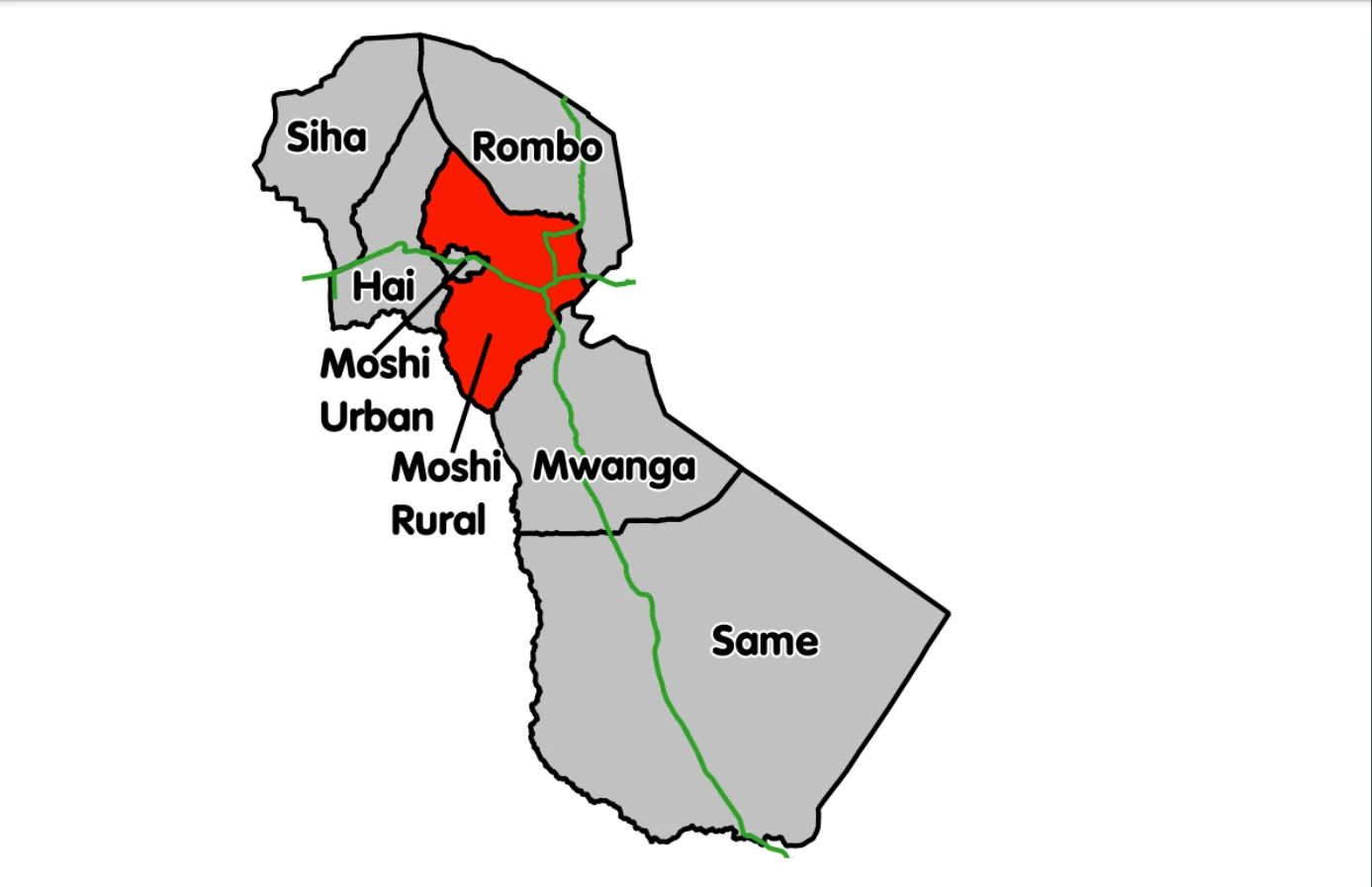
Location of Moshi
Moshi is located in northern Tanzania’s Kilimanjaro Region, with elevations ranging from 700 to 952 meters above sea level. Its coordinates are approximately 3.3430° S, 37.3507° E.
Moshi is about 82 kilometers from Arusha, or a 1-hour 50-minute drive. Kilimanjaro International Airport (JRO), the nearest international airport, is 42 kilometers away and about a 53-minute drive. Most visitors arrive at JRO and take a taxi or private transfer to Moshi. The well-maintained road from Arusha makes it easy to travel by bus or private car.
Moshi consists of two administrative areas. Moshi Urban is the town center, featuring the main market, banks, shops, and most hotels and restaurants. Moshi Rural includes the surrounding countryside, with coffee farms, banana groves, and villages along Kilimanjaro’s lower slopes. Together, these areas create a vibrant and welcoming community with a relaxed atmosphere for visitors.
At about 830 meters, Moshi enjoys pleasant temperatures year-round, with warm days and cool evenings. This elevation also supports lush greenery and the production of some of Tanzania’s best coffee.
History of Moshi Town, Kilimanjaro
Moshi’s history is closely linked to its colonial past and proximity to the mountain. During German rule, authorities launched major agricultural projects and established coffee farms on Kilimanjaro’s lower slopes and around Moshi. The town expanded with new colonial buildings, farmhouses, and settlements. In 1893, the British established a military camp, and Moshi began to develop as an administrative and commercial center.
The arrival of the railway in 1912 was a turning point, connecting Moshi with Tanga and the Usambara Railway system. This integration into broader trading networks helped Moshi become a key commercial hub. After World War II, the British governed Tanganyika until independence in 1961.
This colonial history accounts for the presence of older buildings and architecture in Moshi’s town center. Many of these structures have been preserved and now serve as restaurants, hotels, lodges, and commercial properties. Central Moshi blends eras, with German-era buildings, Indian-influenced shopfronts, and modern Tanzanian businesses coexisting.
Today, Moshi maintains a strong local economy. Agricultural products from the surrounding region supply busy markets where residents conduct daily business. This authentic atmosphere remains central to Moshi’s appeal.
The Chagga People and Their Culture
The Chagga, the indigenous people of Moshi, speak Kichagga and are one of Tanzania’s major ethnic groups. They primarily live around Moshi and Kilimanjaro, with communities elsewhere in Tanzania and abroad. Traditionally cultivators and traders, the Chagga were among the first local tribes to adopt Christianity. Today, many work as wage earners in large cities or as tourism entrepreneurs.
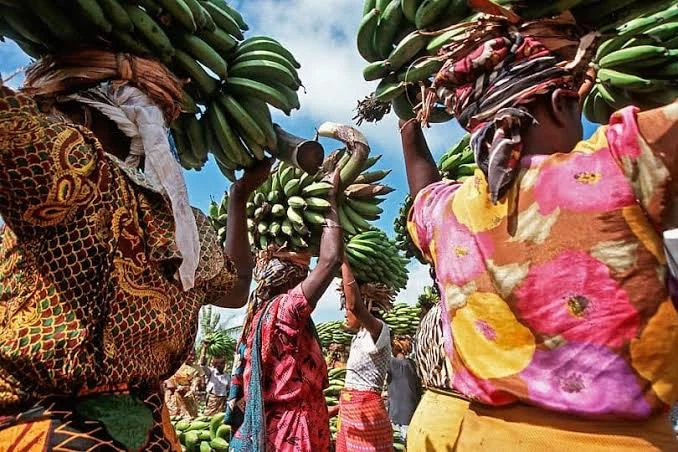
At the center of Chagga culture is the kihamba, a traditional home garden. More than a simple plot, the kihamba is a multilayered agroforestry system that replicates a tropical montane forest, with coffee growing beneath taller trees alongside bananas, fruit, and other crops. Traditional irrigation channels bring water from the mountain forests, supporting crops even during dry periods.
The Food and Agriculture Organization recognized the Shimbwe Juu Kihamba Agroforestry Heritage Site in 2011. This system features over 500 plant species and integrates crops, trees, livestock, and traditional irrigation, utilizing the land at multiple levels.
Coffee arrived in the Kilimanjaro region in the 19th century and became a key cash crop for Chagga farmers. It remains central to the kihamba system, and its legacy is evident throughout Moshi. Visitors can tour coffee and banana farms, observe harvesting and processing, and learn how coffee is integrated into this longstanding agricultural tradition.
The Chagga are also known for Mbege, a traditional brew made from fermented bananas and millet. Tasting Mbege during a village visit offers an authentic cultural experience.
In addition to the Chagga, Moshi is home to other groups, including the Maasai and the Pare. Most Maasai in Moshi work as watchmen or sell traditional medicines, while the Pare originate from the Pare Mountains, approximately 50 kilometers away. This diversity gives the town a cultural richness that belies its size.
Mount Kilimanjaro
Every Kilimanjaro climbing route starts from Moshi or the surrounding area. Marangu Gate, the entrance to the Marangu Route (also called the Coca-Cola Route), is about 40 kilometers from Moshi town. The Machame Gate, the starting point for the popular Machame Route (the Whiskey Route), is about 27 kilometers away.
Climbers typically arrive in Moshi one to two days before their trek to meet guides, check equipment, and acclimatize. The town has many outfitters, gear rental shops, and hotels catering to climbers. Even non-climbers find Kilimanjaro shapes the Moshi experience. On clear mornings, the mountain is visible from most of town, and rooftop bars and hotel terraces offer highlight sunrise and sunset views.
Kilimanjaro Trekking Routes from Moshi
Several main routes lead up Kilimanjaro, each with different scenery, difficulty levels, and success rates. The most popular routes that depart from Moshi include:
Machame Route (Whiskey Route): This 6- to 7-day trek is among the most popular for its scenic highlights, including the Shira Plateau and Barranco Wall. Starting at Machame Gate, approximately 27 kilometers from Moshi, it is considered moderately difficult and offers a favorable acclimatization profile.
Marangu Route (Coca-Cola Route): This 5- to 6-day trek is the only route offering hut accommodation rather than tents. It begins at Marangu Gate, about 40 kilometers from Moshi. Although the terrain is considered the easiest, the shorter duration leaves less time to acclimatize, which may affect success rates.
Lemosho Route: This 7- to 8-day trek approaches from the west and crosses the Shira Plateau. Its longer duration and gradual ascent contribute to a high success rate. Many guides recommend it for both scenery and acclimatization.
Rongai Route: This 6- to 7-day trek is the only route approaching from the north, near the Kenyan border. It is quieter than the southern routes and is well suited for those seeking a more remote experience.
Umbwe Route: This short, steep, and challenging route is not recommended for beginners and has a lower success rate due to its rapid ascent.
Most treks begin and end in Moshi. The town is well equipped to support climbers, providing gear rental, comfortable hotels, and restaurants serving hearty meals.
Things to Do in and Around Moshi
Materuni Waterfalls and Coffee Tour
Materuni Waterfall is a signature attraction. The trail winds through coffee, banana, and avocado farms before reaching the 70-meter waterfall, which cascades into a natural basin. This moderate hike also passes through Chagga villages, offering insight into daily life on the mountain’s lower slopes.
Many visitors combine the waterfall hike with a coffee tour, where you can pick coffee cherries, roast beans using traditional methods, and enjoy fresh Chagga coffee on the farm. This experience underscores the strong connection between local families and the mountain’s slopes.
Kikuletwa Hot Springs (Chemka Hot Springs)
About an hour from Moshi, Kikuletwa Hot Springs is a turquoise oasis surrounded by palm trees and vines. The warm, clear water is ideal for swimming and relaxation, making it a popular recovery spot for climbers. The lush environment contrasts with the surrounding semi-desert plain.
Lake Chala
Lake Chala is a tranquil crater lake on the Tanzania-Kenya border, ideal for hiking, canoeing when permitted, and photography. The crater rim trail offers views into Kenya and toward Kilimanjaro. Lake Chala provides a quieter alternative to more popular attractions, with a scenic drive through the countryside.
Rau Forest Reserve
A few kilometers from Moshi, Rau Forest Reserve offers a natural retreat. Activities include walking, birdwatching, and cycling, making it a convenient addition to a relaxed Moshi itinerary. It is an excellent choice for a morning walk before or after a trek.
Marangu Cultural Tour
Marangu, about 30 to 40 minutes from Moshi, offers its own charm: caves, waterfalls, Chagga history, and scenic walking paths. The village is also the starting point for the Marangu Route, so climbers have long stayed here. A cultural tour here can include visits to local homes, banana plantations, and historical sites.
Moshi Markets
The central market and local shops feature a vibrant selection of fruits, spices, fabrics, and souvenirs. Mbuyuni Market on Nyerere Road is especially known for its fresh produce, including seasonal mangoes, passion fruit, papayas, pineapples, and avocados. Visiting the market offers insight into daily life and a chance to practice Swahili.
Cycling Tours
Cycling with local guides through rice fields, plantations, and villages is an enjoyable way to explore the Moshi countryside. The gentle terrain and relaxed pace provide scenic views and opportunities to stop for photos or conversations.
Sunset Views
Moshi has several bars, cafés, and hotels with excellent views of Mount Kilimanjaro, especially at sunrise and sunset. Enjoy a rooftop setting with a drink as you watch the mountain’s light change for a memorable way to end your day.
Where to Stay in Moshi
Moshi offers accommodation options for every budget, from guesthouses to luxury lodges. The town’s compact layout means most properties are within walking distance of the center.
Luxury and Boutique Lodges
For those seeking comfort and scenic views, Moshi offers several high-end lodges, including Kaliwa Lodge and Kili Wonders. Often just outside the town center and surrounded by gardens and coffee farms, these properties offer a peaceful place to rest and recover after a trek.
Mid-Range Hotels
Moshi offers a range of mid-range hotels and lodges. Honey Badger Lodge, located 4.4 miles from Moshi Railway Station, features a garden, free private parking, a shared lounge, and a terrace. Amenities include family rooms, airport transportation, a 24-hour front desk, and complimentary WiFi. Other popular choices include Nyota Safari Lodge, a 5-minute drive from Moshi Outdoor Market and Uhuru Park, and Brubru Lodge.
Budget Accommodation
Moshi offers affordable guesthouses and hostels for budget travelers. Twiga Hotel offers rooms from $18 per night, and Kitolie Home and Lodge starts at $14 per night. Hostels suit solo travelers well because of their social environment and organized group tours. Many budget options include breakfast and communal spaces where you can meet other guests.
Homestays
Homestays with Chagga families provide a unique cultural experience. Staying with a local family offers insight into daily life on the mountain slopes and often includes meals prepared with produce from the family’s kihamba. Tulivu Kilimanjaro Retreat and Keys Hotel Mbokomu Branch are examples of homestay-style accommodations in Moshi.
Where to Eat in Moshi
Moshi’s food scene reflects its diverse history and status as a crossroads. The town features Tanzanian staples, Indian cuisine shaped by its Asian community, European dishes, and a variety of vegetarian and vegan options.
Tanzanian and African Cuisine
Kuoana Africa Restaurant is known for European and African cuisine, with popular dishes including pork barbecue, fried chicken, pork Makange, French fries, and plantains. For a local experience, visit Naseeb Restaurant, a roadside eatery popular for chicken Tikka with chips, mishkaki, and Kheema Chapati. It is affordable and has been a local favorite for many years.
Indian Cuisine
Moshi has a strong Indian food tradition. Peppers Restaurant, formerly the Sikh Club, offers a variety of curries and naan. El-Rancho is another favorite, known for butter naans, butter chicken, Reshmi kebab, and tikka masala.
Italian and Fusion
Indo-Italiano Restaurant is popular for its pizzas and extensive à la carte menu. The atmosphere is comfortable and cozy, with attentive service. Milan’s Restaurant offers North and South Indian cuisine, some Chinese dishes, and several vegetarian pizzas.
Cafés and Healthy Options
Jackfruit Cafe, set in a lush garden at the foot of Kilimanjaro, is considered one of Moshi’s top cafés. It offers pizzas, sushi, burgers, salads, healthy bowls, quality coffee, and homemade desserts. The Kitchen Flavor Restaurant serves African meals with vegetarian, vegan, and gluten-free options.
Nightlife
Moshi has a lively nightlife with numerous bars and nightclubs, especially popular on weekends. Top venues include Malindi’s live music and karaoke nights, Redstone, Black Diamond, and Bikers Bar. Rooftop bars with views of Mount Kilimanjaro are highly recommended.
Getting Around Moshi
Moshi’s compact size makes walking the most convenient way to navigate the town center. Hotels, restaurants, and shops are all within easy reach.
Daladalas
Daladalas are local 16-seat shuttle vans that may carry extra passengers or livestock. They offer the most affordable travel within Moshi and to nearby villages such as Machame and Marangu, with fares from TSh 500 to TSh 3,000. To board, listen for the conductor announcing destinations and signal when you wish to disembark.
Taxis and Ride-Hailing
Taxis are widely available in Moshi. Always agree on the fare before your journey. Most trips within town cost a few dollars. Bolt, a ride-hailing app, is also available and offers fixed prices and cashless payment for convenience.
Boda-Bodas
Boda-bodas, or motorcycle taxis, offer a quick, affordable option, especially for short trips or areas not served by daladalas. As with taxis, confirm the fare before departure.
Buses to Other Cities
Moshi is connected by bus to all major Tanzanian cities. Dar Express and Kilimanjaro bus lines operate routes from Dar es Salaam to Moshi, an eight-hour journey costing about TSh 50,000 one way. Buses also serve Arusha, Mwanza, Tanga, Mbeya, Dodoma, and Nairobi. The bus station is busy, with many drivers competing for passengers.
Safety in Moshi
Moshi is generally safe for visitors. Violent crime against tourists is rare. The local economy relies on international visitors, so residents are accustomed to strangers. English is widely spoken.
However, basic precautions are necessary. Petty theft is the main risk, especially unattended phones, bags on crowded daladalas, or valuables worn openly in markets. Keep your phone in a secure pocket or bag, avoid displaying large amounts of cash, and stay alert in busy areas.
Street touts, known as “flycatchers,” may approach you near bus stations and hotels to offer tours, currency exchange, or accommodation. Most are harmless and seek commission, though they can be persistent. Politely decline by saying Hapana asante, meaning “No, thank you” in Swahili. A clear response shows you understand local customs.
Avoid walking alone at night, especially outside well-lit areas in the town center. While Moshi is not considered dangerous after dark, solo walkers in poorly lit areas may be at risk of opportunistic theft, as in any unfamiliar city. Use taxis or Bolt for transportation after dark.
Best Time to Visit Moshi
January to March offers clear views of Kilimanjaro and warm weather, making it an excellent period for photography and mountain observation.
June to October is the dry season, providing the best visibility and cooler weather. This period is ideal for Kilimanjaro climbs and outdoor activities.
November to December brings short rains, resulting in lush scenery, fewer tourists, and lower prices.
April to May experiences long rains, cooler temperatures, and fewer visitors. This low season may make trekking routes muddier and more challenging.
The best months for climbing Kilimanjaro are January to March and June to October.
Sample Itineraries
Two Days in Moshi
Day 1: Begin your morning at Mbuyuni Market to experience local culture and purchase fresh fruit. Continue to Rau Forest Reserve for a walk or bike ride. In the afternoon, explore the town center, visit historic sites, and enjoy a coffee break at a café. Conclude the day with sunset views of Kilimanjaro from a rooftop bar.
Day 2: Take a day trip to Materuni Waterfalls and a local coffee farm. Hike to the falls, swim if desired, and learn about coffee production from bean to cup. Return to Moshi in the late afternoon.
Five Days in Moshi
Day 1: Arrive in Moshi, settle in, and explore the town center. Visit the market and choose a local restaurant for dinner.
Day 2: Visit Materuni Waterfalls and participate in a coffee tour.
Day 3: Relax and spend the day swimming and sunbathing at Kikuletwa Hot Springs.
Day 4: Take a Marangu Cultural Tour, which includes visits to caves, waterfalls, and sites significant to Chagga history.
Day 5: Visit Lake Chala for hiking and photography, then return to Moshi for your final evening.
Practical Information
Visa: Most travelers require a visa to enter Tanzania. You may apply online in advance or upon arrival. Please verify your country’s specific requirements before traveling.
Vaccinations: Yellow fever, hepatitis A, and typhoid vaccinations are recommended. Please consult your doctor before traveling.
Currency: The Tanzanian shilling (TSh) is the local currency. US dollars are widely accepted in tourist areas, though using shillings typically offers better rates for local purchases. ATMs are available in Moshi.
Language: Swahili is the national language, and English is widely spoken in tourist areas. Learning basic Swahili phrases such as Jambo (hello), Asante (thank you), and Karibu (welcome) is appreciated. If you plan to climb Kilimanjaro, ensure you acclimatize properly, as altitude sickness is a significant risk.
What to Pack: Bring light clothing for warm days, a jacket for cool evenings, comfortable walking shoes, sun protection, insect repellent, and a reusable water bottle. If you are climbing Kilimanjaro, your outfitter will provide a detailed gear list.
Final Thoughts
Moshi often surpasses visitors’ expectations. Many see it as a brief stop before climbing Mount Kilimanjaro, but they often wish they had stayed longer. The town’s close relationship with the mountain is evident: Kilimanjaro provides water for local agriculture, attracts tourists with its scenic beauty, and draws climbers from around the world.
Moshi is also recognized for its coffee farms, banana groves, markets, mosques, Chagga heritage, and modern cafés. Although the mountain may be your initial reason for visiting, Moshi offers much more. Whether enjoying coffee on a farm, relaxing in a hot spring, or watching the sunset behind Africa’s highest peak, Moshi encourages you to slow down and experience Tanzania beyond the trailhead.
Moshi Travel Guide Photos
You May Also Like
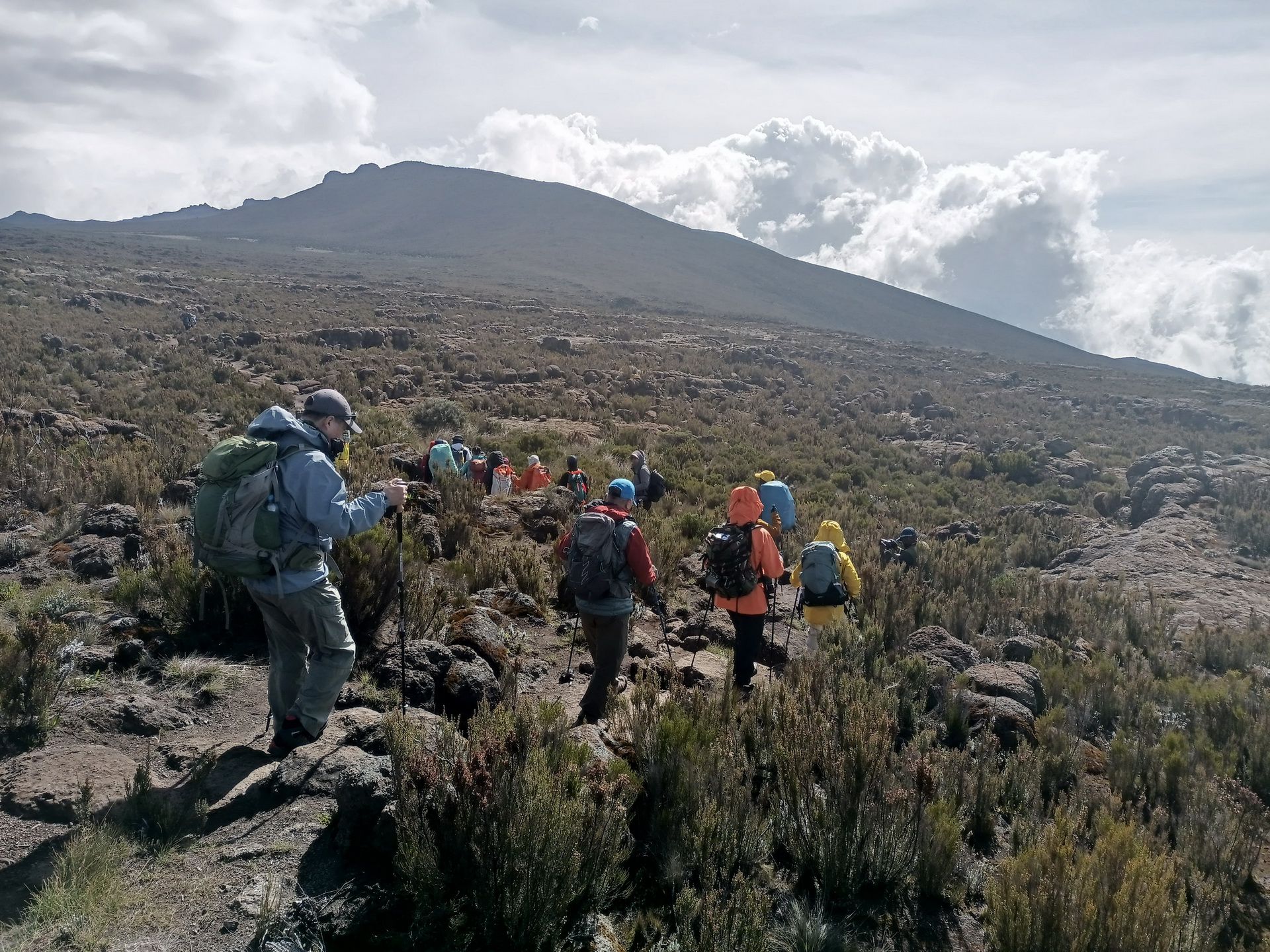
The Shira Plateau, located at 3,872 meters, is Mount Kilimanjaro’s oldest peak. Once a separate volcanic summit, it collapsed thousands of years ago, forming a broad plateau. Today, the area offers peaceful scenery, distinctive plant life, and panoramic views.
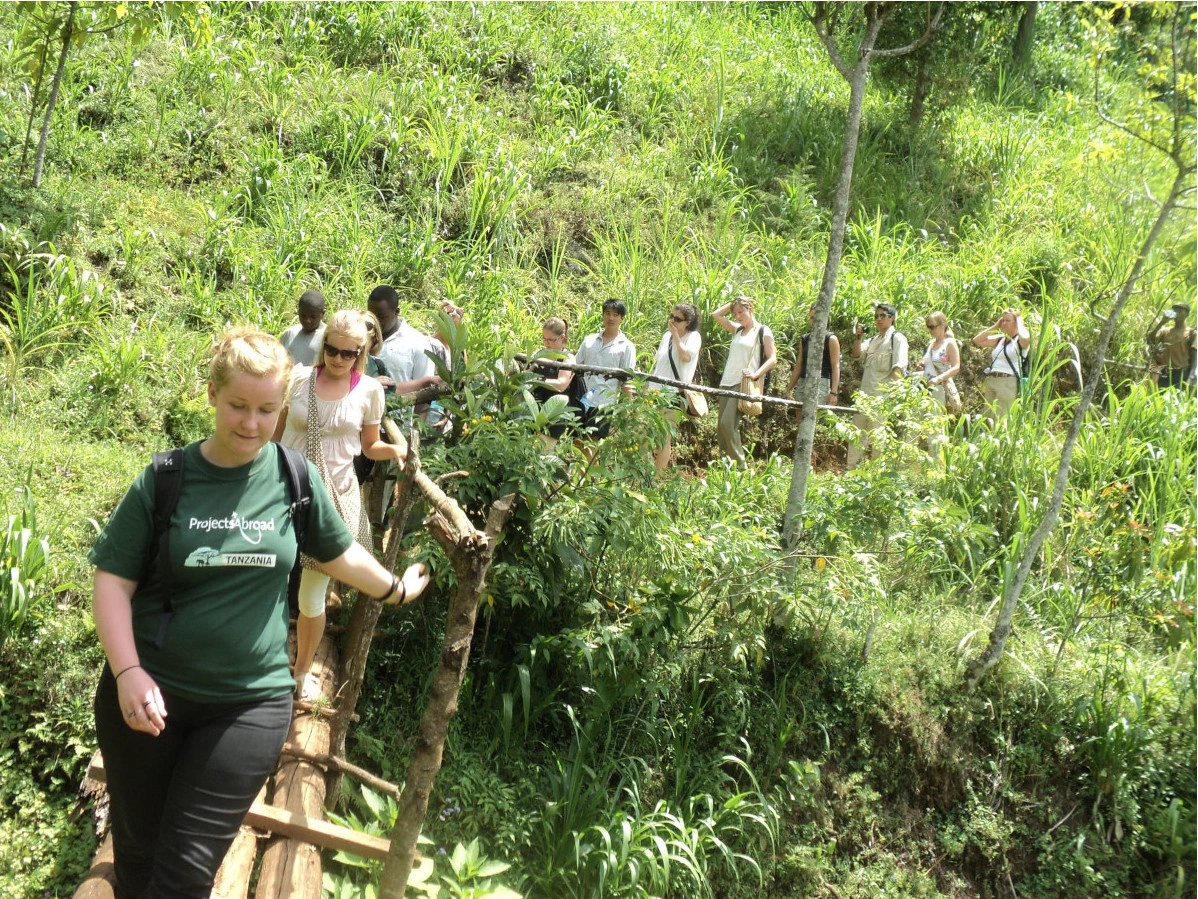
Materuni, home to the Chagga tribe, is an authentic village 15 km from Moshi Town and the last settlement before Kilimanjaro National Park. The Materuni Day Trip provides a relaxing escape into the lush foothills of Africa’s highest mountain
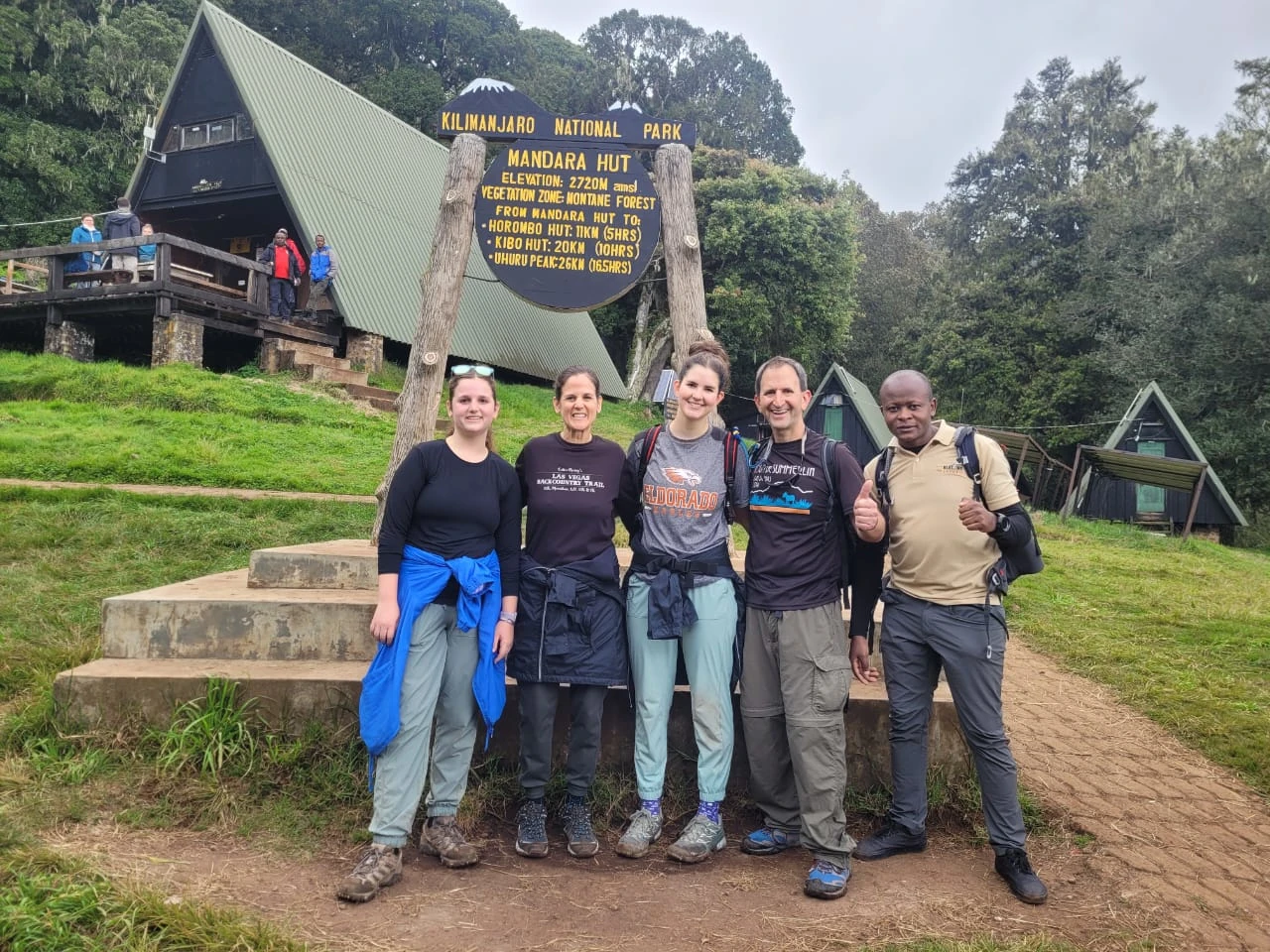
The Marangu Route day hike is a popular short excursion on Kilimanjaro, offering a glimpse of Africa’s highest peak without the commitment of a multi-day trek. The hike leads through rainforest to Mandara Hut at 2,720 meters, the first accommodation point on the Marangu Route
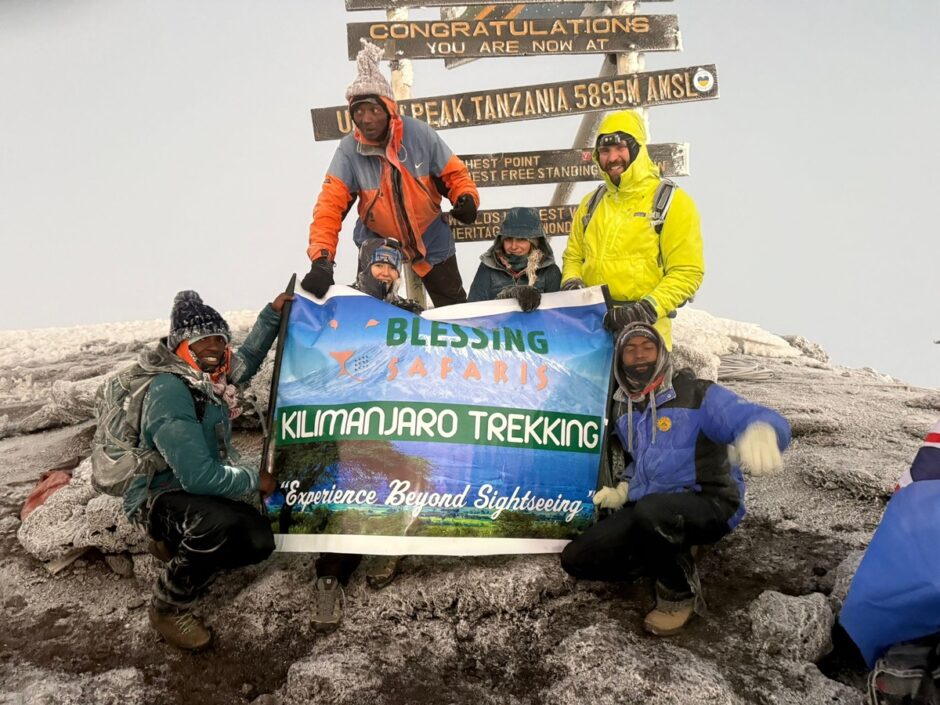
Understanding Mount Kilimanjaro’s climbing routes is essential before planning your trek to Africa’s highest peak (5,895m). There are six Kilimanjaro trekking routes in total, and choosing one depends on your fitness, timeframe, and scenic preferences.