
Mawenzi Tarn Camp Kilimanjaro
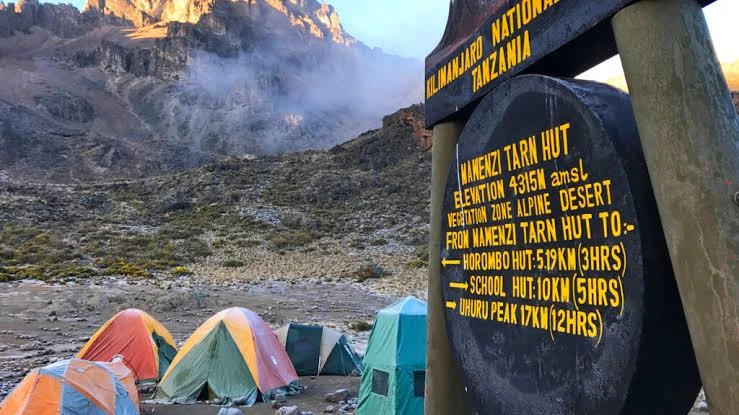
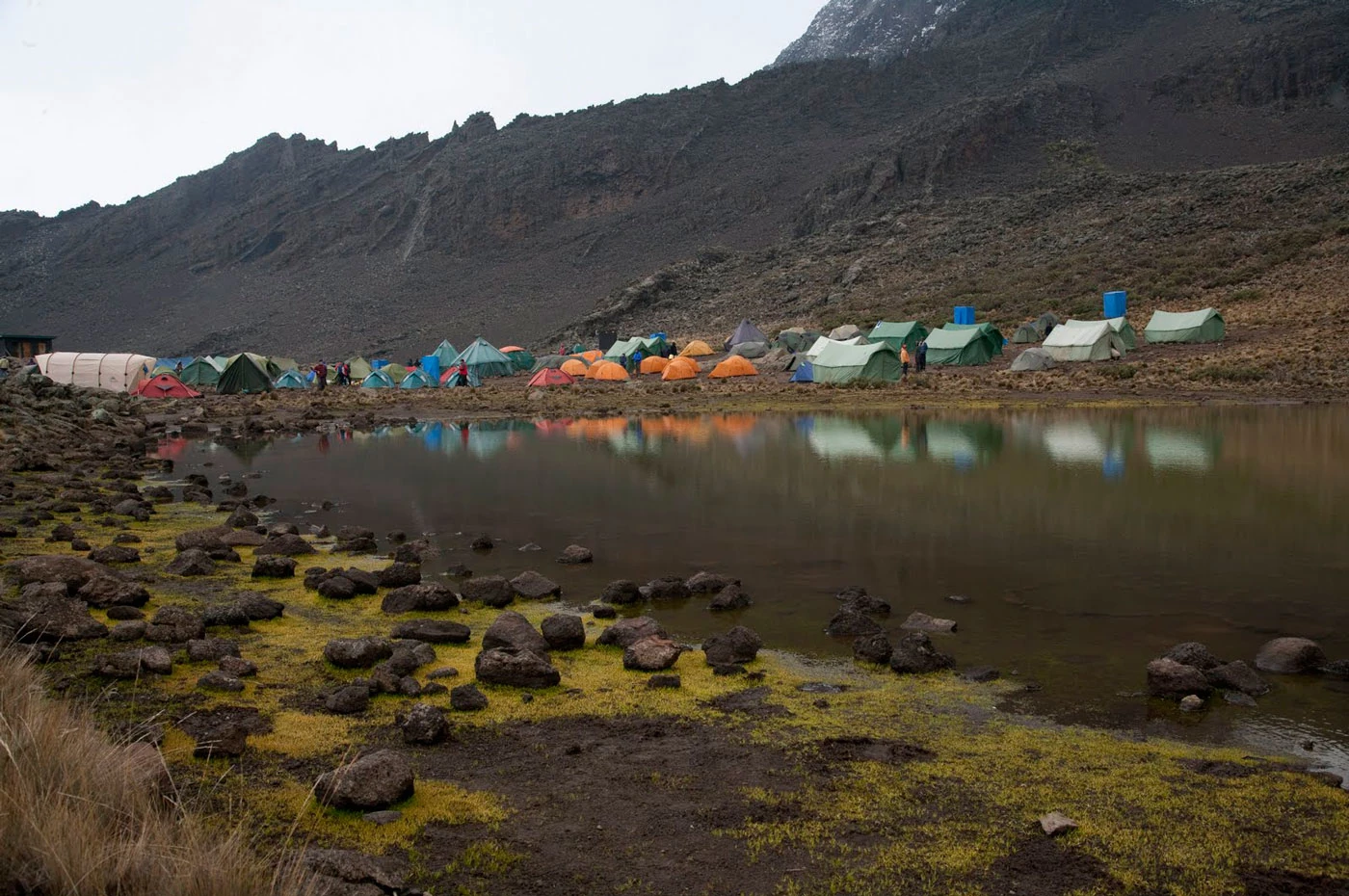
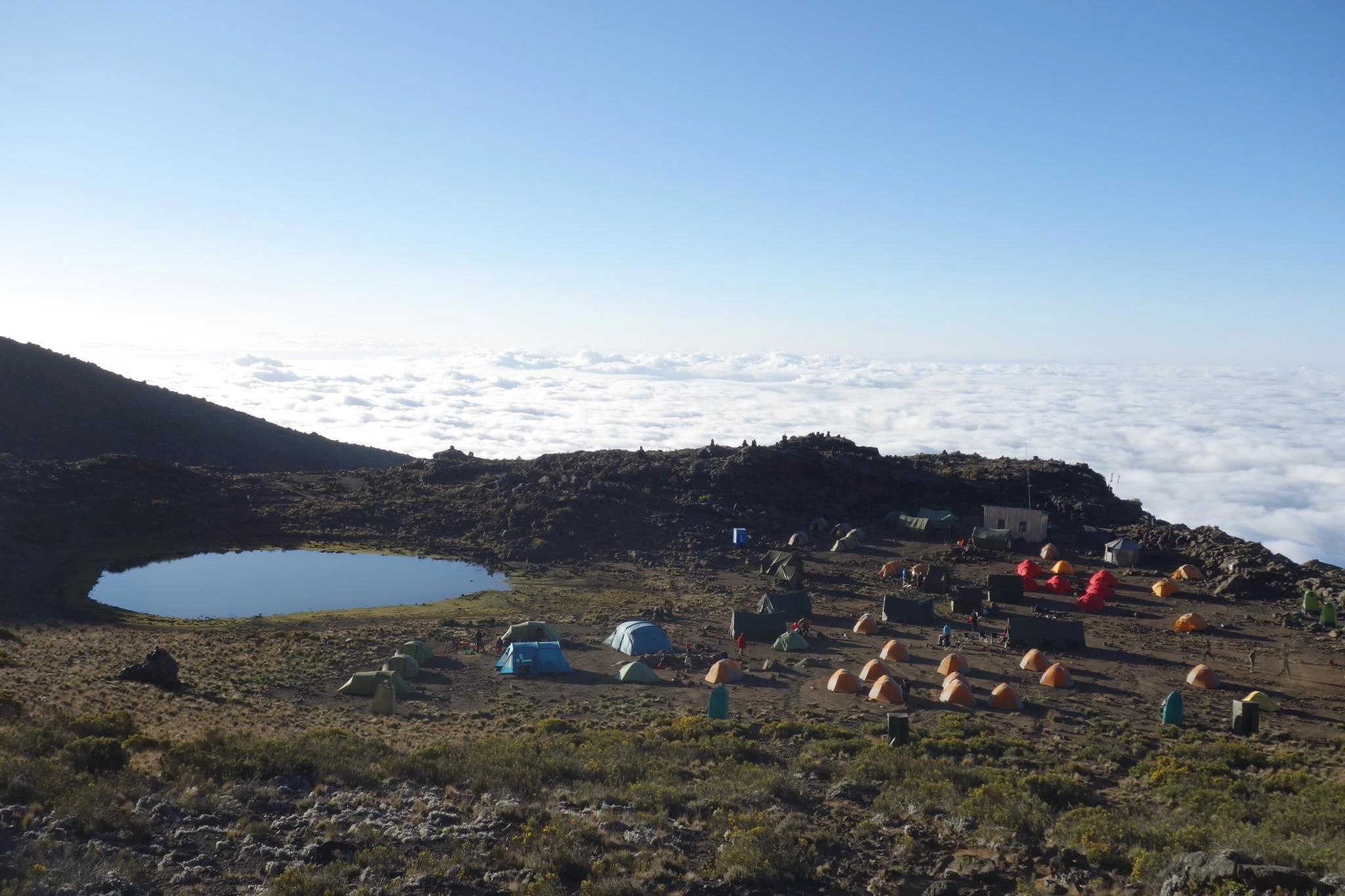
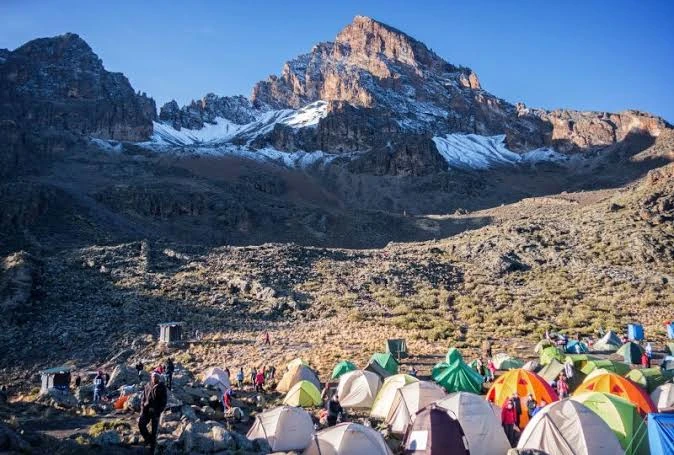
Mawenzi Tarn Camp is located at the base of Mawenzi Peak, Kilimanjaro’s second-highest summit, at approximately 4,310 meters on the mountain’s northeastern side. Named for the nearby tarn, a small mountain lake in a glacial cirque beneath Mawenzi’s spires, the camp features dramatic rock walls and alpine views. Its unique setting makes it a notable stop on the Rongai Route.
Mawenzi Tarn Camp receives fewer visitors than the southern camps. It is a small, intimate site serving mainly climbers on the Rongai Route and is used only for ascent, as descending climbers use other camps. This limited use helps maintain a peaceful, secluded atmosphere, providing a rare sense of wilderness and solitude on Kilimanjaro.
Mawenzi Tarn Camp’s location near Mawenzi Peak makes it an ideal staging point for summit attempts, though climbing the peak requires technical skills and special permits. For those on the Rongai Route, it is the second-to-last camp before the summit, providing a crucial acclimatization stop and a final chance to rest before the most demanding days.
Location of Mawenzi Tarn Camp
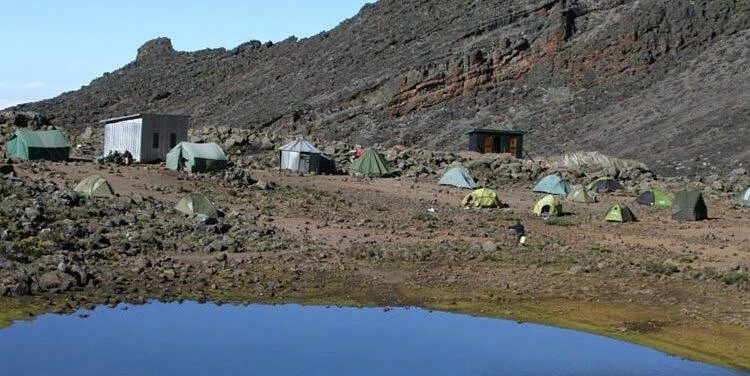
Mawenzi Tarn Camp is located at the base of Mawenzi Peak on Mount Kilimanjaro’s north-eastern side, at an elevation of approximately 4,310 meters. It is one of the few camps situated beside a tarn, a small mountain lake formed in a glacial cirque, which gives the site its name and distinct character. Dramatic rock formations and steep slopes typical of the region surround the camp.
The camp’s proximity to Mawenzi Peak makes it a suitable base for summit attempts. Climbing Mawenzi requires technical skills, specialized equipment, and permits from Kilimanjaro National Park authorities. For most Rongai Route climbers, Mawenzi Tarn Camp is the second-to-last stop before the summit, providing essential high-altitude acclimatization before continuing to Kibo Hut and Uhuru Peak.
Located on the north-eastern slopes, Mawenzi Tarn Camp sits in the mountain’s rain shadow and receives less rainfall than the southern slopes. The camp offers impressive views of Mawenzi Peak’s jagged spires, the plains below, and, on clear days, Kibo Peak in the distance. The open terrain provides excellent photo opportunities, especially at sunrise and sunset when the light highlights the peaks and valleys.
Facilities at Mawenzi Tarn Camp
Accommodation at Mawenzi Tarn Camp is primarily in tents, which climbing companies must supply and porters usually carry. The camp lacks permanent cabins and serves as a functional stop on the Rongai Route rather than a developed facility. The flat terrain offers ample space for tents, but the rocky ground requires careful site selection.
Sanitation at Mawenzi Tarn Camp consists of shared pit latrines, which provide only basic facilities. Climbers should bring their own toilet paper and hand sanitizer, as the camp does not provide them. Although amenities are minimal, they generally meet the camp’s needs.
Water is available from the nearby tarn, despite the camp’s altitude of over 4,300 meters. However, this water is not safe to drink without treatment and should be used only for sanitation and cleaning. Climbers must bring their own drinking water or source it from reliable providers. Recognizing this distinction is important for effective water management during the stay.
Environment, Climate, and Landscape at Mawenzi Tarn Camp
Mawenzi Tarn Camp sits in the alpine desert zone of Mount Kilimanjaro, with rocky terrain, limited vegetation, and significant temperature swings. At the base of Mawenzi Peak, the camp is surrounded by volcanic rock formations, scree slopes, and Mawenzi’s prominent spires. The nearby tarn provides a distinctive feature, offering a small oasis of water in this otherwise arid setting.
Mawenzi Tarn Camp experiences cold conditions, with nighttime temperatures often falling below freezing, particularly during the dry seasons. Its exposed location brings strong winds, which further lower the perceived temperature. While daytime temperatures may be mild in sunlight, climbers should prepare for rapidly changing weather and bring suitable clothing and gear.
Precipitation at Mawenzi Tarn Camp is minimal because it sits in the rain shadow on the mountain’s northeastern side. Occasional snow may occur during colder months, but the camp typically remains drier than the southern slopes.
The dry seasons, from June to October and from December to March, provide the most stable weather, with clear skies and favorable conditions for climbing and camping. The open landscape offers impressive views of nearby peaks and valleys, making Mawenzi Tarn Camp a particularly scenic stop on the Rongai Route.
Mawenzi Tarn Hut to Kibo Hut Camp
The trek from Mawenzi Tarn Hut to Kibo Hut Camp is a notable section of the Rongai Route. The camps are about 8 kilometers (5 miles) apart, and the journey usually takes 5-6 hours. This route crosses the Saddle, a broad, desert-like expanse between Mawenzi and Kibo peaks, offering some of the mountain’s most impressive scenery.
The Saddle is a high-altitude plain linking the two peaks, characterized by rocky terrain, volcanic boulders, and sparse vegetation. The landscape is dramatic, with Mawenzi’s jagged outline behind and Kibo’s imposing form ahead. Although the altitude is challenging, the gentle slope lets most climbers complete the trek with proper acclimatization.
At Kibo Hut, climbers complete the final approach to the summit zone and prepare for the summit attempt. Located at about 4,700 meters, Kibo Hut serves as the base for the midnight ascent to Uhuru Peak. The camp offers basic facilities, including hut accommodation and pit latrines, and is the last staging point before the summit climb.
Book Your Rongai Route Climbing
Mawenzi Tarn Camp is more than just a stop on the Rongai Route—it is a place of extraordinary beauty, where climbers can experience the raw power and majesty of Mount Kilimanjaro. At Blessing Safaris, we believe that every climber deserves an experience that is safe, comfortable, and unforgettable.
Our team includes local experts who grew up in the shadow of Kilimanjaro, and our guides, porters, and support staff know every trail, every camp, and every challenge the mountain presents. We are committed to ethical climbing, fair treatment of our crew, and to providing the highest-quality equipment, meals, and support to our climbers.
With countless successful summits and a safety record that is second to none, Blessing Safaris has earned the trust of adventurers from around the world.
Don’t leave your Kilimanjaro dream to chance—choose the operator that puts your safety, comfort, and success first.
Book your Rongai Route adventure with Blessing Safaris today, and let us help you create memories that will last a lifetime. Your summit moment is waiting, and our team is ready to help you reach it.
Frequently Asked Questions About Mawenzi Tarn Camp
What Is Mawenzi Tarn Camp?
Mawenzi Tarn Camp is an overnight campsite on Mount Kilimanjaro, located at about 4,310 meters at the base of Mawenzi Peak on the mountain’s northeastern side. Named after the nearby tarn, a small mountain lake formed in a glacial cirque beneath Mawenzi’s spires, the camp serves climbers on the Rongai Route and is used exclusively for ascent.
Descending climbers use other camps. Mawenzi Tarn Camp is known for its striking scenery, tranquil atmosphere, and strategic location near Mawenzi Peak, making it a memorable stop on the Rongai Route. Despite its elevation, the camp is rarely crowded, offering climbers a genuine sense of wilderness and solitude on Africa’s highest peak.
Where Is Mawenzi Tarn Camp Located?
Mawenzi Tarn Camp is located at the base of Mawenzi Peak on Mount Kilimanjaro’s north-eastern side, at approximately 4,310 meters. Named for the nearby tarn, this camp is distinguished by its unique setting.
The camp is surrounded by dramatic rock formations and steep slopes characteristic of Mawenzi Peak. While it serves as a base for summit attempts, climbing Mawenzi itself requires technical skills, specialized equipment, and special permits.
For most climbers on the Rongai Route, Mawenzi Tarn Camp is the second-to-last stop before the summit. It provides an essential high-altitude acclimatization stop before continuing to Kibo Hut and Uhuru Peak.
What Is the Elevation of Mawenzi Tarn Camp?
Mawenzi Tarn Camp is located at approximately 4,310 meters (14,140 feet) above sea level in Mount Kilimanjaro’s alpine desert zone. This elevation marks the transition to the mountain’s most extreme environment, characterized by sparse vegetation, cold temperatures, and thin air. At this altitude, reduced oxygen levels are more pronounced, making proper acclimatization essential for summit success. The camp sits below Kibo Hut, the next stop on the Rongai Route at about 4,700 meters, allowing climbers to rest at a slightly lower altitude before ascending. This gradual elevation gain makes the Rongai Route a favorable choice for those seeking a steady, manageable acclimatization schedule.
What Facilities Are Available at Mawenzi Tarn Camp?
Accommodation at Mawenzi Tarn Camp is in tents, which climbers must bring and porters usually carry. The camp has no permanent cabins and serves as a functional stop on the Rongai Route. Sanitation consists of shared pit latrines, which are basic long-drop toilets. Climbers should bring their own toilet paper and hand sanitizer, as these are not supplied. Water is available from the nearby tarn, even at over 4,300 meters. However, this water is unsafe to drink without treatment and should be used only for cleaning and sanitation. Drinking water must be carried by porters or sourced from other reliable sources.
Which Route Uses Mawenzi Tarn Camp?
Mawenzi Tarn Camp serves climbers on the Rongai Route, the only northern approach to Mount Kilimanjaro. Starting near the Kenyan border, the Rongai Route ascends the dry, remote northern slopes and offers a quieter, less crowded alternative to southern routes such as Machame, Lemosho, and Marangu. Mawenzi Tarn Camp is the second-to-last stop before the summit, providing a vital acclimatization point and a final rest before the most challenging section. Climbers use the camp only on the ascent; on the descent, they use other camps. This one-way system reduces congestion and helps maintain a peaceful environment for those heading to the summit.
Can I Stay Overnight at Mawenzi Tarn Camp?
Climbers may stay overnight at Mawenzi Tarn Camp but must bring their own tents, meals, and drinking water, as there are no cabins or food services. The camp is self-sufficient due to its remote location and low visitor numbers. Overnight stays offer a quiet atmosphere, scenic views of Mawenzi Peak, and valuable acclimatization before the summit attempt. The camp provides a peaceful setting for rest and recovery before ascending to higher elevations. Typically, you and your guide will decide whether to stay based on your condition and itinerary. With proper preparation and equipment, an overnight stay at Mawenzi Tarn Camp is both feasible and rewarding.
Is Water Available at Mawenzi Tarn Camp?
Water is available at Mawenzi Tarn Camp from the nearby tarn, but it is not safe to drink without proper treatment. This water is intended for sanitation and general cleaning. Climbers should bring their own drinking water or obtain it from reliable sources. Please plan accordingly to ensure you have enough safe drinking water during your stay. While the camp’s water availability is a notable advantage at high altitude, treat all water before use, and do not rely on the tarn as the sole source of drinking water.
What Is the Previous Camp Before Mawenzi Tarn Camp?
Kikelelwa Camp, situated at approximately 3,660 meters, is the typical stop before Mawenzi Tarn Camp on the Rongai Route. This remote, high-altitude campsite has no permanent lodge facilities, so climbers must bring and set up their own four-season tents, equipment, food, and safety gear. The trek from Kikelelwa Camp to Mawenzi Tarn Camp takes about 4 to 5 hours, crossing moorland and entering the alpine desert zone, where vegetation is sparse and the terrain becomes rocky and exposed. This section provides excellent opportunities for acclimatization and photography, with panoramic views of Mawenzi Peak and the surrounding valleys. The Rongai Route’s gradual ascent and well-spaced camps make it a strong choice for climbers seeking a steady, manageable acclimatization schedule.
What Is the Next Camp After Mawenzi Tarn Camp?
Kibo Hut Camp, situated at approximately 4,700 meters on the eastern side of Kibo, is the next stop after Mawenzi Tarn Camp on the Rongai Route. As the final staging point before the summit attempt, Kibo Hut provides basic hut accommodation and facilities. The trek from Mawenzi Tarn Camp to Kibo Hut is about 8 kilometers (5 miles) and typically takes 5 to 6 hours, crossing the Saddle, a high-altitude plain with rocky terrain, volcanic boulders, and minimal vegetation. At Kibo Hut, climbers complete the final approach to the summit zone and prepare for the midnight ascent to Uhuru Peak.
What Is the Climate Like at Mawenzi Tarn Camp?
Mawenzi Tarn Camp experiences cold temperatures, with nighttime lows often well below freezing during the dry seasons. Its exposed position at the base of Mawenzi Peak subjects it to strong winds that increase the chill. Daytime temperatures may be mild in sunlight, but conditions can change quickly. Climbers should bring appropriate clothing and gear for varying weather. Precipitation is limited due to the camp’s location in the rain shadow on the mountain’s north-eastern side. Occasional snow may fall during colder months, but the camp remains drier than the southern slopes. The dry seasons from June to October and December to March offer the most stable weather, with clearer skies and more favorable conditions for climbing and camping.
What Should I Bring to Mawenzi Tarn Camp?
For an overnight stay at Mawenzi Tarn Camp, bring a four-season tent, a sleeping bag rated to at least -10°C, thermal layers, windproof and waterproof clothing, a headlamp with extra batteries, water bottles or a hydration system, water-treatment supplies, and high-energy snacks. Because the camp is exposed and winds can be strong, use a sturdy tent and a sleeping pad for insulation and comfort on rocky ground. Pack personal items such as toilet paper, hand sanitizer, sunscreen, lip balm, and any required medications. Trekking poles help you navigate uneven terrain, and a camera is recommended to capture the alpine desert scenery and Mawenzi Peak. With proper preparation and the right gear, you can enjoy a comfortable and memorable stay at Mawenzi Tarn Camp.
Is Mawenzi Tarn Camp Crowded?
Mawenzi Tarn Camp sees fewer climbers because the Rongai Route draws less traffic than the more popular southern routes. This quiet setting is a key attraction, providing a rare sense of solitude and wilderness on Africa’s highest peak. The camp’s small size and remote location keep it uncrowded, even during peak seasons, allowing climbers to enjoy a peaceful, immersive mountain experience. For those seeking tranquility and a genuine connection with nature, Mawenzi Tarn Camp is a highlight of the Rongai Route.
Why Is It Called Mawenzi Tarn Camp?
Mawenzi Tarn Camp is named for the nearby tarn, a small mountain lake formed in a glacial cirque below Mawenzi Peak. This tarn is a rare high-altitude water source and a distinctive landscape feature. The camp’s name highlights its connection to both the tarn and Mawenzi Peak, Kilimanjaro’s second-highest summit. The tarn, shaped by ancient glaciers, now provides water for sanitation and cleaning, though it must be treated before drinking. The camp’s name links today’s climbers to Kilimanjaro’s glacial history.
What Is the Best Time to Stay at Mawenzi Tarn Camp?
The best time to stay at Mawenzi Tarn Camp is during the dry seasons, from June to October and from December to March. These months offer stable weather, clearer skies, less rainfall, and comfortable temperatures, enhancing both the experience and the views. Trail conditions are also better, reducing the risk of muddy or slippery paths and improving the likelihood of a successful climb. Located on the north-eastern side of the mountain in the rain shadow, the camp receives less rainfall than the southern slopes, making it a suitable choice even in the shoulder seasons. Regardless of the time of year, climbers should prepare for cold temperatures and strong winds and bring appropriate clothing and gear.
What Is the Rongai Route Like?
The Rongai Route is the only northern approach to Mount Kilimanjaro, offering a quieter, less crowded alternative to the southern routes. Beginning near the Kenyan border, it ascends the dry, remote northern slopes, offering distinctive views of the mountain and its ecosystems. The gradual ascent allows for better acclimatization and a more comfortable climb, making it well-suited for those who prefer a steady pace. Camps such as Mawenzi Tarn Camp are rarely crowded, ensuring a peaceful, secluded experience. The route features notable scenery, including Mawenzi Peak, the Saddle, and the Northern Icefields, and offers opportunities to observe wildlife such as eland and buffalo. The Rongai Route and Mawenzi Tarn Camp are ideal for climbers seeking a quieter, drier, and more remote journey.
BOOK YOUR CLIMB NOW
Mawenzi Tarn Camp Kilimanjaro
You May Also Like
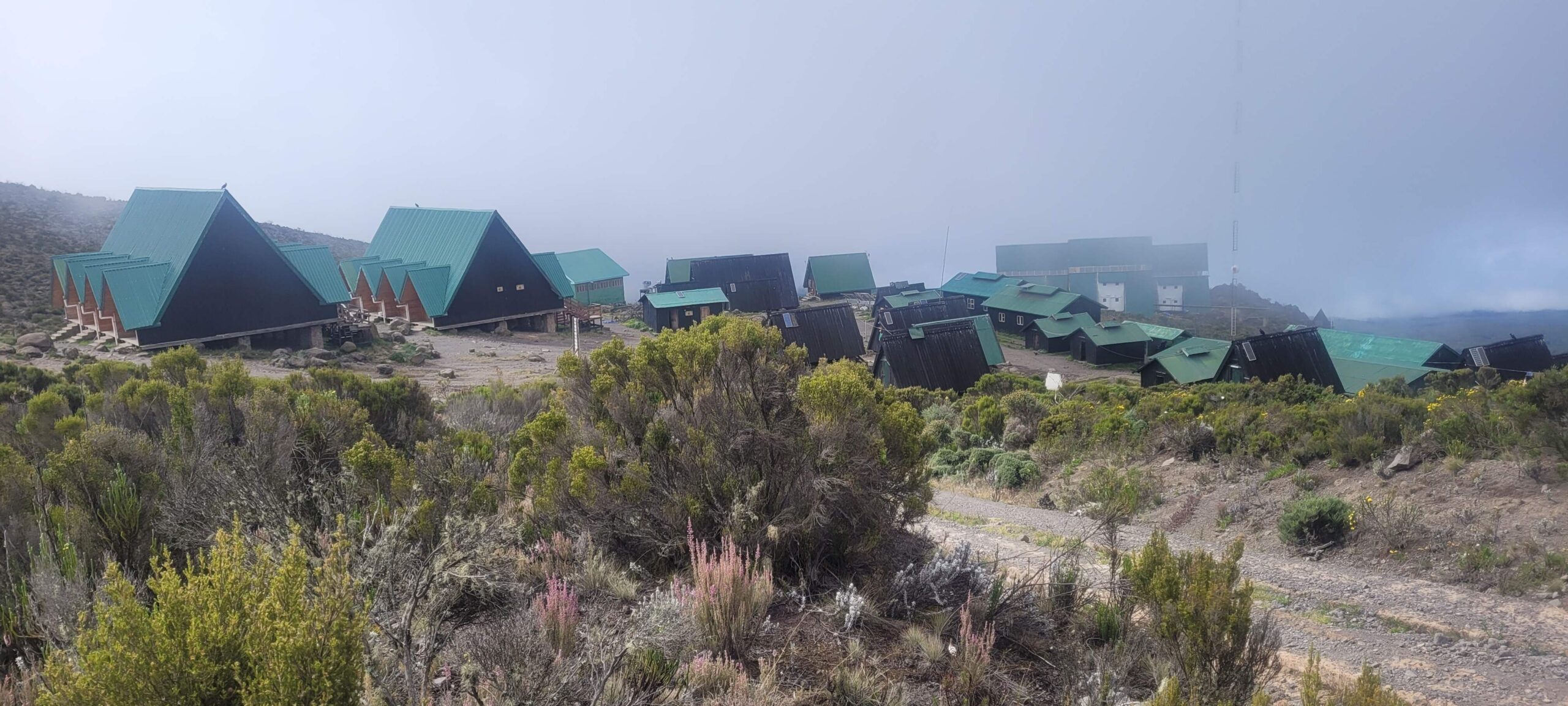
Horombo Hut is the key campsite for climbers on Mount Kilimanjaro’s Marangu Route. Located at 3,720 meters (12,205 feet) on a broad alpine plateau, it provides a vital stop for acclimatization and preparation before the summit attempt.
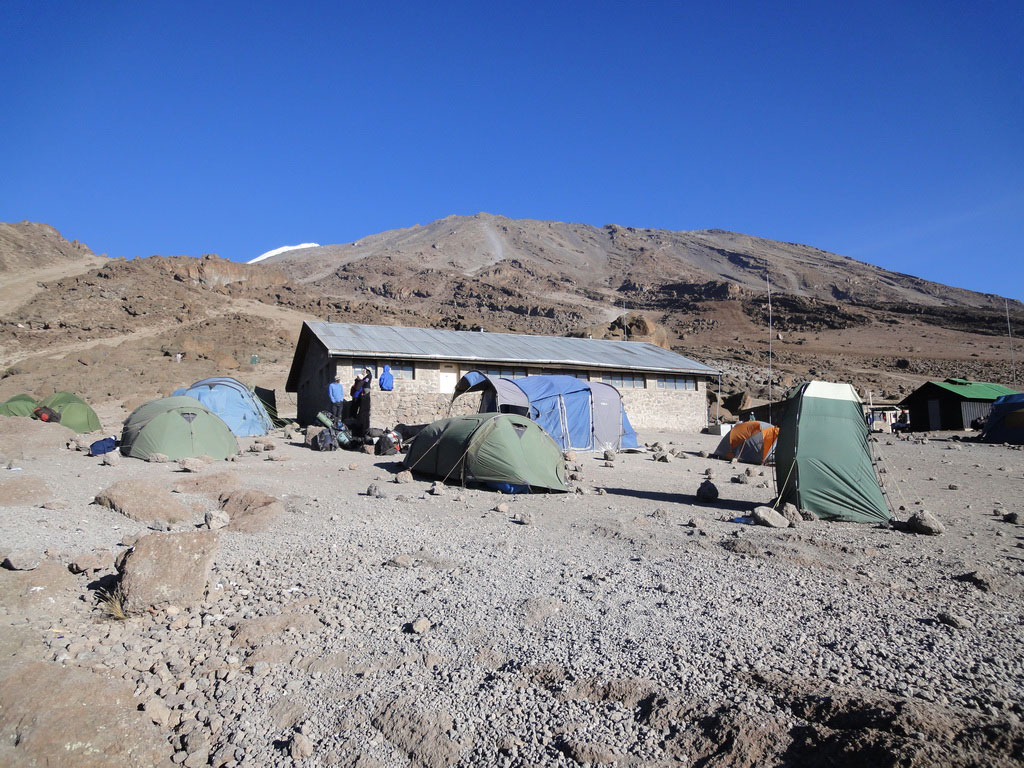
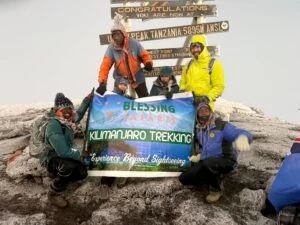
We offer six (6) days of Rongai route experience to Mount Kilimanjaro. Rongai route is one of the most beautiful routes for climbing Kilimanjaro. It is a less difficult route compared to the Machame route.