
Kikelelwa Camp
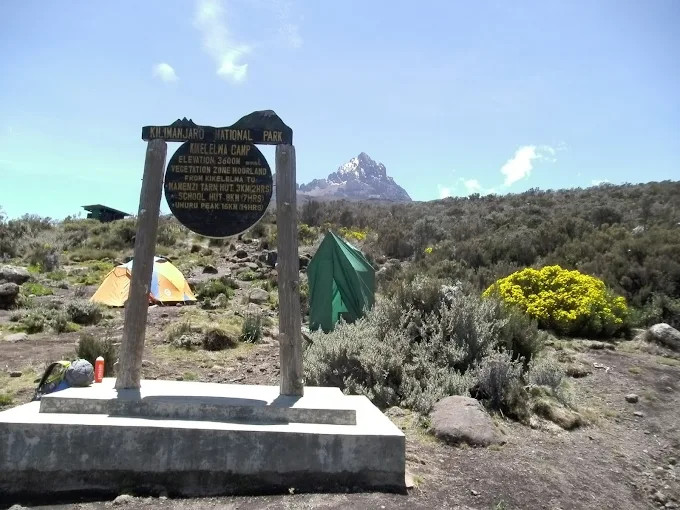
Kikelelwa Camp is the third major overnight stop on the Rongai Route, located at 3,660 meters (12,008 feet) in the alpine moorland zone beneath Mawenzi Peak. This remote campsite offers a unique view of Kilimanjaro’s eastern slopes and serves as an essential acclimatization point for climbers progressing to higher altitudes.
Located on Kilimanjaro’s remote north-eastern slopes, Kikelelwa Camp offers a rare sense of wilderness and solitude compared to the busier southern routes. Minimal climber traffic and proximity to Mawenzi Peak create a peaceful atmosphere and a striking natural backdrop for rest and preparation.
Trekkers usually reach Kikelelwa Camp from Second Cave Camp, gaining significant altitude, making it an important acclimatization stop before ascending to Mawenzi Tarn Camp and Uhuru Peak. The moorland setting, with alpine shrubs and giant lobelias, marks a clear transition from the rainforest zones below.
Location of Kikelelwa Camp
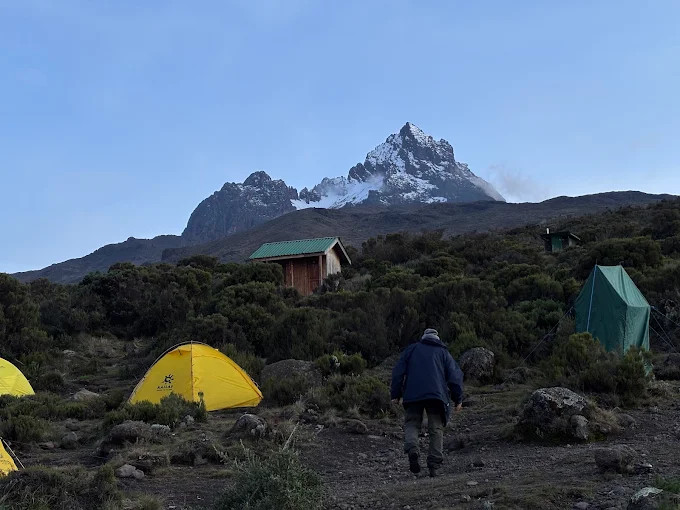
Kikelelwa Camp sits at 3,660 meters (12,008 feet) on Kilimanjaro’s remote northeastern slopes in the alpine moorland zone. Located beneath Mawenzi Peak, it provides a dramatic eastern skyline. As the third overnight stop on the Rongai Route, trekkers usually arrive from Second Cave Camp after a day’s hike through the moorland.
Located in one of Kilimanjaro’s driest and most remote regions, Kikelelwa Camp provides a quiet wilderness experience away from the crowded southern routes. The open terrain lacks windbreaks, exposing the campsite to the elements and helping climbers acclimatize to harsher conditions at higher altitudes.
Kikelelwa Camp Map
Facilities at Kikelelwa Camp
Kikelelwa Camp is a remote, high-altitude site without permanent lodge facilities. Expeditions must bring and set up their own four-season tents, equipment, food, and safety gear. There are no huts, restaurants, or permanent accommodation structures, and porters carry all supplies from the mountain’s base. Due to its remote location and limited services, climbers depend entirely on their own resources and support from their trekking team.
Sanitation at Kikelelwa is limited to basic dry pit latrines designed for high-altitude conditions. These shared facilities may become crowded during peak seasons. Climbers should bring their own toilet paper and hand sanitizer, as these are not supplied. Water sources are scarce, so climbers must use water carried by porters or collected from local streams, and all water must be treated before use.
While the facilities are basic, Kikelelwa Camp provides a functional and comfortable place to rest. The open moorland offers ample space for tents and a peaceful setting for recovery. Its remote location and limited amenities enhance the Rongai Route’s appeal, delivering a more authentic wilderness experience than more developed camps.
Environment, Climate, and Landscape at Kikelelwa Camp
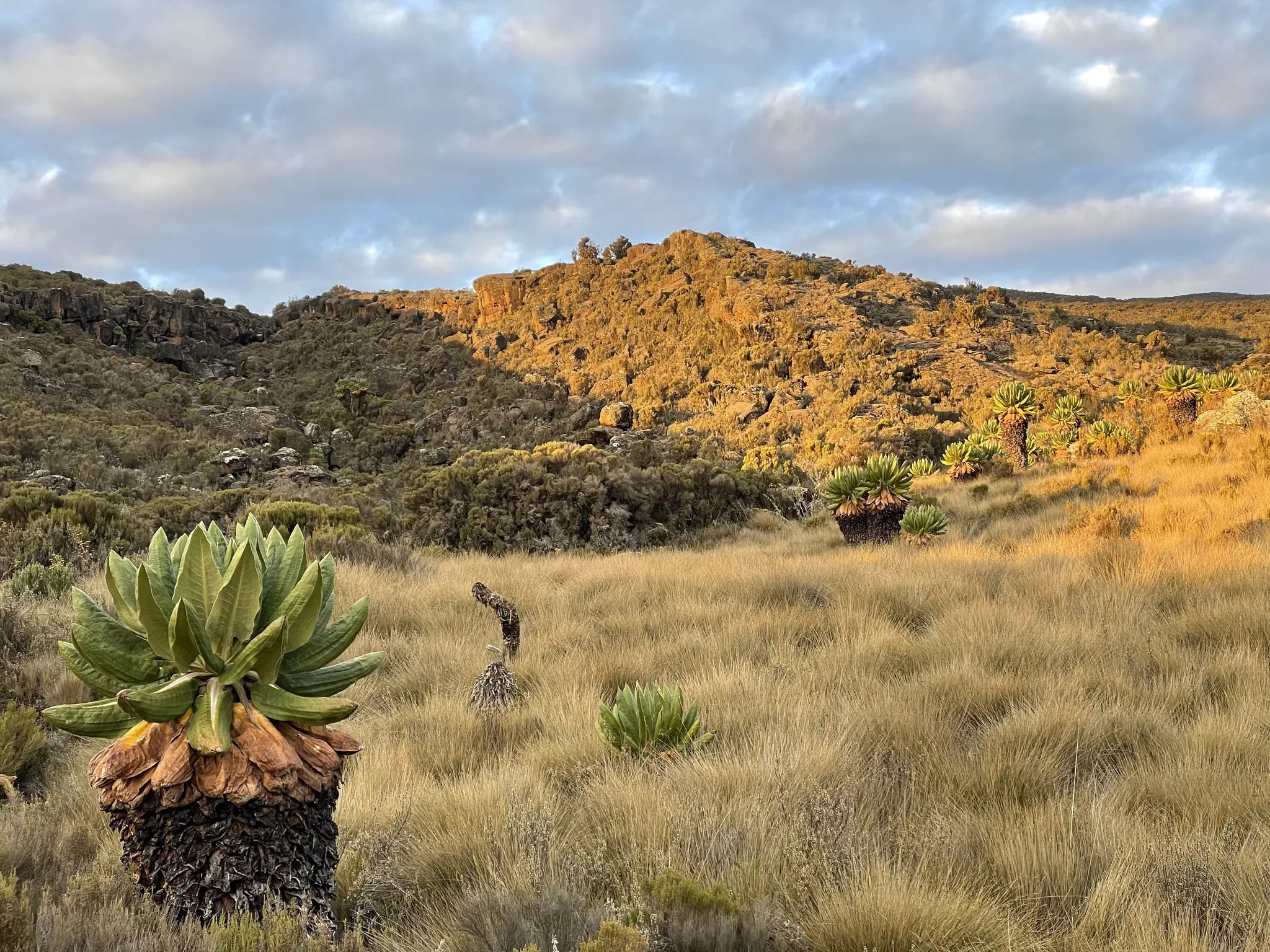
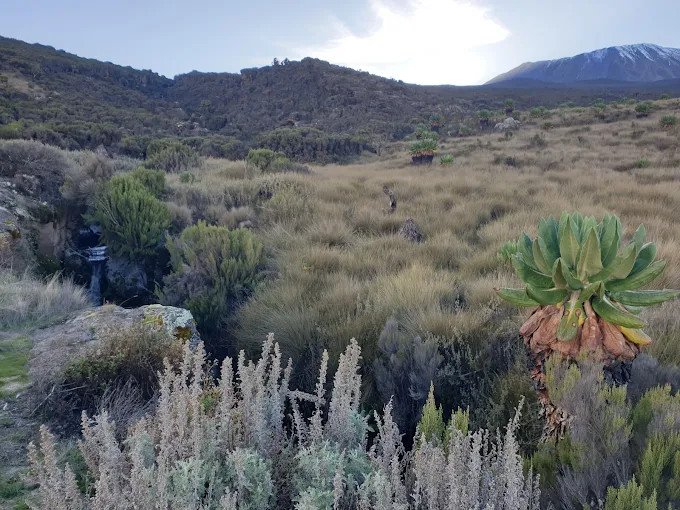
Kikelelwa Camp is located in Mount Kilimanjaro’s moorland zone, where the landscape shifts from dense rainforest to open alpine terrain. This area features distinctive alpine flora, such as mountain shrubs and the iconic giant lobelias, which are among the most photographed plants on the mountain. The vegetation is well adapted to the cold, wind, and limited water at this elevation.
The moorland zone offers expansive views of nearby mountains and valleys, with Mawenzi Peak prominent to the east and Kibo Peak visible to the west on clear days. The terrain is mostly open and rolling, with rocky outcrops and hardy vegetation adding visual interest. This environment provides excellent opportunities for photography and for observing Kilimanjaro’s diverse ecosystems.
Kikelelwa Camp experiences cold conditions, especially at night when temperatures often drop below freezing and strong alpine winds are common. With few natural windbreaks, the campsite is exposed, so climbers should bring suitable clothing and gear. Wildlife is limited, but hikers may encounter small rodents and native birds adapted to the moorland. The unique landscape, climate, and vegetation make Kikelelwa a notable stop on the Rongai Route.
The Rongai Route and Kikelelwa Camp
The Rongai Route is the only northern approach to Mount Kilimanjaro and provides a quieter alternative to the busier southern routes. Beginning near the Kenyan border, it climbs the dry, remote northern slopes, highlighting the mountain’s diverse ecosystems. Kikelelwa Camp is the third main overnight stop, after First Cave Camp and Second Cave Camp, and precedes Mawenzi Tarn Camp at a higher elevation.
Reaching Kikelelwa Camp is a key stage in acclimatization, as climbers ascend from approximately 3,450 meters at Second Cave Camp to 3,660 meters. This altitude gain and time at elevation help climbers adjust to thinner air before steeper ascents. Situated in the moorland zone, the camp also exposes climbers to colder and windier conditions, preparing them for the summit attempt.
Effective acclimatization at camps like Kikelelwa is essential for a successful Kilimanjaro ascent, and the Rongai Route’s gradual profile supports this process. Resting and adapting at each camp, including Kikelelwa, significantly increases the chances of reaching Uhuru Peak. The camp’s remote and peaceful setting provides an ideal environment for recovery and building the resilience needed to face the challenges ahead.
Conclusion
Climbing Mount Kilimanjaro via the Rongai Route is a memorable experience. Successful ascents rely on effective acclimatization at camps such as Kikelelwa, as well as expertise, strict safety standards, and consistent support. Selecting the right tour operator is essential for a safe and successful expedition.
With Blessing Safaris, you benefit from licensed guides, dedicated support staff, nutritious meals, and reliable camping equipment to ensure your safety and comfort. Our local expertise and high summit success rates provide a seamless trekking experience. Our team understands the challenges of the Rongai Route and offers comprehensive support throughout your climb, including at key acclimatization stops such as Kikelelwa Camp.
Contact us to discuss your Kilimanjaro climbing plans, explore the Rongai Route, and begin your adventure to the roof of Africa with confidence.
Frequently Asked Questions About Kikelelwa Camp
What Is Kikelelwa Camp?
Kikelelwa Camp is an overnight campsite on Mount Kilimanjaro’s Rongai Route, situated at 3,660 meters (12,008 feet) on the northeastern slopes below Mawenzi Peak. As the third major stop on the route, it plays a key role in acclimatization.
Where Is Kikelelwa Camp Located?
Kikelelwa Camp is located on the remote northeastern slopes of Mount Kilimanjaro in the moorland zone, below Mawenzi Peak. It is about halfway between Second Cave Camp and Mawenzi Tarn Camp on the Rongai Route.
What Is the Elevation of Kikelelwa Camp?
Kikelelwa Camp is at 3,660 meters (12,008 feet) above sea level in the alpine moorland zone, where climbers encounter cold temperatures and strong winds.
What Facilities Are Available at Kikelelwa Camp?
Kikelelwa Camp provides basic tent-only accommodation, with no permanent huts or lodges. Facilities are limited to dry pit latrines. Climbers must bring their own tents, food, equipment, and supplies. Water is scarce and must be transported by porters.
Which Route Uses Kikelelwa Camp?
Kikelelwa Camp serves only climbers on the Rongai Route, the sole approach to Mount Kilimanjaro from the north near the Kenyan border.
What Is the Weather Like at Kikelelwa Camp?
The camp experiences cold temperatures, with nights often dropping below freezing. The open moorland offers little shelter, exposing the site to strong alpine winds that intensify the cold.
What Vegetation Is Found at Kikelelwa Camp?
Kikelelwa Camp is located in the moorland zone, featuring alpine shrubs, mountain flora, and distinctive giant lobelias. This vegetation reflects the challenging conditions at this altitude.
Is Kikelelwa Camp Crowded?
Kikelelwa Camp is typically less crowded than camps on the southern routes because the Rongai Route is quieter. However, during peak seasons from June to October and December to March, the camp may experience increased traffic.
What Wildlife Can Be Seen at Kikelelwa Camp?
Wildlife is limited at this elevation. Hikers may see small rodents and native birds adapted to the moorland, while larger animals from Kilimanjaro’s lower slopes are rarely present here.
What is the next campsite after Kikelelwa Camp?
The next campsite after Kikelelwa Camp is Mawenzi Tarn Camp, at an elevation of approximately 4,315 meters (14,160 feet). The hike between camps takes 4 to 5 hours through the moorland zone.
What Is the Campsite Before Kikelelwa Camp?
The campsite before Kikelelwa Camp is Second Cave Camp, at an elevation of approximately 3,450 meters (11,300 feet). Trekkers usually hike from Second Cave Camp to Kikelelwa Camp in one day.
What Should I Bring to Kikelelwa Camp?
Essential items include a four-season tent, warm sleeping bag, thermal layers, waterproof clothing, headlamp, water bottles, water treatment supplies, and snacks. Due to limited facilities, climbers should be self-sufficient.
Why Is Kikelelwa Camp Important for Acclimatization?
Kikelelwa Camp offers an important altitude transition between Second Cave Camp and Mawenzi Tarn Camp, helping climbers gradually adapt to thinner air. Time at this elevation helps prevent altitude sickness and increases the likelihood of summit success.
What Is the Best Time to Stay at Kikelelwa Camp?
The best time to stay at Kikelelwa Camp is during the main climbing seasons: June to October and December to March. These periods offer stable weather, clear skies, and comfortable conditions.
Is Water Available at Kikelelwa Camp?
Water at Kikelelwa Camp is limited. Climbers must use water carried by porters or collected from local streams, and all water must be treated before use.
Kikelelwa Camp Kilimanjaro
You May Also Like
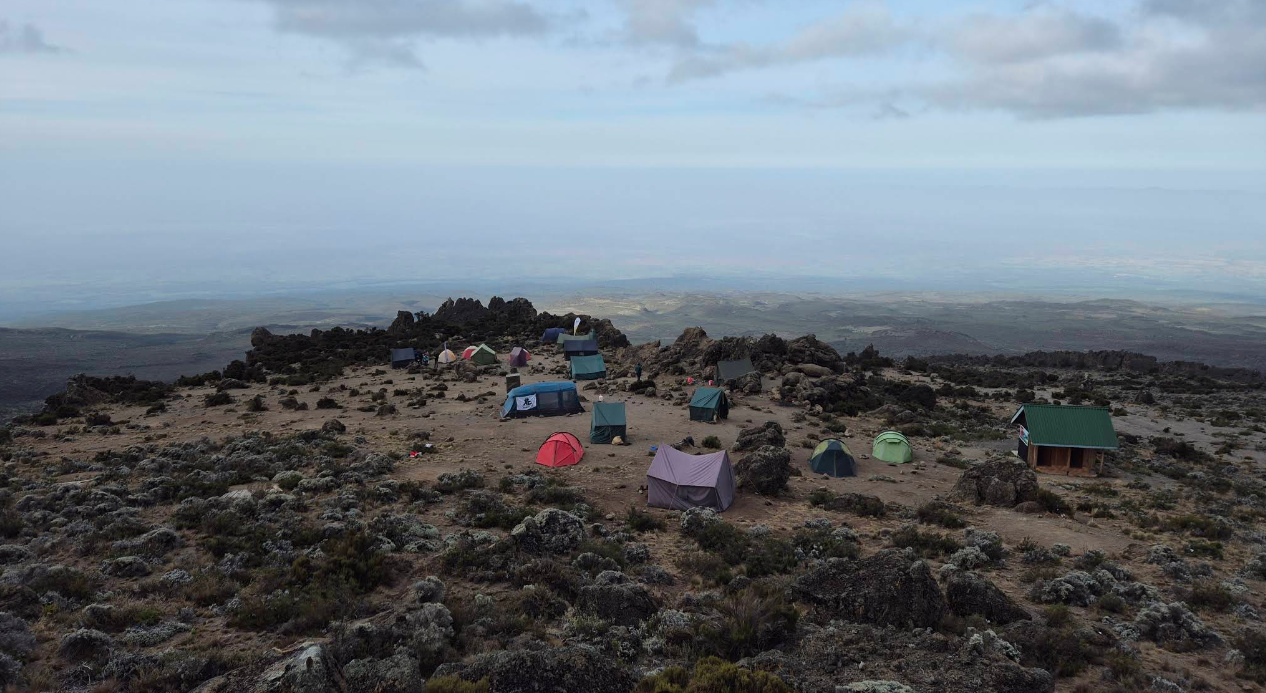
Buffalo Camp, also known as Pofu Camp, is a secluded overnight stop on Mount Kilimanjaro’s rarely traveled Northern Circuit Route. Situated at 3,995 meters on the lower base of the Kibo volcanic cone, it offers climbers a genuine wilderness experience away from the crowded southern routes
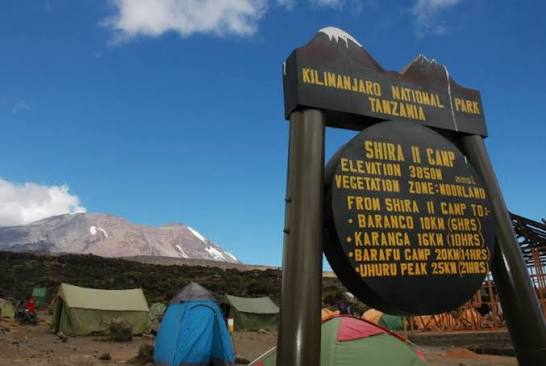
Shira Cave Camp holds a unique place in Kilimanjaro’s climbing history. Named after a nearby cave once used by early adventurers, it sits at 3,840 meters on the Shira Plateau and serves as the second overnight stop on the Machame Route.
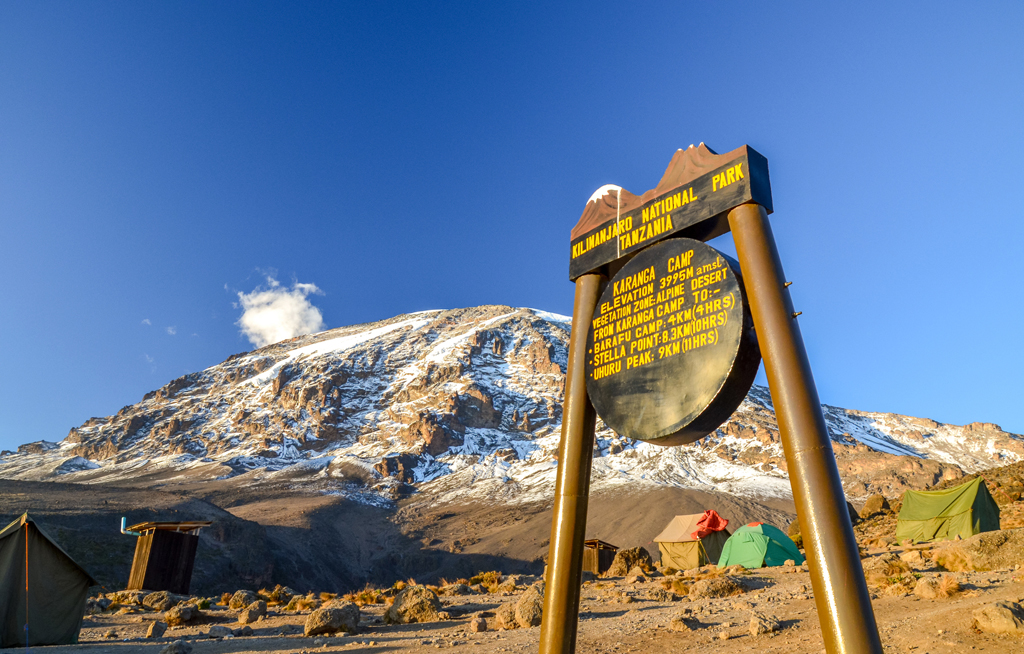
Karanga Camp, also called Karanga Hut Campsite, is strategically located on Kilimanjaro’s southern circuit and serves as a key acclimatization stop for climbers.