
Lamai Wedge Serengeti
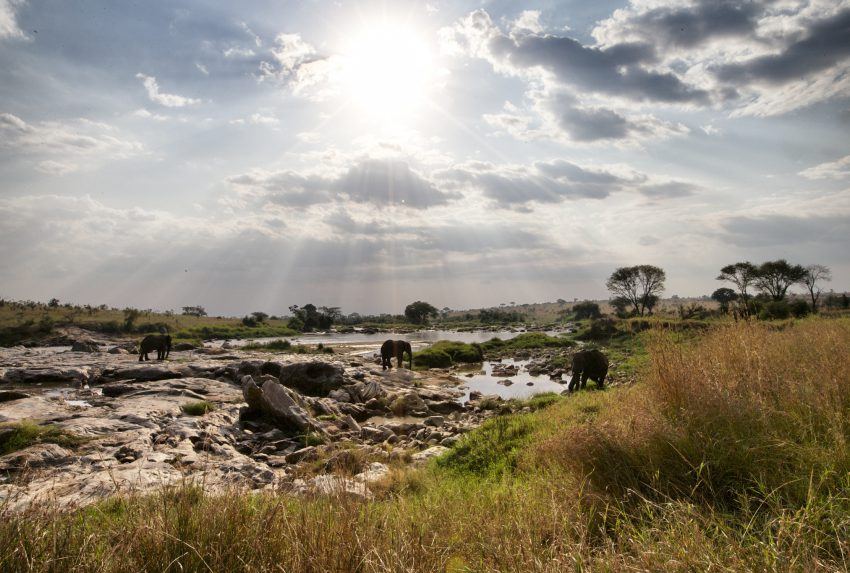
Why You’ve Never Heard of the Lamai Wedge Serengeti
Let’s be honest. You probably know the Serengeti quite well. Maybe you’ve seen those fascinating documentaries—wildebeest leaping into crocodile-filled waters, lions patiently waiting on the riverbanks, or dust clouds billowing up from the hooves of over two million animals. It’s truly a remarkable place that captures our imagination.
But here’s what those documentaries don’t show you: forty safari vehicles lined up bumper-to-bumper, tourists standing on seats, and guides shouting over radio chatter, all vying for the same view of the same river crossing.
Now imagine the opposite.
Imagine watching the exact same spectacle with only your vehicle in sight. No lines. No jostling for position. Just you, the herds, and the sound of hooves on water.
This is the Lamai Wedge Serengeti.
Tucked into the far northern corner of the Serengeti, this remote wilderness triangle offers the Great Migration’s greatest drama without the crowds. Very few travelers ever get here. Even fewer know it exists.
In 2026, be one of them.
What exactly is the Lamai Wedge Serengeti?
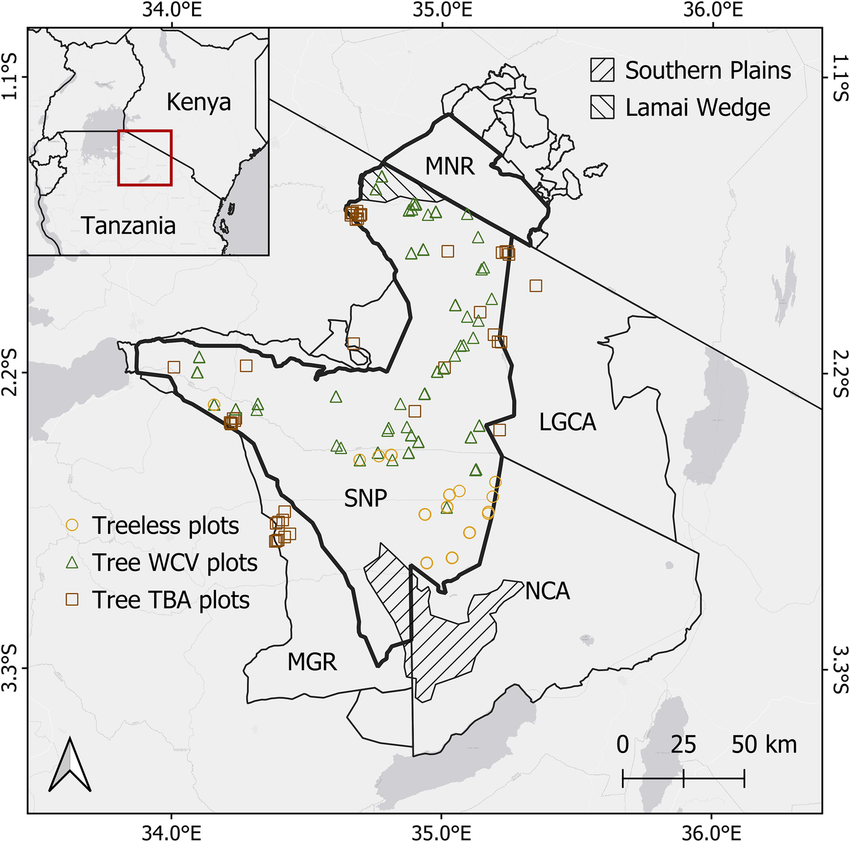
The Lamai Wedge is a triangular slice of pristine savanna in northern Serengeti. It’s bordered by the Mara River to the south and east, and by Kenya’s Maasai Mara to the north.
Think of it as a wildlife superhighway—but one that only a handful of vehicles are allowed to use.
Why do most visitors miss it?
Getting here requires crossing the Mara River on a small, seasonal bridge that many tour operators won’t attempt to cross. The road is rough. Permits are limited. And unlike Seronera or the central Serengeti, there are no crowds here because there simply aren’t enough beds.
Lamai Wedge Quick Facts
| Location | Northern Serengeti, bordering Kenya’s Maasai Mara |
|---|---|
| Best Time to Visit | July to October (Mara River crossings) |
| Crowd Level | Very low (permit-restricted) |
| Special Activities | Guided walking safaris (unique for Serengeti) |
| Resident Wildlife | Lions, elephants, giraffes, zebras, jackals, 400+ bird species |
| Access | 4×4 via seasonal bridge or charter flight to Lamai Airstrip |
Why the Lamai Wedge Serengeti is the Best Place to Watch River Crossings
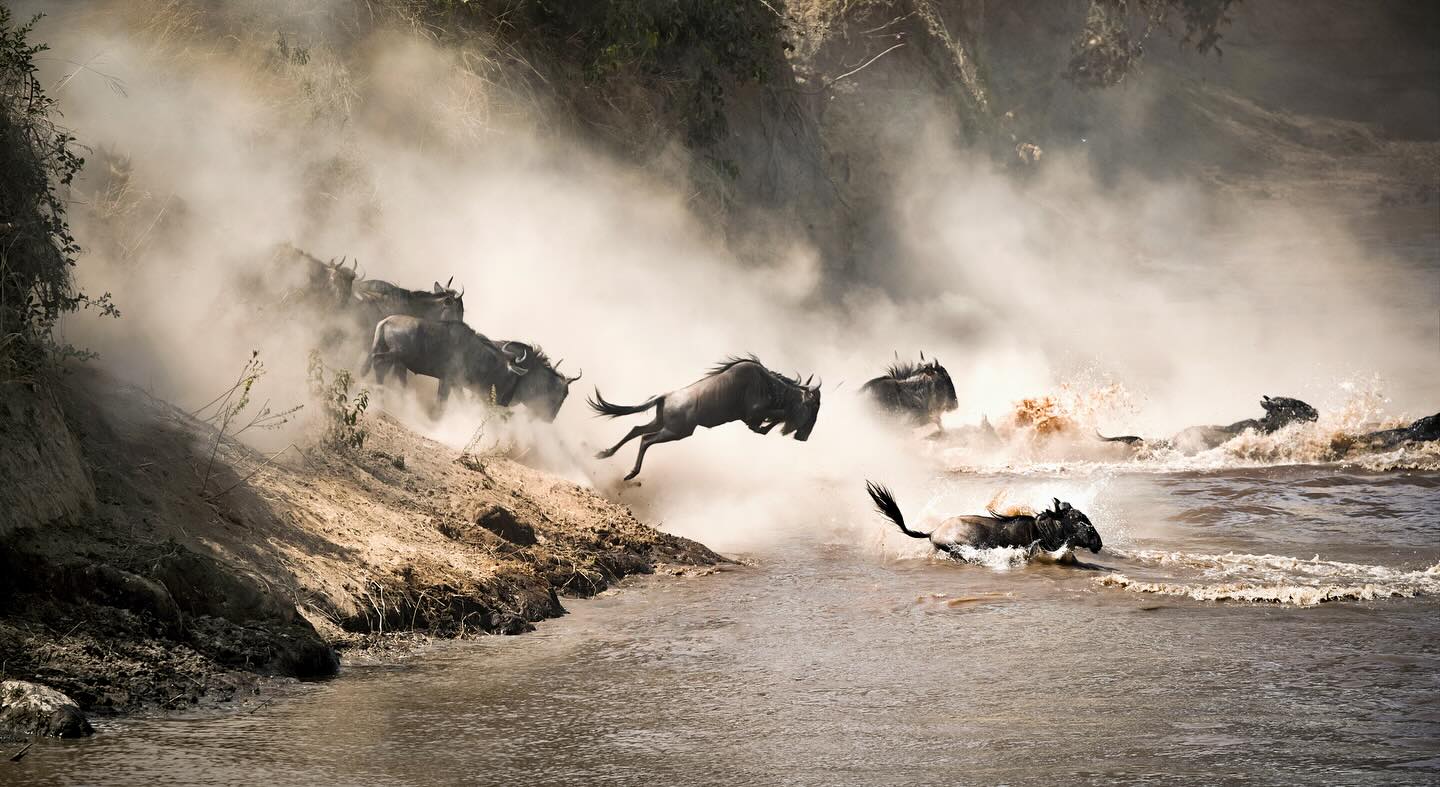
Everyone wants to see the Mara River crossings. It’s the most iconic moment of the Great Migration. Wildebeest gather by the thousands. Crocodiles wait motionless in the murky water. The tension is unbearable.
Then—hooves. Splash. Chaos.
Here’s the problem: during peak season, the popular crossing points along the Mara can look like a parking lot. Twenty, thirty, sometimes forty vehicles surround a single crossing. Guides jockey for position. Dust chokes the air. The wild doesn’t feel wild anymore.
The Lamai Wedge Serengeti offers something unique.
Because the wedge lies north of the Mara River, herds must cross from the Serengeti side into the wedge—or from the wedge into the Maasai Mara. This places you right in the middle of the action, without competing with dozens of vehicles for a glimpse.
What does a Lamai Wedge Serengeti crossing feel like?
You arrive early. Your guide has been tracking the herds for days, reading dust clouds and animal behavior. From the ridge, you watch thousands of wildebeest gather along the opposite bank. They hesitate. Scouts test the water. Crocodiles glide beneath the surface.
Then—a single wildebeest plunges in. Suddenly, the entire bank erupts.
Hooves hammer the water. Mothers call for their calves. Crocodiles strike. Dust rises like smoke. And around you? Maybe one or two other vehicles. Maybe none.
This is why people travel to Africa.
Wildlife in the Lamai Wedge Serengeti: More Than Just Migration
Here’s what many travelers don’t realize: the Lamai Wedge offers exceptional year-round wildlife viewing. This isn’t a place that empties out when the herds move south.
Resident wildlife You Can Expect to See:
Lions. The prides here are legendary—coalitions of six or more, hunting in coordinated formations passed down through generations. Unlike the central Serengeti, where lions are accustomed to vehicle traffic, Lamai’s prides behave naturally. You’ll see authentic hunting behavior, not cats sleeping under trees.
Elephants. Herds frequent the woodlands near the river, especially during the dry season. The contrast of gray giants against acacia-dotted plains is pure Africa.
Giraffes. Often photographed against golden grass and flat-topped acacias. Their calm, unhurried presence reminds you that this land belongs to them.
Zebras. Resident populations remain year-round, joined by migrating herds during peak season. Their stripes create mesmerizing patterns when they gather in large numbers.
Jackals. Both side-striped and black-backed species are common at dawn and at dusk.
Warthogs. Comical, resilient, and often seen with young during the dry season.
Birdlife. Over 400 species recorded, including carmine bee-eaters, lilac-breasted rollers, secretary birds, ostriches, and dozens of raptors.
What About the Big Five?
The Lamai Wedge Serengeti offers strong opportunities to see lions, leopards, elephants, and buffalo. Black rhinos are present in the Serengeti ecosystem but are extremely rare. Your best chance to see a rhino remains the Moru Kopjes in central Serengeti—we’ll take you there too.
What Makes the Lamai Wedge Serengeti Different? Walking Safaris.
Most of the Serengeti does not allow walking safaris. The risks are too high, and the park rightly prioritizes visitor safety.
The Lamai Wedge Serengeti is the exception.
Because it falls within a special concession area, guided walking safaris are permitted here. This is a genuine privilege and one of the few ways to experience the African bush on foot.
What happens on a walking safari?
You’ll leave the vehicle behind. Accompanied by an armed ranger and your Blessing Safaris guide, you’ll walk single file through the bush. Your pace slows, and your senses sharpen.
You’ll learn to identify tracks—hyena, zebra, and lion. You’ll examine dung and learn what it reveals about the animal that left it. You’ll smell wild sage crushed underfoot and hear a dik-dik’s alarm call long before you see it.
This is where the Serengeti stops being a postcard and becomes real.
No vehicle can take you here. Only your own two feet.
Best Time to Visit the Lamai Wedge Serengeti: 2026 Planning Guide
Peak Migration Season: July to October
This is when the herds congregate in the northern Serengeti, preparing to cross the Mara River. Crossings are dramatic. Crocodiles are active, and predator activity is intense.
August and September typically see the most consistent crossing activity. Book these months at least one year in advance.
Shoulder Season: June and November
In June, you’ll see the tail end of the Grumeti River crossings in the western corridor, followed by the herds’ gradual push north. You’ll catch the beginning of the northern migration without peak-season crowds.
November brings the short rains and the start of the southward migration. Landscapes are green, birdlife is returning, and visitor numbers are dropping sharply.
Green Season: December to March
While the herds are in the southern Serengeti for calving season, the Lamai Wedge remains quiet and beautiful. Resident wildlife is abundant. Birdlife is spectacular. You’ll often have the entire concession to yourself.
When should YOU visit Lamai Wedge Serengeti?
| If you want… | Visit… |
|---|---|
| Mara River crossings | July–October |
| Fewest crowds | November or March |
| Walking safaris | June–October (dry season) |
| Birdwatching | December–April |
| Photography | August–September (dramatic light) |
| Family safari | July–August (school holidays) |
How to Get to the Lamai Wedge Serengeti
The Lamai Wedge is not a drive-from-the-lodge destination. It requires commitment—and that’s precisely why it stays uncrowded.
By Road:
From the central Serengeti, the drive takes approximately 4–5 hours. You’ll travel through the northern corridor, cross the Mara River via a small seasonal bridge, and then ascend onto the Lamai ridge.
The bridge is small, and the road is rough. Your vehicle must be properly equipped. This is not a journey for independent travelers.
By Air:
Charter flights are available to Lamai Airstrip, located within the wedge. Flight time from Seronera or Kogatende is approximately 20–30 minutes.
Blessing Safaris can arrange private charters or shared flights, depending on availability and group size.
Our Recommendation:
For the full Lamai experience, we recommend a combined approach. Fly into Lamai Airstrip to maximize your time in the wedge, then depart by road through the northern and central Serengeti. This gives you both the remote wedge experience and a broader ecosystem perspective.
Where to Stay in the Lamai Wedge Serengeti
Accommodation within the Lamai Wedge is limited by design. This is intentional—the permit system is intended to protect the area’s wilderness character.
Blessing Safaris Recommended Camps:
| Camp Name | Type | Best For |
|---|---|---|
| Lamai Serengeti | Permanent luxury | Couples, photographers, walking safaris |
| Sayari Camp | Permanent luxury | Migration views, families, and sundowner locations |
| Nomad Lamai | Tented camp | Intimate safari experience, guided walks |
| Mobile Camps | Seasonal, tented | Following the herds, an immersive experience |
Why mobile camps?
During peak migration, mobile tented camps move with the herds. You’ll wake to the sound of wildebeest and fall asleep beneath a starry sky. Your camp might relocate every few days, keeping you at the heart of the action.
This is the most immersive way to experience the Lamai Wedge. It’s not for everyone, but for those who choose it, it’s unforgettable.
Why Book the Lamai Wedge with Blessing Safaris?
The Lamai Wedge isn’t for everyone. It’s for travelers who value solitude over spectacle, depth over distance, and genuine wilderness over checklists.
Here’s what we offer that others don’t:
1. Local Knowledge That Can’t Be Learned Online
Our guides grew up in the shadow of the Serengeti. They don’t learn animal behavior from textbooks—they learn it from elders who walked these plains before vehicles existed. They know which acacia grove the leopard frequents, which bend in the river attracts crocodiles, and which ridge offers the season’s best sunset.
2. No Radio Traffic. No Crowds. No Rush.
We don’t follow the crowd. Our guides read the land, interpret animal movements, and trust their instincts. You’ll never hear a two-way radio in our vehicles. You’ll never compete with twenty other jeeps for a lion sighting. You’ll never feel rushed.
3. Ethical Wildlife Viewing Is Non-Negotiable
We maintain distance. We never chase, surround, or block an animal’s path to water. Our reputation depends on wildlife welfare, and we take that seriously—even when it means a guest doesn’t get the close-up shot they wanted.
4. Your Safari, Your Way
Not everyone wants the same safari. Whether you’re a photographer chasing the perfect crossing shot, a family traveling with children, a couple celebrating a milestone, or a solo traveler seeking solitude, we build your itinerary around you.
Plan Your Complete Tanzania Safari: Combine the Lamai Wedge with These Experiences
A complete Tanzanian safari isn’t just one destination. It’s a journey through interconnected ecosystems, each offering something unique. Here’s how the Lamai Wedge fits into a broader itinerary.
Option 1: The Full Migration Circuit (12–14 Days)
Lamai Wedge + Grumeti River + Southern Serengeti
Experience the full Great Migration cycle. Begin in the south during calving season (January–March), when thousands of wildebeest calves are born. Then head west to the Grumeti River for the June crossings and giant crocodiles. Finish north in the Lamai Wedge for the iconic Mara River drama.
Best for: First-time visitors seeking the complete migration story. Photographers seeking diverse landscapes and light conditions.
Option 2: The Ultimate Northern Safari (10 Days)
Lamai Wedge + Maasai Mara, Kenya
Why choose between Tanzania and Kenya? Cross the border to experience both sides of the Mara-Serengeti ecosystem. The Lamai Wedge Serengeti offers solitude and intimacy. Kenya’s Maasai Mara offers the sheer scale of the herds on open plains—and the famous Marsh Pride lions.
Best for: Experienced safari-goers, border-crossing adventures, and photographers seeking perspectives from both Tanzania and Kenya.
Option 3: Safari & Beach Escape (12 Days)
Lamai Wedge + Ngorongoro Crater + Zanzibar
Witness the migration in the north. Descend into the Ngorongoro Crater—the world’s largest intact volcanic caldera—to spot rhinos, elephants, and flamingos. Then decompress on Zanzibar’s white sands.
Best for: Honeymoons, milestone celebrations, and travelers who want both adventure and relaxation.
Option 4: Walking Safari Specialists (9 Days)
Lamai Wedge + Katavi National Park
The Lamai Wedge offers the Serengeti’s only walking safaris. For the ultimate walking experience, combine it with a visit to Katavi. Remote, raw, and virtually unknown, Katavi National Park is Tanzania’s best-kept secret for travelers who want to earn their wildlife sightings on foot. You’ll walk for hours. You’ll see almost no one else. You’ll return changed.
Best for: Adventurers, repeat visitors to Tanzania, walking safari enthusiasts.
Option 5: The Private Charter Experience (8 Days)
Lamai Wedge Serengeti + Ngorongoro Conservation Area
Fly between destinations to maximize your time on safari. Land at Lamai Airstrip and spend four nights in the wedge. Then fly south to the Ngorongoro Highlands for crater tours, Maasai cultural experiences, and breathtaking views from the crater rim.
Best for: Luxury travellers, limited timeframes, special occasions.
Frequently Asked Questions About the Lamai Wedge
1. Is the Lamai Wedge actually inside Serengeti National Park?
Yes, the Lamai Wedge lies entirely within Serengeti National Park. However, it operates as a special concession area, allowing only a limited number of vehicles and tour operators to conduct activities here. This is why it remains uncrowded, while other areas of the northern Serengeti can feel congested during peak season.
2. What is the best time to see Mara River crossings in the Lamai Wedge?
The peak period for Mara River crossings in the Lamai Wedge is July through October. August and September consistently see the most crossing activity. That said, the migration is wild and unpredictable. No one can guarantee a crossing on a specific day. What we guarantee is our best effort, informed by decades of local knowledge and real-time tracking.
3. Can you see the Big Five in the Lamai Wedge?
You have excellent opportunities for lions, leopards, elephants, and buffalo in the Lamai Wedge. Black rhinos are present in the Serengeti ecosystem but are extremely rare in the northern sector. Your best chance for rhino sightings is the Moru Kopjes area in central Serengeti, which we can easily include in your itinerary.
4. Is the Lamai Wedge suitable for children?
Yes, with age-appropriate planning. Children ages 8 and older tend to enjoy the walking safaris and dramatic river crossings. Many of our recommended camps offer family-friendly accommodations, dedicated guides, and activities designed for younger travelers. Please discuss your family’s specific needs with our team when booking.
5. How does the Lamai Wedge compare to the Maasai Mara?
The Lamai Wedge and Kenya’s Maasai Mara are part of the same ecosystem, divided only by an invisible international border. Wildlife moves freely between them. The key difference is vehicle density. The Lamai Wedge is strictly regulated, with very few vehicles allowed. The Maasai Mara, while offering spectacular wildlife viewing, receives significantly more visitors. Many of our guests choose to experience both.
6. Do I need a special visa or permit to visit the Lamai Wedge Serengeti?
No. The Lamai Wedge is entirely within Tanzanian territory. A standard Tanzanian tourist visa is sufficient. If your itinerary includes crossing into Kenya’s Maasai Mara, you will need a Kenyan visa or an East Africa Tourist Visa (which covers both countries). Blessing Safaris will provide clear visa guidance for your specific itinerary.
7. What should I pack for a Lamai Wedge Safari?
Essentials include: neutral-colored clothing (no bright colors or camouflage), a warm jacket for chilly morning game drives, sturdy closed-toe walking shoes for guided safaris, binoculars, camera equipment with a zoom lens (200mm minimum, 400mm+ recommended for wildlife photography), sunscreen, insect repellent, a wide-brimmed hat, and any personal medications. Your Blessing Safaris consultant will provide a detailed packing list upon booking.
8. Why is the Lamai Wedge so uncrowded while the rest of the Serengeti feels busy?
The Lamai Wedge is uncrowded by design. The Tanzania National Parks Authority (TANAPA) strictly limits the number of permanent beds and safari vehicles allowed in this area. Additionally, the seasonal nature of the Mara River crossing point means access isn’t always straightforward. Many operators simply don’t make the effort. For Blessing Safaris, that effort is exactly why we’re here.
9. Can you visit the Lamai Wedge Serengeti year-round?
Yes, but access varies by season. During the dry season (June–October), the seasonal bridge over the Mara River is open, and road access is straightforward. During the wet season, the bridge may close, and access is primarily by charter flight to Lamai Airstrip. We recommend visiting during the dry season if you’re a first-time visitor planning to cross the river.
10. How far in advance should I book a Lamai Wedge safari?
For peak season (July–October), we recommend booking at least 12 months in advance. Accommodation within the wedge is extremely limited, and our most popular camps sell out early. For green season visits, 6–9 months’ advance booking is typically sufficient. The earlier you book, the more choice you’ll have in camps, guides, and itinerary options.
Final Thoughts: Is the Lamai Wedge Serengeti Right for You?
The Lamai Wedge isn’t for everyone—and that’s precisely the point.
If your ideal safari means checking boxes, following the crowd, and photographing the same lion from the same angle as forty other tourists, the central Serengeti will suit you perfectly. There’s no shame in that. It’s popular for good reason.
But if you’ve done that already.
If you’re searching for something deeper.
If you believe the wild should feel wild.
The Lamai Wedge Serengeti is waiting.
Here, the migration isn’t a spectacle you watch from afar. It’s a force you feel in your chest—the ground trembling beneath two million hooves, the air thick with dust and purpose, the ancient rhythm of animals that have made this journey for millennia.
No queues. No selfie sticks. No radio chatter.
Just lions, herds, and the endless sky.
The herds are coming. The crowds are not.
Will you join us?
Ready to experience the Lamai Wedge Serengeti in 2026?
Contact Blessing Safaris today to start planning your custom Tanzania safari itinerary. Our team will work with you to create the perfect Lamai Wedge experience—whether it’s your first safari or your tenth.
Related Articles You Might Find Helpful:
Lamai Wedge Serengeti Packages
From $6,830
14 Days, 13 Nights
14 Days Tanzania Guide Safari
Tarangire ,Serengeti , Ngorongoro Crater, Zanzibar
From $6,760
10 Days, 9 Nights
10 Days Tanzania Luxury Sky Safari
Tarangire, Lake Manyara and Serengeti National Park
From $3,160
8 Days, 7 Nights
8 Days Wildebeest Migration Serengeti (River- Crossing)
Tarangire, Serengeti, Ngorongoro Conservation Area, Lake Manyara