Great Wildebeest Migration: Your Complete Safari Planning Guide
Witness one of Earth’s most incredible natural spectacles: The Great Wildebeest Migration. This annual journey sees over 1.5 million wildebeest, zebra, and antelope travel from the Serengeti National Park in Tanzania to the Maasai Mara in Kenya in a relentless search for water and fresh grass. It is a dramatic cycle of life, death, and rebirth that defines the African safari.
What Is the Great Migration?
The Great Migration is a continuous, year-round movement of vast herds across the Serengeti-Mara ecosystem. It is not a single event but a perpetual journey driven by rainfall and grazing. The most iconic and dramatic phase is the Mara River crossing, where herds brave crocodile-infested waters, creating scenes of raw survival and natural drama.
Why Do the Wildebeest Migrate?
The migration is a powerful survival instinct. Herds move to follow the rains, seeking nutrient-rich grasses to sustain their massive numbers. This ongoing journey sustains the ecosystem, supporting a wide array of predators such as lions, leopards, cheetahs, and hyenas, and providing exceptional wildlife viewing opportunities.
When and Where to See the Migration
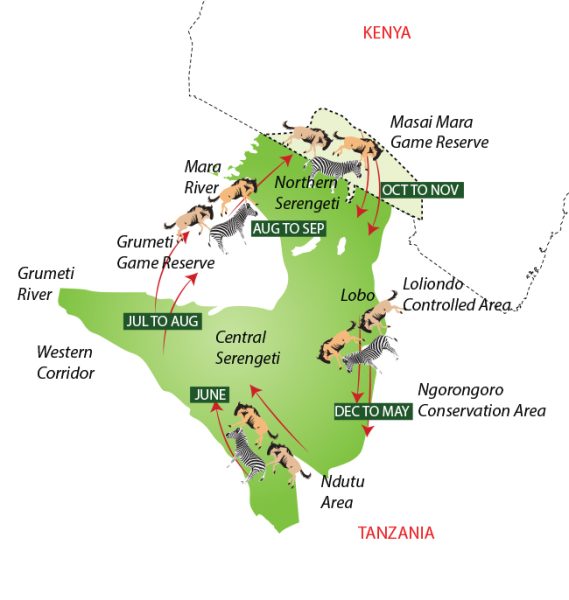
While the movement is fluid, this general calendar helps plan your visit:
-
December – March (Southern Serengeti & Ngorongoro Area): The calving season occurs on the short-grass plains. Vast herds gather, and predator action is intense. This is a fantastic time for safari photography.
-
April – May (Central & Western Serengeti): As the rains begin, herds move northwest through the Seronera and Grumeti regions. This is the green season, with lush landscapes and fewer visitors.
-
June – July (Western Corridor & Northern Serengeti): Herds congregate in the Grumeti area and begin moving north toward the Mara River.
-
August – October (Northern Serengeti & Maasai Mara): The dramatic river crossings peak in the Kogatende and Lamai regions. Herds spread across the Masai Mara in Kenya. This is the most popular migration safari period.
-
November (Return South): With the short rains, herds begin their journey back to the southern Serengeti, completing the circle of life.
How to Experience the Great Migration
To maximize your chance of witnessing this wonder, strategic planning is key:
-
Stay at Mobile Camps or Strategic Lodges: We recommend camps such as Lamai Serengeti in the north or mobile camps in the Ndutu area in the south, which follow the herds.
-
Book Early: Prime locations during peak crossing seasons sell out far in advance.
-
Work with a Specialist: Our experts at Blessing Safaris track herd movements daily and will position you in the best possible location during your travel dates.
Plan Your Migration Safari with Experts
The migration is unpredictable, but with expert guidance, you can be in the right place at the right time. Blessing Safaris creates tailor-made Serengeti migration tours and Maasai Mara safari packages that align with the herds’ movements.
Contact us today to start planning your journey to witness the Great Wildebeest Migration. Let us craft your perfect itinerary, combining this spectacle with visits to the Ngorongoro Crater or a relaxing beach extension in Zanzibar.
Wildebeest Migration Video
Great Migration Safari Packages
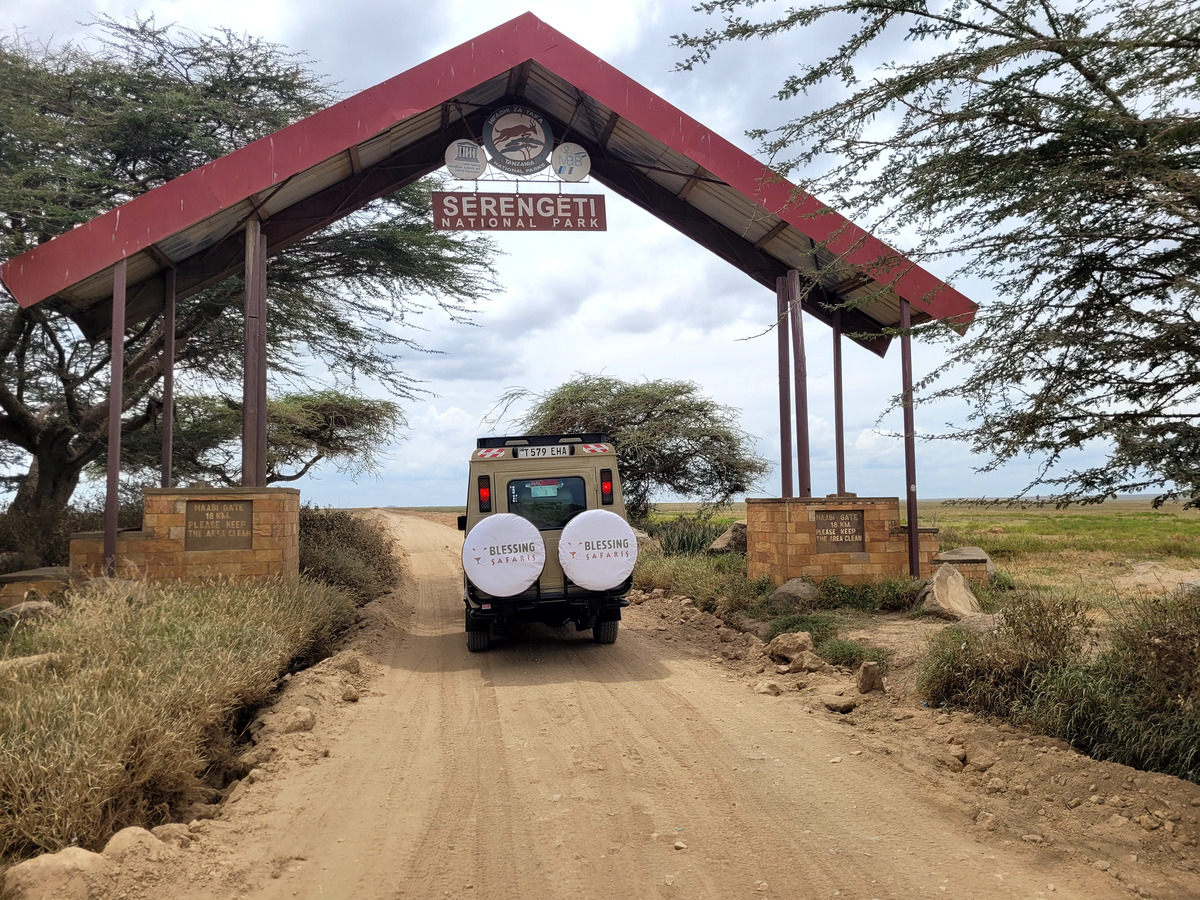
From $6,830
14 Days, 13 Nights
14 Days Tanzania Guide Safari
Tarangire ,Serengeti , Ngorongoro Crater, Zanzibar
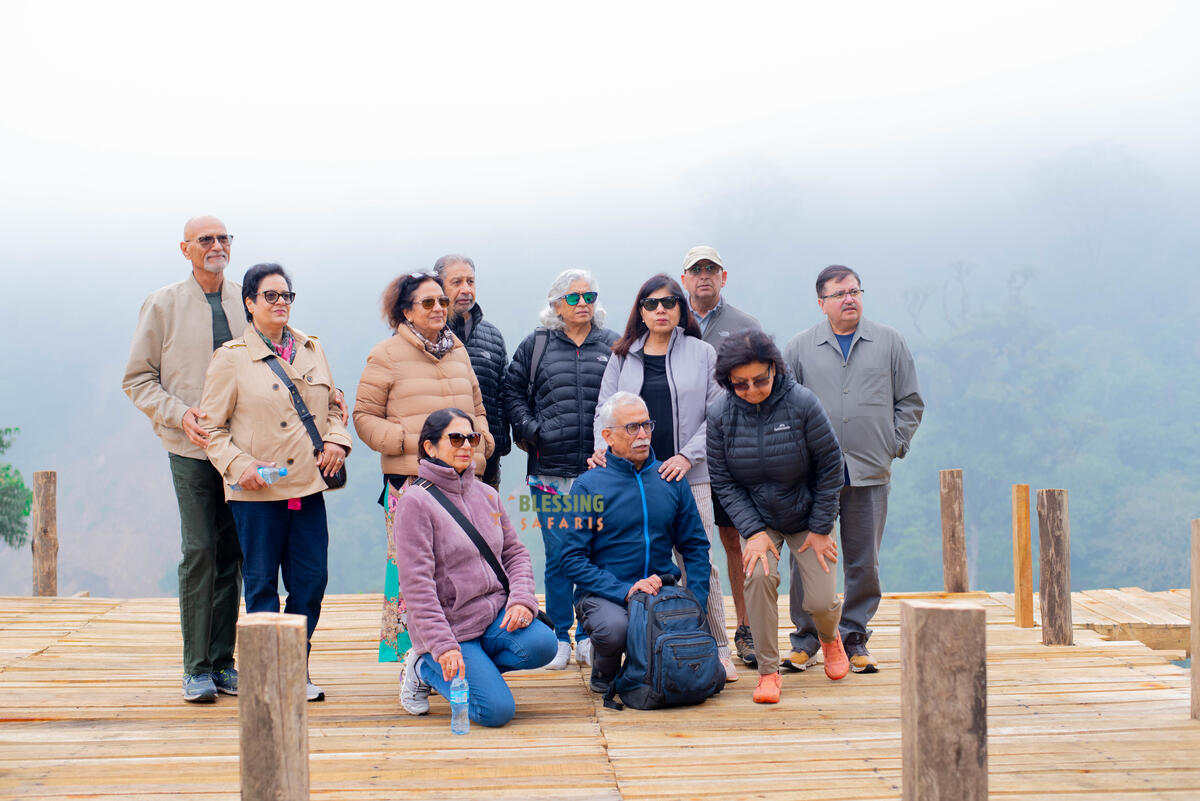
From $6,760
10 Days, 9 Nights
10 Days Tanzania Luxury Sky Safari
Tarangire, Lake Manyara and Serengeti National Park
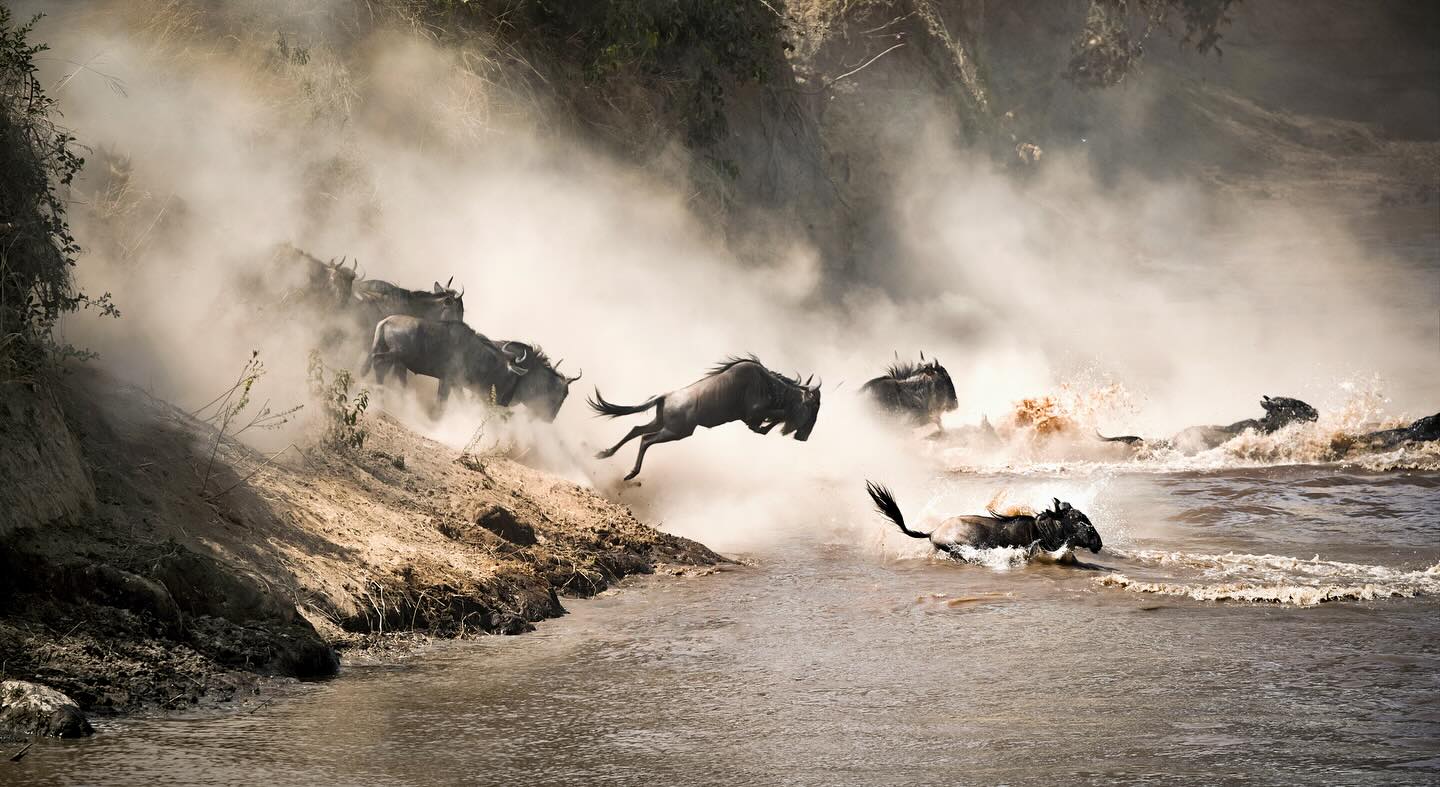
From $3,160
8 Days, 7 Nights
8 Days Wildebeest Migration Serengeti (River- Crossing)
Tarangire, Serengeti, Ngorongoro Conservation Area, Lake Manyara