Table of Contents
- The Lions of Serengeti
- Do you know?
- What are the characteristics of Serengeti Lions?
- What is the main diet of the Lions of Serengeti?
- What is the main threat to Serengeti Lions?
- What is the population of Serengeti Lions?
- Do you know?
- Other characteristics of Serengeti Lions
- What kind of diseases affect the Serengeti Lions?
- When is the best time to see lions in the Serengeti?
- What are the best practices for lion photography in Serengeti?
- What are the don’ts for lion photography in Serengeti?
- Conclusion
- Are you ready to start planning?
- Other Articles
The Serengeti ecosystem is one of the most magnificent and diverse wildlife habitats. This park is well known for its incredible biodiversity and vast open plains.
“And at the top of the food chain, the rulers over this savannah kingdom are the Lions of Serengeti.”
Do you know?
The Serengeti lions are not only a symbol of African wildlife. They are integral to the Serengeti ecosystem. Lions play a crucial role in maintaining ecological balance.
Lions are one of the most iconic and beloved animals in Africa. The Serengeti is home to one of the largest populations of these predators globally.
These big cats are integral to the Serengeti ecosystem. They play a vital role in regulating the population of other species. And maintaining the delicate balance of the food chain
What are the characteristics of Serengeti Lions?
The Serengeti lions are a subspecies of African lions. They have distinctive characteristics that set them apart from other lion populations.
Serengeti lions are larger and have darker manes than other lion subspecies.
They are also known for their exceptional hunting skills. Some of the most successful prides in Africa are in the Serengeti.
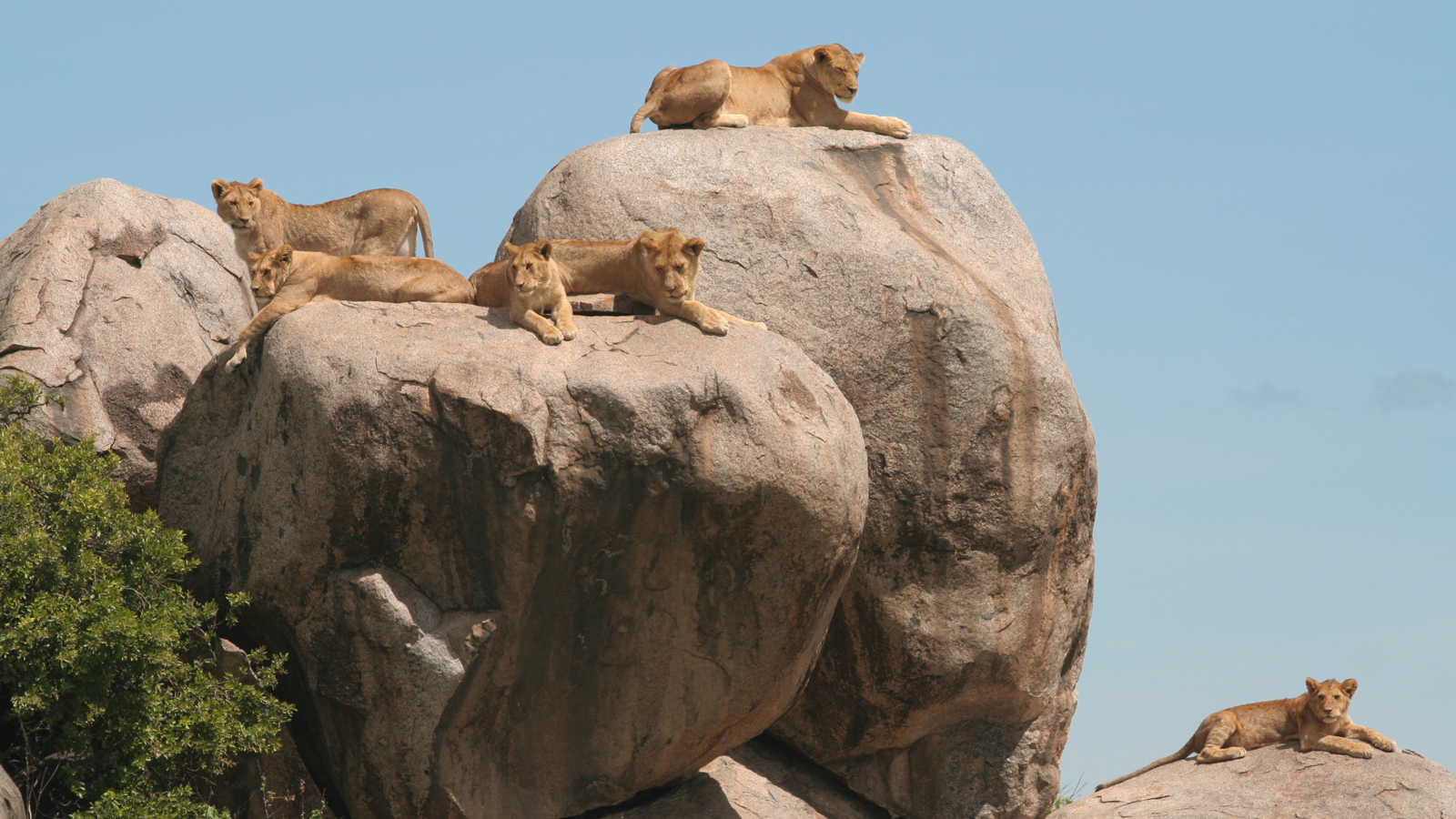
Lions in the Serengeti are social animals, living in groups called prides. These groups consist of several females and their cubs, as well as a dominant male.
Pride can range in size from as few as three members to as many as thirty. Pride abides by a strict social hierarchy, with the dominant male at the top of the pecking order.
While male lions are known for their impressive manes and brute strength, it is the females that do the majority of the hunting in the pride.
Female lions are the best hunters, using their speed, agility, and teamwork to take down prey. That can be many times their size.
Hunting can be any time, either during the day or at night. Always, the pride works together to stalk and ambush their prey.
What is the main diet of the Lions of Serengeti?
The Serengeti lions’ diet consists of large herbivores. This includes wildebeest, zebra, and buffalo. Sometimes hunt smaller animals such as gazelles and even birds.
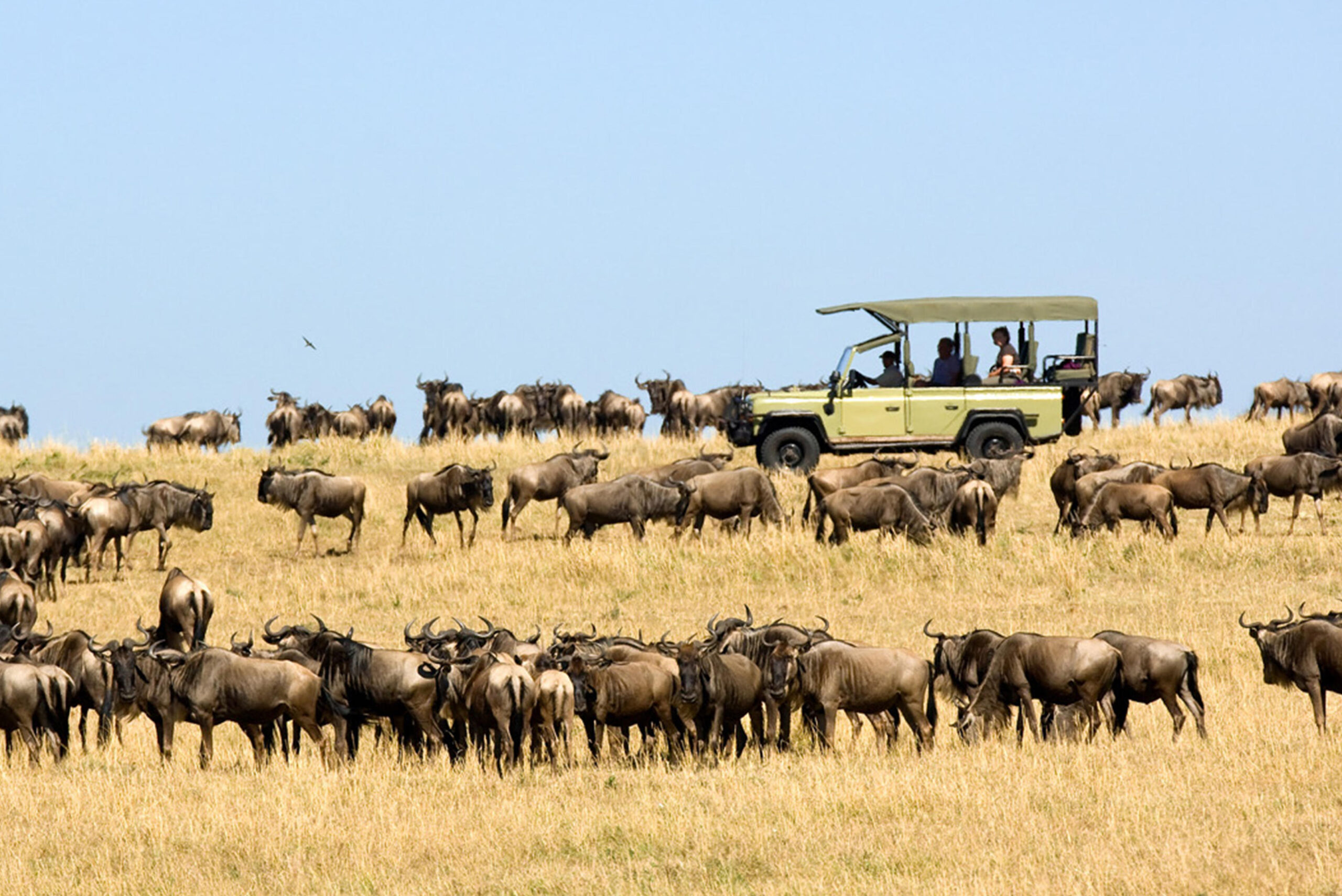
The annual migration of wildebeest dictates the lions’ hunting patterns. During this time, millions of herbivores migrate in search of fresh grazing and water.
What is the main threat to Serengeti Lions?
Unfortunately, the Serengeti lions are like many other lion populations in Africa. They are facing significant threats to their survival.
Habitat loss, human encroachment, and poaching are taking a toll on lion populations. The estimates suggest that their numbers have declined by up to 50% in the last three decades.
Active projects are in progress to protect the lions of the Serengeti. These projects are suitable for lions.
Organizations such as the Serengeti Lion Project are conducting studies of lion populations. They track their movements and develop strategies to mitigate the threats facing them.
What is the population of Serengeti Lions?
The Serengeti lion population is estimated to be between 2,500 and 3,000 individuals. This makes Serengeti lions one of the most significant lion populations in the world.
The lions of Serengeti are a popular attraction for tourists visiting Tanzania. Visitors to Tanzania opt for a safari experience to witness the pride in action.
But we should agree that the tourism industry also poses a threat to the lions. Unregulated tourism disturbs the natural balance. This can cause stress among lions due to vehicle traffic.
It is our sole responsibility to follow ethical guidelines. This will ensure the conservation of the lion population in Serengeti.
Do you know?
The Serengeti lions are not only crucial for their ecological role. But also for their cultural significance.
In many African societies, lions are revered and held in high esteem. The cultural stories and traditions are passed down through generations.
Other characteristics of Serengeti Lions
One aspect of Serengeti lions is their complex social structure.
Lions live in family units called prides. This consists of several females and their cubs, as well as one or more dominant males.
The dominant male’s primary role is to protect the pride and its territory. Females perform the majority of the hunting and cub-rearing.
Male lions often fight over territory, and the dominant male mates with the females in the pride. Lions do whatever it takes to ensure that their genes are passed down to the next generation.
When a new male takes over a pride, he often kills the cubs sired by the previous male. This ensures that his offspring will have a better chance of survival.
Lions also have a unique way of communicating with each other. They employ a variety of vocalizations, including roars, growls, and grunts.
Male lions have distinctive manes that make them appear more impressive. But also plays a role in communication.
A lion’s mane can convey information about its age, strength, and reproductive status. This helps to establish dominance within the pride.
What kind of diseases affect the Serengeti Lions?
The Serengeti lions also face a threat from diseases such as distemper and bovine tuberculosis. As well as conflict with other predators such as hyenas and leopards.
There is an increase in lion poaching, with lions being killed for their bones and other body parts. The primary reason for poaching is believed to be its medicinal value in some parts of Asia.
When is the best time to see lions in the Serengeti?
The optimal time to observe lions in the Serengeti varies with several factors. This includes such things as weather, prey movements, and lion behavior.
In general, the best time to see lions in the Serengeti is during the dry season, from June to October.
During the dry season, the grasses in the Serengeti are shorter. This makes it easier to spot lions and other wildlife.
The dry season coincides with the wildebeest migration in Serengeti. This occurs from July to September, when millions of wildebeest and other herbivores migrate to the Masai Mara.
This is the climax time to witness the lion’s hunts and the best chance to see much of the pride. You should be aware that the Serengeti is home to lions year-round.
Regardless of when you visit the Serengeti. It is important to remember that wildlife sightings are never guaranteed. Patience and a bit of luck are often necessary.
What are the best practices for lion photography in Serengeti?
If you’re planning to photograph lions in the Serengeti. There are practices that you should keep in mind to ensure both your safety and the well-being of the lions.
Hire a reputable guide.
The best way to find and photograph lions in the Serengeti is to hire a wildlife guide. They know the area and the lions’ behavior. A good guide will know where to find the lions and how to approach them without disturbing them.
Keep a safe distance.
It’s essential to maintain a safe distance from the lions at all times. The recommended distance is at least 20 meters (65 feet). However, this can vary depending on lion behavior and terrain.
Be aware of the lion’s body language and prepare to move away if they become agitated.
Use a telephoto lens.
A telephoto lens is essential for capturing close-up shots. It is ideal for photographing the lions without getting too close.
A lens with a focal length of at least 300mm is recommended. However, longer lenses, such as 400mm or 500mm, will allow for even closer shots.
Use a tripod or stabilizer.
To ensure sharp images, use a tripod or stabilizer to keep your camera steady. This is especially important when using longer lenses, which can be heavy and difficult to hold steady for long periods.
Respect the Lions
Remember that lions are wild animals, and it’s important to respect their space. Avoid making loud noises or sudden movements, and never try to feed or touch the lions.
Be patient
Lions can spend a lot of time sleeping. So it’s essential to be patient and wait for the right moment to capture the perfect shot.
Monitor their behavior and be ready to capture action shots when they start to move or hunt.
Use natural light
The Serengeti offers beautiful natural light for photography. So try to avoid using flash or artificial lighting. Early-morning and late-afternoon light can provide soft, warm tones for images.
Avoid disrupting their natural behavior:
Don’t try to interfere with the lions’ natural behavior for the sake of getting a better shot. Avoid talking loudly to attract their attention, as this can cause stress and disruption.
Respect park rules and regulations:
Follow all park rules and regulations related to photography and wildlife viewing. These guidelines are in place to protect both the animals and visitors.
What are the don’ts for lion photography in Serengeti?
Extra tips for the best practices for lion photography in the Serengeti. It is also essential to be aware of the things you should not do for the safety of both the lions and yourself. Here are some don’ts for lion photography in the Serengeti:
Don’t get too close:
Getting too close to lions can be dangerous for both you and the animals. Respect their space and keep a safe distance at all times.
Don’t use flash:
Flash photography can startle and stress the lions. It is also prohibited in some areas of the Serengeti. Stick to natural lighting and avoid using flash.
Don’t make loud noises:
Loud noises can also cause stress and agitation in the lions. So avoid shouting or making sudden movements that might startle them.
Don’t leave your vehicle:
It is illegal and dangerous to leave your vehicle in the Serengeti. Remain inside your vehicle at all times and avoid standing up or extending your body parts through the windows.
Don’t feed the lions:
Feeding wild animals is not only illegal but also dangerous for both you and the animals. Do not offer any food or bait to attract the lions.
Conclusion
The lions of the Serengeti are an essential part of the natural world. Their conservation is vital to the survival of species and ecosystems.
“Their roar echoes across the plains, reminding us of the majestic power of the natural world. This inspires us to work toward its protection and preservation”
Feel free to book with us to witness the Lions of Serengeti Today!
Are you ready to start planning?
You can proceed with booking by completing the form below. Let’s make your adventure unforgettable!