
Mweka Camp Kilimanjaro
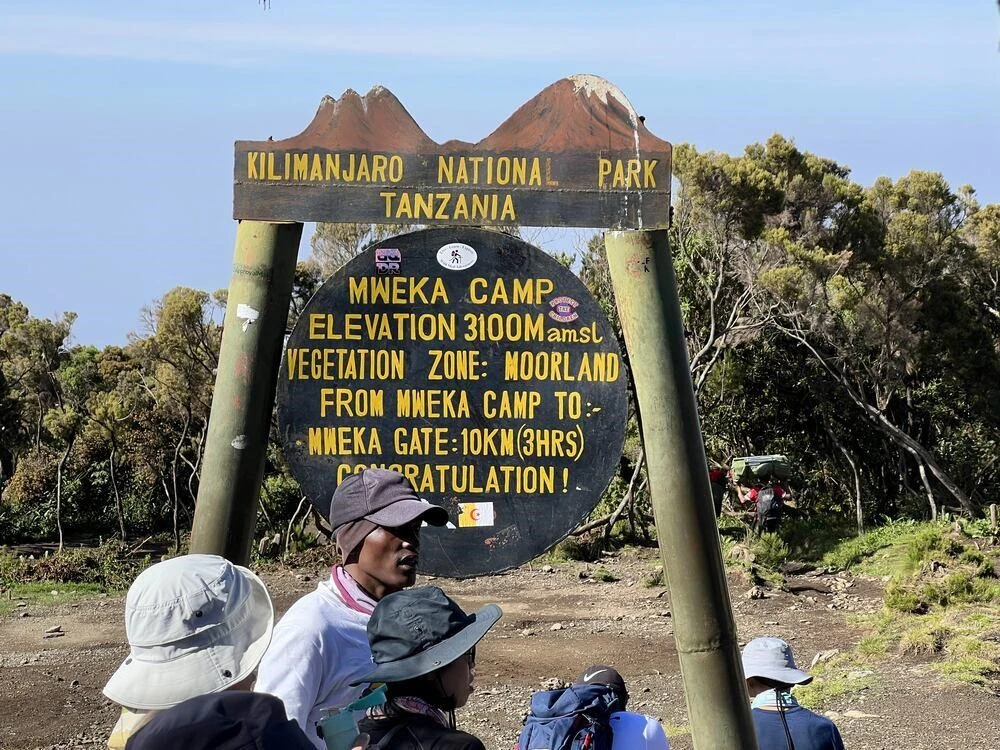
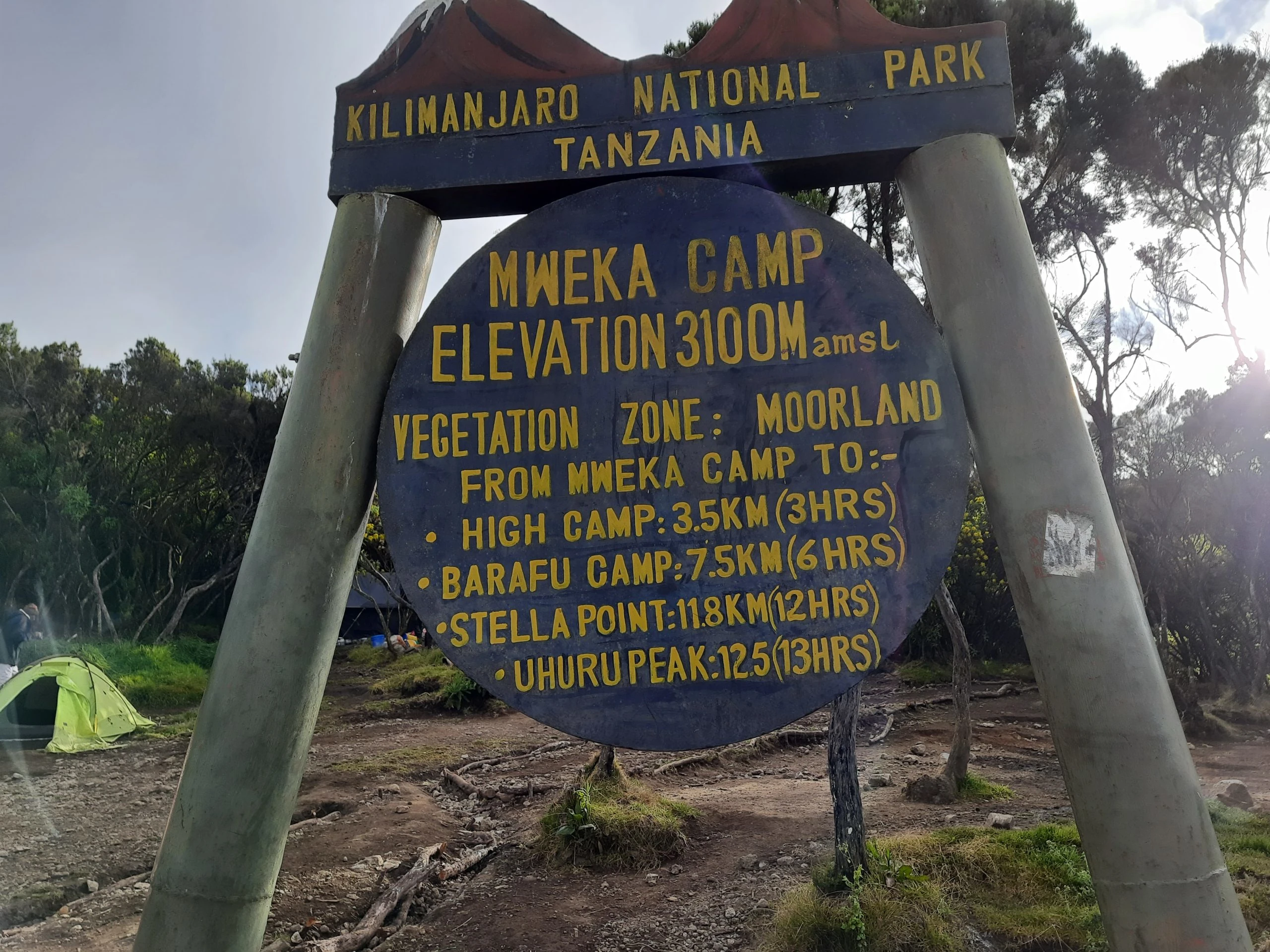
Mweka Camp, also known as Mweka Hut Camp, is the final overnight stop for climbers descending Mount Kilimanjaro. Located at 3,100 meters on the southern slopes, it offers trekkers their last accommodation after summiting Uhuru Peak and before reaching Mweka Gate.
Unlike ascent camps, Mweka Camp is reserved for descending climbers, making it a place for celebration, relief, and reflection after reaching Africa’s highest point.
Mweka Camp serves as the final campsite on five of Kilimanjaro’s seven main routes: Northern Circuit route, Machame, Shira, Lemosho, and Umbwe.
These routes converge on the Mweka Route for the descent, making the camp a shared endpoint for climbers from various starting points. Its proximity to the exit gate makes it the preferred choice, allowing for a shorter final day before completing the trek.
Climbers typically choose Mweka Camp because it is closest to Mweka Gate, the main exit for most Kilimanjaro routes. Although Millennium Camp is an alternative higher up on the mountain, most opt for Mweka Camp for its convenience. The decision between camps depends on fatigue and the desire for a quicker descent. Millennium Camp is rarely used, as it is farther from the gate and smaller than Mweka Camp.
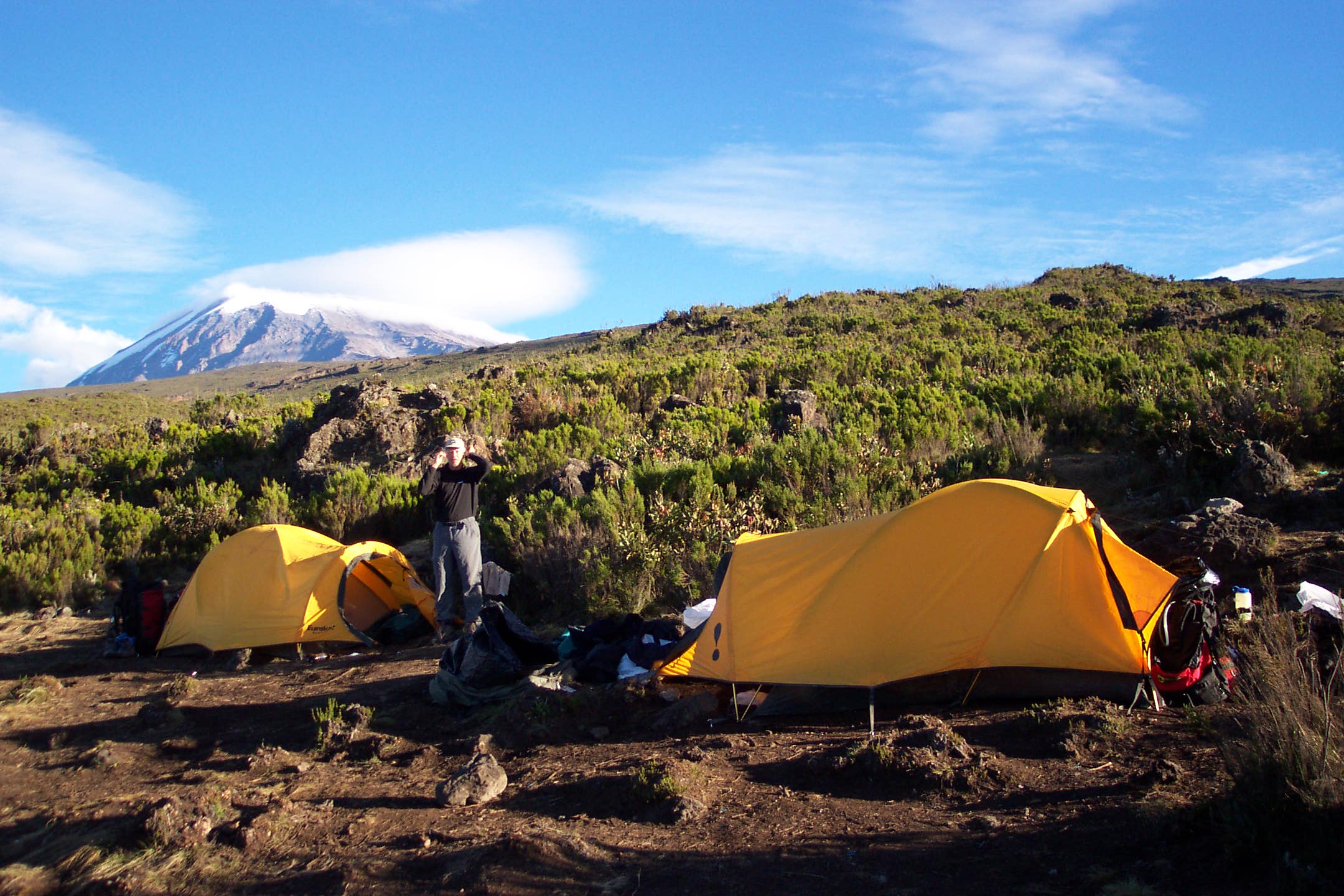
Location of Mweka Camp
Mweka Camp is located at 3,100 meters on Mount Kilimanjaro’s southern slopes, within the montane forest belt where moorland transitions to dense rainforest. The campsite occupies a clearing created by tree felling and is surrounded by tall forest trees.
Mweka Camp’s location on the southern slopes provides convenient access to Mweka Gate, the main exit for most climbers. The gate is less than three hours away on foot, making the camp a preferred final stop before descent. Many choose Mweka Camp over Millennium Camp, which is about an hour farther up the mountain.
Due to its proximity to the exit, some climbers bypass Mweka Camp and proceed directly to the gate. However, for those finishing the summit and descent from Uhuru Peak, Mweka Camp offers a valuable chance to rest, celebrate, and spend a final night on the mountain before returning to civilization.
Mweka Camp experiences frequent heavy rainfall, leaving the ground wet and slippery. The rainforest zone receives the most precipitation on the mountain, creating a lush environment that contrasts with the higher, barren areas. Climbers should prepare for wet conditions and protect their gear from rain.
Facilities at Mweka Camp
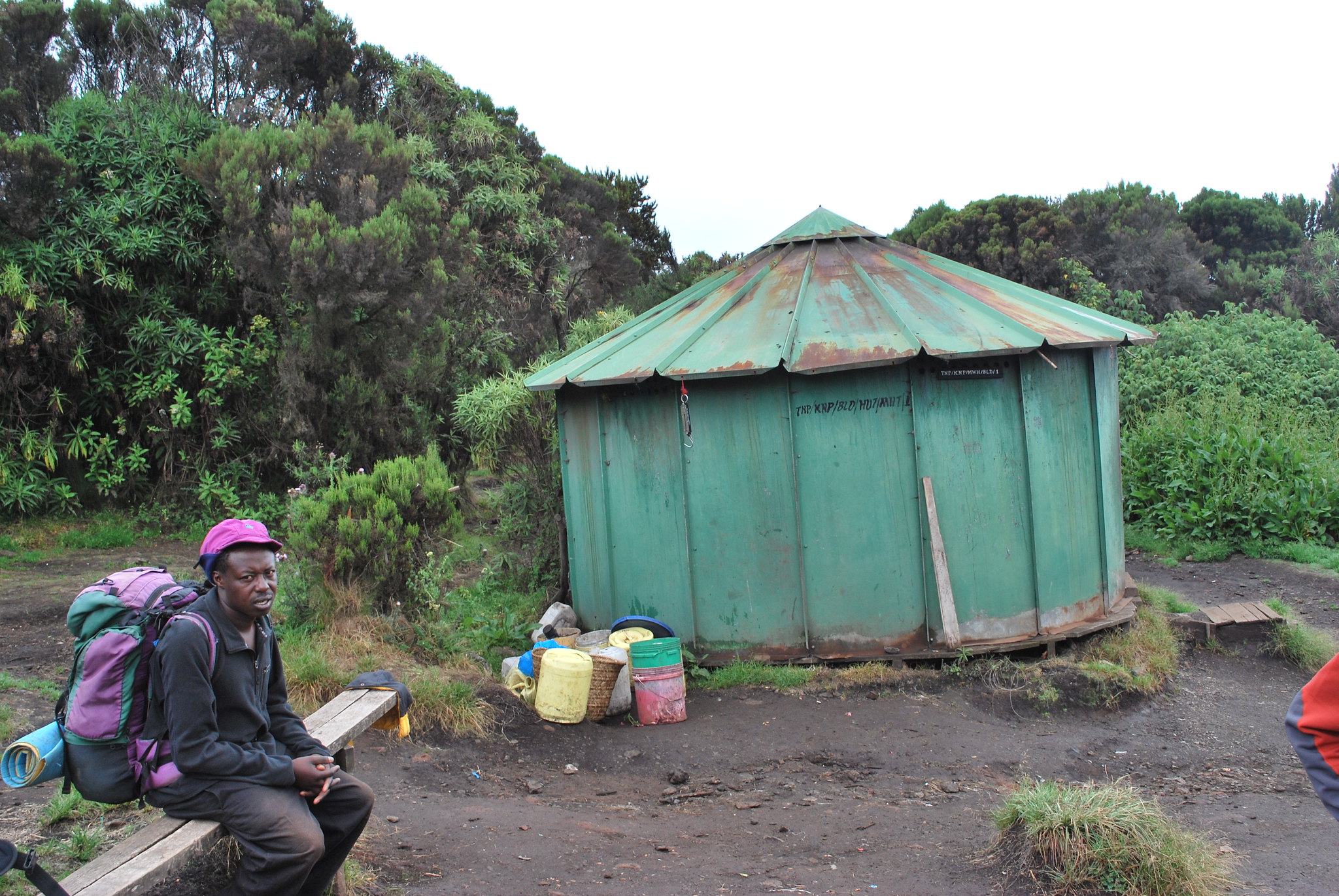
Accommodation at Mweka Camp is limited to tents, which climbers must provide and usually have porters carry. The only permanent structure is KINAPA’s ranger hut, made of green metal sheets and present since the early days of Kilimanjaro climbing. Until recently, park staff used a wooden cabin next to the original hut, which offered more comfortable facilities.
Mweka Camp provides dry, long-drop toilets, also known as pit latrines. These basic facilities offer essential sanitation but little comfort. Climbers should bring their own toilet paper and hand sanitizer. Due to the rainforest setting, the ground is often wet and muddy, reflecting the basic conditions of high-altitude camping on Kilimanjaro.
Despite its basic facilities, Mweka Camp offers a functional and comfortable environment for climbers finishing their descent. The rainforest setting features towering trees, abundant birdlife, and soothing forest sounds. For many, the final night at Mweka Camp is a time to celebrate and reflect after the summit attempt and to prepare for the final descent to the gate.
The Mweka Route and Descent
The Mweka Route serves as the primary descent for most Kilimanjaro climbs, including Machame, Lemosho, Shira, Umbwe, and the Northern Circuit. It starts at the summit and passes through alpine desert, moorland, and rainforest zones before ending at Mweka Gate. Mweka Camp is the last overnight stop, providing a place to rest before the final hike to the gate.
The descent from Uhuru Peak to Mweka Camp is long and demanding, usually taking 6 to 9 hours depending on conditions and pace. Climbers stop at Barafu Camp for a short rest and lunch before continuing to Mweka Camp. The route includes scree slopes and rocky terrain, so careful footing and trekking poles are recommended.
The final hike from Mweka Camp to Mweka Gate is about 10 kilometers (6 miles) and takes roughly 3 hours. The trail descends through the rainforest, offering a final chance to enjoy Kilimanjaro’s diverse ecosystems. At the gate, climbers receive summit certificates and bid farewell to their mountain crew before returning to their hotels for a well-deserved rest.
Distance from Mweka Camp to Mweka Gate
The route from Mweka Camp (3,100 meters) to Mweka Gate (1,640 meters) covers approximately 10 kilometers (6 miles) and takes about 3 hours to descend on foot. This final day is shorter and less demanding than the ascent and summit. The trail passes through rainforest, where climbers may encounter birds and monkeys.
The descent from Mweka Camp to the gate offers a chance to reflect and celebrate. Climbers often recall the challenges faced, friendships built, and the achievement of reaching Uhuru Peak. The final walk through the rainforest eases the transition back to daily life as the sounds and sights of civilization reappear.
Advantages of Mweka Camp
Mweka Camp is the most convenient final campsite for descending climbers because of its proximity to Mweka Gate,allowing a quick descent to the main gate. The rainforest setting provides shelter, diverse wildlife, and lush vegetation. A ranger’s hut and cabin ensure park authorities are available for assistance and administration.
At 3,100 meters, the camp’s lower elevation helps climbers recover from altitude effects, sleep better, and regain energy. Warmer rainforest temperatures provide relief after the summit’s cold. For many, the final night at Mweka Camp is a highlight, offering an opportunity to celebrate their achievement with fellow climbers and support staff.
Final Remarks
Mweka Camp is the final overnight stop for climbers descending from the summit of Mount Kilimanjaro, offering a welcome rest before the last day’s hike to Mweka Gate.
Its location in the rainforest zone, basic but functional facilities, and proximity to the exit gate make it an essential part of the Kilimanjaro experience for climbers on most routes.
Choosing Blessing Safaris ensures a high-quality trekking experience, with licensed guides, dedicated support staff, and comprehensive safety measures to ensure your comfort and success throughout your Kilimanjaro adventure.
Visit our best catalog to explore our full range of Kilimanjaro climbing packages, Tanzania safari adventures, and tailor-made trekking experiences.
Frequently Asked Questions About Mweka Camp
What Is Mweka Camp?
Mweka Camp, also known as Mweka Hut Camp, is the final overnight stop for climbers descending from the summit of Mount Kilimanjaro, located at 3,100 meters on the mountain’s southern slopes. Descending climbers on the Mweka Route use it exclusively.
Where Is Mweka Camp Located?
Mweka Camp is located at the base of Mount Kilimanjaro’s southern slopes, within the rainforest vegetation zone, a few hours from the Mweka Gate exit point.
What Is the Elevation of Mweka Camp?
Mweka Camp sits at 3,100 meters (10,170 feet) above sea level, placing it in Mount Kilimanjaro’s montane forest belt.
Which Routes Use Mweka Camp?
Climbers use Mweka Camp on five of the seven main Kilimanjaro routes: Northern Circuit, Machame, Shira, Lemosho, and Umbwe.
What Facilities Are Available at Mweka Camp?
Mweka Camp offers tent-only accommodation with no permanent sleeping structures. Facilities include KINAPA’s ranger hut, a wooden ranger cabin, and dry long-drop pit latrines.
How Long Does It Take to Reach Mweka Gate from Mweka Camp?
The descent from Mweka Camp to Mweka Gate takes approximately 3 hours and covers about 10 kilometers (6 miles).
What Is the Distance from Mweka Camp to Mweka Gate?
The distance from Mweka Camp (3,100 meters) to Mweka Gate (1,640 meters) is approximately 10 kilometers (6 miles).
Is There Water at Mweka Camp?
Water is available at Mweka Camp from natural sources in the rainforest, but you must treat all water before drinking or cooking.
What Is the Climate Like at Mweka Camp?
Mweka Camp experiences a rainforest climate with plenty of rainfall. The ground is often wet and slippery, and climbers should be prepared for muddy conditions.
What Wildlife Can Be Seen at Mweka Camp?
The rainforest zone around Mweka Camp is home to various bird species, monkeys, and other wildlife. The lush vegetation supports a rich ecosystem.
Why Do Climbers Prefer Mweka Camp?
Climbers prefer Mweka Camp because it is the closest campsite to the Mweka Gate exit point, allowing them to complete their descent in a relatively short time.
What Is the Alternative to Mweka Camp?
The alternative to Mweka Camp is Millennium Camp, located about an hour further up the mountain. It is rarely used due to its greater distance from the gate and smaller size.
What Should I Bring to Mweka Camp?
Essential items include a four-season tent, warm sleeping bag, waterproof clothing, headlamp, water bottles, water treatment supplies, and personal items. Given the wet conditions, waterproof gear is essential.
Can I Skip Mweka Camp on the Descent?
Yes. Some climbers skip Mweka Camp and continue directly to Mweka Gate, especially if they feel strong and want to complete the descent quickly.
What Is the Best Time to Stay at Mweka Camp?
The best time to stay at Mweka Camp aligns with the optimal climbing seasons: June to October and December to March. These periods offer more stable weather and clearer conditions.
Mweka Camp Kilimanjaro
You May Also Like
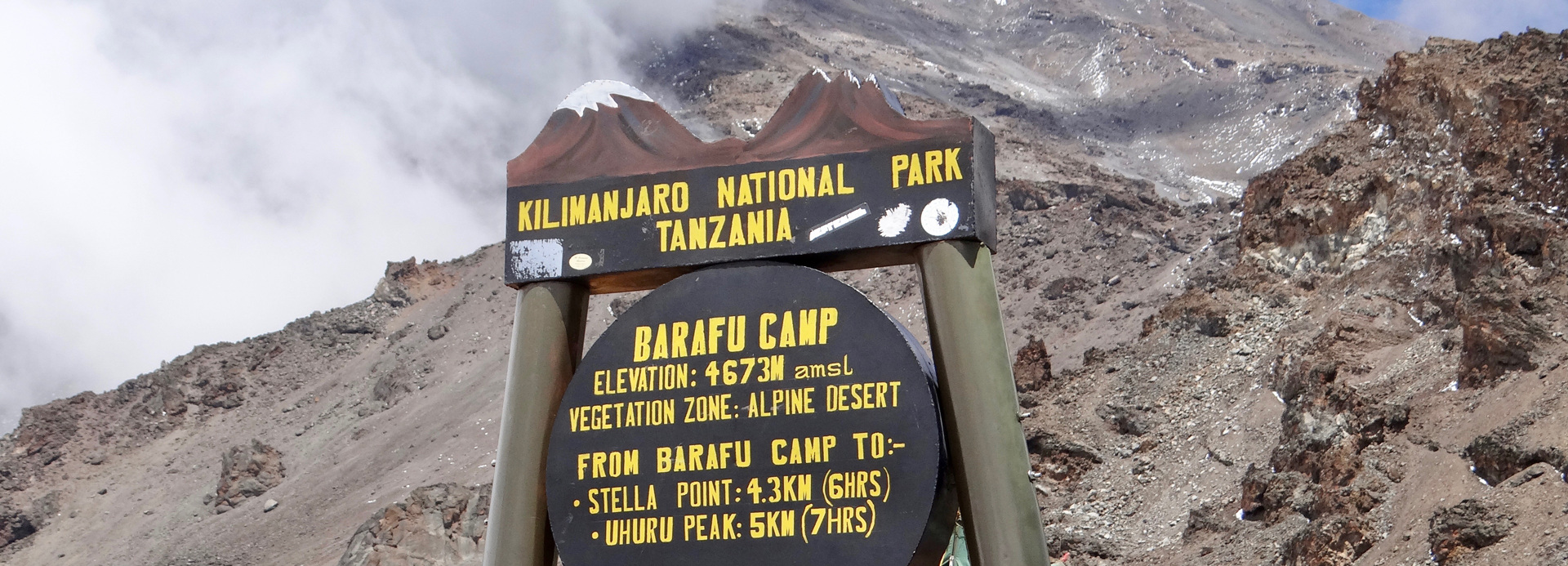
Barafu Camp, also called Barafu Hut Camp, is the final overnight stop for most climbers aiming for Uhuru Peak, Africa’s highest point. “Barafu” means “ice” in Swahili, aptly describing this cold, exposed campsite on the southeastern slopes of Kibo at 4,673 meters (15,330 feet) above sea level.
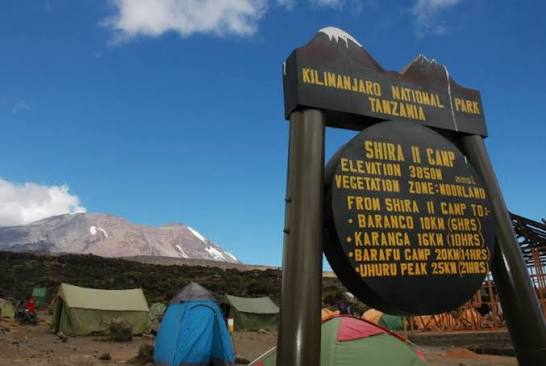
Shira Cave Camp holds a unique place in Kilimanjaro’s climbing history. Named after a nearby cave once used by early adventurers, it sits at 3,840 meters on the Shira Plateau and serves as the second overnight stop on the Machame Route.
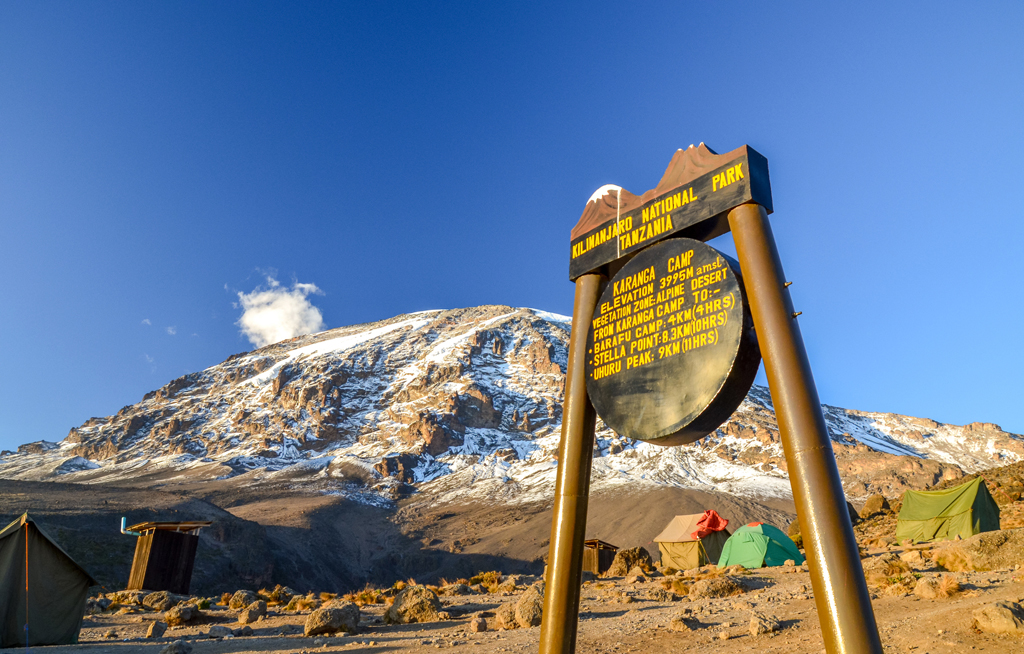
Karanga Camp, also called Karanga Hut Campsite, is strategically located on Kilimanjaro’s southern circuit and serves as a key acclimatization stop for climbers.