
Mweka Route Kilimanjaro
The Mweka Route is the primary descent route for most climbers on Mount Kilimanjaro, except those using the Marangu or Kilema Routes. This direct trail leads from the summit area to the mountain’s base, with a key stop at Mweka Camp midway.
For climbers reaching Uhuru Peak via Machame, Lemosho, Umbwe, Rongai, Shira, or the Northern Circuit, the Mweka Route offers a gentle descent through varied ecological zones back to civilization.
The Mweka Route is unique because it is designed solely for descent. Unlike other climbing routes that accommodate both ascent and descent, Mweka is a one-way path from the summit area to Mweka Gate on the southern slopes. This dedicated route improves traffic flow and reduces congestion along the trail.
The upper section of the Mweka Route, from the summit area to Barafu Camp, is called the Barafu Route. “Barafu” means ice in Swahili. Climbers using the Lemosho, Machame, Umbwe, or Shira routes typically encounter this segment first after summiting. These routes join the Barafu-Mweka Route via a high-altitude crossing beneath the Southern Icefields of the Kibo South Circuit, offering impressive scenery at the start of the descent.
Location and Route Description
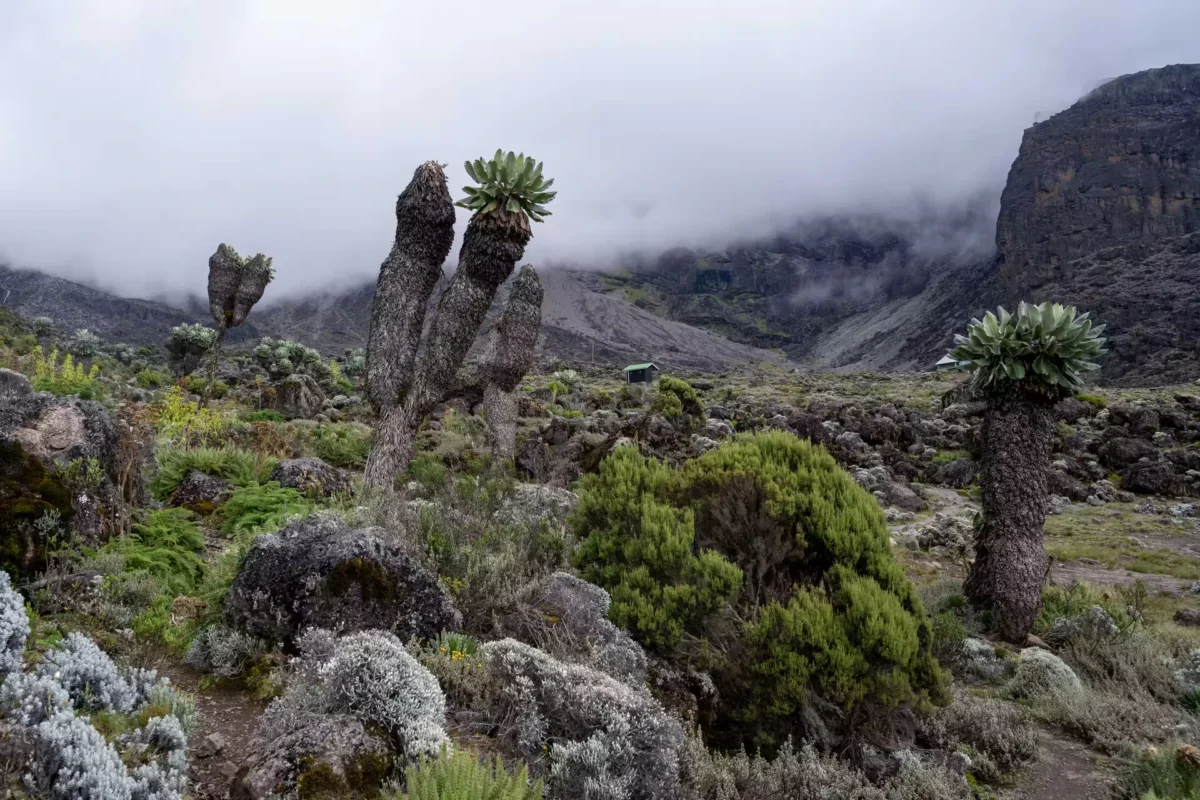
The Mweka Route descends Mount Kilimanjaro’s southern slopes, passing through alpine desert, moorland, and rainforest zones to Mweka Gate at 1,640 meters. Mweka Camp, at 3,100 meters, is the midpoint and final overnight stop for most climbers on their descent.
The upper section, called the Barafu Route, starts near Uhuru Peak and descends to Barafu Camp at 4,673 meters. This segment crosses scree slopes and offers views of the Southern Icefields and surrounding landscape. From Barafu Camp, the trail continues through alpine desert and moorland to Mweka Camp, where climbers spend their final night.
From Mweka Camp, the route descends through rainforest to Mweka Gate, covering about 10 kilometers in three hours. The trail passes through dense forest, often with birds and monkeys visible. At the gate, climbers receive summit certificates and thank their mountain crew before returning to their hotels.
How Long Does It Take to Descend via the Mweka Route?
The Mweka Route is the most direct descent path on Mount Kilimanjaro, enabling climbers to reach the gate from the summit area in about one day. Most itineraries, however, divide the descent into two days with an overnight stop at Mweka Camp. The descent from Uhuru Peak to Barafu Camp takes 4 to 5 hours, followed by another 4 to 5 hours to Mweka Camp. The final hike from Mweka Camp to Mweka Gate takes about 3 hours.
Climbers who descend without an overnight stop at Mweka Camp can complete the entire route from the summit to the gate in one day, typically in 10 to 12 hours. Most, however, choose to spend the night at Mweka Camp to rest and recover after the summit before finishing the final section to the gate.
The Barafu Route: The Upper Section
The upper section of the Mweka Route, from the summit area to Barafu Camp, is called the Barafu Route. “Barafu” means “ice” in Swahili, reflecting the frequent presence of ice and snow in this high-altitude area.
After summiting via the Lemosho, Machame, Umbwe, or Shira routes, climbers first descend on the Barafu Route, which offers a direct path from the crater rim to the lower camps.
The Barafu Route descends through scree slopes in the upper reaches of Kibo, offering views of the Southern Icefields and the surrounding landscape. Climbers who ascended these slopes at night can now appreciate the terrain in daylight and reflect on their achievement.
Mweka Route vs Marangu Route for Descent
Climbers descending Mount Kilimanjaro typically choose between the Mweka and Marangu Routes. The Marangu Route serves only those who ascend by it, as it follows the same trail both ways. All other ascent routes use the Mweka Route for descent.
The Mweka Route is recommended for those seeking a gentler descent, as its gradual slope reduces joint strain compared to the steeper Marangu Route. Mweka also offers new scenery, whereas Marangu requires retracing the ascent, which may feel repetitive.
Which Routes Use the Mweka Route for Descent?
The Mweka Route is used for descent on the following Kilimanjaro routes:
- Machame Route: The most popular route on Kilimanjaro.
- Lemosho Route: This route is recognized for its scenic beauty and effective acclimatization.
- Rongai Route: This northern approach offers a quieter climbing experience.
- Umbwe Route: The most challenging and direct route.
- Shira Route: This western approach merges with the Lemosho Route.
- Northern Circuit: This is the longest route and has the highest summit success rate.
The Marangu Route is the only main route that does not use the Mweka Route for descent, as climbers ascend and descend on the same path. The Kilema Route, which is designated for mountain biking, also does not use the Mweka Route.
Final Remarks
The Mweka Route is the primary descent path for climbers on most Kilimanjaro routes, offering a direct, relatively gentle descent from the summit to the Mweka Gate. With its connection to the Barafu Route, the stopover at Mweka Camp, and its easier profile than the Marangu Route, the Mweka Route offers climbers a comfortable, scenic final chapter of their Kilimanjaro adventure.
Choosing Blessing Safaris ensures a high-quality trekking experience, with licensed guides, dedicated support staff, and comprehensive safety measures to ensure your comfort and success throughout your Kilimanjaro journey.
We invite you to explore our Kilimanjaro climbing packages and tailor-made trekking experiences.
Frequently Asked Questions About the Mweka Route
What Is the Mweka Route on Kilimanjaro?
The Mweka Route is the main descent path for most Kilimanjaro routes, including Machame, Lemosho, Rongai, Umbwe, Shira, and the Northern Circuit. It descends from the summit area to Mweka Gate on the southern slopes.
Which Routes Use the Mweka Route for Descent?
The Machame, Lemosho, Rongai, Umbwe, Shira, and Northern Circuit routes use the Mweka Route for descent. Only the Marangu and Kilema routes do not.
How Long Does It Take to Descend Kilimanjaro via the Mweka Route?
The Mweka Route is the most direct descent, allowing climbers to reach the gate from the summit in about one day. Most itineraries split the descent into two days with an overnight at Mweka Camp.
What Is the Barafu Route?
The Barafu Route refers to the upper section of the Mweka Route, from the summit area to Barafu Camp. “Barafu” means “ice” in Swahili, reflecting the cold conditions at this altitude.
Where Is the Mweka Route Located?
The Mweka Route descends the southern slopes of Mount Kilimanjaro, passing through alpine desert, moorland, and rainforest zones to Mweka Gate at 1,640 meters.
What Is the Mweka Camp?
Mweka Camp, at 3,100 meters, is the final overnight stop on the Mweka Route. It offers tent accommodation and basic facilities for descending climbers.
Is the Mweka Route Easier on the Knees Than the Marangu Route?
Yes. The Mweka Route is less steep than the Marangu Route, making it easier on the knees during descent. Marangu has a steeper elevation profile.
Can I Descend the Mweka Route Without Stopping at Mweka Camp?
Yes. Some climbers choose to descend directly to Mweka Gate without an overnight stop at Mweka Camp, completing the descent in a single 10- to 12-hour day.
What Is the Distance from Mweka Camp to Mweka Gate?
The distance from Mweka Camp (3,100 meters) to Mweka Gate (1,640 meters) is approximately 10 kilometers (6 miles) and takes about 3 hours on foot.
What Should I Bring for the Mweka Route Descent?
Essential items include sturdy hiking boots, trekking poles for knee support, rain gear, warm layers, a headlamp, water bottles, and snacks. The route passes through a rainforest where rain is common.
Is the Mweka Route Scenic?
Yes. The Mweka Route features spectacular scenery, including the Southern Icefields, alpine desert, moorland, and lush rainforest. The descent provides a different perspective than the ascent.
Can I Use the Mweka Route for Ascent?
No. The Mweka Route is designated for descent only. Climbers must use other routes for ascent.
What Is the Kilema Route?
The Kilema Route is a specialized route used for mountain bike treks on Kilimanjaro. It is not used for regular climbing or foot descent.
How Does the Mweka Route Compare to Other Descent Routes?
The Mweka Route is the most direct and least steep descent route on Kilimanjaro, making it the preferred choice for most climbers. It is easier on the knees than the Marangu Route and offers more scenic variety.
What Is the Best Time to Descend via the Mweka Route?
The best time to descend via the Mweka Route aligns with the optimal climbing seasons: June to October and December to March. These periods offer more stable weather and clearer conditions.
. BOOK YOUR CLMB NOW
Mweka Route Kilimanjaro
You May Also Like
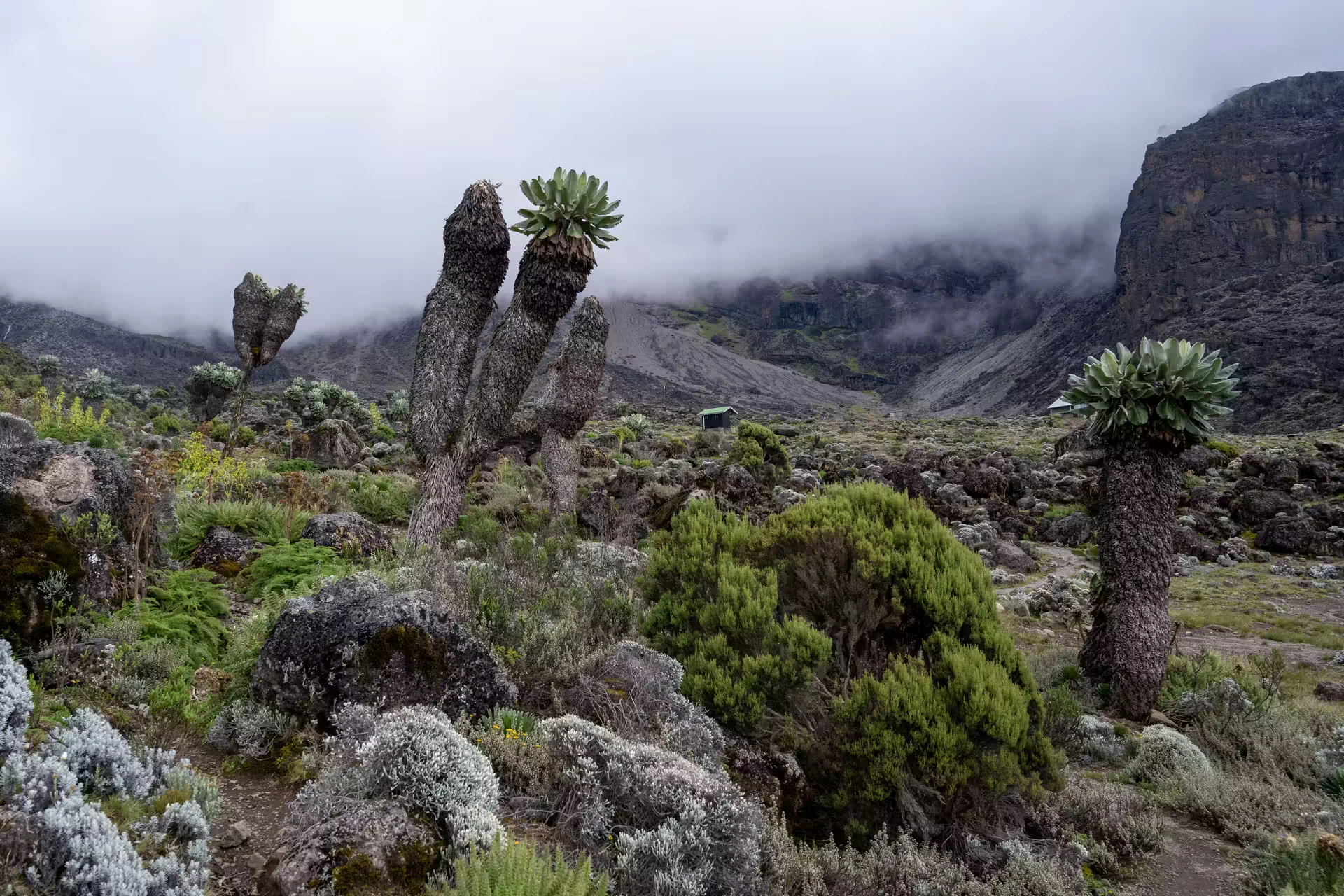
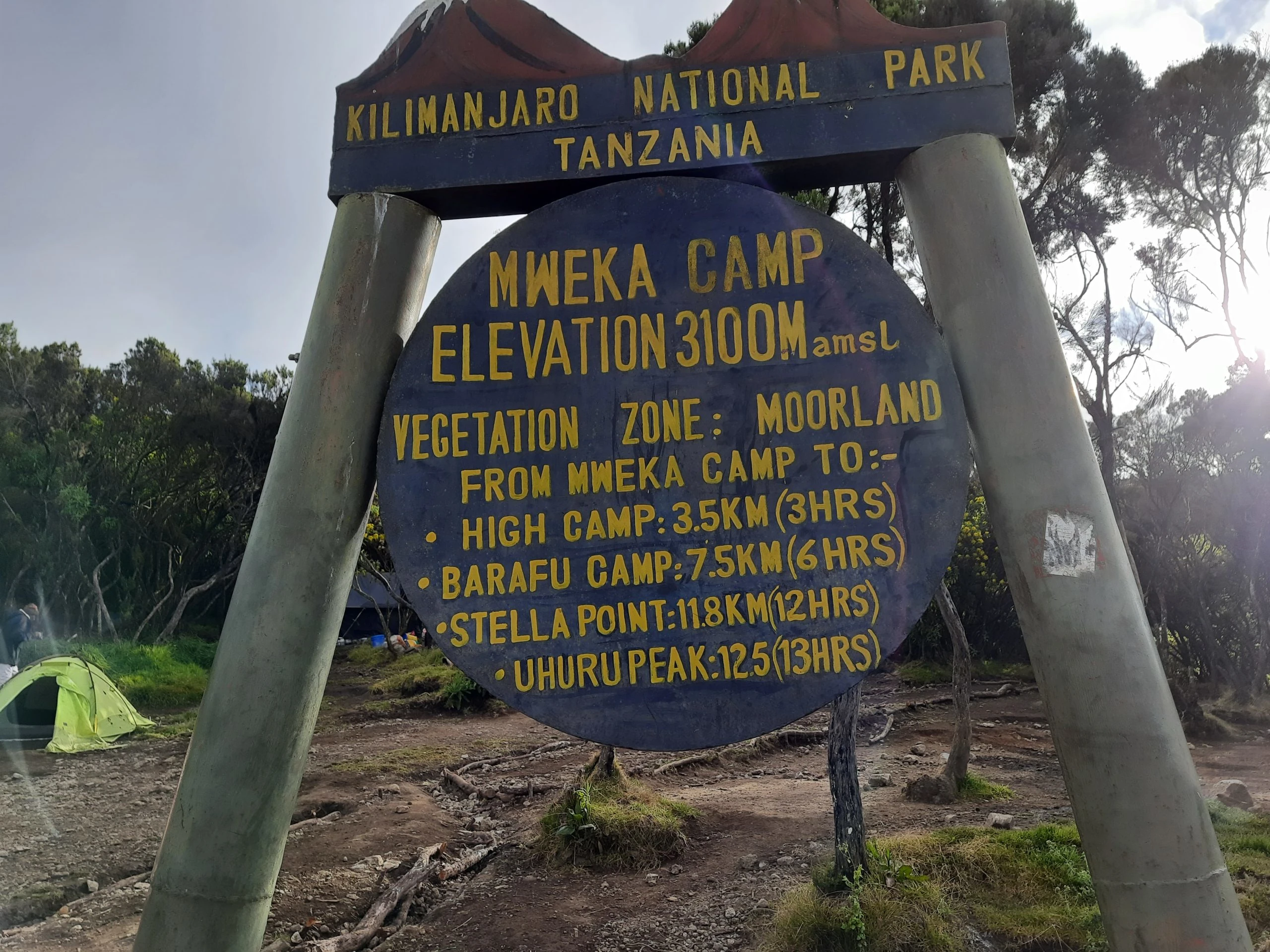
Mweka Camp, also known as Mweka Hut Camp, is the final overnight stop for climbers descending Mount Kilimanjaro. Located at 3,100 meters on the southern slopes, it offers trekkers their last accommodation after summiting Uhuru Peak and before reaching Mweka Gate.
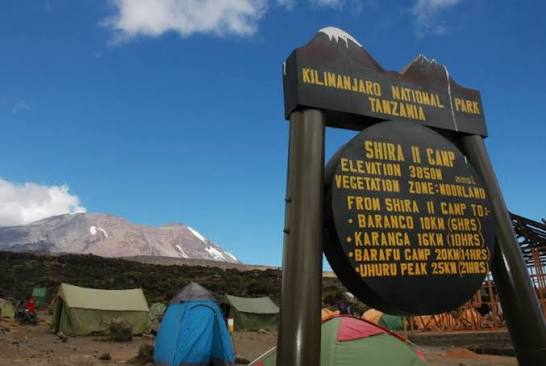
Shira Cave Camp holds a unique place in Kilimanjaro’s climbing history. Named after a nearby cave once used by early adventurers, it sits at 3,840 meters on the Shira Plateau and serves as the second overnight stop on the Machame Route.
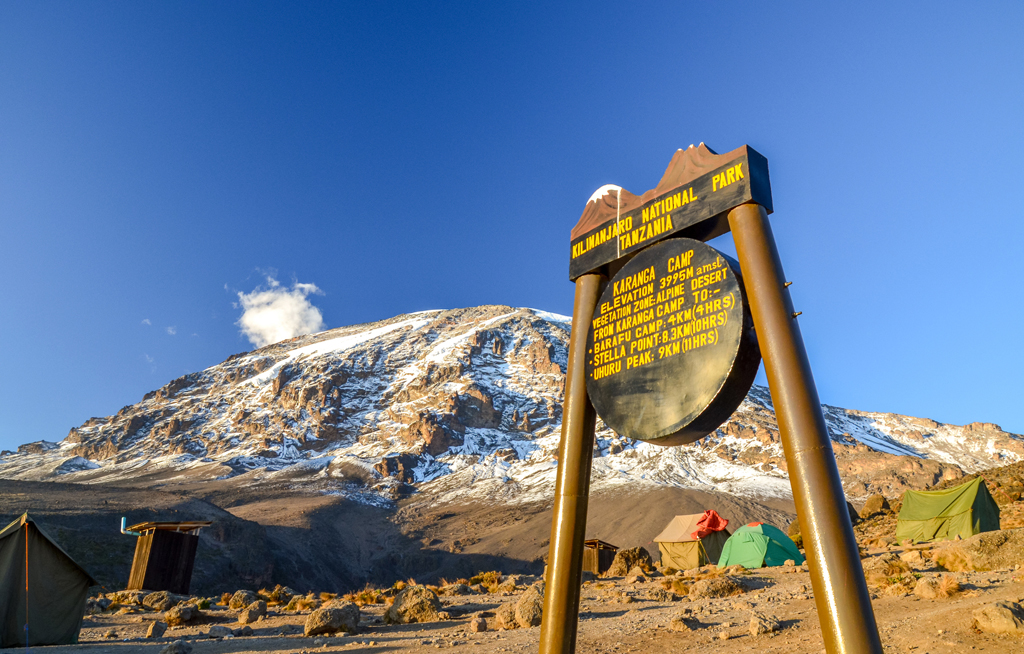
Karanga Camp, also called Karanga Hut Campsite, is strategically located on Kilimanjaro’s southern circuit and serves as a key acclimatization stop for climbers.