Ruaha National Park
The Ruaha is the park where game viewing can begin the moment the plane touches down. This park is one of the few of Tanzania’s famous wilderness areas where tourists can have a rare experience of game viewing spiced up by the fascinating landscape.
The park is rich in plants and animals, such as the Greater Kudu, which can not be found in any other national park.
The park boasts an almost untouched, unexplored ecosystem, making visitors’ safari experience unique.
The Great Ruaha River, like the Mwagusi, Jongomero, and Mzombe Save rivers, is the lifeline of the park.
During the dry season, these rivers become the primary source of water for wildlife. There are a few natural springs with the same purpose.
At the peak of the dry season, elephants obtain water from dry sand rivers using their front feet and trunks.
The remaining waterfalls along the Great Ruaha River also provide essential habitat for hippopotamuses, fish, and crocodiles.
The Ruaha National Park has a bimodal rainfall pattern: the short season runs from November to February, while the long season runs from March to April.
The annual mean rainfall ranges from 500 mm to 800 mm, with an average yearly temperature of about 280 °C.
The park experiences its dry season between June and October, when temperatures at Msembe headquarters range from 25-30˚C (77-86˚F).
The park’s history dates back to 1910, when it was gazetted as the Saba Game Reserve by Germany; the name was later changed by the British to Rungwa Game Reserve in 1946.
In 1964, the southern portion of the Game was gazetted as Ruaha National Park, and in 1974, a small section of the South-Eastern part of the Great Ruaha River was incorporated into the park.
The name “Ruaha” originates from the Hehe word “Ruvaha”, which means “river”. Ruaha National Park is part of the Rungwa-Kizigo–Muhesi ecosystem, which covers more than 45,000 km².
In 2008, the Usangu Game Reserve and other important wetlands in the Usangu basin were annexed into the park, making it the largest park in Tanzania at that time.
Though in 2020 the Nyerere National Park has been gazetted covering an area of about 30,893 km2 and brought down to the second largest park in East Africa with an area of about 20226 kilometers square.
Ruaha National Park has a high diversity of plants and animals, including elephants, buffalo, antelopes, and some of the rare and endangered species like wild dogs.
The park serves as a water source for both wildlife and humans.
This is economically significant, as it supports downstream agricultural activities and contributes to the country’s hydroelectric power (HEP) at the Mtera and Kidatu dams.
Ruaha National Park is renowned for its excellent wildlife-sighting opportunities. Combined with the low number of visitors, this makes it a spectacular destination.
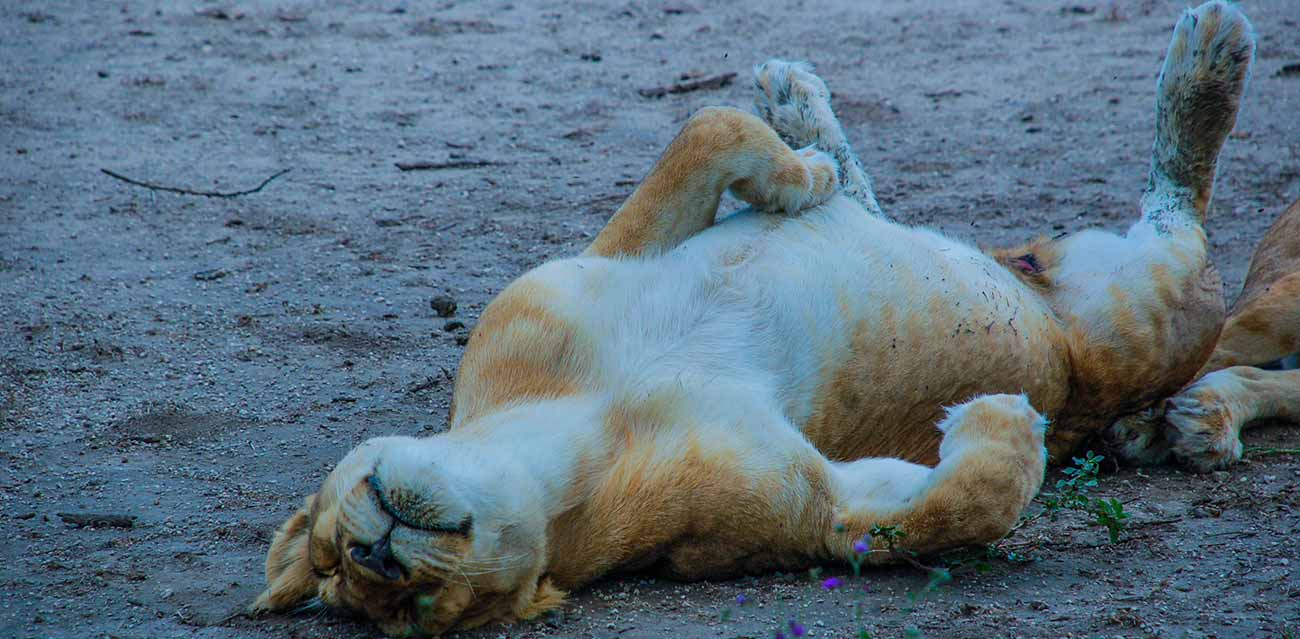
The wider Ruaha area hosts 10% of the world’s lion population and has been a Lion Conservation Unit since 2005. It’s not uncommon to find pride in more than 20 lions in the park.
The leopard stalks the thicker woodland areas, while the cheetah can be found scanning the plains for prey.
The wild dog is endangered, but Ruaha is home to almost 100 of them. There are healthy populations of hyenas and black-backed jackals, too.
Elephants are seen in high densities during the dry season when they gather around the dry riverbed to dig for water with their trunks and front feet.
There is a real mix between species more commonly associated with southern areas of Africa, and species that are widespread in the south such as; buffalo, zebra, Defassa waterbuck, impala, bushbuck, giraffe, Lichtenstein’s hartebeest, greater kudu (some of the most handsomely horned males you’ll come across anywhere in Africa) also the more elusive roan and sable antelope.
Grant’s gazelle and lesser kudu are also found here. They are good examples of a game that is more typically associated with areas further north. (It’s also one of the few places where you can see both greater and lesser kudu in the exact location.)
Ruaha National Park is also home to the largest elephant population found in any Tanzanian national park, with some 12,000 elephants migrating through the greater Ruaha ecosystem each year.
It is also an excellent park for predators. Lions are not only numerous and very habituated to vehicles, but the pride tends to be unusually large, often numbering more than 20 individuals.
Cheetahs can often be seen hunting on the open plains, and the park has an excellent reputation for leopard sightings.
It is one of the last major strongholds for African wild dog populations, with more than 100 found here. Black-backed jackal and spotted hyena are both very common and easily seen, and the rarer striped hyena, though seldom observed, also lives here.
Apart from large animals, the park also harbors several reptiles and amphibians, including crocodiles, poisonous and non-poisonous snakes, monitor lizards, agama lizards, and frogs.
The park is characterized by semi-arid vegetation, including baobab trees, Acacia, and other species.
Over 1,650 plant species have been identified. This makes Ruaha National Park the gem of the southern highlands of Tanzania
Ruaha is heaven for bird lovers with over 570 species sighted in the park once again with an interesting mix of southern and northern species.
Of particular note are substantial and visible populations of Black-collared lovebirds and ashy starlings. This is perhaps the only savanna reserve in East Africa where the crested barbet replaces the red-and-yellow barbet.
Along the rivers, expect to find water birds like goliath herons, saddle-billed storks, white-headed plovers, and the white-backed night heron.
There are six species of both vultures and hornbills, including the recently described Tanzanian red-billed hornbill.
Raptors are also well represented, with bateleur and fish eagle probably the most visible large birds of prey, and the localized Eleanora’s falcon quite common in December and January.
Keen bird watchers visit Ruaha National Park from mid-November to March when migrant birds swell the numbers. Then a variety of waders appear along the riverbanks, together with flocks of white and Abdim’s storks.
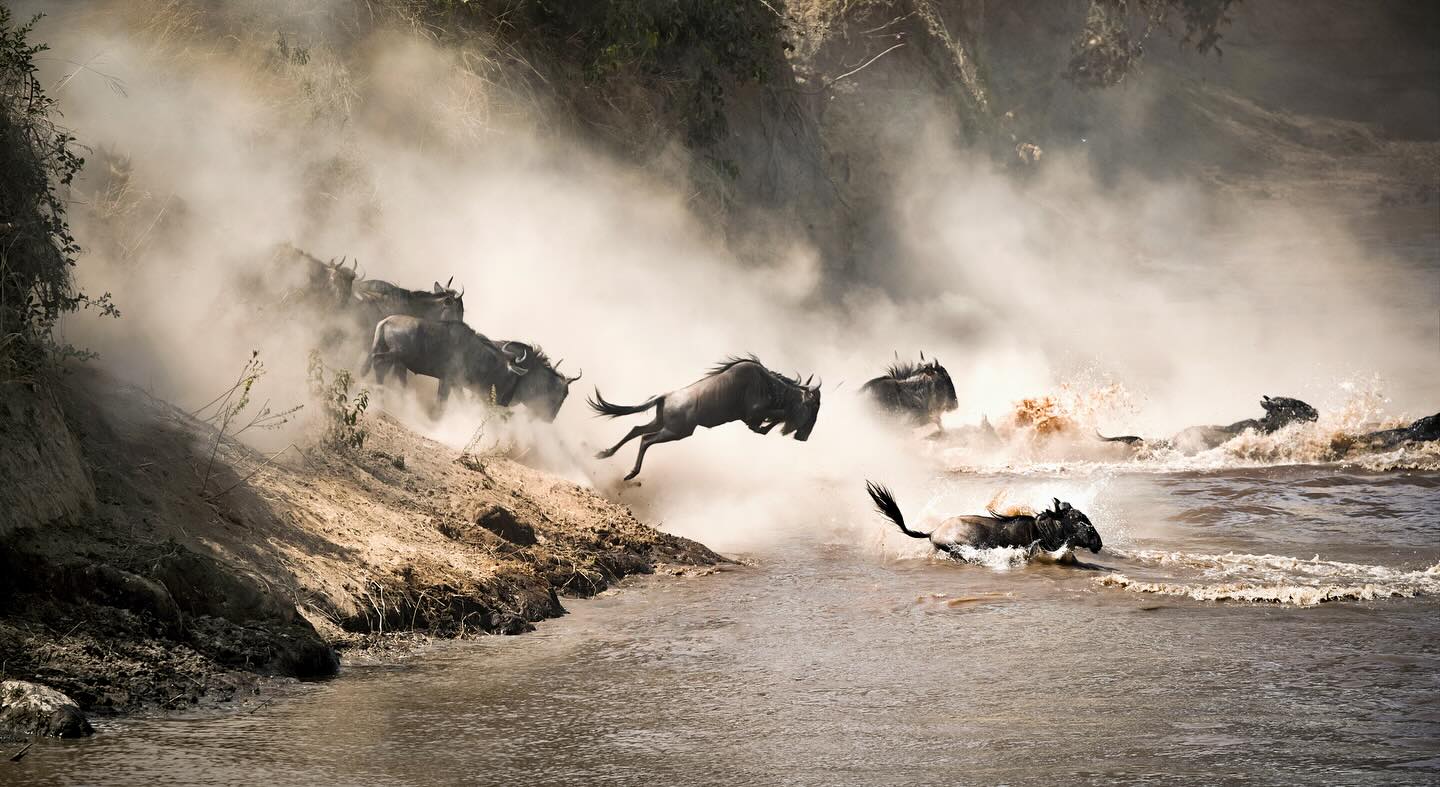
The sooty falcon arrives from the Sahara Desert, and the rare Eleonora’s falcon from the Mediterranean. Serengeti is the crown for the Wildebeest migration, but here, in Ruaha National Park, we have flying birds.
Migratory birds from Europe, Asia, Australia, and Madagascar arrive during the rainy season, from February to April.
This distinguishes Ruaha National Park from other parks, making it stand alone as the moon in the dark sky.
Accommodations in Ruaha National Park
When it comes to accommodation, we have the best recommendations for safari camps in Ruaha National Park and outside the park. For overnight stays within the park, you will be subject to overnight fees, commonly known as concession fees.
If you want to save some money, you’d better opt to stay overnight outside the park, very near the gate entrance. Despite this, we offer the best selection of mid-range and luxury camps within the park. We invite you to review the details. Enjoy the ride with us!

Tanzania Travel Tips
Once you confirm your booking on a tour you will be sent further practical information – packing tips, detailed itineraries, including advice on health, passport and visa requirements, and minimum and maximum numbers of guests on tours.
Memorable meals are a hallmark of an excellent holiday. With the support of the best cooks, the quality of food and drink service is guaranteed.
Depending on the service level or tour type you have chosen, a pre-discussion with your tour planner is a win-win for an enjoyable trip.
Our cook accompanies other tours, and other services are included with our accommodation partners, including hotels, private camps, and luxury lodges.
The answer is absolute yes! The areas where safaris are organized are safe and free of political chaos.
We conduct safaris in politically stable regions to ensure our clients’ safety and enjoyment.
Our Professional Safari Guides are well-trained about wild animal behaviors, and they have enough experience to lead our clients in the wilderness.
Our vehicles are 4×4 Toyota Land Cruisers and Land Rovers with a hatched roof to give maximum visibility of the game.
African safaris offer unlimited sightseeing; millions of animals, birds, and plant life are the defining features of the African savanna. You roam across the countryside in search of Elephants, Lions, Rhinos, Cape buffalo, and Leopards (the so-called “Big Five”).
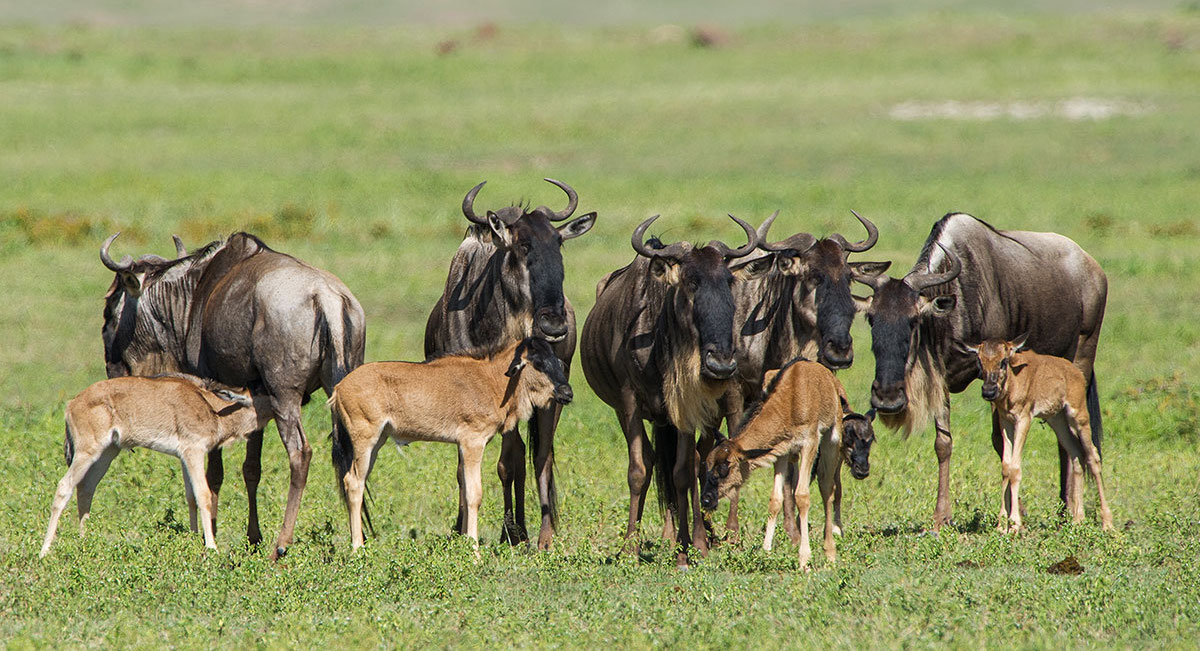
On any given day, you will encounter Blue Wildebeests, Zebras, a large variety of antelope species, Gazelles, Giraffes, Baboons, and Hippos. The birdlife is fantastic – in some areas, up to 400 bird species have been identified!
Think of the majestic Baobab tree (some tribes believe that the tree was indeed planted upside-down!), and there are hundreds of varieties of thorn trees! You will also see the acacia-dotted landscape, endless plains, majestic mountains, and the most beautiful sunsets and sunrises imaginable! Think of a late afternoon thunderstorm, short but violent, and then the beautiful rainbow.
Tanzania’s destinations are accessible year-round, but we recommend scheduling your safari during the dry season for the best sightings, as grasses and bush are at their least dense—July to October and December through February. The green session includes March through June. Discuss with us for the best option if you have also a plan to coincide with the Wildebeest Migration in Serengeti National Park.
(We suggest you remember) insect repellent (the best way to prevent malaria and other insect-borne diseases), sunscreen, cap or hat, sunglasses, binoculars, detergent powder if you want to wash some clothes yourself, hand-wipes small flashlight, aspirin, diarrhea medicine, rain jacket, poncho, or collapsible umbrella, plastic bags (for wet clothes, swimsuit and for keeping dust away from camera equipment), Kleenex/toilet tissue a neck chain for eyeglasses if you take them off to use binoculars and cameras, any medical prescription you need, masking tape or labels for marking exposed films cans, film, extra camera batteries.
Although more than 200 languages and dialects are spoken across Africa, this is not a problem, as English is widely spoken in East and Southern Africa. In addition to English, all our professional guides are multilingual, so we have you covered.
African safaris offer unlimited sightseeing; millions of animals, birds, and plant life are the defining features of the African savanna. You roam across the countryside in search of Elephants, Lions, Rhinos, Cape buffalo, and Leopards (the so-called “Big Five”).
On any given day, you will encounter Blue Wildebeests, Zebras, a large variety of antelope species, Gazelles, Giraffes, Baboons, and Hippos. The birdlife is fantastic – in some areas, up to 400 bird species have been identified!
Think of the majestic Baobab tree (some tribes believe that the tree was indeed planted upside-down!), and there are hundreds of varieties of thorn trees! You will also see the acacia-dotted landscape, endless plains, majestic mountains, and the most beautiful sunsets and sunrises imaginable! Think of a late afternoon thunderstorm, short but violent, and then the beautiful rainbow.
Frequently Asked Questions
We are committed to ensuring you experience the luxury of genuinely memorable travel. On every trip, we aim to create a ‘charmed space’ within which you can relax, absorb fresh insights, be stimulated and charmed by new encounters – and have fun!
Whether traveling alone or with friends, Blessing Safaris guests often mention how particularly agreeable they find their traveling companions. Our groups are deliberately small, comprising 2 to 7 guests, especially for safari.
Once you confirm your booking on a tour, you will be sent further practical information – packing tips, detailed itineraries, including advice on health, passport, and visa requirements, and minimum and maximum numbers of guests on tours.
Memorable meals are a hallmark of an excellent holiday. With the support of the best cooks, the quality of food and drink service is guaranteed. Depending on the service level or tour type you have chosen, a pre-discussion with your tour planner is a win-win for an enjoyable trip. Other tours are accompanied by our cook, and others are inclusive service from our accommodation partners, including hotels, private camps, and luxury lodges
Please help us help you by organizing even better tours and saving money. If you contact us in advance, you will save significantly on price, as you have the best time to negotiate and customize the tour with a safari planner.
Why not? We offer private tours for individuals, families, and groups. Whether you’re celebrating a special anniversary or planning a family reunion, we can discuss your needs. We can create a bespoke itinerary away from traffic, tailored to your requirements, and travel in style.
The answer is absolutely yes! The areas where safaris are organized are safe and free of political chaos. We conduct safaris in politically stable regions to ensure our clients’ safety and enjoyment.
Our Professional Safari Guides are well trained about wild animal behaviors and they have enough experience to lead our clients in the wilderness. Our vehicles are 4×4 Toyota Land Cruisers and Land Rovers with a hatched roof to give maximum visibility of the game.
African safaris offer unlimited sightseeing; millions of animals, birds, and plant life are the defining features of the African savanna. You roam across the countryside in search of Elephants, Lions, Rhinos, Cape buffalo, and Leopards (the so-called “Big Five”).
On any given day, you will encounter Blue Wildebeests, Zebras, a large variety of antelope species, Gazelles, Giraffes, Baboons, and Hippos. The birdlife is fantastic – in some areas, up to 400 bird species have been identified!
Think of the majestic Baobab tree (some tribes believe that the tree was indeed planted upside-down!), and there are hundreds of varieties of thorn trees! You will also see the acacia-dotted landscape, endless plains, majestic mountains, and the most beautiful sunsets and sunrises imaginable! Think of a late afternoon thunderstorm, short but violent, and then the beautiful rainbow.
This aspect is much overstated. You will rarely see a snake, but if you do, it will most likely be from the safety of your safari vehicle. Tents and lodges all have bug screens fitted to windows and doors. In most areas where bugs or mosquitoes are prevalent, rooms and tents are also equipped with mosquito nets, adding to the idealistic ambiance. Bear in mind that malaria is a threat in most wildlife areas, and it is necessary to consult your doctor for advice before embarking on your safari.
Tanzania destinations are accessible year-round, but we recommend scheduling your safari during the dry season (July to October and December through February) for the best sightings, as grasses and bush are at their least dense. The green session includes March through June. Discuss with us the best option if you also plan to coincide with the Wildebeest Migration in Serengeti National Park.
Around the turn of the century (until the ’30s and ’40s), mobile tenting was the only option, and “camp as you go” was the standard practice. Over the years, the luxury associated with traditional mobile tenting safaris has increased.
By the same token, one can understand that the cost of having a “luxury hotel” following one around in Africa is expensive. However, most people settle for permanent tented camps.
Because they are “permanent,” they can be equipped with flush toilets and traditional bathroom fixtures and conveniences. Don’t be misled by the terminology – a permanent tented camp offers the comfort of a 5-star hotel, with the romance and adventure of being surrounded by the sights and sounds of Africa.
(We suggest you remember) insect repellent (the best way to prevent malaria and other insect-borne diseases), sunscreen, cap or hat, sunglasses, binoculars, detergent powder if you want to wash some clothes yourself, hand-wipes small flashlight, aspirin, diarrhea medicine, rain jacket, poncho or collapsible umbrella, plastic bags (for wet clothes, swimsuit and for keeping dust away from camera equipment), Kleenex/toilet tissue a neck chain for eyeglasses if you take them off to use binoculars and cameras, any medical prescription you need, masking tape or labels for marking exposed films cans, film, extra camera batteries.
Although more than 200 languages and dialects are spoken across Africa, this is not a problem, as English is widely spoken in East and Southern Africa. Apart from English, all our professional guides are multilingual, so we get you covered