Amboni Caves, Tanzania: Complete Visitor Guide to East Africa’s Largest Limestone Caves
Deep in Tanzania’s Tanga region lies a hidden underground world. The Amboni Caves are not just a geological wonder; they are a place of mystery, ancient history, and spiritual significance.
Formed over 150 million years ago, these caves are the most extensive limestone caves in all of East Africa. For travelers looking to explore beyond the usual safari parks, the Amboni Caves offer a fascinating journey into the earth and local culture.
In this guide, we will cover everything you need to know about the Amboni Caves in Tanzania—how they formed, their rich history, what to expect on a tour, and how to plan your visit.
Where Are the Amboni Caves Located?
The Amboni Caves are about 8 kilometers north of Tanga city, just off the main Tanga-Mombasa road. Tanga is a coastal city in northeastern Tanzania, near the Kenyan border.
The caves are in the village of Kiomoni, making them an easy, popular day trip for visitors staying in Tanga or passing through the region.
Their location is significant. The area spans a vast 234 square kilometers of limestone landscape, though only a small portion is open to the public for guided tours.
The Ancient Formation of the Caves
To understand the Amboni Caves, we must travel back in time. Scientists believe these caves formed about 150 million years ago during the Jurassic period.
At that time, the entire area was underwater. Only about 20 million years ago did the waters recede, leaving the limestone rock we see today.
The caves formed through a natural process called erosion. Rainwater absorbs carbon dioxide from the air, forming a weak acid.
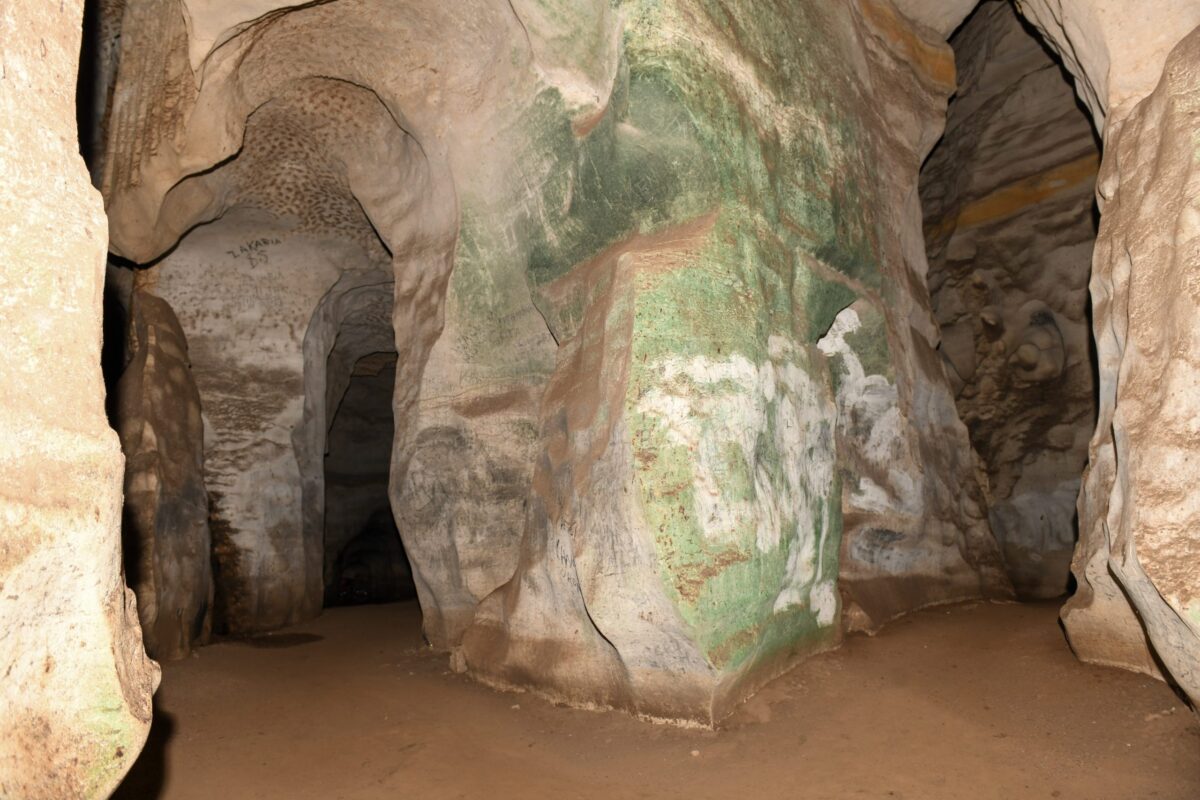
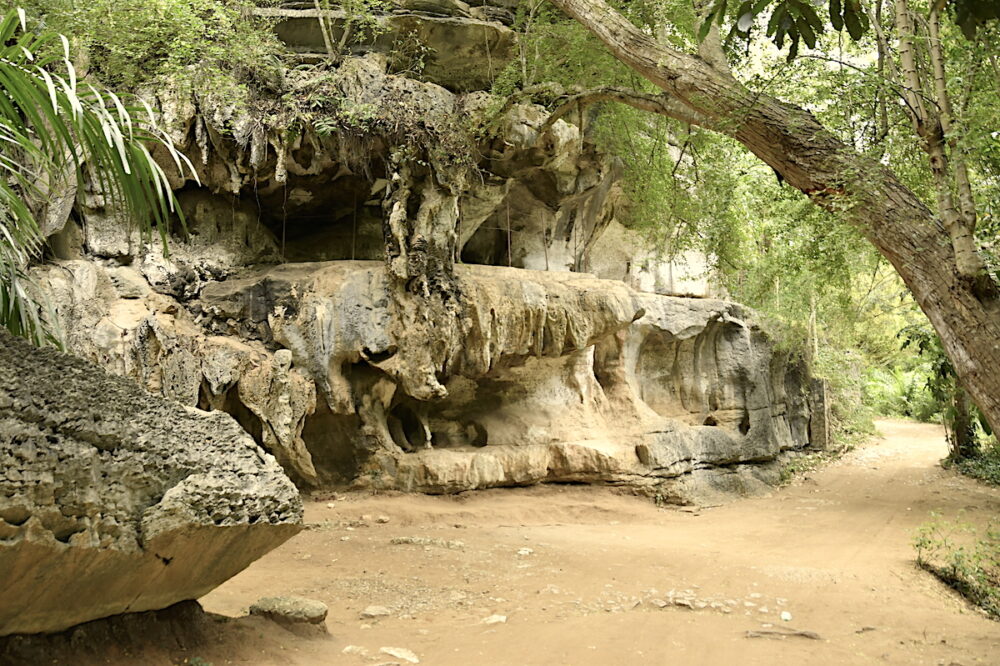
Over millions of years, this acidic water slowly dissolved the limestone, carving out the vast tunnels, chambers, and towering rock formations that visitors see today. There are 10 known caves in the system, but only one is currently open for guided tours to ensure safety and preservation.
A Rich History: From Plantations to Protected Site
The written history of the Amboni Caves dates back to 1892. At the time, a company called Amboni Limited operated large sisal plantations in the Tanga Region.
It acquired the land where the caves are located. The company reported the caves to the British colonial government. Recognizing their importance, the government declared the caves a conservation area in 1922.
However, the caves were known to local people long before the British arrived. Ethnic groups in the area, including the Segeju, Sambaa, Bondei, and Digo, used the caves for centuries.
For them, the caves were not merely rock formations; they were sacred places for prayer and spiritual connection.
In 1963, after Tanzania gained independence, the government placed the caves under the Department of Antiquities, which still oversees their upkeep today as part of the Ministry of Natural Resources and Tourism.
The Legends and Spiritual Significance of the Caves
For local communities, the Amboni Caves are more than a tourist attraction. They are regarded as supernatural formations. Local legends say that powerful spirits, known locally as “Mizimu,” have inhabited the caves since their creation.
Inside the caves, certain chambers are considered sacred. One of the most well-known is called “Mzimu wa Mabuvu.” To this day, some local people visit this chamber to pray, make offerings, and seek help from the spirits.
They believe the spirits can heal illness, relieve suffering, and even aid fertility. This blend of ancient belief and natural wonder makes a visit to the caves a deeply cultural experience.
What to Expect on a Guided Tour
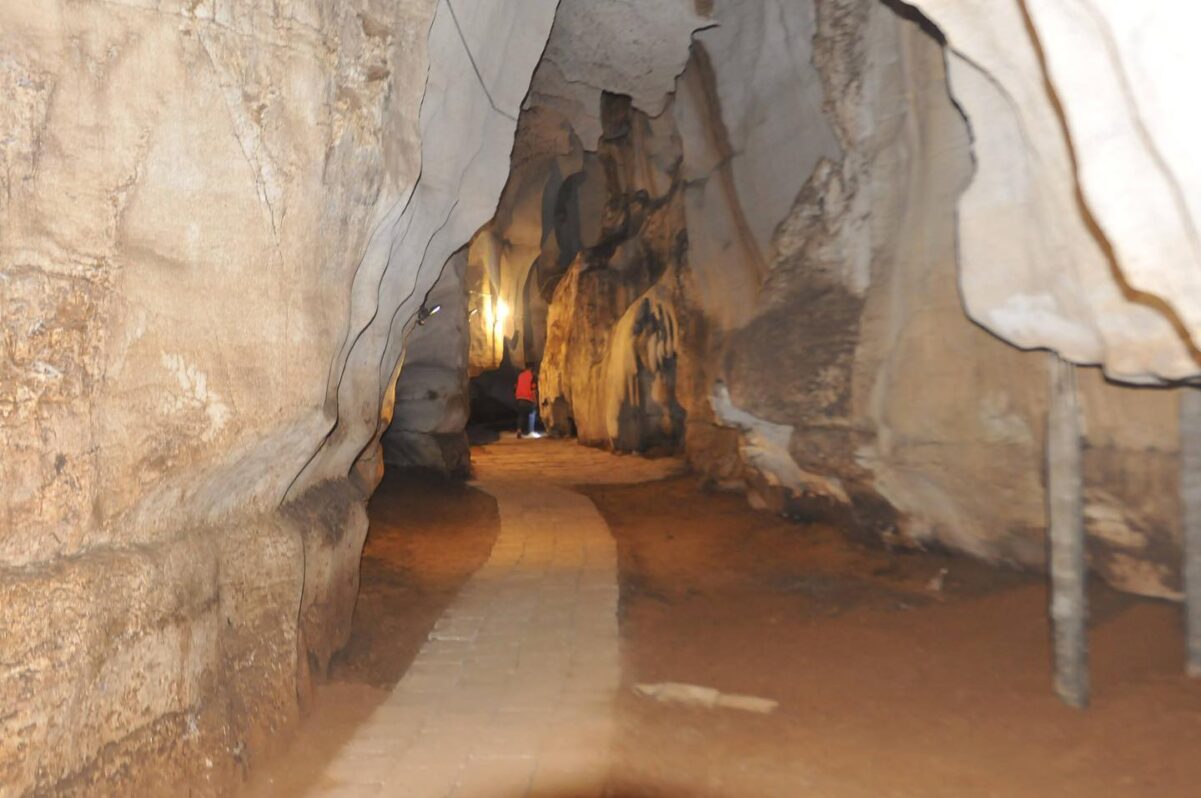
Visiting the Amboni Caves is an adventure. It is very dark inside, and the tunnels can be narrow, so going with a guide is not just recommended—it is essential for safety.
Guides are knowledgeable about the history, geology, and legends, and they will lead you through the accessible parts of the cave system.
Key Highlights of the Tour:
-
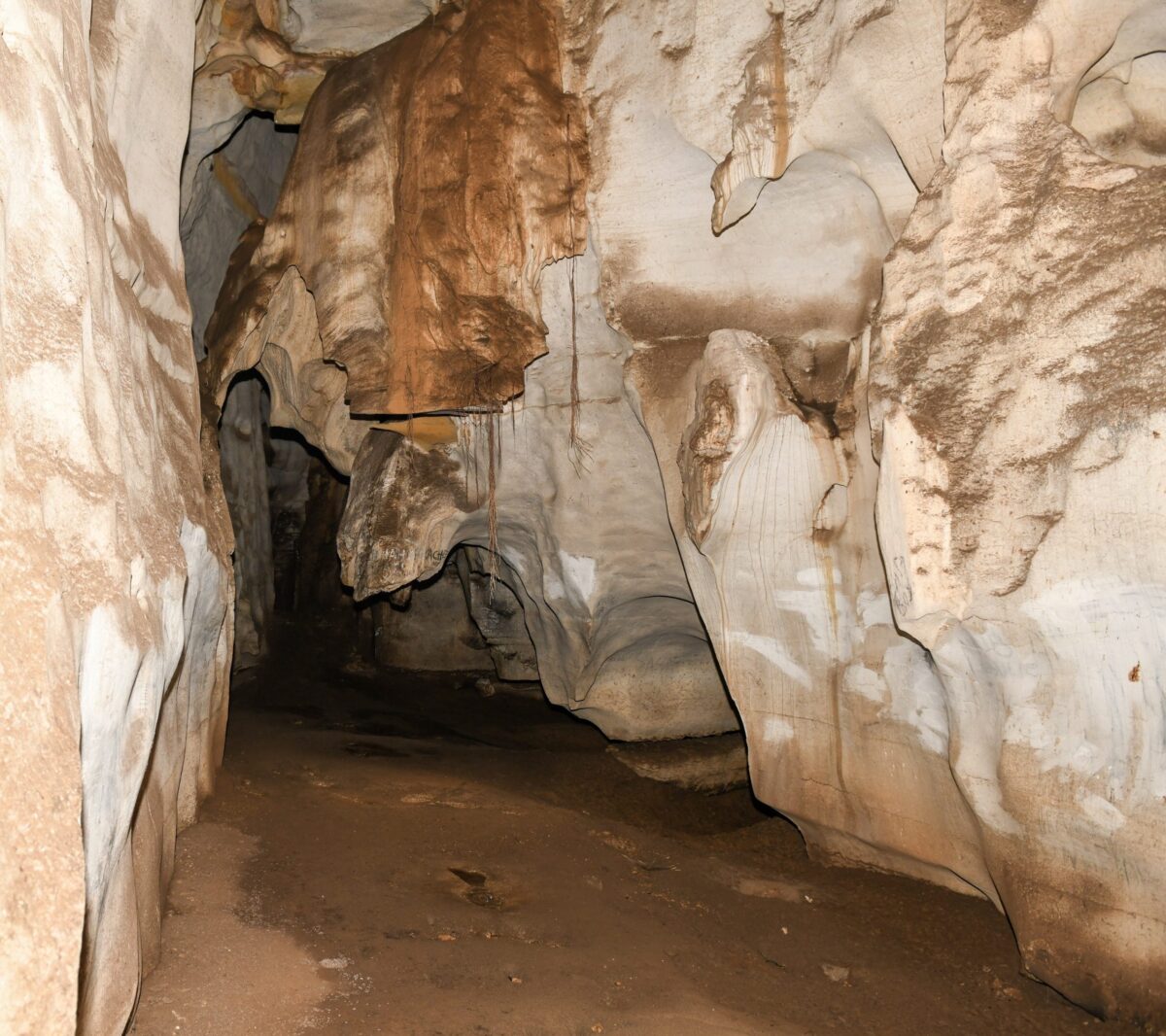
Towering Formations: Inside, you will see incredible limestone formations shaped by water over millions of years. Stalactites and stalagmites create an otherworldly landscape.
-
Chamber One (The Prayer Room): This chamber is still used for spiritual practices. Visitors can see where local villagers have left offerings.
-
Tight Squeezes: The tour includes walking through narrow passages. It is an exciting experience, but visitors should be comfortable in small spaces.
Visitor Tips:
-
Wear comfortable shoes: The ground is uneven and slippery.
-
Bring a small camera; a pocket-sized one is best. Large cameras with big lenses can be hard to manage in tight spaces.
-
Leave large bags behind: There is a designated area where you can store them before entering the tighter sections of the caves.
-
Be prepared for darkness: The caves have no natural light. Your guide will have a lamp, but it adds to the adventure!
Why Visit the Amboni Caves?
The Amboni Caves are among the most popular attractions in the Tanga region, drawing thousands of visitors each year, both local and international. They offer something different from the typical wildlife safari.
| Reason to Visit | What You’ll Experience |
|---|---|
| Geological Wonder | See 150-million-year-old rock formations and learn how water shaped the Earth. |
| Cultural Insight | Understand the spiritual beliefs and legends of the local Segeju, Digo, and Sambaa people. |
| Adventure | Explore dark tunnels and chambers, crawling through squeezes for a real adventure. |
| History | Walk through a site that has been used by humans for centuries and protected since 1922. |
Ready to Explore More of Tanzania?
A visit to the Amboni Caves is a perfect addition to a Northern Tanzania itinerary, especially if you are looking to explore off the beaten path. While the caves are a highlight of the Tanga region, they pair well with other incredible destinations.
-
Combine with Beach Time: After exploring the caves, relax on the beautiful beaches of Pangani or along the coast.
-
Explore Tanga Town: Discover the historic center, featuring German colonial architecture and bustling markets.
-
Go on Safari: The national parks of the Northern Circuit, such as Tarangire, Lake Manyara, and the Ngorongoro Crater, are a journey away but can be combined into a longer trip.
-
Climb a Mountain: For the ultimate adventure, pair your cultural tour with a trek up Mount Kilimanjaro.
Frequently Asked Questions About Amboni Caves
1. How do I get to the Amboni Caves?
The caves are about 8 km north of Tanga city. You can take a taxi, a “bajaji” (a three-wheeled taxi), or a local bus (dala dala) from Tanga toward the Mombasa road. It is a short, easy trip.
2. Is there an entrance fee?
Yes, there is a small entrance fee. The fees help the Department of Antiquities maintain and protect the site. It is best to bring cash in Tanzanian Shillings. Fees are subject to change, so check locally.
3. Do I need a guide to go inside?
Yes, absolutely. You must be accompanied by an official guide. The caves are dark, and the tunnels are complex. Going without a guide is both dangerous and prohibited. Guides are available at the entrance.
4. How long does a tour take?
A typical guided tour of the main cave lasts about 45 minutes to 1.5 hours, depending on how many areas you explore and how many questions you have.
5. Are the caves suitable for children?
Yes, children can visit, but they must be closely supervised. The caves are dark, with some narrow passages. Parents should assess whether their child is comfortable in small, dark spaces.
6. What should I wear and bring?
Wear comfortable, closed-toe shoes with good grip (such as sneakers or hiking shoes). Bring a small flashlight or use your phone’s flashlight, though guides usually have powerful lamps. A small camera is great for photos, but leave large bags behind.
7. Are there any safety concerns?
The caves are generally safe if you follow the guide’s instructions. Watch your step, as the ground can be uneven and wet. Do not touch the rock formations, as skin oils can damage them.
8. What is the best time to visit?
The caves can be visited year-round because they are underground and unaffected by rain. However, the roads may be muddier during the long rainy season (March-May). Morning visits are often cooler and less crowded.
Final Remarks
The Amboni Caves in Tanzania are a hidden gem waiting to be explored. They offer a unique blend of natural history, adventure, and living culture you won’t find anywhere else. Whether you are a history buff, a geology enthusiast, or simply a curious traveler, a visit to these ancient caves will deepen your appreciation for Tanzania’s diverse heritage.
Plan your visit today. Combine it with a relaxing stay in Tanga or use it as a launchpad for a larger Tanzanian adventure. The spirits of the caves are waiting to share their stories. Contact us
Amboni Caves Tanzania Photos