When to Visit Serengeti National Park
Serengeti Safari Tours

General Travel Information
Our team carefully researched and focused on trips that attract people with the same interests and naturally get on well with each other through their shared interests.
Once you confirm your booking on a tour, you will be sent further practical information – packing tips, detailed itineraries, including advice on health, passport, and visa requirements, and minimum and maximum numbers of guests on tours.
Memorable meals are a hallmark of an excellent holiday. With the support of the best cooks, the quality of food and drink service is guaranteed. Depending on the service level or tour type you have chosen, a pre-discussion with your tour planner is a win-win for an enjoyable trip. Our cook accompanies other tours, and other services are included with our accommodation partners, including hotels, private camps, and luxury lodges.
The answer is absolute yes! The areas where safaris are organized are safe and free of political chaos. We conduct safaris in politically stable regions to ensure our clients’ safety and enjoyment.
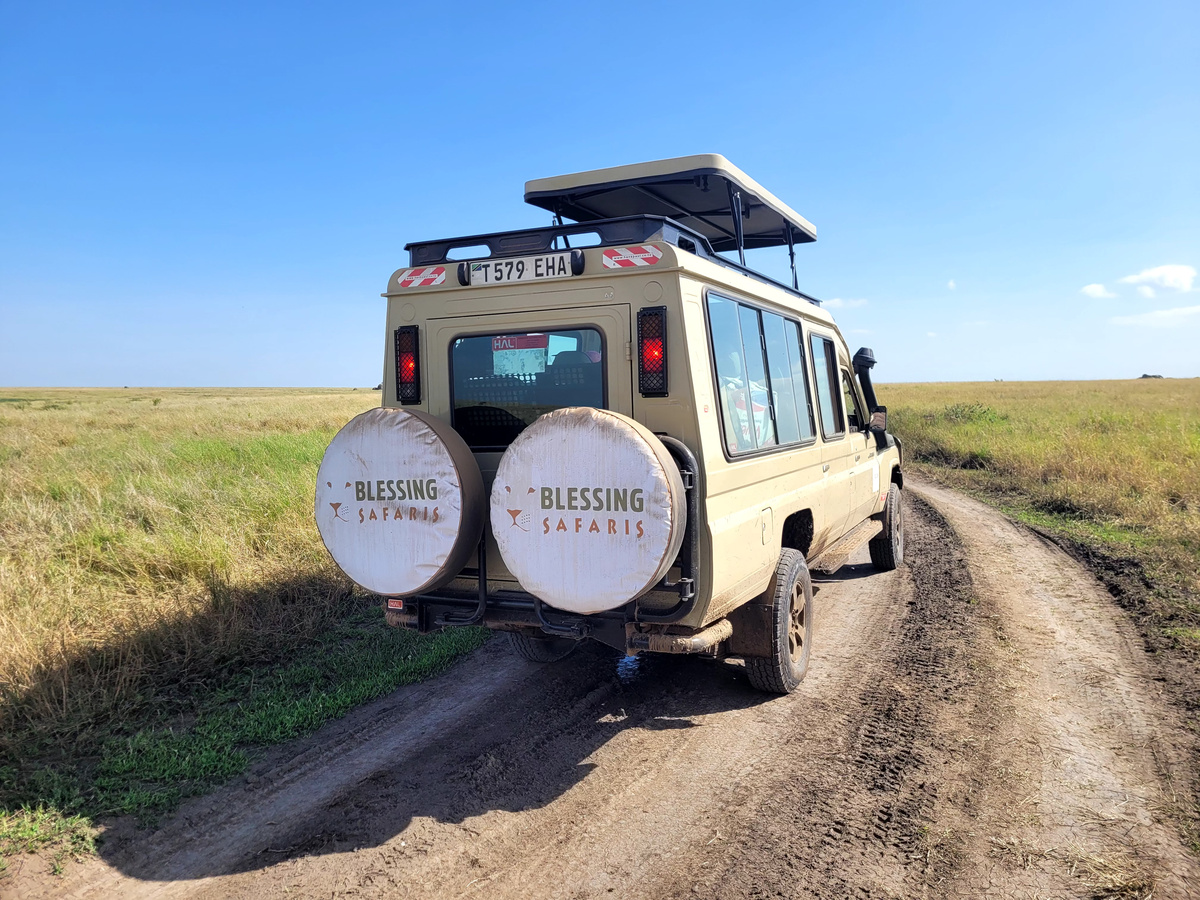
Our Professional Safari Guides are well-trained about wild animal behaviors, and they have enough experience to lead our clients in the wilderness. Our vehicles are 4×4 Toyota Land Cruisers and Land Rovers with a hatchback roof to maximize visibility of the game.
African safaris offer unlimited sightseeing; millions of animals, birds, and plant life are the defining features of the African savanna. You roam across the countryside in search of Elephants, Lions, Rhinos, Cape buffalo, and Leopards (the so-called “Big Five”). On any given day, you will encounter Blue Wildebeests, Zebras, a large variety of antelope species, Gazelles, Giraffes, Baboons, and Hippos. The birdlife is fantastic – in some areas, up to 400 bird species have been identified! Think of the majestic Baobab tree (some tribes believe that the tree was indeed planted upside-down!), and there are hundreds of varieties of thorn trees! You will also see the acacia-dotted landscape, endless plains, majestic mountains, and the most beautiful sunsets and sunrises imaginable! Think of a late afternoon thunderstorm, short but violent, and then the beautiful rainbow.
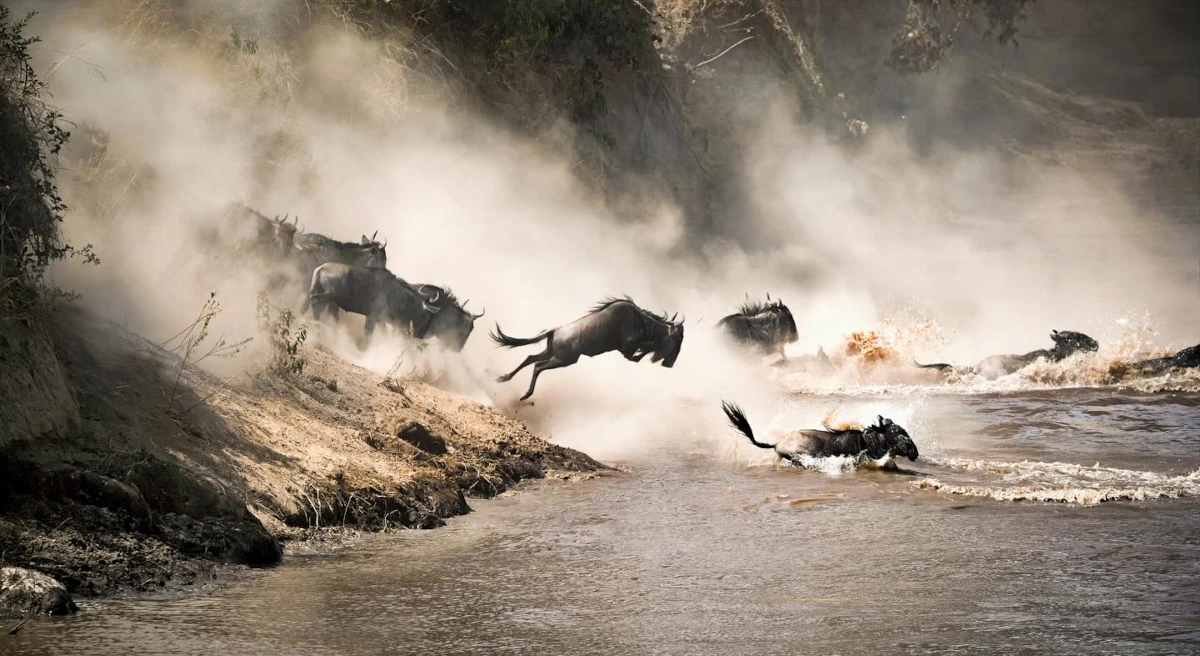
Tanzania destinations are accessible year-round, but we recommend scheduling your safari during the dry season (July to October and December through February) for the best sightings, as grasses and bush are at their least dense. The green session includes March through June. Discuss with us the best option if you also plan to coincide with the Wildebeest Migration in Serengeti National Park.
(We suggest you remember) insect repellent (the best way to prevent malaria and other insect-borne diseases), sunscreen, cap or hat, sunglasses, binoculars, detergent powder if you want to wash some clothes yourself, hand-wipes small flashlight, aspirin, diarrhea medicine, rain jacket, poncho, or collapsible umbrella, plastic bags (for wet clothes, swimsuit and for keeping dust away from camera equipment), Kleenex/toilet tissue a neck chain for eyeglasses if you take them off to use binoculars and cameras, any medical prescription you need, masking tape or labels for marking exposed films cans, film, extra camera batteries.
Although more than 200 languages and dialects are spoken across Africa, this is not a problem, as English is widely spoken in East and Southern Africa. In addition to English, all our professional guides are multilingual, so we have you covered.
African safaris offer unlimited sightseeing; millions of animals, birds, and plant life are the defining features of the African savanna. You roam across the countryside in search of Elephants, Lions, Rhinos, Cape buffalo, and Leopards (the so-called “Big Five”). On any given day, you will encounter Blue Wildebeests, Zebras, a large variety of antelope species, Gazelles, Giraffes, Baboons, and Hippos. The birdlife is fantastic – in some areas, up to 400 bird species have been identified! Think of the majestic Baobab tree (some tribes believe that the tree was indeed planted upside-down!), and there are hundreds of varieties of thorn trees! You will also see the acacia-dotted landscape, endless plains, majestic mountains, and the most beautiful sunsets and sunrises imaginable! Think of a late afternoon thunderstorm, short but violent, and then the beautiful rainbow.
Frequently Asked Questions for Serengeti Safari
We are committed to ensuring you experience the luxury of genuinely memorable travel. On every trip, we aim to create a ‘charmed space’ within which you can relax, absorb fresh insights, be stimulated and charmed by new encounters – and have fun!
Whether traveling alone or with friends, Blessing Safaris guests often mention how particularly agreeable they find their traveling companions. Our groups are deliberately small, comprising 2 to 7 guests, especially for safari.
Our team carefully researched and focused on trips that attract people with the same interests and naturally get on well with each other through their shared interests.
Once you confirm your booking on a tour, you will be sent further practical information – packing tips, detailed itineraries, including advice on health, passport, and visa requirements, and minimum and maximum numbers of guests on tours.
Memorable meals are a hallmark of an excellent holiday. With the support of the best cooks, the quality of food and drink service is guaranteed. Depending on the service level or tour type you have chosen, a pre-discussion with your tour planner is a win-win for an enjoyable trip. Other tours are accompanied by our cook, and others are inclusive service from our accommodation partners, including hotels, private camps, and luxury lodges.
Why not? We offer private tours for individuals, families, and groups. Whether you’re celebrating a special anniversary or planning a family reunion, we can discuss your needs. We can create a bespoke itinerary away from traffic, with travel in style, tailored to your requirements.
The answer is absolutely yes! The areas where safaris are organized are safe and free of political chaos. We conduct safaris in politically stable regions to ensure our clients’ safety and enjoyment.
African safaris guarantee unlimited sightseeing; millions of animals, birds, and plant life are the core characters of the African savanna. You roam across the countryside in search of Elephants, Lions, Rhinos, Cape buffalo, and Leopards (the so-called “Big Five”). On any given day, you will encounter Blue Wildebeests, Zebras, a large variety of antelope species, Gazelles, Giraffes, Baboons, and Hippos. The birdlife is fantastic – in some areas, up to 400 bird species have been identified! Think of the majestic Baobab tree (some tribes believe that the tree was indeed planted upside-down!), and there are hundreds of varieties of thorn trees! You will also see the acacia-dotted landscape, endless plains, majestic mountains, and the most beautiful sunsets and sunrises one could ever imagine! Think of a late afternoon thunderstorm, short but violent, and then the beautiful rainbow.
This aspect is much overstated. You will rarely see a snake, but if you do, it will most likely be from the safety of your safari vehicle. Tents and lodges all have bug screens fitted to windows and doors. In most areas where bugs or mosquitoes are prevalent, rooms and tents are also equipped with mosquito nets, adding to the idealistic ambiance. Bear in mind that malaria is a threat in most wildlife areas, and it is necessary to consult your doctor for advice before embarking on your safari.
Tanzania destinations are accessible throughout the year but we advise you to take your tours during the dry session for the safari so as you can enjoy the best sightings at this time as the grasses and bush are at their least dense. July to October and December through February. The green session includes March through June. Discuss with us for the best option if you have also a plan to coincides with Wildebeest Migration in Serengeti National Park
Around the turn of the century (until the ’30s and ’40s), mobile tenting was the only option, and “camp as you go” was the standard practice. Over the years the luxury connected with the traditional mobile tenting safari has increased. By the same token, one can understand that the cost of having a “luxury hotel” following one around in Africa is expensive. However, most people settle for permanent tented camps. Because they are “permanent” they can be equipped with flush toilets and traditional bathroom fixtures and conveniences. Don’t be misled by terminology – a permanent tented camp offers the comfort of a 5-star hotel but with the romance and adventure of being surrounded by the sights and sounds of Africa.
(We suggest you remember) insect repellent (the best way to prevent malaria and other insect-borne diseases), sunscreen, cap or hat, sunglasses, binoculars, detergent powder if you want to wash some clothes yourself, hand-wipes small flashlight, aspirin, diarrhea medicine, rain jacket, poncho or collapsible umbrella, plastic bags (for wet clothes, swimsuit and for keeping dust away from camera equipment), Kleenex/toilet tissue a neck chain for eyeglasses if you take them off to use binoculars and cameras, any medical prescription you need, masking tape or labels for marking exposed films cans, film, extra camera batteries.
Although more than 200 languages and dialects are spoken throughout Africa, this presents no problem as English is spoken throughout East and Southern Africa. Apart from English, all our professional guides are multilingual so we get you covered