About the Shifting Sand
The shifting sand is a remarkable black dune composed of volcanic ash from Oldoinyo Lengai, which is slowly blown westward across the plains at about 17 meters per year.
About 9 meters high and 100 meters long in its curve, it lies north of Olduvai Gorge.
There is little to no sand or ash in the surrounding areas, and the shifting sands are driven by strong winds across the plains, which sometimes create mini sandstorms around the dunes, making them difficult to see or visit.
However, when it calms down, it becomes possible to even climb to the top of the dune for photos or view the vast plains around it.
It’s near the Olduvai Gorge on the road to the Serengeti, which is two crescent-shaped dunes. The sand is remarkably dark, especially in comparison with the soil surrounding the dunes.
This is because the ash is highly magnetized, which explains why the particles tend to fall back onto the dunes rather than being blown away by the wind.
In fact, it is possible to throw a handful of sand in the air and see how it clumps together and re-joins the dunes. However, when strong winds blow, these dunes, also known as Barkan, begin to move.
Slowly but surely, they travel through the desert, at an average of 55 feet (17 meters) a year. It’s estimated that these shifting dunes have been wandering the savannah for 3 million years.
Although this phenomenon is rare, it is not unique, and its origins have been ascertained. If volcanic ash is rich in iron, it can become magnetized, and when the winds blow it, it may start collecting around a rock.
Given a sufficient amount of time, this little mound can become a dune.
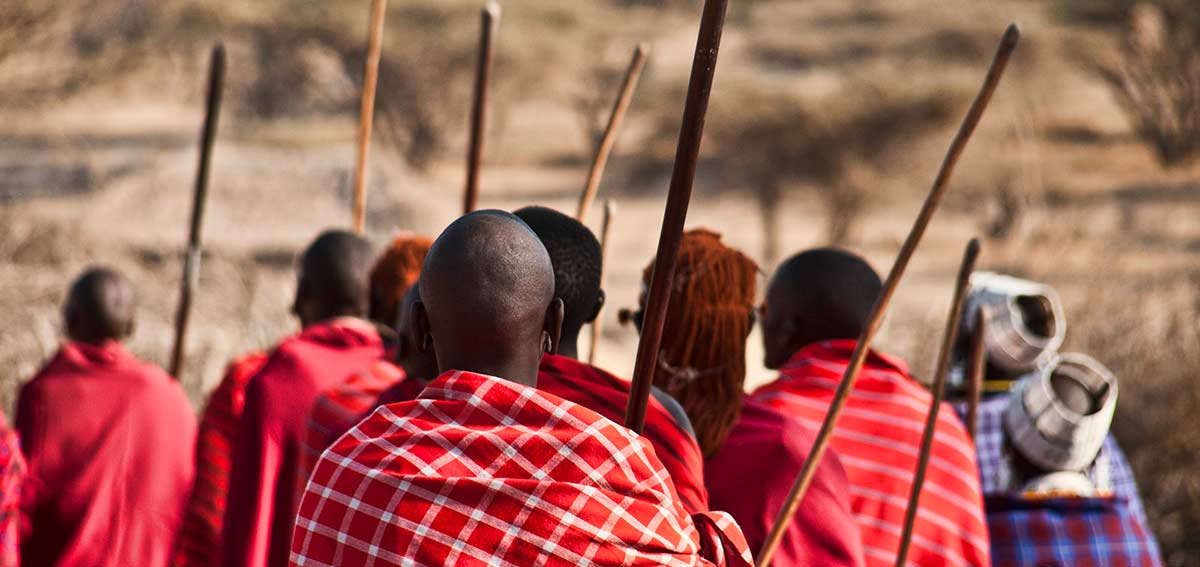
The local Maasai believe the shifting dunes have come from the nearby sacred mountain Oldoinyo Lengai, loosely translated as the Mountain of God (where God resides).
As a consequence, these dunes are also considered sacred by the Maasai, who convene by the dunes in cases of prolonged drought.
On these occasions, a goat is sacrificed to the gods so that rain may come soon. Understandably, climbing the dunes is inappropriate.
Note: The dunes are located near Olduvai Gorge within Ngorongoro Conservation Area, along the road to Serengeti National Park.
The trails leading to the area where the shifting dunes roam require a 4×4 vehicle in the dry season, and visiting the dunes shortly after rainfall is not recommended, as the trails can turn into impassable mud pits.