
Mti Mkubwa Camp Kilimanjaro
Mti Mkubwa Camp, also known as Big Tree Camp or Forest Camp, is the first overnight stop on the Lemosho Route, one of Mount Kilimanjaro’s most scenic paths. Situated at 2,780 meters in the rainforest zone on the north-western slopes, the camp is named for the large trees that surround it, creating an immersive forest setting. For many climbers, Mti Mkubwa offers a gentle introduction to the mountain.
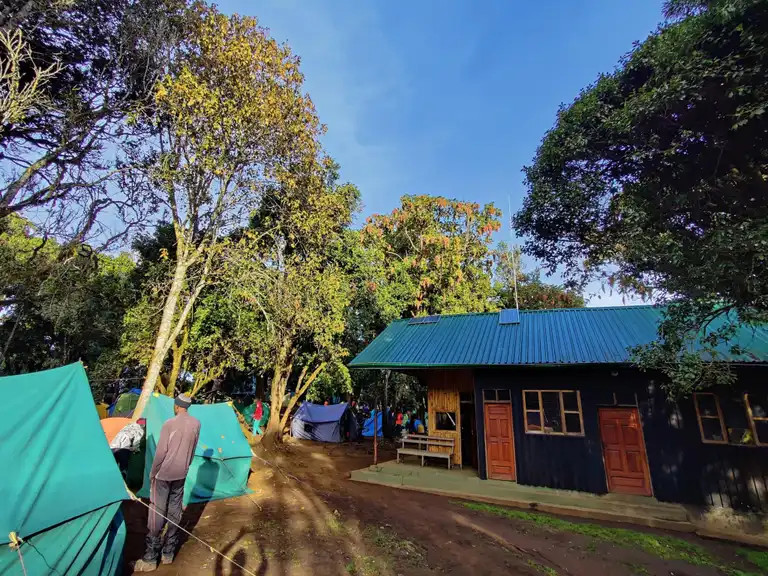
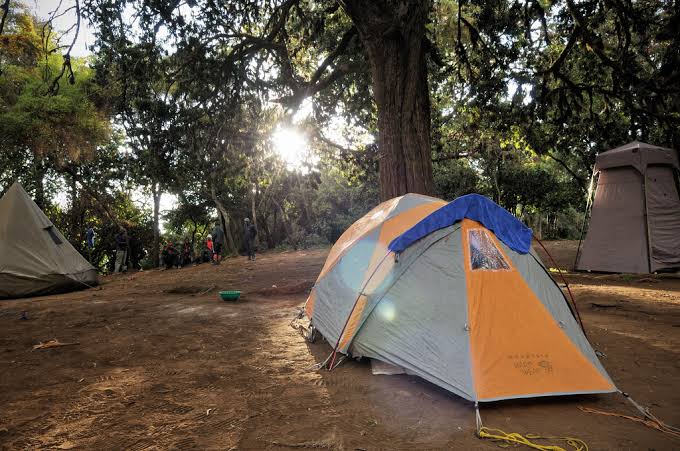
The camp is nestled beneath a canopy of ancient trees and is filled with the sounds of birds, monkeys, and rustling leaves. This environment immerses climbers in Kilimanjaro’s ecosystem, far from the towns below. The large trees serve as natural windbreakers, providing shelter and comfort after the first day of trekking.
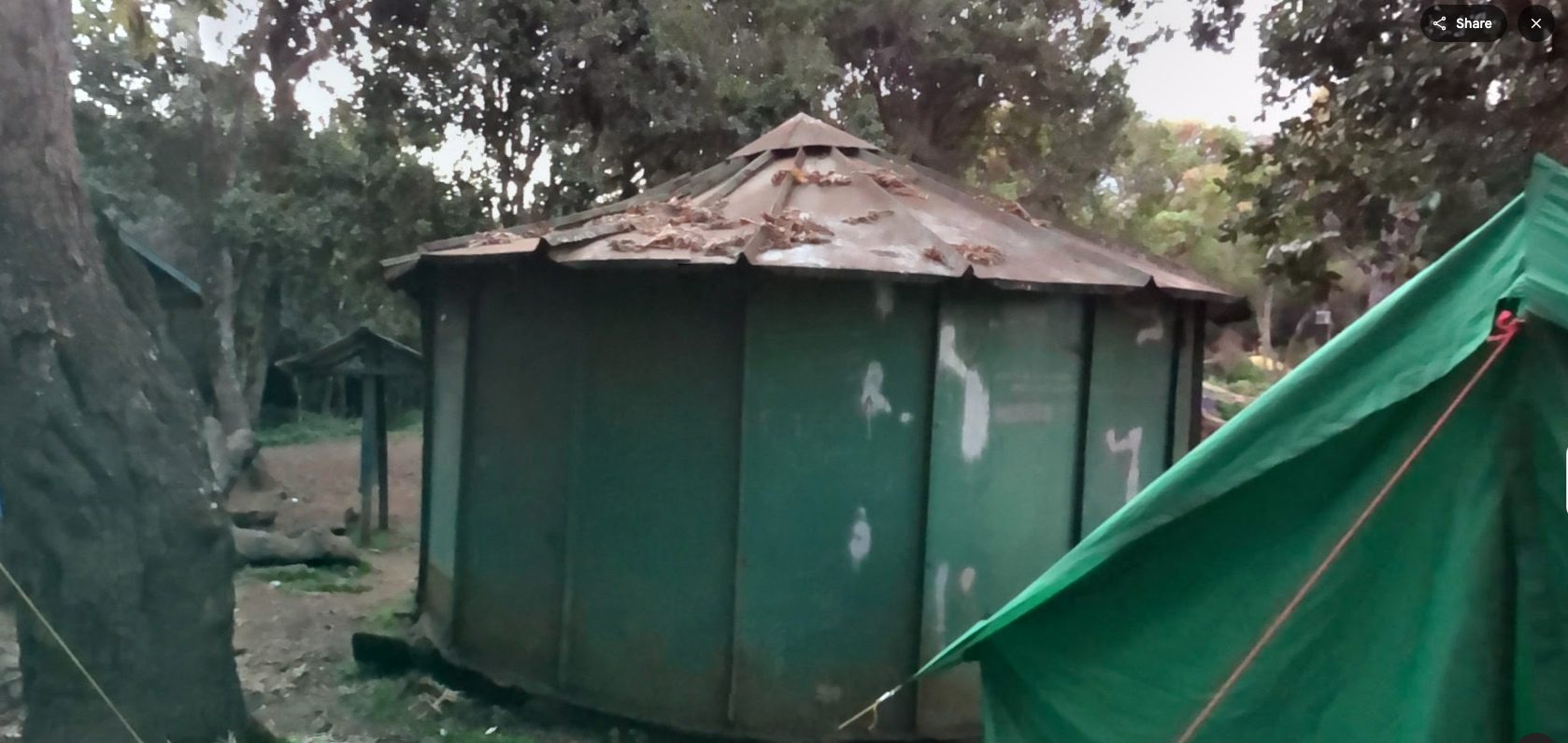
Mti Mkubwa is a tent-only campsite with no permanent accommodation. Facilities include a Ranger’s hut and basic pit latrines, underscoring its role as a functional staging point. Climbers must bring their own tents and supplies. Despite its simplicity, the forest setting and peaceful atmosphere make it a memorable start to the Lemosho Route.
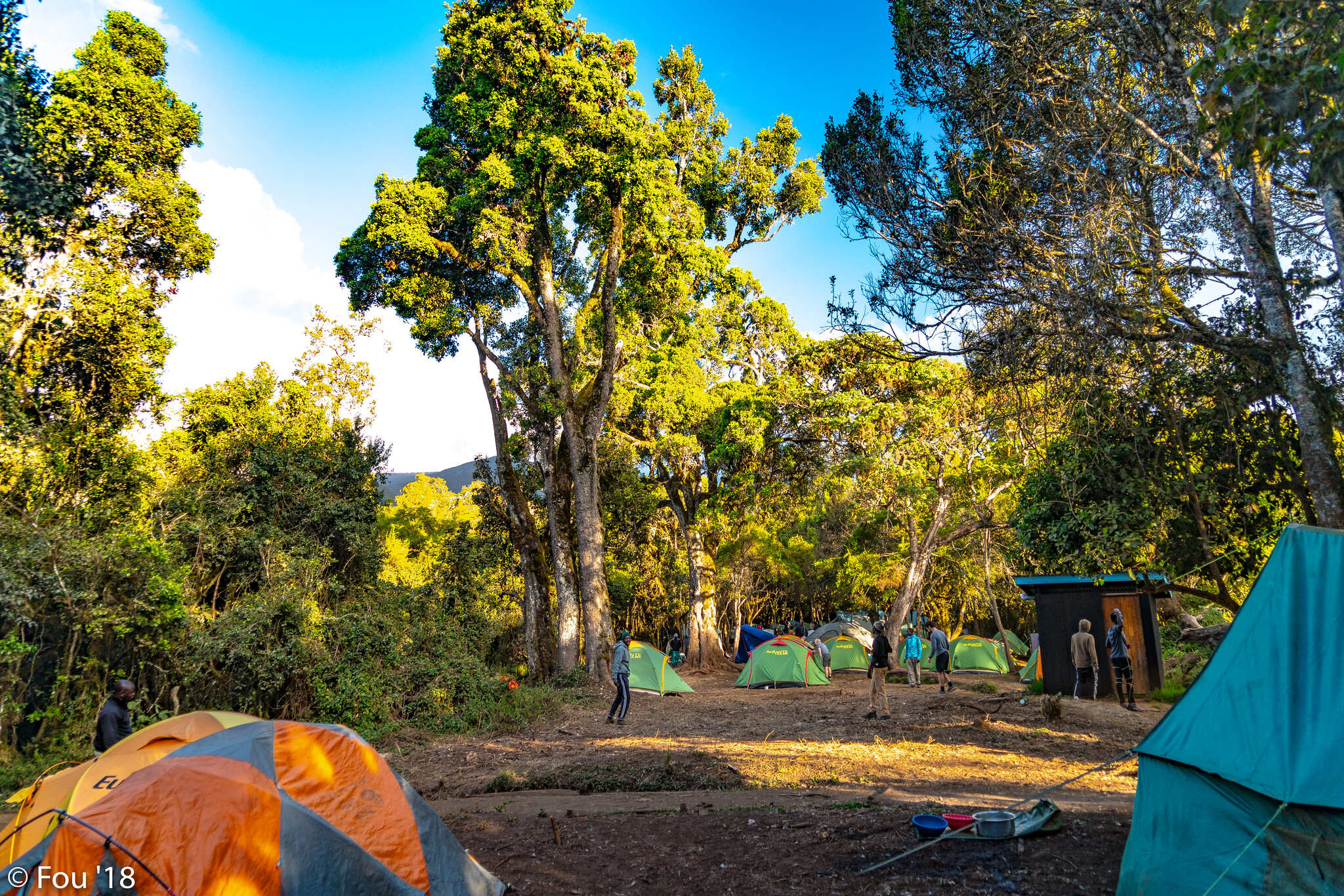
Location of Mti Mkubwa Camp
Mti Mkubwa Camp sits on the north-western side of Mount Kilimanjaro, in a rainforest valley at an elevation of 2,780 meters. The dense forest, with tall trees, mosses, and ferns, creates a humid environment unlike the higher elevations. The camp is a few hours from Londorossi Gate and serves as the first campsite on the Lemosho Route 8 Day Itinerary.
The trek from Londorossi Gate to Mti Mkubwa Camp takes about three hours, making for a manageable first day. The trail passes through a rainforest rich in diverse flora and fauna before reaching a clearing created by removing trees from the natural amphitheater.
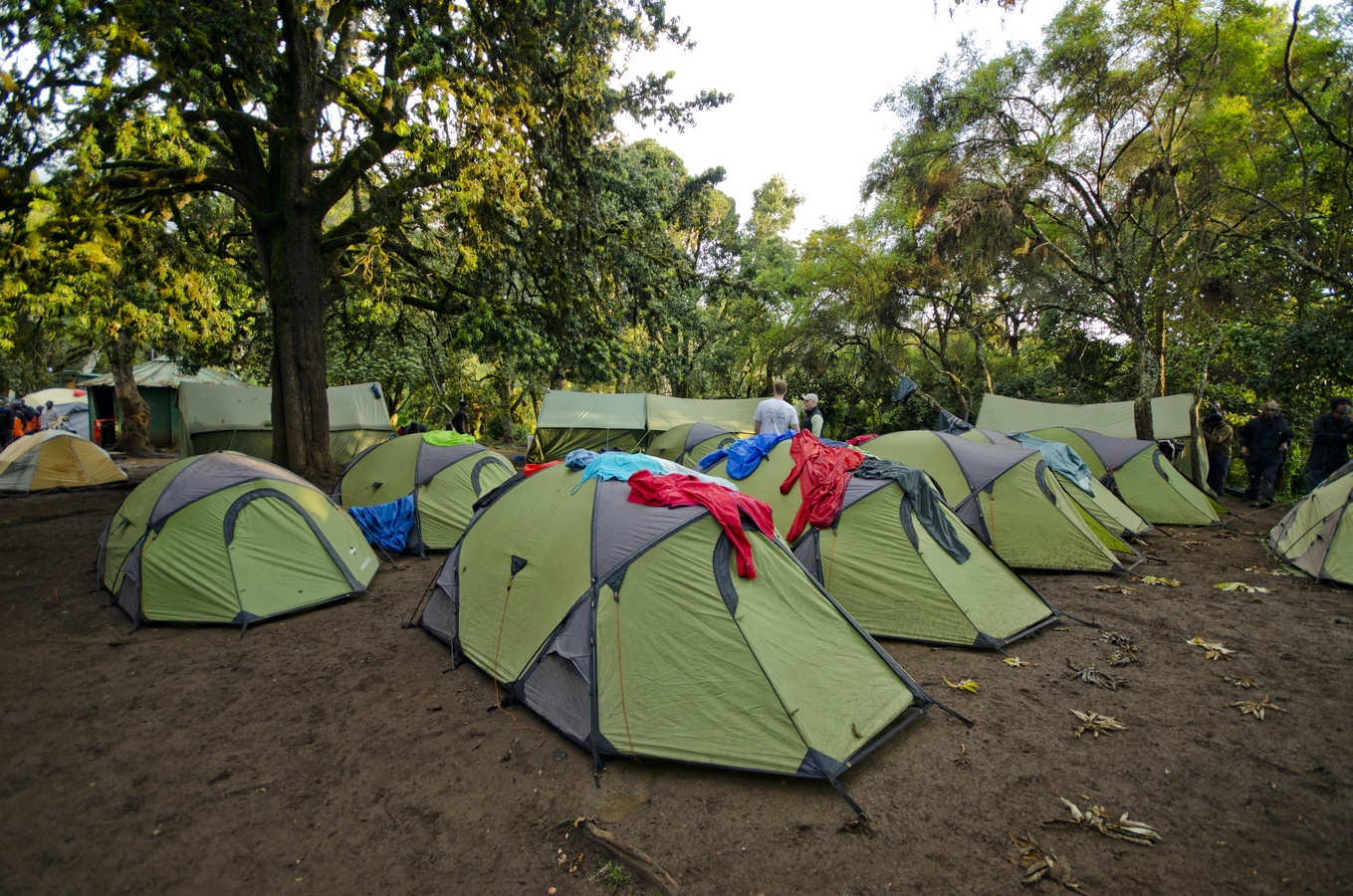
The camp’s rainforest setting provides natural protection from the elements. Large trees act as windbreaks, and the area’s high rainfall and humidity support lush vegetation. The camp is smaller than most on Kilimanjaro and accommodates fewer climbers, reflecting the lower traffic on the Lemosho Route.
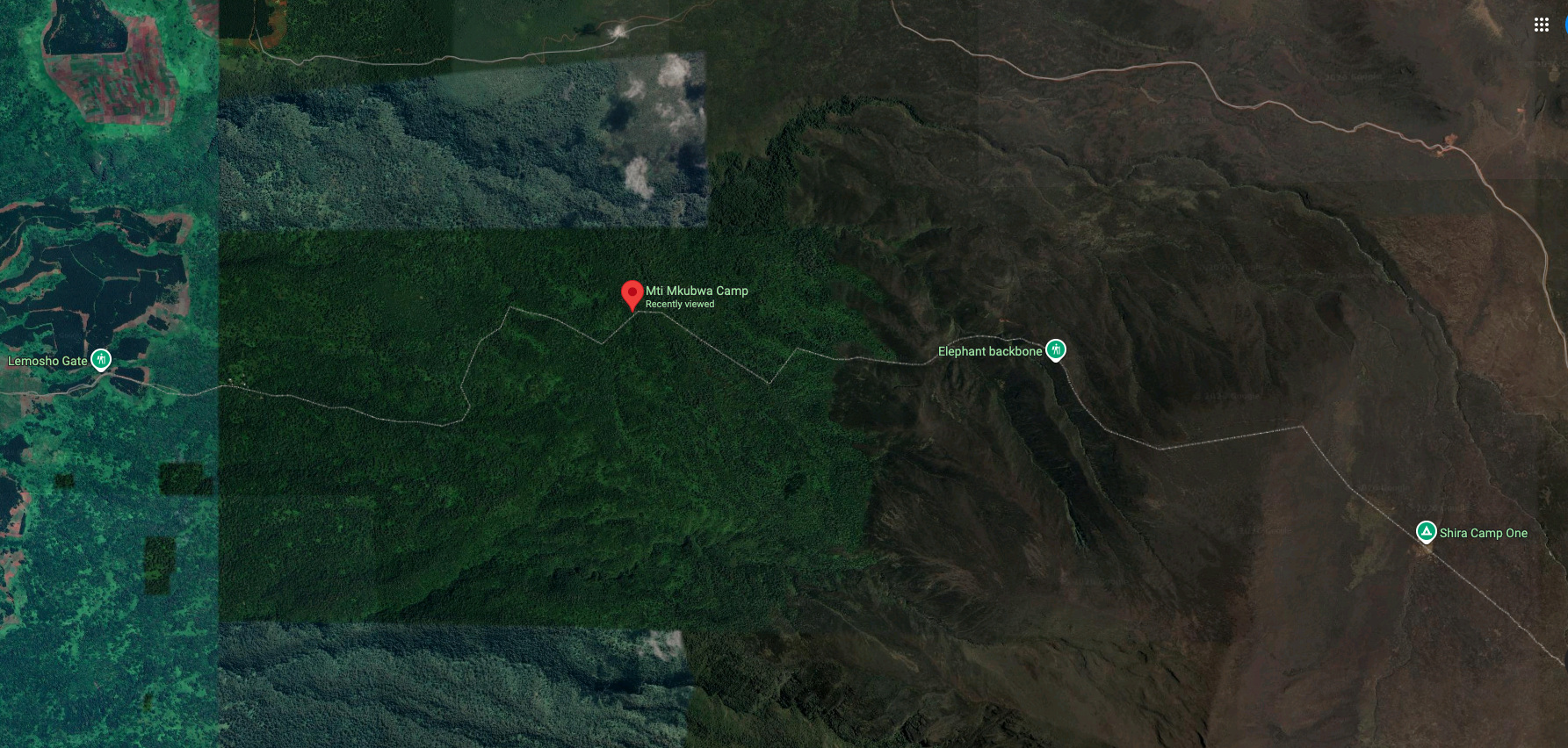
Mti Mkubwa Camp on Map
Facilities at Mti Mkubwa Camp
Mti Mkubwa Camp provides basic facilities to ensure essential comfort for climbers on their first night on the Lemosho Route. There are no permanent accommodation structures, so climbers must bring their own tents, typically carried by porters. The campsite features a flat, cleared area for tents and is surrounded by the tall trees that give the camp its name.
The camp’s only permanent structures are a Ranger’s hut for park authorities and basic pit latrine toilets. These provide essential sanitation but little comfort; climbers should bring their own toilet paper and hand sanitizer. Water is generally available from natural sources, but must be treated before use. There are no dining facilities, so meals are taken in individual tents, and climbers must manage their own dining arrangements.
Although the facilities are basic, Mti Mkubwa Camp offers a comfortable and functional place to rest. The shelter of the surrounding trees, the peaceful atmosphere, and the sounds of the forest create a welcoming environment for rest and recovery.
Environment, Climate, and Landscape at Mti Mkubwa Camp
Mti Mkubwa Camp is located in the rainforest zone of Mount Kilimanjaro, known for its exceptional biodiversity and striking scenery. The area features dense vegetation, tall trees, mosses, ferns, and diverse plant and animal life. Positioned in a valley, the camp offers a sheltered, humid environment distinct from the higher, more exposed camps.
The rainforest location leads to high rainfall and humidity year-round, contributing to the camp’s lush surroundings. Large trees serve as natural windbreaks, providing a calm and comfortable setting. Temperatures are usually mild, but nights can be cool, so climbers should be prepared for rain.
Majestic trees define the landscape around Mti Mkubwa, forming a canopy that filters sunlight and casts patterns on the forest floor. The area is filled with natural sounds, including birds, monkeys, and rustling leaves. This immersive environment allows climbers to experience Kilimanjaro’s ecosystem, and many consider sleeping in the rainforest a highlight of their climb.
Wildlife is abundant near Mti Mkubwa. Climbers may encounter various bird species, monkeys, and other small mammals native to the rainforest. The camp remains lively throughout the day, with birds and monkeys contributing to a vibrant atmosphere that many consider a highlight of the first day.
The Lemosho Route and Mti Mkubwa Camp
The Lemosho Route is among the most scenic ways to ascend Mount Kilimanjaro, beginning on the western side and crossing the Shira Plateau before joining the southern circuit. It offers excellent acclimatization, impressive views, and less traffic than the Machame and Marangu routes. Mti Mkubwa Camp is the first overnight stop, giving climbers an accessible introduction to the mountain’s diverse ecosystems.
The journey from Londorossi Gate to Mti Mkubwa Camp marks the beginning of the Lemosho experience. The three-hour trek through the rainforest immerses climbers in the mountain’s natural beauty, offering opportunities to observe wildlife and enjoy the lush vegetation before reaching higher elevations. The camp’s sheltered location provides a comfortable environment for the first night, helping climbers rest and prepare for the days ahead.
The Lemosho Route’s tranquility is evident in Mti Mkubwa Camp’s small size and quiet atmosphere. The camp accommodates fewer climbers than most Kilimanjaro campsites, creating a peaceful and intimate setting. This makes Mti Mkubwa an ideal introduction to the route and a memorable start to any Kilimanjaro expedition.
Final Remarks
Mti Mkubwa Camp marks the beginning of the Lemosho Route, offering climbers their first overnight stay in Mount Kilimanjaro’s rainforest zone. Set beneath tall trees in a lively yet peaceful environment, the camp provides a memorable start to your expedition.
Blessing Safaris delivers a high-quality trekking experience with licensed guides, dedicated staff, nutritious meals, and reliable equipment to ensure your safety and comfort. Our local expertise and high summit success rates guarantee a seamless journey. Contact us to discuss your Kilimanjaro plans and begin your adventure on the Lemosho Route with confidence.
Frequently Asked Questions About Mti Mkubwa Camp
What Is Mti Mkubwa Camp?
Mti Mkubwa Camp, also called Big Tree Camp or Forest Camp, is the first overnight stop on the Lemosho Route at 2,780 meters. Located in the rainforest zone on Mount Kilimanjaro’s north-western side, it is named for the large surrounding trees.
Where Is Mti Mkubwa Camp Located?
Mti Mkubwa Camp is on the north-western side of Mount Kilimanjaro, in a valley within the rainforest zone. It is a few hours from Londorossi Gate and serves as the first campsite for climbers entering Kilimanjaro National Park.
What Is the Elevation of Mti Mkubwa Camp?
Mti Mkubwa Camp is at 2,780 meters (9,120 feet) above sea level, within Mount Kilimanjaro’s rainforest zone.
What Facilities Are Available at Mti Mkubwa Camp?
Mti Mkubwa Camp provides tent-only accommodation with no permanent sleeping structures. Facilities include a Ranger’s hut and basic pit latrines. Climbers must bring their own tents and remain self-sufficient.
Which Route Uses Mti Mkubwa Camp?
Climbers on the Lemosho Route use Mti Mkubwa Camp as their first overnight stop. It is not used for descent, as most climbers exit via the Mweka Route.
How Long Does It Take to Reach Mti Mkubwa Camp?
The trek from Londorossi Gate to Mti Mkubwa Camp takes about 3 hours through the rainforest, making for a manageable first day.
What Is the Climate Like at Mti Mkubwa Camp?
The camp has a rainforest climate with year-round rainfall and high humidity. Large trees act as natural windbreaks, providing shelter from strong winds.
What Wildlife Can Be Seen at Mti Mkubwa Camp?
The area is rich in wildlife, including many bird species and monkeys. The camp is lively, with birds and monkeys active from morning to evening.
Is Mti Mkubwa Camp Crowded?
Mti Mkubwa Camp is smaller than most Kilimanjaro campsites and does not accommodate large groups. The Lemosho Route also receives less traffic than the Machame and Marangu routes.
Why Is It Called Mti Mkubwa Camp?
“Mti Mkubwa” means “big tree” in Swahili, referring to the tall trees that define the campsite’s character.
What Should I Bring to Mti Mkubwa Camp?
Essential items include a four-season tent, warm sleeping bag, thermal layers, waterproof clothing, headlamp, water bottles, water treatment supplies, and snacks. Due to the basic facilities available, climbers should be self-sufficient.
Is Water Available at Mti Mkubwa Camp?
Water is generally available at this elevation from nearby natural sources. All water must be treated before drinking or cooking.
When is the Best Time to Stay at Mti Mkubwa Camp?
The ideal time to stay at Mti Mkubwa Camp is during the main climbing seasons, from June to October and from December to March, when weather conditions are more stable and visibility is clearer.
What Makes Mti Mkubwa Camp Special?
Mti Mkubwa Camp stands out for its forest setting, abundant wildlife, and peaceful atmosphere. Its location beneath tall trees offers a memorable start to the Lemosho Route.
What Is the Significance of the Forest Zone at Mti Mkubwa Camp?
The forest zone is among the most biologically diverse areas on Kilimanjaro, offering rich wildlife habitat and an immersive environment for climbers starting their ascent.
. BOOK YOUR CLMB NOW
Mti Mkubwa Camp Kilimanjaro
You May Also Like
Shira Cave Camp holds a unique place in Kilimanjaro’s climbing history. Named after a nearby cave once used by early adventurers, it sits at 3,840 meters on the Shira Plateau and serves as the second overnight stop on the Machame Route.
Karanga Camp, also called Karanga Hut Campsite, is strategically located on Kilimanjaro’s southern circuit and serves as a key acclimatization stop for climbers.