Barranco Camp Kilimanjaro
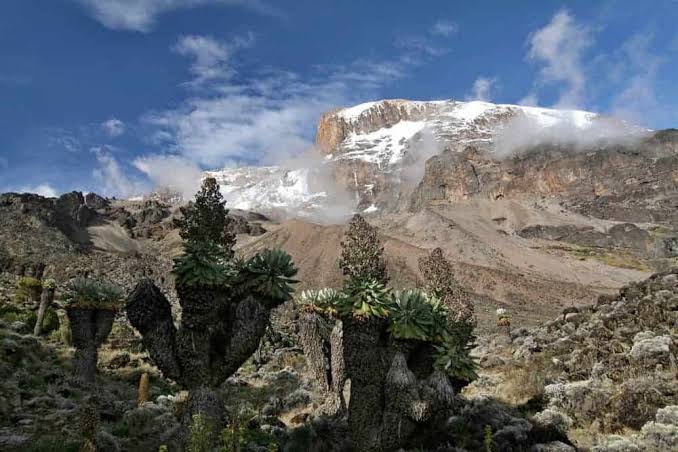
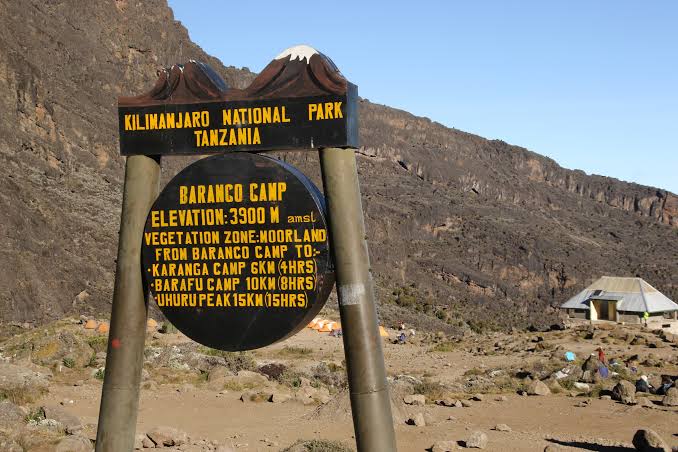
Barranco Camp is located at 3,950 meters at the base of the Great Barranco Wall, offering one of the most scenic overnight stops on Mount Kilimanjaro. Serving climbers on the Machame, Umbwe, Shira, and Lemosho routes, the camp sits between the moorland and alpine desert zones. For many, it marks a key point in the ascent, balancing physical challenge with exceptional mountain views.
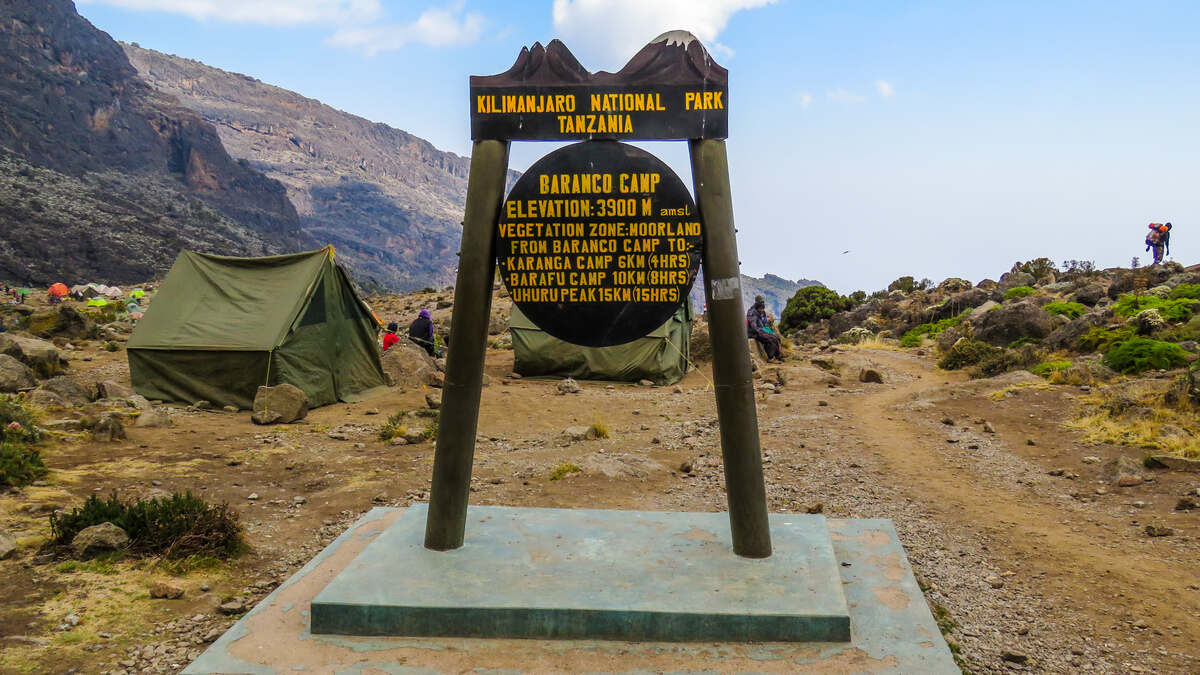
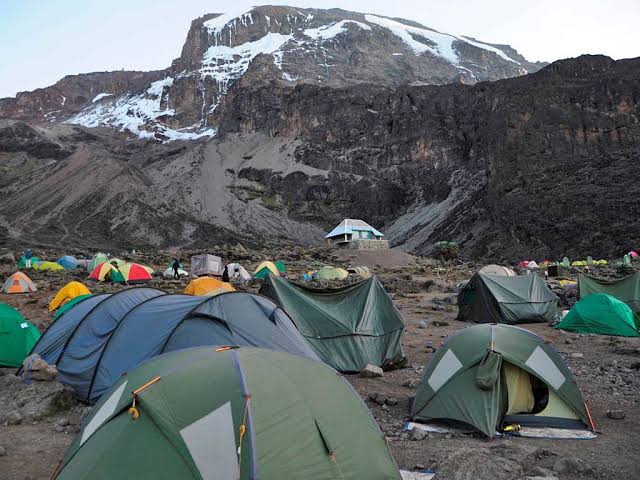
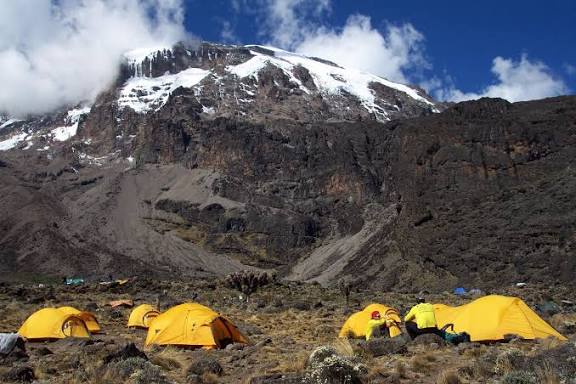
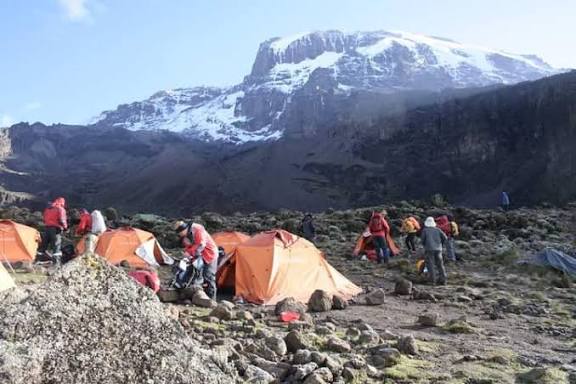
The camp’s location at the base of the Barranco Wall forms a natural amphitheater, sheltered by surrounding features and dominated by views of Kibo Peak. This setting protects climbers from high winds, making for a more comfortable overnight stay. Positioned at the edge of the moorland zone, the camp receives enough rainfall to support limited plant and animal life, offering a contrast to the barren terrain above.
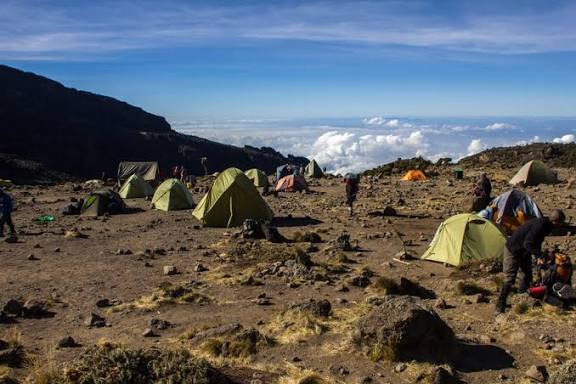
Barranco Camp provides a wilderness camping experience, with no cabins or huts for sleeping. Climbers must bring their own tents, usually carried by porters. The only permanent structures are a ranger’s hut near the Barranco Wall and a building with water closet toilets. The camp’s basic facilities are offset by its remarkable setting.
Location of Barranco Camp
Geographic Position
Barranco Camp sits at the base of the Barranco Wall, south of the Kibo volcanic cone, at the edge of the moorland zone and near the alpine desert. Its location in the Karanga Valley offers natural protection from the elements, making it one of the more comfortable high-altitude camps on Kilimanjaro.
The Barranco Wall
The camp sits directly at the foot of the Great Barranco Wall, one of Kilimanjaro’s most iconic features. This 257-meter (843-foot) cliff face challenges climbers the following morning, requiring an exhilarating and memorable scramble. The wall’s proximity to the camp means climbers can see their route ahead, a sight that can be both intimidating and inspiring.
Barranco Camp on Map
Views and Scenery
From Barranco Camp, climbers enjoy some of the most spectacular views on Kilimanjaro:
- Kibo Peak: The summit dominates the northern skyline
- Mawenzi Peak: The jagged second-highest peak visible to the east
- The Barranco Wall: The dramatic cliff face rising to the east
- The Karanga Valley: The valley stretching to the south
- Sunset and sunrise: The camp offers spectacular light at dawn and dusk
Transition Zone
Barranco Camp sits at the edge of the moorland zone near the start of the alpine desert. This transition zone means the area receives enough rainfall and humidity to support some plant and animal life, which visitors may occasionally observe. The presence of vegetation and wildlife enhances the camp’s appeal, offering a welcome contrast to the barren landscapes at higher elevations.
Facilities at Barranco Camp
Accommodation
Barranco Camp offers only tent accommodation; no cabins or huts are available for sleeping. All climbers must bring their own tents, which are typically carried by porters. The campsite provides ample space for tent pitching, though climbers should be prepared for uneven ground and occasional rocks.
Ranger’s Hut
The only permanent structure at Barranco Camp is a ranger’s hut located on the northern side near the Barranco Wall. This building is used by park rangers and is not available for climber accommodation.
Sanitation
A building with water closets (W.C. toilets) is located in the center of the campsite. These flush or pour-flush toilets represent a significant upgrade from the pit latrines found at many other high-altitude camps, providing a more hygienic and comfortable experience for climbers.
Water Availability
Water availability at Barranco Camp is more reliable than at many higher camps, with natural water sources in the Karanga Valley. However, all water must be treated before drinking or cooking. Climbers should confirm with their guides regarding water sourcing and treatment.
Shelter and Dining
There are no dining structures or mess tents at Barranco Camp. Meals are typically taken in individual tents, and climbers must be self-sufficient with their dining arrangements.
Barranco Camp Climate and Environment
Moorland Zone Characteristics
Barranco Camp lies at the edge of the moorland zone, characterized by:
- Moderate temperatures: Cool but not as extreme as the alpine desert above
- Some vegetation: Plants such as giant groundsel and lobelias
- Wildlife: Occasional sightings of small mammals and birds
- Rainfall: Enough precipitation to support plant and animal life
Transition to the Alpine Desert
The camp is situated just before the transition into the alpine desert, so climbers experience a mix of environments. The protection from the Karanga Valley contributes to the camp’s relatively comfortable conditions.
Weather Patterns
The camp is sheltered from high winds by its position in the Karanga Valley, with the Barranco Wall to the east and a hill to the west. This natural protection creates a more comfortable environment than the exposed Barafu Camp at higher elevation.
The Barranco Wall Experience
The Morning Ascent
The highlight of staying at Barranco Camp is the opportunity to climb the Great Barranco Wall the following morning. This 257-meter (843-foot) scramble is one of the most exciting sections of the Kilimanjaro climb, offering spectacular views and a unique sense of adventure.
What to Expect
Climbing the Barranco Wall involves:
- Scrambling: Using hands and feet to navigate the rock
- Narrow passages: Some sections require careful navigation
- Spectacular views: Panoramic views from the top
- Time: Approximately 1-2 hours to complete
The Kissing Rock
The famous “Kissing Rock” section of the Barranco Wall occurs near the top, where climbers must “hug” the rock face to navigate a narrow passage. This section is both challenging and memorable, providing a highlight of the climbing experience.
Which Routes Use Barranco Camp?
Machame Route
The Machame Route is the most popular route using Barranco Camp. Climbers on this route typically reach the camp on the third day of the 7-day itinerary, after ascending through the rainforest and moorland.
Umbwe Route
The Umbwe Route, the most challenging route on Kilimanjaro, also uses Barranco Camp. Climbers on this route reach the camp on the second day, having ascended through the forest and moorland.
Lemosho Route
The Lemosho Route, known for its scenic beauty, uses Barranco Camp as an overnight stop. Climbers typically reach the camp on the fourth or fifth day of the 8-day itinerary.
Shira Route
The Shira Route, which approaches from the west, also uses Barranco Camp. This route merges with the Machame Route near Lava Tower before continuing to the camp.
Next Campsites
Karanga Hut Camp
The next campsite after Barranco Camp is Karanga Hut Camp, located at 3,995 meters (13,106 feet). The hike from Barranco Camp to Karanga Camp takes approximately 4-5 hours and includes climbing the Barranco Wall and traversing the Karanga Valley.
Barafu Camp
After Karanga Camp, the next major stop is Barafu Camp at 4,673 meters (15,331 feet), the final staging point before the summit attempt.
Frequently Asked Questions About Barranco Camp
What Is Barranco Camp?
Barranco Camp is an overnight campsite on Mount Kilimanjaro at 3,950 meters, located at the base of the Great Barranco Wall. It serves climbers on the Machame, Umbwe, Shira, and Lemosho routes, offering tent-only accommodation in a spectacular setting.
Where Is Barranco Camp Located?
Barranco Camp is located at the base of the Barranco Wall, south of the Kibo volcanic cone, at the edge of the moorland zone near the start of the alpine desert. It is sheltered in the Karanga Valley, protected from high winds.
What Facilities Are Available at Barranco Camp?
Barranco Camp offers tent-only accommodation with no cabins or huts. Facilities include a ranger’s hut (not for climber use) and a building with water closets (W.C. toilets) in the center of the campsite. There are no dining structures.
What Is the Elevation of Barranco Camp?
Barranco Camp sits at 3,950 meters (12,959 feet) above sea level, at the edge of the moorland zone before the transition to the alpine desert.
Which Routes Use Barranco Camp?
Barranco Camp is used by the Machame, Umbwe, Lemosho, and Shira Routes. These routes approach the camp from the southern and western sides of the mountain.
What Is the Barranco Wall?
The Barranco Wall is a 257-meter (843-foot) cliff face that climbers must scale the morning after staying at Barranco Camp. The scramble is one of the most exciting and memorable sections of the Kilimanjaro climb.
How High Is the Barranco Wall?
The Barranco Wall rises 257 meters (843 feet) from the Barranco Valley, with climbers ascending approximately 300 meters of elevation during the scramble.
What Is the Next Campsite After Barranco Camp?
The next campsite after Barranco Camp is Karanga Hut Camp, located at 3,995 meters (13,106 feet). The hike includes climbing the Barranco Wall and takes approximately 4-5 hours.
Is Barranco Camp Crowded?
Barranco Camp can be crowded during peak climbing seasons because it serves multiple routes. However, the camp’s layout and the surrounding scenery help create a manageable atmosphere despite the volume of climbers.
What Is the Weather Like at Barranco Camp?
Barranco Camp is sheltered from high winds by its position in the Karanga Valley. The camp sits at the edge of the moorland zone, with enough rainfall and humidity to support some vegetation and wildlife.
What Can I See from Barranco Camp?
From Barranco Camp, climbers enjoy spectacular views of Kibo Peak, Mawenzi Peak, the Barranco Wall, and the Karanga Valley, as well as stunning sunsets and sunrises.
What Should I Bring to Barranco Camp?
Essential items include a four-season tent, warm sleeping bag, thermal layers, waterproof clothing, headlamp, water bottles, water treatment supplies, and snacks. Given the basic facilities, climbers should be self-sufficient.
Why Is Barranco Camp Special?
Barranco Camp is special for its dramatic setting at the base of the Barranco Wall, its spectacular views of Kibo Peak, and its role as a key overnight stop on the southern routes. The camp’s sheltered location and scenic beauty make it a highlight of the Kilimanjaro experience.
Do I Need to Bring My Own Tent to Barranco Camp?
Yes. Barranco Camp has no cabins or huts, and all climbers must bring their own tents. Reputable operators include tents in their climbing packages.
Is There Water at Barranco Camp?
Water availability at Barranco Camp is more reliable than at higher camps, with natural water sources in the Karanga Valley. However, all water must be treated before drinking or cooking.
Start Planning Your Kilimanjaro Trip…
Barranco Camp offers one of the most memorable overnight experiences on Mount Kilimanjaro, combining spectacular scenery, a sheltered location, and access to the thrilling Barranco Wall scramble. Whether you’re climbing the Machame, Umbwe, Lemosho, or Shira route, this camp represents a highlight of your Kilimanjaro journey.
Our expert team designs personalized Kilimanjaro itineraries that include Barranco Camp and other notable features. We provide experienced guides, quality equipment, and comprehensive support throughout your journey.
Contact us to discuss your Kilimanjaro climb and experience the wonders of Barranco Camp and the Great Barranco Wall. Africa’s highest peak awaits—let us help you reach it.
. BOOK YOUR CLMB NOW
Barranco Camp Kilimanjaro Photos
You May Also Like
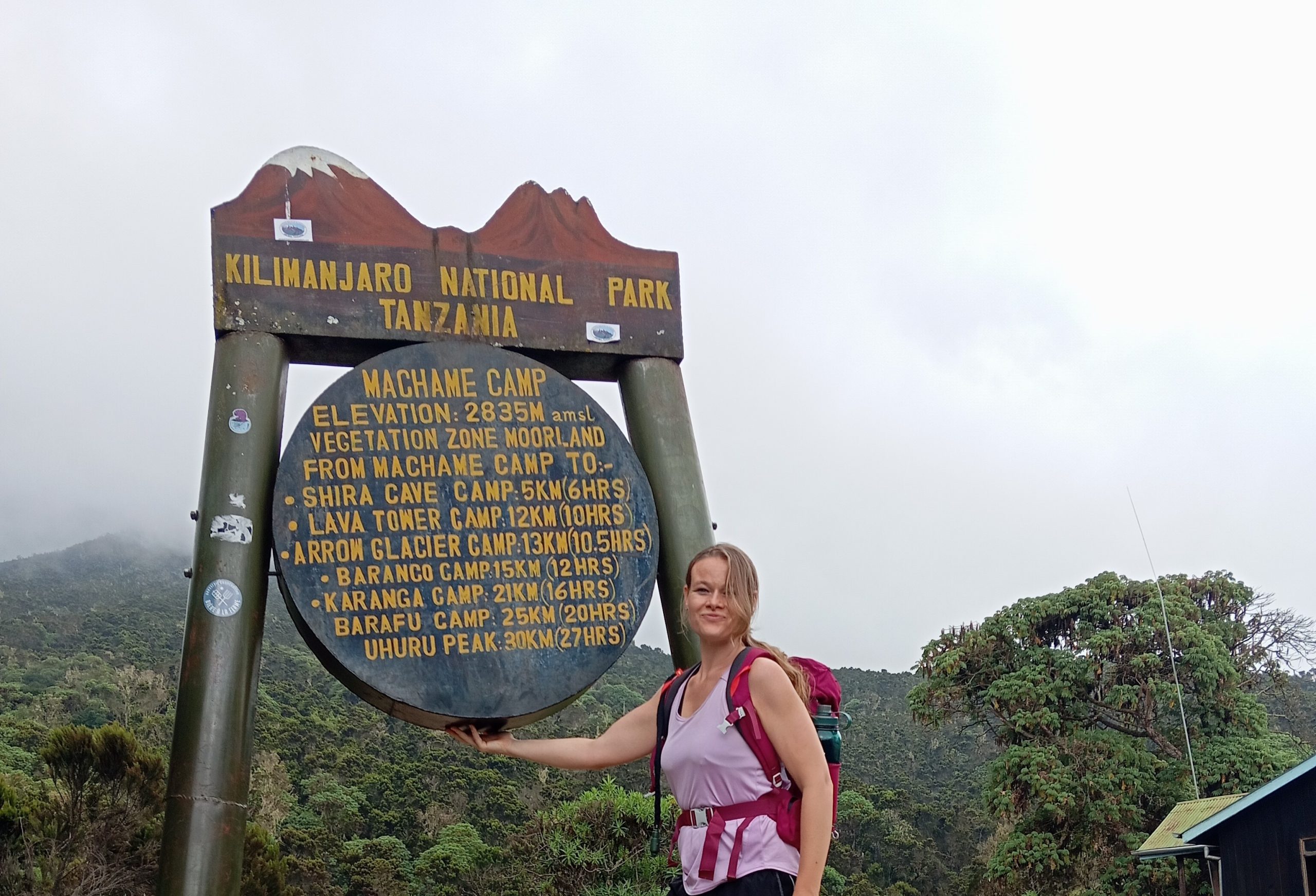
Machame Camp, also known as Machame Hut Campsite, holds the distinction of being the most popular overnight stop on Mount Kilimanjaro’s busiest climbing route.
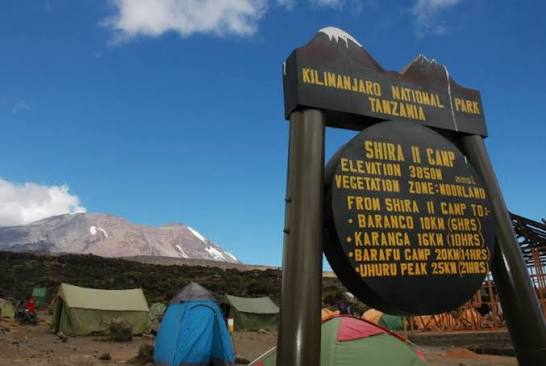
Shira Cave Camp holds a unique place in Kilimanjaro’s climbing history. Named after a nearby cave once used by early adventurers, it sits at 3,840 meters on the Shira Plateau and serves as the second overnight stop on the Machame Route.
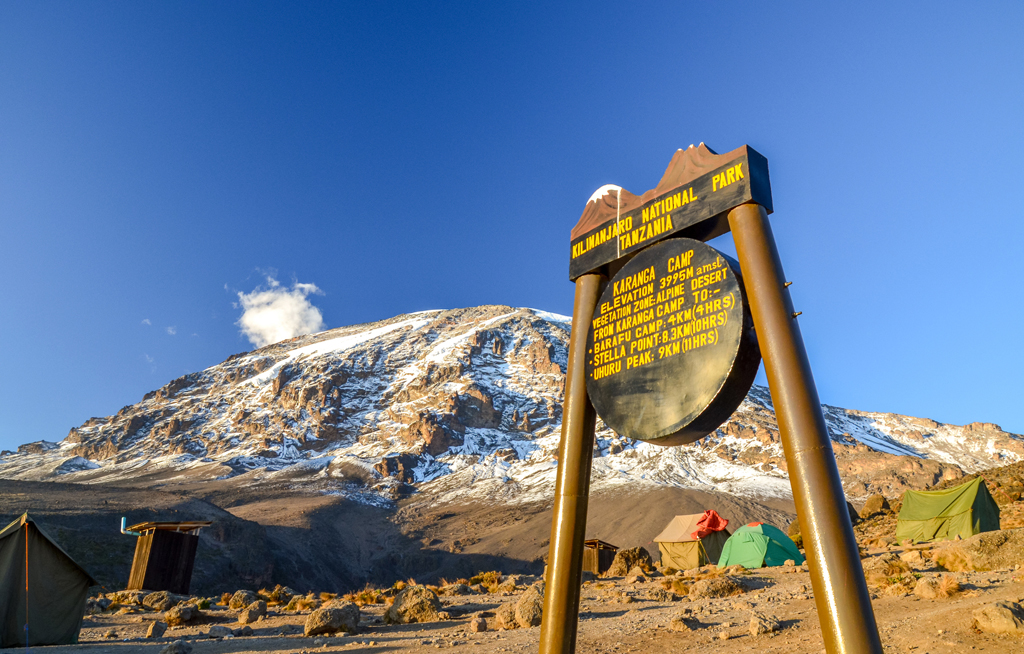
Karanga Camp, also called Karanga Hut Campsite, is strategically located on Kilimanjaro’s southern circuit and serves as a key acclimatization stop for climbers.