Horombo Hut – Kilimanjaro’s Marangu Route2026-07-25T15:21:25+00:00

Horombo Hut: Acclimatization on Kilimanjaro’s Marangu Route

Horombo Hut is the key campsite for climbers on Mount Kilimanjaro’s Marangu Route. Located at 3,720 meters (12,205 feet) on a broad alpine plateau, it provides a vital stop for acclimatization and preparation before the summit attempt.

The Marangu Route, known as the “Coca-Cola Route” for its hut accommodations and availability of soft drinks, is the oldest and most established path to Africa’s highest peak.
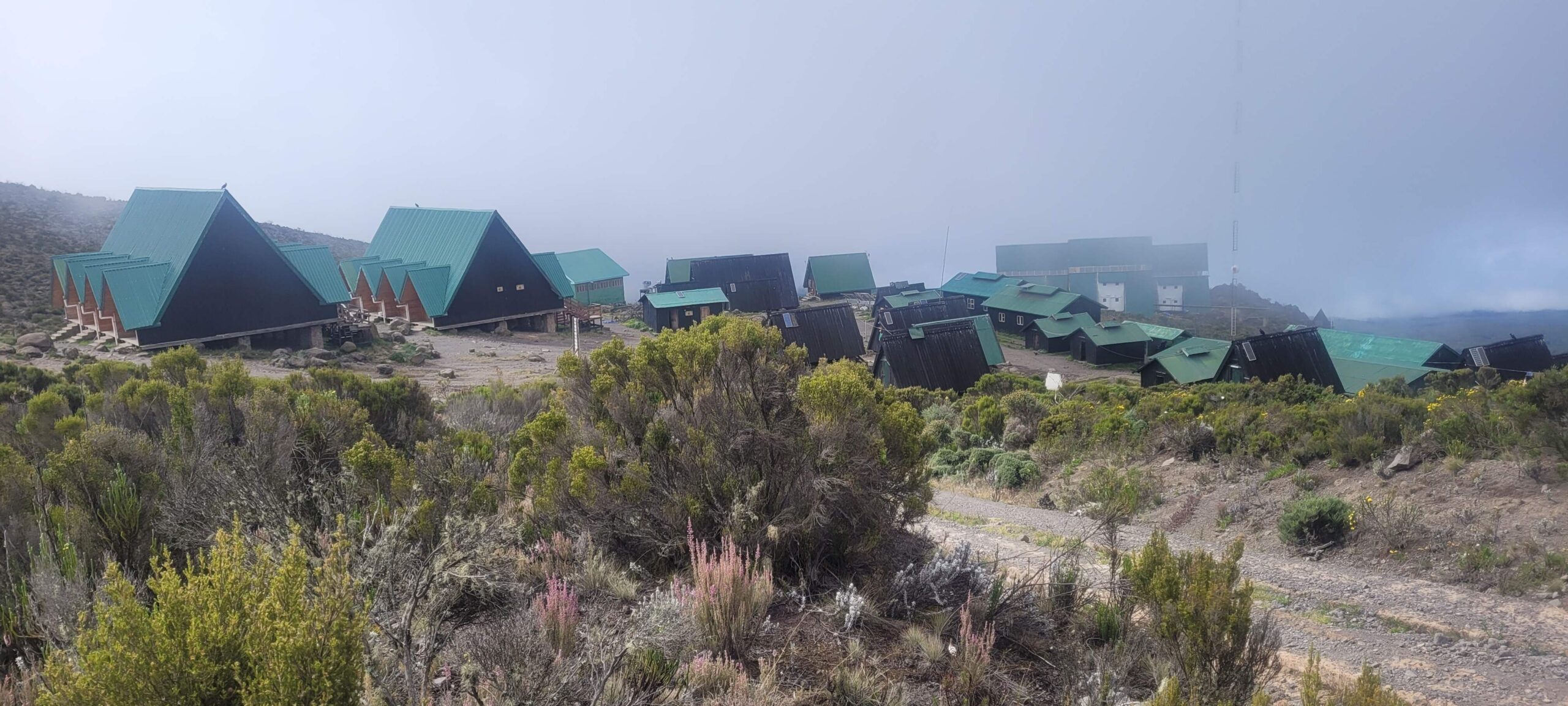
horombo hut on mount kilimanjaro's marangu route

Horombo Hut Kilimanjaro Map

Below is the location of Horombo Hut on a Map

Why Horombo Hut Matters for Kilimanjaro Climbers

Horombo Hut is a crucial acclimatization point for climbers aiming for Uhuru Peak, Africa’s highest summit at 5,895 meters.

The camp is located on the southeastern side of Mount Kilimanjaro, between Mandara Hut and Kibo Hut.

Its exposed plateau beneath Mawenzi Peak provides dramatic views, reinforcing the sense of being on a high mountain.

Horombo Hut is essential for implementing the “climb high, sleep low” principle, which supports successful Kilimanjaro ascents.

Most 6-day Marangu Route itineraries include two nights at Horombo Hut, with the extra day dedicated to acclimatization hikes such as to Zebra Rocks.

These hikes help climbers gain altitude during the day and return to sleep at a lower elevation, a proven strategy to increase summit success rates.

Unlike other Kilimanjaro routes, such as Machame or Lemosho, the Marangu Route offers hut-based accommodation rather than camping.

The A-frame wooden cabins at Horombo Hut can accommodate approximately 120 climbers, making it the largest hut camp on Kilimanjaro.

Trekkers share bunk beds with foam mattresses, gather in communal dining halls, and benefit from amenities such as solar-powered lighting, basic washrooms, and limited mobile signal.

A nearby permanent stream offers one of Kilimanjaro’s most reliable water sources, a notable advantage over routes where water must be carried or treated.

Understanding the Marangu Route and Other Kilimanjaro Routes

The Marangu Route holds a unique place among the Mount Kilimanjaro climbing routes as the only trail with hut accommodation along the entire route.

It is often considered the easiest route to the summit, with a gradual ascent that appeals to trekkers seeking greater comfort.

However, this reputation can be misleading. The 5-day itinerary allows limited time for acclimatization and has a summit success rate of about 50%.

The recommended 6-day version, with an extra acclimatization day at Horombo Hut, increases success rates to approximately 80%.

The Machame Route offers more varied scenery and better acclimatization opportunities than the Marangu Route.

Known as the “Whiskey Route,” Machame takes 6 to 7 days and is popular with climbers seeking a more challenging yet scenic alternative.

The Lemosho Route approaches from the west, takes 7 to 8 days, and offers impressive views across the Shira Plateau.

The Rongai Route starts in the north near the Kenyan border, offers a drier, less crowded experience, and is often recommended during the rainy season.

The Northern Circuit Route provides the best acclimatization over 9 to 10 days and achieves the highest summit success rates.

Climbing Mount Kilimanjaro does not require technical skills or specialized equipment such as ropes or ice axes.

Anyone with reasonable fitness and preparation can attempt the summit. However, altitude sickness is a real risk, so proper acclimatization at camps like Horombo Hut is essential.

The Horombo Hut Experience

Horombo Hut is located in the heath and moorland zone, where giant groundsels and lobelias create a distinctive landscape.

The transition from the rainforest at Mandara Hut to the open, windswept plateau at Horombo is among the most dramatic changes on Kilimanjaro.

Sunrise views of Kibo Peak and Mawenzi Peak are spectacular, rewarding early risers with the first light on the icy slopes.

The climate at Horombo Hut challenges climbers’ gear and preparation. Damp conditions, frequent precipitation, and sharp nighttime temperature drops make proper layering essential.

Clothes dry slowly, and the cold can be intense, even during the dry season.

Despite these challenges, Horombo Hut offers some of the best infrastructure on Kilimanjaro. The communal dining halls bring together climbers from around the world, fostering a unique atmosphere of camaraderie and support.

Planning Your Kilimanjaro Climb or Tanzania Adventure

If you need assistance planning your Marangu Route climb, selecting the right itinerary, or combining your Kilimanjaro trek with a Tanzania safari, our local experts are ready to help.

Many climbers pair their Kilimanjaro adventure with wildlife safaris in Tanzania’s national parks, creating an ideal East African experience.

Climbing Kilimanjaro creates tailor-made Kilimanjaro and safari experiences, prioritizing safety, acclimatization, and comfort.

Whether you prefer the Marangu Route, the scenic Machame Route, or a quieter trek on the Rongai Route, we provide the support and expertise you need to reach the Roof of Africa.

Climbing Kilimanjaro designs tailor-made Kilimanjaro and safari experiences with safety, acclimatization, and comfort at the core.

Whether you’re drawn to the Marangu Route, the scenic Machame Route, or a quieter trek on the Rongai Route, we ensure you have the support and expertise needed to reach the Roof of Africa. Reach out anytime to start planning your journey—Kilimanjaro awaits.  You can proceed to book your trip.

Horombo Hut Kilimanjaro’s Marangu Route

Mount Kilimanjaro Tour Packages
  • From $2,520

    10 Days, 9 Nights

    8 Days Lemosho Route

    Mt. Kilimanjaro

  • From $1,650

    7 Days , 6 Nights

    5 Days Marangu Route

    Mt. Kilimanjaro
  • From $2,080

    8 Days , 7 Nights

    6 Days Machame Route

    Mt. Kilimanjaro
  • From $1,845

    8 Days, 7 Nights

    6 Days Marangu Route

    Mt. Kilimanjaro
Best Articles for Mount Kilimanjaro

  • From

    Do you need Diamox to Climb Kilimanjaro ?

  • From

    Rescue and evacuation on Mount Kilimanjaro (5,895 m)

  • From

    A beginner guide for mount Kilimanjaro 

Kilimanjaro Travel Information

Besides the excitement and the beauty of hiking these giant mountains in Tanzania. Every success is accompanied by unexpected challenges, and for climbers, Acute Mountain Sickness (AMS) is one of the major threats. Since safety is our priority, we have prepared a list of common altitude sicknesses that may happen. We invite you to spend time learning more.

Acute Mountain Sickness (AMS)

It is the adverse health effect of high altitude, caused by rapid exposure to low oxygen levels at high elevations. People who climb high mountains might experience the early symptoms of Altitude Sickness. Our guides are well-trained; they are Certified Wilderness First Responders (WFR. If you experience any of the symptoms listed below, please inform your guides as soon as possible.

  • Nausea & dizziness
  • Headache
  • Poor appetite
  • Fatigue
  • Shortness of breath
  •  Vomiting
  • Poor sleeping
High Altitude Cerebral Oedema (HACE)

Caused by brain swelling, it is very dangerous and can kill very quickly if not treated as soon as possible. Normally, HACE symptoms tend to set in at nighttime. 

Symptoms of HACE 

  • Loss of consciousness
  • Severe headache
  •  Increase in clumsiness
  • Loss of coordination example: ataxia
  • Loss of memory
  • Coma
High Altitude Pulmonary Edema (HAPE)

Caused by fluid collecting in the lungs, it is very dangerous and can kill very quickly if not treated as soon as possible. It happens due to the rapid ascent to a higher altitude. If your guide advises you to descend, please do it immediately, even if taking medicine, because it is the only reliable cure. 

Symptoms of HAPE

  • Trouble breathing even when resting
  • Coughing
  •  Very tight chest
  •  Suffocation/feeling tired
  •  Froth in saliva or spit
  •  Blood in saliva
  •  Confusion, hallucination, and irrational behavior 
Prevention of altitude sickness
  • Ascend slowly (pole-pole)
  • Drink well, 3-4 liters of water per day
  •  Eat well and regularly
  • Sleep well, give yourself time to rest
  • Wear proper warm gear (Make sure you are warm enough) 
  • Avoid wet boots, gloves, & socks

The weather on Kilimanjaro is very unpredictable; however, it is better to know the mountain’s typical weather before you decide to book your tour. The dry season is a good time to climb Mount Kilimanjaro because you can enjoy nature and great views.  

The dry season is from the beginning of December through the beginning of March, and from late June through the end of October. 

The peak season is from  August to September, and the heavy rainy season is from the end of March to the middle of May

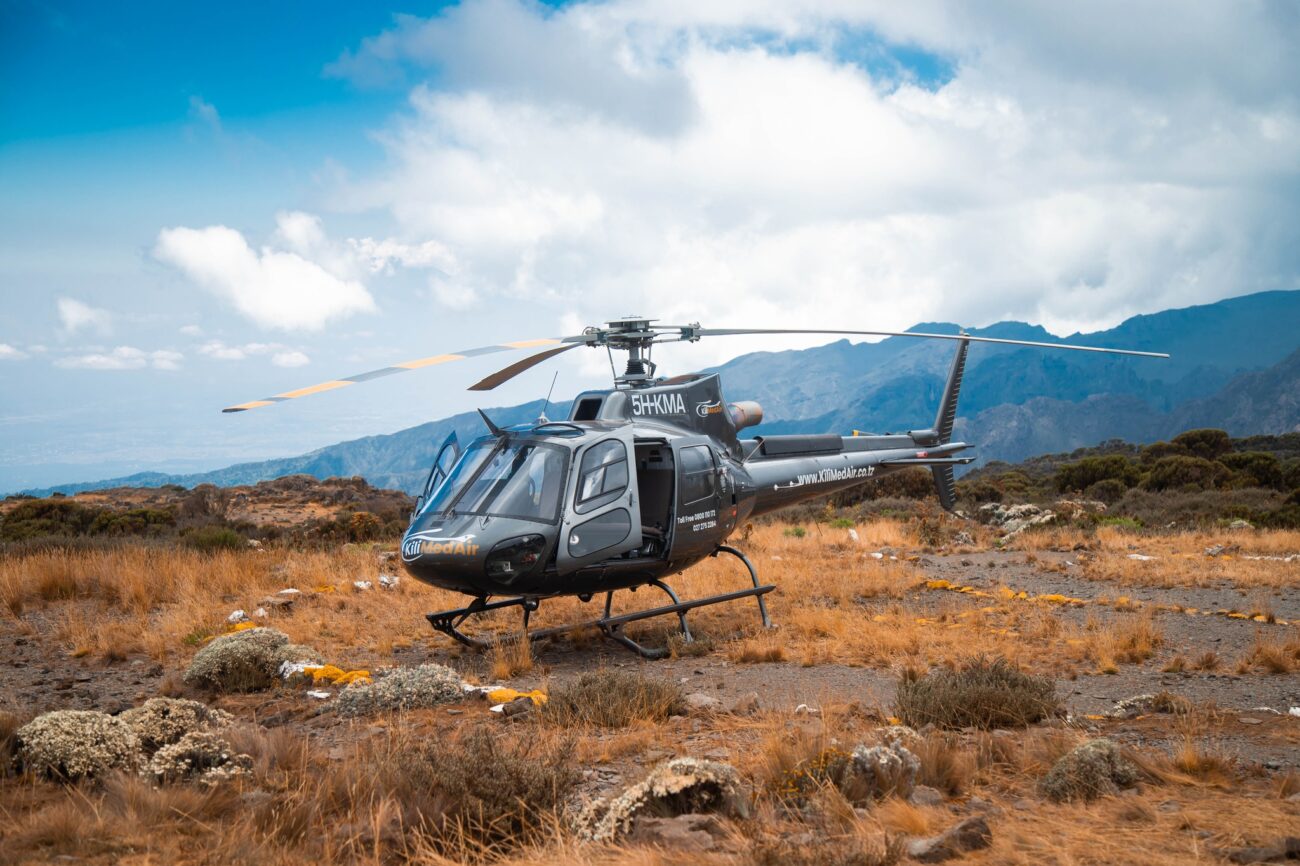
Tanzania is the safest country in Africa, and Tanzanians are very friendly. There is no history of dangerous animals on Kilimanjaro. Kilimanjaro’s trails are always busy; hundreds of people climb all routes every day. Every group is accompanied by guides, and security is reliable at the campsite; armed rangers are present at every camp to ensure your safety during climbing. Only climbers of Mount Meru will be escorted by armed rangers due to the presence of wild animals within the Mountain. No need to fear about your health, we provide healthy food. Our guides are well-trained and certified in First Aid, and we always carry a first aid kit and oxygen cylinders for emergencies. The rescue is also available on the mountain at all camps. In case of any serious emergency, we can arrange for a helicopter rescue

Conservation fees per day (all routes) 

(a) US$70 of or above the age of 16 years

(b) US$20 between the age of 5 and 15 years

Public Campsite Fee per Night
(a) US$50 of or above the age of 16 years

(b) US$10 between the age of 5 and 15 years

Hut Fee  

(a) US$60 per night (of or above the age of 16 years)

(b) US$20 per night (between the age of 5 and 15 years)         

Rescue Fee 

-US$20 per person per trip 

Crew Fee

US$2 per person per trip 

Crater camping fee 

US$100

Mawenzi peak climbing

US$750 (it is technical climbing) 

Paragliding on Kilimanjaro 

(a) Pilot fee US$500

(b) Passenger fee $250

Cycling on Kilimanjaro National Park

 US$50

Video Shooting per group of 2-20 people (This is for recording own art eg music or movies)

(a) Park US$100

(b) TANAPA HQ US$50 

All fees above exclude VAT 18% 

Wearing the right kind of gear for the summit is very important. Try to dress in many layers to avoid getting cold during the summit. Avoid wearing wet clothes; wear fresh, dry clothes for summit night, especially the inner layers, to stay warm.  Remember to cover your Cell Phone, Camera, spare batteries, and water bottles to prevent them from freezing. Turn ON your headlight, walk slowly, and stay behind your guide at all times. Avoid frequent stops, as they will leave you feeling cold and tired. Don’t forget to bring your walking poles; they’re very important for both ascending and descending. Remember to set the right size before you leave the base camp because it might freeze and get stuck. Remember to drink plenty of water at the beginning; your water might freeze as you climb higher. Try to blow back the camelback tube from time to time after drinking to prevent the water from freezing. 

We remind you to bring quality personal climbing gear for your Kilimanjaro climb. Proper layering is necessary to keep you dry, warm, and comfortable. Before packing, make sure your gear selection depends on the season you plan to climb in; however, the weather on Kilimanjaro is unpredictable. Mid-March, May, and early June are the long rainy season, while November to early December is the short rainy season. Make sure your outermost layer is warm and waterproof to protect you from rain, wind, and snow.

Rain Geers

Poncho, Waterproof Jackets, Waterproof trousers, Rucksack rain cover, Waterproof gaiters

Warm Clothing 

Body covering:

Underwear, Fleece jackets, Down jackets, Fleece trousers, Hiking pants, Shorts, T-shirts, Fleece shirts

Head, neck &  face Covering:

Buff, Balaclava, Mask, Hat

Hands covering

Fleece gloves, Waterproof mittens

Feet covering: 

Pairs of wool socks, Gaiters, Waterproof hiking boots, Sneakers

Other important Equipment and accessories

Sleeping bag, Sunglasses, Sun cream, Sun hat, Headlamp, Trekking Poles, Water bottle, Camel bag, Camera and spare battery, Powerbank, Towel, Backpack for day hiking use, Duffle bag/kit bag for porters to carry your staff, Snacks for high energy and calorie gain, Passport, Visa

Careful packing

  • Make sure all your gear is warm and light; don’t pack jeans; avoid cotton, as it traps moisture; and avoid overpacking.
  • Pack your bags the night before your trek; don’t wait until the morning to avoid rushing.
  • Don’t pack anything that shouldn’t be there; you may leave unwanted items for the mountain at your hotel, or feel free to leave them at our office.
  • If necessary to pack your laptop, keep in mind that there is no electricity on the mountain.
  • If possible, avoid packing delicate stuff
  • Pack all important documents and everything you think you will need along the way before getting to the camp. Example: Camera, Phone, sun cream, hut, passport, sunglasses, poncho, etc.

Health and Hygiene Tips

  • Remember to keep your hands clean every time before eating to avoid stomach problems, which can cause dehydration
  •  Before using medication like Acetazolamide or Diamox and others,  it is important to take advice from your doctor
  • Be prepared for altitude sickness, even if it doesn’t often happen; do a general health check-up before you come to Kilimanjaro.
  • If you feel abnormal, please tell your guides.
  • Avoid smoking and drinking alcohol on the mountain
  • Avoid ascending further when you realize the symptoms of altitude sickness

Listen to your guides

We advise listening to and following your guides’ instructions.  All our guides have long-time guiding experience, and they are well-trained and licensed by Kilimanjaro National Park. Our guides are very friendly and knowledgeable, and they will take you to the top safely.

 Trash-in trash-out

Avoid littering  the trail, collect all rubbish in your bag until you reach the camp

Climb slowly (Pole-pole)

Avoid rushing; save your energy for the Summit night. Hike slowly, enjoy your holiday, and the beauty of Kilimanjaro

Prepare for your trek

Remember to prepare for your trek, apply for your Visa on time, and book your flight after receiving your Visa verification. Pack all travel documents and trekking gear. Train your body with small physical activities like running and biking to keep it fit.

There are no hotels or lodges on the mountain. Climbers on the Marangu route (Kilimanjaro) and on Mount Meru sleep in hut accommodation with shared rooms and double-decker beds. Breakfast, Lunch, and Dinner will be served at mess rooms available in every camp in Marangu and Mount Meru. All rooms are equipped with a solar system; however, the power may not be sufficient to charge your cell phones. Both Marangu and Mount Meru have flash toilets except at the base camp. 

Climbers use other routes and tents. Porters are always fast; they get to the camp earlier and set up your tents. Every group has camping managers who make sure all tents are well-pitched. We use new quality mountain tents for sleeping. Each tent is shared by two (2) clients. We also carry quality mercy tents, kitchen tents, and crew tents. 

Toilets are available at all camps in the mountains. If you don’t want to use public toilets, you can request a private one from us.   

Travel insurance is crucial for any traveler traveling around the world. Getting travel insurance in Tanzania made easy through third parties companies which are dealing specifically with evacuation in case of any emergency during your tour, we do not sale it but we will be happy to recommend reliable compressive travel insurance that covers things like emergency helicopter rescue, medical evacuations expense it will be assisted protection tour to cover personal injury, repatriation expenses, and any kind of possibility illness will be covered. Having good travel insurance guarantees peace of mind while traveling; safety comes first.

As any other endeavor challenges are part of the journey, you may experience congestion while arriving or you may experience network outage in most of the areas while on safari. Bear in mind that there are challenges which we can control as human beings but in case of natural disasters that we do not wish to happen if we are supposed to stop your tour, immediate actions are necessary to save a life.

This actually doesn’t come from the company side but has something to do with you. You may wish to support locals by buying souvenirs, arranging some extra tours around the city, or tipping your team. Acknowledging others is one of the best practices in life. Feel comfortable discussing with your tour planner at any time.

Tanzania is situated directly south of the Equator and covers 938,000 sq. km with an estimated population of 40 million people. The country is densely populated in the northern, eastern, and coastal areas, while the southern part is not densely populated.

Climate. Tanzania’s climate is tropical, with two rainy seasons: the longer from March through May and the shorter from October through November. The dry season lasts from July through October, with clear skies and sunshine the whole day. The weather is suitable for beach vacations. The coastal area is normally hot and humid.

Visa: Coming to Tanzania has become easier for visitors. It is easy to obtain a Tanzanian visa, and there are three ways to obtain it: You can get a visa from a Tanzanian Embassy or High Commission from your country, or upon arrival at the port of entry, or you can apply online via the Tanzania Immigration site, that is, at the airport or at the border port. The above procedure applies to North American and European citizens. For more details about visas, please contact the nearest Tanzanian Embassy or High Commission.

Tanzania’s International Airports: Tanzania has two international airports, one outside the commercial capital Dar es Salaam (airport code: DAR) and the other near Arusha (and Mount Kilimanjaro) called Kilimanjaro International Airport (airport code: JRO). Charter flights and some international operators fly directly to Zanzibar Island (airport code: ZNZ)

Getting to Tanzania: If you’re planning to visit Northern Tanzania, the best airport to arrive at is Kilimanjaro International Airport (KIA). KLM has daily flights from Amsterdam. Ethiopian and Kenya Airways / Precision Air also fly into KIA.

If you’re planning to visit Zanzibar and southern and western Tanzania, it is best to fly to the capital, Dar es Salaam. European carriers that fly into Dar es Salaam include British Airways, KLM, and Swissair(which share codes with Delta). There are long-distance bus services between Tanzania, Kenya, and Uganda.

Attractions: The country has a lot to offer in terms of education, history, and leisure and adventure. These adventures are safaris (game drives) in the National Parks like Serengeti, Manyara, and Tarangire to see wildlife, as well as historical sites such as museums, landscapes, mountains, beaches, lakes, rivers, and culture.

Social life: The country has more than 120 tribes. Each tribe has its own vernacular. Although there are many languages, “Swahili” was adopted as the national language in 1961, right after independence. The language has spread and is being used in neighboring countries such as Uganda, Kenya, and Central Africa. English is the second official language of the nation. You will find that Tanzanians are very welcoming and friendly.

Political system: Tanzania is perhaps the leading country on the African continent for its political stability, peace, and tranquility. The political system is multi-party, and the government is democratic. Political and religious conflicts are resolved through dialogue. In short, religious and tribal conflicts are very rare in this country because every citizen is free to worship as he/she pleases, provided that they do not violate the law of the land

Currency: The national currency of Tanzania is the “shilling” (Tshs). Exchange rates vary and are subject to change at any time. Credit cards such as Eurocard, American Express, Mastercard, Access, and Visa are accepted by most tourist hotels, carving shops, bureaux de change, and banks. Also, Traveler’s Cheques in sterling pounds and US dollars are acceptable.

Religions: Because of its historical diversity, Tanzania is home to a wide range of religions. Nevertheless, the major religions are Christianity, Islam, Hinduism, and African Traditional Religions. On the east coast – Dar es Salaam, Bagamoyo, Zanzibar, and Tanga – the dominant religions are Islam and Hinduism. This is due to the advent of Arabs and Eastern Indians, which led to the spread of the two religions. The mainland is dominantly Christian, and this is due to European colonists, like Arabs, spreading the Christian religion to the indigenous people.

Infrastructure & Accessibility: Major roads are paved and accessible year-round. Side roads and those around and within the National Parks are muddy and rough. For this reason, a 4WD car is required for safaris. Four-wheel cars include Toyota Land Cruisers, Land Rovers, and Toyota Hiace 4WD. These are the cars commonly used. The railway is also used in the eastern, southern, central, and western parts of the country.

Time: The time zone is GMT + 3, and the electricity is 220 – 240 V AC, 50 Hz.

Expect to drink pure mountain water during your trek; we will refill your water bottles every day at all camps. The water is very clean and treated. You will get hot water for washing up every morning and evening. 

We carry enough food to eat every day on the mountain. The food we carry is for our clients and everyone on our team. Our cooks are highly professional; they will ensure you receive high-quality, delicious food on time. Enjoy three meals a day and feel at home away from home. 

After the confirmation of the booking, we will send you the menu to be aware of your meal from the first day to the last day of the trek, we are always open for discussion about what you want to be included in the menu. For any suggestions about the food during your trek, don’t hesitate to discuss them with your guides and cooks. 

After your tour ends, your supporting team expects to be paid the tips. YES, it is very appreciated! When and how do you pay your tips?

1: You can pay tips after the last meal on the mountain
– You may pay it personally in separate envelopes given by us before the beginning of the tour
-You may hand over the envelopes to the head guide, who will then help you distribute them to everyone.

2: You can pay tips at the hotel after the end of your trek
In case you don’t want to carry money on the mountain, you may leave it at the hotel/bank, and then you pay your supporting team at the hotel soon after descending

3: You can pay for your package together with tips
For those who wish to receive the invoice for the entire package (including tips), please let us know.

The following is the tipping amount in USD per person per day.
$20 per guide, per day.
$15 per cook, per day.
$10 per porter per day.

NB: The tipping cost will be shared by the whole group. As a company, we appreciate your generosity. Bear in mind that the shared guidelines do not restrict any clients from contributing more.

Frequently Asked Questions

We are determined to ensure that you experience the luxury of genuinely memorable travel. On every trip, we aim to create a ‘charmed space’ within which you can relax, absorb fresh insights, be stimulated and charmed by new encounters – and have fun.

Whether traveling alone or with friends, Blessing Safaris guests often mention how particularly agreeable they find their traveling companions. Our groups are deliberately small, comprising 2 to 7 guests, especially for safari.

Our team carefully researched and focused on trips that attract people with the same interest and naturally get on well with each other through their shared interests.

Once you confirm your booking on a tour you will be sent further practical information – packing tips, detailed itineraries, including advice on health, passport and visa requirements, and minimum and maximum numbers of guests on tours.
Help us to help you by organizing even better tours, and save money. If you contact us in advance you will save a big deal in terms of price as you have the best time for negotiation and customization of the tour with a safari planner and save more
Yes, it is possible, but you might not enjoy nature and view, so carefully pack proper gear for rain because it can rain the whole day and night
The Umbwe route is the most difficult, it is steep but short.Umbwe Route is the most difficult route on Mount Kilimanjaro. This route is recommended for climbers with great climbing experience. The route joins the Machame route at Barranco camp on the second day. Visitors to this route will spend the first night at Umbwe Cave camp. This route takes a minimum of six days. The Umbwe route is least used and least crowded compared to the other routes on Kilimanjaro.
Rongai and Marangu routes are the easiest routes up Kilimanjaro. Marangu Route is also known as the “Coca-Cola Route”. The Marangu is the Headquarters of the park and the easiest route on the mountain. It is the only route which offers hut accommodation, suitable for people who don’t like to camp. The route takes a minimum of five days however six days is recommended
Yes, there are flush toilets in Kilimanjaro but only available in the Marangu route except at the base camp.
No, it is not recommended to smoke and drink alcohol, also avoid depressant drugs on Kilimanjaro.
No, Kilimanjaro is a dormant volcano. Kilimanjaro has three volcanic peaks such as Kibo, Mawenzi, and Shira. The name itself “Kilimanjaro” is a mystery wreathed in clouds. It might mean the Mountain of Light, the Mountain of Greatness or the Mountain of Caravans. The local people, the Wachagga, don’t even have a name for the whole
Our guides will immediately provide first aid depending on the patient’s situation. You can proceed with the trek or descend to the low altitude depending on the nature of the sickness. In case of serious issues, our staff will take you out of the mountain by using wheel stretchers, or sometimes we can arrange for the emergency helicopter evacuation service.
You are supposed to carry your daypack to put on your staff for the day. It can be a camera, snacks, gloves, a hat, sunscreen, etc. Other staff will be carried by the porters not more than 20kg per porter.
Yes, you will have a signal at almost every camp but not everywhere. You may experience some poor connections in other areas, though the network coverage has been improving greatly. But to be true, don’t expect the signal to be strong as it comes back home. A quick option is to find a local operator’s SIM card for internet service since there is no wi-fi on the mountain. You can arrange in advance with Blessing Safaris if your need for internet service is so important.

No, laundry service is not available on Mount Kilimanjaro; however, you can get laundry service at your hotel. We advise you to pack enough clothes for changing, you may need assistance for packing, please don’t hesitate to contact Blessing Safaris for more information.

Yes, but it is advised after reaching the top. It is better to save your energy for a successful summit. On the mountain peaks, air density is low. The air gets thinner as you rise. So take it slow, as you will need a breath to catch. If you don’t want to be exhausted, then going slow while having sex is foremost. This is more applicable at the top of the mountain if you prefer nature sex.

Although more than 200 languages and dialects are spoken throughout Africa, this poses no problem, as English is widely spoken throughout East and Southern Africa. In addition to English, all our professional guides are multilingual, so we’ve got you covered.

Marangu is known as the Coca-Cola route because it is the easiest route; it is also known as the “tourists’ route” because it is very popular. The Marangu is the park’s headquarters and the easiest route on the mountain. It is the only route that offers hut accommodation, suitable for those who don’t like camping. The route takes a minimum of five days; however, six days is recommended.

Is the set of big volcanic rocks found on the Marangu route? Those rocks have striped patterns that look like zebras’. Is one of the best attractions to visit after reaching Horombo camp. Predominantly a lava cliff, it formed when mineral-rich rainwater flowed over the rocks, turning them partially white or black in some places, hence the zebra-like appearance. Read more about Zebra Rock.

Why not? We offer private tours whether you’re alone or with family and friends. Whether you’re celebrating a special anniversary or planning a reunion, you can discuss it with us. We can create a special itinerary away from traffic, travel in style with the itinerary specifically shaped to your requirements.

Although more than 2000 languages and dialects are spoken throughout Africa, this presents no problem as English is spoken throughout East and Southern Africa. Apart from English, all our professional guides are multilingual so we get you covered

Mount Kilimanjaro is located between 2°50′-3°10’S and 37°00′-37°40’E in Tanzania. Tanzania is an East African country situated South of the Equator. It is well known for its vast wilderness areas, such as the Serengeti. The country gained independence in 1961; it was previously known as Tanganyika. In 1964, Tanganyika and Zanzibar joined together as a sovereign state and formed Tanzania.

Depending on the route, you can climb Mount Kilimanjaro in 5 to 8 days.

Depending on the route, you can climb Mount Kilimanjaro in 5 to 8 days.

It is recommended to take the longer days on any route you choose for better acclimatization. The faster you ascend to high altitude, the more likely you are to develop acute mountain sickness, so take your time and enjoy nature.

Due to its popularity, many people have climbed and many still plan to climb Mount Kilimanjaro every year. Standing to the highest point in Africa is the real adventure! It is one of the trips you will never forget in your life. It is estimated that more than 30,000 people climb Kilimanjaro every year.

  • It is advised to spend more days on Kilimanjaro for a high probability of summit success since you will get enough time for acclimatization. The following are the success rate figures according to Kilimanjaro National Park.
  • The summits success rate for all climbers through all routes 45% The summits success rate for all climbers through all 5 days routes 27%
  • The summits success rate for all climbers through all 6 days routes 44%
  • The summits success rate for all climbers through all 7 days routes 64%
  • The summits success rate for all climbers through all 8 day routes 85%

The distance differs from one camp to another; it also depends on the route and your pace. Expect to walk between 5 and 10 hours per day. Your guide will set a comfortable pace so you can enjoy your holiday.

The weather on Mount Kilimanjaro is unpredictable, sometimes cold, sometimes hot, sometimes rain, sometimes wind, sometimes snow, etc. It is advised to be well equipped and to be ready for any kind of weather at any time. The weather also depends on zones, sometimes the temperature is up to 27 Fahrenheit at the base of the mountain but decreases as you go high to the different zones. At Uhuru peak, the temperature goes down to -20F

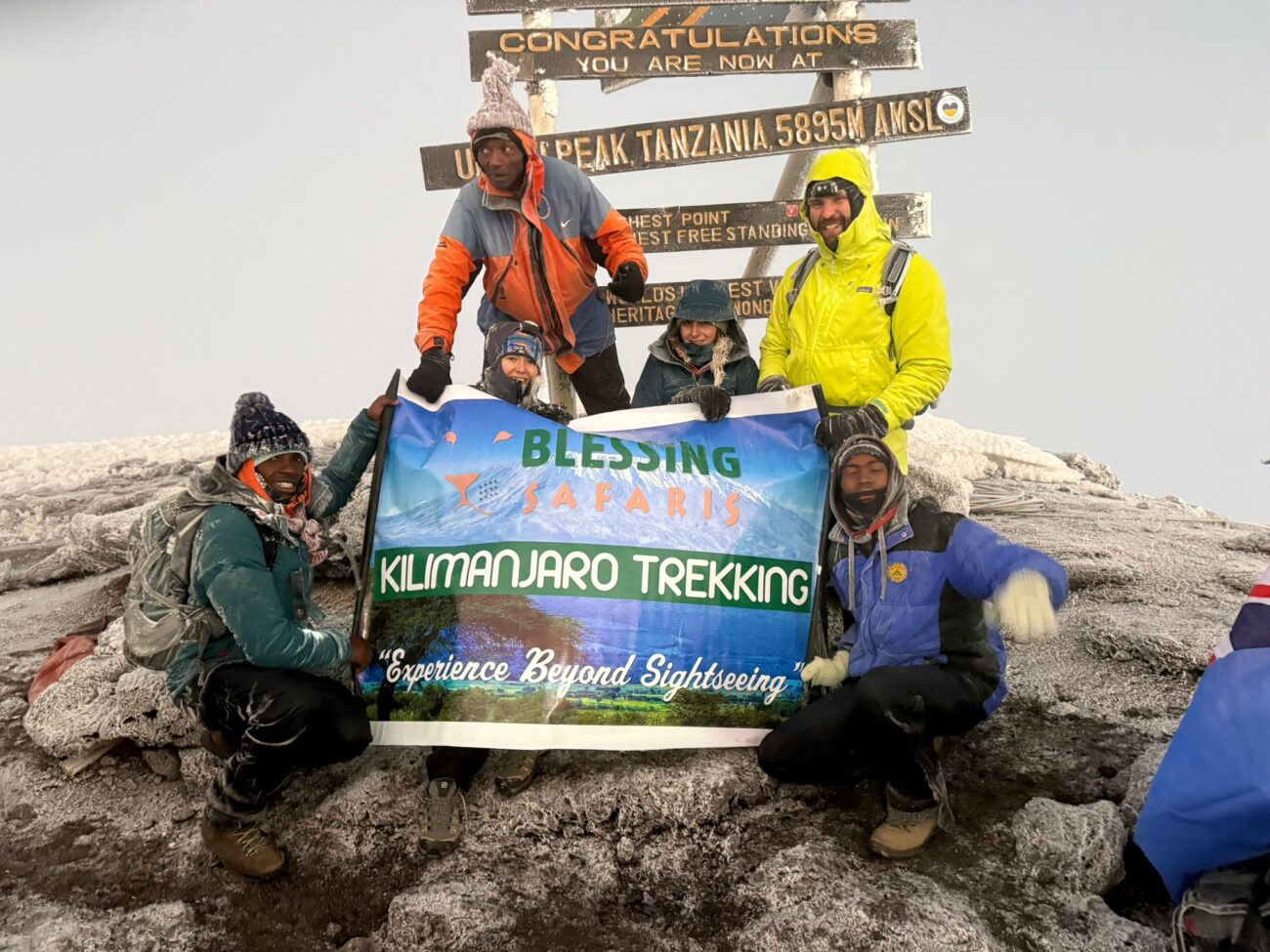
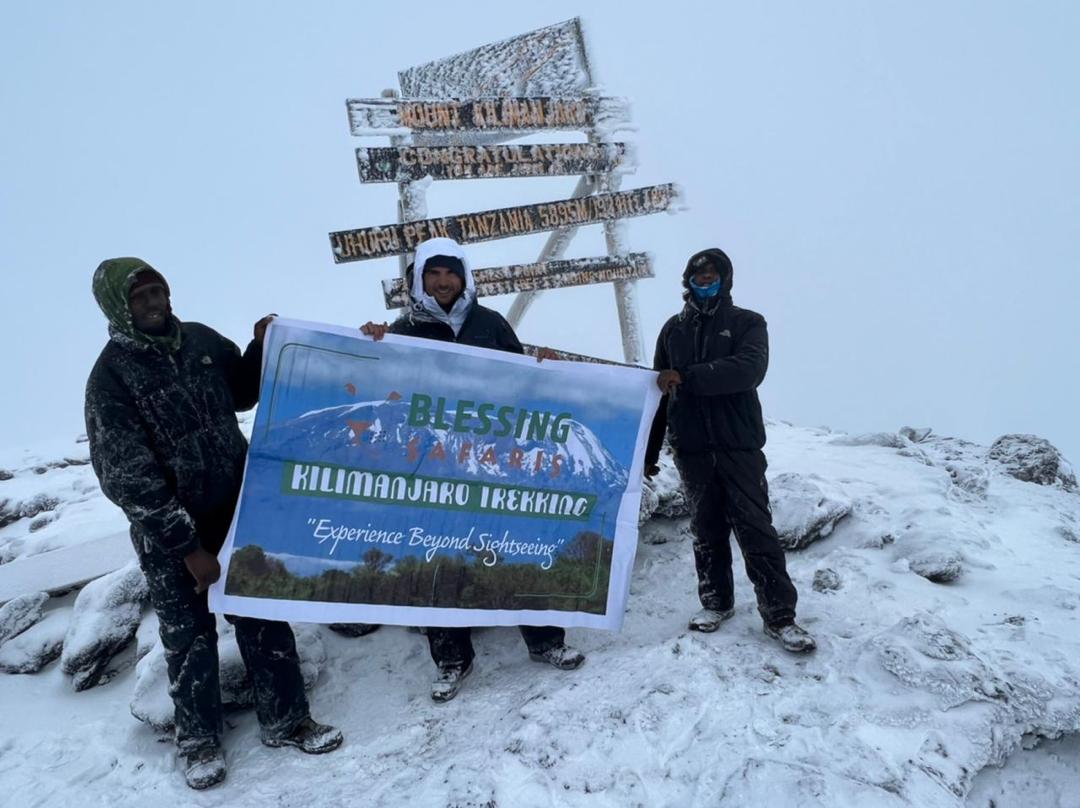
It depends on your current situation at Uhuru Peak; however, it is not recommended to spend a long time there due to the very high altitude and cold. 10 minutes or less is enough to take some photos and descend quickly. It is better to follow your guide’s advice.

Meet Elibariki,

Your Trekking Specialist

+255 742 696 430
(Call or WhatsApp)

Meet Elibariki,

Your Trekking Specialist

+255 742 696 430
(Call or WhatsApp)

Enquire Now

CAPTCHA image

This helps us prevent spam, thank you.

Customer Reviews

Go to Top