
Umbwe Cave Camp
Umbwe Cave Camp is the first accommodation for climbers on the Umbwe Route, considered the most challenging and direct path to Mount Kilimanjaro’s summit. Located about 2,850 meters up the southern slopes, the camp offers a first night’s rest after a strenuous hike through dense montane forest. Its small size reflects the low traffic on the Umbwe Route, which attracts experienced trekkers seeking a steep and uncrowded ascent.
Umbwe Cave Camp stands out for its intimate, wilderness setting. Facilities are basic, limited to public toilets and three communal pit latrines, with no luxury or comfort provided. This simplicity appeals to climbers who choose the Umbwe Route to avoid the crowds of the Machame and Marangu trails. The camp’s quiet atmosphere and remote location offer a peaceful place to rest and prepare for the steep ascent to Barranco Camp.
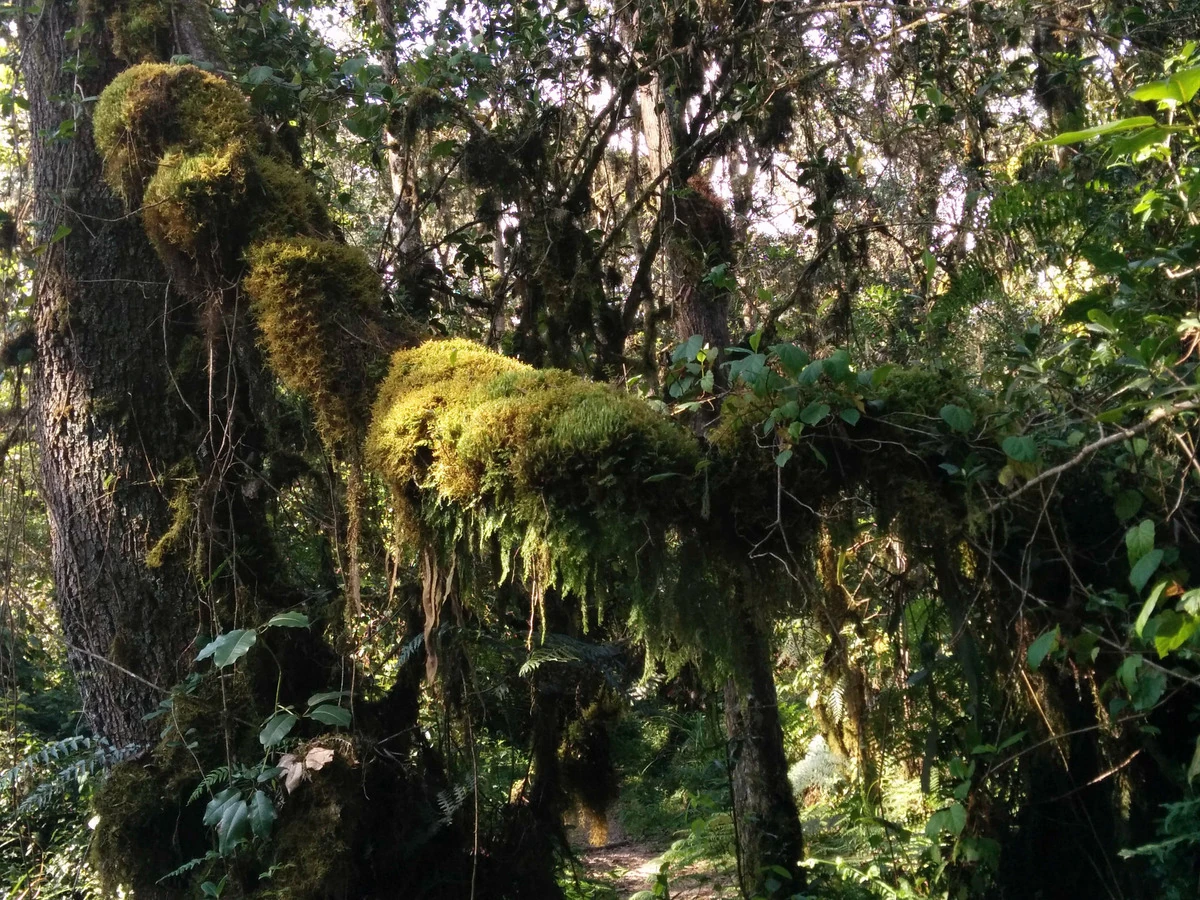
The camp’s rainforest location means towering trees, moss-covered rocks, and constant birdsong surround you. The terrain is often wet and muddy because of heavy rainfall, and the weather can change rapidly. This environment demands respect and preparation, but it also offers a genuinely immersive Kilimanjaro experience—one that connects climbers directly with the mountain’s wild and untamed character.
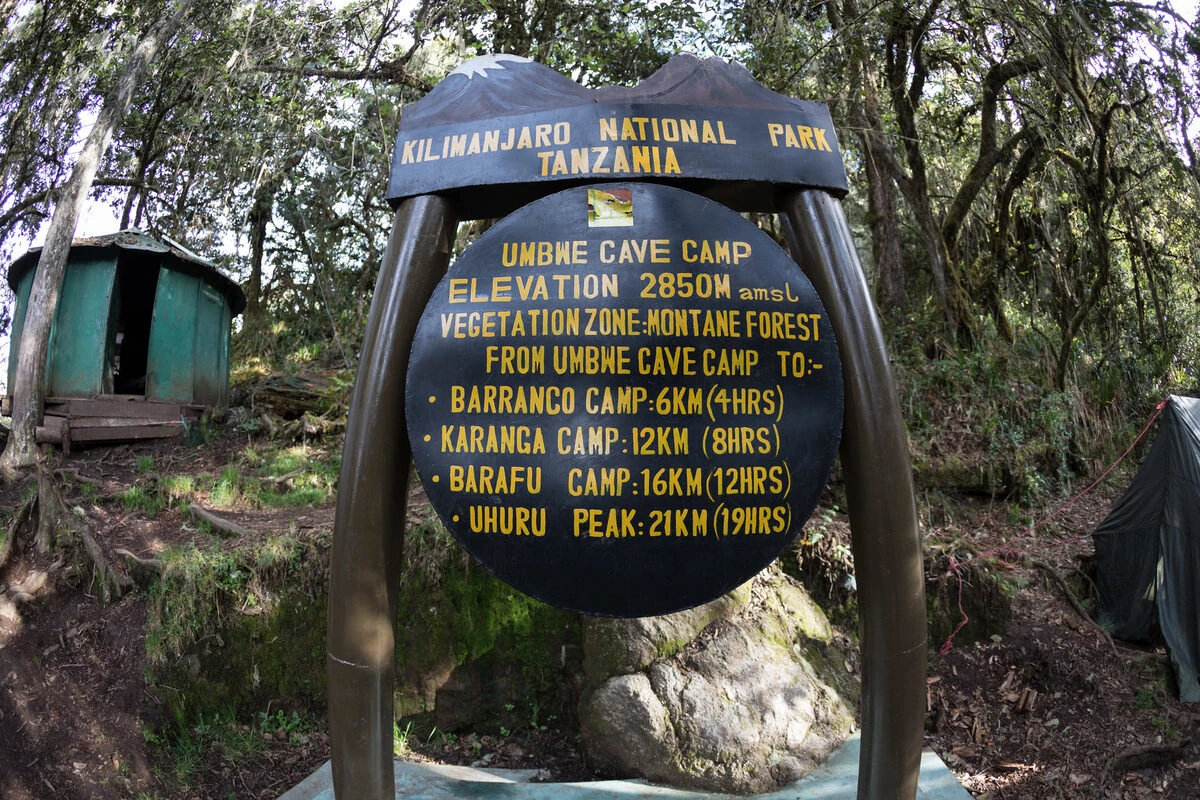
Location of Umbwe Cave Camp
Umbwe Cave Camp sits on the southern slopes of Mount Kilimanjaro, within the rainforest zone at lower elevations. Tall trees surround the camp, creating a moss-covered environment that feels isolated from the outside world. The terrain is consistently wet and muddy due to frequent rainfall, and the weather is highly unpredictable, with rain possible at any time.
The camp is located between the Lonzo and Umbwe rivers on a ridge that forms a natural corridor through the forest. While closer to the Umbwe River, its position between both waterways surrounds the camp with the sound of flowing water, enhancing the rainforest experience. Dense, lush vegetation and towering trees create a canopy that shelters the camp and filters sunlight.
The next camp after Umbwe Cave Camp is Barranco Camp, accessible by a steep, direct hike through heath and moorland vegetation. This transition marks a significant change in the landscape, and the route is demanding, requiring good fitness and careful footing. Climbers should expect a challenging ascent as they leave the rainforest and move toward higher elevations.
Facilities at Umbwe Cave Camp
Umbwe Cave Camp provides only basic amenities, including public toilets and three communal pit latrines. There are no permanent sleeping structures, so climbers must bring their own tents, which porters typically carry and set up. The camp is small, with limited tent space, serving as a simple overnight stop on a less-traveled route.
Although facilities are limited, the camp provides what you need for a comfortable night’s rest. The pit latrines are functional, but climbers should bring their own toilet paper and hand sanitizer. Water is available from nearby sources, but climbers must treat all water before use. The rainforest location ensures ample water, though wet conditions can make it difficult to keep gear dry.
Climbers should expect a basic camping experience at Umbwe Cave Camp. With no dining structures or shelters, campers eat in tents, and self-sufficiency with equipment and supplies is essential. In return, the camp offers a peaceful atmosphere and a stunning natural setting, providing a genuine escape from the modern world.
Hiking from Umbwe Gate to Umbwe Cave Camp
The hike to Umbwe Cave Camp starts at Umbwe Gate and leads through dense montane forest. Climbers immediately encounter towering trees, high humidity, and abundant bird calls. The trail ascends steadily and is generally well-defined, though some steep sections require careful footing. Because of the rainforest environment, mud is common, and occasional rock scrambling may be necessary, so use caution throughout.
Rain is always possible, so climbers should carry rain gear regardless of the morning weather. The trail gets busier near the crest between the Lonzo and Umbwe rivers, offering some of the day’s best views. With clear conditions, climbers may see Kibo Peak in the distance and impressive gorges throughout the landscape.
The day concludes at Umbwe Cave Camp, surrounded by dense forest. The camp’s rainforest setting offers a peaceful end to a challenging first day, with birds, insects, and flowing water creating a restful atmosphere before the next day’s ascent to Barranco Camp.
Umbwe Cave Camp and the Umbwe Route
Umbwe Cave Camp is the first overnight stop on the Umbwe Route, known for its steep, direct ascent and lower traffic than other southern routes. As the most challenging path to Uhuru Peak, it demands excellent fitness, strong determination, and prior high-altitude experience. While climbers enjoy solitude, impressive scenery, and a true sense of adventure, they should expect strenuous days and basic accommodations.
The steep, direct route makes acclimatization difficult, so climbers should monitor their health closely and stay in close contact with their guides. The ascent from Umbwe Cave Camp to Barranco Camp is especially demanding, with significant elevation gain and difficult terrain. For those prepared for the challenge, the Umbwe Route provides a memorable Kilimanjaro experience, beginning at Umbwe Cave Camp.
Final Remark: Book Your Umbwe Route Adventure
Umbwe Cave Camp marks the start of an exceptional journey on one of Kilimanjaro’s most challenging and rewarding routes. At Blessing Safaris, we are dedicated to providing every climber with a safe, comfortable, and memorable experience.
Our team includes local experts who know the mountain intimately, so you receive knowledgeable guidance and support throughout your climb. We prioritize ethical practices, fair treatment of our crew, and the highest quality equipment and meals.
With thousands of successful summits and an outstanding safety record, climbers worldwide trust Blessing Safaris. Choose the operator that puts your safety, comfort, and success first. Book your Umbwe Route adventure with us and create lasting memories. Your summit moment awaits, and our team is ready to support you.
Frequently Asked Questions About Umbwe Cave Camp
What Is Umbwe Cave Camp?
Umbwe Cave Camp is the first accommodation point on the Umbwe Route of Mount Kilimanjaro, situated on the southern slopes at approximately 2,850 meters. This small, basic campsite sits in the rainforest zone, surrounded by tall trees, moss-covered rocks, and dense vegetation. Facilities include public toilets and three communal pit latrines. There are no permanent sleeping structures, so climbers must bring their own tents. For those seeking a steep, direct ascent with minimal crowds, Umbwe Cave Camp offers a peaceful, authentic wilderness experience that is increasingly rare on Africa’s highest peak.
Where Is Umbwe Cave Camp Located?
Umbwe Cave Camp is located on the southern slopes of Mount Kilimanjaro in the lower rainforest zone. Tall trees and moss-covered rocks surround the camp, creating a dense, green environment. Situated on a ridge between the Lonzo and Umbwe rivers, it offers a natural corridor through the forest, accompanied by the sound of flowing water. The next stop, Barranco Camp, is reached via a steep, direct hike through heath and moorland.
What Is the Elevation of Umbwe Cave Camp?
Umbwe Cave Camp is located about 2,850 meters (9,350 feet) above sea level in the rainforest zone on Mount Kilimanjaro’s southern slopes. This elevation, typical of first camps on the mountain’s routes, offers a gradual introduction to higher altitudes. Dense vegetation and frequent rainfall surround the camp, creating wet, muddy conditions that require careful preparation. From here, climbers continue to Barranco Camp and ultimately to Uhuru Peak at 5,895 meters, traversing all of Kilimanjaro’s ecological zones.
What Facilities Are Available at Umbwe Cave Camp?
Umbwe Cave Camp provides only basic amenities, including public toilets and three communal pit latrines. There are no permanent sleeping structures, so climbers must bring tents, which porters typically carry and set up. The camp is small, with limited tent space, serving as a simple overnight stop on a less-traveled route. Water is available from nearby sources, but it must be treated before use. Climbers should bring their own toilet paper and hand sanitizer, as these are not supplied.
Which Route Uses Umbwe Cave Camp?
Umbwe Cave Camp serves climbers on the Umbwe Route, the most challenging and direct path to Mount Kilimanjaro’s summit. This route features a steep ascent, low traffic, and a remote wilderness setting, appealing to experienced trekkers seeking a quieter, more demanding climb. Umbwe Cave Camp is the first overnight stop after Umbwe Gate and before Barranco Camp. Because of its steep, direct approach, the route offers little time to acclimatize and is not recommended for beginners or those without prior high-altitude experience.
How Long Does It Take to Hike from Umbwe Gate to Umbwe Cave Camp?
The hike from Umbwe Gate to Umbwe Cave Camp takes 5 to 6 hours and covers approximately 11 kilometers through dense montane forest. The trail ascends steadily and is mostly clear, though some steep sections require careful footing. Mud is common in the rainforest, and climbers may need to scramble over rocks, so use caution. Rain is frequent, so bring rain gear. The day concludes at Umbwe Cave Camp, surrounded by trees and dense vegetation.
What Is the Next Camp After Umbwe Cave Camp?
The next camp after Umbwe Cave Camp is Barranco Camp, reached via a steep, direct hike through heath and moorland vegetation. This section of the route is demanding, with significant elevation gain and challenging terrain, and climbers should be prepared for a long, tiring day. The transition from rainforest to moorland marks a significant landscape change, and the views become more expansive as climbers ascend. Barranco Camp sits at about 3,900 meters and offers more facilities than Umbwe Cave Camp, including a ranger’s hut and W.C. toilets.
What Should I Bring to Umbwe Cave Camp?
For Umbwe Cave Camp, pack a four-season tent, a warm sleeping bag, thermal layers, waterproof clothing, sturdy hiking boots, a headlamp with extra batteries, water bottles or a hydration system, water-treatment supplies, and high-energy snacks. Because of frequent rain and wet, muddy conditions in the rainforest, we strongly recommend waterproof gear and dry bags for clothing and equipment. Bring personal items such as toilet paper, hand sanitizer, sunscreen, lip balm, and any required medications.
Is Water Available at Umbwe Cave Camp?
Water is available at Umbwe Cave Camp from nearby sources, including the Lonzo and Umbwe rivers. However, treat all water before drinking or cooking, as it is not safe to consume untreated. The camp’s rainforest location usually provides plenty of water, though wet conditions also make it hard to keep gear dry. Climbers should plan their water usage carefully and ensure they have enough for drinking, cooking, and basic hygiene during their stay
What Is the Climate Like at Umbwe Cave Camp?
Umbwe Cave Camp experiences heavy rainfall, high humidity, and unpredictable weather. Located in the rainforest zone, the area receives intermittent rain, keeping the terrain consistently wet and muddy. Daytime temperatures are usually mild, while nights can be cool, especially during the dry season. Climbers should be prepared for rain at any time and pack waterproof gear and dry bags for their equipment.
What Wildlife Can Be Seen at Umbwe Cave Camp?
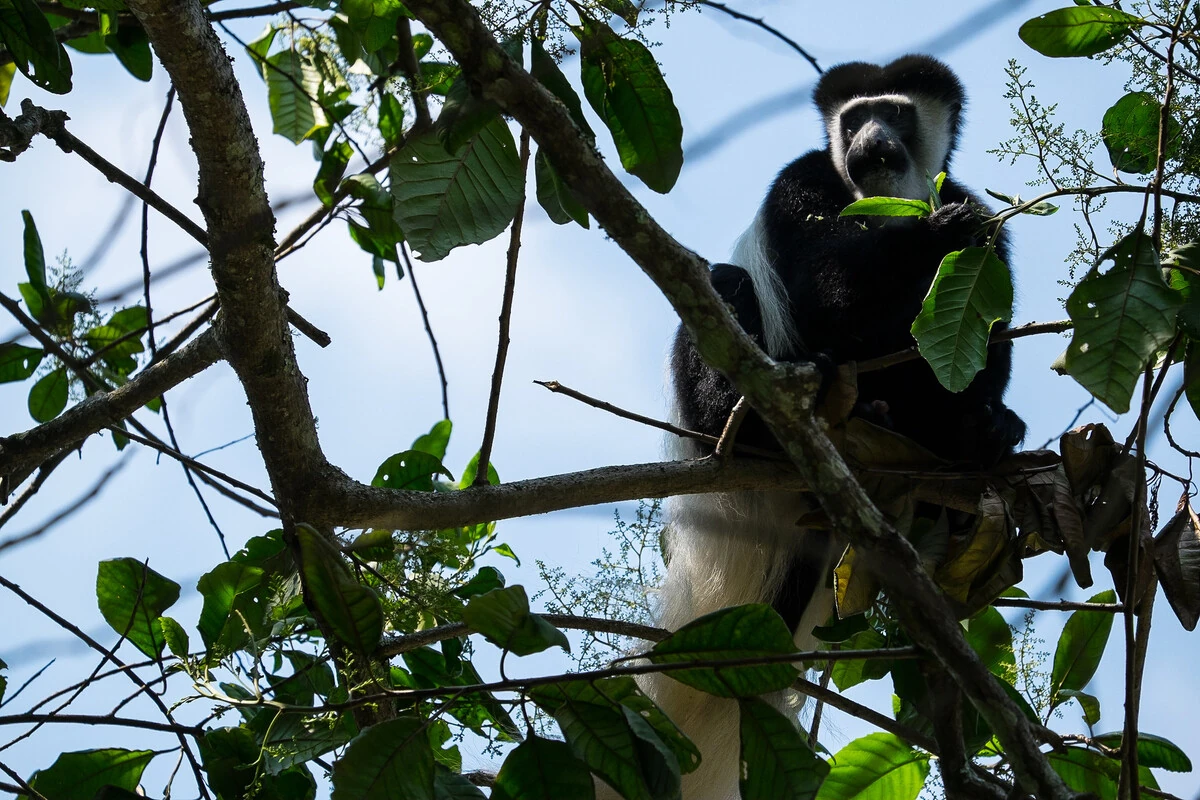
The rainforest zone around Umbwe Cave Camp supports a rich array of wildlife, including birds, monkeys, and other forest-dwelling animals. Dense vegetation surrounds the camp, and birds and insects create a vibrant natural soundtrack. During their hike to the camp and stay, climbers may spot black-and-white colobus monkeys, blue monkeys, and a variety of bird species. Wildlife enhances the rainforest’s immersive experience and is one of the Umbwe Route’s highlights.
Why Is It Called Umbwe Cave Camp?
The camp is named after the Umbwe area and the nearby cave that climbers and porters used in Kilimanjaro’s early days. Although climbers no longer use the cave for accommodation because of safety concerns, the name has persisted and reminds people of the mountain’s early climbing history. The camp’s location near the Umbwe River and its position between the Lonzo and Umbwe rivers also contribute to its name and identity.
What Is the Best Time to Stay at Umbwe Cave Camp?
The best time to stay at Umbwe Cave Camp is during the dry seasons, from June to October and December to March. These months offer more stable weather, less rainfall, and clearer conditions, improving both hiking and camping. Trail conditions are generally better, with reduced risk of muddy or slippery paths. However, climbers should remain prepared for rain at any time, as the rainforest can receive precipitation year-round.
Is Umbwe Cave Camp Crowded?
No, Umbwe Cave Camp is rarely crowded, as the Umbwe Route sees far fewer climbers than the more popular southern routes like Machame, Lemosho, and Marangu. This quiet atmosphere is a key attraction of the Umbwe Route, offering climbers a sense of solitude and wilderness that is increasingly rare on Africa’s highest peak. The camp’s small size and remote location mean it is rarely busy, even during peak climbing seasons, and climbers often have it almost entirely to themselves. This solitude allows for a more contemplative and immersive mountain experience.
What Is the Umbwe Route Like?
The Umbwe Route is the most challenging and direct path to Mount Kilimanjaro’s summit, featuring a steep ascent, low traffic, and a remote wilderness setting. It is not recommended for beginners or those without high-altitude experience, as its direct approach leaves little time to acclimatize. Experienced trekkers seeking a quieter and more demanding climb will find spectacular scenery, true solitude, and a strong sense of achievement on this route.
Umbwe Cave Camp Kilimanjaro Photos
You May Also Like
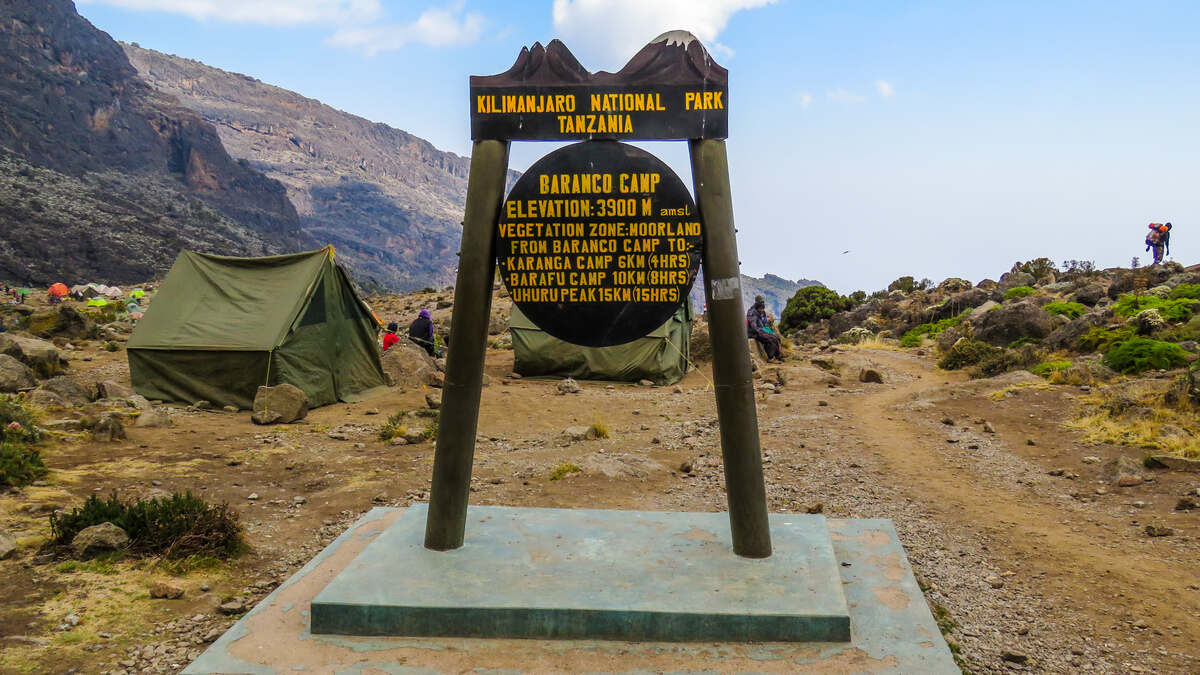
Barranco Camp is located at 3,950 meters at the base of the Great Barranco Wall, offering one of the most scenic overnight stops on Mount Kilimanjaro. Serving climbers on the Machame, Umbwe, Shira, and Lemosho routes
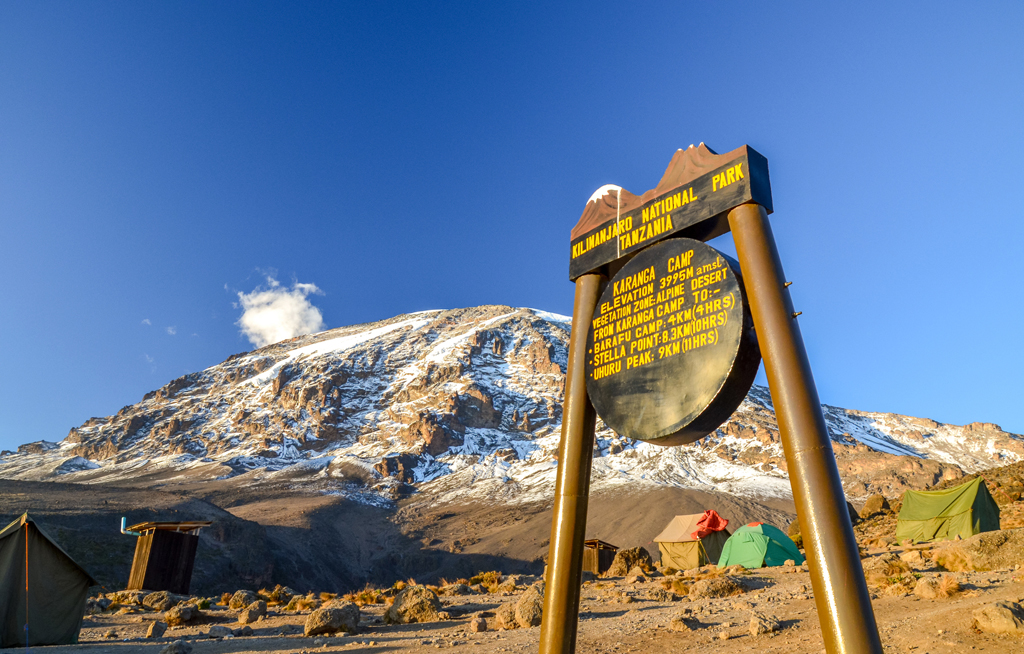
Karanga Camp, also called Karanga Hut Campsite, is strategically located on Kilimanjaro’s southern circuit and serves as a key acclimatization stop for climbers. Positioned at about 3,995 meters (13,106 feet), the camp is named for the Karanga Valley, a prominent gorge that crosses Kibo’s southern side.
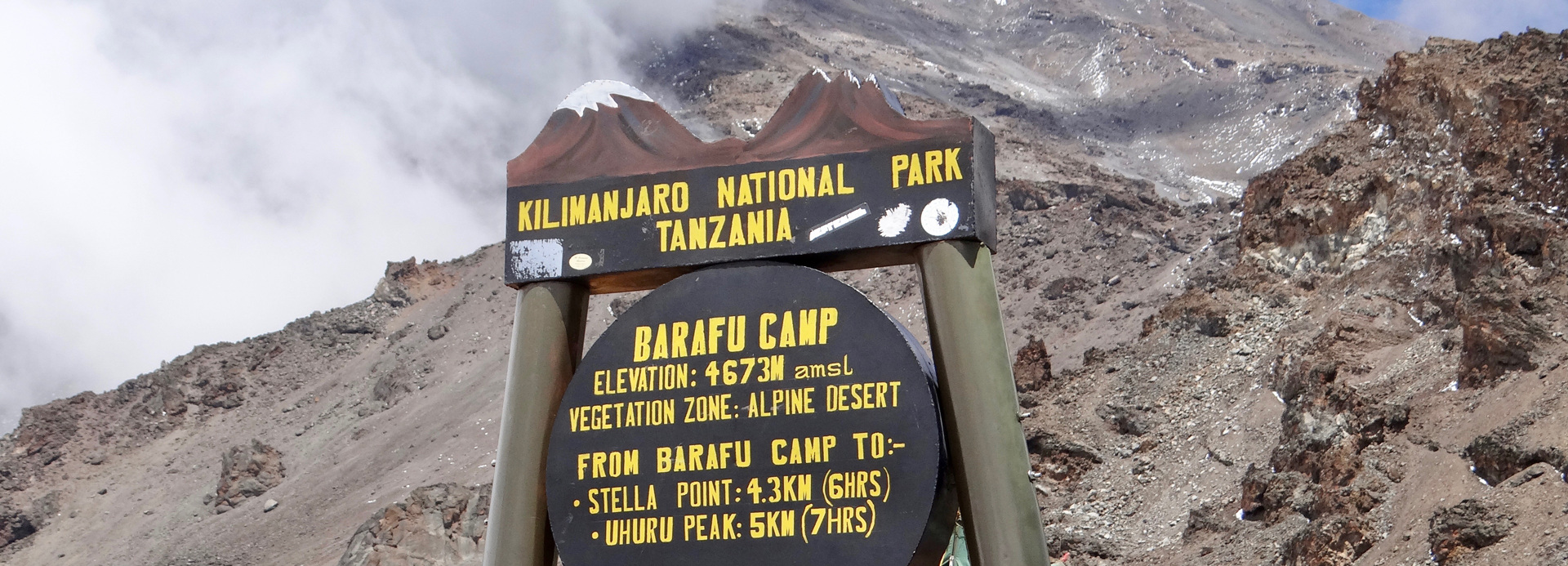
Barafu Camp, also called Barafu Hut Camp, is the final overnight stop for most climbers aiming for Uhuru Peak, Africa’s highest point. “Barafu” means “ice” in Swahili, aptly describing this cold, exposed campsite on the southeastern slopes of Kibo at 4,673 meters (15,330 feet) above sea level.