School Huts Camp, Kilimanjaro
School Huts Camp is a remote site on Mount Kilimanjaro, serving as the final overnight stop for climbers on the Northern Circuit Route, the mountain’s longest and least-traveled path. Situated at 4,710 meters (15,450 feet) in the alpine desert, the camp lies at the base of the Kibo volcanic cone and offers a quiet resting place before the summit attempt. Climbers on this route experience solitude and wilderness not found on Kilimanjaro’s busier trails.
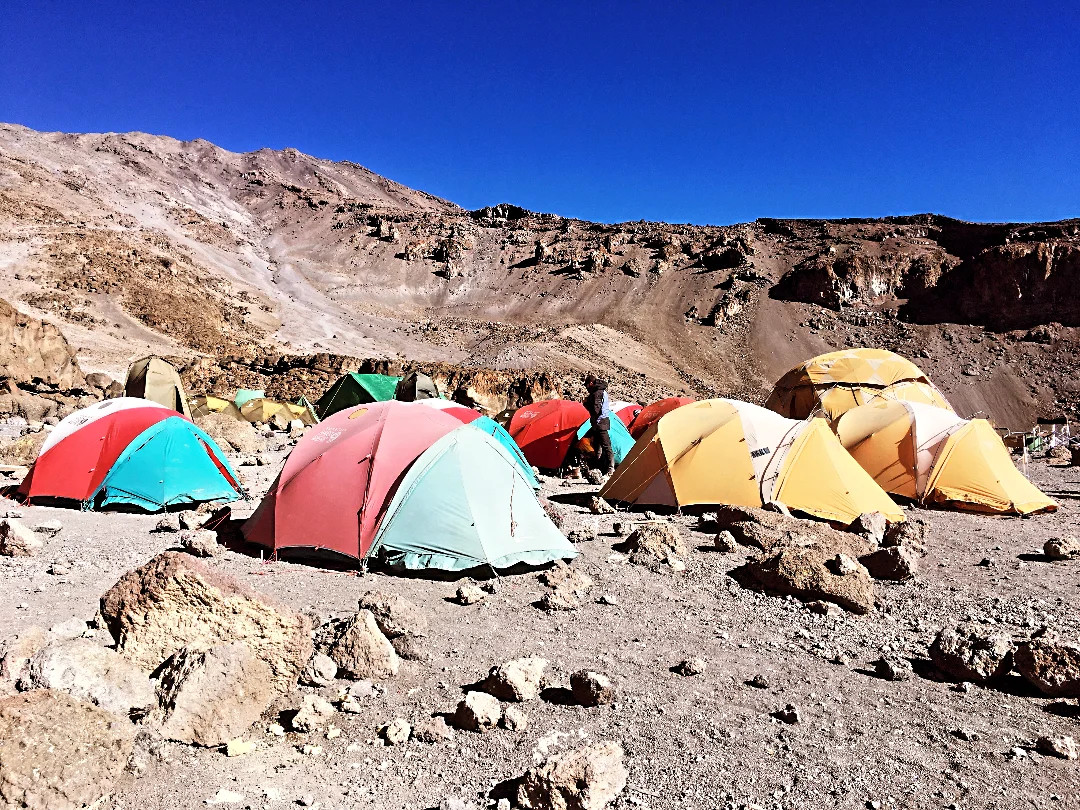
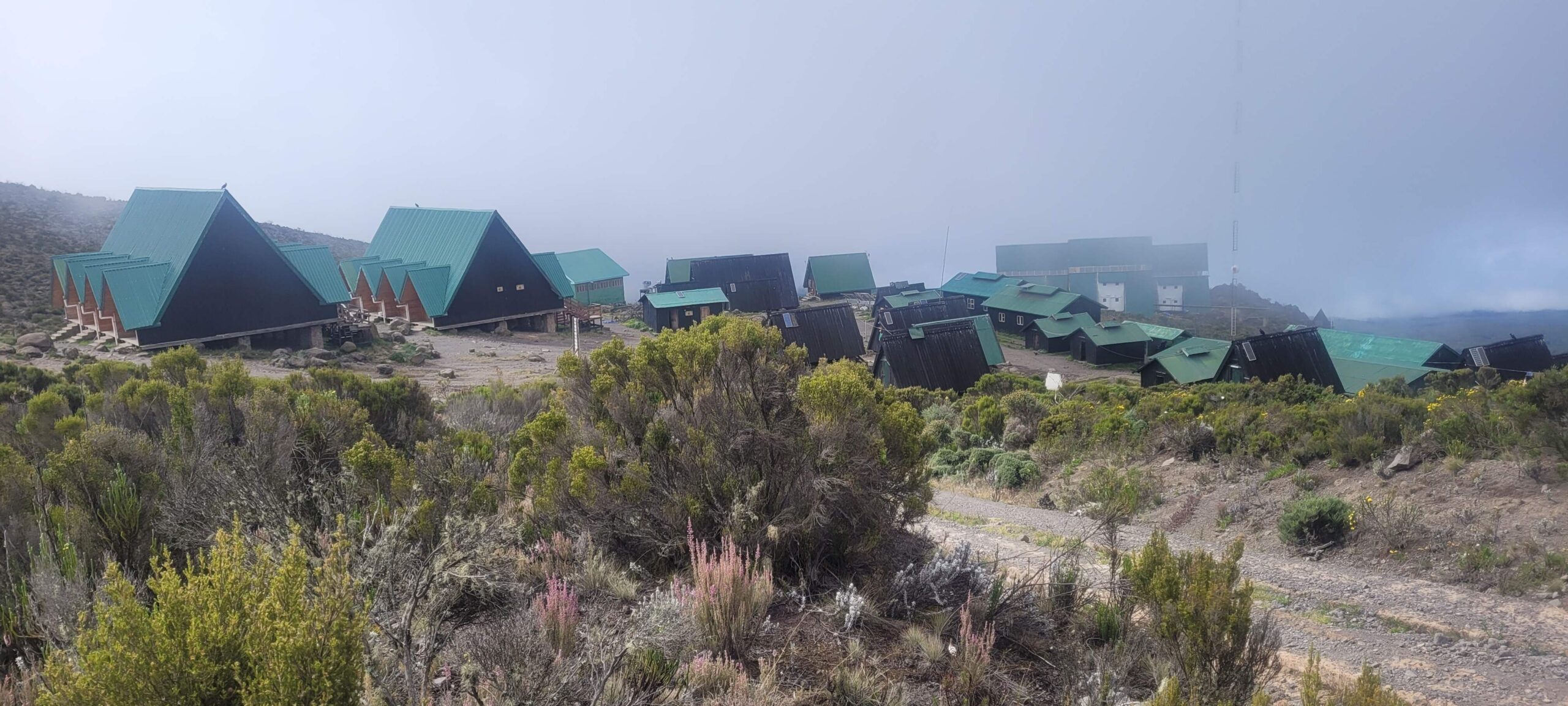
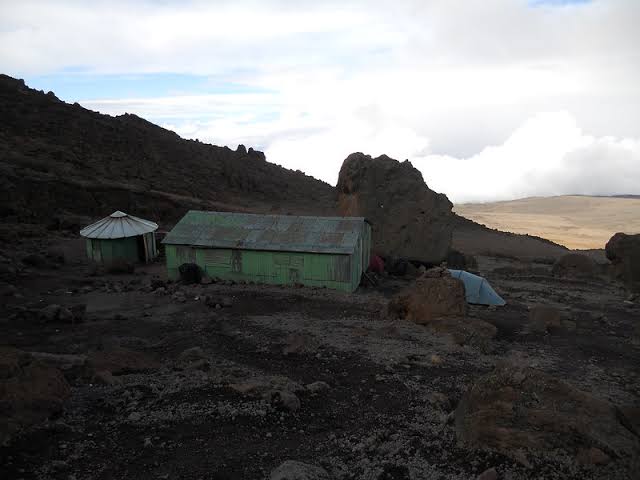
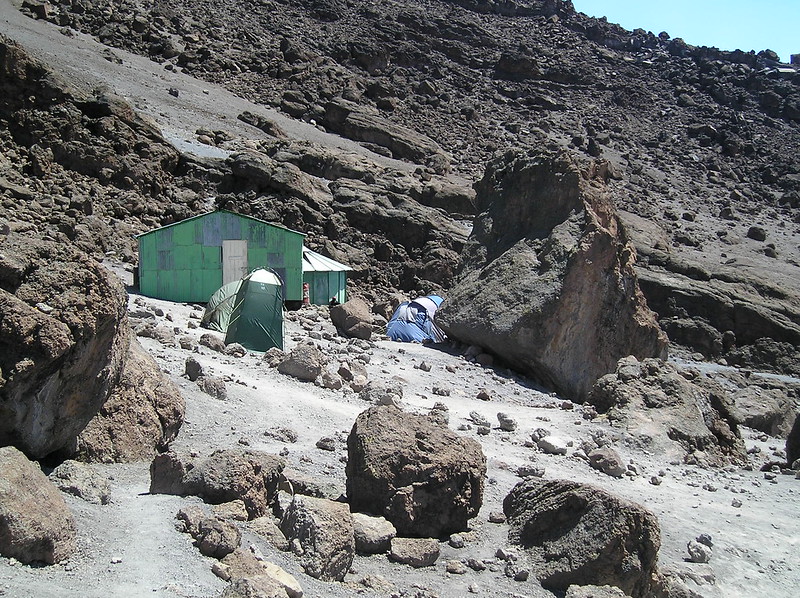
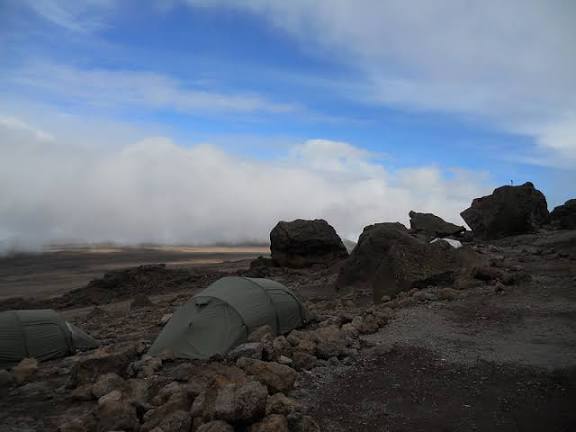
The name “School Huts” is misleading, as there are no permanent hut structures. The camp provides only basic pit latrine toilets and no accommodation buildings. Climbers must bring their own tents. Its remote location and minimal facilities underscore its function as a staging point for the final ascent to Uhuru Peak.
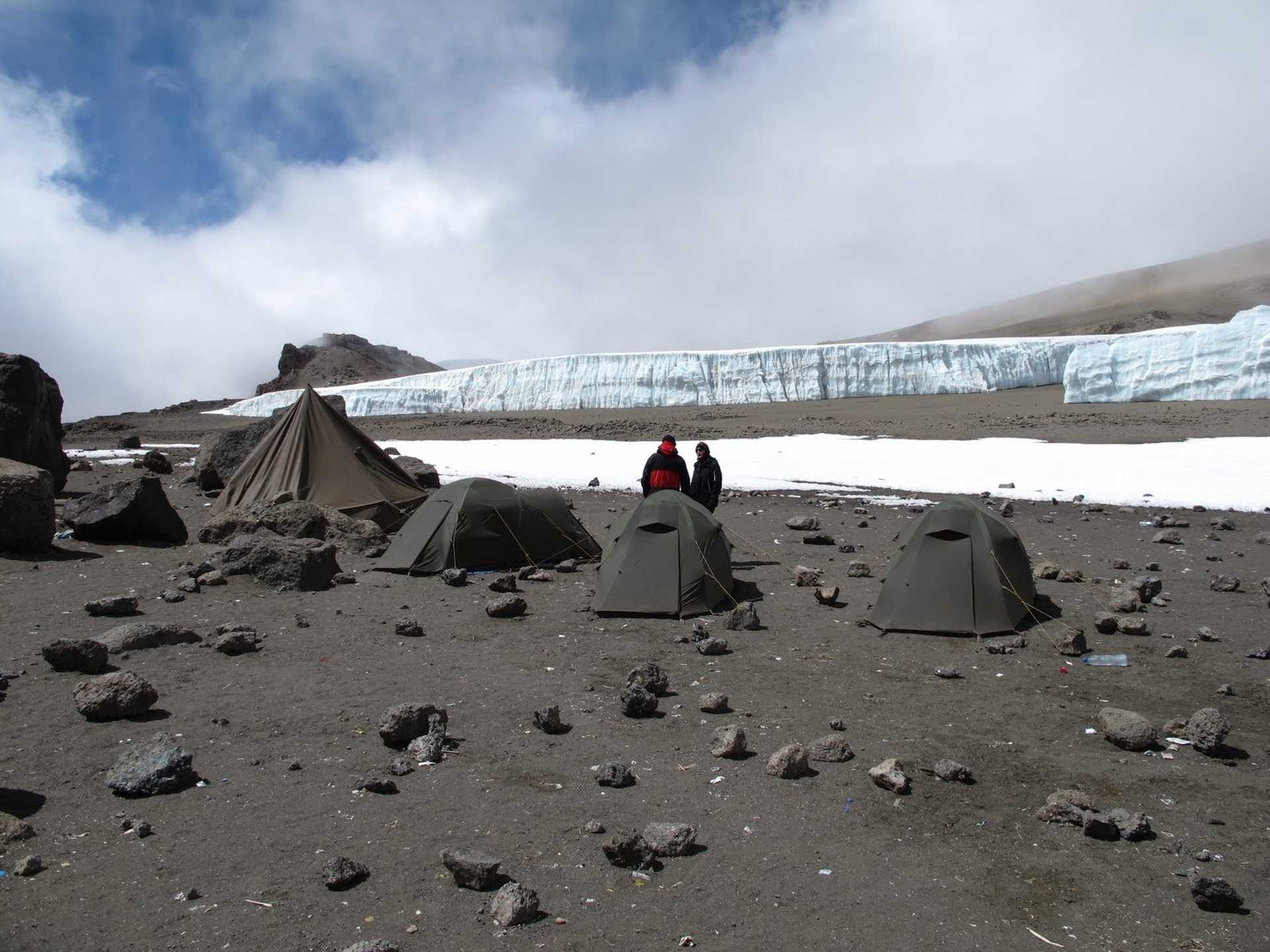
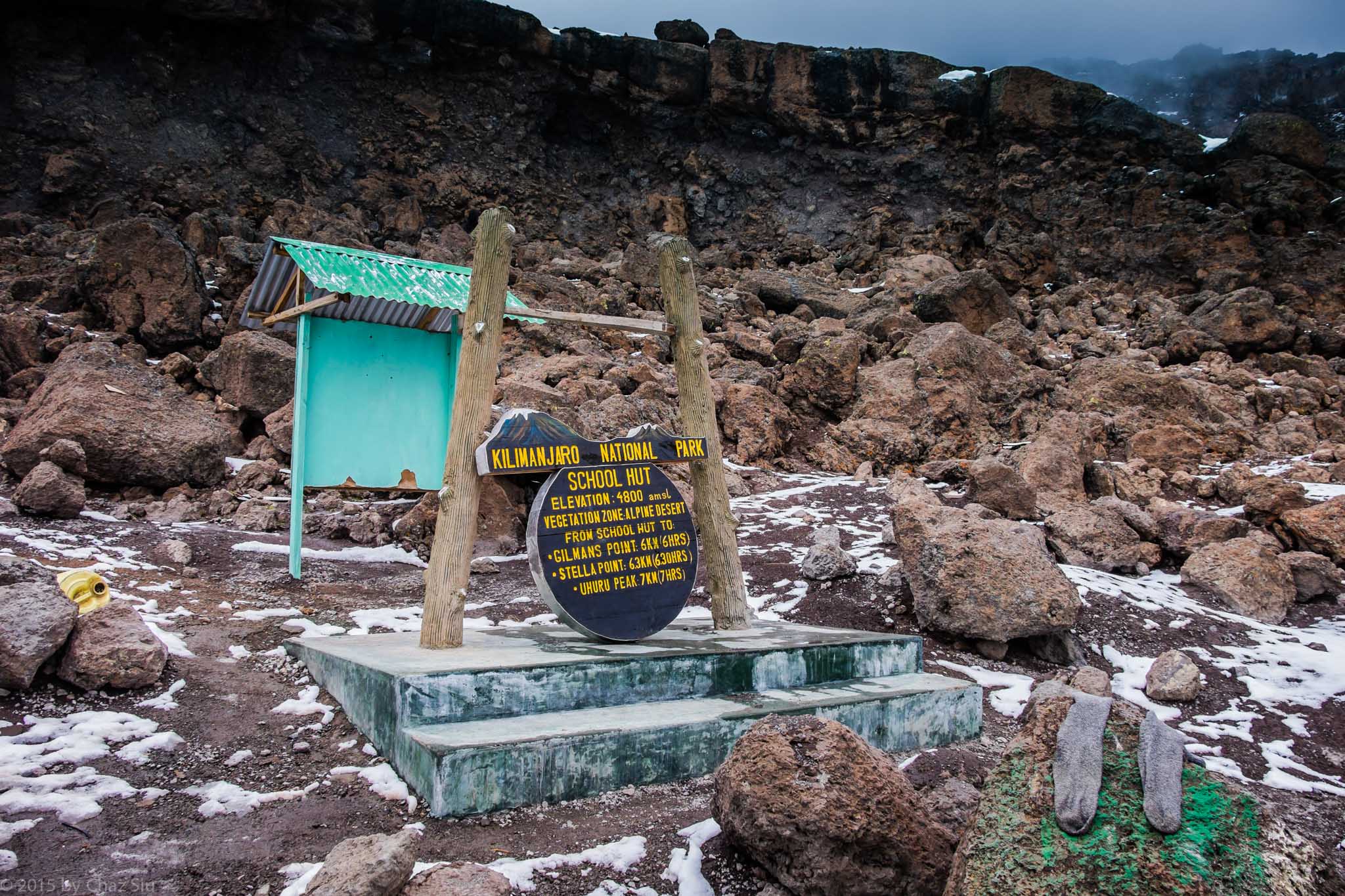
School Huts Camp is one of the few places on Kilimanjaro where snowfall is common, emphasizing its high-altitude setting. Located on the eastern slopes of the Kibo crater, north of Kibo Huts and east of Reusch Crater, the camp offers dramatic views and a quieter experience for climbers seeking solitude.
Location of School Huts Camp, Kilimanjaro
Geographic Position
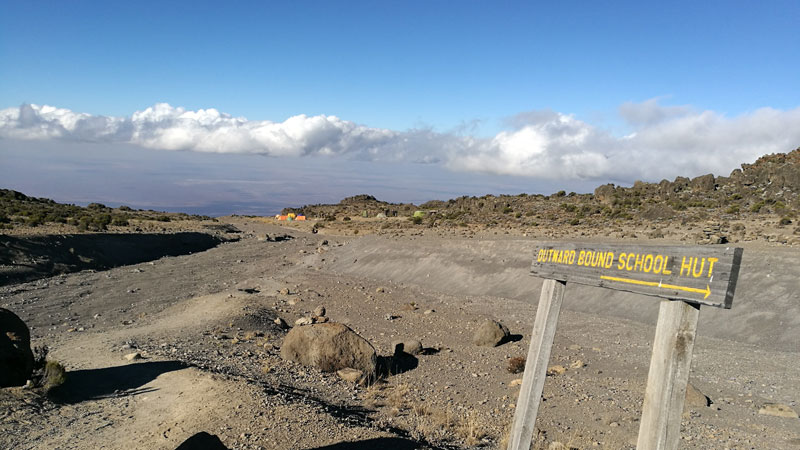
School Huts Camp is situated on the eastern slopes of the Kibo volcanic crater, approximately a few kilometers north of Kibo Huts and east of Reusch Crater. Its position on the mountain’s northeastern flank places it in the alpine desert zone, where vegetation is sparse due to the low temperatures, high winds, and rocky terrain. The camp’s remote location contributes to its quiet atmosphere, with minimal climber traffic compared to the more popular Barafu and Kibo Hut camps.
School Huts Camp, Kilimanjaro Map
Alpine Desert Environment
The camp lies in Mount Kilimanjaro’s alpine desert zone, characterized by:
- Sparse vegetation: Only a few hardy plants survive at this elevation
- Low temperatures: Often below freezing, especially at night
- High winds: The exposed location experiences persistent winds
- Rocky terrain: The ground is covered in volcanic rock and scree
- Snowfall: One of the few locations on Kilimanjaro where snow is common
Proximity to Other Camps
School Huts Camp is one of the final campsites before the summit, along with Arrow Glacier Route, Kibo Huts, and Barafu Huts. Its position on the eastern slopes makes it the primary summit camp for climbers following the Northern Circuit Route, while the other camps serve climbers on the southern and western approaches.
Facilities at School Huts Camp
Accommodation
School Huts Camp provides only tent accommodation, with no permanent sleeping structures. Climbers must bring tents suitable for high-altitude conditions. The camp is smaller than most others on Kilimanjaro, reflecting its limited use.
Sanitation
The only permanent structures at School Huts Camp are pit latrine toilets, which provide basic sanitation. Climbers should be prepared for limited facilities and plan accordingly.
Water Availability
Due to the high altitude, water is only available as ice and must be melted or collected from rainfall. Climbers rely on water carried by porters from lower elevations. This makes careful water conservation essential during the stay at School Huts Camp.
Shelter and Dining
There are no dining structures or mess tents at School Huts Camp. Meals are taken in individual tents, and climbers must be self-sufficient with cooking and dining.
School Huts Camp vs. Other Summit Camps
Comparison with Barafu Camp
Barafu Camp is the primary summit camp for climbers on the Machame, Lemosho, and Umbwe routes, located at 4,673 meters (15,330 feet) on the southeastern side of Kibo. Unlike School Huts Camp, Barafu is heavily used and can be very crowded during peak seasons. School Huts Camp offers a quieter, more remote experience with fewer climbers.
Comparison with Kibo Huts
Kibo Huts is the summit camp for climbers on the Marangu route and Rongai route, located at 4,703 meters (15,430 feet) on the eastern side of Kibo. Kibo Huts offers hut accommodation, making it more comfortable than School Huts Camp’s tent-only camping. However, Kibo Huts is also more crowded.
Advantages of School Huts Camp
- Quiet: Minimal climber traffic compared to other summit camps
- Remote: A true wilderness experience
- Unique: Used by the less-traveled Northern Circuit Route
- Scenic: Dramatic views of the Kibo crater and surrounding landscape
How to get from School Huts Camp to Gilman’s and Uhuru Peak
The Midnight Start
The final ascent to Uhuru Peak from School Huts Camp begins at midnight, allowing climbers to reach the summit by sunrise. This timing is designed to provide several advantages:
- Daylight arrival: Climbers can take photos and celebrate at the summit
- Better trail conditions: Frozen ground is easier to walk on
- Manageable temperatures: Warmer than the coldest hours before midnight
- Natural motivation: The promise of sunrise helps climbers push forward
The Route to the Summit
From School Huts Camp (4,750 meters / 15,600 feet), the route ascends to Uhuru Peak (5,895 meters / 19,340 feet), passing through Gilman’s Point on the crater rim.
Gilman’s Point
The most difficult section of the ascent is the steep climb to the crater rim at Gilman’s Point (5,685 meters / 18,652 feet). This section involves:
- Steep terrain: The trail ascends rapidly through rocky slopes
- Altitude effects: The thin air makes every step challenging
- Darkness: Climbers must navigate using headlamps
- Cold: Temperatures can be extremely low
From Gilman’s Point to Uhuru Peak
From Gilman’s Point, the ascent to Uhuru Peak is more gradual and less demanding. The trail follows the crater rim, with easier footing and less challenging terrain. However, the hike remains long and challenging due to the altitude, and climbers must maintain focus and a steady pace.
The Ascent Duration
The ascent from School Huts Camp to Uhuru Peak typically takes:
- 6 to 8 hours: From the midnight start to reaching the summit
- Steady pace: Climbers must maintain a slow, steady rhythm
- Breaks: Short rest stops are essential for managing altitude effects
The Descent
After reaching the summit and celebrating at the Uhuru Peak sign, climbers descend to Kibo Huts for a rest and lunch. The descent from the summit to Kibo Huts takes approximately 2 to 3 hours.
Continuing to Mweka Hut
From Kibo Huts, climbers continue the descent to Mweka Hut (3,110 meters / 10,200 feet), where they will spend the night. The total descent time from Uhuru Peak to Mweka Hut is approximately 6 hours. Mweka Hut offers the reward of the first beer or soda available on the route, making it a welcome stop after days of abstinence at higher altitudes.
The Northern Circuit Route and School Huts Camp
The Longest Route
The Northern Circuit Route is the longest path to the summit of Mount Kilimanjaro, typically taking 8 to 9 days to complete. This extended duration provides the best acclimatization profile on the mountain, with climbers spending more time at altitude before the summit attempt.
The Approach to School Huts Camp
On the Northern Circuit Route, climbers ascend from Third Cave Campsite (3,870 meters / 12,700 feet) to School Huts Camp (4,750 meters / 15,600 feet) on the seventh day. The hike takes approximately five hours, with climbers gaining significant altitude before the summit attempt.
Why Choose the Northern Circuit?
The Northern Circuit Route offers several advantages:
- Best acclimatization: The longest route with the highest success rate
- Scenic diversity: 360-degree views of the mountain and surrounding landscape
- Solitude: Low climber traffic on the less-visited northern slopes
- Wildlife: Opportunities to see eland and other wildlife on the northern slopes
Tips for Staying at School Huts Camp
Preparation
Before staying at School Huts Camp:
- Bring your own tent: No accommodation structures are available
- Pack warm layers: The camp is exposed to extreme cold
- Carry sufficient water: Water is scarce and must be carried by porters
- Prepare for limited facilities: Pit latrines are the only sanitation option
- Be ready for snow: School Huts Camp is one of the few locations on Kilimanjaro with regular snowfall
During Your Stay
To make the most of your stay:
- Rest well: The summit attempt is the most challenging day of the climb
- Stay hydrated: Drink water even if supplies are limited
- Follow your guide’s advice: Guides know the camp and route well
- Prepare for the summit: Organize gear for the midnight start
- Enjoy the solitude: This is one of the quietest camps on Kilimanjaro
Frequently Asked Questions About School Huts Camp
What Is School Huts Camp?
School Huts Camp is a high-altitude campsite on Mount Kilimanjaro at 4,710 meters (15,450 feet), serving as the final accommodation before the summit attempt on the Northern Circuit Route. It offers tent-only camping with basic pit latrine facilities.
Where Is School Huts Camp Located?
School Huts Camp is situated on the eastern slopes of the Kibo volcanic crater, a few kilometers north of Kibo Huts and east of Reusch Crater. It lies in the alpine desert zone of Mount Kilimanjaro.
What Facilities Are Available at School Huts Camp?
School Huts Camp has no permanent structures except pit latrine toilets. There is no accommodation, dining, or water infrastructure. Climbers must bring their own tents and rely on water carried by porters.
What Is the Elevation of School Huts Camp?
School Huts Camp sits at 4,710 meters (15,450 feet) above sea level, making it one of the highest camps on Mount Kilimanjaro.
Which Routes Use School Huts Camp?
School Huts Camp is primarily used by climbers on the Northern Circuit Route, the longest path to the summit. It is also used on the Grand Traverse and occasionally the Rongai Route.
How Do Climbers Reach School Huts Camp?
Climbers on the Northern Circuit Route ascend from Third Cave Campsite (3,870 meters) to School Huts Camp on the seventh day of the climb. The hike takes approximately five hours.
What Is the Summit Journey Like from School Huts Camp?
The summit journey begins at midnight, with climbers ascending for 6 to 8 hours to Uhuru Peak. The most difficult section is the steep climb to Gilman’s Point on the crater rim. From Gilman’s Point, the ascent to Uhuru Peak is more gradual.
What Are the Weather Conditions at School Huts Camp?
School Huts Camp experiences cold temperatures, strong winds, and occasional snowfall. It is one of the few locations on Kilimanjaro where snow is common.
Is School Huts Camp Crowded?
No. School Huts Camp is rarely used, as only the Northern Circuit Route uses it as the final accommodation before the summit. This makes it quieter than the more popular Barafu and Kibo Hut camps.
What Is the Alpine Desert Zone?
The alpine desert zone is a high-altitude region characterized by sparse vegetation, low temperatures, high winds, and rocky terrain. School Huts Camp is located in this zone.
How Does School Huts Camp Compare to Barafu Camp?
School Huts Camp is quieter and more remote than Barafu Camp, which is heavily used by climbers on the southern routes. School Huts Camp offers a true wilderness experience with minimal climber traffic.
What Should I Bring to School Huts Camp?
Essential items include a four-season tent, warm sleeping bag, thermal layers, waterproof clothing, headlamp, water bottles, water treatment supplies, and snacks. Given the limited facilities, climbers should be self-sufficient.
Why Is It Called School Huts Camp?
The origin of the name is not well documented, but it is believed to refer to the hut-style structures once used in the area. Today, no such structures remain, and the camp is tent-only.
Is School Huts Camp a Good Option for Acclimatization?
Yes. The Northern Circuit Route’s extended duration provides excellent acclimatization, making School Huts Camp a well-positioned staging point for the summit attempt. The camp’s altitude of 4,710 meters helps climbers prepare for the higher summit.
Plan Your Kilimanjaro Trip via Northern Circuit Route
School Huts Camp offers a unique and remote Kilimanjaro experience for climbers seeking solitude and a true wilderness adventure. As the final accommodation point on the Northern Circuit Route, it provides a quiet, peaceful setting for the crucial rest before the summit attempt.
Our expert team designs personalized Northern Circuit itineraries that include School Huts Camp and other notable features. We provide experienced guides, quality equipment, and comprehensive support throughout your journey.
Contact us to discuss your Kilimanjaro climb. Our team designs personalized Northern Circuit itineraries that include School Huts Camp and other highlights. We offer experienced guides, quality equipment, and comprehensive support throughout your journey.
. BOOK YOUR CLMB NOW
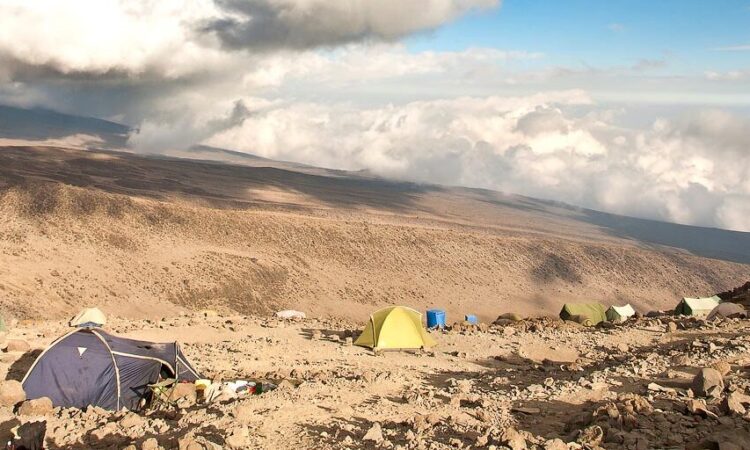
School Huts Camp Kilimanjaro Photos
You May Also Like