
Reusch Crater KILIMANJARO
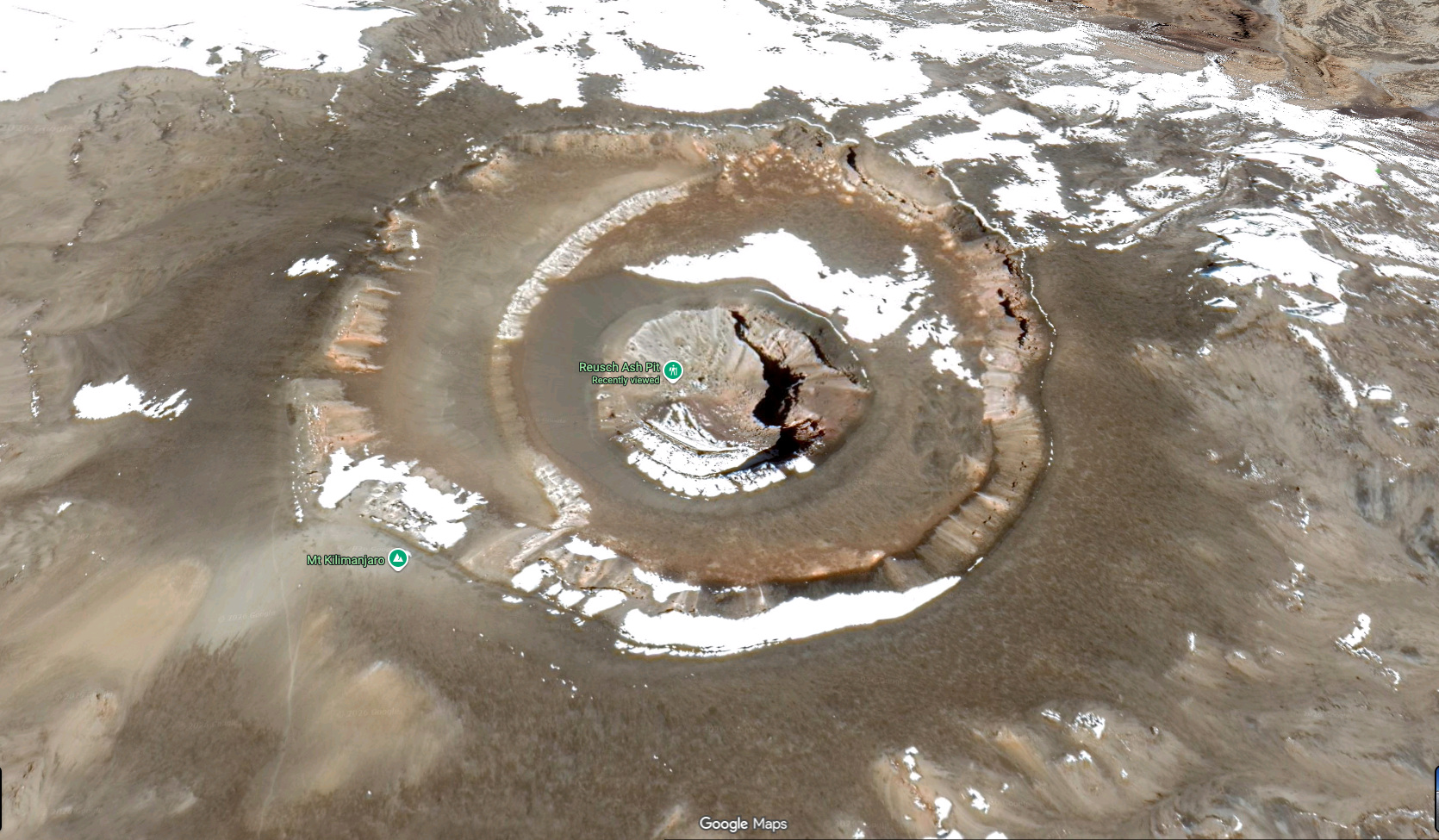
Reusch Crater is one of the most remarkable features on Mount Kilimanjaro, showing the volcanic forces that shaped Africa’s tallest mountain. Found inside the larger Kibo Crater at the summit, it stretches about 1,300 meters and stands out to climbers approaching Uhuru Peak.
The Discovery of Reusch Crater
Gustav Otto Richard Reusch
Reusch Crater is named after Gustav Otto Richard Reusch, a German missionary who spent much of his life exploring Mount Kilimanjaro. Living nearby, Reusch became very familiar with the mountain and is thought to have climbed it 65 times. In 1926, he found a new route to the summit that revealed a crater unknown to Western climbers.
Most people used the Marangu Route, which missed the crater, but Reusch’s different path led to this important discovery. To honor his work, the Tanganyika government named the crater after him in 1954, making his name a lasting part of Kilimanjaro’s story.
His determination to reach the summit and his discovery of the crater made him a legendary figure in the area. On December 11, 1927, Reusch married Elveda Bonander, a missionary nurse, in Marangu, Kilimanjaro.
Their connection to the mountain was recognized when Elveda Point, at 5,890 meters on the southern crater rim between Stella Point and Uhuru Peak, was named after Elveda Bonander Reusch.
Reusch’s Famous Discovery
The Frozen Leopard
One of the most intriguing stories associated with Reusch Crater involves a frozen leopard that Reusch discovered on the crater rim. This discovery is believed to have inspired Ernest Hemingway’s famous short story, “The Snows of Kilimanjaro,” published in 1936.
Hemingway’s tale begins with the line: “Close to the western summit there is the dried and frozen carcass of a leopard. No one has explained what the leopard was seeking at that altitude.” To record his discovery, Reusch cut off the leopard’s ear and took it home as a souvenir and proof of his find.
Hemingway and Kilimanjaro
The Ash Pit
Geological Significance
At the center of Reusch Crater lies the Ash Pit, a smaller crater approximately 140 meters wide. This feature represents the most recent volcanic activity on Kilimanjaro and is one of the crater’s most impressive sights. The Ash Pit is a powerful reminder that Kibo, while dormant, remains a living volcanic system with the potential for future activity.
Visiting the Ash Pit
For those staying overnight at Crater Camp, the Ash Pit is accessible via a two- to three-hour round-trip hike. This excursion offers unparalleled views and exceptional photo opportunities, allowing climbers to experience one of Kilimanjaro’s most extraordinary features up close.
Reusch Crater Kilimanjaro History
Naming and Recognition
Elveda Point
Reusch’s Legacy
Richard Reusch’s legacy extends beyond the crater that bears his name. His 65 ascents, his discovery of both Reusch Crater and the Ash Pit, and his determination to reach the summit under challenging conditions have made him a legendary figure in Kilimanjaro’s history.
Climbing to Reusch Crater
Routes to the Crater
The Crater Camp Experience
Reusch Crater FAQ
What Is Reusch Crater?
Who Discovered Reusch Crater?
Where Is Reusch Crater Located?
What Is the Ash Pit?
Is Reusch Crater Active?
Why Was It Named Reusch Crater?
What Is the Story of the Frozen Leopard?
Can I Visit Reusch Crater?
How Deep Is Reusch Crater?
What Is the Best Way to See Reusch Crater?
Plan Your Kilimanjaro Trek with Reusch Crater
Mount Kilimanjaro Climbing Packages
From$ 91
1 Day
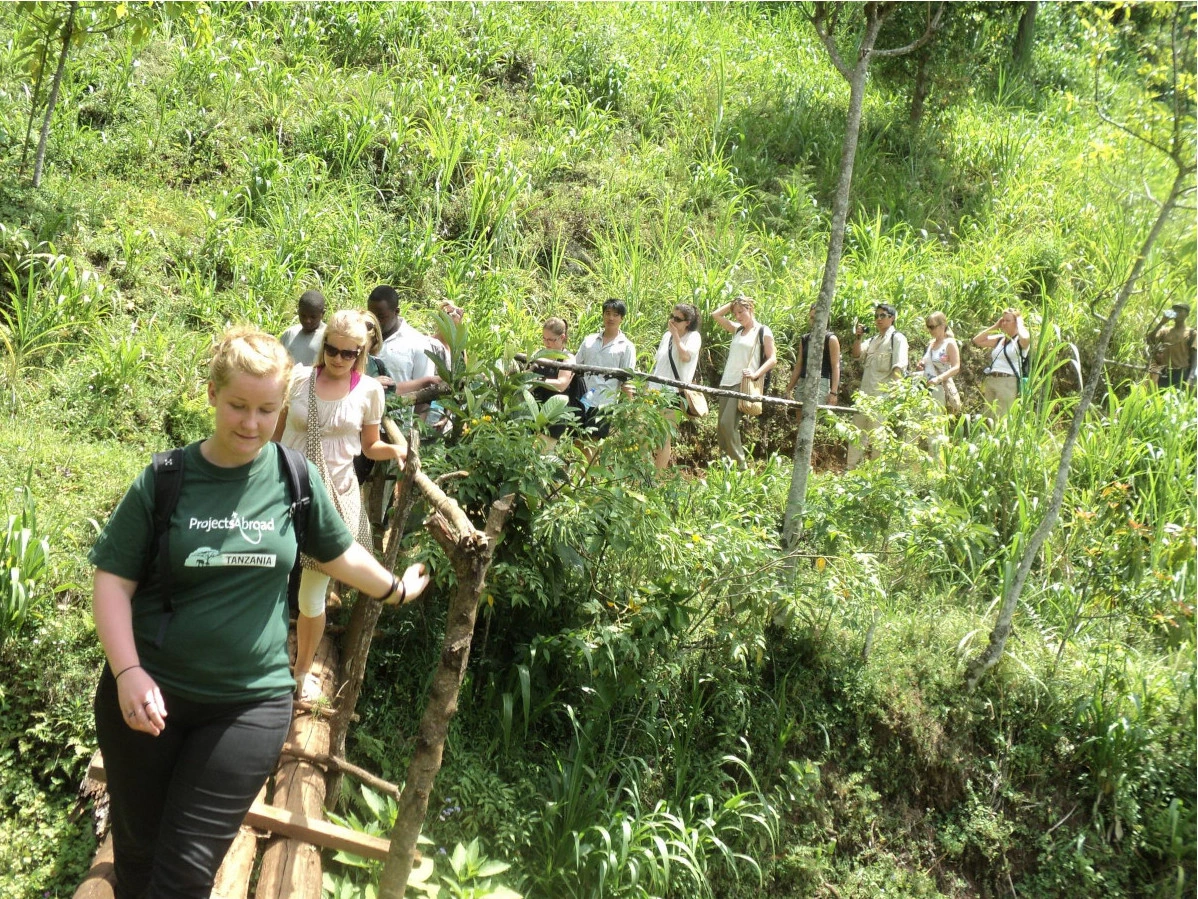
Materuni Day Trip | Waterfall & Coffee Tour from Moshi
Materuni Village
From$ 1,180
4 Days , 3 Nights
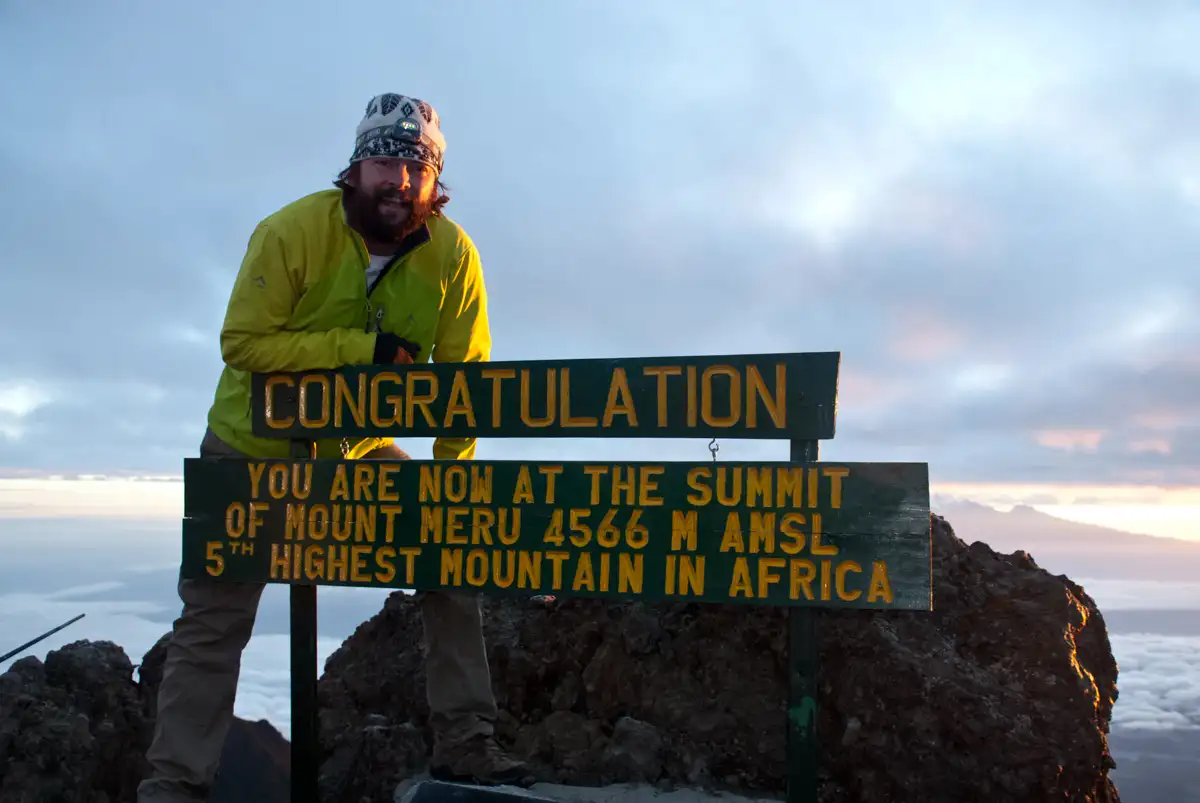
Mount Meru 4 Day Hike
Mt. Meru
From$ 990
3 Days , 2 Nights
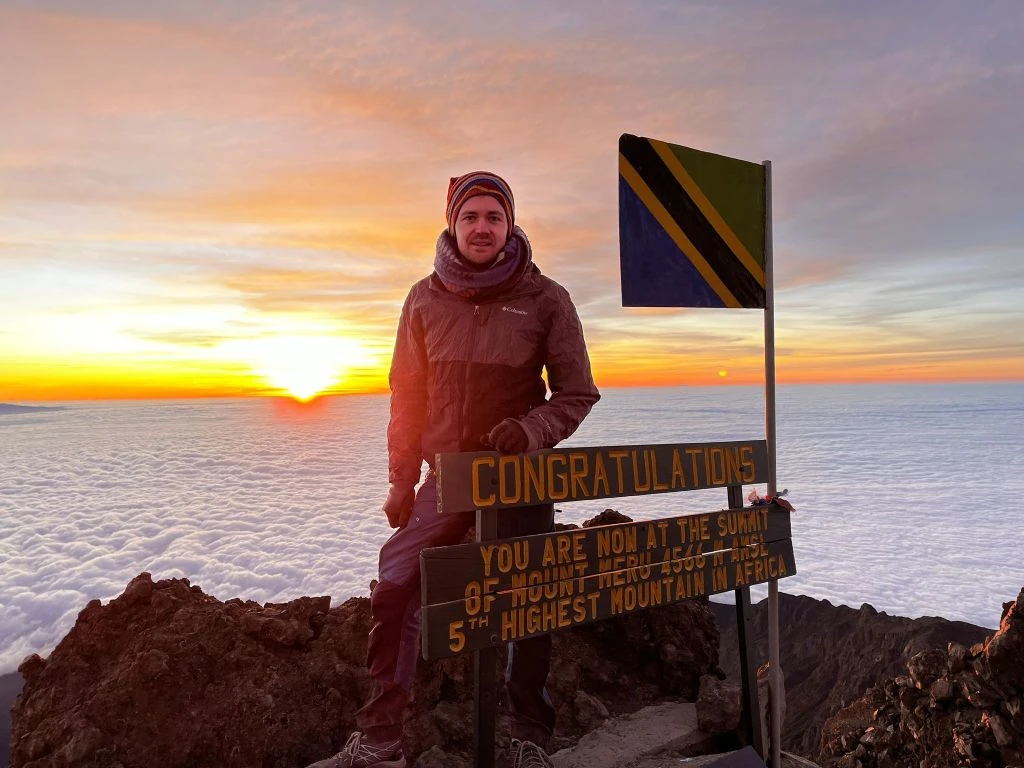
3 Day Mount Meru Climb
Mt. Meru
From$ 2,420
7 Days , 6 Nights
7 Day Kilimanjaro Climb via Machame Route
Mt. Kilimanjaro