Simba Camp Kilimanjaro
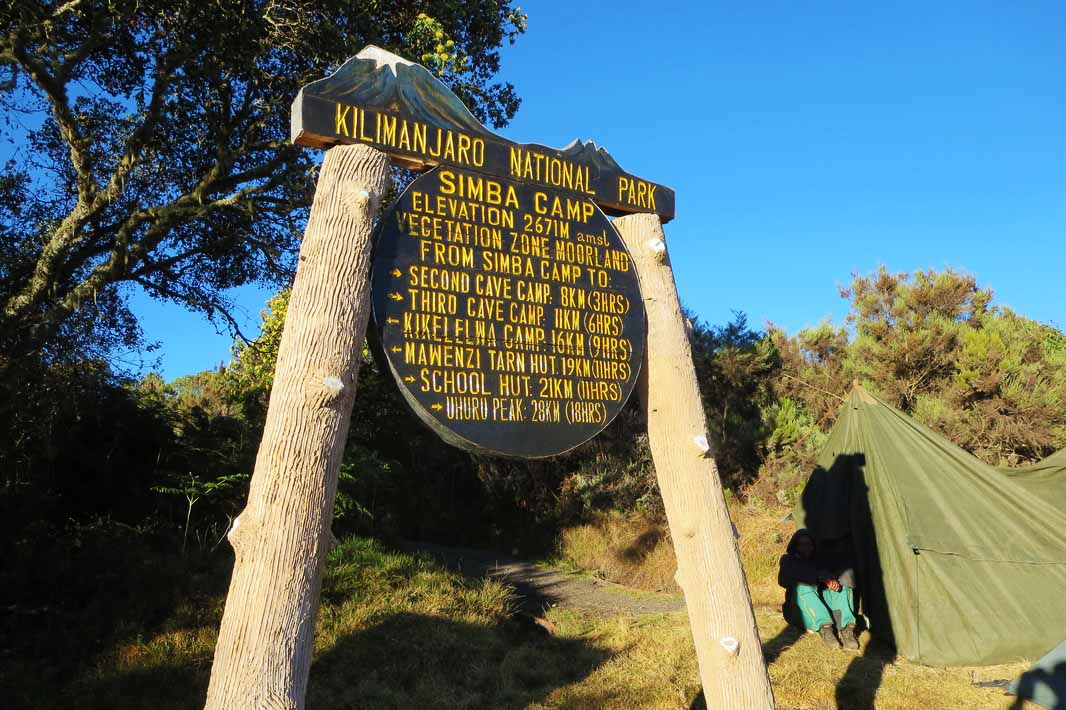
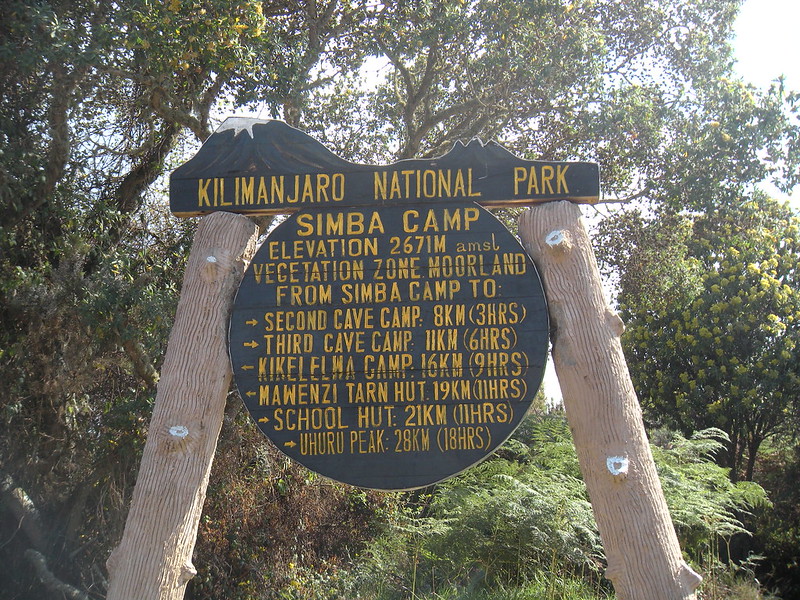
Simba Camp is the first overnight stop for climbers on the Rongai Route, situated at approximately 2,671 meters on Kilimanjaro’s north-eastern slopes. Adjacent to the historic First Cave camp and overlooking the Kenya-Tanzania border plains, Simba Camp Kilimanjaro offers a peaceful and scenic start to the ascent. It is ideal for those seeking a quieter, less crowded alternative to the southern routes.
Simba Camp stands out for its small size and low visitor numbers. The Rongai Route is less traveled than Machame, Lemosho, or Marangu, creating a more intimate, secluded atmosphere. This quiet setting allows climbers to appreciate the mountain’s natural beauty without the crowds found at busier camps. At Simba Camp, you will likely share the site with only a few other trekkers.
Located just outside the rainforest in the heath zone on Kilimanjaro’s north-eastern side, Simba Camp occupies a unique ecological transition area. The surrounding vegetation is greener than at higher elevations but less dense than the rainforest below, supporting a variety of wildlife. For many climbers, the first night at Simba Camp offers a memorable introduction to Kilimanjaro’s diverse ecosystems and the journey ahead.
Location of Simba Camp Kilimanjaro
Simba Camp is located on the north-eastern side of Mount Kilimanjaro, near the Rongai Gate, close to the Kenya-Tanzania border. At approximately 2,671 meters, it lies in the heath zone just beyond the rainforest. The camp offers expansive views of the surrounding plains and the Kenyan border region below.
Second Cave Camp is the next stop on the Rongai Route, located about 8 kilometers from Simba Camp, or roughly a three-hour walk. The trail passes through scenic moorland with views of the mountain and surrounding landscape. From Second Cave Camp, climbers continue to Kikelelwa Camp, Mawenzi Tarn Camp, and Kibo Huts before the summit attempt.
Because Simba Camp is close to the Rongai Gate, climbers typically arrive early on the first day, allowing time to rest, acclimatize, and enjoy the area. Its proximity to the gate makes it a convenient starting point for the Rongai Route. The camp’s elevated position provides a sense of space and openness typical of Kilimanjaro’s northern slopes.
Simba Camp Kilimanjaro on Map
Facilities at Simba Camp
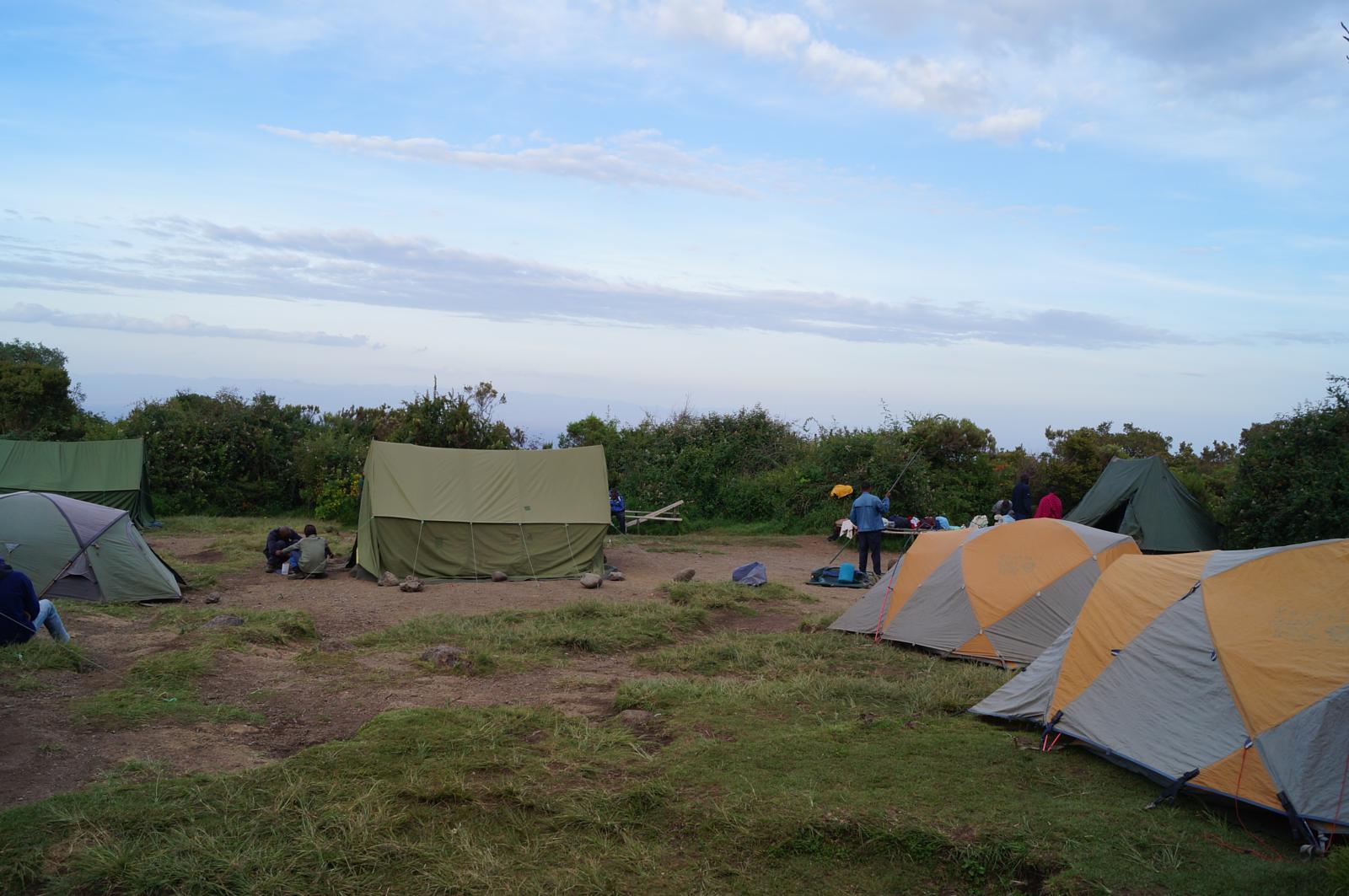
Simba Camp offers basic facilities, with pit latrines as the only toilets and no permanent structures. As a tent-only site on a less-traveled route, climbers must bring their own tents. Porters typically carry and set up tents and equipment upon arrival.
While facilities are basic, Simba Camp provides the essentials for a comfortable first night. Its small size and low traffic typically ensure ample tent space and a quiet environment for rest and preparation. The pit latrines are maintained, but climbers should bring their own toilet paper and hand sanitizer, as these are not provided.
Water availability at Simba Camp depends on the season and mountain conditions. The camp, located in the heath zone, receives moderate rainfall and may have nearby natural sources. Climbers should use water carried by porters from reliable sources and treat all water before use. Since water is usually more accessible here than at higher camps, Simba Camp is a good place to replenish supplies before continuing the ascent.
Simba Camp Vegetation Zone
Simba Camp is located in the heath zone of Mount Kilimanjaro, just beyond the rainforest. This transitional area has vegetation that is greener than in the higher zones but less dense than in the rainforest. The heath zone includes low shrubs, heather, grasses, and occasional giant groundsel or lobelia, resulting in a landscape that is both scenic and biologically diverse.
The vegetation at Simba Camp supports more wildlife than the higher regions of Mount Kilimanjaro. As climbers ascend, vegetation and wildlife become increasingly sparse, making Simba Camp ideal for wildlife sightings. Visitors may observe various bird species, small mammals, and occasionally larger animals such as antelope or buffalo grazing in the heath zone. This wildlife highlights Kilimanjaro’s status as a rich and complex ecosystem.
The heath zone’s vegetation offers shelter from the strong winds common on the northern slopes. Low shrubs and grasses act as a natural windbreak, making Simba Camp more comfortable than higher, more exposed camps. The greenery and wildlife create a memorable and welcoming first stop on the Rongai Route.
The Rongai Route and Simba Camp
The Rongai Route is the only northern approach to Mount Kilimanjaro and provides a quieter alternative to the busier southern routes. Beginning near the Kenyan border, it ascends the dry, remote northern slopes, offering distinct views of the mountain and its ecosystems. Simba Camp serves as the first overnight stop after Rongai Gate and before Second Cave Camp.
Because traffic is lower on the Rongai Route, Simba Camp is rarely crowded and offers a peaceful, secluded setting. As the first overnight stop, it allows climbers to rest and acclimatize after the initial ascent, preparing for higher elevations. Simba Camp and the Rongai Route suit those seeking tranquility and an authentic mountain experience.
The Rongai Route’s gradual ascent and quieter camps offer a more enjoyable, less stressful experience than the busier southern routes. Simba Camp embodies this atmosphere, offering a simple, peaceful place for climbers to focus on their journey. Its location overlooking the Kenyan plains creates a striking backdrop for the first night on Africa’s highest peak.
Remarks: Book Your Rongai Route Adventure
Simba Camp is more than a stop on the Rongai Route; it offers a peaceful environment to escape crowds, connect with nature, and prepare for your climb. At Blessing Safaris, we are committed to providing a safe, comfortable, and memorable experience.
Our local team, with extensive knowledge of Kilimanjaro’s trails and camps, ensures expert guidance and support. We uphold ethical climbing practices, treat our crew fairly, and provide high-quality equipment and meals. With countless successful summits and a strong safety record, climbers worldwide trust Blessing Safaris.
Choose an operator that prioritizes your safety, comfort, and success. Book your Rongai Route Trekking with us and let our team help you create lasting memories. Your summit moment awaits.
Frequently Asked Questions About Simba Camp
What Is Simba Camp?
Simba Camp is the first overnight campsite on the Rongai Route of Mount Kilimanjaro, located at approximately 2,671 meters on the north-eastern slopes. Adjacent to the historic First Cave camp, it overlooks the plains along the Kenya-Tanzania border. The camp is small and less frequented, as the Rongai Route sees fewer visitors than southern routes such as Machame and Marangu. For climbers seeking a quiet and authentic experience, Simba Camp is an excellent starting point. The camp is tent-based, offers only pit latrines, and provides impressive views of both the plains and the mountain.
Where Is Simba Camp Located?
Simba Camp is located on the north-eastern side of Mount Kilimanjaro near the Rongai Gate, close to the Kenya-Tanzania border. At an elevation of approximately 2,671 meters, it lies in the heath zone just outside the rainforest. The camp offers expansive views of the surrounding plains, including the Kenyan border region. Second Cave Camp, the next stop on the Rongai Route, is about 8 kilometers away, or a three-hour walk. Because of its proximity to the Rongai Gate, climbers typically reach Simba Camp early on the first day, allowing time to rest, acclimatize, and enjoy the area.
What Is the Elevation of Simba Camp?
Simba Camp is located on the north-eastern side of Mount Kilimanjaro near the Rongai Gate, close to the Kenya-Tanzania border. At an elevation of approximately 2,500 meters, it lies in the heath zone just outside the rainforest. The camp offers wide views of the surrounding plains, including the Kenyan border region. Second Cave Camp, the next stop on the Rongai Route, is about 8 kilometers away, or a three-hour walk. Because of its proximity to the Rongai Gate, climbers typically reach Simba Camp early on the first day, allowing time to rest, acclimatize, and explore.
What Facilities Are Available at Simba Camp?
Simba Camp offers basic facilities, with pit latrines as the only toilets and no permanent structures. As a tent-only site, climbers need to bring their own tents, which porters typically carry and set up. Despite minimal amenities, Simba Camp provides a comfortable first night on the mountain. Its small size and low traffic create a peaceful environment with plenty of space to rest and prepare.
Which Route Uses Simba Camp?
Simba Camp is the first overnight stop on the Rongai Route, the only northern approach to Mount Kilimanjaro. Starting near the Kenyan border, this route climbs the dry, remote northern slopes and is less crowded than the southern routes. Simba Camp provides a peaceful, secluded setting, and the gradual ascent with quieter camps along the Rongai Route creates a more enjoyable, less stressful experience than busier alternatives.
Is Water Available at Simba Camp?
Water availability at Simba Camp depends on the season and mountain conditions. The camp, situated in the heath zone with moderate rainfall, may have nearby natural sources. Climbers should use water supplied by porters from reliable sources and treat all water before use. Proximity to the rainforest makes water more accessible here than at higher camps, so this is an ideal location to replenish supplies. Plan water use carefully to ensure sufficient amounts for drinking, cooking, and hygiene.
What Is the Vegetation Like at Simba Camp?
Simba Camp is located in the heath zone of Mount Kilimanjaro, just above the rainforest. This transitional area features greener vegetation than higher elevations, though it is less dense than the rainforest below. The heath zone includes low shrubs, heather, grasses, and occasional giant groundsel or lobelia, resulting in a diverse landscape. Simba Camp’s vegetation supports more wildlife than higher regions, making it one of the best locations on the mountain for animal sightings. Climbers may encounter various bird species, small mammals, and occasionally larger animals such as antelope or buffalo.
What Wildlife Can Be Seen at Simba Camp?
Simba Camp’s vegetation supports more wildlife than the higher regions of Mount Kilimanjaro, making it an excellent location for animal sightings. Climbers may see various bird species, small mammals, and occasionally larger animals such as antelope or buffalo grazing in the heath zone. These encounters underscore Kilimanjaro’s rich and complex ecosystem. The camp’s proximity to the rainforest and Rongai Gate enables animals moving between the forest and higher slopes to pass through the area, increasing the likelihood of sightings.
What Is the Next Camp After Simba Camp?
Second Cave Camp is the next stop after Simba Camp on the Rongai Route, located about 8 kilometers away, or a 3-hour walk. The trail passes through scenic moorland with views of the mountain and surrounding landscape. For those continuing, Second Cave Camp is the next stop before Mawenzi Tarn Camp, Kibo Huts, and Kikelelwa Camp, leading up to the summit attempt. This route allows climbers to acclimatize gradually while experiencing the varied ecosystems of Kilimanjaro’s northern slopes.
What Should I Bring to Simba Camp?
When preparing for Simba Camp, bring a four-season tent, warm sleeping bag, thermal layers, waterproof clothing, a headlamp with extra batteries, water bottles or a hydration system, water treatment supplies, and high-energy snacks. Because the camp is in a high-altitude zone and can be exposed to cold temperatures and strong winds, make sure your tent is sturdy and bring a sleeping pad for insulation and comfort. Pack personal items such as toilet paper, hand sanitizer, sunscreen, lip balm, and any required medications. Trekking poles are recommended for navigating rocky, uneven terrain.
Is Simba Camp Crowded?
Simba Camp is rarely crowded, as the Rongai Route attracts fewer climbers than southern routes such as Machame, Lemosho, and Marangu. Its small size and remote location create a quiet atmosphere that appeals to those seeking solitude and a sense of wilderness. Even during peak seasons, climbers often have the camp to themselves, allowing a more immersive, contemplative experience without large crowds
What Is the Climate Like at Simba Camp?
Simba Camp’s highland location brings moderate rainfall and cool temperatures. Days are mild, but nighttime temperatures can fall below freezing during the dry seasons. Strong winds on the north-eastern slopes increase the chill. Climbers should bring warm layers, windproof clothing, and a sturdy tent. The dry seasons, from June to October and December to March, provide the most stable weather, with clear skies and favorable conditions for climbing and camping.
What Is the Best Time to Stay at Simba Camp?
The best time to stay at Simba Camp is during the dry seasons, from June to October and from December to March. These months offer stable weather, clear skies, minimal rainfall, and comfortable temperatures, improving both the experience and the views. Trail conditions are also safer, with less risk of muddy or slippery paths. Situated on the north-eastern slopes in the rain shadow, the camp receives less rainfall than the southern slopes, making it a good option even in the shoulder seasons. However, climbers should always be prepared for cold temperatures and strong winds.
Why Is It Called Simba Camp?
“Simba” means “lion” in Swahili, and the camp is named for the wildlife that once thrived in the area. While lions are now rarely seen at this elevation, the name highlights the Kilimanjaro region’s rich wildlife heritage. Located in the heath zone, which supports more animals than higher elevations, Simba Camp offers visitors a direct connection to the mountain’s natural history and diverse ecosystems.
What Is the Rongai Route Like?
The Rongai Route is the only path approaching Mount Kilimanjaro from the north, providing a quieter alternative to the busier southern routes. Starting near the Kenyan border, it ascends the dry, remote northern slopes, offering a unique view of the mountain and its ecosystems. Its gradual ascent supports better acclimatization and a more comfortable climb, making it ideal for those seeking a steady pace. With fewer climbers, camps such as Simba Camp stay uncrowded, ensuring a peaceful, secluded experience.
BOOK YOUR CLIMB NOW
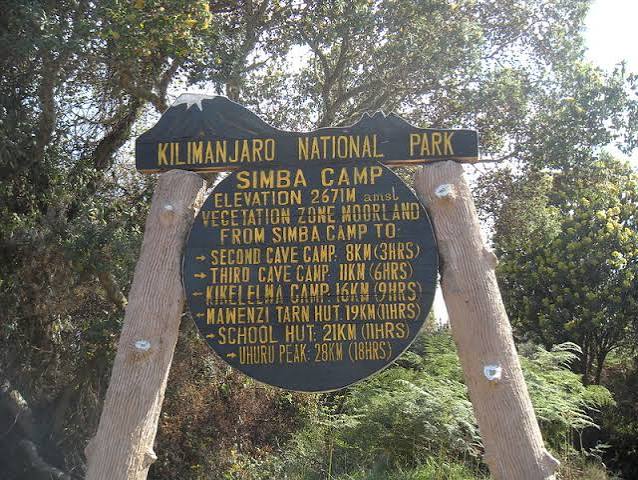
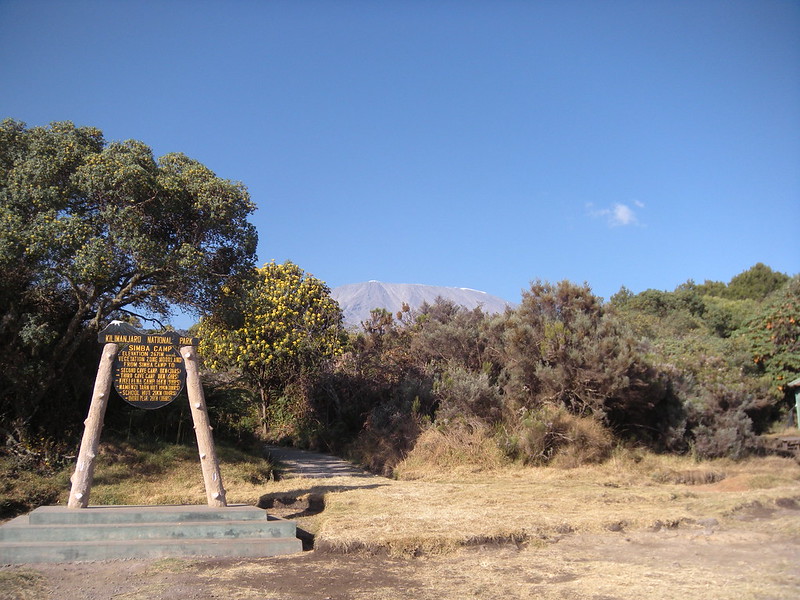
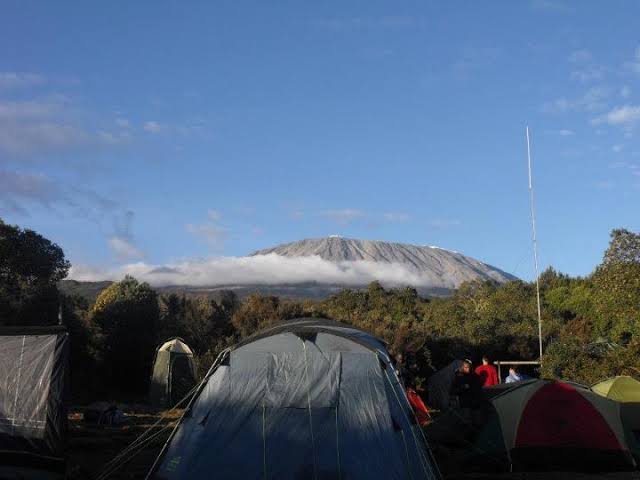
Simba Camp Kilimanjaro Photos
You May Also Like
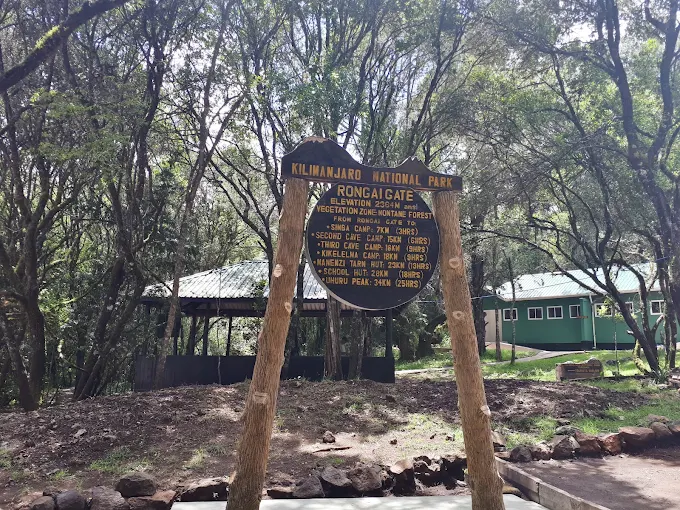
Rongai Gate, also called Nalemuru or Nalemoru Gate, is the only access point on Mount Kilimanjaro’s northern side. Located at about 1,950 meters near the Tanzania-Kenya border
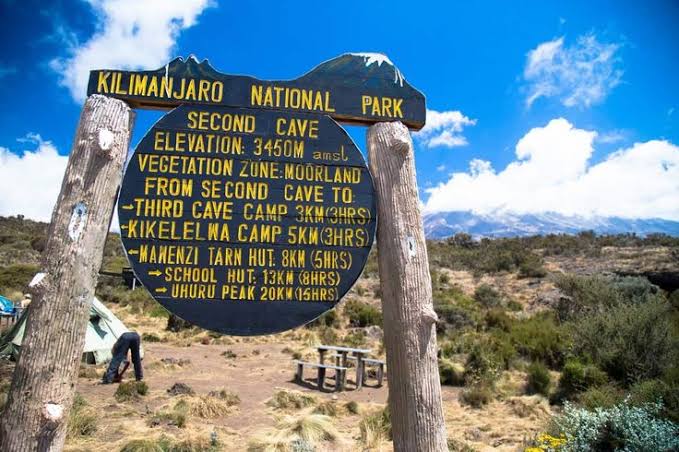
Second Cave Camp is located at 3,450 meters on Mount Kilimanjaro’s northeastern side and serves as a key overnight and lunch stop for climbers on the less-traveled Rongai Route
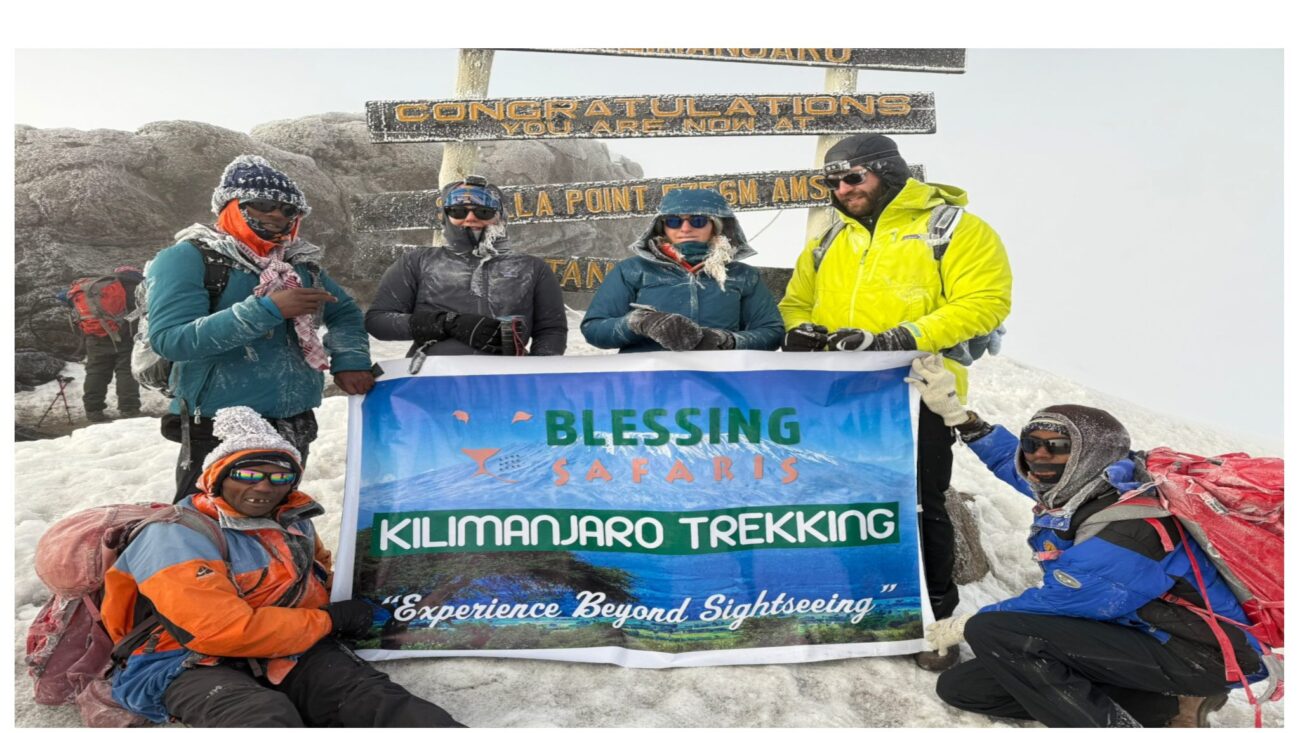
We offer a six (6) day Rongai route experience to Mount Kilimanjaro. Rongai route is one of the most beautiful routes for climbing Kilimanjaro. It is an easier route than the Machame route.