
Second Cave Camp Kilimanjaro
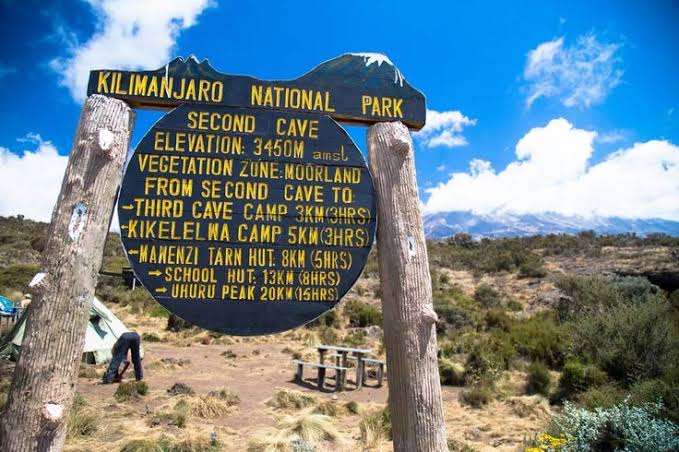
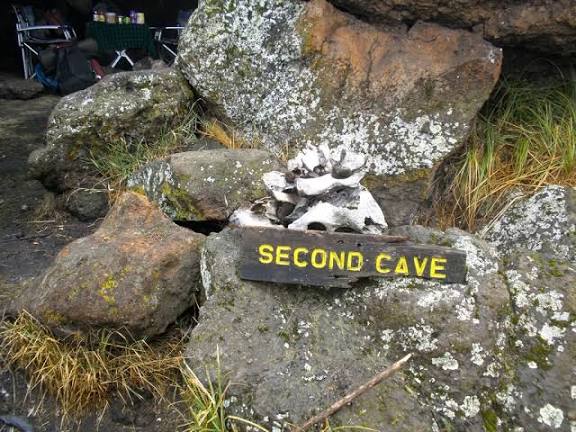
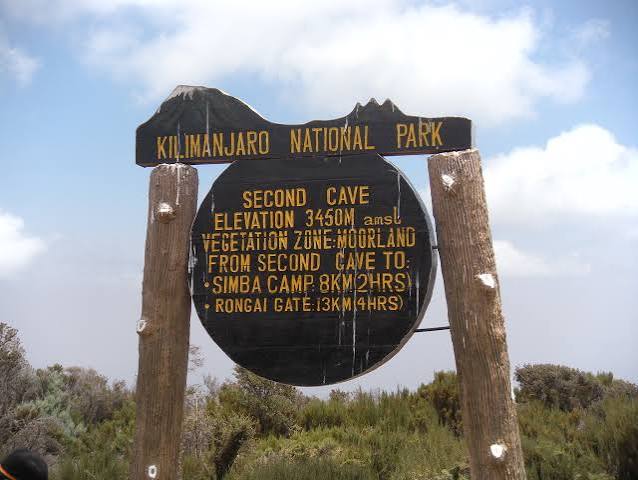
Second Cave Camp is located at 3,450 meters on Mount Kilimanjaro’s northeastern side and serves as a key overnight and lunch stop for climbers on the less-traveled Rongai Route. The camp is named after a cave once used by early climbers, which is now closed to the public for safety reasons. Second Cave Camp provides a peaceful and authentic mountain experience for those seeking to avoid the crowds, offering a quiet retreat in Kilimanjaro’s moorland zone.
Second Cave Camp stands out for its flexibility. Climbers on the Rongai Route may stay overnight or continue to the next camp, depending on their schedule and acclimatization needs. Many expeditions use it as a lunch or picnic stop to rest and refuel before continuing the ascent. This dual function makes Second Cave Camp a significant waypoint, even for those who do not stay overnight.
The campsite is relatively small, reflecting lower traffic on the Rongai Route than on the busier Machame and Marangu routes. This quiet setting is a key attraction, providing a sense of solitude and wilderness that is rare on Kilimanjaro. Second Cave Camp is ideal for those who value peace and an authentic connection with the mountain.
Location of Second Cave Camp
Second Cave Camp is on the northeastern side of Mount Kilimanjaro, just before Third Cave Camp, within the moorland vegetation zone. This area features short vegetation, open landscapes, and unique alpine flora. At 3,450 meters, the camp is at a mid-elevation point on the Rongai Route, where climbers may start to feel the effects of altitude but remain well below the summit zone.
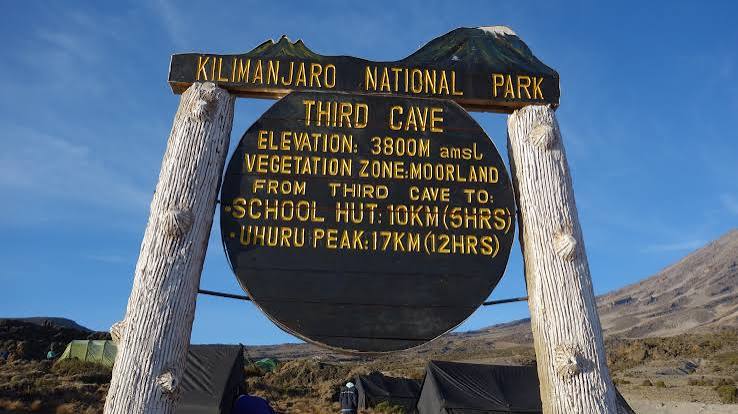
Simba Camp, at about 2,700 meters near First Cave, precedes Second Cave Camp. The next camp varies depending on the Rongai Route itinerary; climbers may continue to Third Cave Camp at 3,870 meters or to Kikelelwa Camp at 3,660 meters. This flexibility allows guides and climbers to adjust plans based on individual needs, weather, and acclimatization.
Located in the moorland zone, the camp offers expansive views of the landscape, including Mawenzi Peak and, on clear days, Kibo Peak. The flat terrain provides ample space for tents, but the lack of natural windbreaks can leave the site exposed to strong winds, especially at night.
Facilities at Second Cave Camp
Second Cave Camp does not provide accommodation. Climbers must bring their own tents if they plan to stay overnight or rest. The camp is exclusively tent-based and serves as a functional stop on the Rongai Route rather than a developed facility. Porters usually carry tents and equipment and set up camp for overnight guests.
Water supply at Second Cave Camp is limited due to the lack of a reliable on-site source. Climbers depend on water carried by porters from lower elevations or nearby sources and must treat all water before use. Due to scarcity, careful water conservation is essential.
Sanitation at Second Cave Camp is basic, with pit latrines as the main toilet facilities. These simple wooden structures provide essential but minimal amenities. Climbers should bring their own toilet paper and hand sanitizer, as these are not supplied. Despite the limited facilities, the camp’s quiet atmosphere and scenic setting make it a memorable stop on the Rongai Route.
Read more about Mount Kilimanjaro Toilets.
Environment, Climate, and Landscape at Second Cave Camp
Second Cave Camp is located in Mount Kilimanjaro’s moorland zone, which lies between the dense rainforest and the alpine desert. This area features short vegetation such as grasses, heather shrubs, and occasional giant groundsel or lobelia. The open terrain provides wide views of the mountains and valleys, offering a distinctive sense of space at this elevation.
Second Cave Camp has a cool climate, with nighttime temperatures often falling below freezing during the dry seasons. Its exposed position in the moorland zone results in strong winds, making conditions feel colder. Climbers should bring warm layers, windproof clothing, and a sturdy tent suitable for gusty weather.
Second Cave Camp receives moderate precipitation, with occasional rain or snow during wetter months. The dry seasons from June to October and December to March provide the most stable weather, with clearer skies and more comfortable conditions. Located on the northeastern side of the mountain, the camp sits in the rain shadow and receives less rainfall than the southern slopes, which is a key advantage of the Rongai Route.
The Rongai Route and Second Cave Camp
The Rongai Route is the only northern approach to Mount Kilimanjaro, offering a quieter alternative to the busier southern routes. Starting near the Kenyan border, it ascends the dry, remote northern slopes, offering a distinct view of the mountain and its ecosystems. Second Cave Camp is a key stop on this route, located after Simba Camp and before either Third Cave Camp or Kikelelwa Camp.
Because the Rongai Route sees less traffic, Second Cave Camp is rarely crowded and offers a peaceful, secluded setting. It’s a convenient lunch or picnic stop, allowing climbers to rest and refuel before continuing their ascent. For overnight stays, the camp’s quiet atmosphere supports effective rest and acclimatization.
Climbers often find the Rongai Route’s gradual ascent and quieter camps more enjoyable and less stressful than the southern routes. Second Cave Camp reflects this, offering a simple, functional, peaceful stop that lets climbers focus on the mountain and their journey.
Final Remarks
Second Cave Camp is more than a rest stop on the Rongai Route. It offers a peaceful environment to escape crowds, connect with nature, and prepare for the journey ahead. At Blessing Safaris, we are committed to providing every climber with a safe, comfortable, and memorable experience.
Our local team has extensive knowledge of Kilimanjaro, and our guides, porters, and support staff know every trail and challenge. We uphold ethical climbing practices, treat our crew fairly, and provide high-quality equipment, meals, and support.
With countless successful summits and an excellent safety record, Blessing Safaris is trusted by adventurers worldwide. Choose the operator that values your safety, comfort, and success. Book your Rongai Route adventure with us to create lasting memories. Your summit moment awaits, and our team is ready to support you.
Frequently Asked Questions About Second Cave Camp
What Is Second Cave Camp?
Second Cave Camp is an overnight campsite and lunch stop on the Rongai Route of Mount Kilimanjaro, located at 3,450 meters on the northeastern side. Named after a now-closed cave once used by early climbers, the camp serves as a key waypoint for those ascending via the Rongai Route. It offers a peaceful, secluded alternative to the busier southern routes, providing climbers with a quiet place to rest, refuel, and enjoy the surrounding moorland scenery.
Where Is Second Cave Camp Located?
Second Cave Camp is located on the northeastern side of Mount Kilimanjaro, within the moorland vegetation zone known for its open landscapes and alpine flora. At 3,450 meters, it sits between Simba Camp (2,700 meters) and either Third Cave Camp (3,870 meters) or Kikelelwa Camp (3,660 meters), depending on the route you choose. Its position in the mountain’s rain shadow means less rainfall than the southern slopes, offering drier, more stable conditions for climbers.
What Is the Elevation of Second Cave Camp?
Second Cave Camp is at 3,450 meters (11,319 feet), marking the transition from rainforest to open moorland on Kilimanjaro. At this altitude, acclimatization becomes important as climbers begin to feel the effects of thinner air. Its lower elevation than subsequent camps lets climbers rest and adapt before ascending further, making the Rongai Route a good choice for a gradual, steady climb.
What Facilities Are Available at Second Cave Camp?
Second Cave Camp has no permanent accommodation, so climbers must bring tents. Porters typically carry and set up tents and equipment for overnight stays. Facilities are basic, with pit latrines as the primary toilets; climbers should bring their own toilet paper and hand sanitizer. There is no reliable water source, so climbers must carry water in and treat it before use. Despite its simplicity, the camp’s quiet setting and scenery make it a memorable stop.
Which Route Uses Second Cave Camp?
Climbers on the Rongai Route, the only route approaching Kilimanjaro from the north, use Second Cave Camp. This route starts near the Kenyan border and offers a quieter, less crowded experience than the southern routes. Second Cave Camp follows Simba Camp and precedes either Third Cave Camp or Kikelelwa Camp, depending on the itinerary. Its low traffic provides a peaceful and authentic mountain experience.
Can I Stay Overnight at Second Cave Camp?
Climbers may stay overnight at Second Cave Camp or continue to the next camp, depending on their itinerary, energy, and acclimatization needs. Although many expeditions use Second Cave Camp as a lunch stop, it is fully equipped for overnight stays and provides ample space for tents. Staying overnight offers several advantages, including a lower altitude for better rest and adaptation, a quieter environment with fewer climbers, and the chance to enjoy the moorland scenery at sunrise and sunset. The camp provides a peaceful setting for rest and recovery before ascending to higher elevations. Typically, you and your guide will decide whether to stay or proceed, based on your condition and itinerary.
Is water Available at Second Cave Camp?
Second Cave Camp lacks a reliable water supply, which makes overnight stays challenging. Climbers must use water carried by porters from lower elevations or nearby sources, and they should treat all water before use. Because water is limited, careful conservation is essential for drinking, cooking, and hygiene. Many climbers use Second Cave Camp as a lunch stop and continue to camps with better water access. However, with proper planning and conservation, an overnight stay is feasible and can be rewarding.
What is the previous camp before the Second Cave Camp?
Simba Camp, located at approximately 2,700 meters near the First Cave, is the first overnight stop on the Rongai Route. Located in the rainforest zone on the mountain’s northern slopes, it lets climbers begin acclimatizing after ascending from the Rongai Gate. The trek from Simba Camp to Second Cave Camp takes about 3 to 4 hours and passes through the transition from rainforest to moorland. This section offers impressive views of the landscape, including Mawenzi Peak and, on clear days, Kibo Peak. The Rongai Route’s gradual ascent and well-spaced camps provide a steady and manageable acclimatization schedule
What Is the Next Camp After Second Cave Camp?
After Second Cave Camp, climbers proceed to either Third Cave Camp (3,870 meters) or Kikelelwa Camp (3,660 meters), depending on the route and itinerary. Third Cave Camp is in the alpine desert near Mawenzi Peak, while Kikelelwa Camp offers a quieter, more remote setting. Both camps have basic facilities and scenic views. The trek takes 3 to 5 hours through moorland and into alpine desert terrain.
What Is the Climate Like at Second Cave Camp?
Second Cave Camp experiences cool temperatures, cold nights, and strong winds, especially during the dry seasons. Its exposed moorland location can make conditions feel colder. Daytime temperatures are mild, but nights often drop below freezing, so warm clothing and a quality sleeping bag are essential. The camp receives moderate precipitation, but less than the southern slopes do due to its rain-shadow position. The dry seasons from June to October and December to March offer the most stable weather. Climbers should prepare for rapidly changing conditions.
What Should I Bring to Second Cave Camp?
For an overnight stay at Second Cave Camp, bring a four-season tent, a sleeping bag rated to at least -10°C, thermal layers, windproof and waterproof clothing, a headlamp with extra batteries, water bottles or a hydration system, water treatment supplies, and high-energy snacks. A sturdy tent and sleeping pad are important due to strong winds and cold ground. Personal items should include toilet paper, hand sanitizer, sunscreen, lip balm, and necessary medications. Trekking poles help with uneven terrain, and a camera is recommended for the scenery. Proper preparation helps ensure a comfortable, enjoyable stay
Is Second Cave Camp Crowded?
No, Second Cave Camp sees very few climbers because the Rongai Route has lower traffic than the more popular southern routes. This quiet atmosphere is one of the Rongai Route’s key attractions, offering climbers a sense of solitude and wilderness that is increasingly rare on Africa’s highest peak. The camp’s relatively small size and remote location mean it is rarely crowded, even during peak climbing seasons, and climbers often have it almost entirely to themselves. This solitude allows for a more contemplative and immersive mountain experience, where climbers can appreciate the beauty of their surroundings without the distractions of large crowds. For those who value peace, quiet, and an authentic connection with nature, Second Cave Camp offers exactly that, making it a highlight of the Rongai Route experience.
Why Is It Called Second Cave Camp?
The campsite is named after a cave that was once used for accommodation in the early days of climbing Mount Kilimanjaro. Before formal campsites and safety regulations were established, this cave and others sheltered climbers and porters. The cave is now closed to the public due to safety concerns, including rockfalls and collapses. Despite its closure, the name “Second Cave Camp” endures, honoring Kilimanjaro’s early climbing history and the pioneering spirit of its first explorers. Today, the camp continues to serve climbers on the Rongai Route, offering a peaceful and practical stop that connects modern adventurers with the mountain’s heritage.
What Is the Best Time to Stay at Second Cave Camp?
The best time to stay at Second Cave Camp is during the dry seasons, from June to October and December to March, when the weather is stable, skies are clear, and temperatures are comfortable. Trails are typically in better condition, reducing the risk of muddy or slippery paths and increasing the chances of a successful climb. The camp’s location on the northeastern side of the mountain, in the rain shadow, means it receives less rainfall than the southern slopes, making it a good option even in the shoulder seasons. Regardless of timing, climbers should pack appropriate clothing and gear to prepare for cold temperatures and strong winds.
What Is the Rongai Route Like?
The Rongai Route is the only approach to Mount Kilimanjaro from the north, offering a quieter, distinctive alternative to the busier southern routes. Starting near the Kenyan border, it ascends the dry, remote northern slopes, offering a unique perspective on the mountain and its ecosystems.
Its gradual ascent supports better acclimatization and a more comfortable climb, making it well-suited to those who prefer a steady pace. With fewer climbers, camps such as Second Cave Camp stay uncrowded, ensuring a peaceful, secluded experience.
The route features impressive scenery, including views of Mawenzi Peak, the Saddle, and the Northern Icefields, and offers opportunities to spot wildlife such as eland and buffalo on the lower slopes. For those seeking a quieter, drier, and more remote climb, the Rongai Route and Second Cave Camp are ideal choices.
. BOOK YOUR CLMB NOW
Second Cave Camp Kilimanjaro
You May Also Like
Kikelelwa Camp is the third major overnight stop on the Rongai Route, located at 3,660 meters (12,008 feet) in the alpine moorland zone beneath Mawenzi Peak.
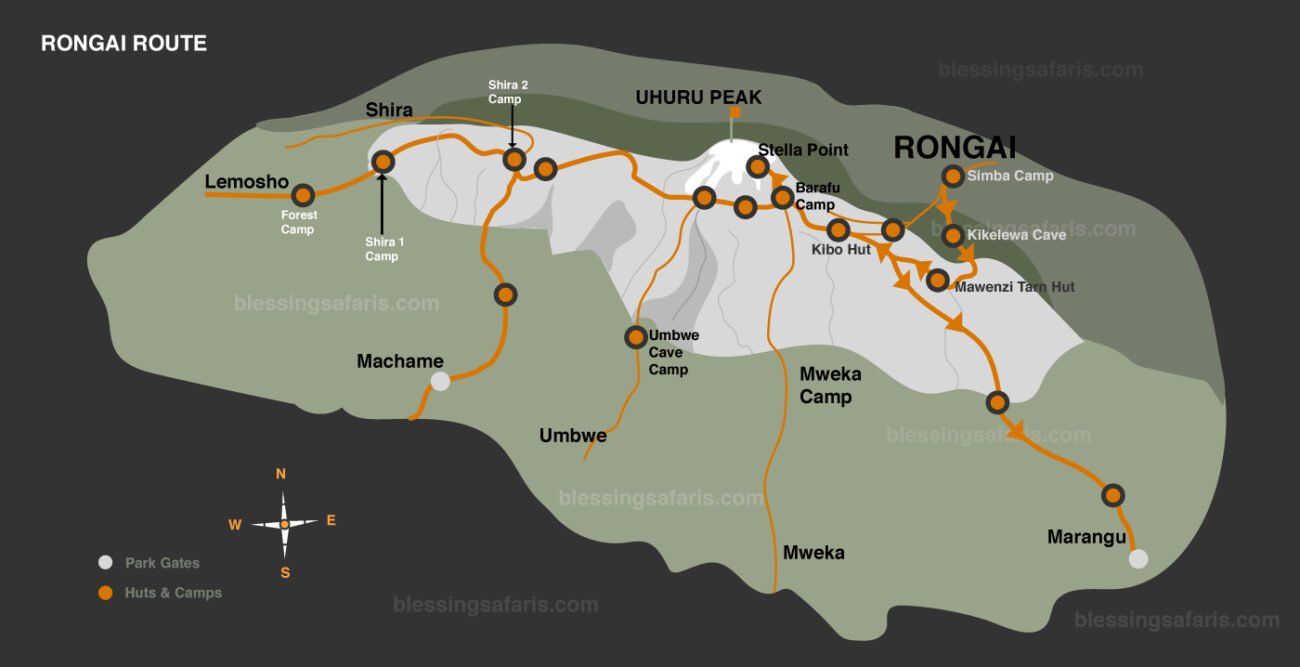
The Rongai Route stands out for its remoteness. As one of Kilimanjaro’s least-visited trails, it offers a peaceful, uncrowded experience. Trekkers often enjoy hours or days of solitude, which is uncommon on busier routes such as Machame or Marangu.
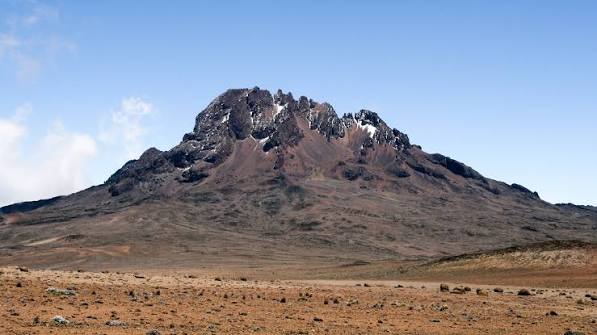
Mawenzi Peak is the second-highest point on Mount Kilimanjaro, reaching 5,149 meters (16,893 feet). While Kibo, home to Uhuru Peak, attracts thousands of climbers each year, Mawenzi is reserved for experienced mountaineers due to its technical difficulty.