Reusch Ash Pit KILIMANJARO
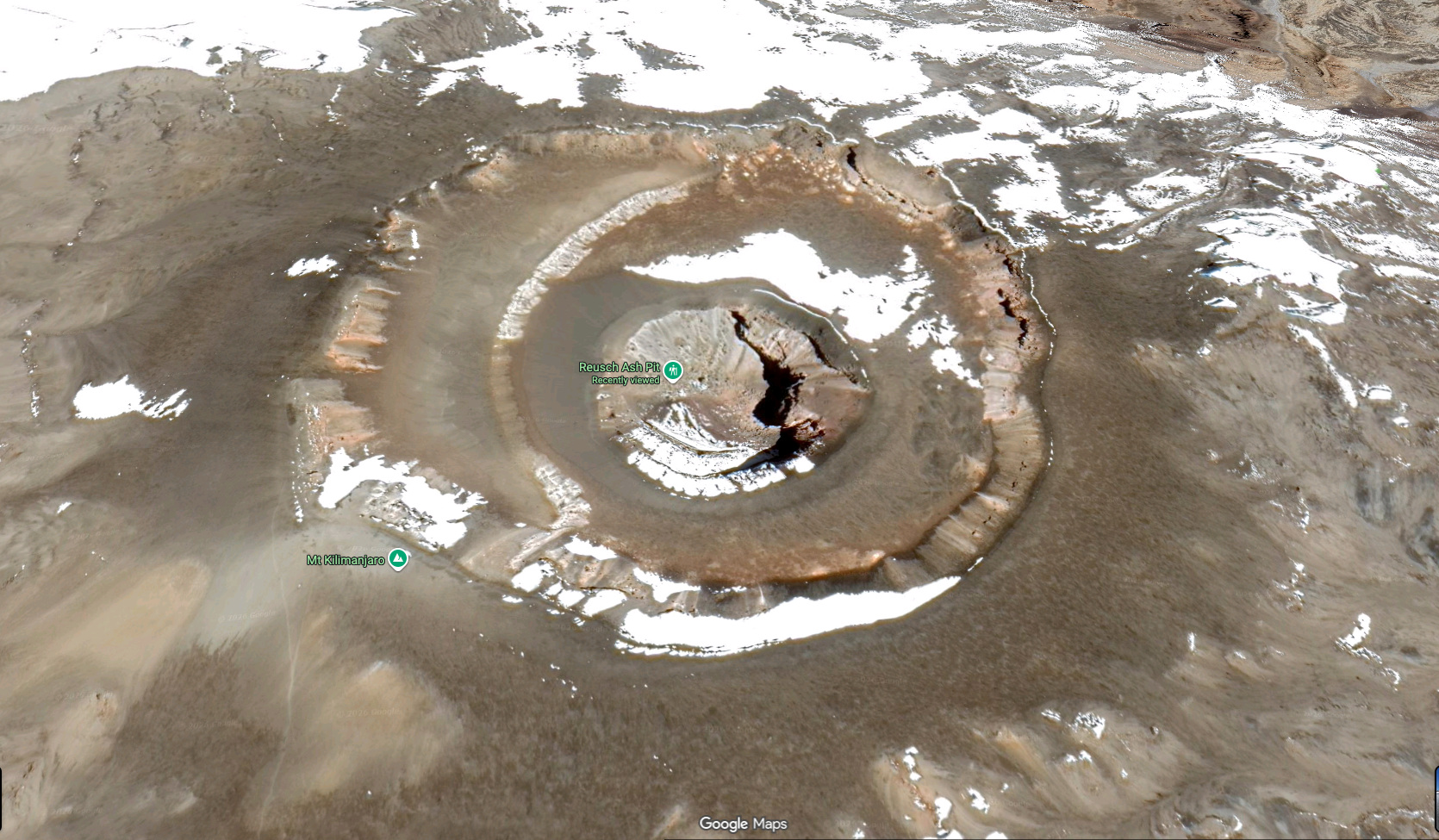
The Reusch Ash Pit is a 140-meter-wide crater located at the center of Kilimanjaro’s summit, within the larger Reusch Crater. It descends approximately 350 meters (1,150 feet), providing a rare view of the volcanic forces that shaped Africa’s highest mountain. For climbers who venture beyond Uhuru Peak, the Ash Pit offers a unique connection to Kilimanjaro’s volcanic history.
The Ash Pit formed approximately 100,000 years ago when a significant volcanic event caused part of Kibo’s crater rim to collapse. This event created the Western Breach and Great Barranco, altering the summit and influencing current climbing routes.
The Ash Pit is located within the Reusch Crater, first documented in 1926 by German missionary Gustav Otto Richard Reusch. Today, it remains one of Kilimanjaro’s most striking features, offering visitors a rare view into the mountain’s volcanic core.
Geological Formation of the Ash Pit
Volcanic Origins
The Ash Pit formed about 100The Ash Pit formed approximately 100,000 years ago during a period of intense volcanic activity on Kibo. The collapse of part of the crater rim created the Western Breach and Great Barranco, exposing the volcanic vent and forming the deep Ash Pit visible today.t 140 meters wide and drops to a depth of 350 meters (1,150 feet). Its dark walls show layers of volcanic ash and rock, giving a glimpse into Kilimanjaro’s eruptive past.
Connection to the Western Breach
The collapse that created the Ash Pit also formed the Western Breach, a prominent feature on Kibo’s west side. The Western Breach serves as a challenging and distinctive summit route, accessible only with special permits.
Visiting the Reusch Ash Pit
Requirements for Visiting
Only a few climbers are allowed to visit the Reusch Ash Pit. To go there, you need to:
- Reach Uhuru Peak first: The Ash Pit is only accessible after reaching the summit.
- Be free of altitude sickness: The extra trek is tough, and you need to be in good health.
- Get a special permit: KINAPA (Kilimanjaro National Park Authority) requires this for entry.
Recommended Fitness and Health
Blessing Safaris recommends the Ash Pit visit only for strong trekkers who feel well at the summit and show no signs of altitude sickness. The additional trek takes about two hours and requires significant effort.
Before deciding to visit the Ash Pit, consider the following:
- Your current energy levels at the summit
- Any symptoms of altitude sickness
- Your ability to descend quickly after the extra exertion
- The additional time required (approximately 2 hours)
What to Expect
When you visit the Ash Pit, you can expect:
- Additional time: Allocate approximately two extra hours at high altitude.
- Challenging terrain: The route to the crater edge requires careful navigation.
- Spectacular views: Experience unique perspectives of the crater and surroundings
- Unique experience: Gain a rare opportunity to view Kilimanjaro’s volcanic core.s volcanic core.
Safety Considerations
Altitude Risks
Spending an additional two hours at high altitude increases risks on summit day. Climbers should carefully assess their condition before choosing to visit the Ash Pit.
Warning signs to monitor:
- Headaches that don’t respond to medication
- Nausea or vomiting
- Dizziness or confusion
- Difficulty breathing at rest
- Loss of coordination
If you experience any of these symptoms, discontinue the visit immediately and begin your descent.
Physical Demands
Visiting the Ash Pit adds to the demands of summit day. Consider the following: summit ascent already required significant energy.
- The additional trek is strenuous and requires careful navigation. Weather can change rapidly at the summit.
- Descent is always possible; do not delay if you feel unwell. The Ash Pit in History
Discovery by Richard Reusch
The Ash Pit was first documented by Gustav Otto Richard Reusch, the German missionary who discovered the larger Reusch Crater in 1926. Reusch climbed Kilimanjaro 65 times and was the first to record many of its features. Reusch’s discovery of both the crater and the Ash Pit added significantly to scientific understanding of Kilimanjaro’s geology. His work laid the foundation for future explorers and researchers studying the mountain’s volcanic origins.
Scientific Significance
The AsThe Ash Pit provides valuable insights into Kilimanjaro’s volcanic history. Its exposed walls reveal layers of ash and rock, offering geologists important information about the region’s volcanic activity over the past 100,000 years.
The Ash Pit Experience
Views and Photography
The Ash Pit provides some of the most striking views on Mount Kilimanjaro. From the crater’s edge, visitors can look into a deep, dramatic depression. The contrast between summit snow and the dark volcanic crater creates excellent photographic opportunities.
Connection to Kilimanjaro’s Volcanic Heart
For those who reach the Ash Pit, the experience provides a profound connection to Kilimanjaro’s volcanic origins. Standing at the edge of this ancient crater, one cannot help but sense the power that formed Africa’s highest peak. The Ash Pit serves as a reminder that Kilimanjaro, despite its beauty and majesty, remains a dormant giant.
Ash Pit FAQ
What Is the Reusch Ash Pit?
The Reusch Ash Pit is a small crater approximately 140 meters wide and 350 meters (1,150 feet) deep, located at the center of the larger Reusch Crater at the summit of Mount Kilimanjaro. It represents the mountain’s volcanic core.
Where Is the Ash Pit Located?
The Ash Pit is located within the Reusch Crater, which itself lies within Kibo Crater at the summit of Mount Kilimanjaro. It is accessible only after reaching Uhuru Peak.
How Was the Ash Pit Formed?
The Ash Pit formed approximately 100,000 years ago when part of Kibo’s crater rim collapsed, creating the Western Breach and exposing the volcanic vent.
Can I Visit the Ash Pit?
Yes, but only under specific conditions. You must reach Uhuru Peak first, have no signs of altitude sickness, and obtain a special permit from KINAPA. The visit adds approximately two hours to your summit day.
Do I Need a Permit for the Ash Pit?
Yes. A special permit from the Kilimanjaro National Park Authority (KINAPA) is required to visit the Reusch Crater and Ash Pit area.
Is the Ash Pit Visit Safe?
The Ash Pit visit is safe for climbers who are physically strong and free of altitude sickness. However, the additional time at high altitude increases risks, so careful assessment of your condition is essential.
How Long Does the Ash Pit Visit Take?
Visiting the Ash Pit adds approximately two hours to your summit day, including the trek to the crater edge and back to the main route.
What Should I Consider Before Visiting the Ash Pit?
Consider your energy levels at the summit, any signs of altitude sickness, your ability to descend quickly, and the additional time required. Only experienced, strong climbers should attempt this visit.
Who Discovered the Ash Pit?
The Ash Pit was first discovered and documented by Gustav Otto Richard Reusch, a German missionary who explored Kilimanjaro extensively in the 1920s and 1930s.
Why Is It Called the Ash Pit?
The name “Ash Pit” refers to the volcanic ash and debris that filled the crater following its formation. The dark, ashy appearance of the crater walls gives the feature its name.
Plan Your Visit to Ash Pit Today
The Reusch Ash Pit offers a unique opportunity to view Kilimanjaro’s volcanic core and appreciate the forces that shaped the mountain. For those who meet the requirements, visiting the Ash Pit adds a memorable dimension to the Kilimanjaro climb.
Our expert team can help you plan an itinerary that includes a visit to the Ash Pit, ensuring you have the best possible experience on the mountain.
We provide experienced guides, quality equipment, and comprehensive support throughout your journey.
Contact us to discuss your Kilimanjaro climb and Ash Pit visit. The volcanic heart of Africa’s highest peak awaits; let us help you explore it. Book Your Trek Now
Mount Kilimanjaro Tour Packages
Nothing Found