Heim Glacier Kilimanjaro
Heim Glacier was once a prominent ice formation on Mount Kilimanjaro’s southern slopes at 5,150 meters, attracting glacier climbers until its disappearance in 1996. Its loss is a clear example of the significant glacial retreat that has reshaped Kilimanjaro’s summit in recent decades.
Heim Glacier was named for Albert Heim, a Swiss geologist recognized for his contributions to Alpine geology and glaciology. For decades, it was a notable feature along Kilimanjaro’s southern circuit.
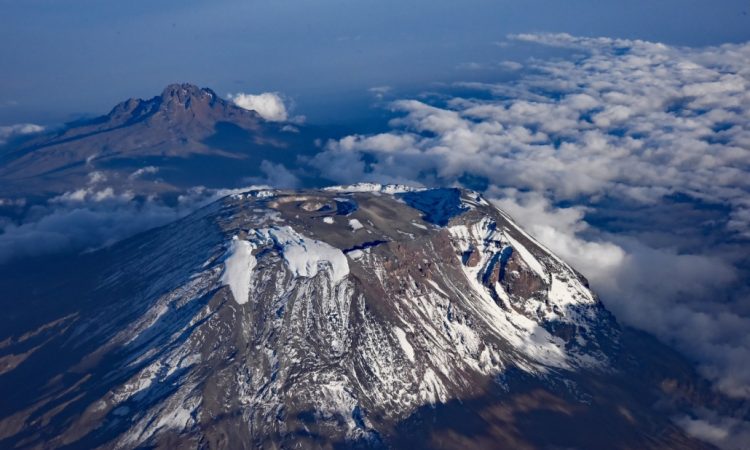
Heim Glacier’s disappearance reflects a broader trend of glacial loss on Kilimanjaro. The Northern Ice Fields and Furtwängler Glacier have also receded significantly. These changes provide clear evidence of climate change’s impact on remote environments.
Location of Heim Glacier
Geographic Position
Heim Glacier was located at about 5,150 meters on Kilimanjaro’s southwestern slopes, within the Southern Ice Field. Its position made it visible from several points along the southern circuit.
Best Viewing Points
The best view of Heim Glacier was from Karanga Valley on the southern circuit, with Heim Glacier on the left and Kersten Glacier on the right. Early morning or late afternoon light enhanced the glacier’s features.
Heim Glacier was also visible from Barranco Camp at 3,950 meters on the right side of the valley. From this viewpoint, climbers could see Balletto Glacier and Diamond Glacier on the left, with the moorland’s giant lobelias and senecios nearby.
The Southern Ice Field
Formation and Extent
The Southern Ice Field was a collection of glaciers on Kilimanjaro’s southern slopes that included Heim Glacier, Kersten Glacier, and other ice formations. These glaciers were formed over millennia through the accumulation and compression of snow, creating the massive ice bodies that once characterized Kilimanjaro’s summit region.
Current Status
Today, the Southern Ice Field has been dramatically reduced. The ice near the crater rim is no longer connected to the glaciers, and only smaller ice masses remain on the slopes. These remnants include the Little Penck glacier on the west side, as well as the remaining portions of the Heim and Great Barranco Glaciers on the southwest edge. The once-continuous ice coverage has been broken into isolated patches that continue to shrink.
Glacier Loss on Kilimanjaro
Historical Context
Kilimanjaro’s glaciers have been retreating for over a century, with the most dramatic losses occurring in recent decades. Historical records show that:
- 1912: Kilimanjaro’s ice cover was extensive, with glaciers covering a significant portion of the summit
- 1912–1953: Glacier surface area shrank by approximately 1% annually
- 1989–2007: The shrinkage rate accelerated to approximately 2.5% per year
- 1912–2000: Glaciers had shrunk by approximately 85% overall
- 2000–2009: An additional 26% of remaining ice disappeared
Causes of Glacial Retreat
The primary cause of Kilimanjaro’s glacial retreat is climate change. Rising global temperatures have accelerated the melting of the mountain’s ice, with the equatorial location making the glaciers particularly vulnerable. Other factors include:
- Reduced precipitation: Changes in weather patterns have reduced snowfall
- Increased solar radiation: The equatorial sun is intense
- Sublimation: Direct conversion from ice to vapor in the dry, thin air
- Reduced cloud cover: More direct sunlight reaches the glacier surface
Impact on the Ecosystem
The loss of glaciers on Kilimanjaro has far-reaching consequences:
- Reduced tourism appeal: The glaciers are a major attraction for climbers
- Impact on local communities: Glacier loss affects water resources and tourism-dependent livelihoods
- Scientific loss: Glaciers contain valuable climate records
- Environmental changes: Altered local climate and hydrology
Other Glaciers and Ice Features
Kersten Glacier
Kersten Glacier is located adjacent to Heim Glacier, forming the right side of the Southern Ice Field. Together with Heim Glacier, it created one of Kilimanjaro’s most spectacular views. Like Heim, Kersten Glacier has also experienced significant retreat.
Balletto Glacier
Balletto Glacier is visible from Barranco Camp on the left side of the valley. This glacier is part of the same glacial system that once covered Kilimanjaro’s southern slopes.
Diamond Glacier
Diamond Glacier is associated with Reinhold Messner’s climbing route on Kilimanjaro. Messner, the legendary Italian mountaineer, is known for his extraordinary climbing achievements, including the first solo ascent of Everest without supplemental oxygen. His route on Kilimanjaro passed near this glacier.
Little Penck Glacier
Little Penck Glacier is a remnant ice mass on the west side of Kilimanjaro. It represents the shrinking remains of what was once a much larger glacier system.
Great Barranco Glacier
Great Barranco Glacier is located on the southwest edge of Kilimanjaro’s glacial system. Like the other glaciers, it has experienced significant retreat and is now a shadow of its former size.
Northern Ice Field
The Northern Ice Field is one of the largest remaining ice bodies on Kilimanjaro, located on the northern side of the summit. It has shrunk dramatically over the past century, with most of its ice mass gone and half of the Furtwängler Glacier receded.
Glacier Climbing on Kilimanjaro
Historical Activity
Heim Glacier was once a popular destination for glacier climbing on Mount Kilimanjaro. The glacier’s relatively accessible location on the southern slopes made it an attractive target for climbers seeking to experience the mountain’s ice. However, the glacier’s gradual retreat made climbing increasingly difficult and ultimately impossible.
Current Opportunities
Today, glacier climbing on Kilimanjaro is extremely limited. The remaining glaciers are smaller and more fragmented, with many no longer accessible for climbing. While some ice remains, the era of extensive glacier climbing on Kilimanjaro has largely passed.
Safety Considerations
Glacier climbing on Kilimanjaro presents significant challenges:
- Unstable ice: Remaining ice is often thin and fractured
- Rockfall: Erosion has made the surrounding slopes unstable
- Crevasses: Hidden cracks in the ice can be dangerous
- Altitude: The thin air adds to the challenge
Frequently Asked Questions About Heim Glacier
What Is Heim Glacier?
Heim Glacier was a glacier on Mount Kilimanjaro located at approximately 5,150 meters on the mountain’s southern slopes. It was part of the Southern Ice Field and was named after Albert Heim, a Swiss geologist. The glacier disappeared entirely by 1996 due to climate change and glacial retreat.
Where Was Heim Glacier Located?
Heim Glacier was situated on the southern slopes of Mount Kilimanjaro, forming part of the Southern Ice Field with Kersten Glacier. Its location made it visible from Karanga Valley and Barranco Camp along the mountain’s southern circuit.
When Did Heim Glacier Disappear?
Heim Glacier disappeared by 1996, making it one of the first significant glaciers on Kilimanjaro to vanish entirely. Its loss marked a milestone in the mountain’s glacial retreat and served as a warning of the changes to come.
What Was the Elevation of Heim Glacier?
Heim Glacier was located at approximately 5,150 meters (16,896 feet) above sea level on Mount Kilimanjaro’s southern slopes.
What Is the Best View of Heim Glacier?
The best view of Heim Glacier was from Karanga Valley along Mount Kilimanjaro’s southern circuit, with Heim Glacier on the left and Kersten Glacier on the right. It was also visible from Barranco Camp, with Balletto Glacier and Diamond Glacier visible on the left.
Why Did Heim Glacier Disappear?
Heim Glacier disappeared due to climate change and glacial retreat. Rising global temperatures, reduced precipitation, and increased solar radiation contributed to the glacier’s melting. The loss is part of a broader trend of glacial retreat on Kilimanjaro that has seen the mountain lose approximately 85% of its ice cover since 1912.
What Is the Southern Ice Field?
The Southern Ice Field was a collection of glaciers on Kilimanjaro’s southern slopes that included Heim Glacier, Kersten Glacier, and other ice formations. Today, the ice near the crater rim is no longer connected to the glaciers, and only smaller ice masses remain on the slopes.
What Other Glaciers Are on Kilimanjaro?
Other glaciers on Kilimanjaro include the Northern Ice Field, Furtwängler Glacier, Kersten Glacier, Balletto Glacier, Diamond Glacier, Little Penck Glacier, and Great Barranco Glacier. Most of these have experienced significant retreat, with some, like Heim Glacier, having disappeared entirely.
Can You Still See Heim Glacier Today?
No. Heim Glacier disappeared by 1996 and is no longer visible on Mount Kilimanjaro. However, visitors to the mountain can still see other remaining glaciers, though these are also shrinking rapidly.
What Caused the Glaciers on Kilimanjaro to Retreat?
The primary cause is climate change, which has led to rising global temperatures. Other contributing factors include reduced precipitation, increased solar radiation, sublimation (direct conversion from ice to vapor), and reduced cloud cover, all of which have accelerated glacial retreat.
Is Glacier Climbing Still Possible on Kilimanjaro?
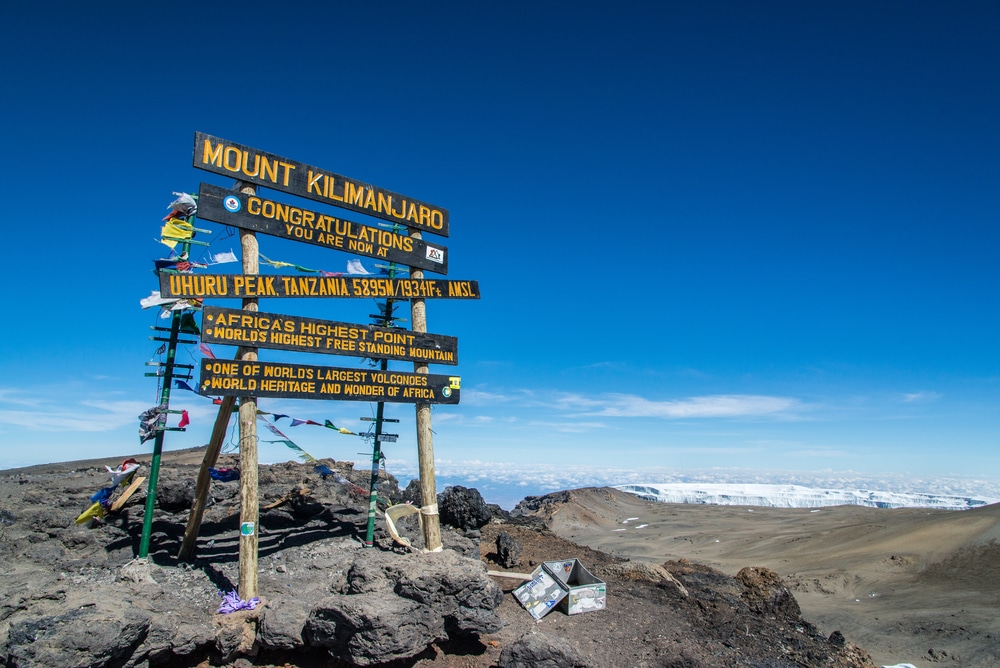
Glacier climbing on Kilimanjaro is now extremely limited due to the significant retreat of the mountain’s glaciers. The remaining ice is often thin and fragmented, making climbing difficult and unsafe. Most climbers focus on reaching Uhuru Peak rather than glacier climbing.
What Is the Future of Kilimanjaro’s Glaciers?
Scientists predict that Kilimanjaro’s remaining glaciers may disappear entirely by 2030 or 2040 if current rates of retreat continue. The loss of these glaciers will have significant impacts on the mountain’s ecosystem, tourism appeal, and the communities that depend on it.
Plan Your Kilimanjaro Climb Trip
Heim Glacier may have disappeared, but the experience of climbing Kilimanjaro remains one of the world’s most extraordinary adventures. From the lush montane forest to the arctic summit, the mountain continues to offer an unforgettable journey.
Our expert team designs personalized Kilimanjaro itineraries that allow you to witness the remaining glaciers and appreciate the mountain’s beauty while contributing to its conservation.
We provide experienced guides, quality equipment, and comprehensive support throughout your journey.
Contact us to discuss your Kilimanjaro climb and experience the wonders of Africa’s highest peak before its remaining ice disappears.