
Little Meru Peak
Little Meru, the second-highest peak on Mount Meru after Socialist Peak, stands at 3,820 meters (12,333 feet). It provides trekkers with an excellent opportunity to acclimatize before attempting the main summit. Situated in Arusha National Park, this subsidiary peak is typically climbed on the second day of the Momella Route, Mount Meru’s only route, and is now a key part of the trekking experience. For those preparing to summit the main peak at 4,566 meters, Little Meru allows climbers to gain altitude, assess their readiness, and enjoy outstanding views of northern Tanzania.
Little Meru attracts climbers with its accessibility and rewarding experience. From the path to Saddle Hut, it appears as a striking pyramid, inviting climbers to ascend. The well-maintained trail from Saddle Hut usually takes less than an hour, making the summit attainable for trekkers of all fitness levels. The ridge view between Mount Meru and Rhino Point is another highlight, and reaching the summit offers valuable encouragement before attempting the main peak.
Arusha National Park now awards certificates to climbers who reach the summit of Little Meru, whether or not they continue to the main peak. This recognition adds value to the hike, offering a tangible memento of your achievement and a lasting reminder of your experience on Mount Meru.
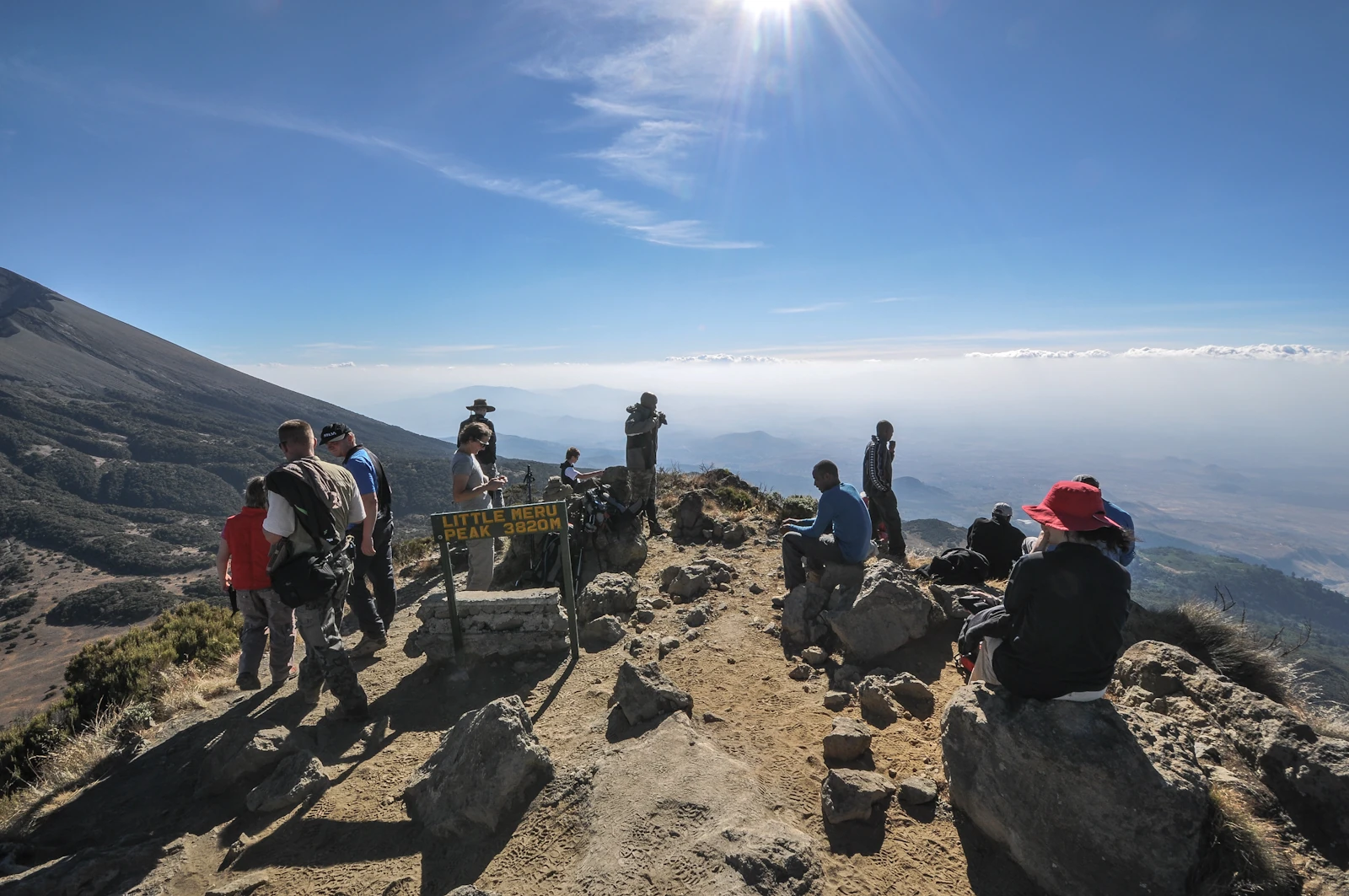
Location of Little Meru
Little Meru is located on Mount Meru, Tanzania’s second-highest mountain and Africa’s fifth-highest peak, inside Arusha National Park. The peak sits on the ridge between Saddle Hut and Rhino Point, and from its summit, climbers enjoy panoramic views of the surrounding landscape, including Mount Meru’s main peak, the crater, and the vast plains of northern Tanzania. Its position on the ridge makes it a natural extension of the Momella Route and easily accessible from Saddle Hut.
Elevation of Little Meru
Little Meru stands at 3,820 meters (12,333 feet) above sea level, making it the second-highest peak on Mount Meru after Socialist Peak. This elevation matters because it is high enough to provide real acclimatization benefits without becoming overly demanding for most trekkers. Climbing Little Meru helps your body adjust to the thin air, preparing you for the higher altitudes you will encounter on the main summit attempt.
Hiking Little Meru
Trekkers often climb Little Meru on the second day of the route from Momella Gate. Stage 2 climbs from Miriakamba Hut (2,500 meters) to Saddle Hut (3,500 meters), and it is a good idea to ascend Little Meru peak in the late afternoon to gain a few meters and acclimate before stage 3 to Meru’s main peak. The hike from Saddle Hut to Little Meru’s summit takes under an hour, making it a manageable and rewarding activity after a long day of trekking.
With a decent trail, the ascent from Saddle Hut is typically doable in under an hour. The path is well marked, and guides can explain the route or even accompany you up. The hike isn’t technical, but it does require reasonable fitness and proper footwear. The summit offers spectacular views, especially in the late afternoon when the light softens, and the landscape takes on a golden hue.
Views from Little Meru
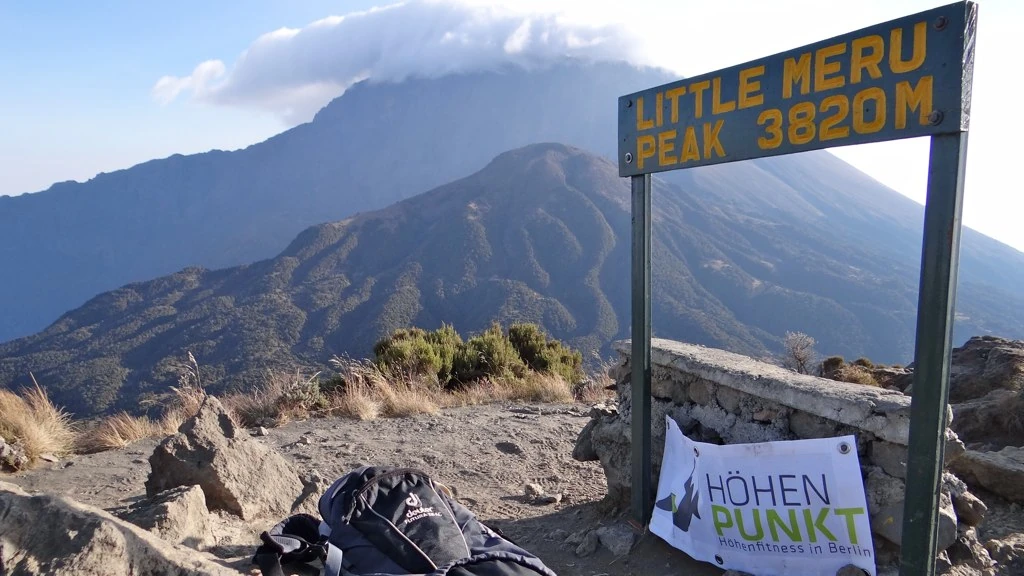
From the summit of Little Meru, climbers have a clear view of the ridge connecting Mount Meru (4,566 meters) and Rhino Point (3,800 meters). This vantage point lets climbers assess the main peak and the upcoming route, offering a practical chance to evaluate the terrain before the summit attempt. On clear days, you can also see the plains of northern Tanzania, the city of Arusha, and the distant, snow-capped peak of Kilimanjaro.
Certificates for Summiting Little Meru
Arusha National Park has started awarding certificates to climbers who summit Little Meru, whether or not they reached the main summit. This recognition makes the hike even more rewarding, providing a tangible memento of your achievement and a lasting reminder of your time on Mount Meru. For many trekkers, the certificate is a cherished souvenir of their adventure and a source of pride.
Best Time to Climb Little Meru
The best time to trek to Little Meru is in the afternoon, to gain some mileage before the third stage to Mount Meru’s summit from the second stage, which reaches Saddle Hut just after leaving the previous camp, Miriakamba. The late afternoon light is beautiful, the temperatures are cooler, and the views are at their best. Climbing Little Meru in the afternoon also allows your body to acclimatize gradually, improving your chances of success on the main summit attempt the following day.
Book Your Mount Meru Trek with Blessing Safaris
Little Meru offers more than acclimatization; it provides stunning views, a sense of achievement, and essential preparation for the main summit. At Blessing Safaris, we ensure every trekker enjoys a safe, comfortable, and memorable experience.
Our team consists of local experts who know Tanzania’s mountains intimately. Our guides, porters, and support staff know every trail, camp, and challenge. We are dedicated to ethical trekking, fair treatment of our crew, and providing top-quality equipment, meals, and support.
With thousands of successful summits and an outstanding safety record, adventurers worldwide trust Blessing Safaris. Choose the operator that prioritizes your safety, comfort, and success. Book your Mount Meru trek with Blessing Safaris and create lasting memories.
Frequently Asked Questions About Little Meru
What Is Little Meru?
Little Meru is the second-highest peak on Mount Meru, standing at 3,820 meters (12,333 feet). It is located in Arusha National Park and is usually climbed on the second day of the Momella Route—Mount Meru’s sole route—as an acclimatization peak before the main summit attempt. From the path leading to Saddle Hut, Little Meru appears as a lovely pyramid and offers spectacular views of the ridge between Mount Meru and Rhino Point. Arusha National Park awards certificates to climbers who summit Little Meru, whether or not they reach the main summit, making it a rewarding objective in its own right.
Where Is Little Meru Located?
Little Meru is located on Mount Meru, Tanzania’s second-highest mountain and Africa’s fifth-highest peak, inside Arusha National Park. The peak sits on the ridge between Saddle Hut and Rhino Point, and from its summit, climbers enjoy panoramic views of the surrounding landscape, including Mount Meru’s main peak, the crater, and the vast plains of northern Tanzania. Its position on the ridge makes it a natural extension of the Momella Route and easily accessible from Saddle Hut.
What Is the Elevation of Little Meru?
Little Meru stands at 3,820 meters (12,333 feet) above sea level, making it the second-highest peak on Mount Meru after Socialist Peak. This elevation is significant because it is high enough to provide a genuine acclimatization benefit but not so high that it becomes overly demanding for most trekkers. Climbing Little Meru helps your body adjust to the thin air, preparing you for the higher altitudes you will encounter on the main summit attempt.
How Long Does It Take to Climb Little Meru?
With a decent trail, the ascent of Little Meru is typically doable in under an hour from Saddle Hut. The hike is not technical, but it does require a reasonable level of fitness and proper footwear. Its short duration makes Little Meru an ideal afternoon activity after the long trek from Miriakamba Hut to Saddle Hut, letting trekkers gain altitude and acclimatize without overexerting themselves before the main summit attempt.
When Should I Climb Little Meru?
The best time to trek to Little Meru is in the afternoon, to gain some mileage before the third stage to Mount Meru’s summit from the second stage, which reaches Saddle Hut just after leaving the previous camp, Miriakamba. The late afternoon light is beautiful, the temperatures are cooler, and the views are at their best. Climbing Little Meru in the afternoon also allows your body to acclimatize gradually, improving your chances of success on the main summit attempt the following day.
What Views Can I See from Little Meru?
From the summit of Little Meru, climbers enjoy a pleasant view of the ridge between Mount Meru and Rhino Point. This perspective offers a unique glimpse of the main peak and the route ahead, and it provides a valuable opportunity to scout the terrain before the summit attempt. On clear days, you can also see the vast plains of northern Tanzania, the city of Arusha, and, in the distance, the snow-capped peak of Kilimanjaro.
Do I Get a Certificate for Summiting Little Meru?
Yes, Arusha National Park has started awarding certificates to climbers who summit Little Meru, whether they reach the main summit or not. This recognition makes the hike even more rewarding, providing a tangible memento of your achievement and a lasting reminder of your time on Mount Meru. For many trekkers, the certificate is a cherished souvenir and a source of pride.
Is Little Meru Difficult to Climb?
No, Little Meru is not difficult to climb. With a decent trail and a short ascent of under an hour from Saddle Hut, it is accessible to most trekkers with a reasonable level of fitness. The path is obvious and requires no technical skills, and you can hire a guide for the ascent if you prefer. The main challenge is the altitude, but the trek’s gradual acclimatization to Saddle Hut makes Little Meru an achievable objective for most climbers.
What Is the Difference Between Little Meru and Socialist Peak?
Little Meru is the second-highest peak on Mount Meru at 3,820 meters, while Socialist Peak is the main summit at 4,566 meters. Little Meru is typically climbed on the second day of the trek as an acclimatization hike, while Socialist Peak is the ultimate goal, reached on the third day. Both peaks offer spectacular views, but Socialist Peak is higher and more challenging, requiring a longer and steeper ascent.
Why Is Little Meru Important for Acclimatization?
Little Meru is important for acclimatization because it lets trekkers gain altitude and expose their bodies to thin air before the main summit attempt. The “climb high, sleep low” principle is a proven strategy for preventing altitude sickness and improving summit success rates, and Little Meru is the perfect place to put this principle into practice. By climbing Little Meru in the afternoon and returning to Saddle Hut to sleep, trekkers give their bodies the best chance to adapt to the altitude.
Can I Climb Little Meru Without a Guide?
While the path to Little Meru is obvious and does not need to be written down, it is always recommended to climb with a guide. Guides can teach you about the route, share insights into the landscape and wildlife, and help keep you safe throughout the hike. Most trekking operators include the Little Meru hike in their Mount Meru itineraries, and guides are always available to accompany you on the ascent.
What Should I Bring to Little Meru?
Essential items for climbing Little Meru include warm clothing, a windproof jacket, sturdy hiking boots, water, snacks, and a camera. Given the altitude and the potential for cold temperatures, thermal layers, a hat, and gloves are also recommended. Trekking poles can help on the descent, and sunscreen and sunglasses are important for protection from the intense high-altitude sun.
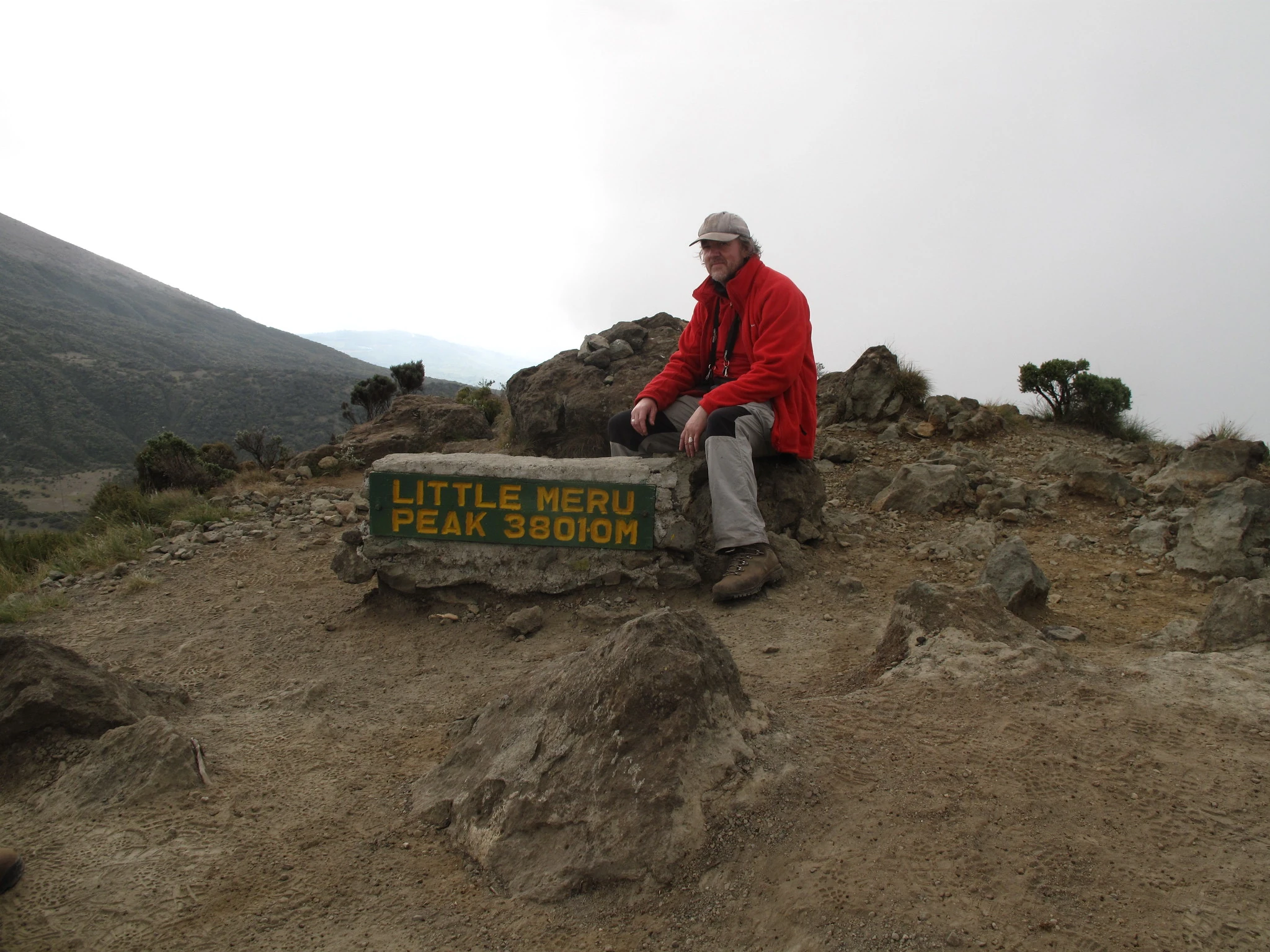
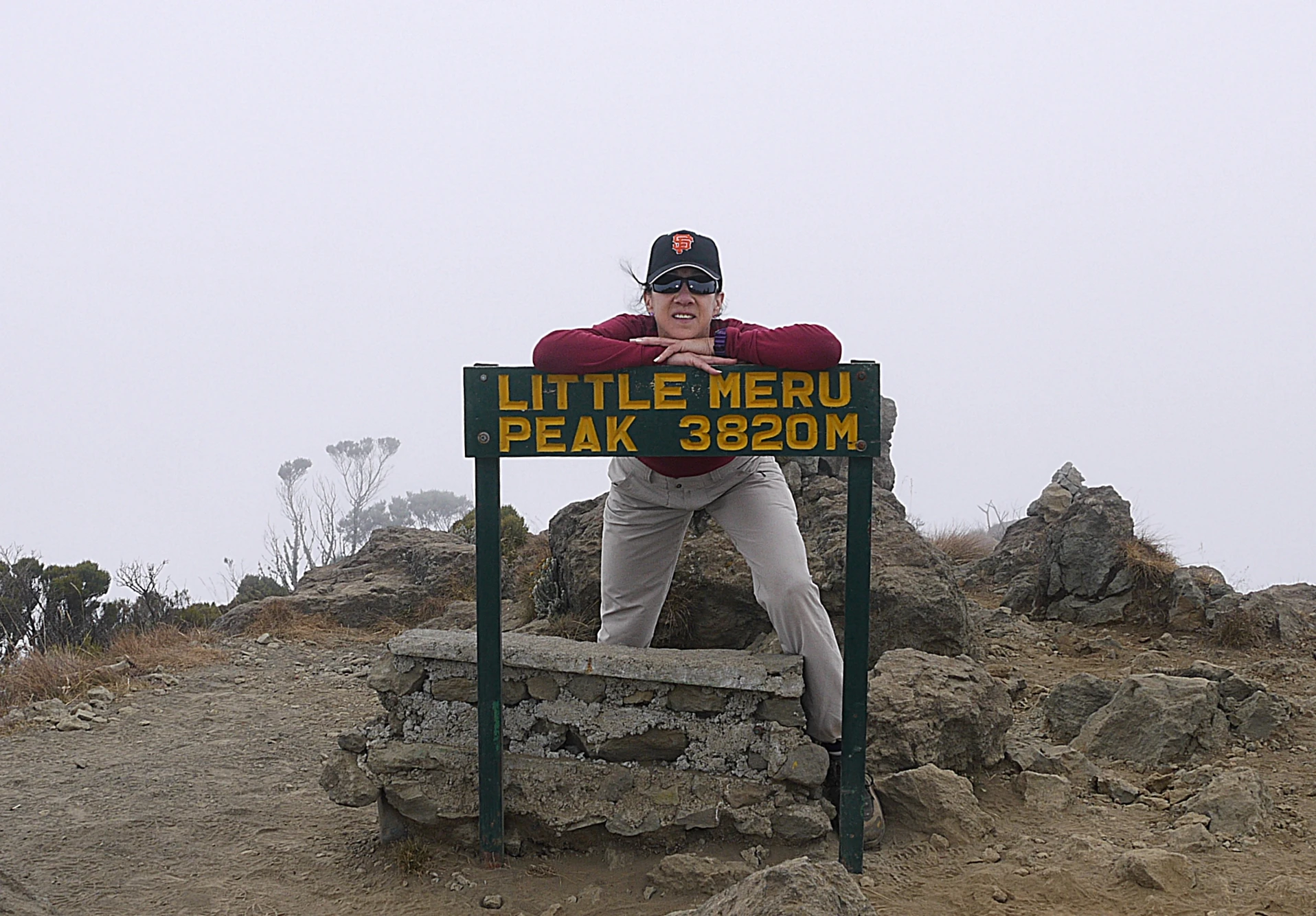
Little Meru 3,820 m
You May Also Like
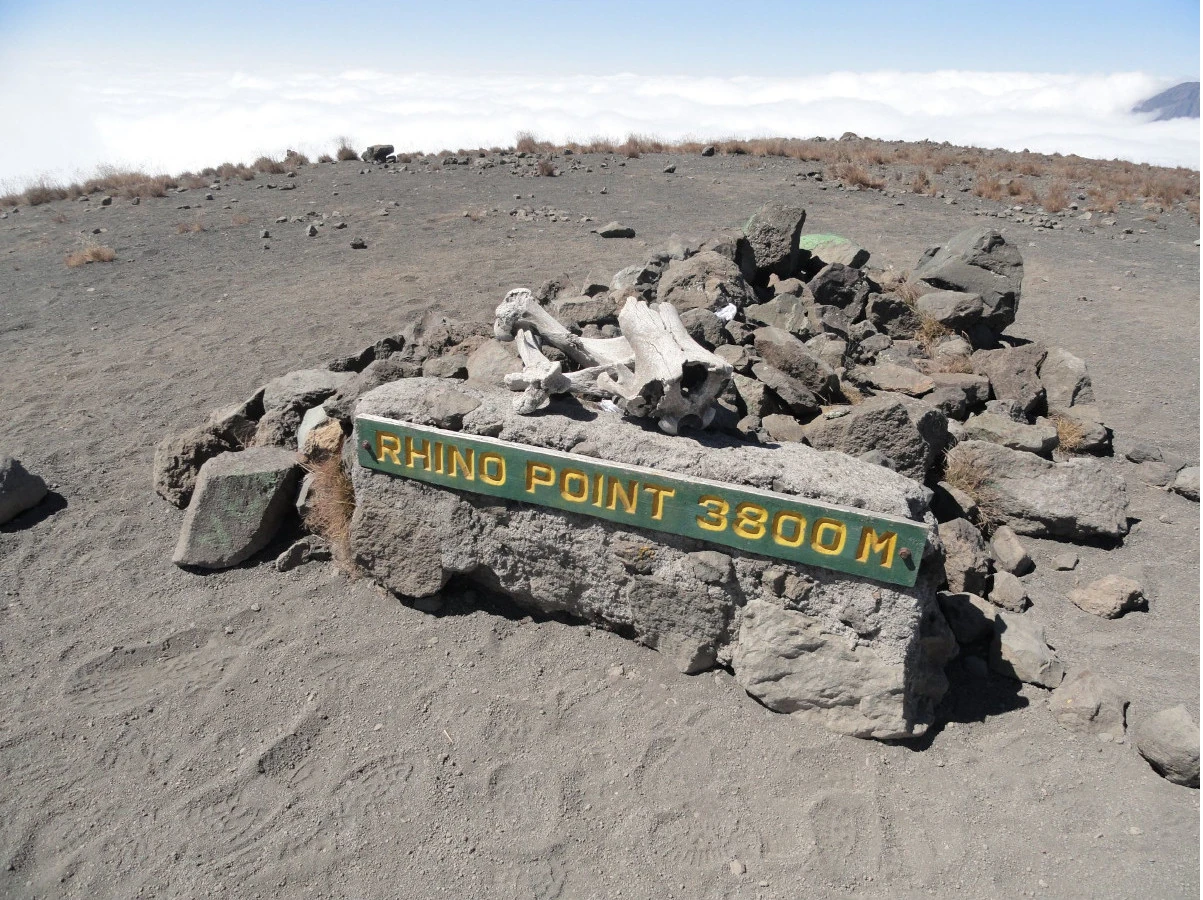
Rhino Point, at 3,800 meters, is a major milestone on the third day of the Mount Meru climb and is typically reached on summit day at the crater rim. Above the treeline, it marks the transition to the final section of the crater rim, shaped by a past eruption.
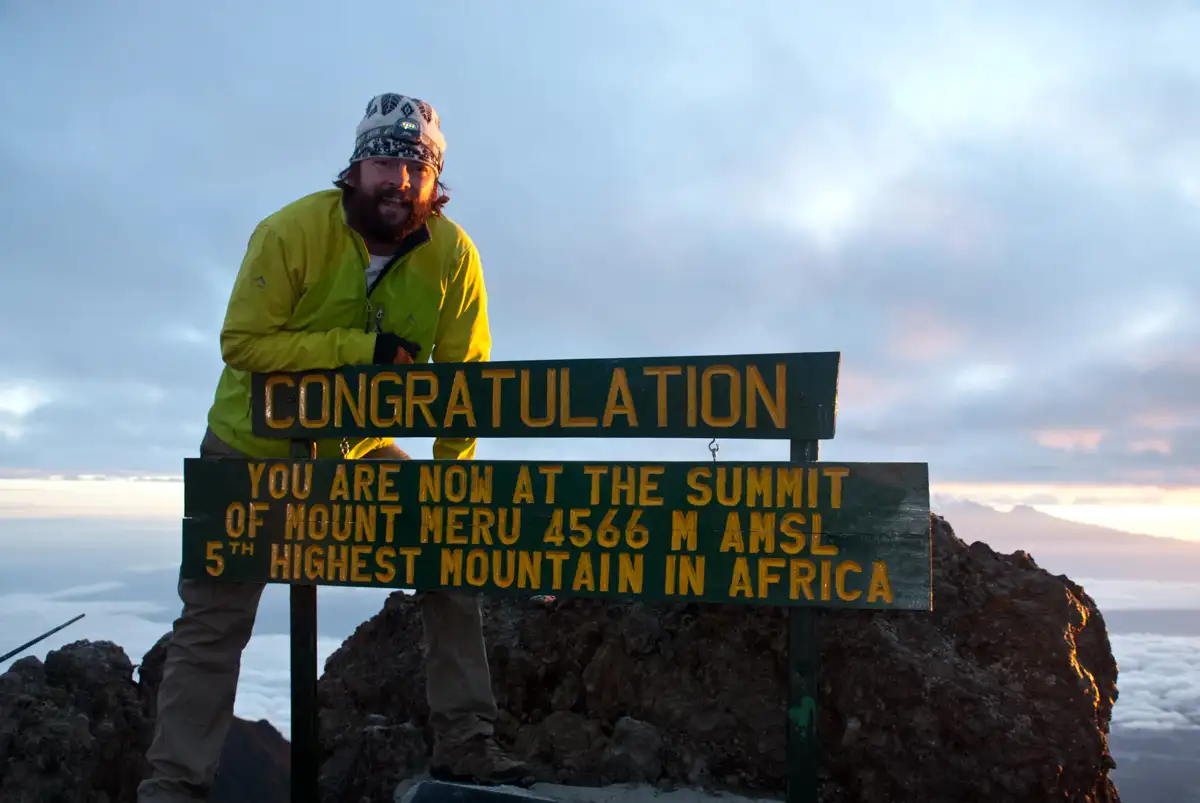
Unlike Kilimanjaro, the Mount Meru 4 Day Hike requires an armed ranger escort through Arusha National Park. During this section, you will enjoy a walking safari with opportunities to see African buffalo, zebras, black-and-white colobus monkeys, and other wildlife
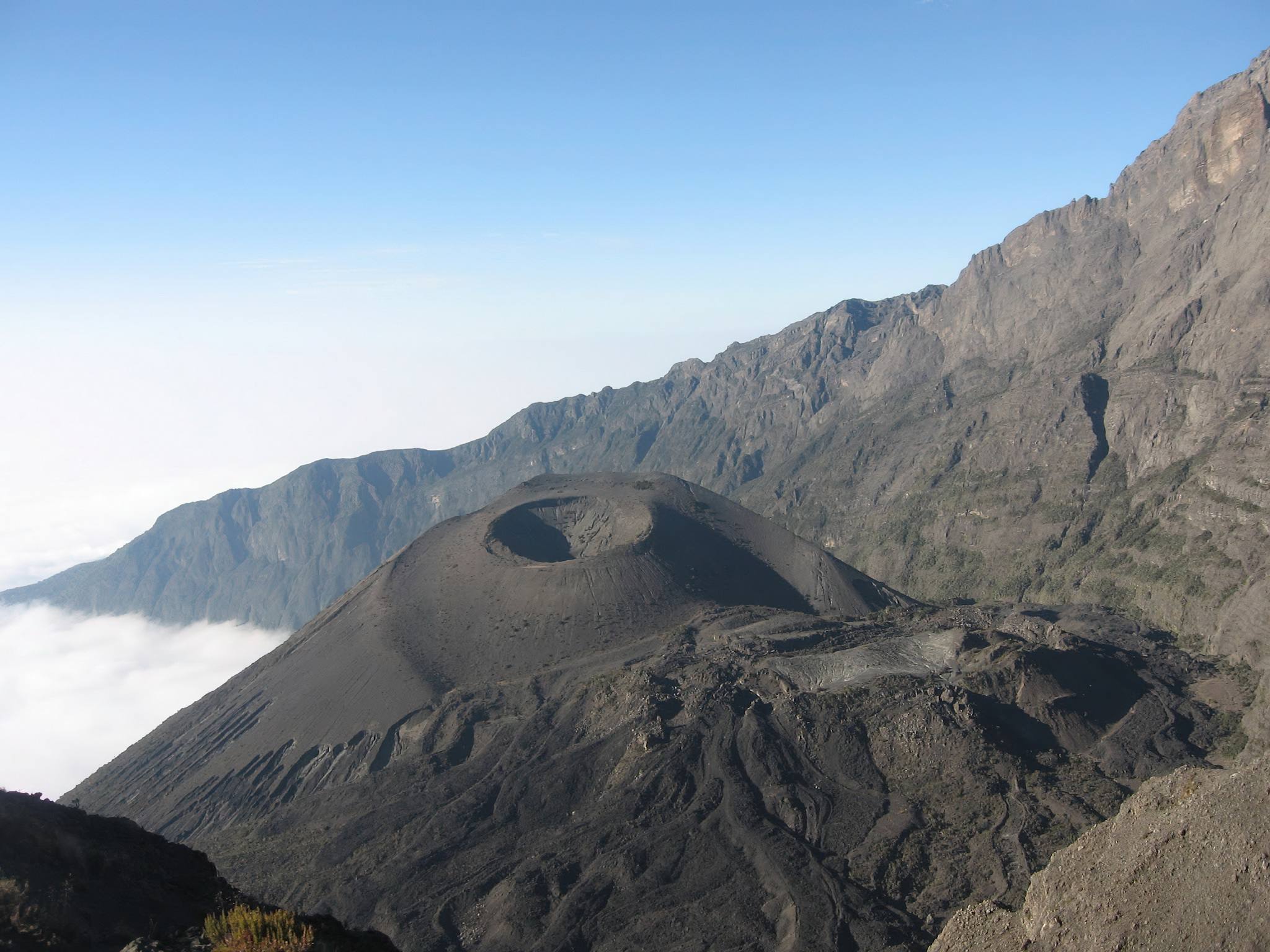
Mount Meru, Tanzania’s second-highest mountain at 4,566 meters, is Africa’s fifth-highest peak. Situated in Arusha National Park, this dormant volcano offers dramatic scenery, abundant wildlife