
Mount Meru
Mount Meru, Tanzania’s second-highest mountain at 4,566 meters, is Africa’s fifth-highest peak. Situated in Arusha National Park, this dormant volcano offers dramatic scenery, abundant wildlife, and a greater sense of solitude than Kilimanjaro. Mount Meru provides a challenging yet accessible high-altitude adventure, making it a memorable destination for trekkers.
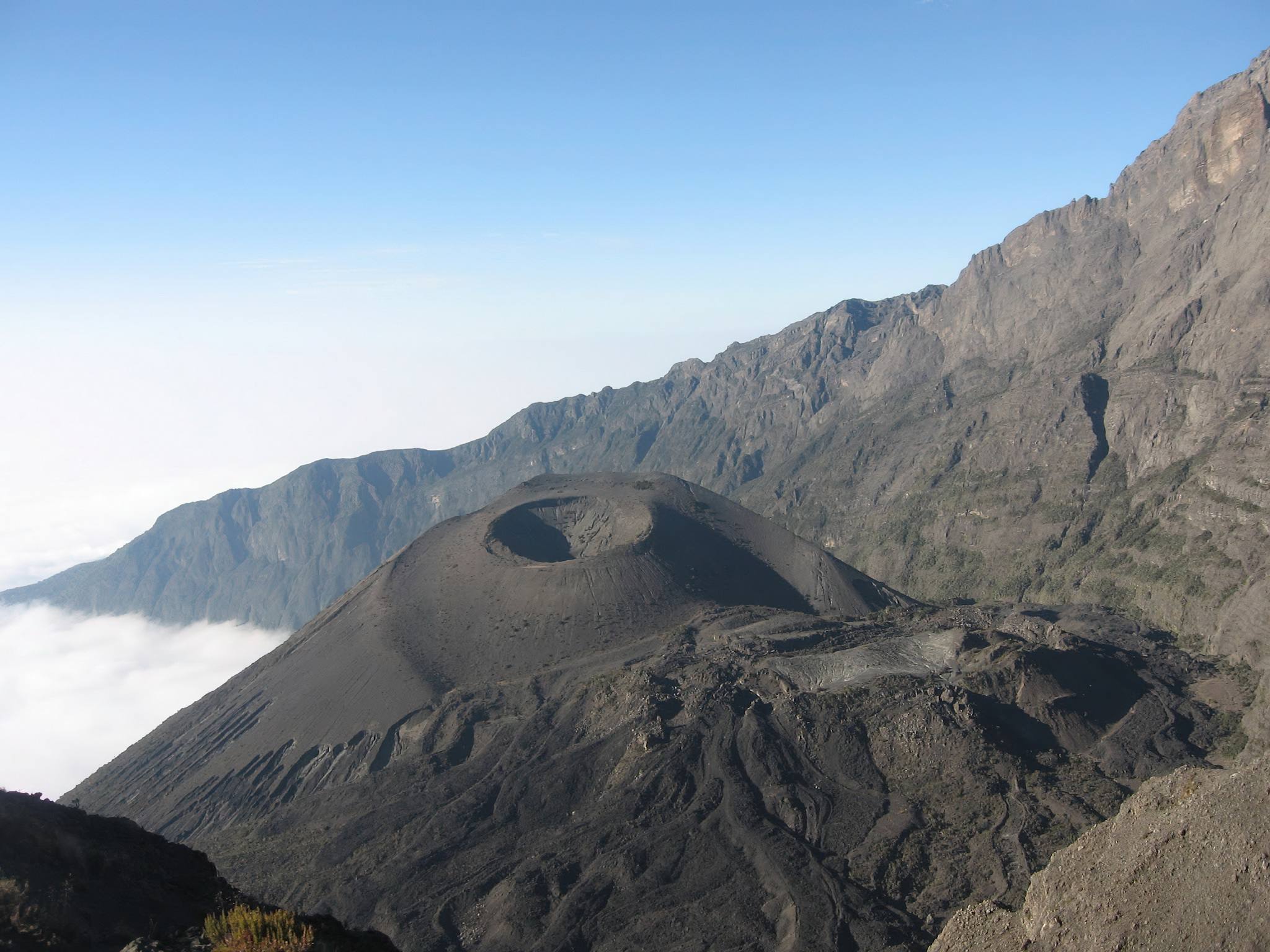
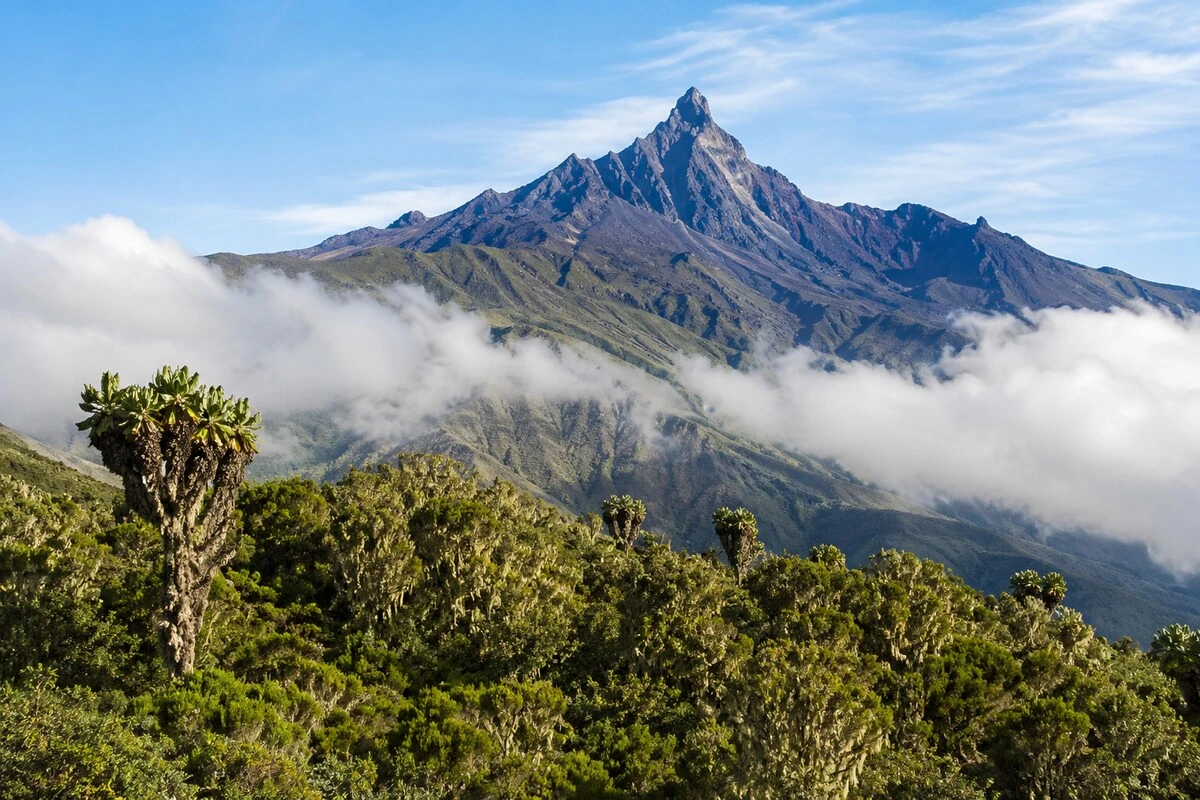
Mount Meru’s volcanic history is notable. Approximately 7,800 years ago, a major summit collapse formed the dramatic caldera seen today, which spans 2.2 miles (3.5 kilometers) across. A narrow ridge leads to the summit, providing views of the Ash Cone several hundred feet below. The volcano last erupted in 1910, and the surrounding small cones and craters indicate a long history of volcanic activity.
Mount Meru is the focal point of Arusha National Park. Its fertile slopes support forests with diverse wildlife, including nearly 400 bird species, monkeys, and leopards. Trekkers often encounter abundant wildlife during the ascent, offering an experience less common on Kilimanjaro. Mount Meru is also regarded as an ideal acclimatization trek for those preparing to climb Kilimanjaro.
Mount Meru Elevation and Location
Mount Meru rises to 4,566 meters (14,980 feet), making it Tanzania’s second-highest peak and Africa’s fifth-highest. Located in Arusha National Park in northern Tanzania, it sits about 70 kilometers west of Kilimanjaro and near Arusha town. Its location makes it easy for trekkers to reach and often includes it in itineraries alongside Kilimanjaro climbs, safaris, and cultural activities.
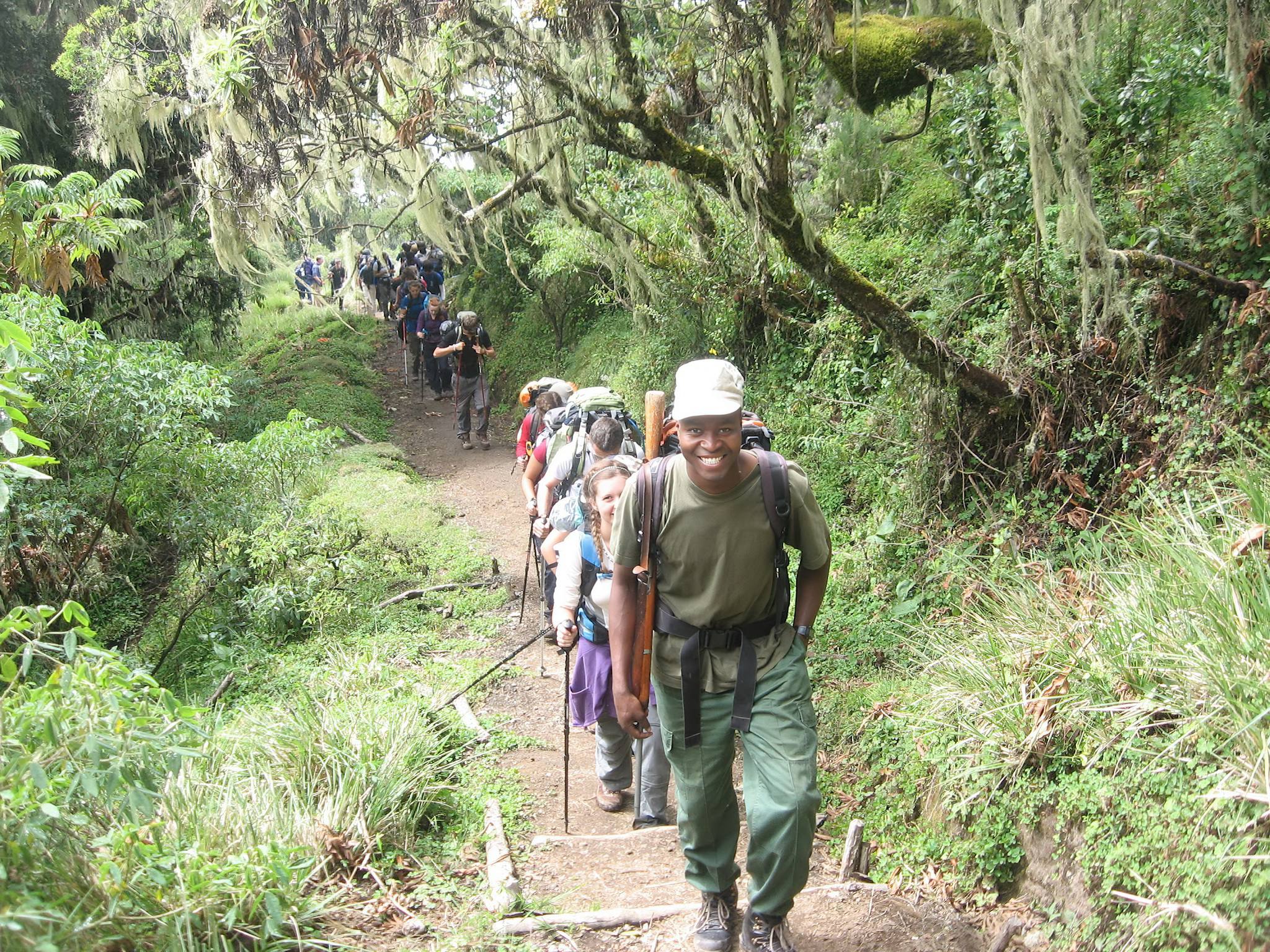
Because Mount Meru lies within Arusha National Park, climbers must enter the park to begin their trek, with rangers accompanying them to the final camp and back to the park gate. The park hosts diverse wildlife, such as giraffes, zebras, buffaloes, elephants, and numerous bird species, many of which are visible on the lower slopes. The fertile slopes and dense forest support this rich biodiversity, creating a vibrant, immersive natural setting.
The Momella Route
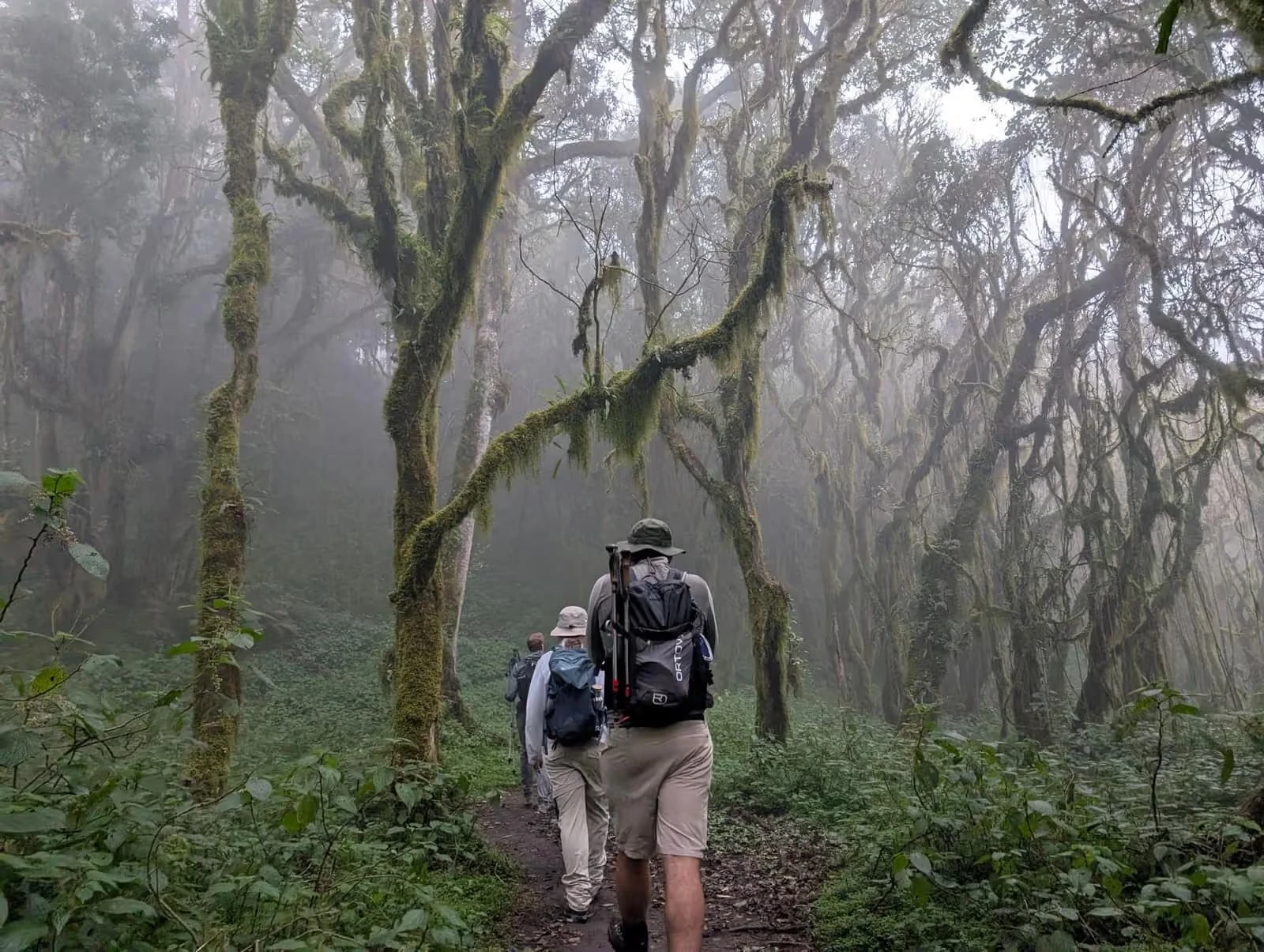
The Momella Route, starting at Momella Gate on Mount Meru’s eastern side, is the primary ascent path. It includes steep sections and stream crossings, traversing grasslands, rainforest, alpine meadows, moorlands, and desert uplands before reaching snow and ice near the summit. This diverse terrain offers a dynamic, visually impressive trek, with new scenery and challenges each day.
Mount Meru is often regarded as more challenging and less crowded than Mount Kilimanjaro. Its steep terrain and rapid altitude gain require trekkers to be well prepared and physically fit. In return, climbers experience a more intimate, wildlife-rich, and adventurous journey compared to Kilimanjaro’s busier trails. The Momella Route typically takes three to four days to complete, with accommodation in rustic mountain huts.
Wildlife on Mount Meru
Climbing Mount Meru offers a unique opportunity to observe wildlife up close. The lower slopes and Arusha National Park host a diverse range of animals, including elephants, buffalo, giraffes, zebras, baboons, colobus monkeys, and leopards. With nearly 400 bird species recorded, the park is also ideal for birdwatchers and nature enthusiasts.
Trekkers can observe these animals in their natural habitat, combining a safari-like experience with a high-altitude trek. An armed ranger accompanies all groups to ensure safety and allow for wildlife viewing from a secure distance. This blend of trekking and wildlife observation makes Mount Meru a distinctive destination.
Mount Meru as Acclimatization for Kilimanjaro
Mount Meru can be combined with a Mount Kilimanjaro climb, and most people prefer it for acclimatization before tackling Kilimanjaro at 5,895 meters. The three- to four-day trek on Meru lets climbers adjust to the region’s altitude and weather, build confidence and fitness, and prepare for Africa’s highest peak. Sleeping in huts, hiking at altitude, and testing gear in a high-mountain environment provide valuable preparation for Kilimanjaro’s demands.
Climbing Mount Meru first also helps trekkers understand how their bodies respond to altitude, so they can spot potential issues before the longer, more demanding Kilimanjaro climb. Many climbers find that the acclimatization gained on Meru significantly improves their chances of reaching Uhuru Peak, making the combination of the two mountains a smart and strategic choice for serious trekkers.
The Mount Meru Experience
Trekking Mount Meru offers a rewarding experience that blends physical challenge, natural beauty, and wildlife encounters. The route traverses varied landscapes, including rainforest, alpine meadows, and rocky ridges, highlighting distinct ecological zones. From the summit, trekkers enjoy impressive views of the Ash Cone, the crater, and, on clear days, Kilimanjaro and Mount Kenya.
Mount Meru offers a greater sense of remoteness and solitude than Kilimanjaro, making it ideal for those seeking peace and a true wilderness experience. Hut accommodations foster a social atmosphere, where climbers can share meals and stories with others from around the world. For many, trekking Mount Meru is a highlight of their time in Tanzania, providing a balanced mix of adventure, nature, and accomplishment.
Ready to Book Your Mount Meru Trek?
Mount Meru is one of Africa’s most scenic and rewarding mountains, with challenging trails, diverse landscapes, and abundant wildlife. Whether you climb to prepare for Kilimanjaro or seek a unique adventure, Mount Meru promises a memorable experience. At Blessing Safaris, we ensure each trekker enjoys a safe, comfortable, and unforgettable journey.
Our local experts know every trail, camp, and challenge on Mount Meru. We are committed to ethical trekking, fair treatment of our crew, and providing high-quality equipment, meals, and support.
With thousands of successful summits and an excellent safety record, adventurers worldwide trust Blessing Safaris. Choose the operator that prioritizes your safety, comfort, and success. Book your Mount Meru trek with us and create lasting memories.
Frequently Asked Questions About Mount Meru
What Is Mount Meru?
Mount Meru is a dormant volcano in Tanzania, standing at 4,566 meters (14,980 feet) above sea level. It is Tanzania’s second-highest mountain after Kilimanjaro and the fifth-highest in Africa. Located in Arusha National Park, Mount Meru is one of Africa’s most beautiful volcanoes, known for its dramatic crater, diverse wildlife, and sense of remoteness and solitude. Much of the mountain’s bulk was lost about 7,800 years ago due to a summit collapse, creating the caldera that characterizes the peak today. Mount Meru last erupted in 1910, and several small cones and nearby craters reflect numerous episodes of volcanic activity.
Where Is Mount Meru Located?
Mount Meru is located in Arusha National Park in northern Tanzania, approximately 70 kilometers west of Kilimanjaro and just a short drive from the town of Arusha. The mountain is the centerpiece of the national park, and its fertile slopes rise above the surrounding savanna, supporting a dense forest that hosts diverse wildlife. To climb Mount Meru, you must enter Arusha National Park, where rangers will escort you to the last camp and back down to the park gate. The park’s convenient location makes Mount Meru easily accessible for trekkers arriving in Tanzania.
What Is the Elevation of Mount Meru?
Mount Meru stands at 4,566 meters (14,980 feet) above sea level, making it Tanzania’s second-highest mountain and Africa’s fifth-highest. This elevation places it well below Kilimanjaro’s 5,895 meters, but still high enough to present a serious challenge and to offer spectacular views. The mountain’s caldera is about 2.2 miles (3.5 kilometers) wide, and a narrow, barren ridge leads to the summit, offering stunning views of the Ash Cone lying several hundred feet below in the crater. The elevation and the steepness of the route make Mount Meru a challenging but achievable trek.
What Is the Momella Route?
The Momella Route is the primary route to climb Mount Meru, starting at Momella Gate on the mountain’s eastern side. The ascent is steep in places and crosses several streams, moving through grasslands, tropical rainforest, alpine meadows, moorlands, and desert uplands before reaching snow and ice near the summit. The Momella Route typically takes three to four days to complete, with accommodation in rustic mountain huts along the way. The route is known for its diverse landscapes and abundant wildlife, making for a constantly changing, visually spectacular experience.
What Wildlife Can I See on Mount Meru?
Mount Meru and the surrounding Arusha National Park are home to a wide variety of wildlife, including elephants, buffaloes, giraffes, zebras, baboons, colobus monkeys, and leopards. Nearly 400 bird species have been recorded in the park, making it a paradise for birdwatchers. Trekkers can see a lot of wildlife as they approach and climb the mountain, adding an exciting dimension to the trek. An armed ranger accompanies all groups to ensure safety while allowing trekkers to appreciate the animals from a safe distance.
Is Mount Meru Good for Acclimatization Before Kilimanjaro?
Yes, Mount Meru is widely considered the perfect acclimatization trek for Kilimanjaro. Most people prefer Mount Meru for acclimatization before taking on the challenge of climbing Kilimanjaro, as the three- to four-day trek lets climbers adjust to the region’s altitude and weather. Sleeping in huts, hiking at altitude, and testing gear in a high-mountain environment provide valuable preparation for Kilimanjaro’s demands. Climbing Meru first also helps trekkers understand how their bodies respond to altitude, improving their chances of reaching Uhuru Peak.
How Long Does It Take to Climb Mount Meru?
The Mount Meru trek typically takes three to four days, depending on the route and itinerary chosen. The Momella Route, the most popular option, takes about three days, while a more relaxed itinerary with an extra acclimatization day takes four. The trek includes time for wildlife viewing, acclimatization, and rest, ensuring a safe and enjoyable experience. Most trekkers find that the three- to four-day duration is ideal for acclimatization without being too physically demanding.
Do I Need a Guide to Climb Mount Meru?
Yes, hiring a guide is mandatory for climbing Mount Meru. All treks on Mount Meru must be accompanied by a licensed guide and an armed ranger, who ensures safety and provides essential guidance throughout the climb. Guides know the mountain intimately, can advise on pacing and acclimatization, and can share valuable insights into the local environment and culture. The ranger protects climbers from wildlife in the national park, allowing trekkers to appreciate the animals from a safe distance.
What Is the Best Time to Climb Mount Meru?
The best time to climb Mount Meru is during the dry season, which runs from June to October and December to February. During these months, the weather is typically clear and dry, making for better visibility and more comfortable hiking conditions. However, it can still get cold at night, especially at higher elevations, so warm clothing and a good sleeping bag are essential. The rainy seasons from March to May and November are generally less favorable, with muddy trails and reduced visibility.
What Is the Summit of Mount Meru Like?
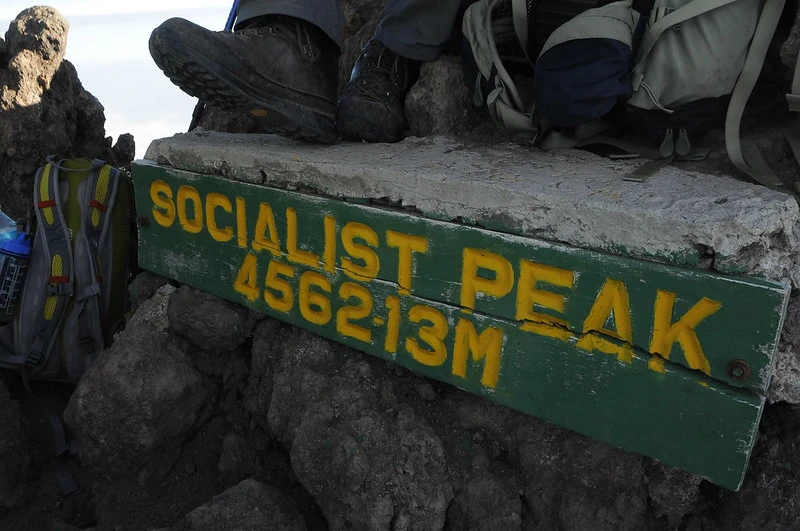
The summit of Mount Meru is reached via a narrow, barren ridge, offering stunning views of the Ash Cone lying several hundred feet below in the crater. The summit offers panoramic views of Kilimanjaro, Mount Kenya, and the surrounding plains, creating a moment of profound achievement and perspective. The final ascent requires some scrambling, but it is manageable for most hikers with good fitness. Standing on the rim of a massive volcanic crater is one of the most memorable parts of the Mount Meru experience.
How Does Mount Meru Compare to Kilimanjaro?
Mount Meru is significantly lower than Kilimanjaro (4,566 meters versus 5,895 meters), and the trek is shorter (three to four days versus five to nine days). It is also less crowded, offering a quieter and more intimate mountain experience. However, Mount Meru is steeper in places and requires some scrambling near the summit, and wildlife adds an element of adventure that Kilimanjaro lacks. Many trekkers find Mount Meru more scenic and wildlife-rich, while Kilimanjaro offers the ultimate challenge: reaching Africa’s highest point.
What Accommodation Is Available on Mount Meru?
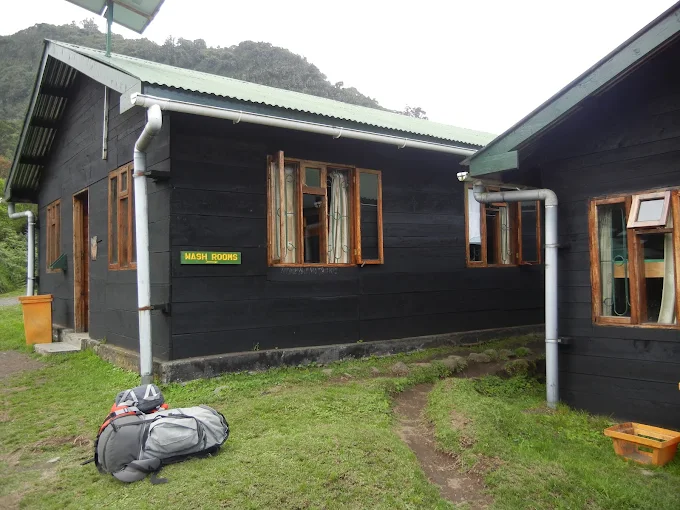
Accommodation on Mount Meru is in rustic mountain huts along the route, including Miriakamba Hut and Saddle Hut. These huts offer basic accommodation and meals, providing a welcome respite from the trail’s challenges. The huts are also a great place to meet other hikers and share stories of your adventure. While the facilities are basic, they are comfortable and well-maintained, making the trek more enjoyable than camping.
What Should I Pack for Mount Meru?
Essential items for Mount Meru include hiking boots, warm clothing, a sleeping bag, a rain jacket, a backpack, and other essential gear. Given the cold temperatures at higher elevations, thermal layers, a warm hat, and gloves are also important. Your tour operator can provide a full gear list and may also rent or lend equipment if needed. Pack light, but make sure you have everything you need for comfort and safety.
How Fit Do I Need to Be to Climb Mount Meru?
Mount Meru is a challenging climb, and good fitness and endurance are essential. It is recommended to exercise regularly before the climb to build endurance and strength, focusing on cardiovascular fitness, leg strength, and stamina. Hiking with a weighted pack, stair climbing, and aerobic exercise are all excellent ways to prepare. While Mount Meru is less demanding than Kilimanjaro, it still requires good fitness and a positive, determined mindset.
Can I Combine Mount Meru with Other Destinations?
Yes, you can combine Mount Meru with a Mount Kilimanjaro climb and other destinations around Tanzania. Most people choose Mount Meru to acclimatize before climbing Kilimanjaro, and many trekkers also add a safari in the Serengeti National Park or Ngorongoro Crater, a visit to Zanzibar, or cultural experiences with local communities. Combining Mount Meru with other destinations creates a well-rounded, unforgettable Tanzanian adventure.
Mount Meru Photos

You May Also Like
The Mount Meru trek usually takes three to four days and suits those seeking a high-altitude climb with less physical intensity than Kilimanjaro. It is also considered one of the best ways to acclimatize before attempting Kilimanjaro, making it an excellent first step for climbers
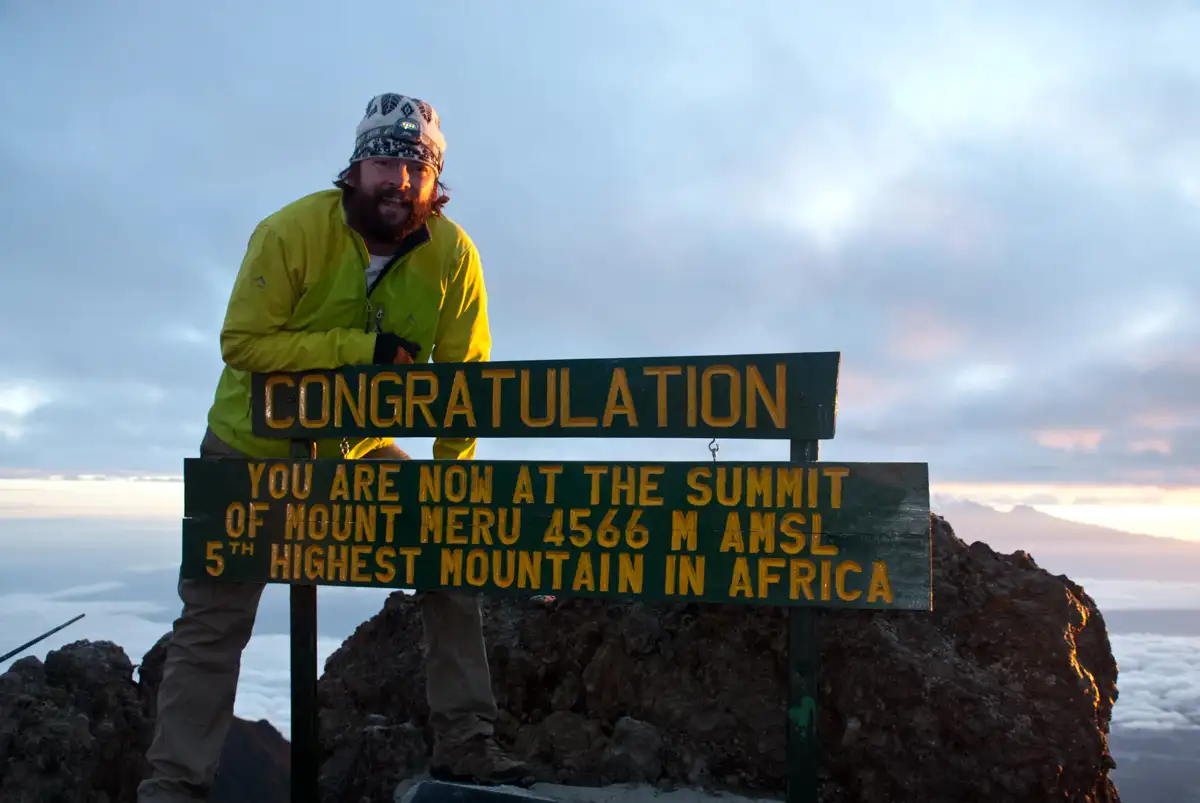
The 3-Day Mount Meru Climb follows the Momella Route to the 4,566-meter summit. You can complete the ascent in three days, but we strongly recommend a four-day itinerary for better acclimatization.
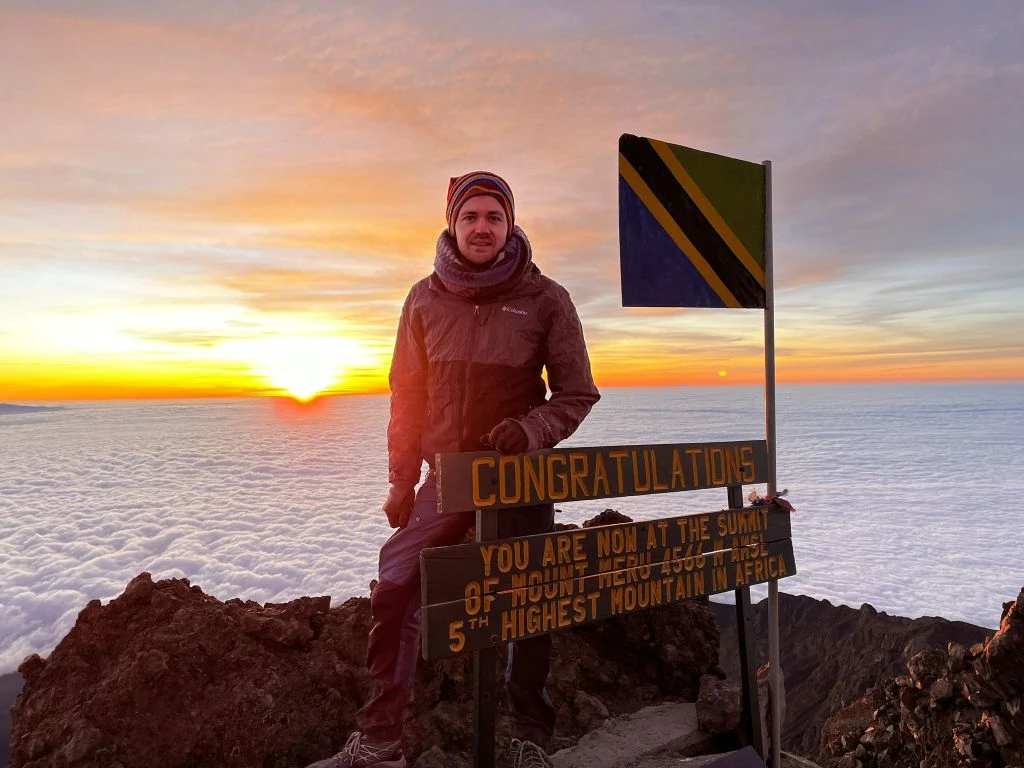
The Mount Meru 4 Day Hike follows the Momella Route to the summit at 4,566 meters. Many climbers use Mount Meru for acclimatization before attempting Kilimanjaro