
How to Trek Mount Meru
Climbing Mount Meru is a rewarding adventure that offers a challenging hike through diverse landscapes. Located in Arusha National Park, Mount Meru is Africa’s fifth-highest mountain at 4,566 meters. Although nearby Mount Kilimanjaro often overshadows it, Meru offers dramatic crater views, abundant wildlife, and a true sense of wilderness, making it one of Tanzania’s most underrated trekking experiences.
The Mount Meru trek usually takes three to four days and suits those seeking a high-altitude climb with less physical intensity than Kilimanjaro. It is also considered one of the best ways to acclimatize before attempting Kilimanjaro, making it an excellent first step for climbers. Mount Meru is a worthwhile challenge for anyone seeking a unique outdoor experience.
Mount Meru stands out for its diverse landscapes and wildlife. The ascent passes through rainforest, alpine meadows, and rocky terrain, providing varied scenery and distinct ecological zones. Hikers may encounter elephants, buffaloes, baboons, colobus monkeys, and many bird species. The final ascent involves some scrambling but is manageable for most hikers with proper fitness and preparation.
Planning Your Mount Meru Trek
Planning your Mount Meru trek beforehand is essential for a safe, comfortable, and successful climb. From choosing the right time and route to securing permits and hiring a guide, careful preparation lets you focus on enjoying the adventure instead of dealing with logistical challenges. Climbing Mount Meru is a rewarding, unforgettable experience for hiking and adventure lovers, and with the right planning, it can become a highlight of your time in Tanzania.
Choose the Right Time to Climb
The best time to climb Mount Meru is during the dry season, which runs from June to October and December to February. During these months, the weather is typically clear and dry, making the climb easier and the views more spectacular. Visibility is better, trail conditions are more favorable, and the overall experience is more comfortable. However, it can still get cold at night, especially at higher elevations, so warm clothing and a good sleeping bag are essential regardless of when you climb.
Choose Your Route
There are two main routes for climbing Mount Meru: the Momella Route and the Meru Crater Route. The Momella Route is the most popular and takes around three days to climb, offering a well-established trail and comfortable hut accommodation. The Meru Crater Route is more challenging and takes around four days, offering a more adventurous, less-traveled experience for those seeking a greater challenge. Whichever route you choose, you will be rewarded with spectacular scenery and a genuine sense of achievement.
Obtain the Necessary Permits
You will need to obtain permits from the Tanzania National Parks Authority (TANAPA) to climb Mount Meru. It is best to obtain them in advance to avoid delays or complications, and most tour operators will handle this on your behalf. Permits are required for all climbers, and rangers accompany all groups for safety reasons.
Hire a Guide
Hiring a guide is highly recommended—and in fact mandatory—for climbing Mount Meru. Guides provide essential guidance and support throughout the climb, ensuring your safety and enhancing your experience. They know the mountain intimately, can advise on pacing and acclimatization, and can share valuable insights into the local environment and culture.
Preparing for Your Climb
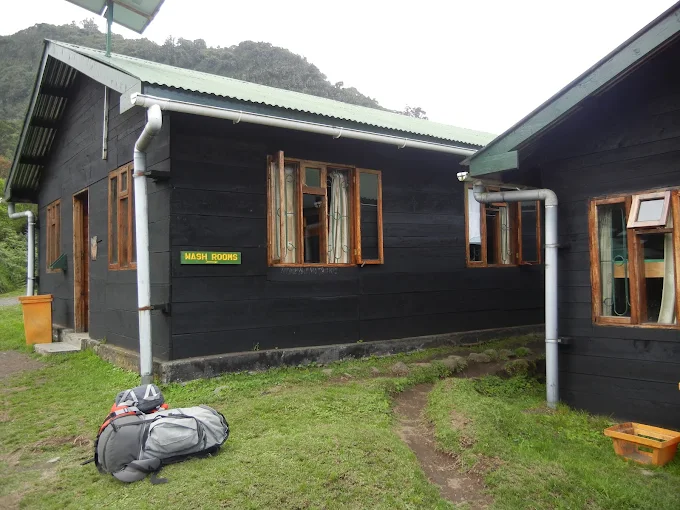
Whether you are preparing for a future climb of Mount Kilimanjaro or simply seeking a unique and challenging outdoor experience, Mount Meru is well worth the effort. One of the highlights of climbing Mount Meru is staying in rustic mountain huts along the route, which offer basic accommodation and meals and provide a welcome respite from the trail’s challenges. The huts are also a great place to meet other hikers and share stories of your adventure.
Physical Fitness
Mount Meru is a challenging climb, and good fitness and endurance are essential. Regular exercise in the months before your trek—focusing on cardiovascular fitness, leg strength, and stamina—will help you prepare for the climb’s demands. Hiking with a weighted pack, stair climbing, and aerobic exercise are all excellent ways to build the fitness you need.
Acclimatization
Altitude sickness is a common problem when climbing high mountains such as Mount Meru, and it should be taken seriously. To acclimatize, spend at least one day in Arusha or Moshi to adjust to the altitude before beginning your trek. Following the “pole pole” principle, pacing yourself, and staying hydrated are also essential for preventing altitude-related problems.
Gear and Equipment
Proper gear and equipment are essential for a safe and successful climb. You will need hiking boots, warm clothing, a sleeping bag, a rain jacket, a backpack, and other essential gear. Given the cold temperatures at higher elevations, a good sleeping bag and thermal layers are particularly important. Your tour operator can provide a full gear list and may also rent or lend equipment if needed.
Climbing Mount Meru
Mount Meru is a dormant volcano located in Tanzania, standing at 4,565 meters above sea level. It is a popular hiking and climbing destination for adventurers seeking a challenging but rewarding experience, and it offers a genuine alternative to Kilimanjaro’s busier trails. Here is a guide to climbing Mount Meru successfully.
Pace Yourself
Pace yourself and take your time when climbing Mount Meru. Rushing can lead to exhaustion and increase the risk of altitude sickness. The Swahili phrase “pole pole,” meaning “slowly slowly,” is the golden rule of high-altitude trekking, and it applies just as much on Meru as it does on Kilimanjaro.
Stay Hydrated and Nourished
Staying hydrated and nourished is critical when climbing Mount Meru. Carry enough water and snacks to keep you energized throughout the climb, and drink regularly even if you do not feel thirsty. Proper nutrition supports your body’s ability to cope with altitude and physical exertion.
Listen to Your Guide
Your guide provides essential guidance and support throughout the climb. Listen to their advice and follow their instructions for a safe and successful climb. Guides monitor your condition, adjust the pace as needed, and make decisions that prioritize your safety above all else.
The Mount Meru Experience
Trekking Mount Meru is more than just a physical challenge—it is an immersive journey through some of Tanzania’s most beautiful and diverse landscapes. The route passes through Arusha National Park, where wildlife is abundant, and the scenery is spectacular. The summit itself offers panoramic views of Kilimanjaro, Mount Kenya, and the surrounding plains, creating a moment of profound achievement and perspective.
Hut-based accommodation along the route adds a unique dimension to the experience, letting climbers rest in relative comfort while enjoying the camaraderie of fellow trekkers. For many, the trek’s social aspect—sharing meals, stories, and encouragement with other climbers—is one of the most memorable parts of the adventure.
Are You Ready to Book Your Mount Meru Trek with Blessing Safaris?
Climbing Mount Meru is challenging and rewarding, and it requires careful planning and preparation. Follow this guide to complete your climb safely and enjoy the mountain’s scenery, wildlife, and sense of achievement.
At Blessing Safaris, we believe every trekker deserves a safe, comfortable, and memorable experience. Our team consists of local experts who know Tanzania’s mountains intimately, and our guides, porters, and support staff are familiar with every trail, camp, and challenge.
We are committed to ethical trekking, fair treatment of our crew, and providing climbers with high-quality equipment, meals, and support. With thousands of successful summits and an outstanding safety record, adventurers worldwide trust Blessing Safaris. Choose the operator that prioritizes your safety, comfort, and success. Book your Mount Meru trek with Blessing Safaris and let us help you create lasting memories.
Frequently Asked Questions About Trekking Mount Meru
Do I need climbing experience to climb Mount Meru?
Climbing Mount Meru doesn’t require prior climbing experience, but it does require good fitness and endurance. The trek includes long hiking days, significant elevation gain, and some scrambling near the summit, so thorough physical preparation is important. Hiring a guide is not only highly recommended but also mandatory, as guides provide crucial support and guidance throughout the climb. With reasonable fitness and proper preparation, Mount Meru is an achievable, rewarding challenge that doesn’t require technical climbing skills.
How long does it take to climb Mount Meru?
Climbing Mount Meru typically takes three to four days, depending on your chosen route and fitness level. The popular Momella Route takes about three days, while the more demanding Meru Crater Route requires around four days. Most itineraries add an extra day for acclimatization, and the pace is intentionally slow to help you adjust to the altitude. This three- to four-day timeframe makes Mount Meru ideal for travelers with limited time or those preparing for a Kilimanjaro climb.
What should I do if I experience altitude sickness?
Altitude sickness is serious and requires prompt attention. If you develop symptoms such as headache, nausea, dizziness, or fatigue, descend to a lower altitude and rest. Seek medical attention immediately if symptoms persist. To prevent altitude sickness, acclimatize properly, stay hydrated, pace yourself, and follow your guide’s advice. Your guide will monitor your condition and determine whether you should continue, rest, or descend based on your symptoms and overall health.
What is the best time to climb Mount Meru?
The best time to climb Mount Meru is during the dry season, which runs from June to October and December to February. During these months, the weather is typically clear and dry, making for better visibility and more comfortable hiking conditions. However, nights can still get cold, especially at higher elevations, so bring warm clothing and a good sleeping bag. The rainy seasons from March to May and November are generally less favorable, with muddy trails and reduced visibility.
What is the Momella Route?
The Momella Route is the most popular way to climb Mount Meru and takes about three days to complete. It begins at Momella Gate in Arusha National Park and passes through lush rainforest, alpine meadows, and rocky terrain before reaching the summit. The route offers excellent wildlife viewing opportunities, with elephants, buffaloes, baboons, and colobus monkeys commonly seen along the way. The Momella Route is well established, with hut accommodation at Miriakamba and Saddle Huts, making it a comfortable, accessible option for most trekkers.
What is the Meru Crater Route?
The Meru Crater Route is a more challenging alternative to the Momella Route and takes about four days to complete. It offers a more adventurous, less-traveled experience with more demanding terrain and a stronger sense of wilderness. The route passes through the crater itself, offering spectacular views and a unique perspective on the mountain’s volcanic history. The Meru Crater Route suits experienced trekkers seeking a greater challenge and more solitude.
What accommodation is available on Mount Meru?
A key feature of climbing Mount Meru is the opportunity to stay in rustic mountain huts along the route. These huts provide basic accommodation and meals, offering a welcome break from the trail. They also serve as communal spaces where hikers can meet and exchange experiences. The main huts, Miriakamba Hut and Saddle Hut, offer dormitory-style lodging and shared dining areas. Although the facilities are simple, they are comfortable and well-maintained, making the trek more enjoyable than camping.
How do I obtain permits for Mount Meru?
You need permits from the Tanzania National Parks Authority (TANAPA) to climb Mount Meru. Obtaining them in advance helps prevent delays. Most tour operators, including Blessing Safaris, handle the permit process as part of your trekking package, so you don’t need to arrange it yourself. Rangers accompany all groups to ensure safety and compliance with park regulations.
Do I need a guide to climb Mount Meru?
Yes, you need a guide to climb Mount Meru. Guides provide essential guidance and support throughout the climb, keeping you safe and enhancing your experience. They know the mountain intimately, can advise on pacing and acclimatization, and can share valuable insights into the local environment and culture. All treks on Mount Meru must be accompanied by a licensed guide and an armed ranger, who protects climbers from wildlife in the national park.
What wildlife can I see on Mount Meru?
Mount Meru is in Arusha National Park, which is home to diverse wildlife. During the trek, you may see elephants, buffaloes, baboons, colobus monkeys, and various bird species. Giraffes, zebras, and antelopes are also common on the lower slopes. Wildlife enhances the trekking experience, and an armed ranger accompanies your group to ensure safety while letting you observe animals from a safe distance.
What gear do I need for Mount Meru?
Proper gear is essential for a safe and successful climb. Essential gear includes hiking boots, warm clothing, a sleeping bag, a rain jacket, a backpack, and thermal layers. A warm hat and gloves are also recommended because temperatures drop at higher elevations. Your tour operator can provide a complete gear list and may offer equipment rental or lending options. Pack efficiently to stay comfortable and safe.
How fit do I need to be to climb Mount Meru?
Mount Meru is a challenging climb that demands strong fitness and endurance. To prepare, exercise regularly and focus on cardiovascular fitness, leg strength, and stamina. Effective activities include hiking with a weighted pack, stair climbing, and aerobic workouts. Although Mount Meru is less demanding than Kilimanjaro, it still requires physical readiness and a positive, determined mindset.
Is Mount Meru a good warm-up for Kilimanjaro?
Mount Meru is considered an effective warm-up for Kilimanjaro. Its three- to four-day trek and gradual ascent help trekkers acclimatize to altitude and weather. Hiking at elevation, sleeping in huts, and testing gear and fitness in a high-mountain environment provide valuable preparation. Many climbers summit Meru first to build confidence and improve their chances of success on Kilimanjaro.
What is the summit of Mount Meru like?
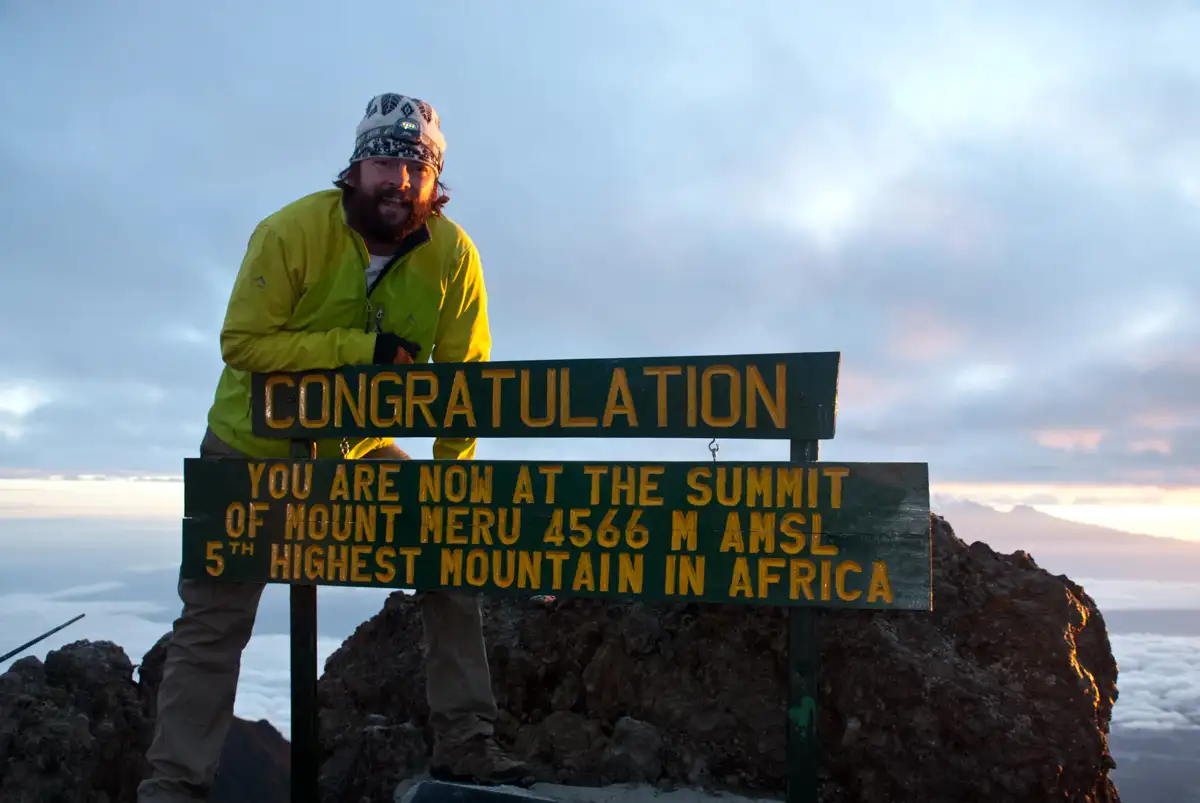
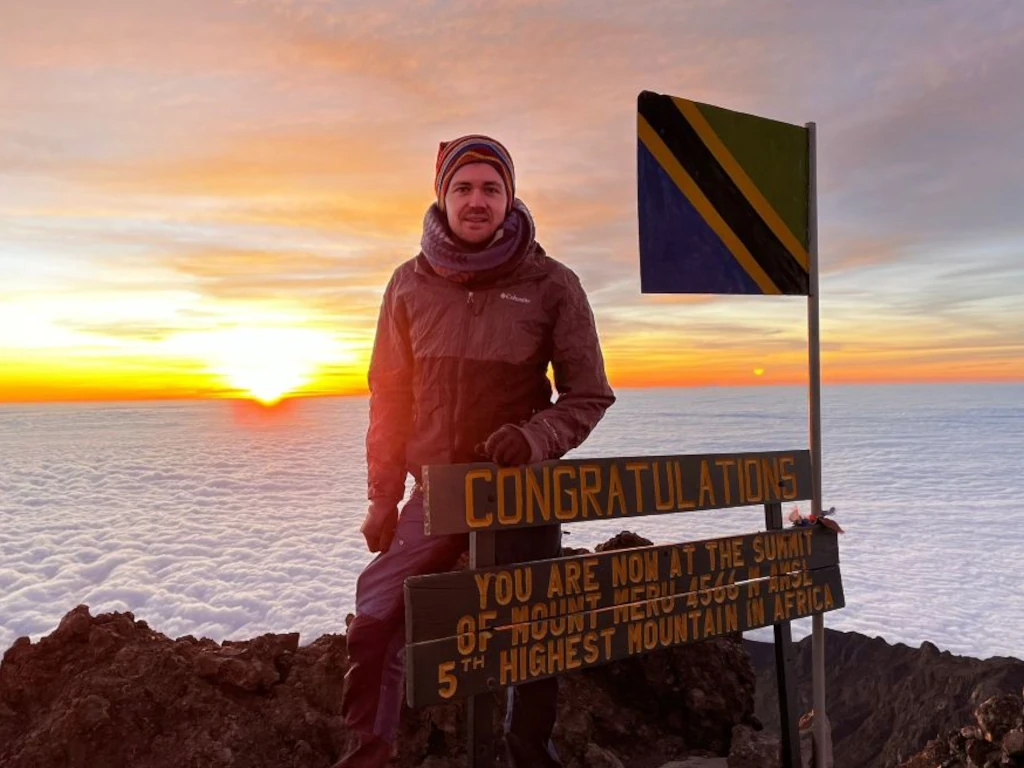
Mount Meru’s summit, Socialist Peak, rises to 4,565 meters above sea level. The final ascent involves some scrambling but is manageable for fit hikers. From the summit, hikers enjoy panoramic views of Kilimanjaro, Mount Kenya, and the surrounding plains. The visible crater of the dormant volcano serves as a striking reminder of the mountain’s volcanic origins.
How does Mount Meru compare to Kilimanjaro?
Mount Meru stands at 4,566 meters, significantly lower than Kilimanjaro’s 5,895 meters, and the trek typically takes three to four days compared to Kilimanjaro’s five to nine. Mount Meru is less crowded, offering a quieter, more intimate experience. While it is steeper in sections and requires some scrambling near the summit, wildlife adds a unique sense of adventure not found on Kilimanjaro. Many trekkers consider Mount Meru more scenic and wildlife-rich, while Kilimanjaro is valued for the challenge of reaching Africa’s highest peak.
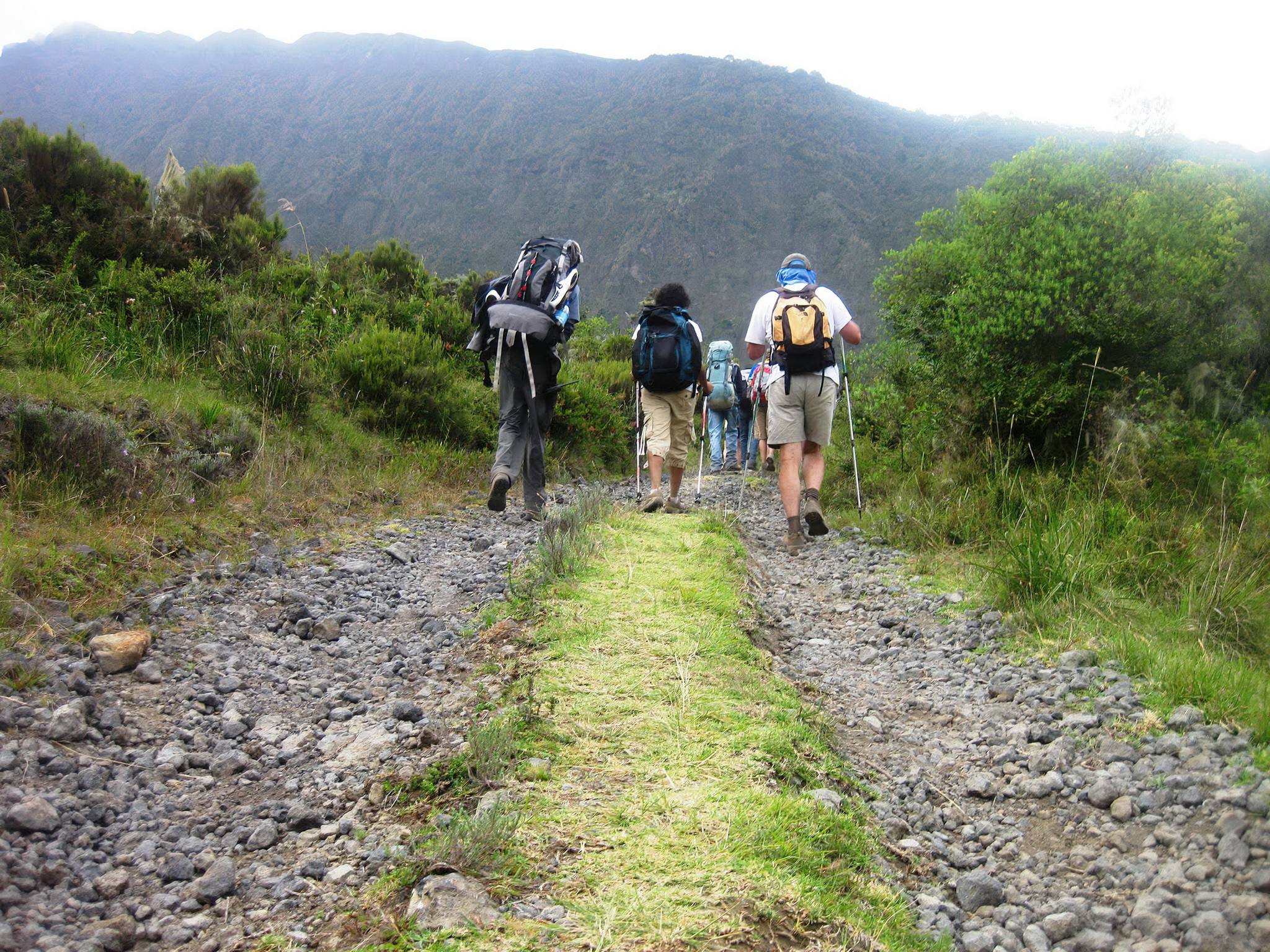
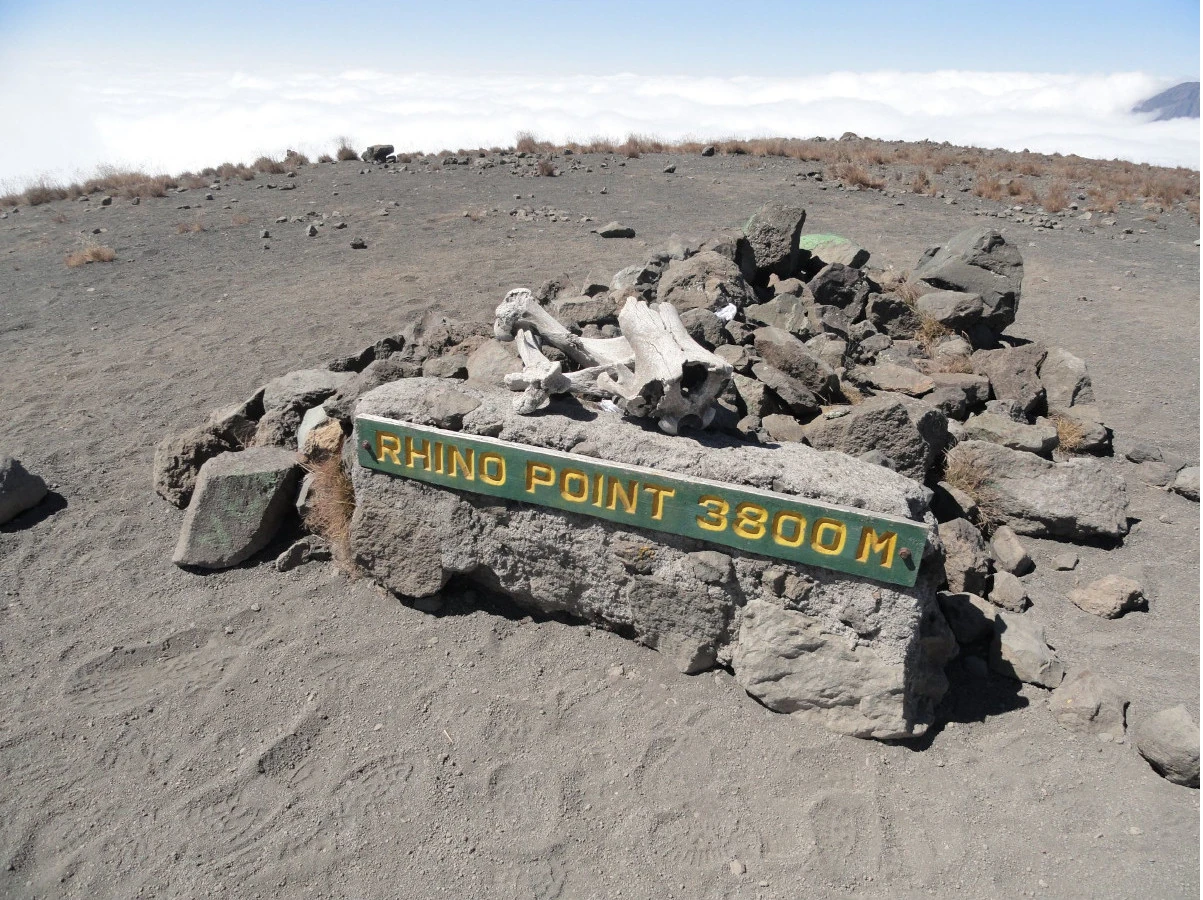
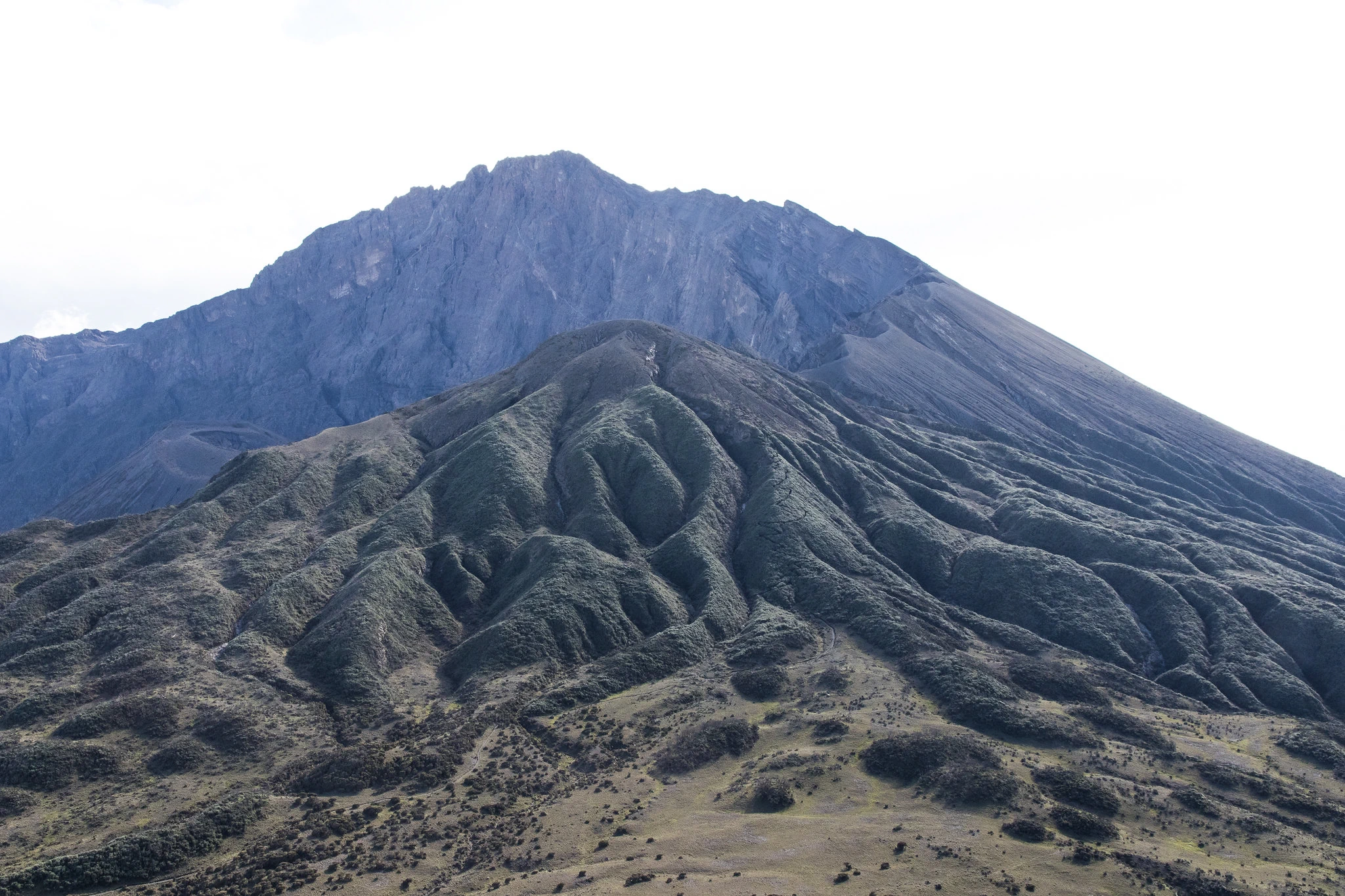
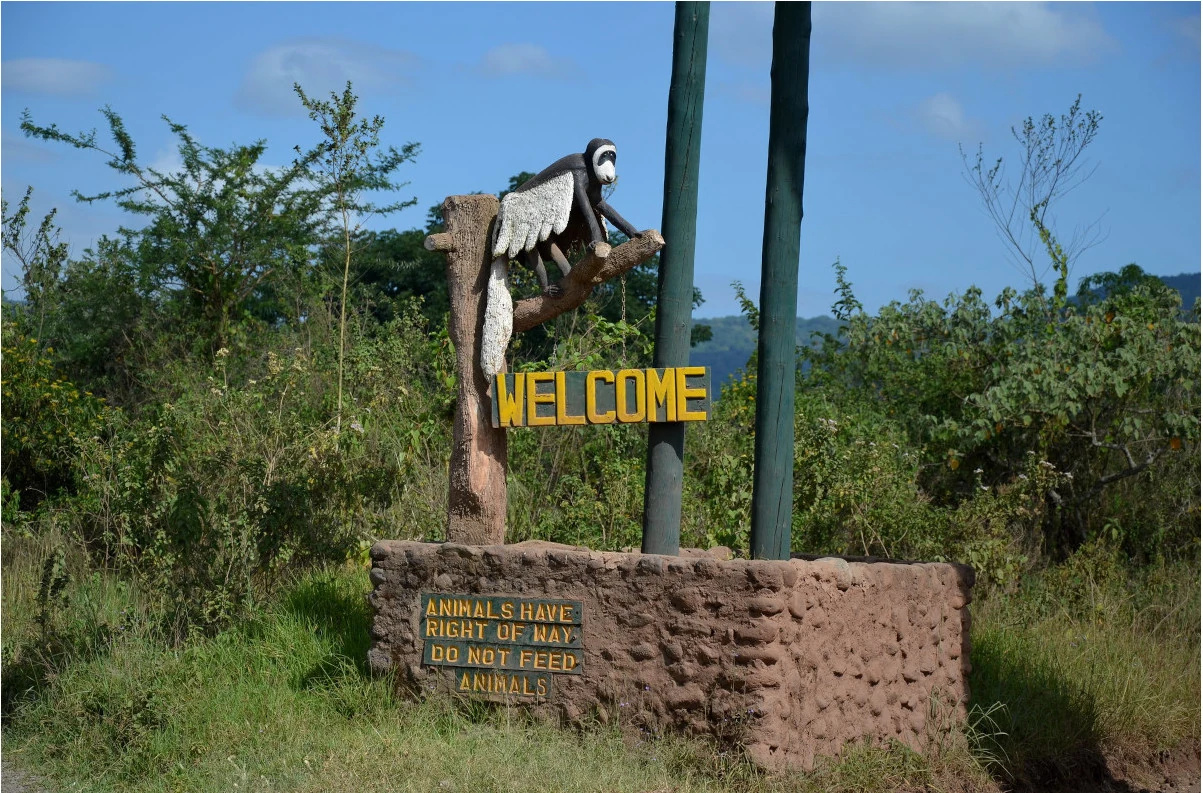
Mount Meru Trekking Photos

You May Also Like
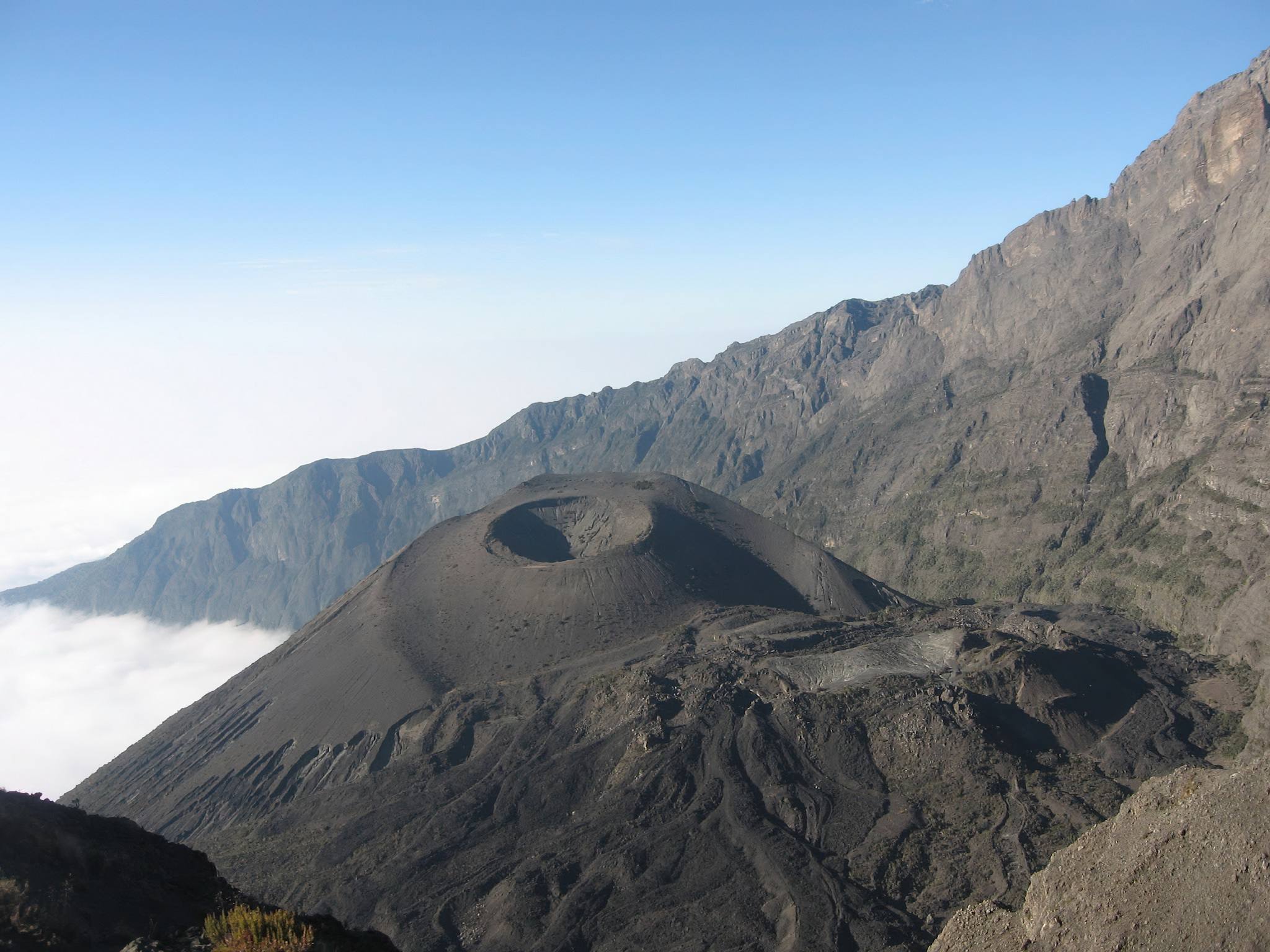
Mount Meru’s volcanic history is notable. Approximately 7,800 years ago, a major summit collapse formed the dramatic caldera seen today, which spans 2.2 miles (3.5 kilometers) across
The 3-Day Mount Meru Climb follows the Momella Route to the 4,566-meter summit. You can complete the ascent in three days, but we strongly recommend a four-day itinerary for better acclimatization.
The Mount Meru 4 Day Hike follows the Momella Route to the summit at 4,566 meters. Many climbers use Mount Meru for acclimatization before attempting Kilimanjaro