
Shira Route Kilimanjaro
The Shira Route is one of Mount Kilimanjaro’s less-traveled trails, offering a scenic, challenging ascent to Uhuru Peak from the western side. At 56 kilometers (35 miles), it is the mountain’s second-shortest route after the steep Umbwe Route and shares many features with the Lemosho Route. Shira is the original trail from which Lemosho was developed. Operators introduced the Lemosho Route after determining that Shira’s starting elevation of 3,600 meters (11,811 feet) was too high for most climbers to start safely.
The Shira Route’s high starting point is both its main feature and its greatest challenge. Although the trailhead at Shira Ridge is accessible by vehicle, the altitude is unsuitable for climbers without prior high-altitude experience. Starting the climb at this elevation can cause altitude sickness on day one. Therefore, the Shira Route suits experienced trekkers who are already acclimatized or those prepared to add extra days to properly adapt.
Despite these challenges, the Shira Route features some of Kilimanjaro’s most impressive scenery. The trail crosses the expansive Shira Plateau, a volcanic caldera over 13 kilometers wide, with panoramic views of Kibo Peak, surrounding moorlands, and the distant Kenyan plains. For climbers prepared for the altitude who prioritize scenery over popularity, the Shira Route offers a uniquely rewarding experience.
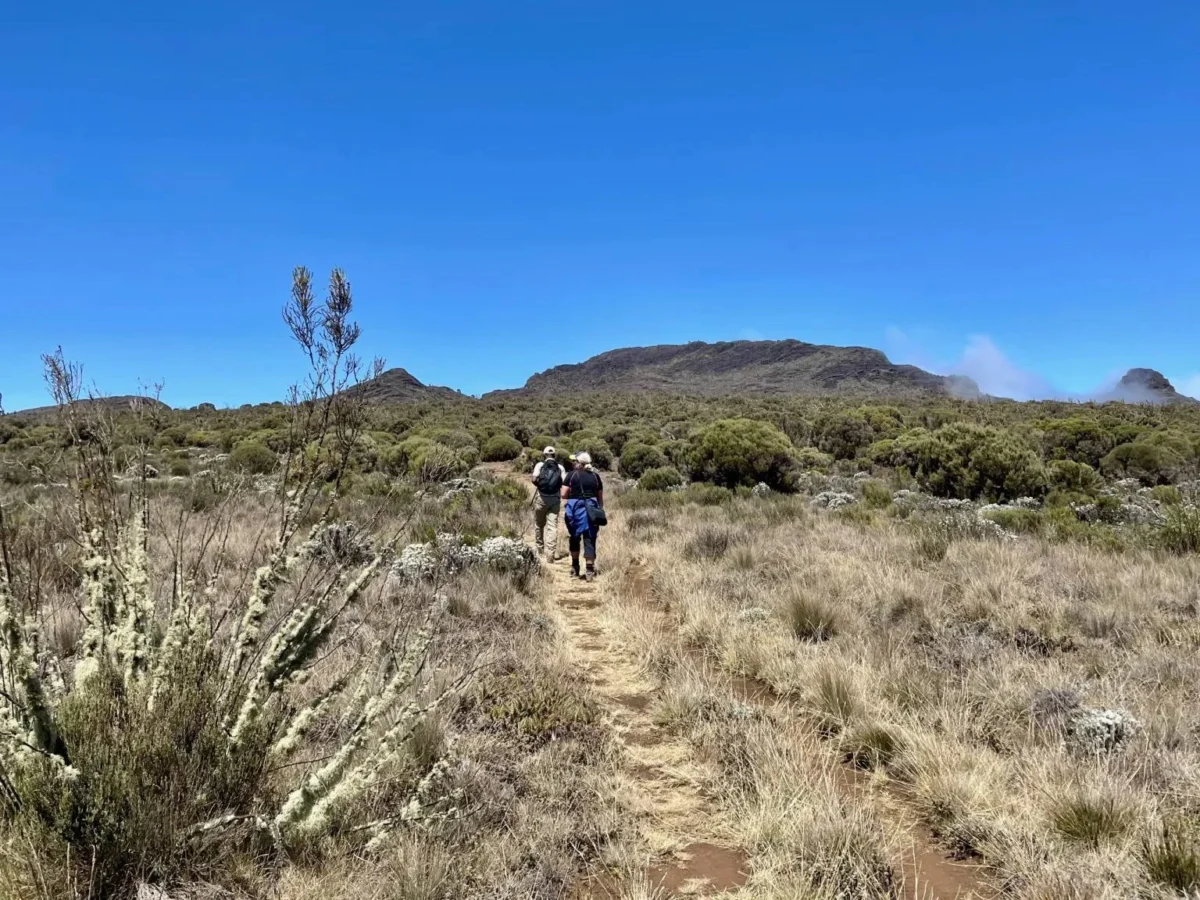
Shira Route Overview: Location, Height, Duration & Trail Conditions
The Shira Route is accessible by vehicle from Moshi, passing through Kilimanjaro’s rainforest to Shira Ridge on the western side, where the trek begins. The route leads to Uhuru Peak at 5,895 meters (19,341 feet), Africa’s highest point and climbers’ main objective. You can complete the Shira Route in six, seven, or eight days. Longer itineraries support better acclimatization and increase summit success rates. Blessing Safaris offers a standard 7-day itinerary, with 6-day and 8-day options available upon request.
The trail starts at a relatively high altitude and crosses grassy moorlands, rocky volcanic terrain, and the expansive Shira Plateau. The route is generally more open and less steep than southern approaches, but altitude and exposure present significant challenges. Climbers should be prepared for varied weather, including intense sun, rain, sleet, and snow.
Climbing Kilimanjaro via the Shira Route
The Shira Route begins with a drive from Moshi Town through the rainforest zone to Shira Ridge on the mountain’s western side. The trek starts at Shira Ridge, crosses the Shira Plateau, and continues below the Southern Ice Field along the Southern Circuit trail. The route then approaches Uhuru Peak from Barafu Camp, the final staging point before the summit.
Descent is via the Mweka Route, a popular and direct path used by climbers on several Kilimanjaro trails. This one-way system lets Shira Route climbers enjoy unique scenery on the ascent and benefit from the established Mweka descent.
At Blessing Safaris, we offer the Shira Route as a 7-day itinerary that balances acclimatization with time on the mountain. A 6-day option is available for experienced climbers with limited time, while the 8-day version provides maximum acclimatization and the best chance of reaching the summit.
Shira Route Map
The Shira Route closely resembles the Lemosho Route but begins at a higher elevation on the Shira Plateau, which can make acclimatization more difficult. The route spans approximately 56 kilometers (35 miles) and typically takes 7 to 8 days to complete, featuring scenic views of the Shira Plateau, the Southern Ice Field, and the summit zone. Due to its high starting elevation, the Shira Route is less popular than Lemosho and is not recommended for those without prior high-altitude experience. Lower success rates on this route largely stem from the acclimatization challenges posed by the initial altitude.
Shira Route Success Rate
The Shira Route has a summit success rate of approximately 65% to 90%, depending on the itinerary, operator, and climber preparation. This rate is similar to that of the Lemosho Route, as the trails differ only at the starting point. Both routes have high success rates when climbers are well acclimatized and guided by experienced professionals. To maximize success on the Shira Route, add extra acclimatization days and choose an itinerary that allows for gradual altitude adaptation.
Shira Route Kilimanjaro Climbing Tips
Before selecting the Shira Route, review all Kilimanjaro routes and consider adding an extra acclimatization day to help your body adjust to the altitude. Prioritize training to ensure you are physically prepared, as higher fitness levels will help you manage the climb’s demands. Because the Shira Route involves camping throughout, build mental readiness by taking short camping trips to get comfortable with your gear and the environment.
Wear high-quality, well-fitting boots to prevent blisters, and stay hydrated to reduce the risk of altitude sickness. Pace yourself and listen to your body. Take time to enjoy Kilimanjaro’s views, and remember that the journey is as important as reaching the summit.
Shira or Lemosho Route?
Because the Shira Route starts at a very high altitude, many climbers choose the Lemosho Route instead, as the risk of altitude sickness is higher on the Shira Route’s first day. The Lemosho Route begins at the lower Londorossi Gate, while the Shira Route starts at the higher Shira Gate to the north. The Shira Route is highly scenic, featuring diverse landscapes across various vegetation zones. However, prior high-altitude hiking experience is essential to manage the Shira Route’s challenges, particularly on the first day.
Shira Plateau
The Shira Plateau, on the western side of the Kibo volcanic cone at 3,962 meters (12,999 feet), offers hikers a unique Kilimanjaro experience without requiring a summit attempt. Spanning 13 kilometers (8 miles), the plateau features a volcanic crater that supports wildlife from Kenya’s neighboring Amboseli National Park. Trails created by elephants, buffalo, and antelope lead through a landscape that is both wild and timeless. The extinct volcanic crater, dormant for over 500 million years, remains one of Kilimanjaro’s most remarkable geological features.
Where Will You Sleep Along the Shira Route?
Like the Lemosho Route, the Shira Route begins at a higher elevation at Shira Gate (3,500 meters). Climbers camp in tents each night, starting at Shira Camp 1 (3,500 meters), then at Shira Camp 2 (3,850 meters). The route may include a visit to Lava Tower (4,600 meters) for acclimatization, though it is not usually an overnight stop. The trek continues to Barranco Camp (3,900 meters), Karanga Camp (3,960 meters), and Barafu Base Camp (4,670 meters), with descent via Mweka Camp (3,100 meters). Due to the higher starting point, a longer itinerary is strongly recommended to support acclimatization.
Meals and Snacks on the Shira Route
During the Shira Route trek, you will receive a full-board dining experience designed for high-altitude conditions. Professional cooks prepare three hot meals daily, along with snacks and beverages, ensuring a balanced intake of carbohydrates, proteins, and fats. Please inform us in advance of any dietary restrictions so we can accommodate your needs.
Breakfast provides a hearty start to your day, featuring porridge with milk, eggs, bread or toast with spreads, fresh fruit, and hot beverages such as tea, coffee, or hot chocolate. Served at high-altitude camps like Shira 1 or Shira 2, breakfast ensures you are well-nourished for the trek ahead.
Lunch is portable and nutritious, ideal for refueling on the trail. Typical options include sandwiches with meat, cheese, or egg; fresh fruit; sliced vegetables; and occasionally macaroni with meat sauce. On some days, especially at camps like Barranco, they may serve a hot lunch for added comfort.
Dinner is a hot, satisfying meal designed to restore your energy after trekking. It typically features stews or curries with meat, rice or pasta, grilled meats, vegetables, and bread or chapati. Enjoy dinner at campsites with panoramic views, providing a relaxing end to your day.
Energy snacks such as nuts, dried fruits, chocolate bars, cookies, popcorn, and energy bars are available throughout the day for quick boosts, especially at high altitude. With advance notice, we offer vegetarian and vegan options including tofu scramble, cheese sandwiches, lentil curries, hummus wraps, vegan chili, and overnight oats with plant-based milk.
How to Climb the Shira Route
Plan your Shira route based on your objective. Summit attempts require intensive physical preparation, while standard training is sufficient for shorter hikes such as the Shira Plateau. The route is open year-round, though waterproof gear is necessary during the rainy season. The best climbing periods are January to March and June to October. April, May, and November are less suitable due to higher rainfall
Be sure to pack all necessary gear for climbing Mount Kilimanjaro. We can help arrange equipment for the Shira Route. Our team provides airport transfers to and from your hotel before and after your climb. Travelers from the UK, US, Australia, Canada, and other regions have multiple flight options to Kilimanjaro International Airport.
Thorough planning and training are essential for the Shira Route. Consider adding extra days to your itinerary to minimize the risk of altitude sickness. All Shira Route itineraries from Blessing Safaris are all-inclusive, with permits and entrance fees supporting the maintenance of Kilimanjaro National Park and the mountain.
What Makes the Shira Route So Unique?
The Shira Route, often compared to Lemosho, begins at a higher altitude on the Shira Plateau, which is accessible by vehicle and bypasses the lower elevations. While this makes the route unique, it can hinder acclimatization and increase the risk of altitude sickness. The route later joins Lemosho or Machame and offers scenic views, but it is less popular because of these challenges. Shira suits climbers with previous high-altitude experience who want a quieter, more scenic ascent to Uhuru Peak.
Book Your Shira Route Trek with Blessing Safaris
The Shira Route offers a scenic, less-traveled ascent of Mount Kilimanjaro, ideal for experienced trekkers seeking exceptional views of the Shira Plateau. At Blessing Safaris, we prioritize your safety, comfort, and overall experience. Our local team provides expert guidance and support throughout your journey.
We are committed to ethical climbing practices, fair treatment of the crew, and delivering high-quality equipment, meals, and service. With a strong record of successful summits and safety, Blessing Safaris is trusted by adventurers worldwide. Choose the operator that puts your safety and success first. Book your Shira Route adventure with us, and let our team support you in reaching your summit goal.
Frequently Asked Questions About the Shira Route
What Is the Shira Route on Kilimanjaro?
The Shira Route is a less-traveled trail on Mount Kilimanjaro, providing a scenic western approach to Uhuru Peak from Shira Ridge. At 56 kilometers (35 miles), it is the mountain’s second-shortest route after Umbwe and shares many features with the Lemosho Route. Operators developed Lemosho as an improved version of Shira after determining that Shira’s starting elevation of 3,600 meters was too high for most climbers. Despite its challenges, the Shira Route offers remarkable scenery, including the Shira Plateau and panoramic views of Kibo Peak.
Where Does the Shira Route Start?
The Shira Route begins at Shira Ridge on Mount Kilimanjaro’s western side, at about 3,600 meters (11,811 feet). The trailhead is accessible by vehicle from Moshi, passing through the rainforest zone. Due to its high starting elevation, the Shira Route is not recommended for those without prior high-altitude trekking experience, as altitude sickness may occur on the first day. Many climbers choose the Lemosho Route instead, which starts at the lower Londorossi Gate.
What Is the Elevation of the Shira Route?
The Shira Route begins at Shira Ridge, around 3,600 meters, and ascends to Kilimanjaro’s summit, Uhuru Peak, at 5,895 meters (19,341 feet), the highest point in Africa. Its high starting altitude distinguishes the route but also poses acclimatization challenges and increases the risk of altitude sickness. Climbers should have prior high-altitude experience and allow extra days for acclimatization to support a safe ascent.
How Long Does the Shira Route Take?
The Shira Route typically takes 6 to 7 days, with an 8-day option for optimal acclimatization. Adding an extra day increases your summit success rate by allowing gradual adaptation to altitude. Blessing Safaris offers a standard 7-day itinerary, with 6-day or 8-day options available upon request to suit your schedule, budget, and acclimatization needs.
What Is the Shira Route Success Rate?
The Shira Route has a summit success rate of approximately 65% to 90%, depending on the itinerary, operator, and climber preparation. This rate is similar to the Lemosho Route, as both share the same path after the starting point. Proper acclimatization and experienced guides are essential for success. Adding extra acclimatization days and choosing an appropriate itinerary are key to a safe, successful climb.
What Are the Trail Conditions Like on the Shira Route?
The Shira Route offers a diverse trail with varied terrain, starting at a relatively high altitude and crossing grassy moorlands, rocky volcanic sections, and the expansive Shira Plateau. The terrain is generally more open and less steep than the southern routes, but the altitude and exposure to the elements make the Shira Route a serious undertaking. Climbers should be prepared for all types of weather, from intense sun to rain, sleet, and snow. Trail conditions can be challenging, especially during the wet seasons, so waterproof gear and sturdy boots are essential.
Where Will I Sleep Along the Shira Route?
Accommodation on the Shira Route is in tents at designated camps: Shira Camp 1 (3,500 meters), Shira Camp 2 (3,850 meters), Barranco Camp (3,900 meters), Karanga Camp (3,960 meters), and Barafu Base Camp (4,670 meters). The route may include a visit to Lava Tower (4,600 meters) for acclimatization, though it is not typically an overnight stop. Descent is via Mweka Camp (3,100 meters). Due to the high starting altitude, we strongly recommend a longer itinerary for better acclimatization.
What Meals Are Provided on the Shira Route?
On the Shira Route, you will receive a full-board dining experience designed for high-altitude trekking. Professional cooks prepare three hot meals daily, plus snacks and beverages, to support balanced nutrition. Breakfast includes porridge, eggs, bread, fruit, and hot drinks. Lunch is portable and nutritious, while dinner features stews, curries, rice, pasta, grilled meats, and vegetables. Energy snacks are available throughout the day. Vegetarian and vegan options are available with advance notice.
What Is the Best Time to Climb the Shira Route?
The Shira Route is accessible year-round, but the best climbing months are January to March and June to October, when weather is more stable and views are clearer. April, May, and November are wetter, making trail conditions more challenging. Climbers should check forecasts and plan accordingly, and bring appropriate waterproof gear.
What Should I Pack for the Shira Route?
Essential gear for the Shira Route includes a four-season sleeping bag, thermal layers, waterproof clothing, sturdy hiking boots, a headlamp, water bottles, water treatment supplies, and high-energy snacks. We can assist with gear arrangements and provide a comprehensive Kilimanjaro gear list. Proper equipment is crucial for safety and comfort due to the route’s high altitude and exposure.
What Permits Do I Need for the Shira Route?
All Shira Route itineraries from Blessing Safaris are all-inclusive and cover permits and entrance fees that support Kilimanjaro National Park. We handle all paperwork and logistics, so you don’t need to arrange permits separately, ensuring a smooth, stress-free experience.
What Makes the Shira Route So Unique?
The Shira Route, often compared to Lemosho, starts at a higher altitude on the Shira Plateau, which you can reach by vehicle, skipping the lower elevations. This feature makes it unique but may affect acclimatization, as starting at a higher altitude increases the risk of altitude sickness. The route merges with Lemosho or Machame later, offering scenic beauty, but it is less popular due to these challenges. The Shira Route suits climbers with prior high-altitude experience who want a quieter, more scenic approach to Uhuru Peak.
Should I Choose the Shira Route or the Lemosho Route?
Because the Shira Route starts at a very high altitude, many climbers opt for the Lemosho Route instead, as there is a higher chance of experiencing altitude sickness on day one of the Shira Route. The Lemosho Route begins at the lower altitudes of the Londorossi Gate, while the Shira Route begins at the high altitudes of the Shira Gate further north. On the bright side, the Shira Route is very scenic, offering an array of landscapes as you ascend through different vegetation zones—but you will definitely need past experience of hiking at high altitudes to cope with the Shira Route, especially on the first day.
What Is the Shira Plateau?
The Shira Plateau, on the western side of the Kibo volcanic cone at 3,962 meters (12,999 feet), is a notable attraction for those seeking to experience Kilimanjaro without summiting. Spanning 13 kilometers (8 miles), the plateau features a volcanic crater that supports wildlife from Amboseli National Park in Kenya. Trails marked by elephants, buffalo, and antelope offer a unique and timeless landscape. The crater has been extinct for over 500 million years.
How Do I Prepare for the Shira Route?
Tailor your physical training to your goal: train intensively for a summit attempt or moderately for shorter hikes like the Shira Plateau. Allow an extra day to acclimatize, practice with your equipment on short camping trips, and make sure your boots fit well. Stay hydrated, pace yourself, and enjoy the views Kilimanjaro offers.
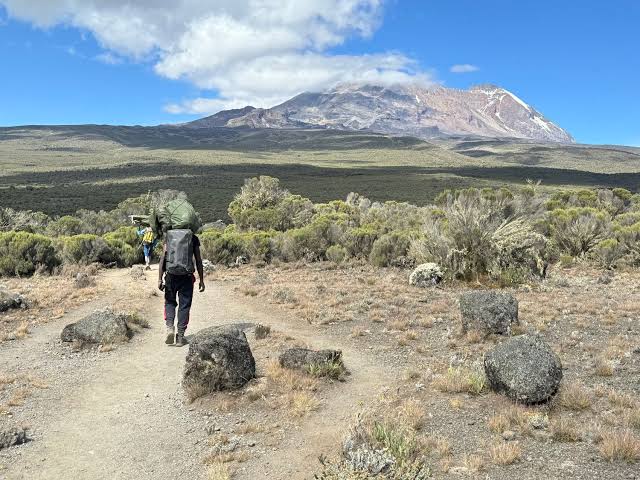
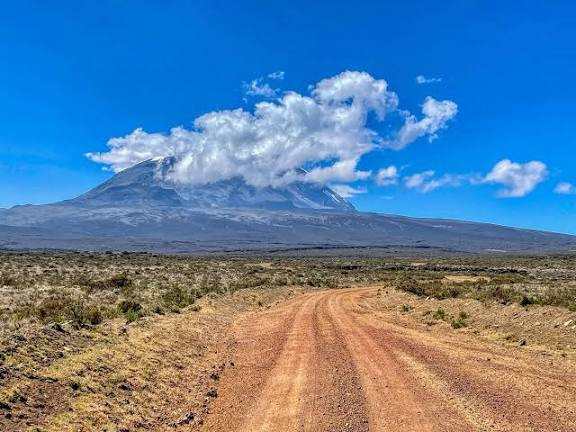
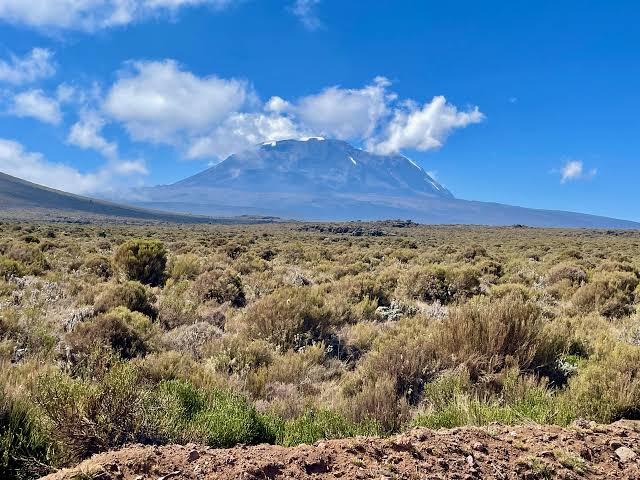
Shira Route Kilimanjaro Photos
You May Also Like
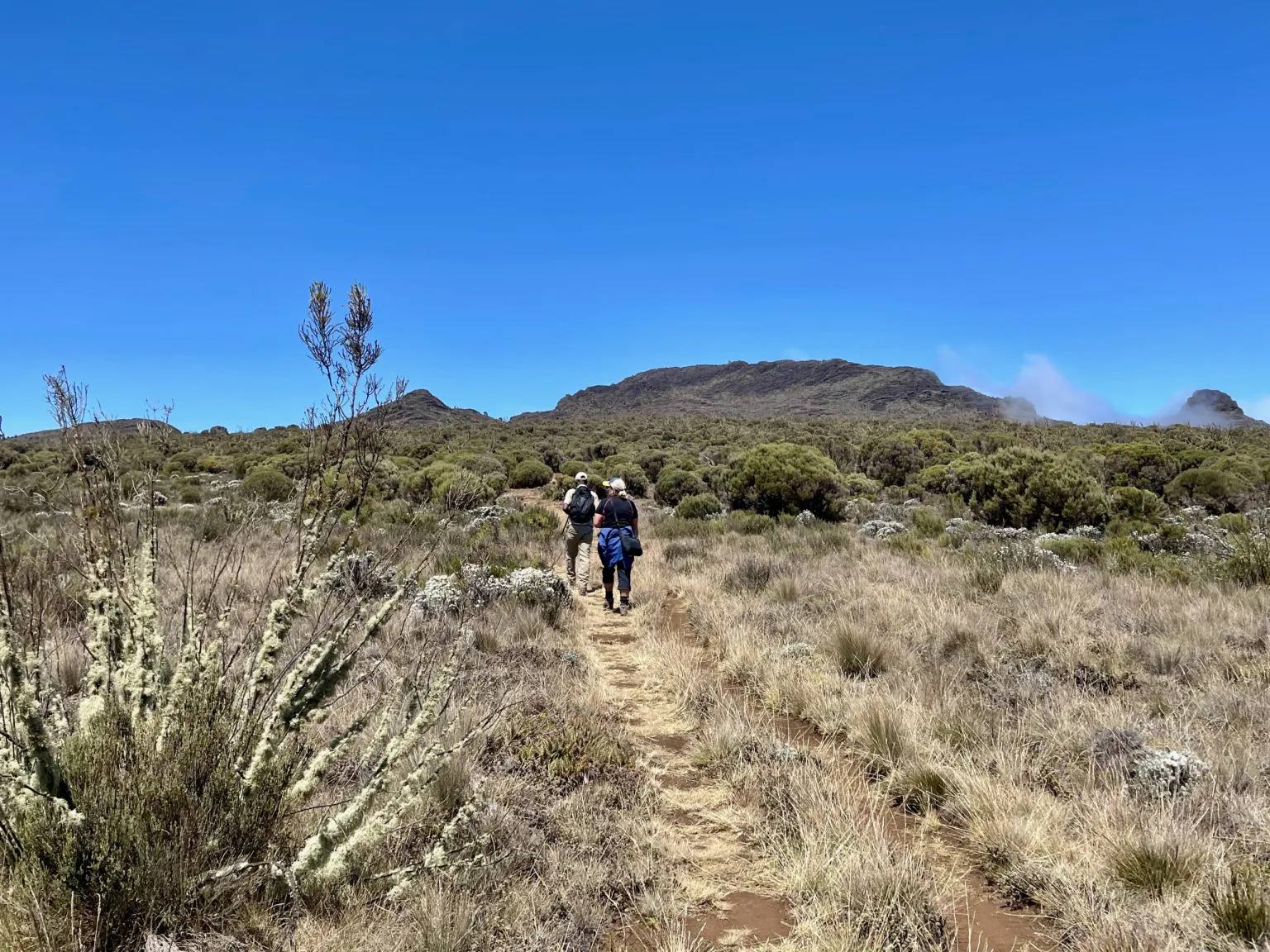
The Shira Plateau, located at 3,872 meters, is Mount Kilimanjaro’s oldest peak. Once a separate volcanic summit, it collapsed thousands of years ago, forming a broad plateau. Today, the area offers peaceful scenery, distinctive plant life, and panoramic views
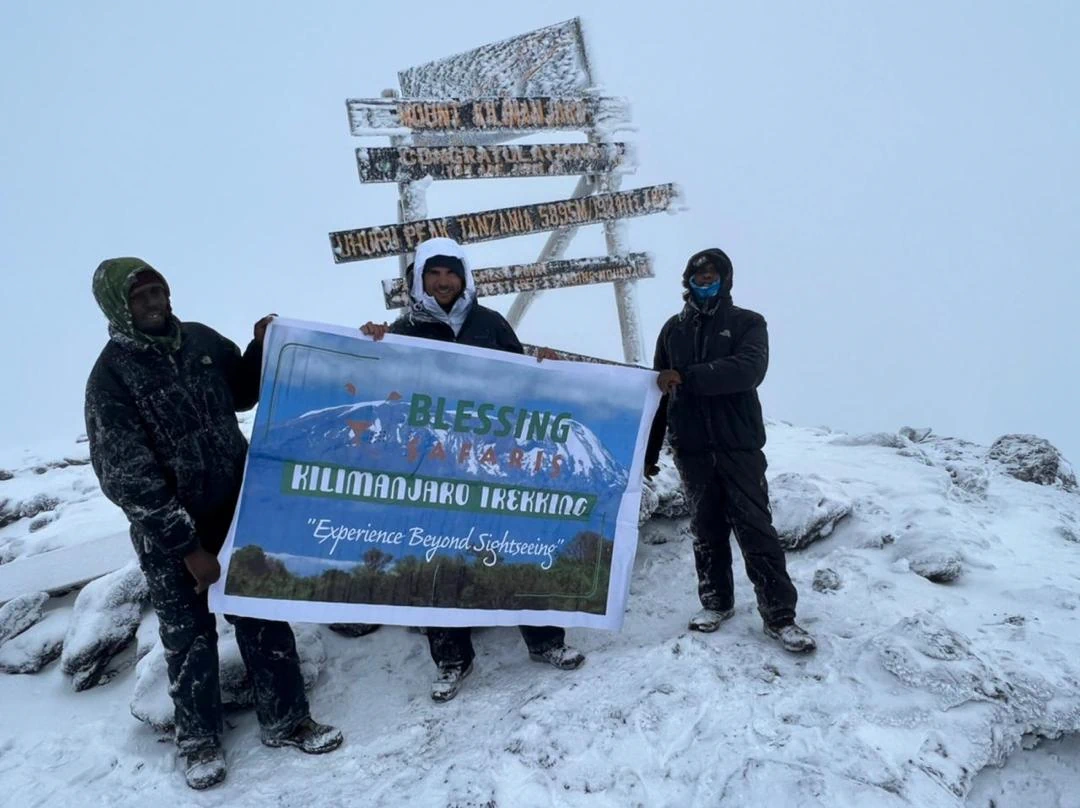
The Shira Route Kilimanjaro Trekking package provides a unique 7-day ascent to Uhuru Peak (5,895 m), Africa’s highest point. This less-traveled trail starts near Shira Ridge and closely parallels the Lemosho Route
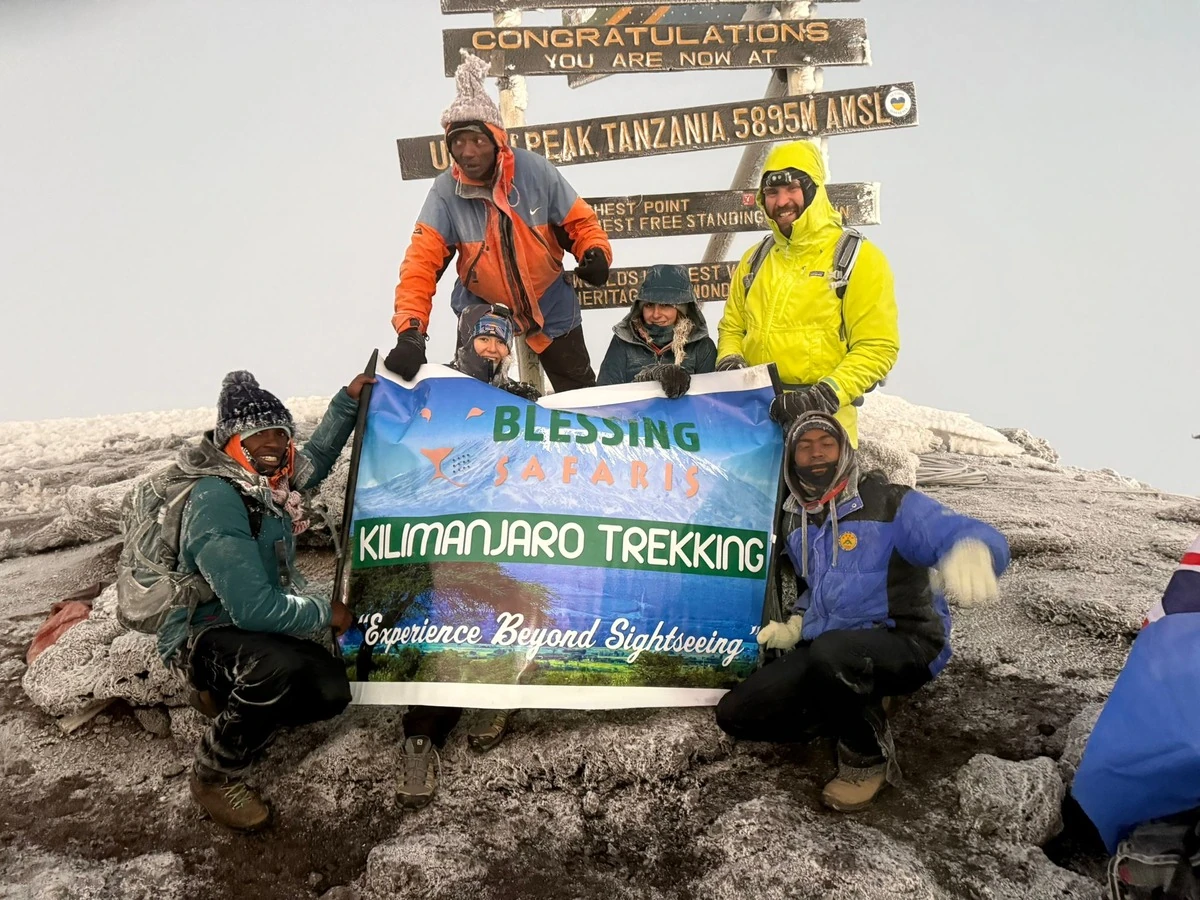
Uhuru Peak is the highest point on Mount Kilimanjaro and in Africa, reaching 5,895 meters (19,341 feet) above sea level. It stands on Kibo Peak, the tallest of Kilimanjaro’s three volcanic cones, with Mawenzi (5,149 meters) and Shira (3,962 meters) nearby.
Booking Process
If you’re satisfied enough with the information, you can book this tour directly, remember to confirm your booking with a deposit of 40% of the total cost per person. This is needed to secure accommodation and other services which belong to third parties.
At that point, we will issue you with an invoice that includes a balance due date. We must receive the full payment not less than thirty (30) days before the departure date.
In the case of holidays booked within less than thirty (30) days of the departure date, we must receive the full cost within seven (7) working days of our sending written confirmation and invoice.
In the case of non-payment of the balance by the due date, we reserve the right to cancel your booking and retain your deposit, as well as any other cancellation charges.
Before you do any payment don’t hesitate to discuss with your tour planner the best option. Your satisfaction is our happiness.
HOW TO MAKE PAYMENTS
Blessing Safaris Limited is a licensed Tour Operator in Tanzania, duly incorporated under the Companies Act of 2002, bearing registration number 141173960. The company’s Tax Identification Number (TIN) is 141-173-960.
Blessing Safaris Limited is recognized by the Tanzania Tourism Licensing Board (TTLB), also known as TALA, with Safari TALA No. 034220 and Mountain Climbing/Trekking TALA No. 036308.
To verify this information, please visit the official Ministry of Natural Resources and Tourism (MNRT) search and verify for “ Blessing Safaris ” and “ Blessing Safaris Limited”
If you need additional assurance or verification of our legal status, you may contact our bank (NMB Bank) to confirm our business credentials.
Upon booking, you will receive an invoice detailing the amount due and our bank account information. After payment, you will receive a paid invoice as proof of payment.
Terms and conditions
Click Here to View Terms & Conditions or download a pdf file