
Kibo Crater Kilimanjaro
Kibo Crater is a large volcanic depression at the summit of Mount Kilimanjaro, measuring 2.5 kilometers wide at about 5,750 meters (18,865 feet) above sea level. This geological feature defines Kilimanjaro’s summit, with its snow-capped rim rising above the Tanzanian plains and marking Africa’s highest point on the western edge. For climbers reaching Uhuru Peak, Kibo Crater is the final landscape, revealing volcanic soil, boulders, glaciers, and a profound silence after a demanding ascent.
Kibo is the highest of Kilimanjaro’s three volcanic cones, followed by Mawenzi and Shira. It contains three overlapping craters, formed by a major eruption that removed its summit. The main Kibo Crater, about 2.5 kilometers wide, contains the Reusch Crater, which holds the Ash Pit and shows that Kibo is dormant, not extinct. The inner cone surrounds the Reusch Crater, creating a nested geological structure visible from the rim.
Kibo Crater offers adventurous trekkers the rare chance to sleep inside its rim. Crater Camp, near the Furtwängler Glacier, lets climbers spend a night at extreme altitude in a remarkable setting. This experience requires special permits from Kilimanjaro National Park Authorities (KINAPA), careful preparation, and a strong sense of adventure. For many, sleeping in Kibo Crater is a highlight of their Kilimanjaro journey.
Location of Kibo Crater
Kibo Crater is located on Kibo Peak, the highest and youngest of Mount Kilimanjaro’s three volcanic cones. Kibo remains dormant and may erupt again, while Mawenzi and Shira are extinct. The crater marks the mountain’s summit, with Uhuru Peak on its western rim at 5,895 meters. This makes it Africa’s highest point and the main goal for Kilimanjaro climbers.
Kibo Crater has a complex, layered structure. The outer crater, approximately 2.5 kilometers wide, forms the main depression seen from the rim. Inside is the Reusch Crater, which contains the Ash Pit, the mountain’s volcanic vent. The Inner Cone surrounds the Reusch Crater, creating a nested formation that reflects the volcano’s turbulent history. Uhuru Peak is on the western edge of the main crater. The Western Breach, created by a historic collapse, is one of Kilimanjaro’s most dramatic and challenging features.
The name “Kibo” means “spotted” in Swahili, referring to the scattered boulders on the snowy summit. Black volcanic soil contrasts with white snow and spotted rocks, creating a dramatic landscape. The crater is completely deserted, with no vegetation, wildlife, or permanent structures except for temporary camps established by climbers with special permission. Camping inside Kibo Crater provides a unique experience in one of Earth’s harshest environments.
Kibo Crater Kilimanjaro on Map
Kibo Crater Elevation and Dimensions
Kibo Crater is located at approximately 5,750 meters (18,865 feet) above sea level, within the arctic zone of Mount Kilimanjaro. Spanning about 2.5 kilometers, it is one of East Africa’s largest volcanic craters and defines Kilimanjaro’s summit. The climbers’ campground is situated at the crater’s edge near the Furtwängler Glacier, about 5,700 meters below Uhuru Peak.
This elevation is extreme. Oxygen levels at Kibo Crater are about 50% of sea-level levels, and temperatures often fall well below freezing, especially at night. The altitude, cold, and exposure make sleeping at Crater Camp challenging and require prior high-altitude experience, strong physical fitness, and proper equipment. Those who are prepared are rewarded with a rare experience: spending a night inside the crater of Africa’s highest mountain, surrounded by glaciers and the summit’s profound silence.
The crater’s size is significant for climbers assessing the terrain. At 2.5 kilometers wide, it is difficult to cross on foot, so most climbers view it from the rim. The Reusch Crater and Ash Pit within the main crater add geological complexity and offer dramatic viewpoints for those who reach the inner edge. The Western Breach, on the western side, is a steep, challenging route to the summit that requires special permits and technical expertise.
Uhuru Peak and Kibo Crater
Uhuru Peak, the highest point on Mount Kilimanjaro at 5,895 meters (19,341 feet), sits on the western edge of Kibo Crater’s outer rim, which is about 2.5 kilometers wide. This unique position means climbers at Uhuru Peak stand not only on Africa’s highest point, but also on the edge of a significant volcanic basin.
From Uhuru Peak, climbers can view the Reusch Crater, the Ash Pit, and glaciers along the crater’s inner walls. The dramatic contrast between volcanic rock and ice, combined with the expansive views, creates a memorable experience. For many, reaching this point represents the culmination of extensive preparation, with the crater below adding geological significance to the achievement.
Uhuru Peak’s location on the crater rim exposes climbers to the crater’s weather patterns. Strong winds and frequent cloud formation can make the summit extremely cold and conditions unpredictable. Climbers should prepare for rapid weather changes and limit their time at the summit because of the risks posed by altitude and cold.
Crater Camp: Sleeping Inside Kibo Crater
Crater Camp is a campsite inside Kibo Crater at approximately 5,700 meters, adjacent to the Furtwängler Glacier. Staying here is among the most unique and challenging experiences on Mount Kilimanjaro. Climbers must secure a special permit from the Kilimanjaro National Park Authorities (KINAPA), and only those with prior high-altitude trekking experience and excellent physical fitness are advised to attempt the climb.
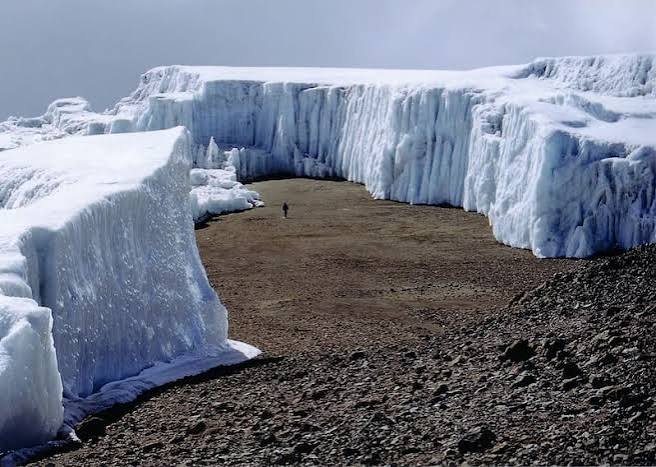
Sleeping at Crater Camp offers a truly unique experience. The deserted crater creates a sense of isolation, and camping here means adapting to a harsh environment. Nighttime temperatures can fall below -20°C (-4°F), and the altitude often disrupts sleep. However, the rewards include witnessing sunrise from within the crater, exploring the Furtwängler Glacier and Northern Ice Field up close, and standing at the edge of the Ash Pit, where Kilimanjaro’s volcanic core remains active.
Careful preparation is essential for those considering this adventure. Climbers should have prior high-altitude experience, select an ascent route that allows for proper acclimatization, and work with an experienced operator to secure permits and specialized equipment. While this experience is not suitable for everyone, it offers an unforgettable and deeply rewarding challenge for those prepared.
Routes to Kibo Crater and Crater Camp
Several Mount Kilimanjaro routes, including the Rongai and Machame Routes, feature excursions to Kibo Crater and the option to stay at Crater Camp. Each climb lasts about 8 days, allowing ample time to acclimatize and enjoy the mountain’s scenery.
The 9-day Crater Camp and Lemosho Route itinerary offers an extended experience, including an overnight at Kibo Crater. The 8-day Lemosho Route is also highly recommended and is often regarded as the most scenic option. Both routes provide strong acclimatization and a safe, comfortable way to experience the crater.
The final ascent to Kibo Crater is often considered the most memorable and thrilling part of the Kilimanjaro climb. The contrast of black volcanic soil, white snow, and the silence of the summit zone creates a lasting impression. Arrange your tour through an authorized travel operator to ensure proper permits, logistics, and safety.
Book Your Kibo Crater Experience with Blessing Safaris
Kibo Crater is Mount Kilimanjaro’s most prominent geological feature, featuring Uhuru Peak, ancient glaciers, and the active Ash Pit. Reaching the crater rim is a major achievement, and we recommend overnight stays at Crater Camp only for well-prepared climbers.
At Blessing Safaris, we are committed to providing every climber with a safe, comfortable, and memorable experience. Our local team has extensive knowledge of Kilimanjaro and upholds ethical climbing practices, fair treatment of crew, and high-quality equipment, meals, and support.
With a high number of successful summits and an excellent safety record, Blessing Safaris is trusted by climbers worldwide. Choose an operator that prioritizes your safety, comfort, and success. Book your Kilimanjaro adventure with us to create lasting memories. Your summit moment awaits, and our team is ready to support you.
Frequently Asked Questions About Kibo Crater
What Is Kibo Crater?
Kibo Crater is a large volcanic depression at the summit of Mount Kilimanjaro, located on Kibo Peak, the highest of the mountain’s three volcanic cones. The crater spans about 2.5 kilometers and sits at an elevation of approximately 5,750 meters (18,865 feet). It contains the Reusch Crater and the Ash Pit, which contribute to the dramatic landscape visible from the summit rim. Uhuru Peak, Africa’s highest point at 5,895 meters, rises on the crater’s western edge. The name “Kibo,” meaning “spotted” in Swahili, refers to the scattered boulders across the snowy summit. For climbers, Kibo Crater represents the final and most remarkable stage of the Kilimanjaro ascent.
Where Is Kibo Crater Located?
Kibo Crater sits atop Kibo Peak, the highest and youngest of Mount Kilimanjaro’s three volcanic cones. Kibo is dormant and may erupt again, while Mawenzi and Shira are extinct. The crater marks the mountain’s summit, with Uhuru Peak located on its western rim. Within the main crater lies the Reusch Crater, which contains the Ash Pit, the mountain’s volcanic vent. The Inner Cone surrounds the Reusch Crater, highlighting the volcano’s complex history. On the western edge, the Western Breach, created by a collapse of Kibo’s rim, is one of the mountain’s most prominent features.
What Is the Elevation of Kibo Crater?
Kibo Crater is located at about 5,750 meters (18,865 feet) above sea level, within the arctic zone of Mount Kilimanjaro. The Crater Camp, used by climbers who stay overnight in the crater, sits at roughly 5,700 meters near the Furtwängler Glacier. At this altitude, oxygen levels are about 50% of sea-level levels, and temperatures often fall well below freezing. The extreme altitude, cold, and exposure make sleeping at Crater Camp a demanding challenge that requires prior high-altitude experience, strong physical fitness, and proper equipment. For those prepared, the reward is rare: a night inside the crater of Africa’s highest mountain.
What Is Crater Camp on Kilimanjaro?
Crater Camp is located inside Kibo Crater at approximately 5,700 meters, adjacent to the Furtwängler Glacier. Staying here is both exceptional and highly challenging. A special permit from Kilimanjaro National Park Authorities (KINAPA) is required, and only climbers with prior high-altitude trekking experience and excellent physical fitness should attempt it. The crater is deserted, and camping here means establishing a temporary home in a harsh environment. Nighttime temperatures can fall below -20°C, and the altitude often makes sleep difficult. However, the experience offers unique rewards, including sunrise within the crater, close exploration of the Furtwängler Glacier, and the opportunity to stand at the edge of the Ash Pit.
Do I Need a Permit to Stay at Crater Camp?
Overnight stays at Crater Camp require a special permit from the Kilimanjaro National Park Authorities (KINAPA) due to the extreme altitude and associated risks. The permit process confirms climbers are prepared and enables park authorities to monitor occupancy. In addition to the permit, climbers should have prior high-altitude experience, be in excellent physical condition, and bring suitable equipment. We recommend booking your Crater Camp stay with an authorized travel operator who can manage permits, logistics, and safety requirements.
What Is the Relationship Between Uhuru Peak and Kibo Crater?
Uhuru Peak, the highest point on Mount Kilimanjaro at 5,895 meters (19,341 feet), sits on the western edge of Kibo Crater’s outer rim, which is about 2.5 kilometers wide. This unique position means climbers at Uhuru Peak stand on both Africa’s highest point and the edge of a vast volcanic basin. From the summit, climbers can look down into the crater and view the Reusch Crater, the Ash Pit, and glaciers along the inner walls.
What Is the Ash Pit in Kibo Crater?
The Ash Pit, a volcanic vent within Reusch Crater inside the main Kibo Crater, highlights that Kibo is dormant rather than extinct and may erupt again. As one of Kilimanjaro’s most striking geological features, it offers climbers a rare view into the mountain’s volcanic core. Accessing the Ash Pit requires careful navigation and is best undertaken with an experienced guide. Surrounded by ancient ice and volcanic rock, the vent is among the mountain’s most memorable sights.
What Is the Western Breach?
The Western Breach, located on the western side of Kibo Crater, was formed by the collapse of the crater’s rim. It is among Kilimanjaro’s most challenging routes, requiring technical climbing skills and special permits. Visible from many points on the mountain, the breach highlights the volcanic forces that shaped Kilimanjaro. Although most climbers avoid this route, it enhances the dramatic landscape of the crater and summit zone. For experienced mountaineers, the Western Breach provides a unique and demanding ascent to the summit.
Which Routes Include Kibo Crater?
Several Mount Kilimanjaro routes feature excursions to Kibo Crater. Both the Rongai and Machame Routes include visits to the crater and typically take about 8 days, allowing climbers time to acclimatize and enjoy the scenery. For those seeking the Crater Camp experience, the 9-day Crater Camp and Lemosho Route itinerary includes an overnight stay at Kibo Crater. The 8-day Lemosho Route is also highly recommended and is widely regarded as the most scenic option.
What Does It Feel Like to Sleep at Crater Camp?
Sleeping at Crater Camp offers a unique experience on Mount Kilimanjaro. The deserted crater and deep silence create an unforgettable atmosphere. Nighttime temperatures fall well below freezing, and the high altitude often causes headaches, nausea, and restlessness. Despite these challenges, the rewards are exceptional. Waking up in the crater, watching the sunrise over the glaciers and crater walls, and knowing you spent the night in such an extreme environment is deeply moving. For many, Crater Camp is the highlight of their Kilimanjaro journey.
What Should I Bring to Kibo Crater?
For a visit to Kibo Crater, especially an overnight stay at Crater Camp, bring a four-season sleeping bag rated to at least -20°C, an insulated sleeping pad, multiple thermal layers, a heavy down jacket, windproof and waterproof outerwear, a warm hat and gloves, a headlamp with lithium batteries, a thermos for hot drinks, high-energy snacks, and a portable toilet system if needed. Due to the extreme altitude and cold, proper equipment is essential for safety and comfort. Climbers should also pack any necessary medications, including altitude sickness remedies, and be prepared for rapidly changing weather.
Why Is It Called Kibo Crater?
The name “Kibo” means “spotted” in Swahili, aptly describing the scattered boulders on the crater’s snowy summit. This name highlights the contrast between black volcanic rocks and the surrounding snow and ice. As Kilimanjaro’s highest point and a prominent African geological feature, Kibo’s name reflects both its appearance and significance. For climbers, reaching Kibo Crater is a notable achievement, symbolizing the mountain’s unique beauty and geological history.
What Is the Best Time to Visit Kibo Crater?
The best time to visit Kibo Crater is during the dry seasons from June to October and December to March. These months offer stable weather, clear skies, and minimal precipitation, improving accessibility and enhancing views. Trail conditions are safer because slippery rocks are less likely. However, climbers should always prepare for cold temperatures and strong winds because of the crater’s high altitude and rapidly changing conditions. Visiting in the dry season increases the chances of a safe and enjoyable experience.
Can Beginners Visit Kibo Crater?
Kibo Crater is not recommended for beginners, particularly for overnight stays at Crater Camp. The extreme altitude, cold, and demanding conditions require prior high-altitude experience and strong physical fitness. Beginners should first gain experience on lower-altitude treks and improve their fitness and acclimatization. For experienced, well-prepared trekkers, the crater offers one of the most rewarding experiences on Mount Kilimanjaro.
BOOK YOUR CLIMB NOW
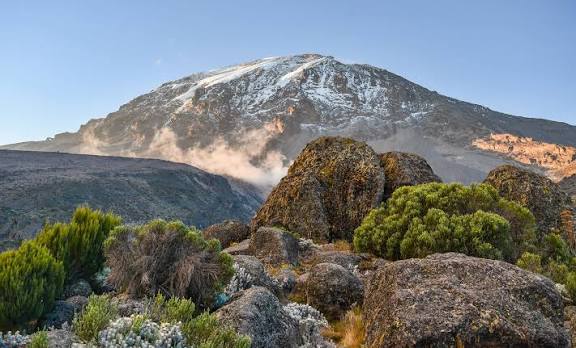
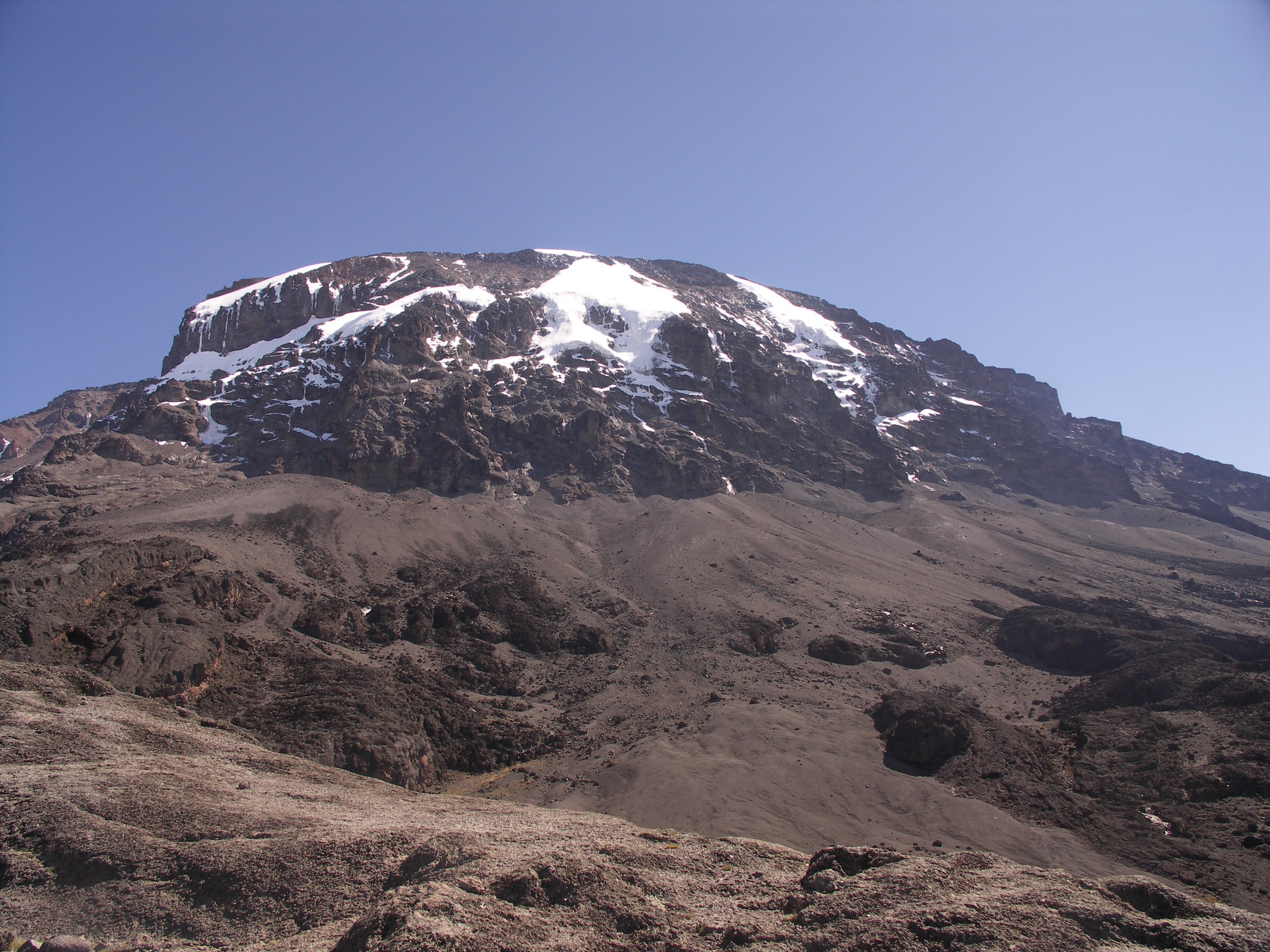
Kibo Crater Kilimanjaro Photos
You May Also Like
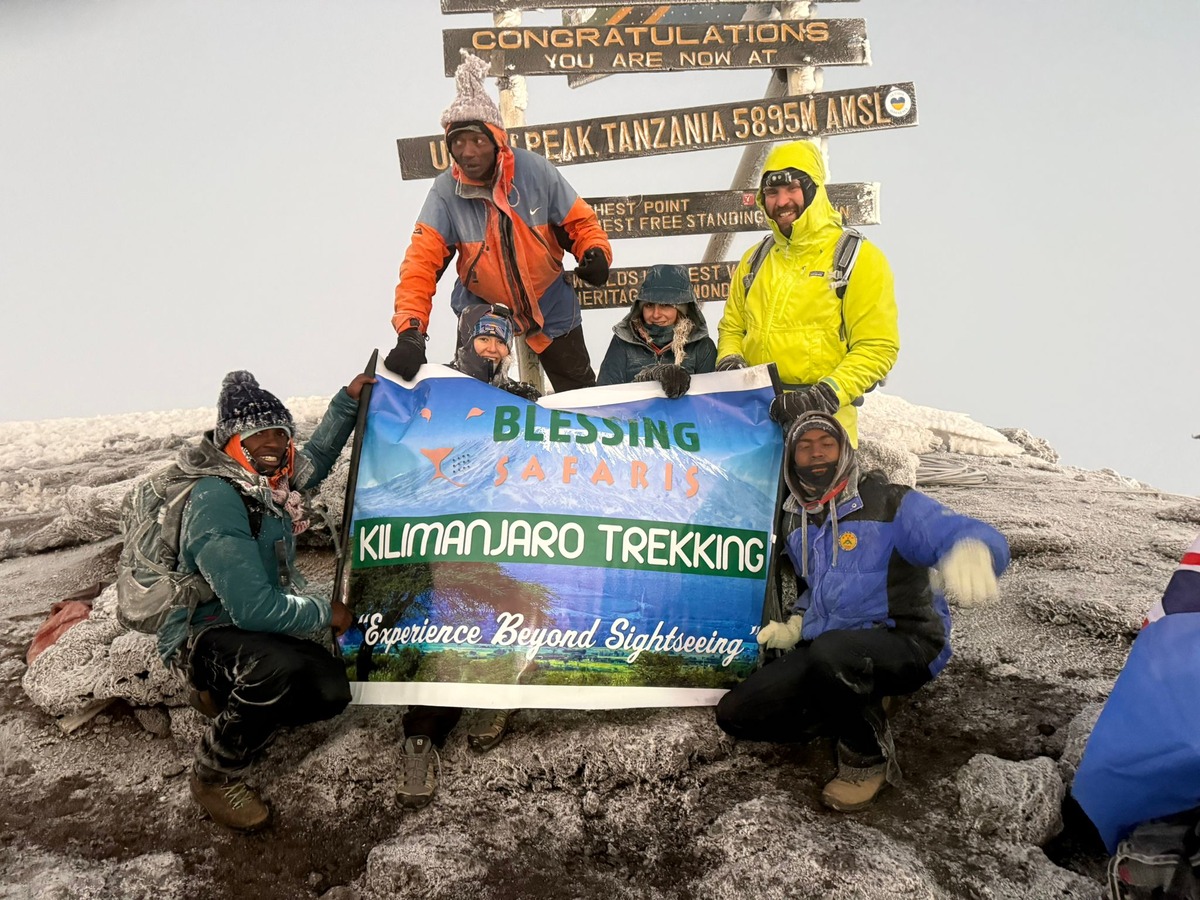
Uhuru Peak is the highest point on Mount Kilimanjaro and in Africa, reaching 5,895 meters (19,341 feet) above sea level. It stands on Kibo, the tallest of Kilimanjaro’s three volcanic cones, with Mawenzi (5,149 meters) and Shira (3,962 meters) nearby.
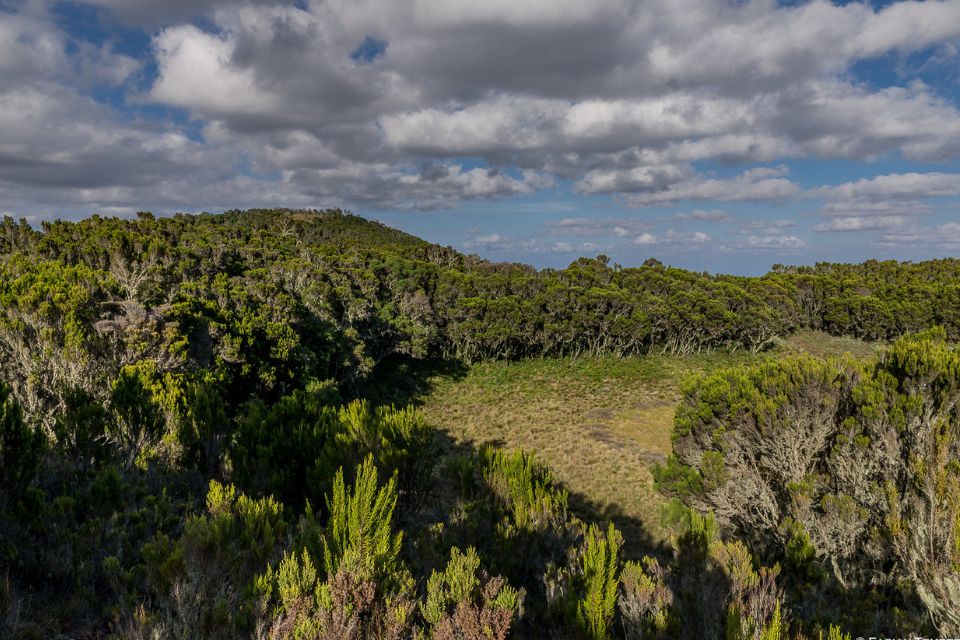
Maundi Crater is a small, extinct volcanic depression on Mount Kilimanjaro that provides insight into the mountain’s volcanic history. Situated near the Mandara Huts campsite at about 2,760 meters,
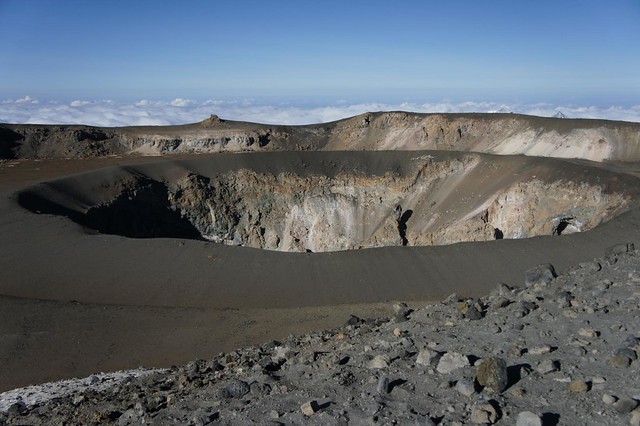
The Reusch Ash Pit is a 140-meter-wide crater located at the center of Kilimanjaro’s summit, within the larger Reusch Crater. It descends approximately 350 meters (1,150 feet), providing a rare view of the volcanic forces that shaped Africa’s highest mountain